

Image of 1955 Studebaker E5, Note: These illustrations use artistic license and may differ from actual historical models.
Performance Metrics
Fundamental Metrics
Emotional Appeal
MMP Rating
| Engine Specifications | |
|---|---|
| Engine: | Studebaker 259 V8 |
| Displacement: | 259 cu in (4.2 L) |
| Horsepower: | 185 hp at 4500 rpm |
| Torque: | 258 lb-ft at 2600 rpm |
| Compression Ratio: | 7.8:1 |
| Ignition System: | Points and condenser |
| Cooling System: | Liquid-cooled |
| Performance Specifications | |
| 0-60 Time: | 10 seconds |
| 1/4 Mile Time: | Estimated 17.5 seconds |
| Top Speed: | 100 mph |
| Transmission and Drive | |
| Drive Type: | Rear-wheel drive |
| Transmission Type: | 3-speed manual, 4-speed automatic optional |
| Fuel and Efficiency | |
| Fuel System Type: | Carburetor |
| MPG: | Estimated 15-20 mpg |
| Dimensions and Brakes | |
| Brakes: | Drum brakes |
| Wheelbase: | 120.5 inches |
| Weight: | 3200 lbs |
Note: Specifications for classic cars are given to the best of our ability, considering the limited and variant data available.
1955 Studebaker E5: A Distinctive Postwar Pickup
The 1955 Studebaker E5 brought a fresh, car-inspired look to the working pickup at a time when America’s truck market was getting tougher by the year. Built by the Studebaker Corporation of South Bend, Indiana, the E5 was part of the company’s new-for-1955 E-series lineup. Studebaker had begun as a wagon maker in the nineteenth century, and that practical heritage still showed in its trucks, even as the company worked to make them more comfortable and modern.
The E5 is generally identified as a half-ton pickup. It arrived amid fierce competition from Ford, Chevrolet, and Dodge, all of which had larger sales networks and deeper resources. That makes the E5 an interesting chapter in Studebaker history: it was a capable, individual alternative from an independent automaker fighting to stay relevant in a market increasingly dominated by the Big Three.
One useful bit of nameplate trivia: the E5 belongs to Studebaker’s 1955 E-series, not the later Transtar-branded trucks. The Transtar name became prominent afterward, so the E5 sits at a transition point in the company’s truck story.
E5 Styling and Cab Details
From the outside, the E5 balances sturdy pickup proportions with styling cues that feel more automotive than agricultural. Its broad front end, sculpted fenders, prominent grille, and rounded cab give it a distinctly mid-1950s appearance. The shape looks purposeful without being as boxy as many earlier work trucks. Depending on trim and condition, brightwork and two-tone paint can make an E5 especially eye-catching.
Inside, the cabin is straightforward and durable. Expect a broad bench seat, painted metal surfaces, simple gauges, and a practical rubber floor covering rather than the plush carpeting found in a passenger car. Upholstery materials and trim varied with specification and restoration history. The overall impression is honest utility: the controls are easy to understand, and the cab is designed to be cleaned and put back to work.
Factory and dealer paint choices varied, and trucks could be finished in solid colors or contrasting combinations. Red, blue, green, cream, and white tones are commonly associated with period Studebaker trucks, though an individual truck’s original color should be confirmed from its paint codes or documentation. Two-tone finishes are popular with collectors because they emphasize the E5’s rounded cab and fender lines.
The E5’s signature configuration is the conventional pickup with an open cargo bed. Studebaker’s broader truck range also served buyers needing chassis-cab, platform, or other commercial bodies, but availability depended on the model and order. For a half-ton E5, the pickup bed is the classic and most recognizable form.
Engines, Equipment, and Period Technology
The E5’s standard power was a 185.6-cubic-inch inline six, rated at about 101 horsepower in commonly cited specifications. A 224-cubic-inch Studebaker V8, rated at roughly 140 horsepower, was available in the period truck lineup and is an appealing upgrade when found in an E5. Exact equipment can vary, so buyers should verify the engine against the truck’s serial information and original records where available.
Rear-wheel drive and a manual transmission suit the E5’s working-truck purpose. Studebaker offered useful transmission and equipment choices across its truck range, but options varied by model and build. Overdrive, for example, is a feature to confirm on the individual truck rather than assume from the badge alone. Compared with later pickups, the E5’s technology is simple: mechanical systems, conventional brakes, and relatively direct controls make it easier to understand than a modern truck.
Why the E5 Matters
The E5 did not reinvent the pickup, but it showed how an independent manufacturer could give a work vehicle a strong visual identity. At a time when trucks were becoming family transport as well as tools, Studebaker’s car-influenced styling helped the E5 feel less like a stripped-down commercial appliance. Its cab, fenders, and front-end treatment gave it personality without sacrificing its basic hauling role.
That individuality is the E5’s lasting contribution. It was not a high-volume design that set the template for every later pickup, and it did not introduce a technology that transformed the industry. Instead, it represents a distinctive alternative from a manufacturer with a long wagon-and-truck heritage. Today, that uncommon combination of South Bend history, mid-century styling, and working-truck simplicity is precisely what attracts enthusiasts.
Performance and Road Manners
Factory-style acceleration and top-speed figures are difficult to pin down for a specific E5 because engine, gearing, condition, load, and tire choice all make a difference. As a practical estimate, a healthy six-cylinder truck might reach 60 mph in roughly 20 seconds or more and top out around 70 to 75 mph. A V8 example could be quicker, perhaps reaching 60 mph in the mid-to-high teens and approaching 80 mph in favorable conditions. These are estimates, not guaranteed factory test figures, and an old truck should not be pushed to modern highway speeds without a careful mechanical inspection.
On the road, the E5 feels like a traditional body-on-frame pickup. Its solid axles and leaf springs are built to carry a load, so an empty truck can bounce over sharp bumps and feel more unsettled than a modern pickup. Add cargo and the ride generally becomes more composed. On winding roads, expect deliberate steering and noticeable body movement rather than sports-car precision. Crosswinds can also demand attention, particularly at speed or with a light load.
The driving experience is part of the appeal. The six has a steady, workmanlike note, while the optional V8 adds a deeper exhaust sound and stronger response. The manual gearbox, broad bench seat, and simple dashboard keep the driver closely involved. It is an old-school truck: you hear the engine, feel the road, and make your inputs without electronic assistance.
Living with a 1955 Studebaker E5
Most E5s today are used for weekend drives, local shows, vintage hauling, and collection displays rather than daily commuting or heavy commercial work. A sound example can handle local roads comfortably, but its age and modest cruising performance make long, fast highway trips less relaxing than they are in a modern vehicle.
Routine maintenance is relatively accessible for an owner comfortable with basic mechanical work. The engine bay is not crowded with electronic systems, and many repairs involve familiar tasks such as ignition service, carburetor adjustment, brake work, and cooling-system maintenance. Parts support is more specialized than it is for a Chevrolet or Ford pickup, however. Some mechanical parts can be sourced through vintage Studebaker suppliers and specialist networks, while trim, glass, and model-specific body pieces may take patience to locate.
Reliability depends heavily on restoration quality and upkeep. Before buying, inspect the frame, cab mounts, floors, bed, and lower fenders for rust. Check the brakes, steering, cooling system, and electrical wiring carefully. A clean-looking truck can still need substantial work underneath, and a well-maintained, correctly restored example is usually a better buy than a bargain project with missing parts.
Rare Details and Common Criticisms
The E5’s rarity is part of its charm. It is far less familiar at shows than a contemporary Ford F-series or Chevrolet pickup, and that means owners often get questions from visitors who have never seen one. No widely recognized E5 speed, sales, or endurance record defines the model, and celebrity ownership is not a major part of its history. Its strongest claim to fame is being a distinctive product of Studebaker’s final decade as a major American vehicle manufacturer.
Common criticisms are practical ones. The truck is slower and less refined than modern pickups, its steering and ride require more effort, and replacement body and trim parts can be difficult to find. Studebaker’s smaller production and service network also meant fewer surviving trucks and less parts interchange than buyers enjoy with the most popular Ford and Chevrolet models. Those drawbacks are real, but they are also why an E5 feels special today.
Collector Value and Availability
There is no dependable, widely published production total for the E5 model alone. As a reasoned estimate rather than a factory-confirmed figure, production may have been in the neighborhood of 5,000 to 10,000 trucks, with the number of surviving, usable examples considerably smaller. The E5 is uncommon, but it is not so scarce that one never appears on the market. Finding the right body condition, drivetrain, and documentation may take longer than locating a truck itself.
In the U.S. market, a rough current value range is about $8,000 to $15,000 for a running driver needing work, $18,000 to $30,000 for a solid and presentable example, and roughly $30,000 to $45,000 or more for a high-quality restoration. Exceptional trucks, desirable V8 examples, and unusually well-documented restorations may exceed that range. These are broad estimates: rust, originality, mechanical condition, and local demand can move a price substantially.
Values have tended to rise gradually for good examples as interest in overlooked independent makes grows, but the E5 remains a niche collectible rather than a guaranteed investment. Asking prices can be ambitious, and sale prices vary with condition and buyer enthusiasm. A careful purchase is usually more important than trying to predict a dramatic surge in value.
The E5’s Lasting Appeal
The 1955 Studebaker E5 combines a practical half-ton format with distinctive styling, simple mechanicals, and a direct connection to Studebaker’s long manufacturing history. It is not the fastest or easiest vintage pickup to maintain, but it rewards owners with uncommon looks and a refreshingly hands-on driving experience. For collectors who want a classic truck beyond the usual Ford-and-Chevrolet choices, the E5 is a memorable piece of American automotive history.
1955 Studebaker E5 Catalog of Parts
 1955 Studebaker E5 Shock Absorber Grommet. 1" bottom O.D-BN 11Shock Absorber Grommet. 1" bottom O.D., 3/4" high, with 5/8" I.D. Each
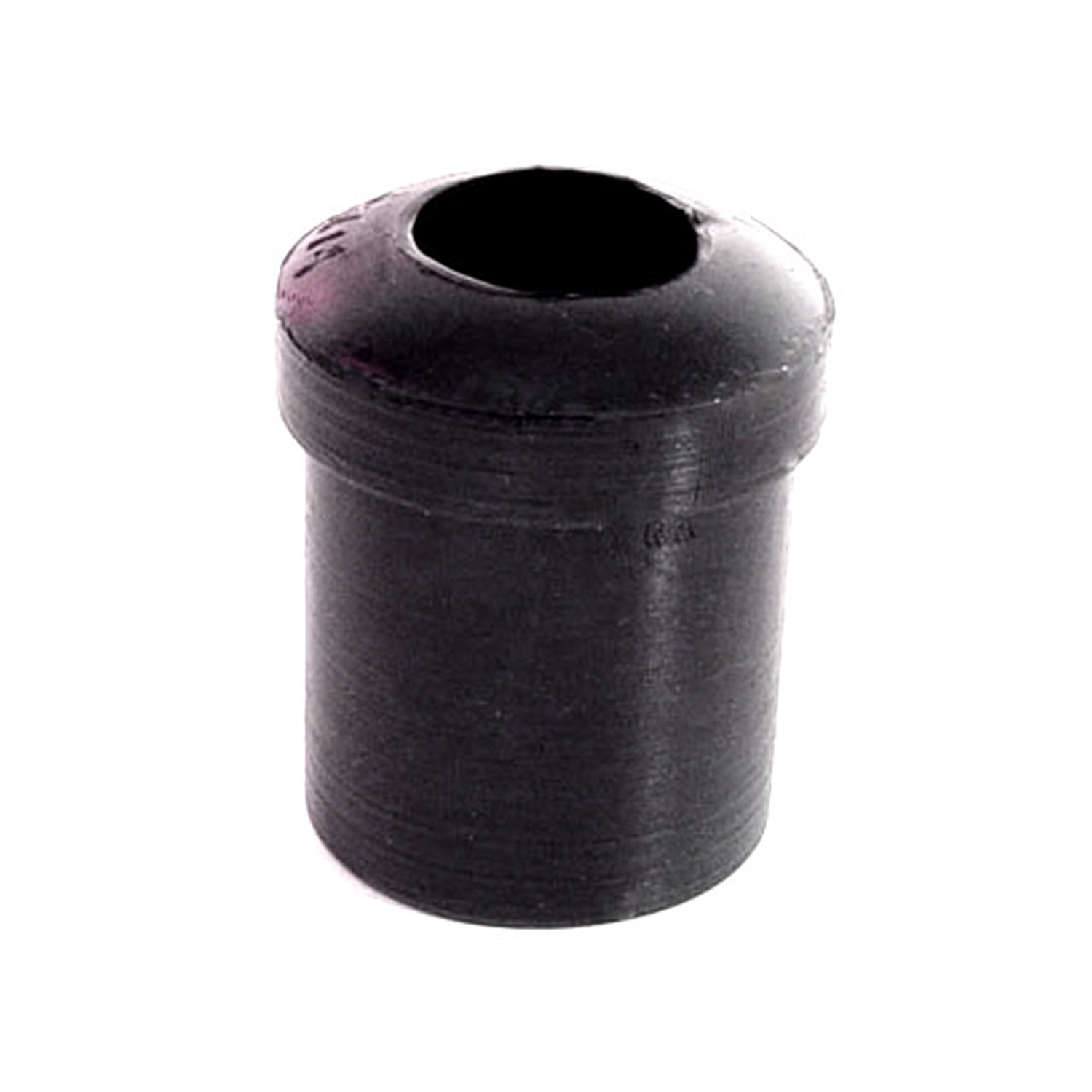 1955 Studebaker E5 Spring and Shackle Bushing. 1-1/16" bottom O.D-BN 14Spring and Shackle Bushing. 1-1/16" bottom O.D. X 1-1/2" high, with 5/8" I.D. Each
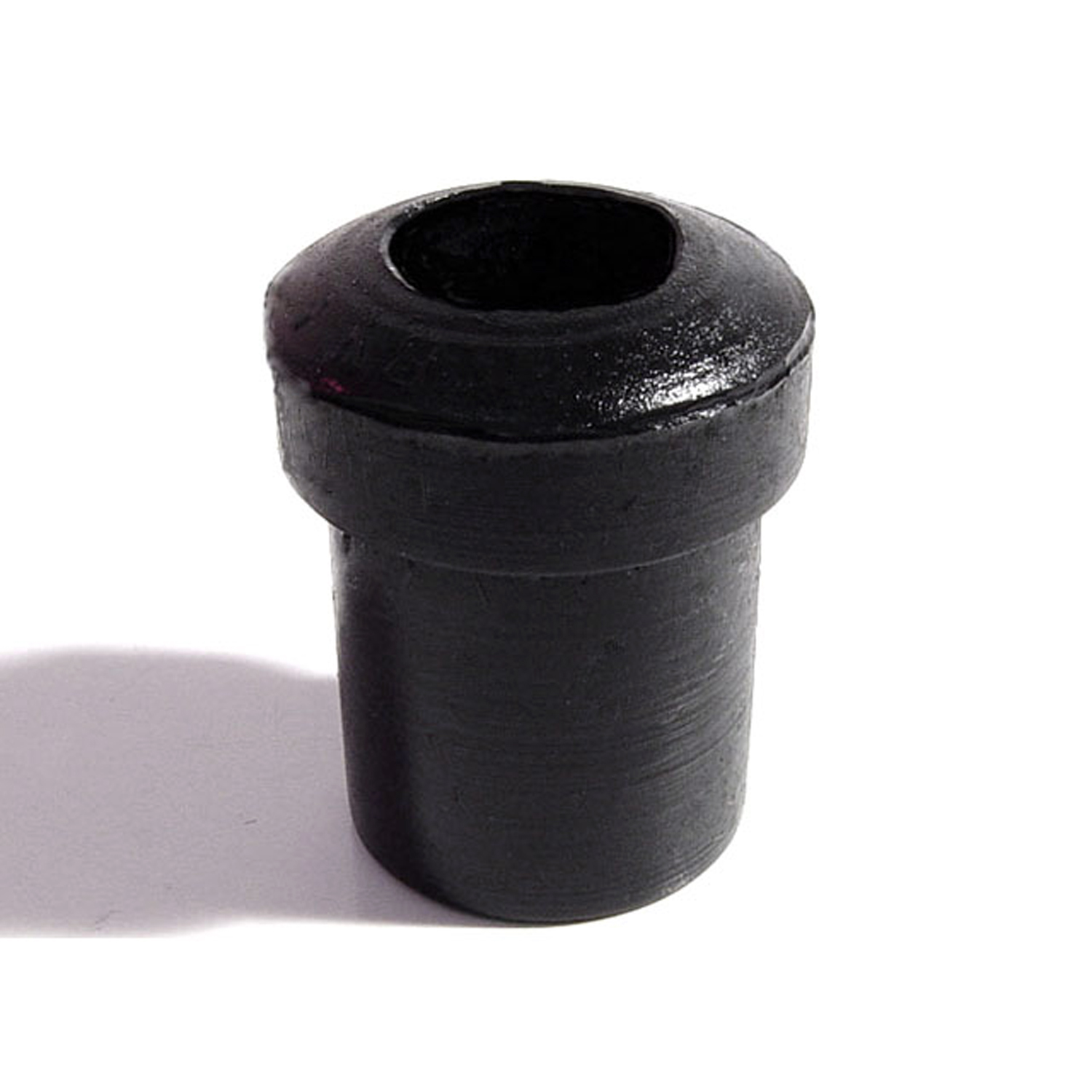 1955 Studebaker E5 Spring and Shackle Bushing. 7/8" bottom O.D-BN 16Spring and Shackle Bushing. 7/8" bottom O.D. X 1-1/8" high, with 1/2" I.D. Each
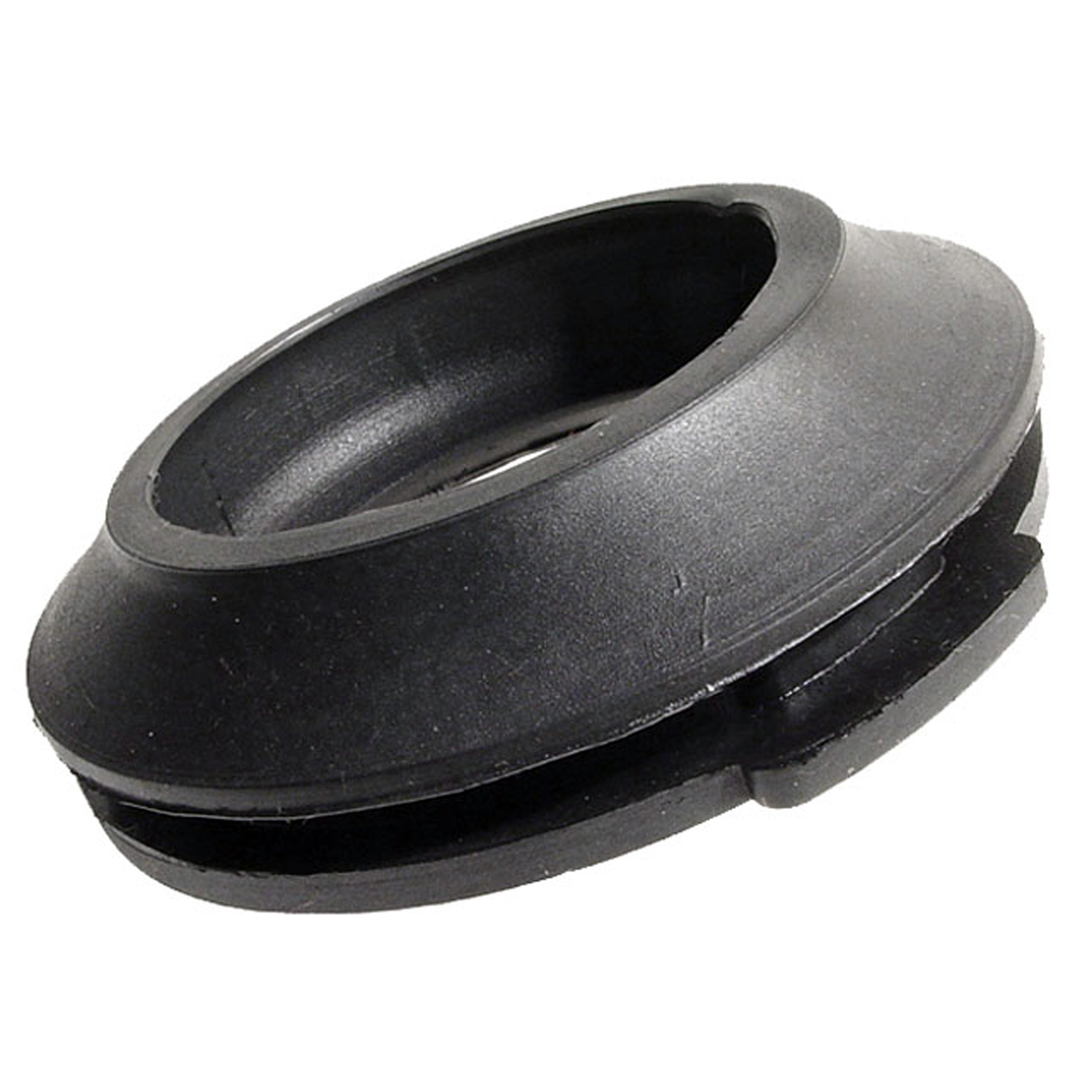 1955 Studebaker E5 Gas Filler Grommet. Perfect reproduction. Top 2-1/16" I.D-GF 45Gas Filler Grommet. Perfect reproduction. Top 2-1/16" I.D., 3-7/16" O.D. Each
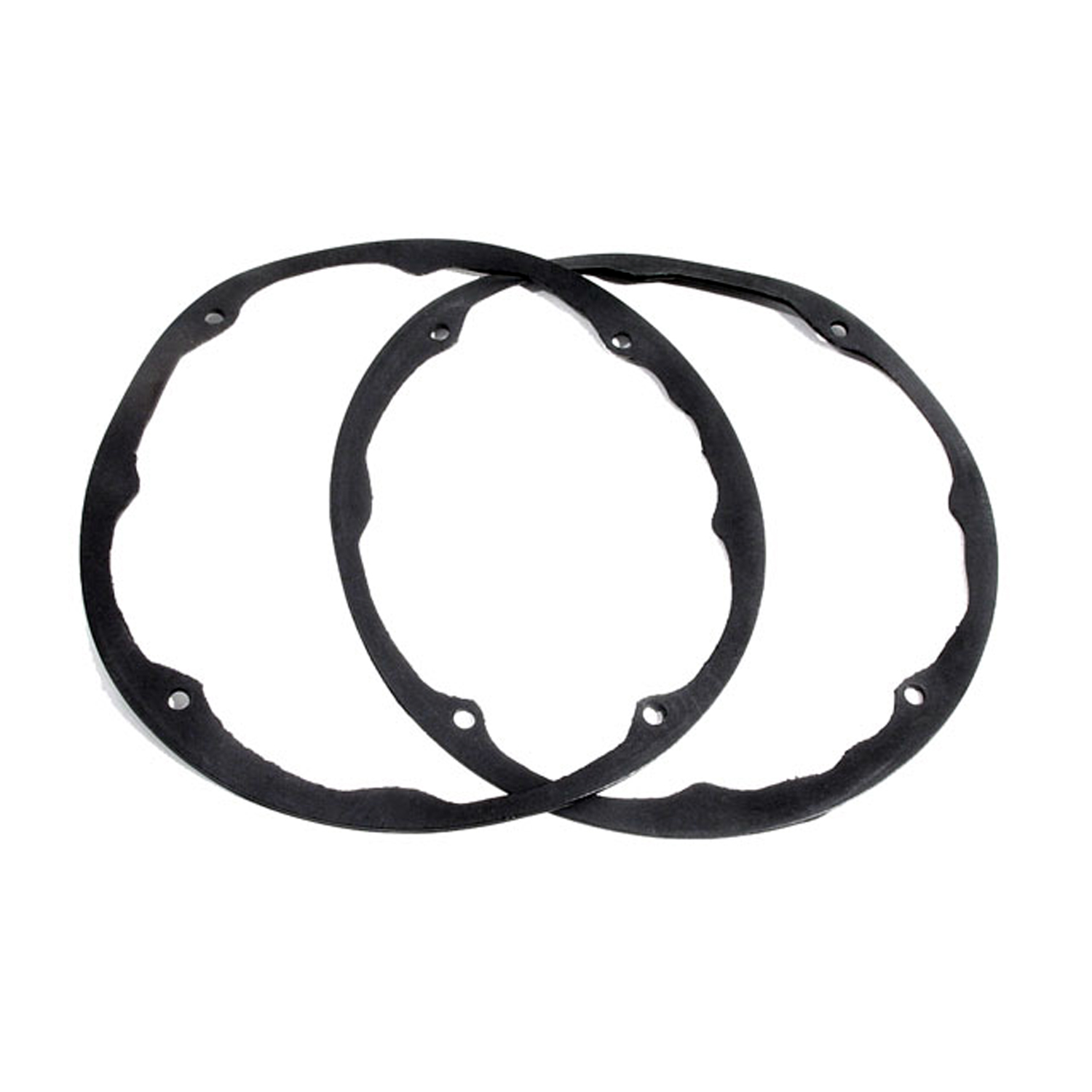 1955 Studebaker E5 Headlight Ring Seal. 8-5/8" O.D., 7-7/8" I.D. Pair-HR 16Headlight Ring Seal. 8-5/8" O.D., 7-7/8" I.D. Pair
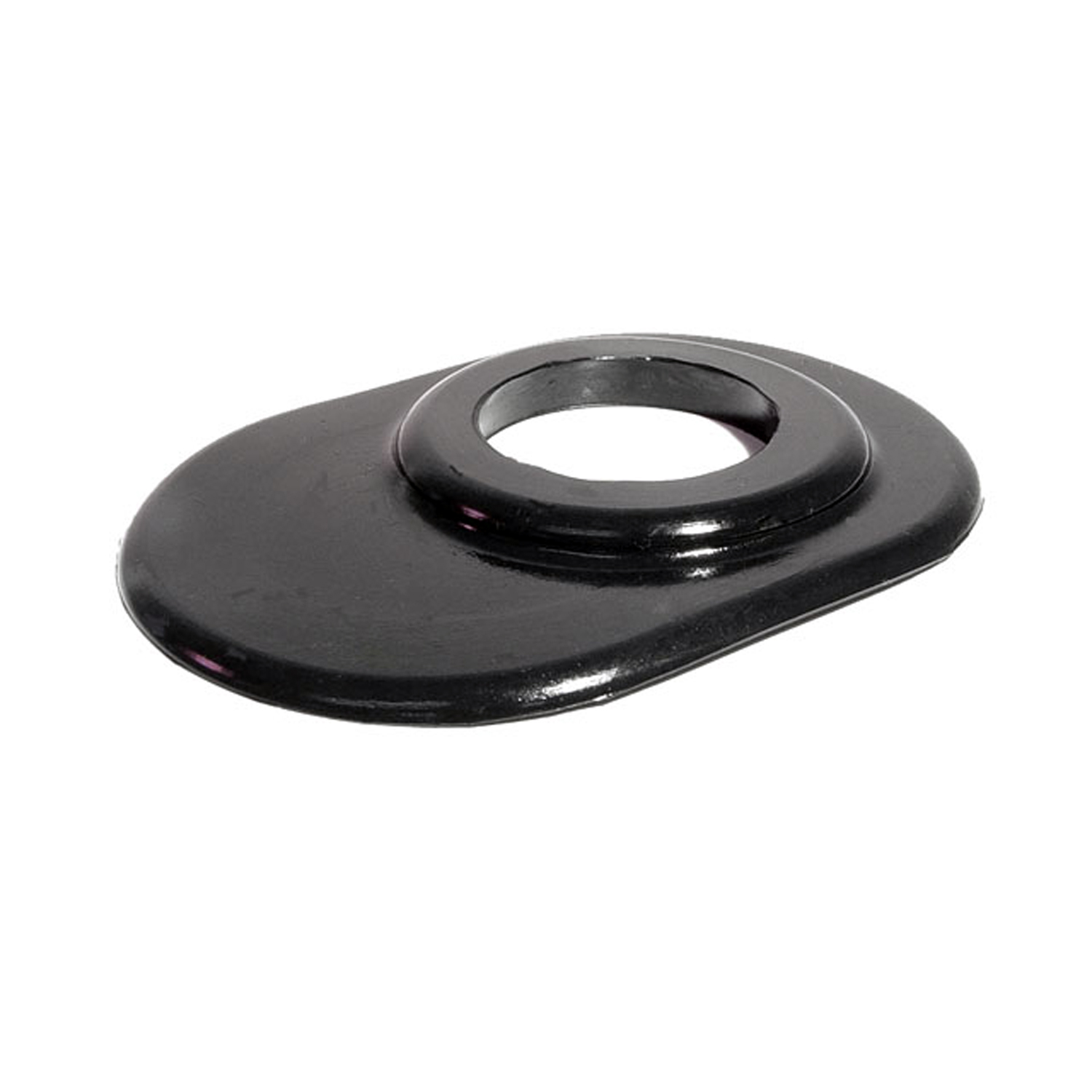 1955 Studebaker E5 Steering Column Grommet. For 4-speed models. Each-SC 24Steering Column Grommet. For 4-speed models. Each
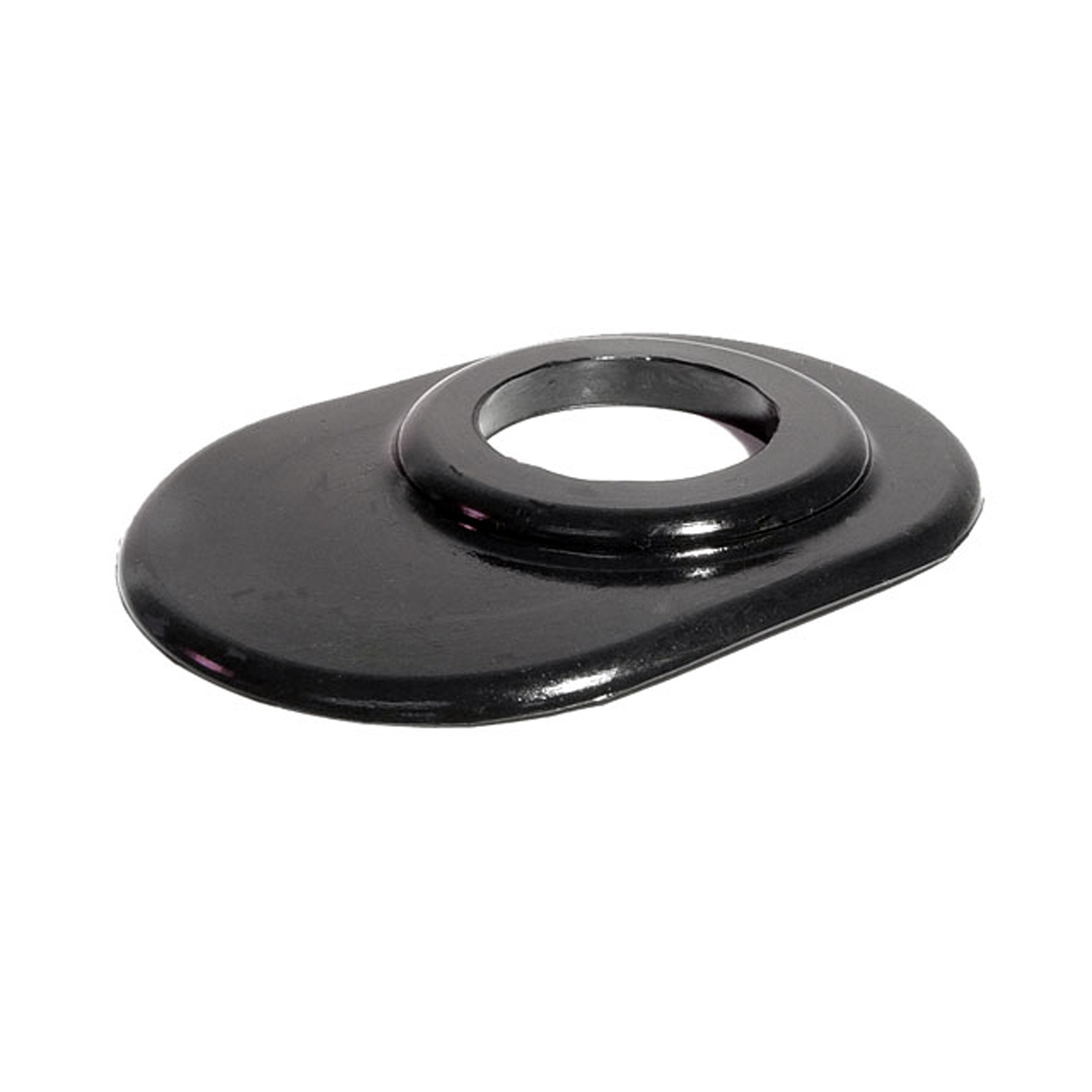 1955 Studebaker E5 Steering Column Grommet. For 3-speed models. Each-SC 24-ASteering Column Grommet. For 3-speed models. Each
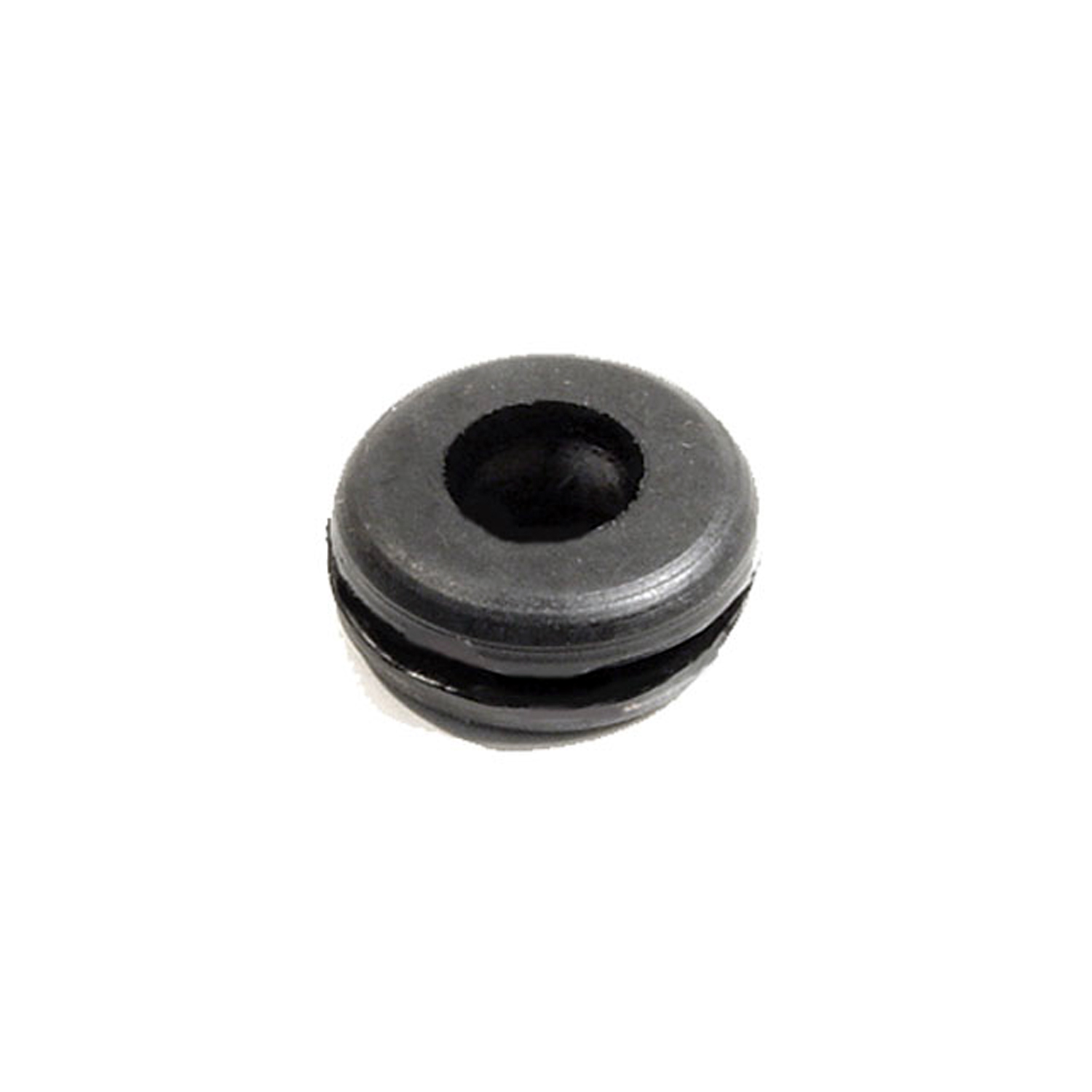 1955 Studebaker E5 Headlight & Tail-Light Wire Grommet. 3/8" I.D., 7/8" O.D-SM 13-AHeadlight & Tail-Light Wire Grommet. 3/8" I.D., 7/8" O.D. Each
Why Choose Metro?
For over 100 years, Metro Moulded Parts has been the pinnacle of quality in classic car restoration parts. Our commitment to precision and authenticity in every component ensures a perfect fit and an OEM-level appearance.
- Expert Craftsmanship & Quality: Each part is a testament to our dedication to reliability and perfection, crafted from original designs and thoroughly tested.
- Advanced Technology: We use cutting-edge techniques to create flawless, long-lasting parts that surpass others in performance.
- SuperSoft Sponge – The Ultimate Door Seal: Not only are our door seals 30% softer than competitors', but they're also guaranteed to never leak. They effectively reduce wind and road noise, enhancing your classic car's comfort and driving experience.
- Proudly American: Our parts are a product of American craftsmanship, made in the USA with a spirit of excellence and heritage.
- Unrivaled Warranty: We back our products with a 30-year industry-leading warranty, a testament to our confidence in their quality.
Join us in preserving the legacy of classic cars with parts that are crafted for perfection, not just made.