

Image of 1956 Studebaker Champion, Note: These illustrations use artistic license and may differ from actual historical models.
Performance Metrics
Fundamental Metrics
Emotional Appeal
MMP Rating
| Engine Specifications | |
|---|---|
| Engine: | 185.6 cu in (3.0 L) I6 |
| Displacement: | 185.6 cu in (3.0 L) |
| Horsepower: | 101 hp |
| Torque: | 125 lb-ft |
| Compression Ratio: | 7.5:1 |
| Ignition System: | Distributor and coil |
| Cooling System: | Liquid-cooled |
| Performance Specifications | |
| 0-60 Time: | Estimated 20 seconds |
| 1/4 Mile Time: | Estimated 22 seconds |
| Top Speed: | 90 mph |
| Transmission and Drive | |
| Drive Type: | Rear-wheel drive |
| Transmission Type: | 3-speed manual, 3-speed automatic |
| Fuel and Efficiency | |
| Fuel System Type: | Carburetor |
| MPG: | Estimated 15-20 mpg |
| Dimensions and Brakes | |
| Brakes: | Drum brakes |
| Wheelbase: | 116.5 in |
| Weight: | 2,900 lbs |
Note: Specifications for classic cars are given to the best of our ability, considering the limited and variant data available.
1956 Studebaker Champion: A Compact Classic with Independent Spirit
The 1956 Studebaker Champion was built for buyers who wanted a sensible American car without settling for anonymous styling. With its distinctive front end, roomy cabin, and economical six-cylinder engine, the Champion carried forward the independent spirit of Studebaker, a company that had been building vehicles in South Bend, Indiana, since the nineteenth century.
Studebaker had been making cars since 1902, and the Champion name first appeared in 1939. By 1956, the company was operating as Studebaker-Packard Corporation, following the 1954 merger with Packard. The merger came during a difficult period for independent automakers, which were competing against the much larger production and advertising budgets of General Motors, Ford, and Chrysler. In that context, the Champion was important: it was one of Studebaker’s core, more affordable models, helping the company offer a practical alternative to the Big Three.
One intriguing point of comparison is that the 1956 range also included the dramatic Golden Hawk, a powerful, high-performance model. The Champion sat at the opposite end of the showroom in both price and performance. It shared the marque’s unmistakable character, but delivered it in a more economical package.
Studebaker Styling and Cabin Details
The 1956 Champion kept the basic low-slung body introduced earlier in the decade, but received updated details that gave it a fresh face. Its broad grille, sculpted hood, and distinctive headlamp treatment set it apart from the more upright styling common on many mid-1950s family cars. The profile was clean and relatively low, with a generous glass area and a gently tapering roofline. At the rear, modest fins and crisp body lines added period flair without overwhelming the design.
Inside, the Champion was straightforward and comfortable rather than lavish. A wide bench seat made room for passengers, while the dashboard put the essential instruments and controls within easy reach. Depending on trim and equipment, buyers could find cloth upholstery, vinyl accents, patterned seat coverings, and coordinated interior colors. The materials were appropriate to an affordable family car of the era: appealing when new, but generally less ornate than the interiors of higher-priced luxury models.
Exterior and interior colors varied by trim and production choice. Buyers could select solid colors or two-tone combinations, a popular mid-century treatment that emphasized the car’s body contours. Tasteful two-tone schemes remain especially attractive to collectors today, though original paint combinations and correct upholstery can be difficult to verify without factory documentation.
The Champion was offered in sedan forms, including two-door and four-door versions, with station-wagon body styles also represented in Studebaker’s 1956 passenger-car range. Exact combinations depended on trim and market. It is worth distinguishing these cars from the Hawk: the Champion was a conventional family-car line, not a sporty hardtop coupe. For many buyers, the four-door sedan was the most practical and recognizable choice, while the wagon offered useful extra cargo space.
Technology in a Changing Era
Under the hood, the Champion used Studebaker’s 185.6-cubic-inch L-head inline-six. Period specifications commonly list output at about 101 horsepower, giving the car adequate power for everyday travel without the fuel appetite of a large V8. Buyers could pair the engine with a three-speed manual transmission, optional overdrive, or an automatic transmission, depending on the car’s configuration.
Overdrive was a useful feature for drivers who regularly covered highway miles. At cruising speeds, it reduced engine rpm and helped make long-distance driving quieter and more economical. The Champion also reflected the industry’s gradual move toward more modern electrical and convenience equipment, though features such as power steering, power brakes, and radios depended on the particular car’s options. On a surviving example, it is wise to check what was factory-installed and what may have been added later.
Why the Champion Mattered
The 1956 Champion’s significance lies less in a single revolutionary invention than in the role it played for an independent manufacturer. Studebaker had to compete with companies able to spread design and engineering costs across enormous production volumes. The Champion offered familiar American-car practicality while retaining styling that was distinctly Studebaker rather than a close imitation of a mass-market rival.
That independent approach is part of the car’s lasting appeal. Studebaker’s design work in the early and mid-1950s helped establish the company’s reputation for clean, forward-looking lines. The Champion itself was a more conservative family car than the headline-grabbing Hawk models, but it carried the same visual identity into a more accessible price class. Today, it offers an alternative to the better-known Chevrolets and Fords of the period, and its relative obscurity can make it an appealing choice for enthusiasts who want something less familiar at a local show.
Six-Cylinder Performance and Road Manners
With roughly 101 horsepower, the Champion was a steady cruiser rather than a quick car. Period performance figures vary with transmission, body style, axle ratio, and vehicle condition, but a reasonable modern estimate is about 18 to 22 seconds from zero to 60 mph. Top speed is generally estimated in the neighborhood of 85 to 90 mph. Those figures should be treated as broad guides, not guarantees for a particular car.
On the road, the six-cylinder delivers its power in a relaxed, workmanlike way. The engine has a characteristic low, even burble, and the manual gearbox gives the driver a more involved experience than many modern cars. With overdrive engaged, the Champion settles into a calmer highway rhythm. The automatic version is easier in traffic, though it does not transform the car into a performance machine.
The suspension was designed for ordinary American roads, so a sound Champion should take bumps and patched pavement in a composed, soft-edged manner. It will not feel as tightly controlled as a modern sedan, and body lean is part of the experience on a winding road. Steering feel and braking performance depend heavily on condition, tire choice, and equipment. A well-maintained car can be pleasant on back roads, but it rewards smooth inputs and sensible speeds rather than aggressive cornering.
Living with a 1956 Champion
Today, Champions are most often used as weekend cruisers, show cars, and occasional tour cars. A carefully maintained example can also handle local errands, but regular use calls for attention to the cooling system, brakes, tires, electrical connections, and fuel system. Like any car approaching seventy years old, it should be inspected thoroughly before being trusted for long trips.
The Champion’s simple six-cylinder layout is a practical advantage. Many routine tasks are manageable for an experienced home mechanic, and the car does not rely on complex electronic systems. The challenge is often sourcing the correct parts, especially trim, body-specific pieces, and interior details. Mechanical components may be easier to track down through marque clubs, specialist suppliers, swap meets, and fellow owners than through a typical local parts counter.
Before buying, check for rust in the floors, rocker panels, lower doors, trunk area, and structural mounting points. Inspect the engine for oil leaks and signs of overheating, and test the transmission, overdrive, and electrical equipment if fitted. A car that runs and drives is not automatically a sound restoration candidate; hidden rust and missing trim can quickly turn an affordable purchase into an expensive project.
Champion Trivia and Common Complaints
The Champion shares its family tree with some of Studebaker’s most celebrated 1950s cars, but it is not a Golden Hawk in disguise. The Golden Hawk was a separate, much more powerful model, while the Champion was the economical six-cylinder choice. That contrast neatly captures Studebaker’s unusual range: practical transportation at one end, high-performance ambition at the other.
Exact production totals can be hard to summarize because Studebaker reported figures by model and body configuration, and reference sources do not always group them the same way. A reasonable estimate is that roughly 25,000 to 35,000 Champion passenger cars were produced for 1956, with the exact total depending on which body styles and classifications are counted. That makes the Champion less common today than the era’s most popular mass-market cars, though it is not necessarily a rare model in the strict collector-car sense.
There is no widely recognized land-speed or endurance record associated specifically with the 1956 Champion. Its reputation is instead built on practical design and its place in Studebaker’s final challenging years as an independent automaker. Common criticisms include modest acceleration, less powerful performance than V8 rivals, and parts availability that can require patience. Collectors also note that the Champion does not attract the same attention or resale premium as the sportier Hawk models.
Collector Values and Market Outlook
Values vary considerably with body style, originality, rust, mechanical condition, and restoration quality. As a broad 2026 market estimate in the United States, a project car might sell for about $3,000 to $7,000. A usable driver could fall around $7,000 to $14,000, while a clean, well-presented example may bring roughly $15,000 to $25,000. An exceptional, correctly restored car with strong documentation and desirable equipment could exceed that range, though the Champion generally does not command the prices of a top-tier Hawk or a rare high-performance model.
These figures are estimates rather than a fixed price guide. Local demand, originality, and the quality of a restoration can make a significant difference. Over time, the Champion has tended to appreciate modestly alongside the broader classic-car market, but its value growth has generally been steadier and less dramatic than that of more famous American performance cars. Its appeal is strongest among Studebaker enthusiasts and collectors looking for a distinctive, usable mid-century sedan.
Availability is limited compared with common Chevrolets and Fords, but patient buyers can still find Champions through marque clubs, online listings, specialist auctions, and regional shows. A complete, solid car is often a better buy than a cheaper example missing hard-to-find trim or carrying serious rust.
A Distinctive Studebaker Worth Remembering
The 1956 Studebaker Champion combines independent styling, honest six-cylinder performance, and the practical character of a mid-century family car. It was not the fastest or most luxurious model of its time, but it offered a distinctive alternative in a market increasingly dominated by the Big Three. For today’s enthusiast, its charm is in that balance: easygoing road manners, approachable mechanicals, and a design that still looks unmistakably Studebaker.
Choose a sound example, preserve its details, and the Champion becomes more than a vintage sedan. It becomes a rolling reminder that American automotive history was shaped not only by giants, but also by bold independents willing to take their own road.
1956 Studebaker Champion Catalog of Parts
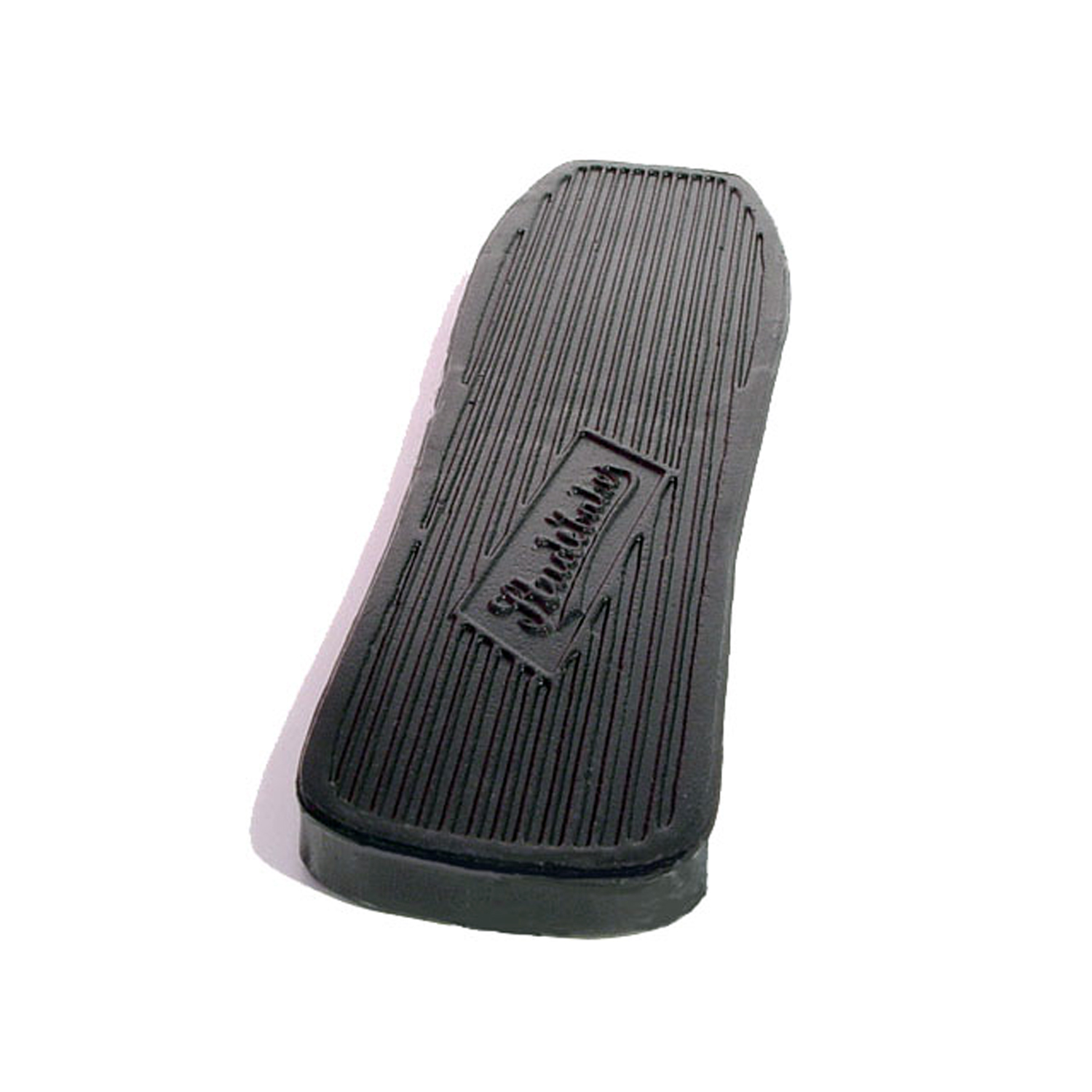 1956 Studebaker Champion Accelerator Pedal Pad, 2-3/8" X 9", Each-AP 22Accelerator Pedal Pad, 2-3/8" X 9", Each
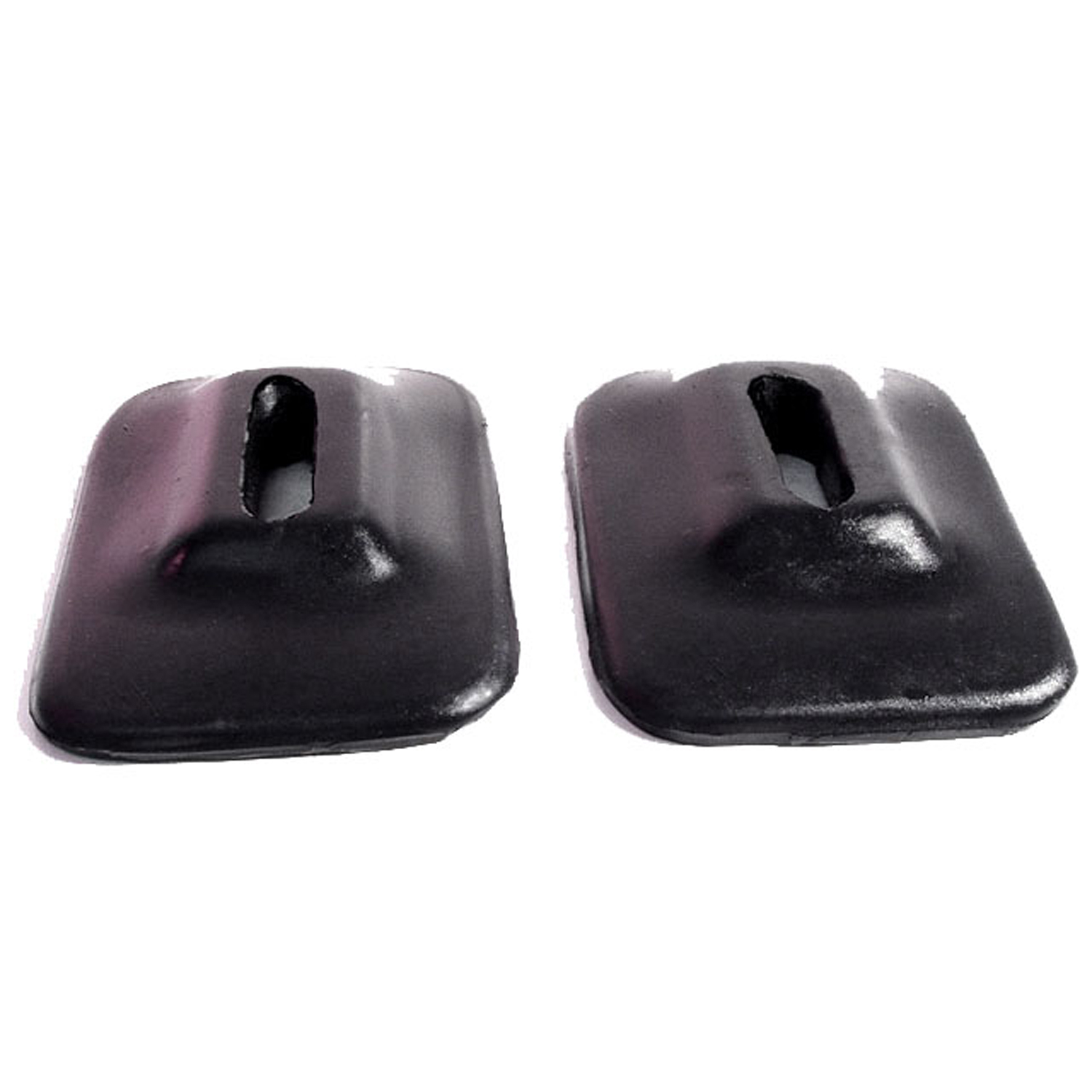 1956 Studebaker Champion Front and Rear Bumper Arm Grommets-BG 45Front and Rear Bumper Arm Grommets. 2-3/4" wide X 4-1/8" long, with 1-5/8" long inner slot. Pair
 1956 Studebaker Champion Shock Absorber Grommet. 1" bottom O.D-BN 11Shock Absorber Grommet. 1" bottom O.D., 3/4" high, with 5/8" I.D. Each
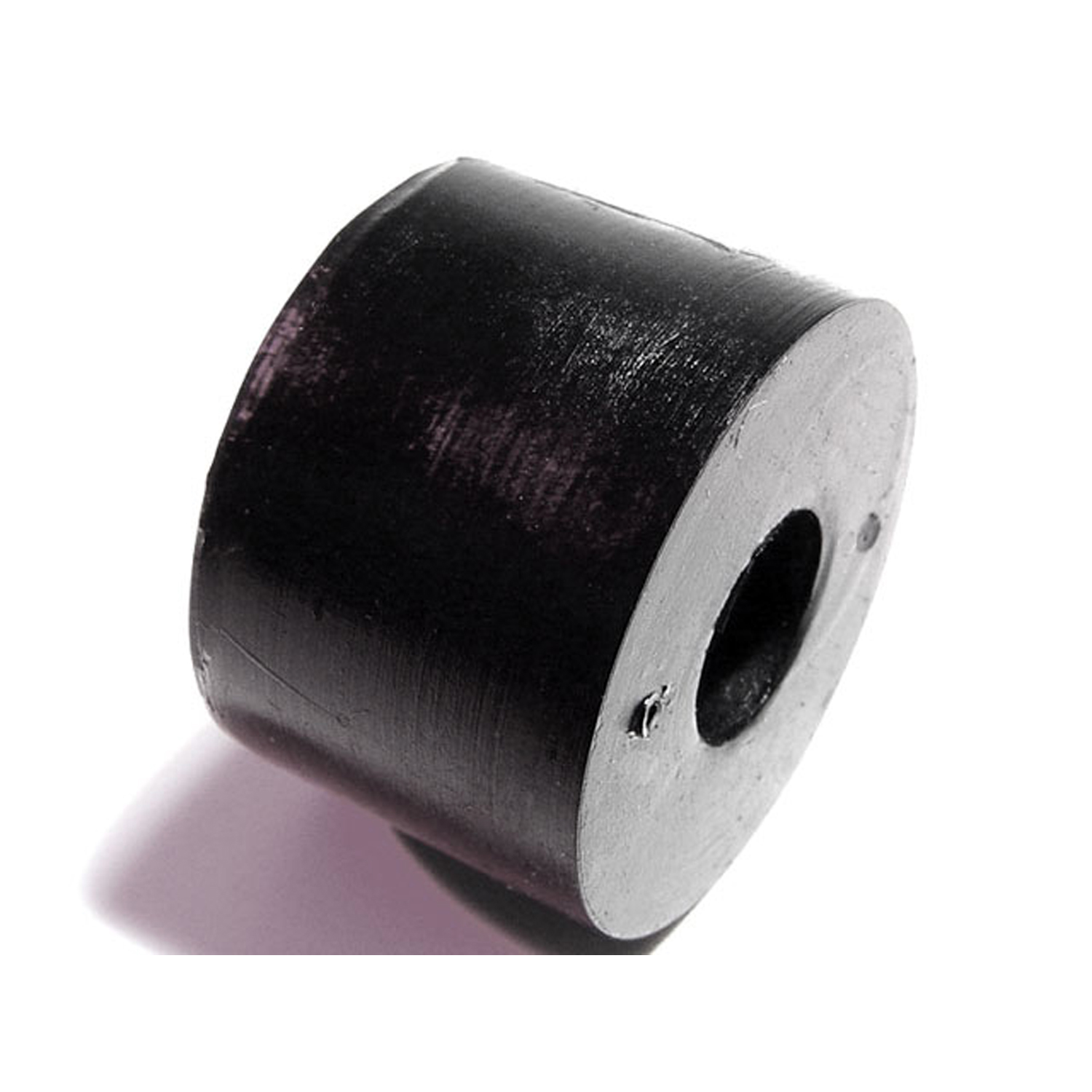 1956 Studebaker Champion Shock Absorber Grommet. 1" bottom O.D., 5/8" high-BN 13Shock Absorber Grommet. 1" bottom O.D., 5/8" high., with 3/8" I.D. Each
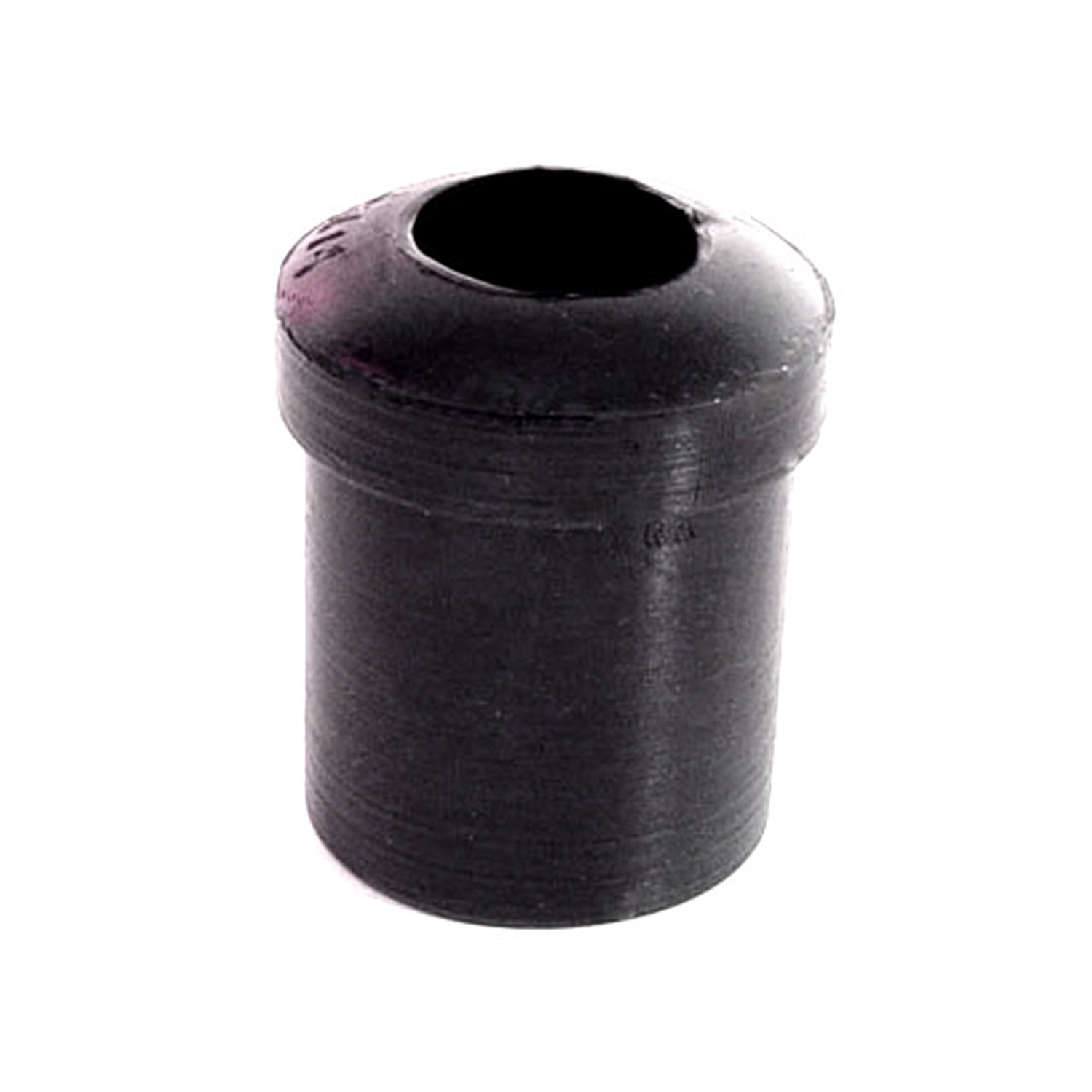 1956 Studebaker Champion Spring and Shackle Bushing. 1-1/16" bottom O.D-BN 14Spring and Shackle Bushing. 1-1/16" bottom O.D. X 1-1/2" high, with 5/8" I.D. Each
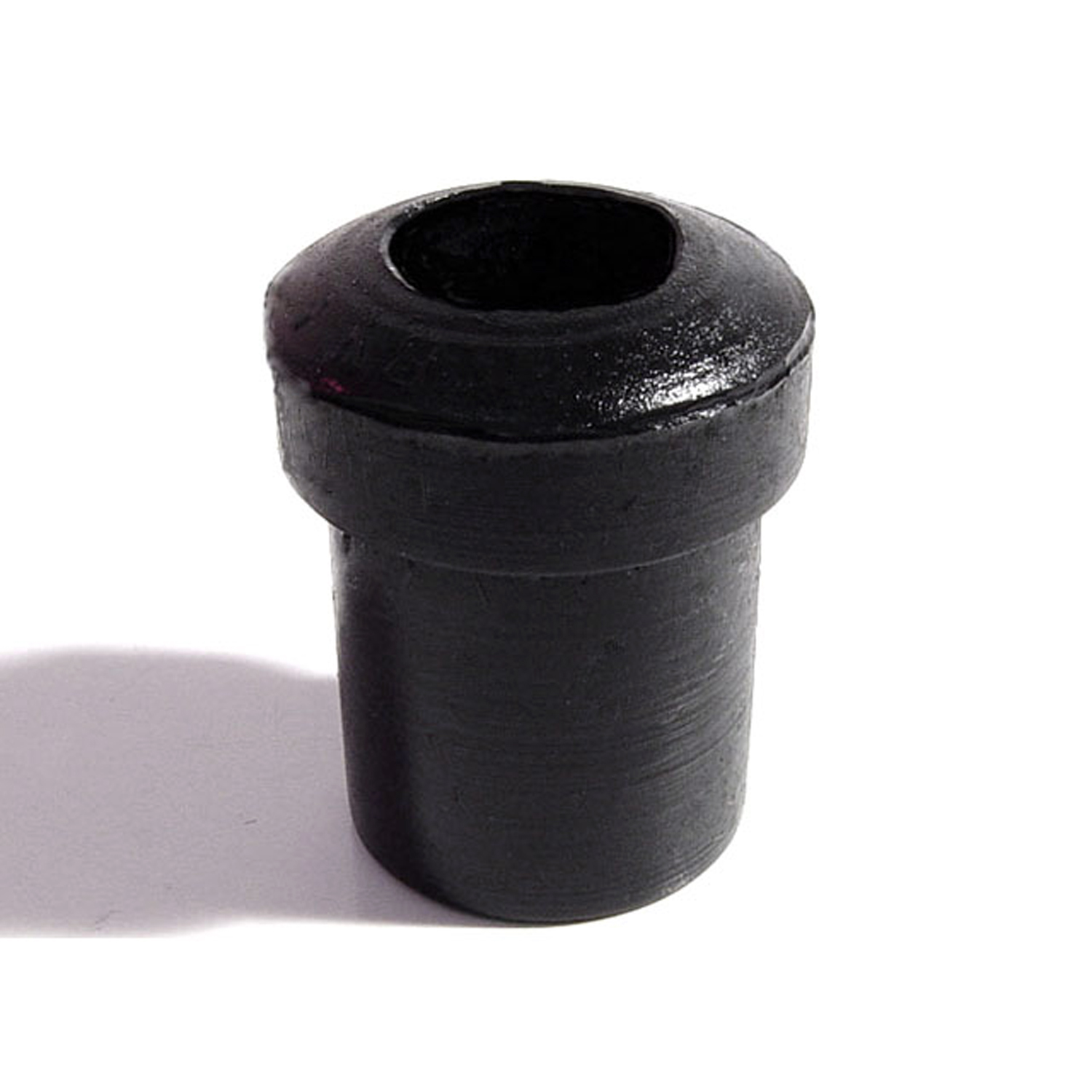 1956 Studebaker Champion Spring and Shackle Bushing. 7/8" bottom O.D-BN 16Spring and Shackle Bushing. 7/8" bottom O.D. X 1-1/8" high, with 1/2" I.D. Each
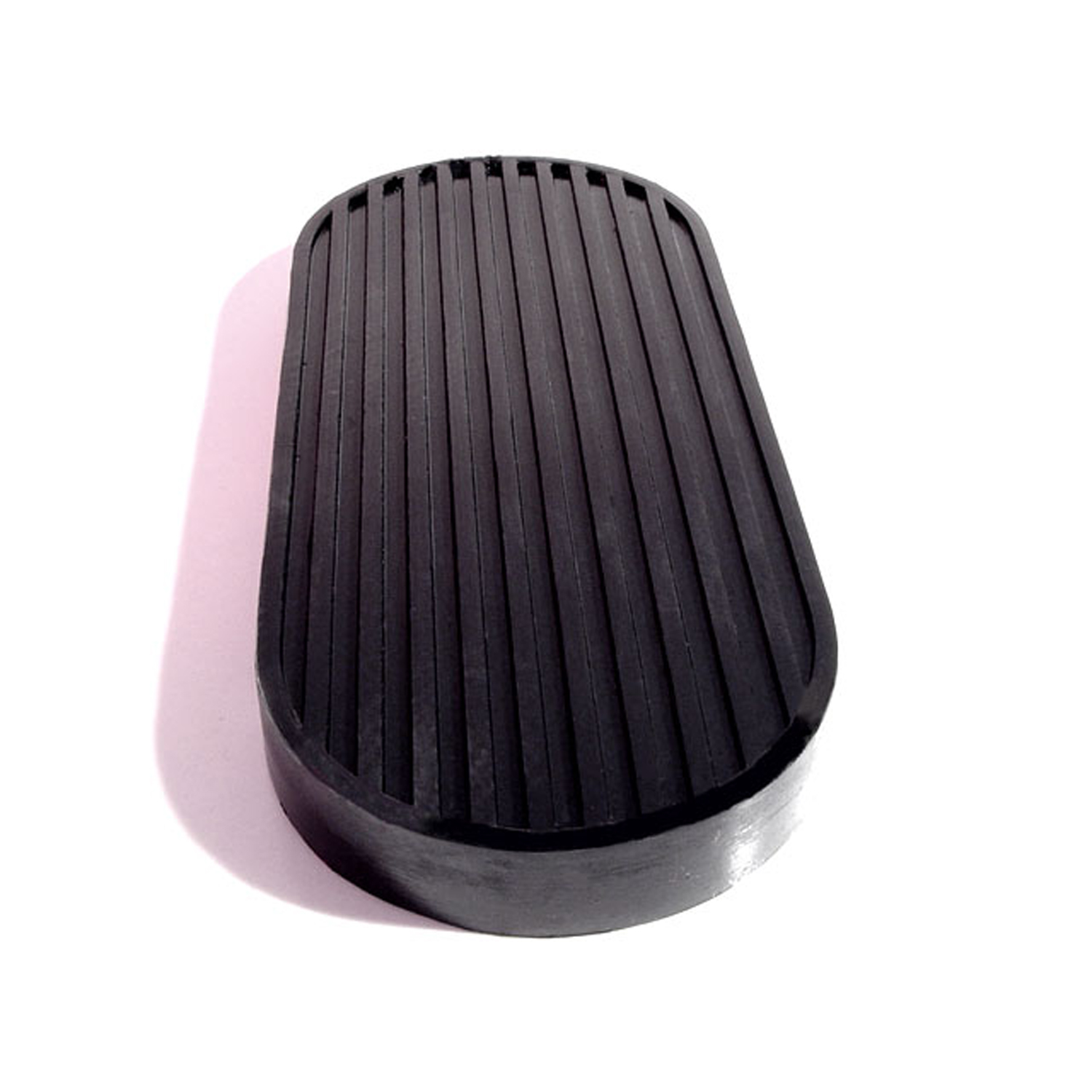 1956 Studebaker Champion Brake Pedal Pad. For models with automatic transmission-CB 87Brake Pedal Pad. For models with automatic transmission. 3" wide X 7-1/8" long. Each
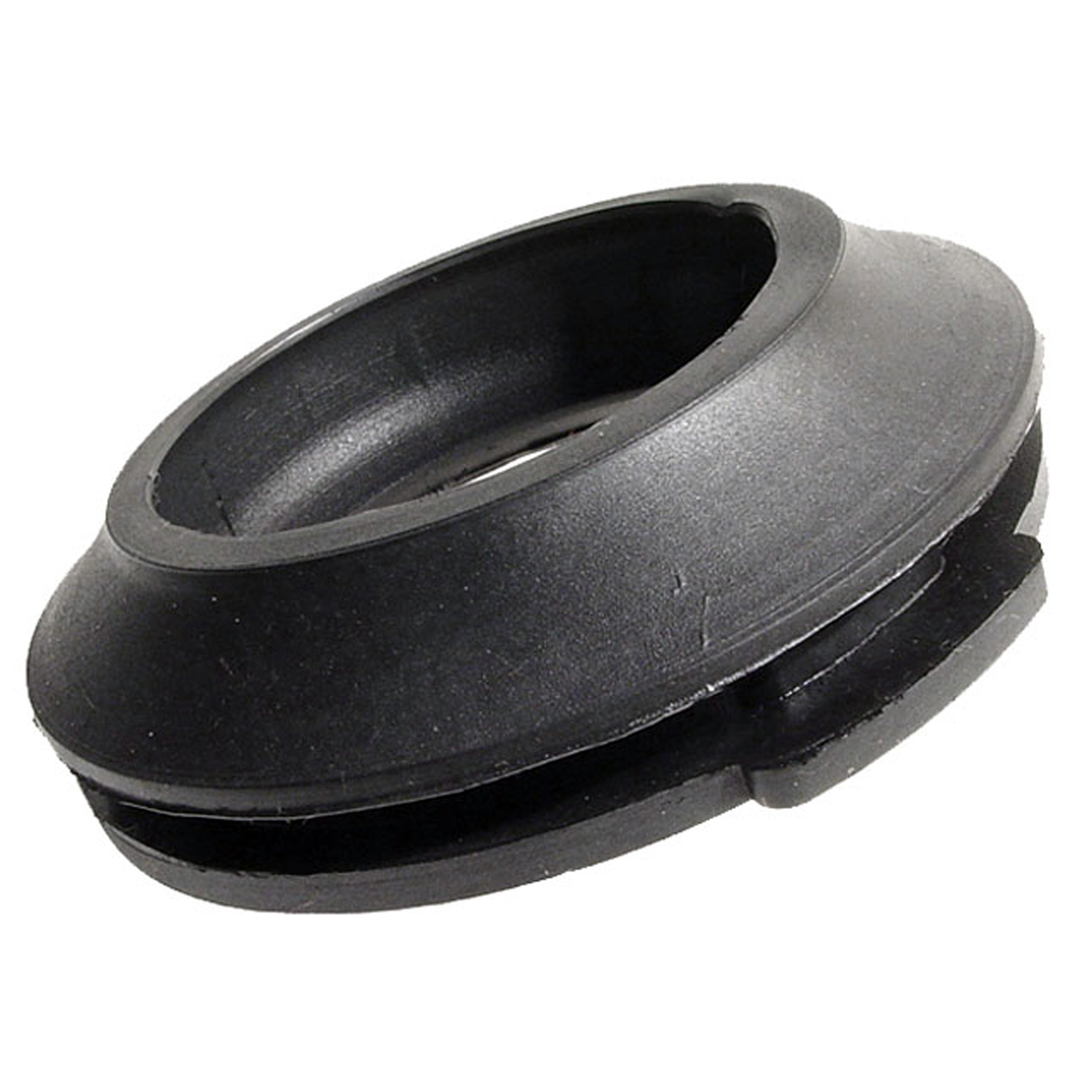 1956 Studebaker Champion Gas Filler Grommet. Perfect reproduction. Top 2-1/16" I.D-GF 45Gas Filler Grommet. Perfect reproduction. Top 2-1/16" I.D., 3-7/16" O.D. Each
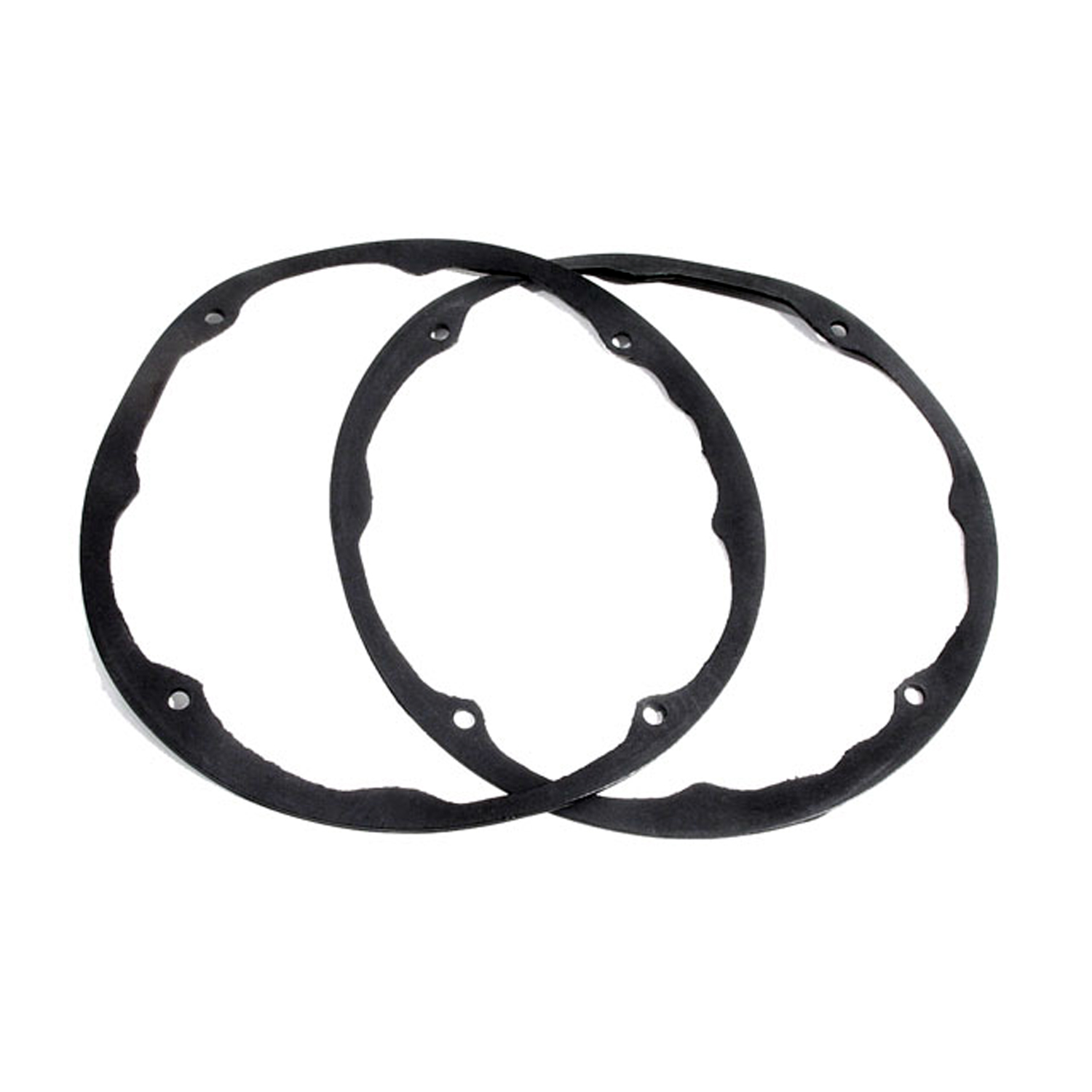 1956 Studebaker Champion Headlight Ring Seal. 8-5/8" O.D., 7-7/8" I.D. Pair-HR 16Headlight Ring Seal. 8-5/8" O.D., 7-7/8" I.D. Pair
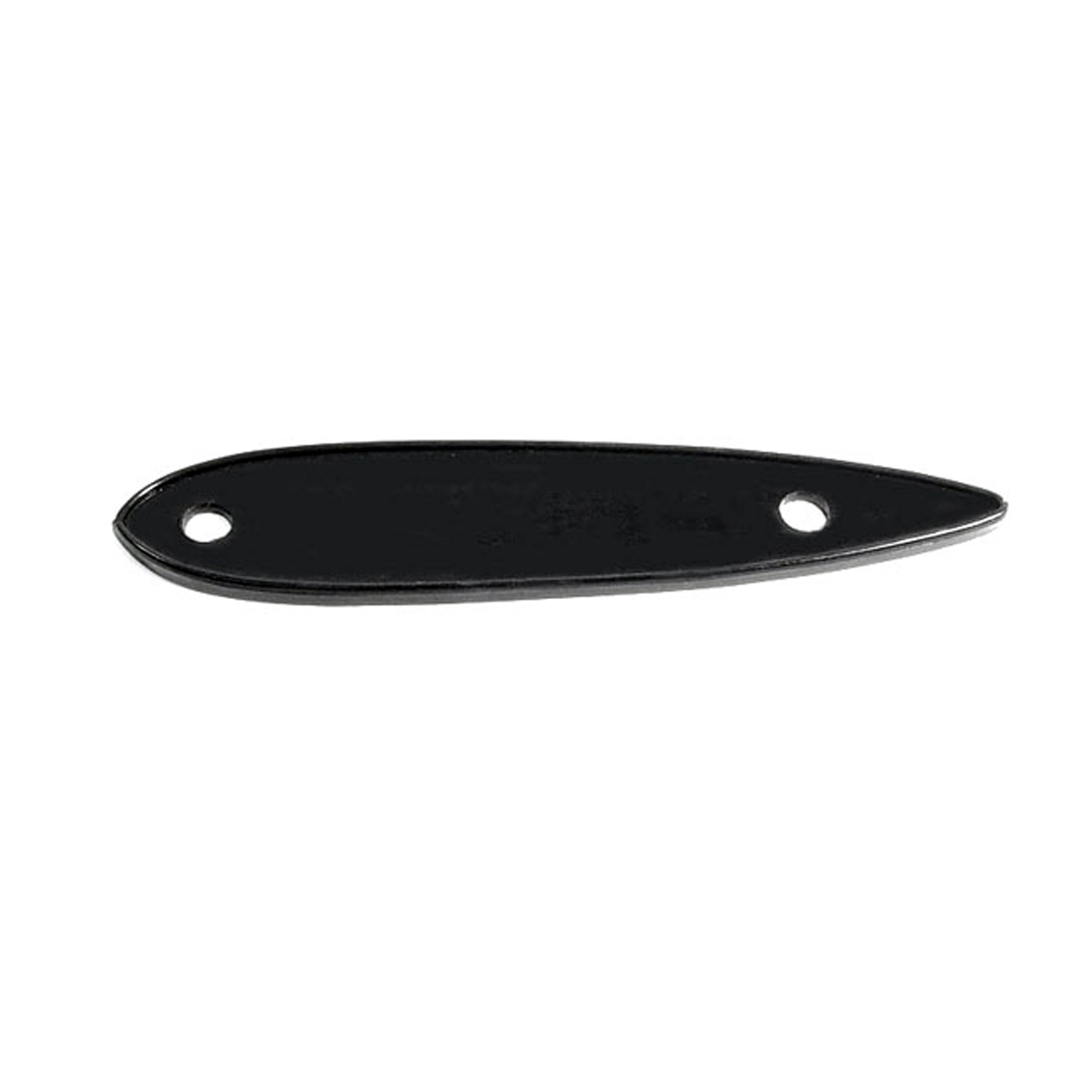 1956 Studebaker Champion Stratovue Mirror Base Pad. 1-3/8" wide X 6-1/8" long-MP 965-DStratovue Mirror Base Pad. 1-3/8" wide X 6-1/8" long. Each
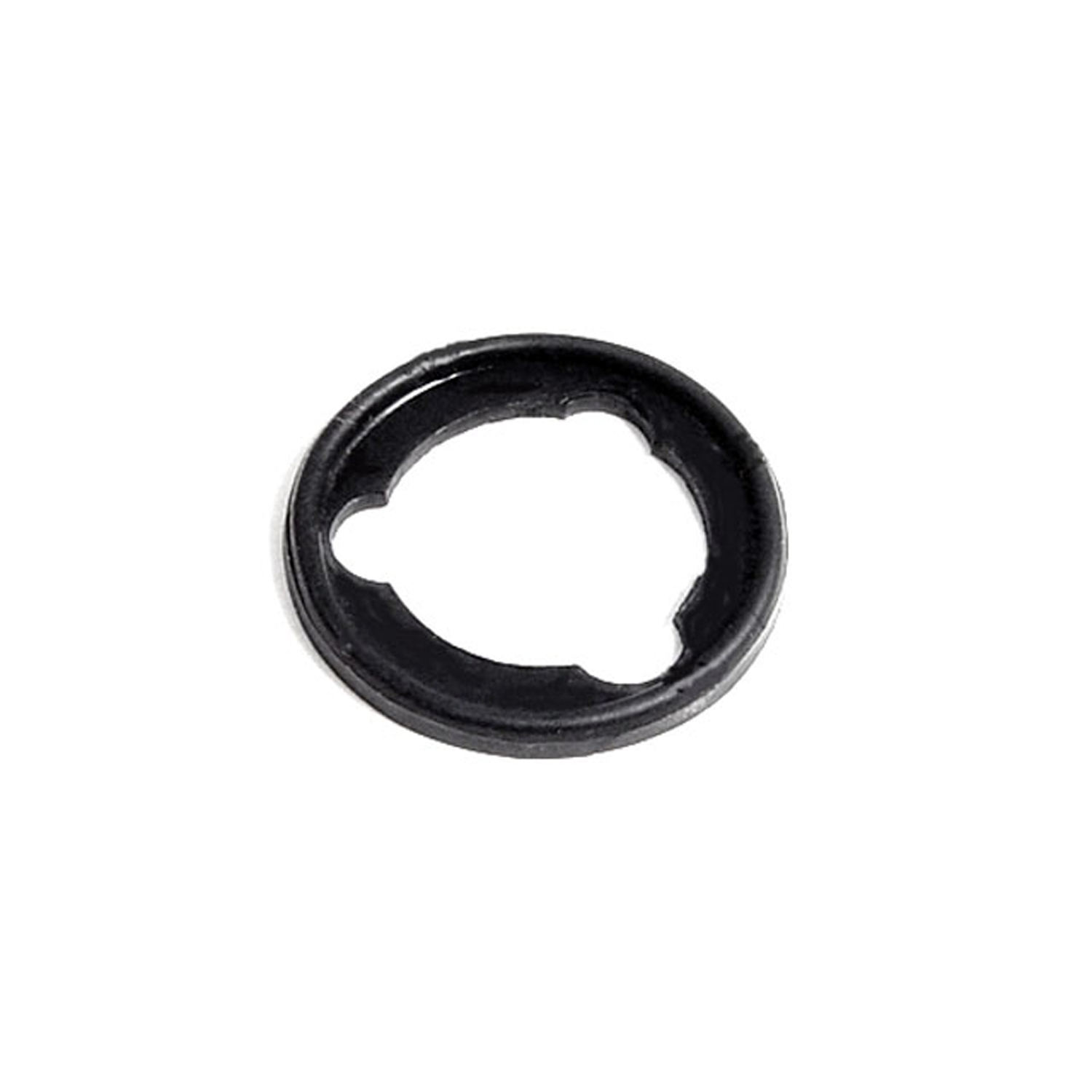 1956 Studebaker Champion Door Lock Pad. 1-1/8" O.D. Each-MP 979Door Lock Pad. 1-1/8" O.D. Each
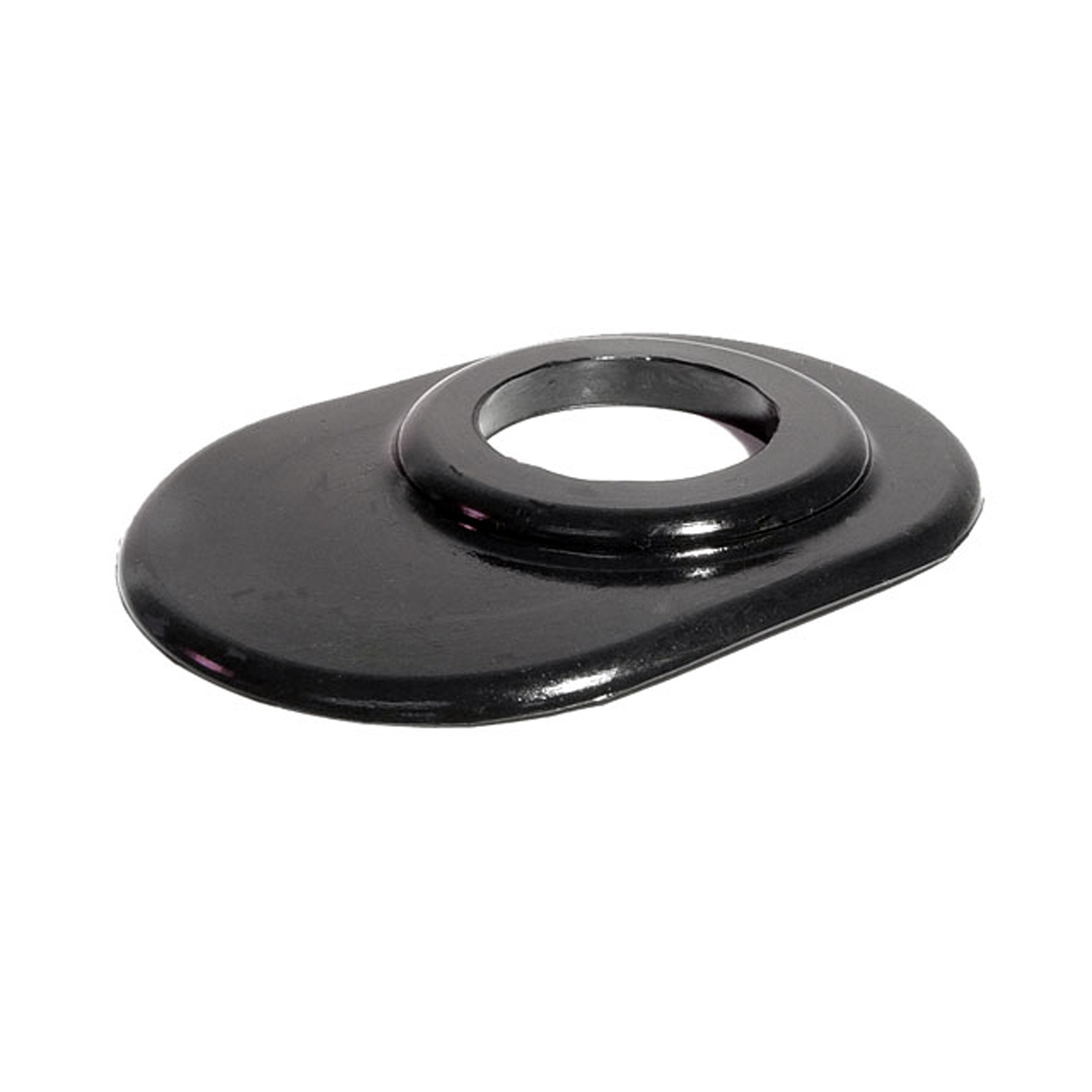 1956 Studebaker Champion Steering Column Grommet. For 3-speed models. Each-SC 24-ASteering Column Grommet. For 3-speed models. Each
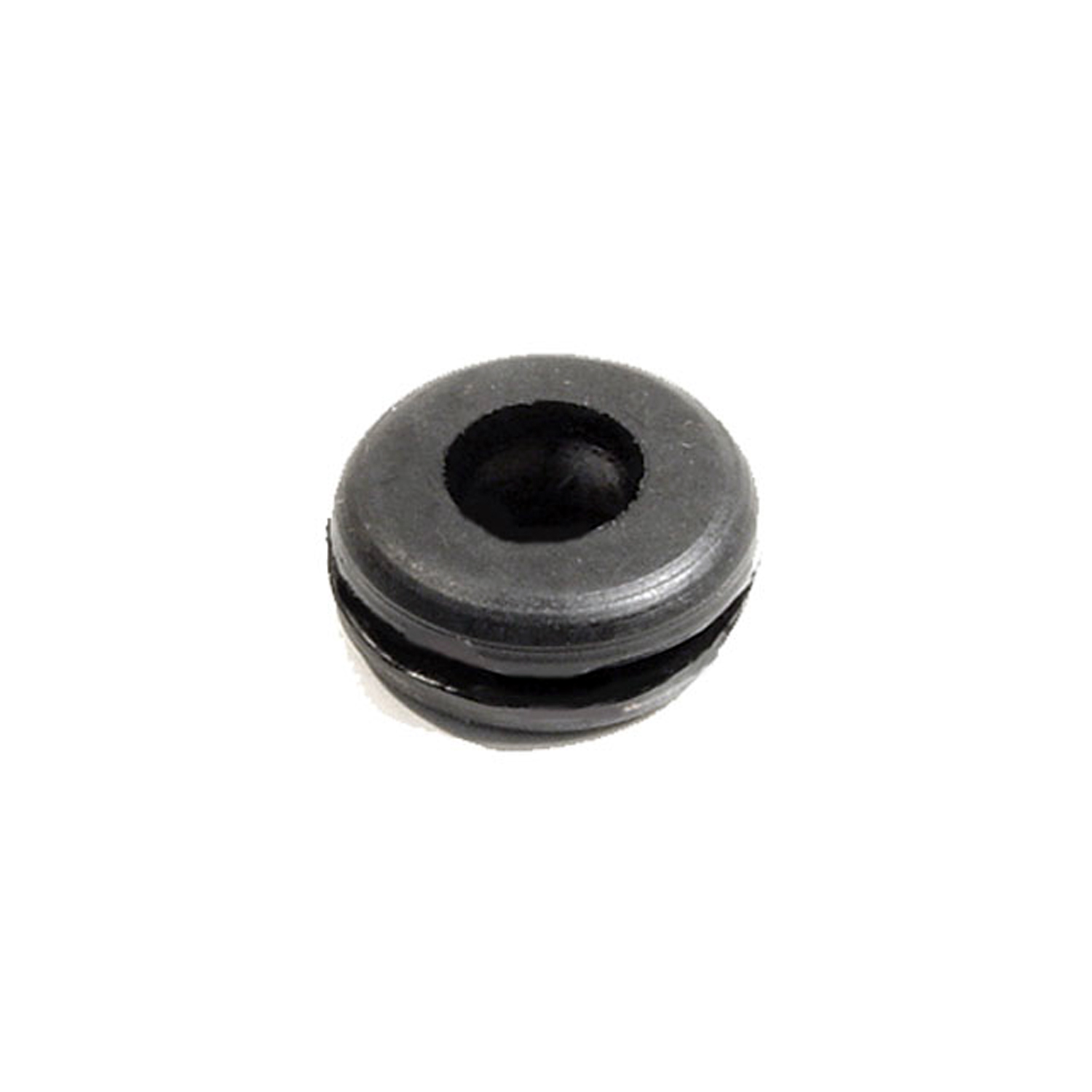 1956 Studebaker Champion Headlight & Tail-Light Wire Grommet. 3/8" I.D., 7/8" O.D-SM 13-AHeadlight & Tail-Light Wire Grommet. 3/8" I.D., 7/8" O.D. Each
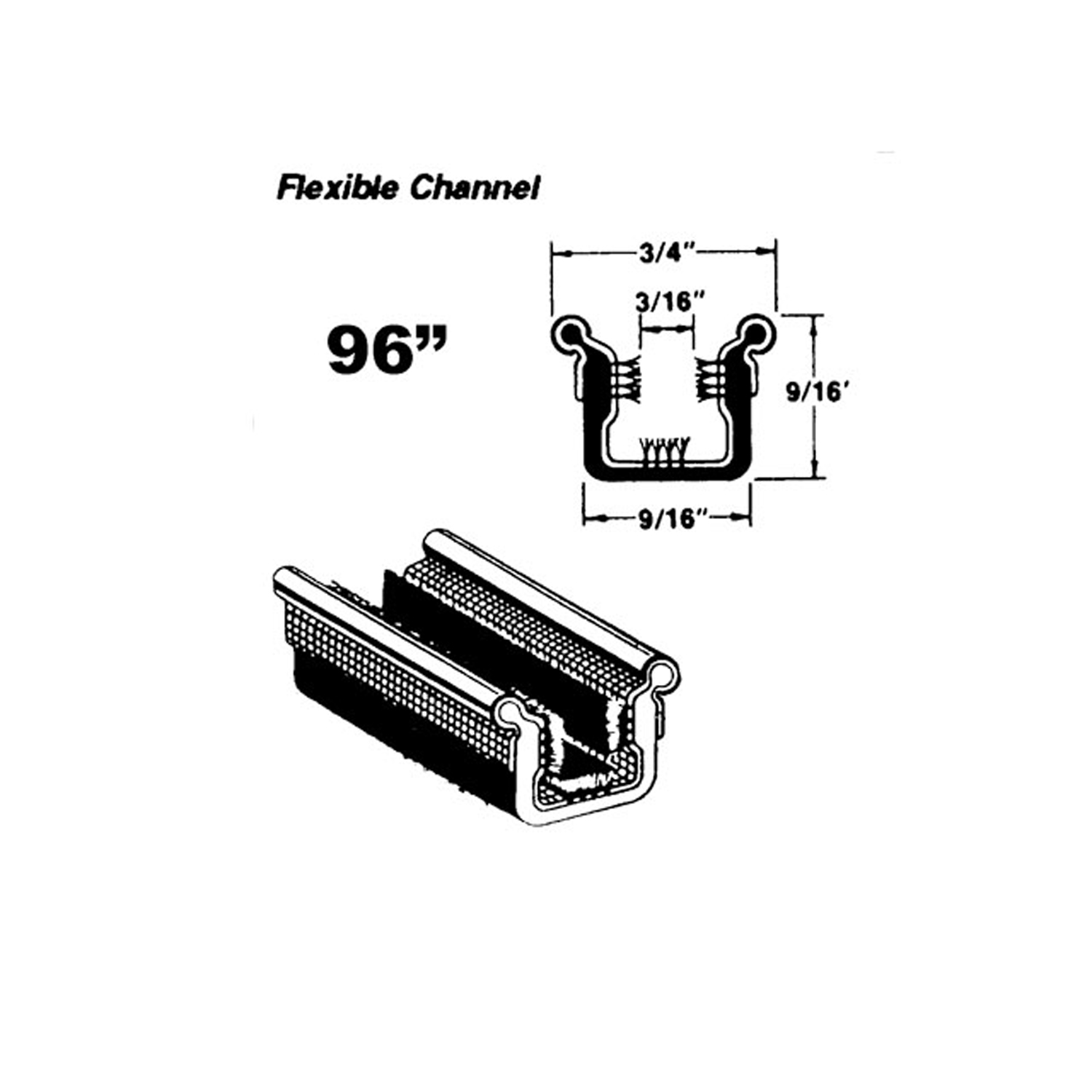 1956 Studebaker Champion Flexible window channel-WC 10-96Flexible window channel. Rubber covered with mohair lining and stainless steel bead. 96 in. long. Each. NOTE: $20 special shipping charge applies for domestic orders. Call or email for overseas shipping costs. Part can be sectioned in two or three equal lengths to reduce overseas shipping costs.
 1956 Studebaker Champion Flexible glass-run channel-WC 11-72Flexible glass-run channel. Mohair lined, cloth covered with stainless steel bead. Used on side windows. 72 in. long. Each. NOTE: $20 special shipping charge applies for domestic orders. Call or email for overseas shipping costs. Part can be sectioned in two equal lengths to reduce overseas shipping costs.
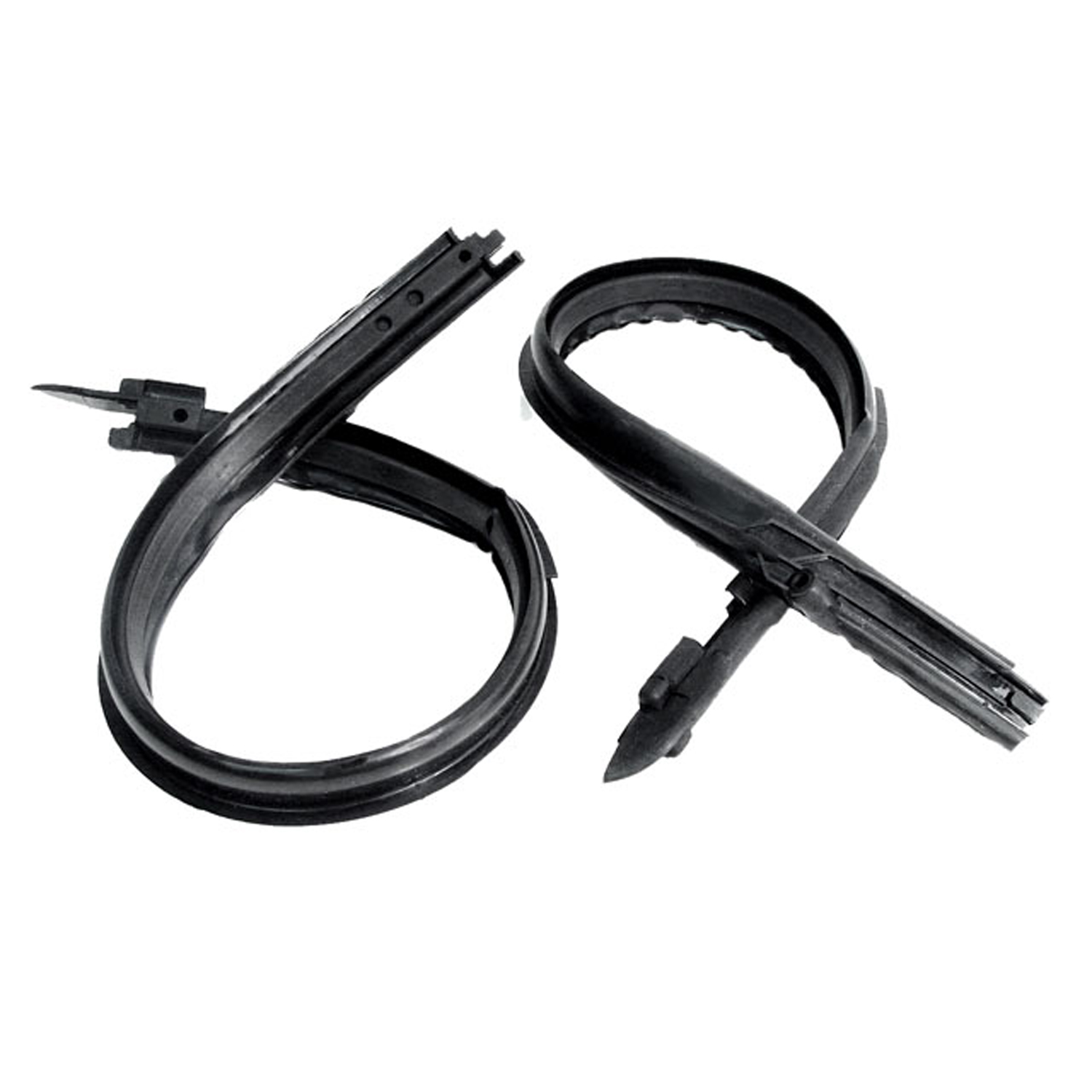 1956 Studebaker Champion Front Vent Window Seals-WR 9404Front Vent Window Seals. Will not fit Hardtops, only Pillar Models. Each piece 29" long. Pair
Why Choose Metro?
For over 100 years, Metro Moulded Parts has been the pinnacle of quality in classic car restoration parts. Our commitment to precision and authenticity in every component ensures a perfect fit and an OEM-level appearance.
- Expert Craftsmanship & Quality: Each part is a testament to our dedication to reliability and perfection, crafted from original designs and thoroughly tested.
- Advanced Technology: We use cutting-edge techniques to create flawless, long-lasting parts that surpass others in performance.
- SuperSoft Sponge – The Ultimate Door Seal: Not only are our door seals 30% softer than competitors', but they're also guaranteed to never leak. They effectively reduce wind and road noise, enhancing your classic car's comfort and driving experience.
- Proudly American: Our parts are a product of American craftsmanship, made in the USA with a spirit of excellence and heritage.
- Unrivaled Warranty: We back our products with a 30-year industry-leading warranty, a testament to our confidence in their quality.
Join us in preserving the legacy of classic cars with parts that are crafted for perfection, not just made.