

Image of 1913 Stutz Series B, Note: These illustrations use artistic license and may differ from actual historical models.
Performance Metrics
Fundamental Metrics
Emotional Appeal
MMP Rating
| Engine Specifications | |
|---|---|
| Engine: | T-head inline 4-cylinder engine |
| Displacement: | 390 cubic inches |
| Horsepower: | Estimated 60 HP |
| Torque: | Not available |
| Compression Ratio: | Not available |
| Ignition System: | Magneto ignition system |
| Cooling System: | Water-cooled |
| Performance Specifications | |
| 0-60 Time: | Not available |
| 1/4 Mile Time: | Not available |
| Top Speed: | 70 mph |
| Transmission and Drive | |
| Drive Type: | Rear-wheel drive |
| Transmission Type: | 3-speed manual |
| Fuel and Efficiency | |
| Fuel System Type: | Carburetor |
| MPG: | Not available |
| Dimensions and Brakes | |
| Brakes: | Mechanical drum brakes |
| Wheelbase: | 130 inches |
| Weight: | Estimated 2,800 lbs |
Note: Specifications for classic cars are given to the best of our ability, considering the limited and variant data available.
1913 Stutz Series B: The American Sports Car That Made Good
The 1913 Stutz Series B was built for drivers who wanted more than comfortable transportation: it was a fast, purposeful American car with racing credentials and a reputation to match. Produced by the Stutz Motor Car Company in Indianapolis, Indiana, it belonged to a young marque founded by engineer and entrepreneur Harry C. Stutz. Its most recognizable form, the Bearcat, helped establish the Stutz name as a byword for speed and sporting style.
Stutz’s rise began with a dramatic racing story. In the 1911 Indianapolis 500, a Stutz driven by Gil Anderson finished 11th, a strong result for a new company competing against established manufacturers. The performance helped inspire the slogan “The car that made good in a day.” The 1913 Series B arrived while Stutz was building on that reputation, bridging road-going motoring and the hard-edged world of American racing.
One point of terminology is worth noting: period records and later reference books do not always use “Series B” consistently. The car is also commonly described as the 1913 Stutz Model B. Specifications can vary by body, equipment, and source, so figures below are best understood as typical rather than universal.
Stutz Series B Design and Engineering
The Series B had the upright, exposed-mechanics look that defined many brass-era cars. Its long hood announced the engine beneath, while tall, narrow wheels, slim tires, open fenders, and a simple radiator gave it a lean, athletic stance. Brass fittings and lamps were common on cars of the period, though exact equipment depended on the car’s original specification and later restoration. There was little decorative excess: the visual drama came from the proportions and the machinery itself.
At the heart of the car was a large four-cylinder engine, commonly listed at about 390 cubic inches, or 6.4 liters, and roughly 60 horsepower. That was a substantial powerplant for its time. The engine’s low-revving character and generous displacement suited the long, open roads of the era. A manual transmission and rear-wheel drive made the driver an active part of the mechanical experience, rather than a passenger insulated from it.
Inside, the Series B was practical rather than luxurious by modern standards. Depending on body style, occupants sat on leather-upholstered seats, with a relatively simple instrument panel and exposed controls. Materials and trim could vary with the buyer’s order and the coachwork. The driving position was open to weather, dust, and engine heat, and the controls demanded familiarity. That directness was part of the appeal, especially for drivers who valued control over convenience.
Paint colors were not as standardized as they are on modern production cars. Dark shades such as black, deep red, blue, and green were appropriate choices for the period, while individual cars could be finished to a customer’s preference. Today, a restored Stutz may wear a color chosen to match period evidence, family history, or the owner’s taste. Original paint records are not available for every surviving car, so a particular color should not be assumed to have been a universal factory choice.
The Bearcat roadster is the iconic Series B body style: compact, open, and built around the promise of speed. It typically emphasized a two-passenger layout and minimal weather protection. Touring bodies offered more seats and greater usefulness for family or longer-distance travel. Stutz also supplied cars in other body configurations, but exact availability and coachwork could differ by model year and order. For many enthusiasts, the Bearcat remains the shape that best captures the Series B’s sporting character.
Why the 1913 Stutz Matters
The Series B arrived at a moment when automobiles were changing quickly. Cars were becoming more capable, but many remained fragile, slow, or difficult to trust on rough roads. Stutz used competition to make a persuasive case for performance and durability. Its racing reputation was not simply a marketing decoration: it helped convince buyers that a Stutz could handle demanding use as well as deliver speed.
What set the car apart was the combination of a large engine, a sporting image, and a clear connection to competition. Many luxury cars of the day favored comfort and imposing coachwork. The Bearcat, by contrast, put the driving experience first. Its open body, compact passenger accommodation, and purposeful appearance anticipated the American sports car idea: a road car that felt exciting because it drew on racing culture.
The Series B did not invent the sports car, and it was not a direct template for every later performance car. Its influence was cultural as much as technical. The Bearcat name became famous enough to represent youthful speed and status in popular culture, helping shape how Americans imagined a sporting automobile. Stutz’s early race program also reinforced a lasting industry lesson: success on the track could build a powerful identity for road cars.
Performance, Speed, and the Driving Experience
Period specifications and later references commonly associate the Series B’s large four-cylinder engine with a top speed in the neighborhood of 60 to 75 mph, depending on gearing, body, condition, and road surface. The upper end should be treated as a period claim or best-case figure, not a guaranteed cruising speed for every surviving car. A century of wear, restoration choices, tire technology, and mechanical condition can make two examples feel very different.
There is no dependable factory 0-to-60-mph figure for the 1913 Series B. A modern estimate might put the sprint somewhere around 20 to 30 seconds, but that is only a rough guide, not a period test result. The car’s acceleration depended on its final-drive ratio, load, road conditions, and the driver’s ability to work the manual transmission. At the time, reaching 60 mph at all was a meaningful performance achievement.
On a smooth road, the Stutz feels substantial and mechanical. Its big engine produces a deep, uneven four-cylinder beat rather than the refined hush of a later luxury car. Shifts require deliberate timing, and steering and braking demand more effort and anticipation than a modern driver expects. The open cockpit lets occupants hear the engine, feel the wind, and notice every change in the road surface.
Rough pavement brings the limits of early suspension and narrow tires into focus. The car can bounce and transmit sharp impacts, so a driver must slow down and choose a line carefully. On a winding road, its relatively direct, unassisted controls reward smooth inputs, but high speeds are not a substitute for modern grip or braking. The Series B was exciting for its era, not a match for a contemporary sports car in emergency handling.
Owning and Maintaining a Series B
A 1913 Stutz is best suited to touring, vintage motoring events, museum display, and concours appearances rather than daily transportation. It can be driven on suitable roads, but weather protection, lighting, braking, and road-speed expectations are all products of another age. Many owners preserve these cars as usable antiques, while others limit running time to protect valuable, original components.
Maintenance is hands-on. The owner or specialist must pay attention to lubrication, ignition, fuel delivery, cooling, tires, wheel bearings, and the condition of the drivetrain. Period materials and components can require regular adjustment, and a car that sits for long periods may need careful recommissioning before it is driven. Basic mechanical work is approachable for an experienced vintage-car hobbyist, but engine rebuilding, accurate restoration, and sourcing correct parts are jobs for specialists.
Reliability depends heavily on the quality of the restoration and the care the car receives. A properly maintained example can take part in vintage tours, but it should not be treated like a modern car that can be started after months in storage and driven hard. Parts availability is limited compared with mass-produced classics, and correct components may need to be repaired or reproduced. For an owner, the best reliability tool is often a detailed maintenance log and a mechanic who knows brass-era machinery.
Stutz Bearcat Facts and Racing Lore
The Bearcat’s fame grew from the broader Stutz racing story, but it is important not to confuse a production Series B with a purpose-built Indianapolis race car. The 1911 Indy result helped launch the brand’s reputation; the road-going car translated some of that sporting image for customers. Stutz continued to compete, and its racing involvement helped keep the marque in the public eye.
The name “Bearcat” became one of the most memorable model names in early American motoring. It later entered popular culture as shorthand for a fast, fashionable car, which helped give the Stutz an identity beyond its engineering. The open roadster body remains the most recognizable version, but surviving cars can differ substantially in equipment and coachwork.
There are also fair criticisms. The open Bearcat was exposed to weather, dust, and cold, and its compact layout sacrificed passenger capacity and luggage space. The controls and braking require more skill than those of a later car. Today, high restoration costs, limited parts supply, and the need for careful operation make ownership a commitment rather than a casual hobby.
Collector Value and Rarity
Exact production totals for the 1913 Series B are difficult to establish, especially when model names and body styles are grouped differently across surviving records. A reasonable working estimate is that several hundred Series B cars may have been built across the range of configurations, but that is not a confirmed factory total. The number of surviving, correctly identified examples is much smaller, and well-documented Bearcats are particularly sought after.
As a broad present-day estimate, a restored Series B touring car or less iconic body style might fall around $150,000 to $350,000, while an exceptional, authentic Bearcat with strong provenance could reach roughly $400,000 to $1 million or more. Condition, originality, documented history, mechanical quality, and the correctness of the body and components matter enormously. These are collector-market estimates, not guaranteed sale prices; auction results can vary widely.
Interest in early performance cars and brass-era machinery supports the Stutz’s long-term appeal, but values do not rise in a straight line. Restoration costs can exceed the value gained, and the pool of buyers is narrower than for more familiar postwar classics. The best examples tend to hold attention because they combine rarity, a famous name, and a credible connection to the beginnings of American auto racing. Buyers should have a marque specialist inspect any car before purchase and confirm its identity and provenance.
The 1913 Stutz Series B Legacy
The 1913 Stutz Series B joined a large-displacement four-cylinder engine, open-roadster drama, and a racing-bred reputation at a time when American motoring was still defining what a performance car could be. Its Bearcat form became the enduring symbol of that ambition, while its demanding controls and exposed cockpit preserve the raw character of the brass era.
More than a century later, the Series B remains compelling because it makes speed feel mechanical, physical, and earned. It is not simply an early Stutz to admire in a showroom; it is a vivid reminder of the moment when American drivers began to expect their cars to be fast, durable, and thrilling.
1913 Stutz Series B Catalog of Parts
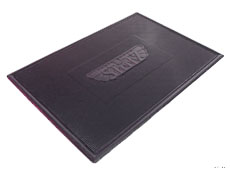 1913 Stutz Series B Accessory Floor Mat - 12"X17"-AC 41Accessory Floor Mat - made of high quality black rubber with molded original emblem. Also designed to be sewn into new carpets. 12"X17", Each
Why Choose Metro?
For over 100 years, Metro Moulded Parts has been the pinnacle of quality in classic car restoration parts. Our commitment to precision and authenticity in every component ensures a perfect fit and an OEM-level appearance.
- Expert Craftsmanship & Quality: Each part is a testament to our dedication to reliability and perfection, crafted from original designs and thoroughly tested.
- Advanced Technology: We use cutting-edge techniques to create flawless, long-lasting parts that surpass others in performance.
- SuperSoft Sponge – The Ultimate Door Seal: Not only are our door seals 30% softer than competitors', but they're also guaranteed to never leak. They effectively reduce wind and road noise, enhancing your classic car's comfort and driving experience.
- Proudly American: Our parts are a product of American craftsmanship, made in the USA with a spirit of excellence and heritage.
- Unrivaled Warranty: We back our products with a 30-year industry-leading warranty, a testament to our confidence in their quality.
Join us in preserving the legacy of classic cars with parts that are crafted for perfection, not just made.