

Image of 1918 Stutz Series S, Note: These illustrations use artistic license and may differ from actual historical models.
Performance Metrics
Fundamental Metrics
Emotional Appeal
MMP Rating
| Engine Specifications | |
|---|---|
| Engine: | T-head inline 4-cylinder engine |
| Displacement: | 360 cubic inches |
| Horsepower: | Estimated 80 HP |
| Torque: | Not available |
| Compression Ratio: | Not available |
| Ignition System: | Magneto ignition system |
| Cooling System: | Water-cooled |
| Performance Specifications | |
| 0-60 Time: | Not available |
| 1/4 Mile Time: | Not available |
| Top Speed: | 70 mph |
| Transmission and Drive | |
| Drive Type: | Rear-wheel drive |
| Transmission Type: | 3-speed manual transmission |
| Fuel and Efficiency | |
| Fuel System Type: | Carburetor |
| MPG: | Not available |
| Dimensions and Brakes | |
| Brakes: | Mechanical drum brakes |
| Wheelbase: | 130 inches |
| Weight: | Estimated 3,200 lbs |
Note: Specifications for classic cars are given to the best of our ability, considering the limited and variant data available.
1918 Stutz Series S: The Sporting American Classic
The 1918 Stutz Series S was built for drivers who wanted more than stately transportation: it was a powerful, competition-inspired automobile from one of America’s most ambitious early manufacturers. Produced by the Stutz Motor Car Company of Indianapolis, Indiana, the Series S carried the sporting reputation established by Stutz’s racing efforts into the hands of road-going motorists.
Stutz was founded by engineer and entrepreneur Harry C. Stutz. The company earned national attention after its first car, the Stutz Bearcat, competed in the 1911 Indianapolis 500 and finished eleventh despite having been developed in remarkably little time. That early racing success helped create the brand’s enduring identity. The Series S continued that tradition during a period when the United States was shifting toward wartime production and automobiles were still demanding machines to drive and maintain.
One detail that makes the Series S especially intriguing is its connection to Stutz’s advanced 16-valve engine design. While many cars of the era used simpler two-valve layouts, Stutz’s four-cylinder engine had four valves per cylinder, a notable engineering feature for a production car in the late 1910s.
Bearcat Looks, Built-to-Order Style
The Series S had the purposeful proportions of a serious early automobile: a long hood, upright radiator, exposed lamps, tall wire wheels, narrow tires, and a high, straight-sided body. Its fenders swept over the wheels rather than blending into the bodywork, while running boards linked the front and rear fenders. Brass fittings and lamps appeared on many cars of the period, though details depended on the individual car and its equipment.
The best-known sporting expression of the Stutz name was the Bearcat, an open, stripped-down roadster with minimal weather protection and room for a small crew. Touring bodies offered more seating and a folding top, while closed bodies such as sedans and coupes gave buyers greater protection from the elements. Body availability could vary by model year, coachbuilder, and market, so surviving Series S cars are not all configured alike.
Interiors were practical rather than luxurious by modern standards. Open cars commonly used leather upholstery, with painted metal, wood trim, and simple instrumentation. Touring models provided additional seating and a folding top, while closed cars generally had more enclosed, finished cabins. Buyers could choose from colors available through the factory or body builder. Dark greens, blues, maroons, and other subdued shades were typical period choices, but there is no single color that defines every Series S. Many open cars now seen in bright colors reflect later restorations or owner preferences.
Engineering Ahead of Its Time
At the heart of the Series S was a large four-cylinder engine, generally listed at about 361 cubic inches, or 5.9 liters. It used a T-head layout with 16 valves and twin camshafts, and period specifications commonly cited output at roughly 80 horsepower. Published figures can differ by source, and early horsepower ratings were not measured using today’s standardized methods.
The car sent power to the rear wheels through a manual transmission, commonly described as a four-speed unit. Its mechanical layout reflected the priorities of the era: a strong chassis, substantial engine, and components designed for long-distance road use as well as spirited driving. Braking and suspension systems were also very different from modern ones. A Series S lacks contemporary conveniences such as power steering, hydraulic brakes, and independent suspension, making its engineering feel both direct and demanding.
Stutz’s racing reputation helped make performance a selling point at a time when many cars were still associated primarily with basic transport. The Series S was not simply a luxury carriage with an engine attached. Its mechanical specification and sporting image placed it among the more ambitious American cars of its day.
Performance on Period Roads
A 1918 Series S in sound mechanical condition may be capable of roughly 70 to 75 mph, depending on gearing, body style, tire condition, and engine health. That is a period-oriented estimate, not a guarantee for every surviving car. There is no dependable factory 0-to-60 mph figure to quote. Based on its power and weight, a healthy example might take roughly 20 seconds or more to reach 60 mph, but that estimate should be treated cautiously. Original gearing, road surface, and the driver’s willingness to push a century-old car all make a large difference.
On a smooth road, the Stutz feels substantial and purposeful. Its long wheelbase helps it settle into a steady rhythm, while the engine’s large displacement supplies a strong, measured pull. The sound is a deep mechanical beat rather than the high-revving note of a modern sports car. Gear changes require attention, and the driver must coordinate clutch, throttle, and gear lever with more care than in a contemporary car.
Rough roads bring out the limitations of early suspension and narrow tires. The chassis can jostle over bumps, and the tall body and relatively basic suspension call for a light, attentive touch on winding roads. Steering is unassisted and may feel heavy at low speeds. The reward is a highly connected driving experience: the driver hears the engine, feels the road, and makes nearly every adjustment directly.
What It Was Like to Own
In 1918, a Stutz could serve as personal transportation, a touring car, or a sporting machine, depending on its body and equipment. Today, a Series S is far more likely to be a carefully maintained collector car, a museum piece, or a participant in vintage tours and concours events than a daily driver. Long-distance events are possible, but they require preparation, mechanical knowledge, and a sensible pace.
Maintenance is hands-on. Owners need to keep up with lubrication, ignition tuning, cooling-system condition, fuel delivery, and the adjustment of mechanical components. Parts may be available through specialist suppliers or the early-car community, but some pieces require restoration or custom fabrication. A mechanically capable owner can perform routine work, yet rebuilding the engine, gearbox, or coachwork is a specialist project. Reliability depends heavily on the quality of the restoration and the discipline of the maintenance schedule.
Common ownership challenges include sourcing correct components, keeping the engine cool in slow traffic, finding suitable tires, and adapting to period controls. Those demands are part of the appeal for some collectors, but they make the Series S a poor choice for someone seeking vintage styling with modern-car convenience.
Racing Roots and Stutz Trivia
The Series S benefited from the public image Stutz had built through competition. The company’s early racing story included its entry in the 1911 Indianapolis 500, where the first Stutz finished eleventh. The result helped establish the slogan “The Car That Made Good in a Day” and gave the young manufacturer a memorable calling card.
The Bearcat name is often used as shorthand for early Stutz performance, but not every Series S is a Bearcat. Touring and closed-body versions had different purposes and personalities. This distinction matters to collectors because body style, originality, and documented history can substantially affect a car’s value.
There is no widely accepted, complete production tally for every 1918 Series S body style. A reasonable working estimate is that a few thousand Series S cars may have been built across the model’s production run, with perhaps several hundred to around a thousand from the 1918 model year. Those figures are estimates rather than verified factory totals, and the number of surviving, well-documented examples is much smaller.
A common criticism is that early Stutz cars can be tiring to drive and expensive to restore. Their controls are not intuitive to a modern driver, and the open Bearcat-style body offers little protection from weather. Those drawbacks are also a reminder that the Series S was designed for a very different age of motoring, when mechanical involvement was part of the experience rather than something to be filtered out.
Collector Value and Availability
Values depend strongly on body style, originality, restoration quality, provenance, and whether the car is a genuine Bearcat configuration. As a broad current-market estimate, a sound but less exceptional Series S might fall around $100,000 to $250,000. A well-restored, documented sporting example could bring roughly $250,000 to $500,000 or more. Exceptional cars with important history or particularly desirable specifications may exceed that range, while projects can sell for substantially less.
These are guide figures, not a formal appraisal. Early-car sales are infrequent, and auction results can vary sharply depending on presentation and competition among bidders. Series S cars are rare on the open market, and buyers may wait a long time for the right example. The Bearcat’s name recognition can support strong prices, while touring and closed-body cars may appeal to a narrower group of collectors.
Long-term values for significant early American cars have generally benefited from their scarcity and historical importance, but the market is not guaranteed to rise every year. Restoration costs, changing collector tastes, and the condition of the individual car all matter. The strongest examples are likely to remain the most desirable, especially when they retain correct components and a traceable history.
Why the 1918 Stutz Series S Still Matters
The 1918 Stutz Series S brought together a substantial 16-valve engine, purposeful chassis, and a racing-derived reputation at a time when American motoring was still developing its identity. It offered more than transportation: it asked the owner to take part in the driving, the maintenance, and the machinery itself.
More than a century later, the Series S remains a vivid reminder that early performance cars were built around mechanical courage and direct involvement. It is not the easiest classic to own, but for enthusiasts who value engineering, racing heritage, and unmistakable period character, the Stutz still makes a powerful case for itself.
1918 Stutz Series S Catalog of Parts
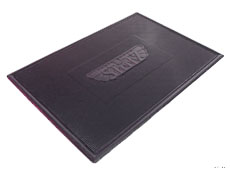 1918 Stutz Series S Accessory Floor Mat - 12"X17"-AC 41Accessory Floor Mat - made of high quality black rubber with molded original emblem. Also designed to be sewn into new carpets. 12"X17", Each
Why Choose Metro?
For over 100 years, Metro Moulded Parts has been the pinnacle of quality in classic car restoration parts. Our commitment to precision and authenticity in every component ensures a perfect fit and an OEM-level appearance.
- Expert Craftsmanship & Quality: Each part is a testament to our dedication to reliability and perfection, crafted from original designs and thoroughly tested.
- Advanced Technology: We use cutting-edge techniques to create flawless, long-lasting parts that surpass others in performance.
- SuperSoft Sponge – The Ultimate Door Seal: Not only are our door seals 30% softer than competitors', but they're also guaranteed to never leak. They effectively reduce wind and road noise, enhancing your classic car's comfort and driving experience.
- Proudly American: Our parts are a product of American craftsmanship, made in the USA with a spirit of excellence and heritage.
- Unrivaled Warranty: We back our products with a 30-year industry-leading warranty, a testament to our confidence in their quality.
Join us in preserving the legacy of classic cars with parts that are crafted for perfection, not just made.