

Image of 1931 Stutz Model Ma, Note: These illustrations use artistic license and may differ from actual historical models.
Performance Metrics
Fundamental Metrics
Emotional Appeal
MMP Rating
| Engine Specifications | |
|---|---|
| Engine: | Straight 8 |
| Displacement: | 322 cu in (5.3 L) |
| Horsepower: | Estimated 113-156 hp |
| Torque: | Not available |
| Compression Ratio: | Not available |
| Ignition System: | Battery and coil |
| Cooling System: | Water-cooled |
| Performance Specifications | |
| 0-60 Time: | Not available |
| 1/4 Mile Time: | Not available |
| Top Speed: | 80-100 mph |
| Transmission and Drive | |
| Drive Type: | Rear-wheel drive |
| Transmission Type: | 3-speed manual |
| Fuel and Efficiency | |
| Fuel System Type: | Carburetor |
| MPG: | Not available |
| Dimensions and Brakes | |
| Brakes: | 4-wheel drum brakes |
| Wheelbase: | 134.5 in (3416 mm) |
| Weight: | Estimated 4000-4500 lbs |
Note: Specifications for classic cars are given to the best of our ability, considering the limited and variant data available.
1931 Stutz Model MA: A Grand American Eight
The 1931 Stutz Model MA was built for motorists who wanted speed and prestige without stepping all the way up to Stutz’s most exotic performance model. It came from the Indianapolis company founded by Harry C. Stutz, a maker whose identity had been forged on the racetrack and refined in the coachbuilt luxury-car market.
By 1931, the Stutz name meant more than its famous Bearcat roadsters. The Model MA belonged to a new generation of substantial, closed and open-bodied luxury cars, powered by a smooth straight-eight engine. Its launch came at a difficult moment: the Great Depression was shrinking demand for expensive automobiles, and Stutz was competing with established names such as Packard, Cadillac, and Pierce-Arrow.
One point of distinction is easy to miss today: “MA” was not the same as “DV-32.” The MA was a conventional Stutz eight, while the technically ambitious DV-32 used a more complex 32-valve engine. That distinction helps explain the MA’s appeal. It offered genuine Stutz character in a less specialized package.
Long Hood, Formal Stutz Style
The Model MA had the proportions expected of an American luxury car of its era: a long hood, a tall upright radiator, prominent headlamps, and a high, commanding seating position. Its bodywork could look formal and imposing, particularly in sedan and limousine form. Open versions, by contrast, showed off the car’s long sweep of fenders and gave it a more sporting presence.
Stutz bodies were built in several configurations, with availability depending on the year, catalog, and coachwork. Buyers could encounter sedans, coupes, convertibles, phaetons, and more formal chauffeur-oriented styles. Closed sedans were practical choices for year-round touring, while open cars and elegant two-door bodies tend to make the strongest visual impression at shows today. Individual cars may differ because luxury-car buyers often specified details to suit their taste.
Inside, the Model MA was designed as a quiet, substantial place to travel rather than a stripped-down sports car. Upholstery could be ordered in leather or quality cloth, with polished wood trim and carefully finished metal fittings lending the cabin its period richness. Exact materials and appointments varied by body style and specification, so surviving cars are best judged by their own build records and details rather than a single universal interior description.
Paint was similarly flexible. Dark, dignified shades such as black, deep blue, maroon, and green suited the formal bodies, while two-tone schemes could emphasize a car’s beltline and fenders. There was no single “correct” Model MA color: original invoices, factory records, and physical evidence beneath trim are the best guides when assessing an individual car.
Engineering for the Open Road
At the heart of the Model MA was a Stutz straight-eight of approximately 322 cubic inches, or 5.3 liters. Published specifications can differ across references and configurations, but the engine is generally associated with output in the neighborhood of 100 horsepower. It drove the rear wheels through a manual transmission, giving the car the familiar mechanical layout of a high-end American automobile of the period.
The MA’s technology was impressive for its time, but it should not be confused with the more elaborate DV-32. Stutz offered the DV-32 with a double-overhead-cam, four-valve-per-cylinder design, a remarkably advanced arrangement for a road car in 1931. The MA’s appeal was different: a large, smooth eight-cylinder engine, substantial chassis, and equipment suited to long-distance travel.
Four-wheel braking and a conventional chassis made the MA a serious road car, though its equipment and feel should be understood in the context of 1931. It lacked modern conveniences such as power steering, power-assisted brakes, and contemporary crash protection. Period options and fittings varied, and restorers should verify the specification of each example rather than assume every car left the factory identically equipped.
How the Model MA Drives
There is no reliable modern factory-style 0-to-60-mph figure for every Model MA body and gear ratio. A reasonable period-car estimate is roughly 20 to 25 seconds, with a heavy sedan likely slower than a lighter open body. Top speed is commonly estimated at about 80 to 85 mph under favorable conditions, but the actual result depends on the car’s condition, gearing, tires, and bodywork. These are estimates, not guaranteed specifications.
On the road, the straight-eight’s main virtue is its steady, unhurried delivery. Rather than feeling like a small, high-revving engine, it gives the car a broad, smooth sense of effort. The sound is a deep mechanical hum that grows more pronounced as speed rises, accompanied by the subdued clatter and tire noise typical of a large prewar automobile.
The MA’s size is part of the experience. It feels composed on open roads, but narrow streets, tight corners, and modern traffic demand attention. Steering is likely to feel heavy at low speeds, especially when parking, while the long wheelbase helps the car settle over rolling pavement. On broken roads, a well-maintained suspension can provide a dignified ride, but worn springs, tired dampers, or old tires quickly spoil it. On winding roads, the driver needs to plan ahead: this is a substantial luxury car, not a modern sports sedan.
A Stutz in a Changing America
Stutz’s reputation began with competition. The company entered the inaugural Indianapolis 500 in 1911, helping establish the brand’s connection with speed and endurance. Its slogan, “The car that made good in a day,” captured the publicity value of a strong early racing showing. That history gave later Stutz road cars a sporting aura, even when they were built as comfortable touring machines.
The Model MA arrived as the luxury market was being squeezed by the Depression. Its combination of a large eight-cylinder engine, imposing styling, and custom-car character set it apart from ordinary production cars. At the same time, Stutz’s identity was more varied than its racetrack image suggests: the company could build both dramatic performance machinery and formal cars intended for business, travel, or chauffeur service.
The MA did not introduce a technology that transformed the whole industry. Its significance lies instead in how it represented the final, ambitious period of independent American luxury-car building. Stutz continued to face financial pressure, and the company ceased automobile production in the mid-1930s. The surviving cars now preserve a distinctive chapter in Indianapolis manufacturing and coachbuilt motoring.
Ownership: A Touring Car, Not a Commuter
Today, a Model MA is best suited to touring, concours events, club gatherings, and carefully planned pleasure drives. Its presence is striking at a show, but regular use requires patience and preparation. Fuel consumption is high by modern standards, and the car’s bulk makes it poorly suited to crowded urban streets or routine commuting.
Maintenance is manageable for an experienced vintage-car specialist, but it is not a casual do-it-yourself project for most owners. The engine, transmission, brakes, electrical system, and chassis need knowledgeable care, and some components may require specialist rebuilding or custom fabrication. Mechanical work is often more straightforward than finding correct body trim, instruments, or model-specific parts.
Reliability depends heavily on restoration quality and ongoing upkeep. A carefully maintained car can tour reliably at appropriate speeds, but age alone makes inspection essential. Before buying, check the engine’s condition, cooling system, oil pressure, brakes, steering, wheel bearings, and the quality of any prior restoration. A recent cosmetic restoration is not a substitute for a sound mechanical one.
Model MA Facts and Caveats
The Model MA’s most useful trivia is its place within a broader Stutz lineup. The company’s high-profile DV-32 offered a much more unusual engine, while the MA gave buyers a more conventional eight-cylinder alternative. The two names are sometimes blurred in informal descriptions, so a buyer should confirm the exact engine and chassis specification of any car advertised as an MA.
Stutz’s racing heritage is real, but it should not be confused with a claim that every MA was a competition car. Most were luxury road vehicles. Nor is there a universally accepted production tally for the MA alone in commonly available summaries. Overall Stutz output was very small by mass-market standards, and surviving cars are scarce, but exact numbers can be difficult to establish because records and model classifications vary.
Common criticisms are familiar to anyone considering a prewar luxury car: the MA is large, costly to maintain, thirsty, and slower to stop and maneuver than a modern vehicle. Its age also means parts availability and workmanship can vary widely from one example to another. Those drawbacks are part of the ownership calculation, not reasons to overlook the car’s considerable presence and historical character.
Rarity and Collector Values
There is no dependable published production figure for the Model MA alone. As a cautious estimate, total Stutz production across all models in 1931 was likely only in the hundreds, and MA production may have amounted to roughly 100 to 250 cars. That is a working estimate rather than a factory-confirmed count. The number of surviving examples is smaller still, with availability influenced by body style, condition, and documentation.
Values vary substantially. As a broad current-market estimate, a project or incomplete car might fall around $50,000 to $100,000, while a sound, presentable example could be approximately $100,000 to $250,000. A highly restored, exceptionally original, or especially desirable coachbuilt car may exceed that range, potentially reaching $300,000 or more. These are general estimates, not an appraisal; recent comparable sales, provenance, and the exact body style matter greatly.
Long-term interest in significant prewar American cars supports the Model MA’s appeal, but its price trend is not guaranteed to rise steadily. Rare cars can take time to sell, and restoration costs may exceed the market value of an ordinary example. The best purchases are usually the cars with strong history, sound mechanical condition, and documented restoration, rather than the cheapest car with the most ambitious project list.
Why the 1931 Stutz MA Still Matters
The 1931 Stutz Model MA blends the marque’s Indianapolis racing reputation with the scale and finish of an American luxury car. Its straight-eight power, imposing proportions, and range of body styles made it a distinctive alternative in a crowded high-end market, while its appearance during the Depression gives it an added sense of historical drama.
It is not the most technically exotic Stutz, nor is it an easy everyday classic. Its appeal is more compelling than that: the MA is a rare, road-going expression of an American company that dared to build luxury cars with a racer’s name and a grand touring spirit.
1931 Stutz Model Ma Catalog of Parts
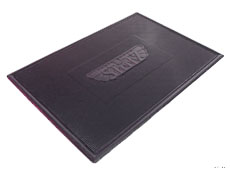 1931 Stutz Model MA Accessory Floor Mat - 12"X17"-AC 41Accessory Floor Mat - made of high quality black rubber with molded original emblem. Also designed to be sewn into new carpets. 12"X17", Each
Why Choose Metro?
For over 100 years, Metro Moulded Parts has been the pinnacle of quality in classic car restoration parts. Our commitment to precision and authenticity in every component ensures a perfect fit and an OEM-level appearance.
- Expert Craftsmanship & Quality: Each part is a testament to our dedication to reliability and perfection, crafted from original designs and thoroughly tested.
- Advanced Technology: We use cutting-edge techniques to create flawless, long-lasting parts that surpass others in performance.
- SuperSoft Sponge – The Ultimate Door Seal: Not only are our door seals 30% softer than competitors', but they're also guaranteed to never leak. They effectively reduce wind and road noise, enhancing your classic car's comfort and driving experience.
- Proudly American: Our parts are a product of American craftsmanship, made in the USA with a spirit of excellence and heritage.
- Unrivaled Warranty: We back our products with a 30-year industry-leading warranty, a testament to our confidence in their quality.
Join us in preserving the legacy of classic cars with parts that are crafted for perfection, not just made.