

Image of 1935 Stutz Model Dv-32, Note: These illustrations use artistic license and may differ from actual historical models.
Performance Metrics
Fundamental Metrics
Emotional Appeal
MMP Rating
| Engine Specifications | |
|---|---|
| Engine: | Inline 8-cylinder |
| Displacement: | 322 cu in (5.3 L) |
| Horsepower: | Estimated 156 hp |
| Torque: | Not available |
| Compression Ratio: | Not available |
| Ignition System: | Battery and coil |
| Cooling System: | Water-cooled |
| Performance Specifications | |
| 0-60 Time: | Not available |
| 1/4 Mile Time: | Not available |
| Top Speed: | Estimated 100 mph |
| Transmission and Drive | |
| Drive Type: | Rear-wheel drive |
| Transmission Type: | 3-speed manual |
| Fuel and Efficiency | |
| Fuel System Type: | Carburetor |
| MPG: | Not available |
| Dimensions and Brakes | |
| Brakes: | 4-wheel hydraulic drum brakes |
| Wheelbase: | 145 in (3,683 mm) |
| Weight: | Estimated 4,600 lbs |
Note: Specifications for classic cars are given to the best of our ability, considering the limited and variant data available.
1935 Stutz DV-32: The American Luxury Car That Aimed for 100 MPH
The 1935 Stutz DV-32 was a hand-built American luxury car with a race-bred idea at its heart: a sophisticated 32-valve straight-eight engine in a beautifully finished road car. Built by the Stutz Motor Car Company of Indianapolis, Indiana, it represented the marque’s final chapter and one of the boldest attempts by an American automaker to combine high speed, engineering ambition, and coachbuilt elegance.
Stutz had earned its reputation through performance, most famously with its racing success in the 1920s. The DV-32 carried that sporting identity into the Depression-era luxury market, when expensive cars were becoming harder to sell. Its name referred to its “Dual Valve” engine, with four valves per cylinder. A memorable detail is that the DV-32 was promoted as a 100-mph automobile, a remarkable claim for a large luxury car of its time.
Long Hood, Custom Coachwork, and a 32-Valve Heart
The DV-32’s styling was stately but not timid. Its long hood, upright grille, sweeping fenders, and running boards gave it the classic proportions of a high-end prewar automobile. Depending on the body, the car could look like a formal town car, a sporting roadster, or a grand touring machine. The stance was imposing, yet the flowing lines and carefully shaped coachwork kept it from appearing merely bulky.
Many Stutz bodies were built or finished by specialist coachbuilders, so details could vary from one car to another. Buyers could find sedans, coupes, convertibles, and more formal town-car configurations. Open cars and sporting coupe styles are especially evocative today, while the most iconic choice depends on the individual car’s design and provenance. Unlike a mass-produced model with one standard appearance, a DV-32 could be tailored to its first owner.
Cabins were trimmed to match the car’s luxury status. Leather upholstery, quality cloth, polished wood, and carefully finished metal fittings were typical ingredients, although exact materials and details varied with the body and commission. Color choices were similarly individualized. Dark green, maroon, black, and deep blue suit the car’s formal character, while two-tone combinations could emphasize the fenders and body lines. There was no single universally preferred factory color because coachwork and paint were often part of a custom order.
The engineering was the DV-32’s headline feature. Its approximately 322-cubic-inch, or 5.3-liter, inline-eight used dual overhead camshafts and four valves per cylinder, for 32 valves in total. Period specifications commonly put output at about 156 horsepower. That was serious power for a luxury car of the early 1930s, especially from an engine designed to breathe freely at speed. A manual transmission, rear-wheel drive, and mechanical controls kept the driving experience very much of its era, even as the engine itself was unusually advanced.
Why the DV-32 Mattered
The DV-32 stood apart from many American luxury cars by pairing comfort and custom coachwork with a genuinely sophisticated high-performance engine. Four valves per cylinder and twin overhead camshafts were far from ordinary features in a road car of the period. Stutz was not simply adding a large engine to a prestige chassis. It was using advanced valve gear to pursue speed and power in a refined automobile.
The car also reflects a turning point in American motoring. During the Depression, the market for costly, low-volume automobiles contracted sharply. Stutz’s engineering ambitions could not overcome the financial pressures facing a specialist manufacturer, and automobile production ended in 1935. The DV-32 is therefore significant both as a technical statement and as one of the last expressions of the independent American luxury-car tradition.
Its influence is less about a single design feature copied across the industry and more about what it demonstrated: an American luxury car could be both lavishly finished and mechanically ambitious. The DV-32 remains a striking counterpoint to the more conventional, mass-produced cars that increasingly defined the market.
Speed, Road Manners, and the Driving Experience
Stutz promoted the DV-32 as capable of reaching roughly 100 mph. Actual top speed depended on the body, gearing, condition, and equipment, so that figure is best treated as a period performance claim rather than a guaranteed result for every surviving car. There is no dependable factory 0-to-60-mph figure that applies across all DV-32 examples. Given the car’s substantial weight and period gearing, a modern estimate would likely put the sprint somewhere around 15 to 20 seconds, but that is an approximation, not a standardized test result.
On a smooth road, the long wheelbase and substantial chassis would give the DV-32 a composed, dignified ride. Its size and weight helped it feel planted at speed, but they also demanded space and anticipation. Broken pavement could unsettle its period suspension more than a modern driver might expect, while tight, winding roads called for deliberate steering and careful management of momentum. The car’s hydraulic braking system was a useful feature for the period, but its stopping distances and pedal feel should not be compared with those of a modern vehicle.
Behind the wheel, the straight-eight would be the star. Rather than delivering its character through a sharp, high-revving roar, it would produce a smooth, deep mechanical note that grows more urgent as the engine works. The manual gearbox, large steering wheel, and direct connection to the controls make the driver an active participant. A DV-32 is not a car to hustle casually through modern traffic. It is a machine to enjoy on open roads, where its refinement and speed-focused engineering have room to show.
Owning and Maintaining a Stutz DV-32
Today, the DV-32 is best suited to careful touring, concours events, historic motoring gatherings, and private collections. It is not a sensible everyday driver. Its size, age, bespoke bodywork, and specialist engine make routine use a commitment, even for an experienced classic-car owner.
Maintenance is manageable with the right specialists, but it is not especially easy for the average owner. The dual-overhead-cam, 32-valve engine is more complex than a typical period side-valve or conventional overhead-valve design. Parts may need to be sourced through marque networks, reproduced, or carefully restored. A prospective buyer should prioritize a thorough mechanical inspection, a documented service history, and evidence that the engine and valve gear have been maintained by someone familiar with the model.
Coachbuilt bodywork brings another layer of responsibility. Wood framing, custom trim, unusual fittings, and hand-finished panels can make repairs expensive and time-consuming. Reliability depends heavily on the quality of past restoration and ongoing care. A well-sorted DV-32 can be enjoyed on appropriate tours, but neglect or improvised repairs can turn a rare automobile into a demanding project.
Rare Details and Stutz Trivia
The DV-32’s most famous talking point is built into its name: 32 valves in a straight-eight engine. Its 100-mph performance claim also gives it an unusually sporting identity for a large American luxury car. Stutz’s racing heritage added credibility to that image, although the DV-32 itself should not be confused with the company’s earlier competition cars.
Production figures for the DV-32 are not consistently reported, and totals can vary according to what is counted as a complete car or a particular model year. A reasonable estimate is that only a few hundred DV-32s were built across the model’s production run, with 1935 examples representing a small final-year portion of that total. Exact numbers are difficult to establish because the cars were individually bodied and records are incomplete.
There is no widely accepted speed or endurance record that makes the 1935 DV-32 a record-holder in the way some purpose-built racing cars are. Its significance is instead tied to its advanced engine, its place in Stutz history, and the company’s final production year. Common criticisms are practical ones: the cars are expensive to restore, specialized parts can be difficult to find, and their age makes modern traffic and long-distance reliability more demanding than their impressive period specifications might suggest.
Collector Values and Market Outlook
Values vary greatly with body style, originality, restoration quality, provenance, and mechanical condition. As a broad current-market estimate, a complete but imperfect DV-32 might fall around $200,000 to $400,000. A well-restored, desirable example could bring approximately $400,000 to $800,000, while an exceptional coachbuilt car with strong history may exceed that range. These are general estimates rather than a formal appraisal, and auction results can differ substantially from one car to the next.
Availability is very limited. DV-32s appear infrequently, and a buyer may wait a long time for the right body style, condition, and documentation. Like many prewar prestige cars, the best examples have generally held collector interest, with top-quality, historically significant cars more likely to appreciate over the long term. That does not mean every example rises steadily in price: restoration costs, changing tastes, and the condition of the individual car can have a major effect on its value.
A Final-Year Stutz With Lasting Presence
The 1935 Stutz DV-32 brought together custom coachwork, substantial American luxury, and an unusually advanced 32-valve straight-eight. Its speed claims, distinctive engineering, and place at the end of Stutz automobile production make it more than an elegant survivor. It is a reminder of a time when a small American manufacturer was willing to challenge convention, even as the market around it was changing fast.
Nearly a century later, the DV-32 still makes a powerful impression: long, purposeful, and technically daring. It is not simply a rare classic car. It is one of the final, vivid statements from an independent American marque that refused to make its ambitions ordinary.
1935 Stutz Model Dv-32 Catalog of Parts
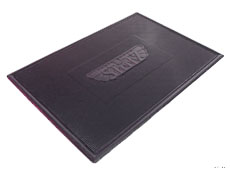 1935 Stutz Model DV-32 Accessory Floor Mat - 12"X17"-AC 41Accessory Floor Mat - made of high quality black rubber with molded original emblem. Also designed to be sewn into new carpets. 12"X17", Each
Why Choose Metro?
For over 100 years, Metro Moulded Parts has been the pinnacle of quality in classic car restoration parts. Our commitment to precision and authenticity in every component ensures a perfect fit and an OEM-level appearance.
- Expert Craftsmanship & Quality: Each part is a testament to our dedication to reliability and perfection, crafted from original designs and thoroughly tested.
- Advanced Technology: We use cutting-edge techniques to create flawless, long-lasting parts that surpass others in performance.
- SuperSoft Sponge – The Ultimate Door Seal: Not only are our door seals 30% softer than competitors', but they're also guaranteed to never leak. They effectively reduce wind and road noise, enhancing your classic car's comfort and driving experience.
- Proudly American: Our parts are a product of American craftsmanship, made in the USA with a spirit of excellence and heritage.
- Unrivaled Warranty: We back our products with a 30-year industry-leading warranty, a testament to our confidence in their quality.
Join us in preserving the legacy of classic cars with parts that are crafted for perfection, not just made.