

Image of 1970 Subaru 360, Note: These illustrations use artistic license and may differ from actual historical models.
Performance Metrics
Fundamental Metrics
Emotional Appeal
MMP Rating
| Engine Specifications | |
|---|---|
| Engine: | Two-stroke, 2-cylinder |
| Displacement: | 356 cc |
| Horsepower: | 16-25 hp |
| Torque: | Estimated at 16.3 lb-ft |
| Compression Ratio: | 6.7:1 |
| Ignition System: | Points ignition |
| Cooling System: | Air-cooled |
| Performance Specifications | |
| 0-60 Time: | 37 seconds |
| 1/4 Mile Time: | Not available |
| Top Speed: | 60 mph |
| Transmission and Drive | |
| Drive Type: | Rear-wheel drive |
| Transmission Type: | 4-speed manual |
| Fuel and Efficiency | |
| Fuel System Type: | Carburetor |
| MPG: | 66.3 mpg |
| Dimensions and Brakes | |
| Brakes: | Drum brakes |
| Wheelbase: | 70.9 inches |
| Weight: | 900 lbs |
Note: Specifications for classic cars are given to the best of our ability, considering the limited and variant data available.
1970 Subaru 360: Japan’s Tiny Automotive Revolution
Small enough to make a modern parking space look generous, the 1970 Subaru 360 helped put Japan on wheels. Built by Fuji Heavy Industries, the company that became Subaru Corporation, it was a rear-engined, two-stroke microcar designed to give Japanese families affordable personal transportation in the years after World War II.
The 360 debuted in 1958, when Japan’s growing middle class needed practical, economical vehicles and the government’s kei-car regulations rewarded compact dimensions and small engines. By 1970, the model was nearing the end of its production run. Its influence, however, was already much larger than its footprint: the 360 established Subaru as a maker of clever, accessible cars and helped define what a Japanese kei car could be.
One detail that captures the 360’s character is its nickname in Japan: “Ladybug,” or tentomushi. The rounded body and bright paint made the name a natural fit. Behind that cheerful appearance was a serious engineering goal: carry four people using as little space, metal, and fuel as possible.
Rounded Styling, Clever Packaging
The Subaru 360’s shape is instantly recognizable. Its upright cabin, curved roof, short hood, round headlamps, and tightly tucked wheels give it the proportions of a friendly little beetle. The rear engine allowed designers to dispense with a long front powertrain, leaving more of the car’s compact footprint for passengers. A lightweight fiberglass-reinforced plastic roof helped keep mass down, while the rest of the body used steel construction.
Inside, the cabin is simple and purposeful. The dashboard is sparse, the seats are narrow, and the controls are straightforward. Materials are utilitarian rather than luxurious, with painted metal and basic trim reflecting the car’s economy-car mission. The cabin’s most impressive feature is its packaging: for such a small car, it makes a determined effort to accommodate four occupants, although adults in the rear will find the space snug.
Equipment varied over the 360’s long production life and by market. The car’s standout technology was not a lavish gadget but its lightweight, self-supporting construction and compact rear-engine layout. Later versions also used Subaru’s Subarumatic oil-injection system, which reduced the need for drivers to premix oil and gasoline, a welcome convenience on a two-stroke car.
The 360 was sold in several body styles, including a two-door sedan, a convertible, and a small wagon known as the Custom. The sedan is the best-known and most frequently associated with the name. The wagon offered extra carrying flexibility, while the convertible is a particularly distinctive and now highly sought-after variation. Paint choices differed by year and market, but examples appeared in cheerful colors such as red, blue, yellow, and white. Bright shades suit the car’s playful personality, though condition matters more to collectors than a single “correct” color.
Why the 360 Mattered
The Subaru 360 was more than a miniature curiosity. It showed how careful packaging and weight-saving measures could make a small engine useful in an everyday car. Its rear-mounted powertrain, compact dimensions, and efficient use of cabin space reflected the needs of a country rebuilding its transport system and developing a new consumer market.
It also helped establish the formula that would make kei cars an enduring part of Japanese motoring: keep the vehicle small, economical, and affordable, but make it genuinely usable. The 360’s lightweight construction and room-conscious layout influenced Subaru’s early identity and helped prepare the way for later compact models. It was not the only car to explore these ideas, but it became one of the most recognizable examples of postwar Japanese ingenuity.
The 360’s American story was more complicated. Subaru’s U.S. distributor, headed by entrepreneur Malcolm Bricklin, marketed the car as an exceptionally inexpensive new vehicle in the late 1960s. Its low price attracted attention, but American road speeds and safety expectations exposed the limitations of a tiny, low-powered car designed for a different market. Consumer Reports gave the tested 1969 model an unfavorable assessment, helping turn the 360 into a controversial entry in the U.S. import-car story. That episode remains part of its history, but it should be understood in context: the car was designed primarily for Japanese roads and regulations, not as a high-speed American highway cruiser.
Two-Stroke Power and City-Car Pace
Power comes from a rear-mounted, air-cooled, 356 cc two-cylinder two-stroke engine. Output depended on version and market, but figures around 25 horsepower are commonly associated with late cars. A small manual gearbox sends power to the rear wheels. Transmission details changed over the model’s life, so a specific 1970 example should be checked by its market specification and chassis documentation.
Performance is modest by any modern measure. Period and enthusiast estimates generally put top speed in the neighborhood of 60 to 70 mph, with the exact result depending on condition, gearing, and testing conditions. A 0-to-60 mph run can take roughly 35 to 40 seconds, if the car reaches 60 mph at all. These figures are best treated as estimates rather than guarantees. The 360 was built for economical local travel, not quick acceleration or sustained high-speed motoring.
On a bumpy road, the short wheelbase and light body make the car feel busy. It can hop over sharp imperfections, and its narrow tires offer limited grip compared with modern rubber. On winding roads, its low weight and compact dimensions make it entertaining at sensible speeds, but the driver needs to respect the rear-engine layout and vintage tires. A strong crosswind or passing truck can also make the little Subaru feel more vulnerable than a larger car.
The driving experience is part of the appeal. The two-stroke engine has a distinctive, high-pitched buzz, and the sound becomes more prominent as the revs rise. The cabin feels close to the road, the controls are direct, and the driver is constantly aware of the car’s small size. It is less about covering distance quickly and more about enjoying the simple, mechanical connection between driver and machine.
Living With a Subaru 360
Today, most 360s are used as show cars, weekend curiosities, and local parade or club-meet attractions. A well-sorted example can handle short neighborhood trips, but regular modern traffic is a demanding environment. Its limited acceleration, small brakes, and lack of contemporary crash protection make highway use a poor choice. Owners should drive defensively and choose routes that suit the car’s capabilities.
Basic mechanical work can be approachable for an experienced home mechanic. The engine is compact, and the simple layout has fewer systems than a modern car. That does not mean every repair is easy: two-stroke tuning requires care, and age can bring worn seals, carburetor problems, electrical faults, and corrosion. Parts availability varies by country, and some trim, body, or transmission components can take patience to locate.
Before buying, inspect the structure carefully, especially the floor, sills, suspension mounting points, and lower bodywork. Check that the engine starts and runs cleanly, that the gearbox selects every gear, and that the brakes work evenly. A car that has been sitting for years may need much more than a battery and fresh fuel. Originality and sound metal are valuable; a tidy-looking restoration can conceal expensive repairs underneath.
Ladybug Lore and Common Criticisms
The Subaru 360’s most enduring trivia item is its “Ladybug” nickname, inspired by its rounded shape. It also became famous in the United States for its unusually low launch price and the controversy that followed its safety testing. The car was not designed to compete with larger American sedans, and its performance and protection should be judged against its original purpose and era, while still recognizing that it falls far short of modern safety standards.
The model is not known for a major speed or endurance record. Its greater achievement was practical: it helped make car ownership attainable for Japanese buyers during a period of rapid economic change. Common criticisms include its slow acceleration, limited highway ability, cramped rear seating, and the extra maintenance attention associated with an old two-stroke engine. Those drawbacks are real, but they are also part of why the 360 feels so different from a modern compact car.
Collector Value and Availability
Subaru 360 production ran from 1958 to 1971, with total output commonly estimated at around 392,000 cars across the model’s different versions. That figure represents production, not the number of surviving, roadworthy examples. In markets such as the United States, the 360 is uncommon, and finding a complete car with solid bodywork can take time. Sedans are generally easier to find than the more unusual convertible and wagon variants.
As a broad current-market estimate, a project or rough driver might sell for approximately $5,000 to $10,000, while a sound, presentable example may bring around $12,000 to $22,000. Excellent restorations, rare body styles, and especially well-documented cars can exceed that range, sometimes reaching $25,000 or more. These are approximate figures: location, originality, rust, mechanical condition, and the quality of any restoration can shift the price substantially.
The 360 has a small but enthusiastic collector following. Its values have generally benefited from growing interest in Japanese classics and kei cars, though it remains a niche vehicle rather than a blue-chip investment. Exceptional examples are likely to stay desirable, but buyers should choose one for its history and character, not assume every car will appreciate quickly. Restoration costs can easily outpace the value of a poorly chosen project.
A Small Car With a Big Story
The 1970 Subaru 360 combines charming styling, inventive packaging, and a clear sense of purpose. Its air-cooled two-stroke engine and modest performance make it a product of another era, while its role in Japan’s postwar mobility boom gives it significance beyond its size. It is best enjoyed on short, relaxed drives and maintained with an eye toward its age and limitations.
For collectors, the Ladybug is a reminder that automotive history is not made only by fast, expensive machines. Sometimes a tiny car with a buzzing engine can change how a nation travels, and that is a legacy big enough to fill any garage.
1970 Subaru 360 Catalog of Parts
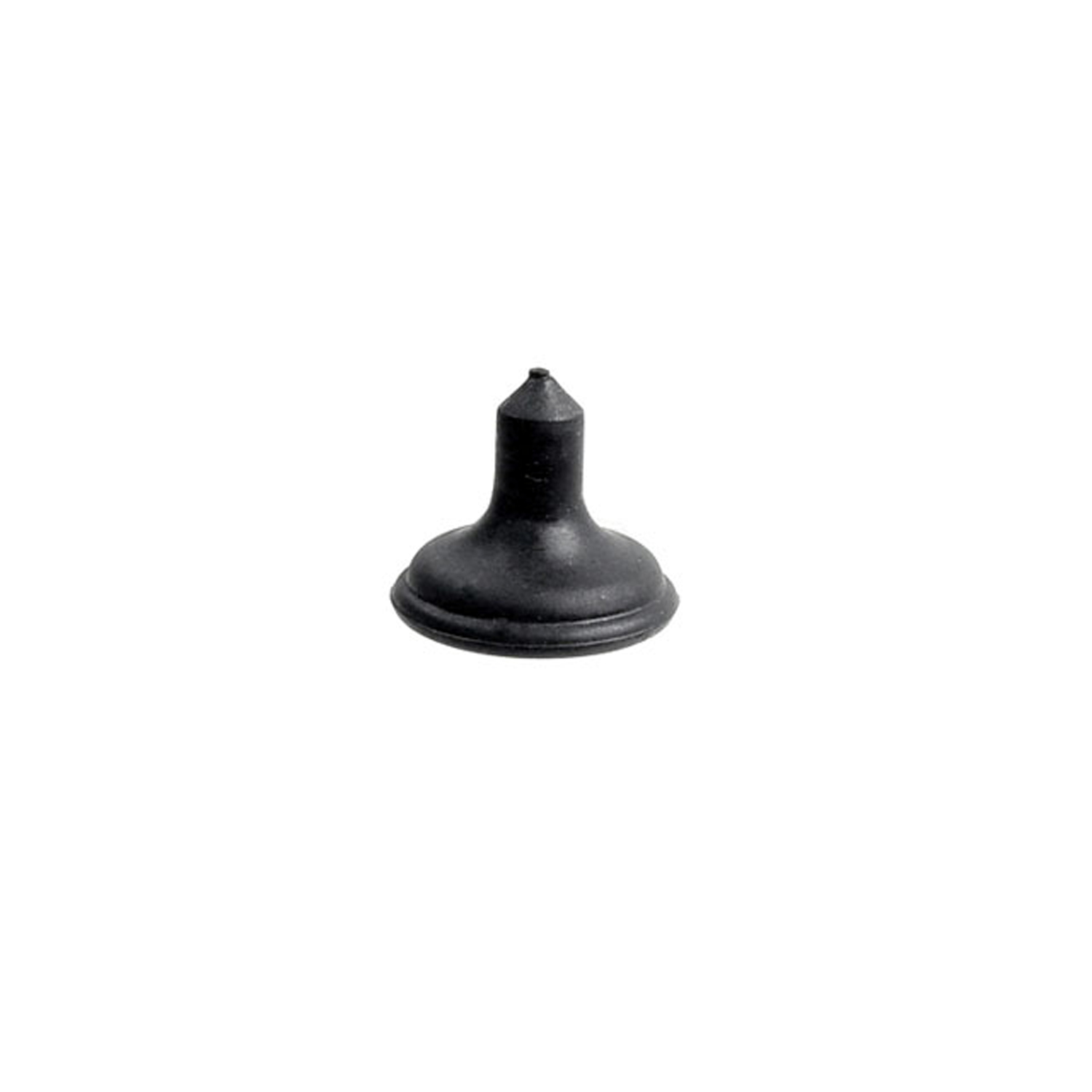 1970 Subaru 360 Fuel Valve Tip. 7/8" O.D., 7/8" high. Each-PL 11Fuel Valve Tip. 7/8" O.D., 7/8" high. Each
Why Choose Metro?
For over 100 years, Metro Moulded Parts has been the pinnacle of quality in classic car restoration parts. Our commitment to precision and authenticity in every component ensures a perfect fit and an OEM-level appearance.
- Expert Craftsmanship & Quality: Each part is a testament to our dedication to reliability and perfection, crafted from original designs and thoroughly tested.
- Advanced Technology: We use cutting-edge techniques to create flawless, long-lasting parts that surpass others in performance.
- SuperSoft Sponge – The Ultimate Door Seal: Not only are our door seals 30% softer than competitors', but they're also guaranteed to never leak. They effectively reduce wind and road noise, enhancing your classic car's comfort and driving experience.
- Proudly American: Our parts are a product of American craftsmanship, made in the USA with a spirit of excellence and heritage.
- Unrivaled Warranty: We back our products with a 30-year industry-leading warranty, a testament to our confidence in their quality.
Join us in preserving the legacy of classic cars with parts that are crafted for perfection, not just made.