

Image of 1927 Sunbeam Three-Litre, Note: These illustrations use artistic license and may differ from actual historical models.
Performance Metrics
Fundamental Metrics
Emotional Appeal
MMP Rating
| Engine Specifications | |
|---|---|
| Engine: | 6-cylinder in-line, overhead valves |
| Displacement: | 3.0 Litres |
| Horsepower: | Estimated 50-60 HP |
| Torque: | Not available |
| Compression Ratio: | Not available |
| Ignition System: | Magneto ignition |
| Cooling System: | Water-cooled |
| Performance Specifications | |
| 0-60 Time: | Not available |
| 1/4 Mile Time: | Not available |
| Top Speed: | 75-85 mph |
| Transmission and Drive | |
| Drive Type: | Rear-wheel drive |
| Transmission Type: | 4-speed manual |
| Fuel and Efficiency | |
| Fuel System Type: | Carburetor |
| MPG: | Not available |
| Dimensions and Brakes | |
| Brakes: | Drum brakes |
| Wheelbase: | 130 inches |
| Weight: | 3000 lbs |
Note: Specifications for classic cars are given to the best of our ability, considering the limited and variant data available.
1927 Sunbeam Three-Litre: A British Six with Sporting Ambition
The 1927 Sunbeam Three-Litre was built for motorists who wanted the refinement of a six-cylinder touring car with a distinctly sporting character. Made by the Sunbeam Motor Car Company in Wolverhampton, England, it came from a marque known for combining careful engineering with competition ambition. Its smooth engine, quality chassis and coachbuilt bodywork made it a handsome alternative to more common British luxury cars of the period.
The Three-Litre belongs to the lively interwar years, when British manufacturers were improving engine performance, brakes and road manners while still relying on skilled coachbuilders to give cars their individual identities. Sunbeam had a strong reputation in both road-car production and racing. A memorable bit of marque history came in 1927, when Henry Segrave drove the twin-engined Sunbeam 1000 hp to a land-speed record of more than 200 mph. That remarkable record-breaker was a very different machine from the Three-Litre, but it captures the engineering confidence surrounding the Sunbeam name.
Elegant Styling and Coachbuilt Detail
The Three-Litre had the poised, upright proportions typical of a fine 1920s touring car. Its long bonnet gave visual emphasis to the six-cylinder engine, while a tall radiator, separate front wings and large headlamps created a purposeful, formal face. Running boards connected the front and rear wings, and wire wheels, a folding windscreen and a rear-mounted spare completed the classic period silhouette. Depending on the body, the result could look dignified and chauffeur-ready or decidedly sporting.
Many cars were supplied with bodies built or finished by specialist coachbuilders, so details varied. Open tourers are among the most evocative forms, with their exposed cockpit and folding hood, while saloons and coupés offered greater weather protection. A tourer is often the body style enthusiasts picture first, but there was no single universal configuration across all surviving examples. Buyers could also encounter variations in seating, hood arrangements, windscreens and luggage provision.
Inside, owners could expect a traditional, substantial cabin rather than modern convenience. Leather upholstery, polished wood trim and carefully finished metal fittings were typical of cars in this class, though exact materials and details depended on the body and original specification. Instruments were arranged for the driver, and the large steering wheel helped manage the effort of steering a substantial car at low speed. Period paint choices were often selected to suit the owner and coachwork. Dark blue, maroon, green and black are all fitting colors for a car of this era, but an individual car’s original finish should be verified rather than assumed from its model name.
Six-Cylinder Engineering for the Road
The Three-Litre used a straight-six engine of approximately 2.9 litres. Published specifications can differ by model year and source, and surviving cars may have been modified over time, but the engine’s chief appeal was its smooth, flexible delivery. Rather than relying on high engine speeds, it offered the kind of steady pull that suited fast touring. A manual gearbox and conventional rear-wheel drive completed a layout familiar to experienced motorists of the time.
Its chassis and mechanical specification reflected a period of rapid development, but the car remained a product of its age. Braking, steering and suspension did not offer the effortless control of a modern vehicle. The Three-Litre’s significance lies less in introducing a single revolutionary feature than in bringing capable six-cylinder performance and thoughtful engineering to a refined, coachbuilt road car.
Road Manners and Real-World Performance
Depending on body style, gearing, condition and load, a sound Three-Litre could reach roughly 65 to 75 mph. That is a sensible period-oriented estimate, not a guaranteed figure for every 1927 example. Reliable factory acceleration figures are difficult to establish, and a modern-style 0-to-60 mph claim should be treated cautiously. For a heavy, coachbuilt car from the late 1920s, an approximate 25-to-35-second range is a reasonable broad estimate, but body weight and mechanical condition make a large difference.
On a smooth open road, the six-cylinder engine would give the car a relaxed, even rhythm, with a muted mechanical hum that grew more purposeful under acceleration. The ride was designed for long-distance comfort, though broken surfaces could still make the solid axles and period suspension feel busy by today’s standards. On winding roads, the Three-Litre rewards a measured driving style: plan braking early, use the gearbox, and guide the car smoothly rather than expecting quick, modern responses. Crosswinds and uneven pavement are part of the experience in a tall, open-bodied tourer.
Driving one is an active experience. The driver works the clutch and gear lever, listens to the engine and reads the road well ahead. It is not simply a slower version of a modern car. It asks for attention and mechanical sympathy, and that involvement is a large part of its appeal.
Sunbeam’s Place in British Motoring
The Three-Litre helped demonstrate how a British manufacturer could combine sporting intent with the comfort and finish expected of a luxury touring car. Its long bonnet and coachbuilt bodywork followed familiar conventions, but its smooth six-cylinder power and Sunbeam’s engineering reputation gave it a distinctive place in the market. It was aimed at buyers who wanted more than basic transport without stepping into the very largest and most expensive class of car.
Its lasting influence is best understood as part of Sunbeam’s broader reputation rather than as a direct template for later mass-market designs. The company’s competition activity, advanced engineering projects and road cars reinforced one another: racing brought prestige, while refined production cars brought that reputation to ordinary roads. The Three-Litre represents the road-going side of that story.
Owning a 1927 Sunbeam Three-Litre
Today, a Three-Litre is more likely to be used for touring, vintage motoring events and shows than as everyday transport. A well-sorted car can cover suitable roads at a steady pace, but regular modern traffic, long periods at high speed and frequent short trips can be hard on an elderly vehicle. Many owners preserve their cars through careful maintenance and use them selectively.
Routine work is approachable for an experienced home mechanic, but parts availability and specialist knowledge are important considerations. The mechanical layout is less complex than that of a modern car, yet age brings its own challenges: worn bearings, tired brakes, electrical faults, fuel-system problems and previous repairs that may not meet original standards. Coachwork and trim can be especially costly to restore. Before purchase, a marque specialist should inspect the chassis, engine, gearbox, brakes and body structure, and the car’s provenance should be checked carefully.
Notable Facts and Common Misconceptions
The most eye-catching Sunbeam story from 1927 is Segrave’s land-speed record, but the 1000 hp record car should not be confused with the Three-Litre. It used two large aircraft engines and was built specifically for record attempts. The Three-Litre was a road car, intended for touring and everyday use by a wealthy owner.
Sunbeam’s range included machines with very different purposes, from comfortable road cars to specialized competition and record vehicles. That breadth can lead to mistaken assumptions about a model’s performance or racing history. The Three-Litre’s strengths were refinement, quality and sporting character, not headline-grabbing speed records. Common criticisms today include the car’s modest braking by modern standards, the physical effort required to drive it and the time and expense involved in maintaining bespoke coachwork.
Collector Values and Rarity
There is no widely accepted production total for the 1927 Three-Litre, and surviving examples represent only part of the original output. A cautious working estimate is that production was in the hundreds rather than the thousands, perhaps around 300 to 600 cars across the relevant Three-Litre production period. That is an informed estimate, not a confirmed factory figure. Individual body styles, coachbuilder records and model-year definitions can make totals difficult to pin down.
Values depend heavily on originality, restoration quality, body style, provenance and whether the car is ready to tour. As a broad current guide, a project or car needing substantial work might fall around US$25,000 to US$50,000. A sound, usable example could be roughly US$50,000 to US$100,000, while a particularly desirable, well-documented restoration or rare coachbuilt body may exceed that range. In the UK, comparable cars may broadly range from about £20,000 for a project to £80,000 or more for an exceptional example. These are estimates, not formal valuations, and the small market can produce significant variation.
Like many pre-war cars, the Three-Litre is best viewed as a long-term enthusiast purchase rather than a guaranteed investment. Exceptional, original cars have the strongest prospects, while restoration costs can outpace market gains on lesser examples. The market tends to reward provenance, sound engineering and high-quality coachwork more than simply having an attractive restoration.
Why the Three-Litre Still Matters
The 1927 Sunbeam Three-Litre brings together the qualities that make a great pre-war car compelling: a smooth six-cylinder engine, elegant coachbuilt lines, a well-made cabin and a direct connection to an ambitious British marque. It is not a record-breaker, and it does not pretend to offer modern ease. Its appeal is more personal: a distinctive touring car that rewards careful driving and preserves the craftsmanship of its era.
Nearly a century on, the Three-Litre remains a reminder that Sunbeam’s story was written both on the road and at the limits of speed. Its real achievement is making that sporting spirit tangible in a car built to carry its owner, in style, into the wider world.
1927 Sunbeam Three-Litre Catalog of Parts
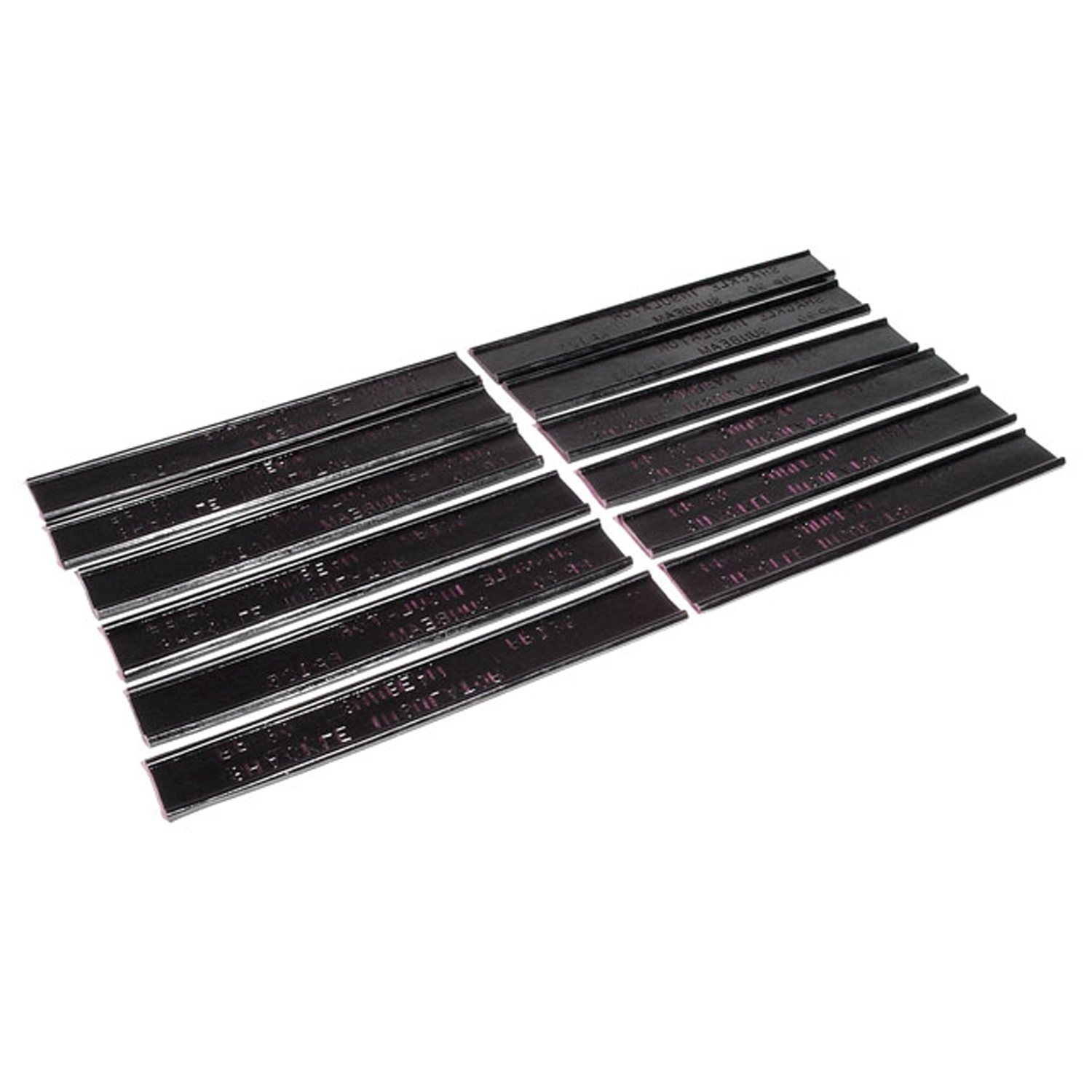 1927 Sunbeam THREE-LITRE Spring Shackle Rubber Insulators-RP 125Spring Shackle Rubber Insulators. 1" wide X 6-3/4" long each. 12-Piece Set
Why Choose Metro?
For over 100 years, Metro Moulded Parts has been the pinnacle of quality in classic car restoration parts. Our commitment to precision and authenticity in every component ensures a perfect fit and an OEM-level appearance.
- Expert Craftsmanship & Quality: Each part is a testament to our dedication to reliability and perfection, crafted from original designs and thoroughly tested.
- Advanced Technology: We use cutting-edge techniques to create flawless, long-lasting parts that surpass others in performance.
- SuperSoft Sponge – The Ultimate Door Seal: Not only are our door seals 30% softer than competitors', but they're also guaranteed to never leak. They effectively reduce wind and road noise, enhancing your classic car's comfort and driving experience.
- Proudly American: Our parts are a product of American craftsmanship, made in the USA with a spirit of excellence and heritage.
- Unrivaled Warranty: We back our products with a 30-year industry-leading warranty, a testament to our confidence in their quality.
Join us in preserving the legacy of classic cars with parts that are crafted for perfection, not just made.