

Image of 1932 Sunbeam Sixteen, Note: These illustrations use artistic license and may differ from actual historical models.
Performance Metrics
Fundamental Metrics
Emotional Appeal
MMP Rating
| Engine Specifications | |
|---|---|
| Engine: | 2.2L I6 |
| Displacement: | 2,200 cc |
| Horsepower: | Estimated 50-60 hp |
| Torque: | Not available |
| Compression Ratio: | Not available |
| Ignition System: | Magneto ignition system |
| Cooling System: | Water-cooled |
| Performance Specifications | |
| 0-60 Time: | Not available |
| 1/4 Mile Time: | Not available |
| Top Speed: | 70 mph |
| Transmission and Drive | |
| Drive Type: | Rear-wheel drive |
| Transmission Type: | 4-speed manual |
| Fuel and Efficiency | |
| Fuel System Type: | Carburetor |
| MPG: | Not available |
| Dimensions and Brakes | |
| Brakes: | Drum brakes |
| Wheelbase: | 113 inches |
| Weight: | Estimated 1,500 kg |
Note: Specifications for classic cars are given to the best of our ability, considering the limited and variant data available.
1932 Sunbeam Sixteen: A Refined British Six
The 1932 Sunbeam Sixteen paired a smooth six-cylinder engine with the quiet confidence of a well-made British touring car. Built by the Sunbeam Motor Car Company in Wolverhampton, England, it belonged to a marque already known for engineering ambition, elegant road cars and record-breaking speed machines.
Sunbeam was part of S.T.D. Motors, a group that also included Talbot and Darracq. The Sixteen sat in the middle of the Sunbeam range, offering more refinement than a modest family car without the cost and bulk of a large luxury model. Its name referred to its British tax-horsepower class, not necessarily to the engine’s actual output. Some cars and period references use the designation 16/60, indicating the tax class and an output around 60 horsepower.
There is an intriguing contrast at the heart of its story: Sunbeam was famous for spectacular land-speed record cars, yet the Sixteen was intended for composed, comfortable motoring. It shared the marque’s engineering heritage, but its greatest achievement was making that pedigree useful on ordinary roads.
Long Bonnet, Tailored Coachwork
The Sixteen’s proportions were classic early-1930s British luxury. A tall, upright radiator led into a long bonnet, with separate front wings curving over the wheels and running boards linking the front and rear. Headlamps stood proud of the body, while a spare wheel was often carried on a front wing or at the rear. Wire wheels and carefully shaped fenders gave the car an unmistakably formal presence.
Inside, the emphasis was on craftsmanship rather than gadgetry. Depending on the body and specification, occupants could find leather upholstery, polished wood trim, thick carpets, a broad instrument panel and generous seating. The cabin was designed for long journeys, with a more upright and spacious feel than the snug interiors of many smaller sports cars. Condition and coachbuilder make a major difference to the details found in surviving examples.
Under the bonnet, the Sixteen used an overhead-valve inline-six. A displacement of about 2.9 litres is commonly associated with the 16/60, though exact specifications and tune could vary by year and version. The six-cylinder layout was a notable refinement feature for the time, delivering smoother power than a typical four-cylinder engine. A manual gearbox, four-wheel brakes and conventional leaf-sprung suspension made up the practical foundations of the car. Equipment details varied, so surviving cars should be checked against their chassis records and period documentation.
Sunbeam offered the Sixteen through a range of body styles, including saloons and open touring bodies, with additional coupe or drophead forms available in period depending on the model and coachwork. The saloon was the sensible, popular choice for enclosed year-round travel. Open tourers, with their folded hood and sweeping lines, are often the most visually striking versions today.
Color depended on the body supplier and customer order rather than a single standardized palette. Period-appropriate shades included dark blue, green, maroon and black, sometimes paired with contrasting details. Deep, restrained colors suit the car’s formal character, while two-tone paint can make the separate wings and running boards stand out.
Why the Sunbeam Sixteen Mattered
The Sixteen was not a revolutionary design, and it did not introduce a technology that transformed the industry. Its significance lies instead in how it brought together established advances: an overhead-valve six-cylinder engine, comfortable coachwork, useful braking and the performance needed for British roads and longer-distance touring. It represented the growing expectation that a refined car should be both pleasant to drive and practical to own.
Compared with many four-cylinder rivals, the Sunbeam offered a smoother, more cultivated power delivery. Compared with larger luxury cars, it was more manageable and less imposing. That balance was its calling card. It also carried the Sunbeam name into an era when the company’s reputation for engineering and competition remained valuable, even as the market increasingly favored affordable, mass-produced cars.
Road Manners and Six-Cylinder Character
Period performance figures vary with body style, gearing, condition and engine tune. A sound 16/60 is generally estimated to reach roughly 65 to 70 mph. A modern estimate for 0 to 60 mph is around 25 to 30 seconds, but that figure should be treated as a guide rather than a definitive factory test result. Heavy saloon bodies and tall gearing make the car a steady tourer, not a quick modern traffic-light performer.
On the road, the six-cylinder engine is best appreciated for its smoothness and willingness to pull at moderate revs. The exhaust note is a subdued, mechanical burble rather than a sharp sporting bark. The suspension, with its period-style beam axles and leaf springs, takes the edge off ordinary road imperfections, though large potholes and broken surfaces can unsettle the car more than they would a modern vehicle.
On winding roads, the Sunbeam rewards a measured approach. Its size, steering and period tires call for anticipation, especially when cornering or braking. The driver sits upright, works a manual gearbox and feels the road through relatively direct mechanical controls. It is an involving experience, but one built around smooth progress and good observation rather than speed.
Owning and Maintaining a 1932 Sunbeam
Today, the Sixteen is primarily a touring, club and show car. A well-sorted example can take part in vintage rallies and local events, but frequent modern commuting is less practical. Traffic speeds, limited crash protection, older brakes and the need for regular mechanical attention all favor leisurely use on suitable roads.
Maintenance is manageable for an experienced classic-car owner, but it is not entirely a do-it-yourself proposition for everyone. The engine and chassis use familiar prewar mechanical principles, and many routine jobs can be handled by a competent home mechanic with the right tools and workshop information. The larger challenge is sourcing correct parts, finding knowledgeable specialists and preserving coachbuilt bodywork. Before buying, inspect the chassis for corrosion or poor repairs, check engine oil pressure and cooling, and assess the gearbox, brakes, steering and electrical system.
Reliability depends more on the quality of restoration and ongoing care than on the badge alone. A neglected prewar car can turn into a demanding project, while a properly maintained example can be a rewarding and surprisingly usable touring machine. Originality also matters: improvised repairs and hard-to-reverse modifications can complicate future maintenance and reduce collector appeal.
Sixteen Facts and Common Myths
The Sunbeam name is associated with some of the most audacious speed records of the early motoring era, including the celebrated Sunbeam 1000 hp land-speed car. That machine was a very different vehicle from the Sixteen, but its fame helped create the marque’s sporting image. The 1932 Sixteen itself was built for road use, not as a factory racing model, and it is not known for a major speed or endurance record of its own.
There is no dependable, widely accepted production total for the 1932 Sixteen alone. As a cautious estimate, total production across the relevant Sixteen model run may have been in the low thousands, perhaps around 1,500 to 3,000 cars. This is a reasoned estimate, not a confirmed factory figure, and surviving examples are considerably rarer than the original production suggests.
A common criticism is that the car is slow by modern standards and can be challenging to keep original. Its age also means that braking, lighting and weather protection do not match modern expectations. Those are fair limitations, but they miss the point if the car is judged as a comfortable, carefully engineered touring machine from its own era.
Collector Values and Market Outlook
Values depend heavily on condition, provenance, mechanical health, body style and the quality of any restoration. As a broad 2026 guide, a project or incomplete car might be valued around US$10,000 to US$20,000. A usable, sound example could fall in the US$25,000 to US$45,000 range, while a high-quality restoration or especially desirable open-bodied car may reach roughly US$50,000 to US$75,000 or more. These are indicative estimates, not a formal valuation, and prices can vary substantially between markets.
The Sixteen is a niche prewar collectible, so buyers may need patience to find the right car. Its market is generally strongest for complete, well-documented examples with attractive coachwork and a history of careful maintenance. Values have tended to be selective rather than spectacular: the best cars retain interest, while expensive restorations do not always return their full cost. Over the long term, quality examples may appreciate gradually, but condition and authenticity matter more than a simple upward market trend.
A Quietly Distinctive Sunbeam
The 1932 Sunbeam Sixteen combined a smooth six-cylinder engine, traditional British styling and thoughtfully finished coachwork in a capable prewar tourer. It was not a record-breaker or a mass-market sensation. Its appeal is subtler: refinement, craftsmanship and the feeling of a well-engineered car made for covering miles at an unhurried pace.
For collectors, the Sixteen offers a less obvious route into the Sunbeam story than the marque’s famous racing machines. For anyone who values the character of early-1930s motoring, it remains a handsome reminder that engineering excellence can be quiet, comfortable and built for the open road.
1932 Sunbeam Sixteen Catalog of Parts
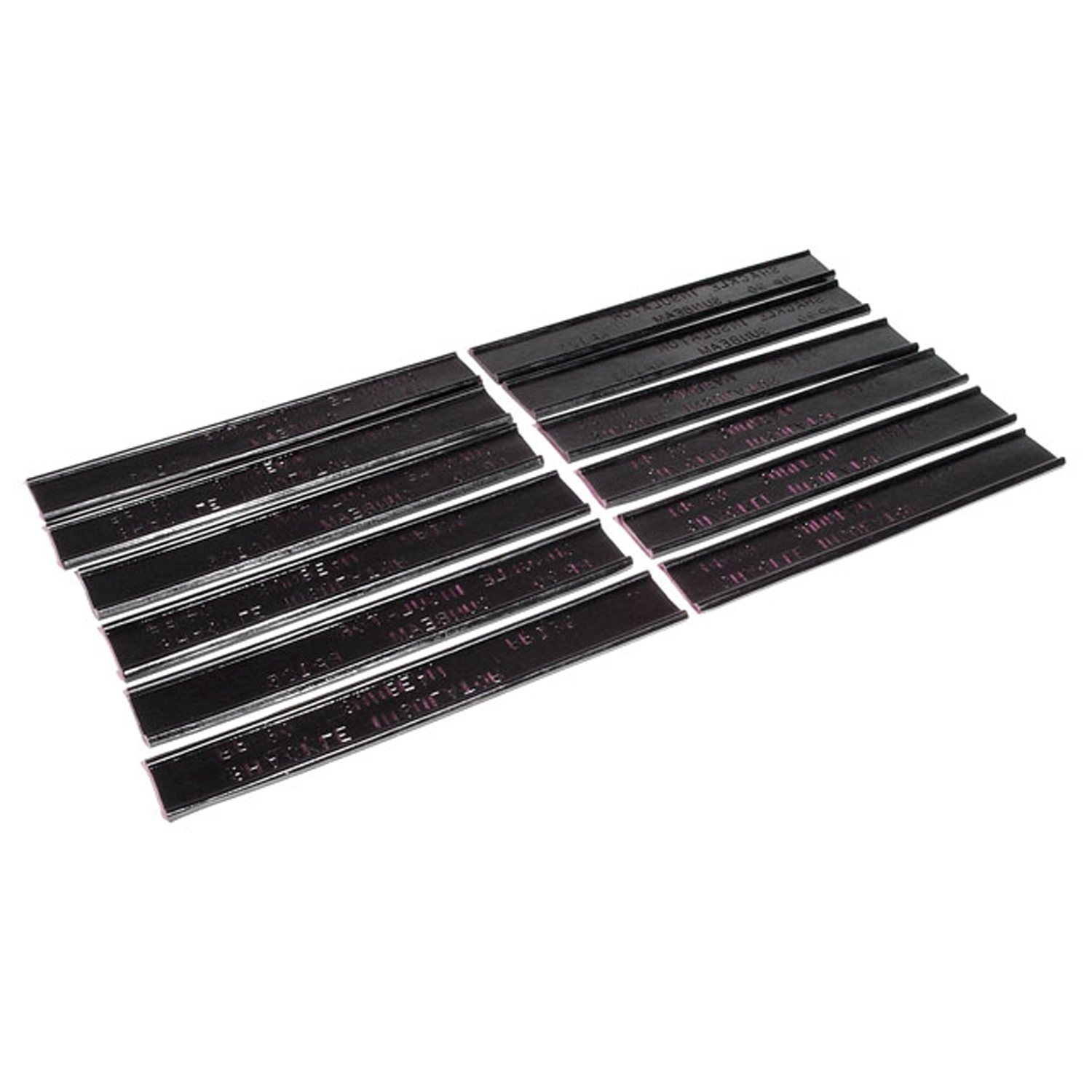 1932 Sunbeam SIXTEEN Spring Shackle Rubber Insulators-RP 125Spring Shackle Rubber Insulators. 1" wide X 6-3/4" long each. 12-Piece Set
Why Choose Metro?
For over 100 years, Metro Moulded Parts has been the pinnacle of quality in classic car restoration parts. Our commitment to precision and authenticity in every component ensures a perfect fit and an OEM-level appearance.
- Expert Craftsmanship & Quality: Each part is a testament to our dedication to reliability and perfection, crafted from original designs and thoroughly tested.
- Advanced Technology: We use cutting-edge techniques to create flawless, long-lasting parts that surpass others in performance.
- SuperSoft Sponge – The Ultimate Door Seal: Not only are our door seals 30% softer than competitors', but they're also guaranteed to never leak. They effectively reduce wind and road noise, enhancing your classic car's comfort and driving experience.
- Proudly American: Our parts are a product of American craftsmanship, made in the USA with a spirit of excellence and heritage.
- Unrivaled Warranty: We back our products with a 30-year industry-leading warranty, a testament to our confidence in their quality.
Join us in preserving the legacy of classic cars with parts that are crafted for perfection, not just made.