

Image of 1932 Sunbeam Twenty, Note: These illustrations use artistic license and may differ from actual historical models.
Performance Metrics
Fundamental Metrics
Emotional Appeal
MMP Rating
| Engine Specifications | |
|---|---|
| Engine: | Inline-6 |
| Displacement: | 3.1L |
| Horsepower: | Estimated 70-80 HP |
| Torque: | Not available |
| Compression Ratio: | Not available |
| Ignition System: | Distributor ignition |
| Cooling System: | Water-cooled |
| Performance Specifications | |
| 0-60 Time: | Not available |
| 1/4 Mile Time: | Not available |
| Top Speed: | 75 mph |
| Transmission and Drive | |
| Drive Type: | Rear-wheel drive |
| Transmission Type: | 4-speed manual |
| Fuel and Efficiency | |
| Fuel System Type: | Carburetor |
| MPG: | Not available |
| Dimensions and Brakes | |
| Brakes: | Drum brakes |
| Wheelbase: | 130 inches |
| Weight: | Estimated 3500 lbs |
Note: Specifications for classic cars are given to the best of our ability, considering the limited and variant data available.
1932 Sunbeam Twenty: British Luxury with a Sporting Edge
The 1932 Sunbeam Twenty paired the smoothness of a large six-cylinder engine with the grace of a hand-finished British motorcar. Built by the Sunbeam Motor Car Company in Wolverhampton, England, it belonged to a tradition of refined, technically ambitious cars made for drivers who wanted more than basic transport. Depending on the exact specification, the model is also described as the Sunbeam 20/60, a reference to its RAC tax rating and approximate performance class rather than a literal 20-to-60 horsepower range.
Sunbeam was part of the Sunbeam-Talbot-Darracq group, commonly shortened to STD, during this period. Its cars sat in a competitive market alongside established British luxury makes, offering substantial engineering and coachbuilt individuality. A notable point of distinction is that a Twenty might leave the factory as a rolling chassis and receive its finished body from a specialist coachbuilder. That means two cars from the same year can look strikingly different while sharing the same basic mechanical identity.
Elegant Coachwork and Six-Cylinder Engineering
The Twenty’s exterior was formal but not ponderous. Its long bonnet announced the six-cylinder engine beneath, while the upright radiator, separate wings, running boards and slim window pillars gave it the unmistakable proportions of an early-1930s British car. Depending on its body, it might wear a dignified enclosed saloon profile or the more open, sporting lines of a tourer. Wire wheels, polished lamps, a rear-mounted spare and carefully shaped fenders added to its period character.
There was no single universal body style. Sunbeam chassis could be supplied with saloon, limousine, coupe, drophead coupe or open tourer coachwork, with the exact choice depending on the buyer, market and coachbuilder. The enclosed saloon was a natural choice for comfortable all-weather motoring, while a tourer made the car feel more sporting and exposed its long bonnet to full effect. Coachbuilt examples are particularly appealing to collectors because their details can be distinctive rather than mass-produced.
Inside, owners could expect a generous cabin trimmed in leather, with polished wood veneer or wood-faced fittings, a substantial instrument panel and comfortable seating. The materials and finish varied with the body and coachbuilder, but the aim was clear: a quiet, well-appointed space for long journeys. Deep carpets, door pockets and thoughtful luggage accommodation were common features of cars in this class, though surviving cars may differ considerably in their original trim.
Paint choices were likewise not restricted to a single factory palette. Dark blue, maroon, black and deep green suit the car’s formal character, while two-tone combinations could emphasize a tourer’s sweeping body lines. Because coachbuilders and individual customers often influenced the finish, a specific color should be treated as an example of period taste rather than a guaranteed standard option.
Under the bonnet, the 1932 Twenty is commonly associated with a 3,317 cc overhead-valve inline-six, though specifications should always be checked against the individual chassis and engine. A four-speed manual gearbox and four-wheel brakes were among the serious mechanical equipment expected in this class. The overhead-valve layout was an important part of the car’s engineering appeal, helping the engine breathe efficiently for its era. It was not a modern car by any measure, but it brought substantial, carefully developed engineering to a refined road car.
Why the Sunbeam Twenty Mattered
The Twenty represented an important strand of British motoring: the sporting luxury car that could cover distance at a respectable pace without sacrificing comfort. Sunbeam had a strong engineering and competition reputation, and its road cars benefited from that broader identity. The Twenty was not a stripped-out racing special, but it offered owners a more purposeful alternative to a purely conservative luxury saloon.
Its coachbuilt construction also reflects a period when car design was not yet standardized into a handful of mass-market body shapes. Buyers could select a chassis and have it tailored to their needs, whether they wanted a family saloon, a formal limousine or an open tourer. That approach gave the model variety and craftsmanship, although it also means surviving cars are not all alike and factory production figures are difficult to pin down.
Sunbeam’s famous record-breaking cars, including the machines associated with land-speed pioneer Sir Henry Segrave, helped create the marque’s sporting image. The Twenty was not one of those record cars, and it should not be confused with them. Its significance is quieter: it brought Sunbeam’s engineering reputation to the road in a comfortable, usable, high-quality package.
Performance and Road Manners
A 1932 Sunbeam Twenty was built for brisk touring rather than modern-style acceleration. Depending on body weight, gearing, engine condition and road conditions, a sound example might reach roughly 70 to 75 mph. A period-style estimate for 0 to 60 mph is around 25 to 30 seconds, but this should be treated as an approximation, not a factory-tested figure applicable to every body style. A heavy limousine will feel slower than a lighter tourer.
The straight-six is valued for its smooth, even delivery. At a steady cruising speed, the engine should feel composed rather than frantic, with a measured mechanical murmur that grows into a fuller exhaust note under load. The four-speed gearbox gives the driver more control over the engine’s pace than a simple three-speed arrangement, although shifting technique and the condition of the transmission matter greatly in an individual car.
On a rough road, the long chassis and substantial suspension give the Twenty a settled, unhurried ride, especially when the car is properly maintained. It is not immune to body movement, and a tall saloon can lean through corners. On winding roads, the steering demands more effort than a modern car and the brakes require anticipation. The car rewards a smooth driving style: look ahead, preserve momentum and avoid treating the controls as if they belonged to a contemporary sports saloon.
Living with a Sunbeam Twenty
Today, the Twenty is best suited to touring, club events, historic motoring gatherings and display. Some well-maintained examples can be driven on suitable roads, but their age, braking performance and limited modern safety equipment make them less practical as everyday transport. A tourer offers an especially engaging experience on fair-weather drives, while a closed saloon is more comfortable in poor weather.
Maintenance is manageable for an experienced classic-car owner, but it is not a casual, parts-store project. Routine work includes regular lubrication, careful attention to the cooling system, ignition and carburetion checks, and inspection of the braking and steering systems. The basic mechanical layout is understandable to a competent vintage-car mechanic, yet specialist knowledge may be needed for engine work, gearbox repairs, coachwork or hard-to-find trim pieces.
Parts availability varies. Some consumables and general mechanical components can be sourced or adapted through vintage-car suppliers, while model-specific pieces may require specialist searches, repair or fabrication. Before buying, inspect the chassis and body structure carefully, confirm the engine and gearbox details, and check whether previous restoration work is documented. A complete, sound car is often a better prospect than a cheaper project missing unique coachbuilt components.
Sunbeam Twenty Facts and Myths
The name “Twenty” refers to the RAC fiscal horsepower class, not the engine’s actual output. That tax rating was used to calculate vehicle taxation in Britain and should not be confused with brake horsepower. Likewise, “20/60” is a period model designation, not a claim that the car had exactly 20 horsepower at one speed and 60 at another.
Another useful distinction is between Sunbeam’s road cars and its celebrated record-breaking machines. The marque’s land-speed achievements are part of Sunbeam’s history, but they were accomplished by specialized racing cars, not by a standard Twenty. The connection is one of engineering culture and brand reputation rather than a direct competition record for this model.
There is no widely accepted, model-specific production total for the 1932 Twenty that can be stated with confidence. A reasonable working estimate is that roughly 1,000 to 2,000 cars may have been built across the broader 20/60 or Twenty family over its production span, with the 1932 year accounting for only part of that number. This is an estimate, not a confirmed factory figure. The number surviving in complete, well-documented condition is much smaller.
Collector Values and Availability
Values depend heavily on condition, originality, body style, restoration quality and provenance. As a broad current-market guide, a project or incomplete example might be offered around £8,000 to £20,000. A usable, presentable car could fall in the region of £20,000 to £55,000, while an exceptional, correctly restored or especially desirable coachbuilt example may reach roughly £60,000 to £90,000 or more. These are estimates rather than guaranteed sale prices, and auction results can vary by country and buyer interest.
The Twenty is uncommon on the market. It is not as frequently encountered as high-volume pre-war saloons, and individual body styles can be much harder to find than the model name alone suggests. Over the long term, top-quality, well-documented examples have potential to hold or increase their value, but the broader market for large pre-war cars can be selective. Restoration costs may exceed the eventual sale price, so condition and completeness are crucial to the financial picture.
A Distinctive Pre-War Sunbeam
The 1932 Sunbeam Twenty combines a smooth overhead-valve six-cylinder engine, substantial road presence and the individuality of coachbuilt design. It was created for comfortable, confident touring, not headline-grabbing acceleration, and its appeal today lies in precisely that blend of engineering, craftsmanship and period character.
For collectors, the Sunbeam Twenty is a reminder that pre-war motoring was about more than famous racing victories. It was also about beautifully made road cars that brought a marque’s ambitions to everyday journeys. Find one in sound condition, and you have not simply bought an old saloon or tourer: you have found a particularly elegant piece of British automotive history.
1932 Sunbeam Twenty Catalog of Parts
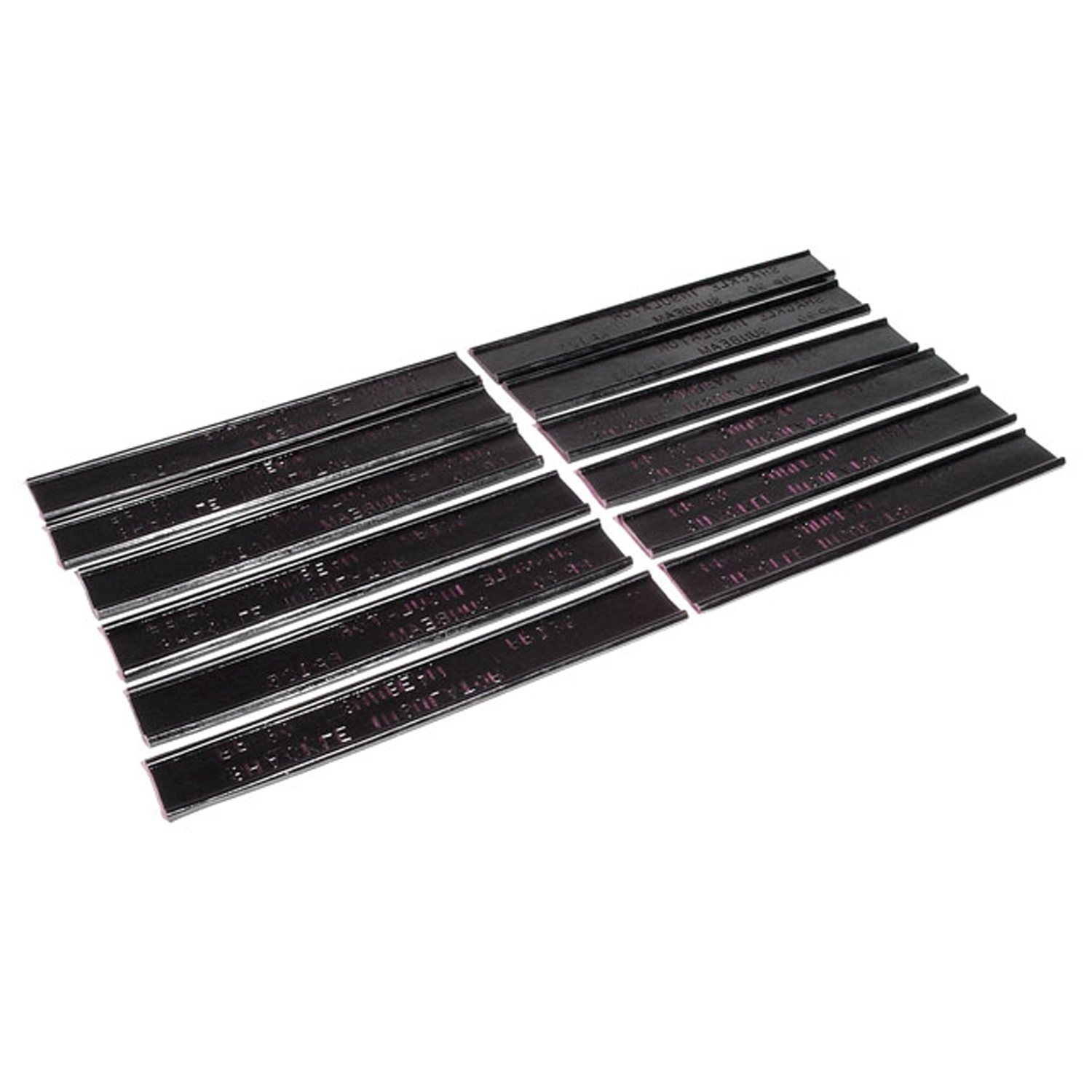 1932 Sunbeam TWENTY Spring Shackle Rubber Insulators-RP 125Spring Shackle Rubber Insulators. 1" wide X 6-3/4" long each. 12-Piece Set
Why Choose Metro?
For over 100 years, Metro Moulded Parts has been the pinnacle of quality in classic car restoration parts. Our commitment to precision and authenticity in every component ensures a perfect fit and an OEM-level appearance.
- Expert Craftsmanship & Quality: Each part is a testament to our dedication to reliability and perfection, crafted from original designs and thoroughly tested.
- Advanced Technology: We use cutting-edge techniques to create flawless, long-lasting parts that surpass others in performance.
- SuperSoft Sponge – The Ultimate Door Seal: Not only are our door seals 30% softer than competitors', but they're also guaranteed to never leak. They effectively reduce wind and road noise, enhancing your classic car's comfort and driving experience.
- Proudly American: Our parts are a product of American craftsmanship, made in the USA with a spirit of excellence and heritage.
- Unrivaled Warranty: We back our products with a 30-year industry-leading warranty, a testament to our confidence in their quality.
Join us in preserving the legacy of classic cars with parts that are crafted for perfection, not just made.