

Image of 1933 Sunbeam Sixteen, Note: These illustrations use artistic license and may differ from actual historical models.
Performance Metrics
Fundamental Metrics
Emotional Appeal
MMP Rating
| Engine Specifications | |
|---|---|
| Engine: | 2.2L I6 |
| Displacement: | 2,200 cc |
| Horsepower: | Estimated 50-60 hp |
| Torque: | Not available |
| Compression Ratio: | Not available |
| Ignition System: | Distributor and coil |
| Cooling System: | Water-cooled |
| Performance Specifications | |
| 0-60 Time: | Not available |
| 1/4 Mile Time: | Not available |
| Top Speed: | 70 mph |
| Transmission and Drive | |
| Drive Type: | Rear-wheel drive |
| Transmission Type: | 4-speed manual |
| Fuel and Efficiency | |
| Fuel System Type: | Carburetor |
| MPG: | Not available |
| Dimensions and Brakes | |
| Brakes: | Drum brakes |
| Wheelbase: | 112 inches |
| Weight: | Estimated 1,500 kg |
Note: Specifications for classic cars are given to the best of our ability, considering the limited and variant data available.
1933 Sunbeam Sixteen: A Refined British Six
The 1933 Sunbeam Sixteen was a quietly capable British touring car: a smooth six-cylinder machine built for comfortable, composed travel rather than headline-grabbing speed. It came from the Sunbeam Motor Car Company of Wolverhampton, England, a respected maker whose name was also associated with record-breaking racing and land-speed cars. The Sixteen belonged to a very different world from those spectacular machines, but it shared the marque’s ambition to combine engineering quality with polished presentation.
In period, “Sixteen” referred to the car’s fiscal horsepower class, not the engine’s actual output. Its engine was a 2,062 cc six-cylinder unit, rated at about 16.9 RAC horsepower. The model arrived as the British motor industry was under financial pressure, and Sunbeam itself was approaching a major change in ownership. The company entered receivership in 1934, with the Rootes Group acquiring the Sunbeam-Talbot interests the following year. That makes the 1933 Sixteen a product of the final years of Sunbeam’s pre-Rootes era.
A useful distinction for enthusiasts: this was a refined road car, not one of the Sunbeams built to chase speed records. The same famous badge covered both worlds, but the Sixteen’s purpose was long-distance comfort, dignified styling and dependable touring.
Elegant Coachwork and Six-Cylinder Comfort
The Sixteen wore the classic proportions of an early-1930s British car. Its tall radiator, long bonnet and upright windscreen gave it a formal profile, while sweeping front wings flowed back toward running boards and rear fenders. Details such as bright radiator trim, separate headlamps and wire wheels reinforced its carefully tailored appearance. Compared with later streamlined cars, it looks upright and substantial, but that was part of its appeal: the Sunbeam presented itself as a proper, well-appointed motorcar.
Body styles varied by model year, chassis and coachwork supplier. Buyers could encounter enclosed saloons, open tourers and sporting or drophead-style bodies. The saloon was the natural choice for private owners wanting year-round comfort, while an open tourer offered a more sociable, wind-in-the-hair experience. Individual cars can differ considerably in trim and detailing, so original sales literature and chassis records are valuable when identifying a particular example.
Inside, the emphasis was on craftsmanship rather than gadgets. Period examples could feature leather upholstery, polished wood or wood-grain dashboard finishes, quality carpeting, a full set of analogue instruments and generous seating. Materials and specification depended on the body and level of finish, but the Sixteen was intended to feel a step above a basic family car. Its cabin was likely to be quieter and more carefully trimmed than that of an inexpensive mass-market saloon, even if modern standards of insulation and convenience were still decades away.
Paint choices were offered in the rich, restrained shades popular with British cars of the period, including dark greens, blues, maroons, blacks and two-tone combinations. Exact factory choices varied, and coachbuilt bodies could be finished to a customer’s order. Dark, dignified colours suit the car particularly well, while a contrasting body and wing treatment can bring out its period lines.
Period Engineering Without the Hype
The Sixteen’s main technical asset was its six-cylinder engine. A six was generally smoother than a comparable four-cylinder unit, and the Sunbeam’s 2,062 cc engine was designed to deliver flexible, usable power for touring. Contemporary specifications and surviving cars can differ, but output is commonly put at roughly 50 to 55 brake horsepower. Power went to the rear wheels through a manual gearbox, with conventional front-engine, rear-wheel-drive construction.
Its chassis and running gear followed proven practice for the era, using a substantial frame, conventional suspension and four-wheel braking. These were not exotic innovations, but they were familiar, serviceable arrangements that suited a comfortable touring car. The Sixteen’s appeal lay in the way its components worked together: smooth engine, dignified road manners and a well-finished body.
Sunbeam’s contribution to automotive history is broader than this single model. The company had built a reputation through racing and record-setting engineering, while its road cars brought some of that technical confidence to private motorists. The Sixteen was not a breakthrough design that transformed the industry. Its significance is more representative: it shows how a respected British manufacturer competed in the premium middle market during a period of economic strain and rapid change.
Performance and Road Manners
Exact performance figures depend on body style, gearing, mechanical condition and test method. As a practical estimate, a sound Sixteen could reach around 65 to 70 mph, with acceleration from 0 to 60 mph likely taking roughly 25 to 30 seconds. Treat those figures as period-car estimates rather than guaranteed factory test results. A heavy saloon with a full complement of passengers will feel slower than a lighter open body.
On the road, the Sixteen is best understood as a relaxed tourer, not a sports car. Its six-cylinder engine should build speed smoothly, with a measured mechanical hum rather than a sharp, high-revving note. The driver will need to plan overtakes and hills, especially in a fully laden car, but the engine’s flexibility makes steady cruising more pleasant than the raw figures might suggest.
The upright seating position, large steering wheel and clear view over the bonnet give the driver a strong sense of connection to the road. Expect more body movement over bumps than in a modern car, along with period steering effort and braking distances. On a winding lane, a well-maintained example should feel composed at a sensible pace, but its size, narrow tires and older suspension call for smooth inputs. Crosswinds and uneven surfaces are reminders that this is a pre-war touring car, not a contemporary grand tourer.
Living With a Sunbeam Sixteen
Today, the Sixteen is most at home on club runs, historic rallies, local shows and leisurely touring. It can cover meaningful distances when properly prepared, but using one as a daily driver would require patience, mechanical sympathy and a willingness to work around period limitations. It has no modern safety equipment, and routine journeys demand more attention than they would in a contemporary vehicle.
Maintenance is manageable for an experienced vintage-car owner, but not necessarily effortless for a first-time hobbyist. The mechanical layout is relatively straightforward by modern standards, and many servicing jobs can be approached with ordinary workshop skills. The larger challenge is often finding the right parts, confirming that earlier repairs were done correctly and locating specialists familiar with pre-war Sunbeams. Engine condition, cooling-system health, brake performance, electrical wiring and the integrity of the wooden or metal body structure deserve close inspection.
Reliability depends heavily on maintenance and restoration quality. A carefully rebuilt car can be a rewarding touring companion; a neglected one may need substantial work before it is safe and dependable. Before buying, check the chassis for corrosion or poor repairs, assess the engine for oil pressure and overheating, and verify that the gearbox, steering and brakes operate properly. Originality matters, but sound workmanship matters more if the car is to be driven.
Sunbeam Sixteen Facts and Myths
One intriguing part of the Sixteen’s story is its timing. It was built just before Sunbeam’s corporate fortunes changed dramatically, making surviving examples reminders of the company’s independent-era identity. The Sunbeam name also appeared on famous racing and record cars, but those achievements should not be attributed to the Sixteen itself. This was a road-going touring model, not a land-speed-record machine.
There is no widely cited, definitive production total for the 1933 Sixteen alone. A reasonable working estimate is that production ran to a few thousand cars across the model’s broader run, with far fewer surviving today. That figure is a best guess, not a confirmed factory count, and body-style breakdowns are even harder to establish.
The car’s common criticisms are typical of pre-war vehicles: modest acceleration, limited modern safety, period braking and steering, and the ongoing effort required to maintain an ageing machine. Its formal styling may also seem conservative beside more streamlined contemporaries. For enthusiasts, those traits are part of the character rather than deal-breakers.
Collector Value and Availability
The Sunbeam Sixteen is uncommon on the market, though it is not generally as sought-after or expensive as the most famous sporting Sunbeams. Availability depends on location, body style and condition, and a sale may require searching marque clubs, specialist dealers and vintage-car auctions. Restoration projects can be difficult to price because missing trim, incomplete records or coachwork repairs can quickly add to the cost.
As a broad 2026 guide, a project or heavily worn example might sell for about US$8,000 to $18,000. A usable, presentable car could fall around US$20,000 to $40,000, while a carefully restored, especially attractive or well-documented example might reach roughly US$45,000 to $65,000 or more. In the UK, that is broadly equivalent to about £6,000 to £50,000, depending on condition and exchange rates. These are estimates, not a formal valuation; unusual coachwork and restoration quality can move a car outside the range.
Values for pre-war cars tend to be selective rather than uniformly rising. Exceptional, correctly restored examples can hold their appeal, while cars needing expensive work may be harder to sell. The Sixteen’s relatively small enthusiast audience means condition, provenance and body style can matter more than general market trends. Its rarity adds interest, but rarity alone does not guarantee a high price.
Why the 1933 Sunbeam Sixteen Still Matters
The 1933 Sunbeam Sixteen brought together a smooth six-cylinder engine, traditional British coachwork and the careful finish expected of a quality touring car. It was not a revolutionary design or a record breaker, but it captures a distinctive moment in Sunbeam history, just before the company entered a new corporate era.
For today’s enthusiast, its appeal is in the experience: the upright stance, the measured engine note, the crafted cabin and the sense of traveling at a more deliberate pace. The Sunbeam Sixteen is a reminder that automotive significance is not only about speed or innovation. Sometimes it is found in a well-made car that tells, mile by mile, the story of the era that built it.
1933 Sunbeam Sixteen Catalog of Parts
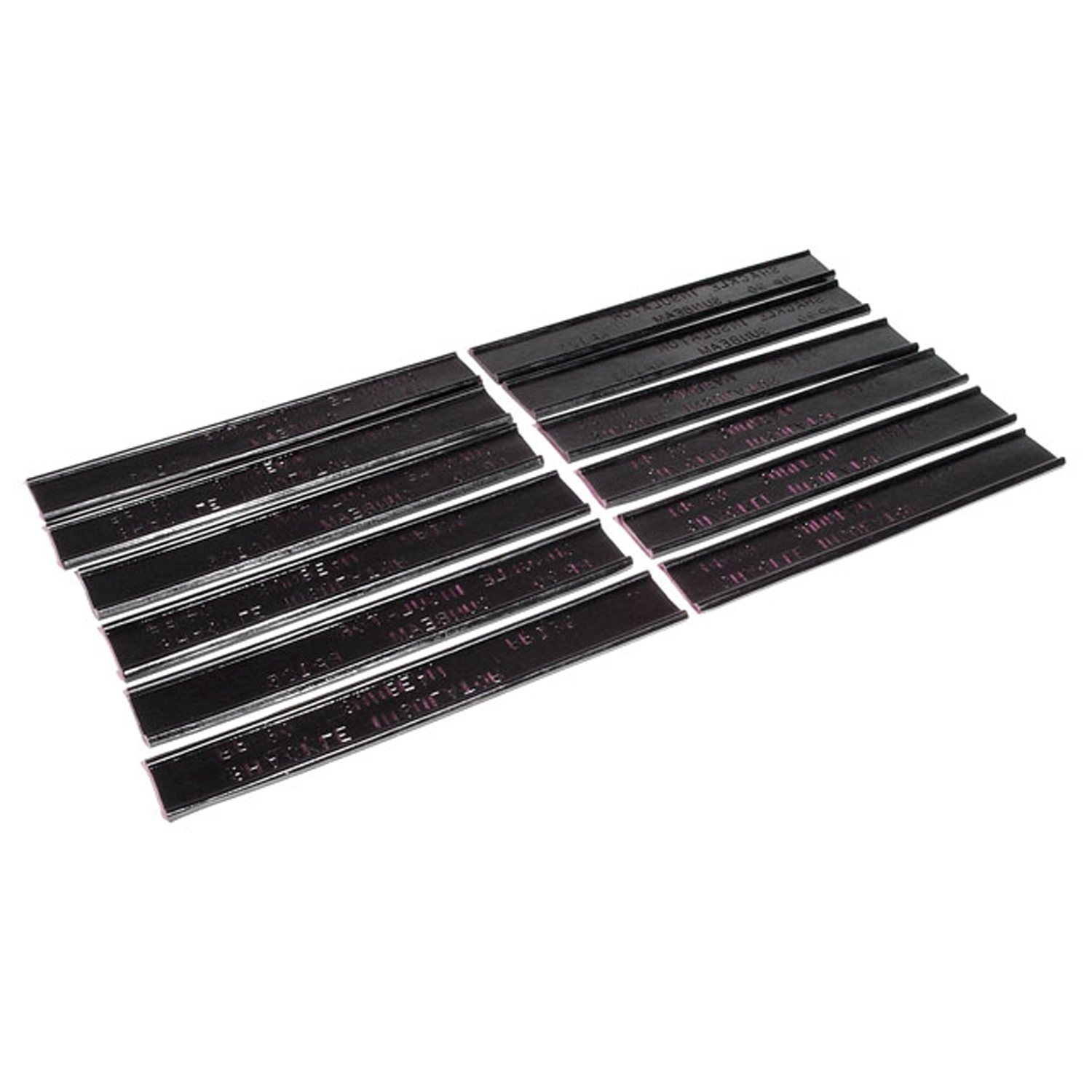 1933 Sunbeam SIXTEEN Spring Shackle Rubber Insulators-RP 125Spring Shackle Rubber Insulators. 1" wide X 6-3/4" long each. 12-Piece Set
Why Choose Metro?
For over 100 years, Metro Moulded Parts has been the pinnacle of quality in classic car restoration parts. Our commitment to precision and authenticity in every component ensures a perfect fit and an OEM-level appearance.
- Expert Craftsmanship & Quality: Each part is a testament to our dedication to reliability and perfection, crafted from original designs and thoroughly tested.
- Advanced Technology: We use cutting-edge techniques to create flawless, long-lasting parts that surpass others in performance.
- SuperSoft Sponge – The Ultimate Door Seal: Not only are our door seals 30% softer than competitors', but they're also guaranteed to never leak. They effectively reduce wind and road noise, enhancing your classic car's comfort and driving experience.
- Proudly American: Our parts are a product of American craftsmanship, made in the USA with a spirit of excellence and heritage.
- Unrivaled Warranty: We back our products with a 30-year industry-leading warranty, a testament to our confidence in their quality.
Join us in preserving the legacy of classic cars with parts that are crafted for perfection, not just made.