

Image of 1934 Sunbeam Speed Twenty, Note: These illustrations use artistic license and may differ from actual historical models.
Performance Metrics
Fundamental Metrics
Emotional Appeal
MMP Rating
| Engine Specifications | |
|---|---|
| Engine: | 6-cylinder in-line, overhead valve |
| Displacement: | 2765 cc |
| Horsepower: | Estimated 70-80 HP |
| Torque: | Not available |
| Compression Ratio: | Not available |
| Ignition System: | Coil ignition |
| Cooling System: | Water-cooled |
| Performance Specifications | |
| 0-60 Time: | Not available |
| 1/4 Mile Time: | Not available |
| Top Speed: | 75-85 mph |
| Transmission and Drive | |
| Drive Type: | Rear-wheel drive |
| Transmission Type: | 4-speed manual |
| Fuel and Efficiency | |
| Fuel System Type: | Carburetor |
| MPG: | Not available |
| Dimensions and Brakes | |
| Brakes: | Drum brakes |
| Wheelbase: | 130 inches |
| Weight: | 3500 lbs |
Note: Specifications for classic cars are given to the best of our ability, considering the limited and variant data available.
1934 Sunbeam Speed Twenty: A British Sports-Luxury Car
The 1934 Sunbeam Speed Twenty was built for drivers who wanted the pace of a sports car without giving up the polish of a fine British touring machine. Produced by the Sunbeam Motor Car Company of Wolverhampton, England, it combined a smooth six-cylinder engine with elegant, often coachbuilt bodywork. Its “20/90” nickname summed up its ambitions: a 20 RAC tax-horsepower rating and a claimed top speed of about 90 mph.
The Speed Twenty arrived during a changing period for British motoring. Luxury cars were becoming faster and more practical, while specialist coachbuilders gave buyers a wide choice of individual styles. Sunbeam had a distinguished sporting heritage, including success in racing and land-speed-record attempts. The Speed Twenty brought some of that sporting character to a road car designed for long-distance touring.
One point of historical context matters: Sunbeam was taken over by the Rootes Group in 1935. The 1934 Speed Twenty therefore belongs to the final independent-era years of the marque, before Sunbeam’s identity became more closely tied to the Rootes organization.
Streamlined Styling and Coachbuilt Comfort
The Speed Twenty had the poised proportions typical of a high-end British car of the mid-1930s. Its long bonnet announced the six-cylinder engine beneath, while the upright radiator, flowing front wings and separate headlamps gave it a formal face. Depending on the body, the rear could be a neatly tapered touring tail or a more substantial enclosed cabin. The overall effect was purposeful rather than flamboyant: a fast car that looked at home outside a country house or hotel.
Many examples were supplied as a rolling chassis and finished by specialist coachbuilders. Buyers could choose from body styles including saloons, tourers and drophead coupes, with details varying by maker and individual commission. The sporting tourer and elegant saloon are among the most evocative forms today. Because coachwork was not uniform, two Speed Twenties may differ noticeably in their roofline, window treatment, seating layout and trim.
Inside, the emphasis was on craftsmanship and comfort. Period examples commonly featured leather upholstery, polished wood trim and quality carpeting, though exact materials and finishes depended on the body and specification. The dashboard was more formal than a modern sports-car cockpit, with clear instruments, a large steering wheel and traditional controls. This was a car intended for sustained touring, not just a quick run around town.
Sunbeam’s paint choices were shaped by individual orders and coachbuilder offerings rather than a single modern-style factory color chart. Dark blue, green, maroon and black are all fitting period colors, and two-tone schemes could accentuate the wings or body line. A carefully chosen deep color with contrasting coachwork remains a popular look among collectors.
Engineering for Fast Touring
At the heart of the Speed Twenty was a 2,916 cc inline-six with overhead valves. Period specifications commonly associate the 20/90 with output in the neighborhood of 90 bhp, although figures can vary by source and exact specification. A four-speed manual gearbox sent power to the rear wheels. Four-wheel brakes and conventional leaf-spring suspension reflected the established engineering of the era, while the six-cylinder layout delivered the smoothness expected in a premium touring car.
For its time, the combination was an appealing one: a relatively high-revving overhead-valve engine, a proper four-speed transmission and performance that could approach 90 mph in favorable conditions. The “20/90” name was not a promise that every body style would reach that speed under every circumstance. A heavier saloon, mechanical condition, gearing and road conditions all affected the result.
Road Performance and Driving Feel
A healthy Speed Twenty could reach a top speed of around 90 mph, according to the model’s period claim. A precise factory 0-to-60 mph figure is not consistently documented, so any modern estimate should be treated cautiously. Depending on body weight, gearing and engine condition, roughly 18 to 22 seconds is a reasonable ballpark rather than a verified manufacturer figure.
On the road, the six-cylinder engine is the star. It should deliver a steady, cultured note that grows more purposeful as revs rise, rather than the sharp, high-pitched sound of a small racing engine. The four-speed gearbox gives the driver more involvement than a simple three-speed transmission, though shifting requires the deliberate technique typical of a prewar car.
The Speed Twenty’s long wheelbase and touring-oriented suspension help it settle into a relaxed rhythm on open roads. It is not a modern sports saloon: bumps can produce body movement, and narrow tires, a rigid chassis and period steering geometry demand attention on rough surfaces. On winding roads, a well-maintained example should feel composed, but the driver needs to plan ahead, especially when braking or changing direction at speed. Crosswinds and uneven roads are part of the experience, not problems the car’s design can simply erase.
Behind the wheel, the appeal is the blend of mechanical engagement and refinement. The driver works the clutch, gearbox and steering rather than relying on modern assistance, while the long bonnet and upright driving position make every journey feel like an event. It is best enjoyed at a brisk, measured touring pace, with respect for its age and braking limits.
Why the Speed Twenty Matters
The Speed Twenty showed how a British luxury car could be both fast and discreet. Its overhead-valve six-cylinder engine and claimed 90 mph performance placed it among the more sporting choices of its class, while coachbuilt bodies let owners tailor the car to personal taste. That combination of performance, comfort and individuality became a defining formula for premium British touring cars.
Its lasting significance is less about one revolutionary invention than the way it brought established engineering and specialist craftsmanship together. The model also reflects a transitional moment for Sunbeam: a marque with a strong sporting reputation adapting to the demands of the luxury-car market just before corporate ownership changed its direction.
Ownership, Maintenance and Reliability
Today, a Speed Twenty is best suited to touring, vintage rallies, concours events and occasional special outings. It can cover distance when properly prepared, but it is not an ideal everyday driver. Traffic, modern speeds and the difficulty of finding suitable parking all make regular city use less appealing. Many owners preserve these cars by driving them selectively and maintaining them to a high standard.
Routine work is manageable for an experienced classic-car owner, but age and scarcity make specialist knowledge valuable. The engine, gearbox, brakes and electrical system need regular inspection, and long periods of storage can create problems of their own. Parts availability is more limited than for mass-produced British classics, so some components may need to be sourced through marque specialists, repaired or remade.
Coachwork can be the largest ownership challenge. Timber framing, metal panels, interior trim and bespoke fittings vary from car to car, which makes restoration more involved than simply ordering a standard replacement part. Before buying, inspect the chassis for corrosion or poor repairs, check the engine for oil pressure and overheating, and assess the condition and originality of the body. A sound, well-documented car is usually a better proposition than an incomplete project, even if the latter appears cheaper at first.
Rare Details and Common Misconceptions
The 20/90 badge is a useful conversation starter: “20” refers to the British RAC tax-horsepower class, not the engine’s cubic capacity, while “90” refers to the car’s advertised performance target. The actual engine was a 2.9-litre six. That distinction is easy to miss if the model name is read as a modern engine-size label.
Sunbeam’s record-breaking cars and racing successes are part of the marque’s wider history, but they should not be confused with the Speed Twenty itself. The road car drew on the company’s sporting image; it was not a land-speed-record machine. Likewise, no widely recognized production record or single celebrity association defines the model’s story.
Surviving cars are often individually distinctive because of their coachwork. That rarity is part of the attraction, but it also complicates comparisons: a beautifully finished tourer and an unusual saloon may not command the same price, even when both are sound examples of the model.
Collector Values and Availability
Exact production totals for the 1934 Speed Twenty are difficult to establish, and surviving examples are scarce. As a broad working estimate, total production across the relevant 20/90 model years may have been in the hundreds to around 1,000 cars, rather than the many thousands built by high-volume manufacturers. This is an estimate, not a confirmed factory total, and the number of surviving cars is considerably smaller.
Values depend heavily on condition, provenance, mechanical health and coachwork. As a general guide, a running but restoration-needy example might fall around US$30,000 to US$55,000. A sound, usable car could be roughly US$55,000 to US$100,000, while an exceptional, correctly restored or especially desirable example may exceed that range. In the UK, a broad equivalent might be about £25,000 to £80,000 or more. These are indicative ranges, not formal valuations; auction results and exchange rates can shift quickly.
Over the long term, the Speed Twenty’s scarcity and period appeal support its collector interest, but its market is necessarily narrow. Prices tend to reward originality, documented history and high-quality restoration more than simply spending heavily on a rebuild. The market for prewar cars can be selective, so values are better described as steady to gradually appreciating for the best examples than as a guaranteed rapid climb.
A Distinctive Sunbeam from a Turning Point
The 1934 Sunbeam Speed Twenty brought together a smooth 2.9-litre six, brisk period performance and the individuality of British coachbuilt design. It was comfortable enough for touring, quick enough to carry real sporting intent and rare enough to feel special wherever it appears.
More than a handsome prewar car, the Speed Twenty captures Sunbeam at a turning point: still drawing on its sporting roots while building a refined road car for discerning drivers. For collectors who value engineering, craftsmanship and character in equal measure, it remains a compelling piece of British motoring history.
1934 Sunbeam Speed Twenty Catalog of Parts
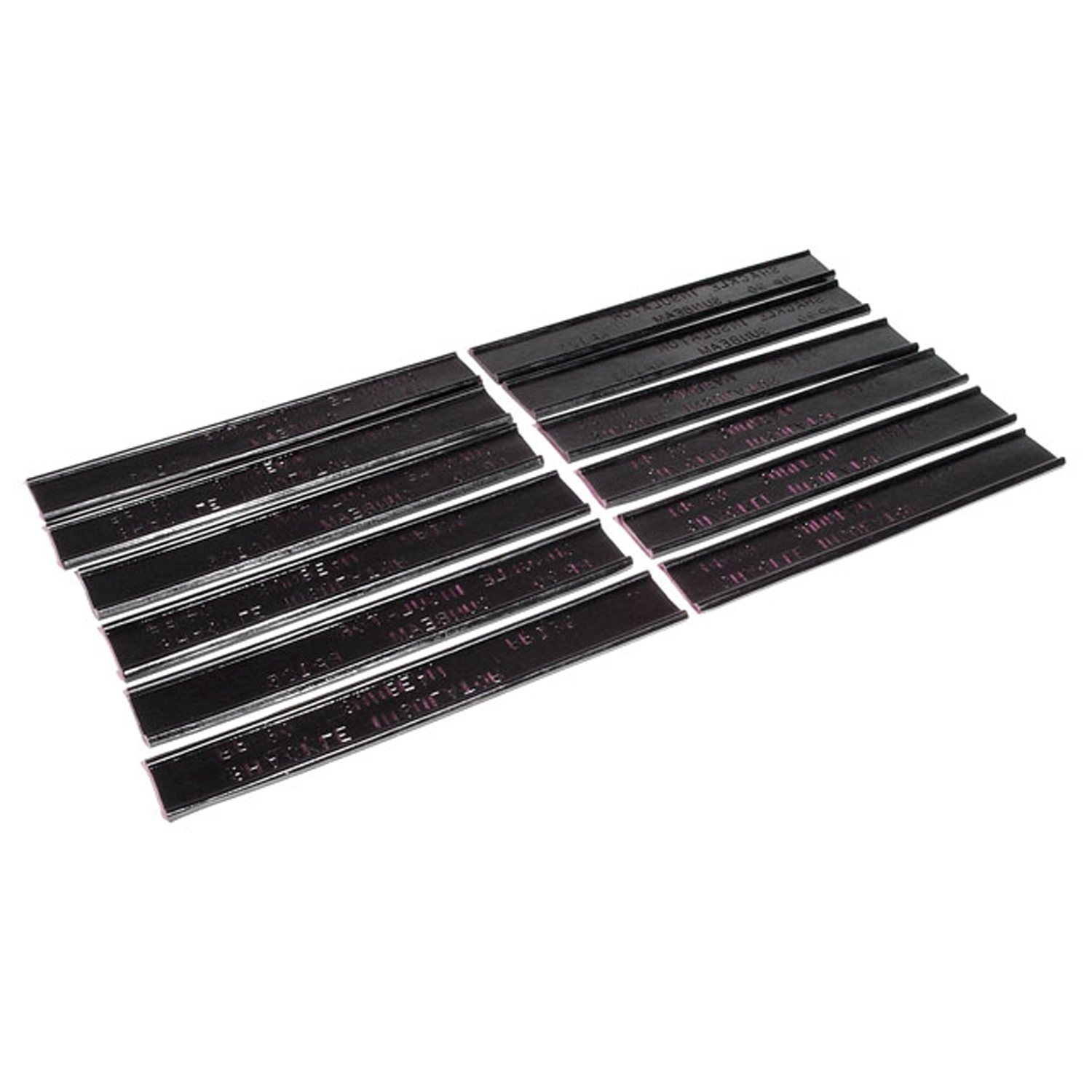 1934 Sunbeam SPEED TWENTY Spring Shackle Rubber Insulators-RP 125Spring Shackle Rubber Insulators. 1" wide X 6-3/4" long each. 12-Piece Set
Why Choose Metro?
For over 100 years, Metro Moulded Parts has been the pinnacle of quality in classic car restoration parts. Our commitment to precision and authenticity in every component ensures a perfect fit and an OEM-level appearance.
- Expert Craftsmanship & Quality: Each part is a testament to our dedication to reliability and perfection, crafted from original designs and thoroughly tested.
- Advanced Technology: We use cutting-edge techniques to create flawless, long-lasting parts that surpass others in performance.
- SuperSoft Sponge – The Ultimate Door Seal: Not only are our door seals 30% softer than competitors', but they're also guaranteed to never leak. They effectively reduce wind and road noise, enhancing your classic car's comfort and driving experience.
- Proudly American: Our parts are a product of American craftsmanship, made in the USA with a spirit of excellence and heritage.
- Unrivaled Warranty: We back our products with a 30-year industry-leading warranty, a testament to our confidence in their quality.
Join us in preserving the legacy of classic cars with parts that are crafted for perfection, not just made.