

Image of 1948 Sunbeam Sunbeam-Talbot 90, Note: These illustrations use artistic license and may differ from actual historical models.
Performance Metrics
Fundamental Metrics
Emotional Appeal
MMP Rating
| Engine Specifications | |
|---|---|
| Engine Options: | 4-cylinder |
| Displacement Range: | 1944 cc |
| Horsepower Range: | 64-70 hp |
| Torque: | Not available |
| Compression Ratio: | Not available |
| Ignition System: | Coil ignition |
| Cooling System: | Water-cooled |
| Performance Specifications | |
| 0-60 Time: | Not available |
| 1/4 Mile Time: | Not available |
| Top Speed: | 80 mph |
| Transmission and Drive | |
| Drive Type: | Rear-wheel drive |
| Transmission Type: | 4-speed manual |
| Fuel and Efficiency | |
| Fuel System Type: | Carburetor |
| MPG: | Not available |
| Dimensions and Brakes | |
| Brakes: | Drum brakes |
| Wheelbase: | 97.5 inches |
| Weight: | 2,646 lbs |
Note: Specifications for classic cars are given to the best of our ability, considering the limited and variant data available.
1948 Sunbeam-Talbot 90: A Postwar British Classic
The 1948 Sunbeam-Talbot 90 brought prewar elegance into Britain’s postwar motoring world, pairing graceful coachwork with the promise of a genuine 90-mph touring car. Built by the Rootes Group under the Sunbeam-Talbot name, it was a refined four-seat car for drivers who wanted more than basic transportation: it offered a polished cabin, confident road manners and a dash of sporting character.
The 90 arrived as Britain was rebuilding its economy and its car industry after the Second World War. Materials and production capacity were still limited, making a well-appointed car like this an appealing symbol of renewed prosperity. One detail helps explain the model’s character: the “90” referred to its intended top-speed class, rather than its horsepower. Its first-generation engine produced around 64 bhp, so the name was an ambitious statement of cruising potential, not a literal power rating.
Streamlined Styling and a Properly Finished Cabin
The 90’s shape is distinctly late-1940s British: rounded yet tidy, with a gently sloping bonnet, flowing front wings and a rounded tail. Its upright grille and separate headlamps give it a formal face, while the smooth roofline and curved body panels keep it from looking stiff. Bright trim and carefully shaped details add a dressy finish without overwhelming the car’s restrained proportions.
Inside, the Sunbeam-Talbot was designed to feel like a small luxury car. The saloon typically offered leather upholstery, polished wood trim and a well-laid-out dashboard, with clear instruments and substantial switchgear. Front bucket-style seats and a rear bench made it comfortable for touring, although modern drivers will find the cabin narrower and the controls less effortless than those in a contemporary car. The drophead coupe brought open-air motoring, with a folding fabric roof and a more exclusive, hand-finished feel.
Paint choices varied with market and production, and period cars could be found in subdued British colors as well as lighter shades and two-tone combinations. Dark blue, green, maroon, grey and black are among the period-appropriate looks often associated with the model. A well-chosen two-tone finish suits the car’s flowing wings particularly well, though original paint records are the best guide when restoring a specific example.
The principal body styles were the four-door saloon and the two-door drophead coupe. The saloon was the more practical and commonly encountered version, while the drophead coupe is the more evocative and generally scarcer choice for collectors.
Engineering for the Postwar Touring Driver
The first-generation 90 used a 1,944 cc overhead-valve four-cylinder engine, producing approximately 64 bhp. Power went to the rear wheels through a manual gearbox, generally described as a four-speed unit, and the car used hydraulic brakes. Independent front suspension helped distinguish its road manners from those of many more utilitarian cars of the period, which commonly relied on simpler front-end arrangements.
None of those features was revolutionary on its own. The achievement was the way Sunbeam-Talbot combined them in a comfortable, well-finished saloon aimed at fast, long-distance travel. The 90 offered British buyers a useful blend of refinement and performance at a time when much of the market was still focused on inexpensive, modestly powered transport.
The model also helped give Sunbeam-Talbot a stronger sporting identity. Later versions of the 90 family built a notable record in rallying, particularly on demanding Alpine routes. Those competition successes helped make “Alpine” an important name within the marque and contributed to the story behind the later Sunbeam Alpine sports car. It is important to separate that broader legacy from the 1948 model itself: the first-generation 90 was the foundation, while later cars carried much of the competition glory.
Performance, Handling and the Open Road
Period figures and modern estimates vary, but a sound first-generation 90 is generally credited with a top speed in the region of 85 to 90 mph. Acceleration from 0 to 60 mph is leisurely by modern standards, likely taking around 20 seconds or more depending on condition, gearing, body style and load. Its strengths were steady cruising and useful flexibility, not rapid acceleration.
On a winding road, the 90 feels composed and predictable. The independent front suspension helps it settle over uneven surfaces, while its substantial body and touring-oriented setup favor a smooth, measured pace rather than sharp cornering. It can cope with ordinary bumps well for a car of its age, but its period tires, steering and braking mean it rewards anticipation. A driver should leave plenty of room and avoid expecting modern levels of grip or stopping power.
Behind the wheel, the four-cylinder engine gives a purposeful, mechanical note rather than a dramatic roar. The car feels solid, with the steering and controls asking for a more deliberate touch than those of a modern vehicle. The reward is an involving drive: you work the gearbox, listen to the engine and settle into a relaxed rhythm. In a drophead, the sound of the engine and the wind through the cabin make a brisk country-road run especially memorable.
Living with a Sunbeam-Talbot 90
Today, most 90s are used for classic-car touring, club events, displays and occasional pleasure drives rather than daily commuting. A saloon can be a practical choice for longer trips, while the drophead is a natural showground favorite and a fine-weather companion.
Mechanical servicing is manageable for an owner familiar with older British cars. The engine is conventional in layout, and routine work such as ignition service, carburetor tuning and brake maintenance is within reach of a capable home mechanic. The bigger challenges are often finding correct trim and body parts, sourcing model-specific components and dealing with age-related corrosion. Before buying, pay close attention to the chassis, structural body areas, brakes, cooling system and electrical condition. A car that has been maintained by a marque specialist is usually a better prospect than an apparently cheaper restoration project.
Reliability depends heavily on the quality of restoration and upkeep. These cars can tour reliably when properly sorted, but they are nearly eight decades old, and deferred maintenance can quickly turn a pleasant classic into a demanding one. Parts support and advice from owners’ clubs are valuable resources.
Rally Roots and Other 90 Facts
The Sunbeam-Talbot 90’s most famous sporting chapter belongs to the wider model family. Later 90s achieved success in international rallying, including events on the challenging Alpine roads. That reputation helped establish Sunbeam-Talbot as more than a maker of elegant saloons and gave the Alpine name a lasting connection to competition.
The 1948 car is not known for a single headline speed or endurance record, and it is better remembered for its combination of touring ability and the competition story that developed around later versions. Nor is there a widely documented celebrity ownership tale that defines the model. Its appeal is more about its own character: a refined British saloon with genuine sporting associations.
Common criticisms are familiar to anyone considering a postwar classic. Performance is modest, braking distances are long by modern standards, and restoration can be costly if rust or missing trim is extensive. The car’s relatively compact cabin may also feel snug for modern occupants. In return, owners get graceful styling, a distinctive period interior and a more unusual presence than better-known British classics.
Collector Values and Availability
Exact production totals for individual early 90 variants can be difficult to pin down, but a reasonable estimate for first-generation 1948-to-1950 cars is roughly 3,500 to 4,000 across body styles. The saloon is more likely to appear on the market; drophead coupes are scarcer and tend to attract stronger interest when complete and correctly restored.
As a broad 2026 guide, a project or usable saloon might sell for about US$10,000 to US$25,000, while a well-restored example could reach approximately US$25,000 to US$40,000. A desirable drophead coupe can command around US$25,000 to US$50,000 or more, depending on originality, restoration quality, history and market location. These are estimates rather than fixed prices: condition and documentation matter greatly, and local markets can differ.
Values have generally been supported by the car’s rarity and its appeal to enthusiasts seeking something less common than a mainstream postwar saloon. Like many classics, prices can soften for cars needing major work, while exceptional, correctly restored examples remain the most resilient. Restoration costs can exceed the value of an average car, so buyers should assess condition carefully rather than assume a low purchase price is a bargain.
Why the 1948 Sunbeam-Talbot 90 Still Matters
The 1948 Sunbeam-Talbot 90 brought elegant styling, a well-appointed interior and purposeful touring performance together at a pivotal moment in British motoring. Its early model established the character of a line that would later earn rally honors, while its own appeal rests in its graceful proportions and engaging, hands-on driving experience. It is not a modern-speed machine, nor does it pretend to be. The 90 is a reminder that a classic can make its mark through poise, craftsmanship and the pleasure of taking the long way home.
1948 Sunbeam Sunbeam-Talbot 90 Catalog of Parts
 1948 Sunbeam Sunbeam-Talbot 90 Park Light Pads. 2-5/8" O.D. Pair-MP 994-APark Light Pads. 2-5/8" O.D. Pair
 1948 Sunbeam Sunbeam-Talbot 90 Windshield Wiper Transmission Pad. 1" wide X 1-1/4" long-MP 994-BWindshield Wiper Transmission Pad. 1" wide X 1-1/4" long. Each
 1948 Sunbeam Sunbeam-Talbot 90 Mirror Pad. 1-1/4" wide X 1-5/8" long. Each-MP 994-CMirror Pad. 1-1/4" wide X 1-5/8" long. Each
 1948 Sunbeam Sunbeam-Talbot 90 License Light Pad. 1-5/8" wide X 17-1/8" long. Each-MP 994-DLicense Light Pad. 1-5/8" wide X 17-1/8" long. Each
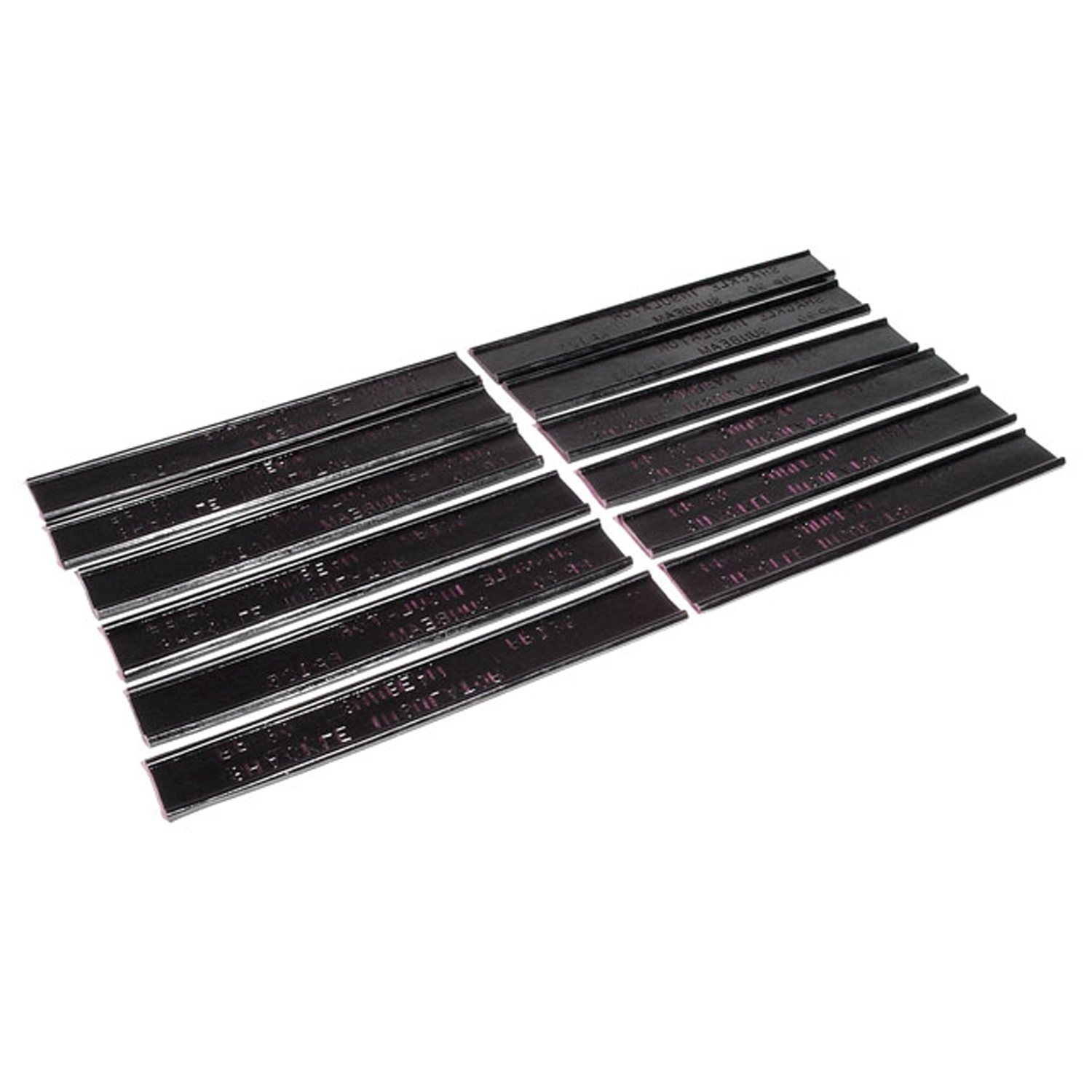 1948 Sunbeam Sunbeam-Talbot 90 Spring Shackle Rubber Insulators-RP 125Spring Shackle Rubber Insulators. 1" wide X 6-3/4" long each. 12-Piece Set
Why Choose Metro?
For over 100 years, Metro Moulded Parts has been the pinnacle of quality in classic car restoration parts. Our commitment to precision and authenticity in every component ensures a perfect fit and an OEM-level appearance.
- Expert Craftsmanship & Quality: Each part is a testament to our dedication to reliability and perfection, crafted from original designs and thoroughly tested.
- Advanced Technology: We use cutting-edge techniques to create flawless, long-lasting parts that surpass others in performance.
- SuperSoft Sponge – The Ultimate Door Seal: Not only are our door seals 30% softer than competitors', but they're also guaranteed to never leak. They effectively reduce wind and road noise, enhancing your classic car's comfort and driving experience.
- Proudly American: Our parts are a product of American craftsmanship, made in the USA with a spirit of excellence and heritage.
- Unrivaled Warranty: We back our products with a 30-year industry-leading warranty, a testament to our confidence in their quality.
Join us in preserving the legacy of classic cars with parts that are crafted for perfection, not just made.