

Image of 1956 Sunbeam Rapier, Note: These illustrations use artistic license and may differ from actual historical models.
Performance Metrics
Fundamental Metrics
Emotional Appeal
MMP Rating
| Engine Specifications | |
|---|---|
| Engine: | 1.4L I4 |
| Displacement: | 1390cc |
| Horsepower: | 50-67 hp |
| Torque: | 80 lb-ft |
| Compression Ratio: | 8.0:1 |
| Ignition System: | Distributor and coil |
| Cooling System: | Water-cooled |
| Performance Specifications | |
| 0-60 Time: | 20 seconds |
| 1/4 Mile Time: | Not available |
| Top Speed: | 85 mph |
| Transmission and Drive | |
| Drive Type: | RWD (Rear Wheel Drive) |
| Transmission Type: | 4-speed manual |
| Fuel and Efficiency | |
| Fuel System Type: | Carburetor |
| MPG: | 25-30 mpg |
| Dimensions and Brakes | |
| Brakes: | Drum brakes |
| Wheelbase: | 98 inches |
| Weight: | 2200 lbs |
Note: Specifications for classic cars are given to the best of our ability, considering the limited and variant data available.
1956 Sunbeam Rapier: A Sporty British Grand Tourer
The 1956 Sunbeam Rapier brought a touch of open-road glamour to the British family-car market, pairing crisp American-influenced styling with a lively 1.5-litre engine. Built by the Rootes Group under the Sunbeam name, the Rapier was a more sporting, upmarket relative of the Hillman Minx. Its smart two-door body and available overdrive made it well suited to both a country-lane run and a long motorway journey.
The Rapier debuted in 1955 as part of Rootes’ new Audax range, whose design was developed with Raymond Loewy Associates. The 1956 car belongs to the first-generation Series I, produced until 1958. One detail that gives the model extra interest is its early place in the growing postwar fashion for stylish pillarless hardtops: the Rapier’s slim pillars and broad side windows made it look more like a compact American coupé than a conventional British saloon.
Audax Styling and a Tailored Cabin
The Rapier’s shape is neat rather than flamboyant. Its low roof, gently curved windscreen, clean flanks and modest tail fins give it a distinctly mid-1950s character. Chrome accents add polish without overwhelming the bodywork, while the wide glass area helps the cabin feel airy. The hardtop version is the most recognisable silhouette, with its uninterrupted side-window look when the windows are lowered.
Inside, the Rapier offered a more carefully finished environment than a basic family car. The dashboard was laid out around clear instruments and accessible controls, with polished trim and quality upholstery lending the cabin a sporting, well-appointed feel. Materials and specification could vary, but buyers generally found a comfortable front compartment and a rear seat suitable for occasional adult use or more regular trips with children. It is a compact classic, not a full-size touring car.
Factory paint choices varied by year and market. Solid colours and two-tone combinations were part of the period’s appeal, with light roofs paired with darker body colours a popular look. Red, blue and cream-toned schemes suit the Rapier particularly well today, though buyers should check a car’s original colour against its records rather than assume every attractive combination was factory offered.
The Series I was sold as a two-door hardtop coupé and, in some markets and production periods, as a convertible. The hardtop is the model’s signature form. The convertible is less frequently encountered and offers a more open-air touring experience, but its rarity and condition can make it a more involved restoration prospect.
What Made the Rapier Matter
The Rapier was not a radical engineering experiment. Its importance lies in how convincingly it blended familiar mechanicals with more stylish packaging. Rootes used the Audax platform and practical running gear to create a car that felt aspirational without being a costly, hand-built sports car. That formula helped establish the Rapier as a compact sporting model within the company’s range.
Compared with many contemporary British saloons, the Rapier looked more distinctive and offered a livelier character. Its hardtop styling anticipated a wider appetite for personal, two-door cars, while its combination of comfort and sporting presentation helped make the idea of a usable grand tourer accessible to more buyers. The model also drew on Sunbeam’s competition-minded image, even though an ordinary road-going Series I should not be mistaken for a purpose-built rally car.
Engine, Speed and Road Manners
Power comes from a 1,494cc overhead-valve four-cylinder engine, generally quoted at about 67 bhp in Series I specification, with twin carburettors helping it breathe. A four-speed manual gearbox was standard, and overdrive was available on suitable cars. Period performance figures differ with specification and test conditions, but a healthy example is commonly estimated to reach around 85 to 90 mph, with 0 to 60 mph taking roughly 18 to 20 seconds.
Those numbers make the Rapier brisk by 1950s family-car standards, not a modern performance car. Its appeal is in the way it gathers speed smoothly and feels willing when kept in the useful part of the rev range. The engine has a familiar four-cylinder burble that grows more purposeful under load, while the manual gearbox gives the driver an active role. An overdrive-equipped car can make faster cruising more relaxed.
On a winding road, the Rapier feels more composed than its tidy dimensions might suggest. The front suspension is independent, while a live rear axle and leaf springs keep the layout straightforward and serviceable. It rides comfortably over ordinary road imperfections, though sharp bumps can remind you that this is a car from the drum-brake, cross-ply-tyre era. On a windy country lane, its manageable size and clear view over the bonnet make it enjoyable, but period tyres, steering and brakes call for anticipation rather than last-second inputs.
Living with a 1956 Rapier
Today, a Rapier is best suited to weekend touring, classic-car events and occasional fair-weather use. Some owners do use their cars regularly, but age, parts condition and road-safety expectations make it less practical as a year-round daily driver. It is a charming car for relaxed trips, especially when the weather is fine and the road rewards a measured pace.
Mechanical repairs are generally within reach of a competent classic-car owner. The engine and running gear are conventional, and many jobs are less complicated than on a modern vehicle. The bigger challenge is often finding sound bodywork and correct trim. Check the sills, floor, wheel arches, lower doors and structural areas for corrosion, and inspect the cooling system, carburettors, clutch and overdrive carefully. Electrical systems may have been converted from their original configuration, so confirm polarity and wiring changes before fitting components.
Parts support exists through classic-car specialists and owner networks, but some model-specific trim and body pieces can be scarce. A well-maintained car with documented work is usually a better buy than a cheap project with hidden rust. Drum brakes and period steering can be serviced, but they need to be in good condition and adjusted correctly to deliver confident road manners.
Rally Roots and Rapier Trivia
The Rapier name carried a sporting tone, and Sunbeam’s broader competition reputation gave the road car extra appeal. Rapiers were used in rallies and other events, but the Series I was primarily a stylish road car rather than a record-breaking machine. There is no widely recognised speed or endurance record that defines the 1956 model.
A useful collector’s distinction is the Series I designation. Later Rapiers gained revisions, so a 1956 car should be assessed against the specification and details appropriate to its build date. The hardtop’s pillarless appearance is another memorable feature, and the less common convertible provides a different take on the same compact touring formula. No single celebrity-owner story is central to the model’s history; its appeal is more about design, usability and its place in the Sunbeam range.
Common criticisms are familiar to owners of many 1950s British cars: modest acceleration by modern standards, drum brakes, corrosion risk and the occasional hunt for trim or body parts. Some drivers may also find the cabin and rear seating snug. These are not deal-breakers, but they are part of the ownership calculation.
Collector Values and Availability
Production figures are not always presented consistently by body style and market, but the Series I run is generally estimated at about 7,500 cars in total. That figure covers the generation, not just 1956, and surviving examples are considerably fewer. The convertible is scarcer than the hardtop, while condition and originality have a major effect on desirability.
As a broad current estimate, a usable driver might sell for around US$10,000 to US$18,000. A well-presented, sound example can fall in the US$18,000 to US$30,000 range, while an exceptional restoration or especially desirable convertible may exceed that, depending on market, provenance and specification. Project cars can be cheaper, but rust repairs and missing parts can quickly erase the apparent bargain. These are guide ranges, not a substitute for a local appraisal.
Values have generally been steady to gradually appreciating for good, correctly restored cars, rather than rising at the pace of the most famous sports cars. The Rapier remains comparatively attainable, which is part of its charm. Originality, documented restoration and structural condition matter more than a shiny paint job alone.
A Compact Classic with Lasting Style
The 1956 Sunbeam Rapier stands out for bringing hardtop glamour, useful performance and straightforward British engineering together in one approachable package. It is not the fastest car of its era, nor the rarest, but it offers a distinctive look and an engaging drive that feel special without demanding a grand-touring-car budget.
For collectors seeking a classic with real period character and room for enjoyable weekend miles, the Rapier makes a persuasive case. Its appeal is simple: it turns an ordinary journey into a small occasion.
1956 Sunbeam Rapier Catalog of Parts
 1956 Sunbeam Rapier Park Light Pads. 2-5/8" O.D. Pair-MP 994-APark Light Pads. 2-5/8" O.D. Pair
 1956 Sunbeam Rapier Windshield Wiper Transmission Pad. 1" wide X 1-1/4" long-MP 994-BWindshield Wiper Transmission Pad. 1" wide X 1-1/4" long. Each
 1956 Sunbeam Rapier Mirror Pad. 1-1/4" wide X 1-5/8" long. Each-MP 994-CMirror Pad. 1-1/4" wide X 1-5/8" long. Each
 1956 Sunbeam Rapier License Light Pad. 1-5/8" wide X 17-1/8" long. Each-MP 994-DLicense Light Pad. 1-5/8" wide X 17-1/8" long. Each
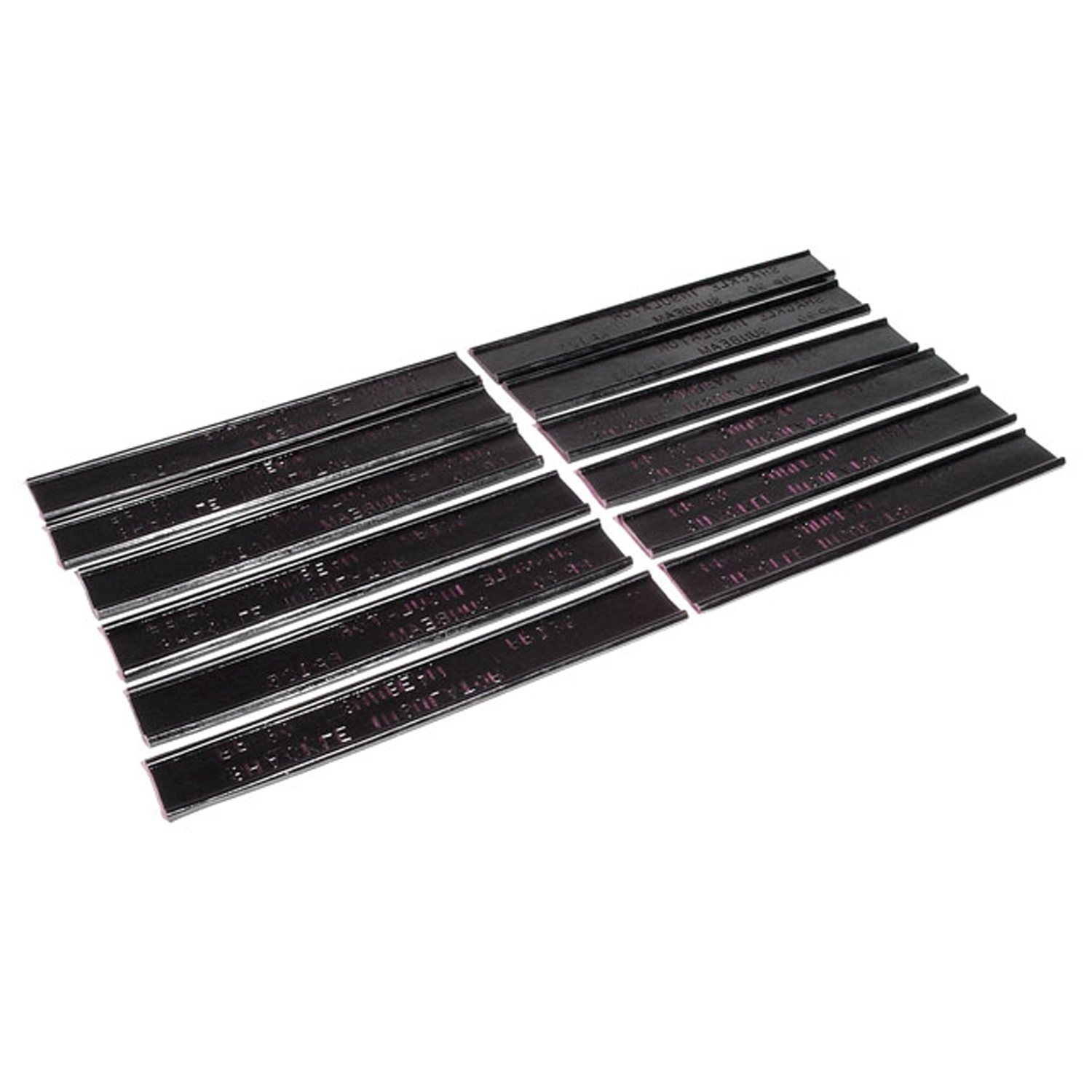 1956 Sunbeam Rapier Spring Shackle Rubber Insulators-RP 125Spring Shackle Rubber Insulators. 1" wide X 6-3/4" long each. 12-Piece Set
Why Choose Metro?
For over 100 years, Metro Moulded Parts has been the pinnacle of quality in classic car restoration parts. Our commitment to precision and authenticity in every component ensures a perfect fit and an OEM-level appearance.
- Expert Craftsmanship & Quality: Each part is a testament to our dedication to reliability and perfection, crafted from original designs and thoroughly tested.
- Advanced Technology: We use cutting-edge techniques to create flawless, long-lasting parts that surpass others in performance.
- SuperSoft Sponge – The Ultimate Door Seal: Not only are our door seals 30% softer than competitors', but they're also guaranteed to never leak. They effectively reduce wind and road noise, enhancing your classic car's comfort and driving experience.
- Proudly American: Our parts are a product of American craftsmanship, made in the USA with a spirit of excellence and heritage.
- Unrivaled Warranty: We back our products with a 30-year industry-leading warranty, a testament to our confidence in their quality.
Join us in preserving the legacy of classic cars with parts that are crafted for perfection, not just made.