

Image of 1933 Terraplane Series Kt, Note: These illustrations use artistic license and may differ from actual historical models.
Performance Metrics
Fundamental Metrics
Emotional Appeal
MMP Rating
| Engine Specifications | |
|---|---|
| Engine: | Inline-6 |
| Displacement: | 212 cubic inches |
| Horsepower: | Estimated 75-85 hp |
| Torque: | Information not available |
| Compression Ratio: | 5.2:1 |
| Ignition System: | Battery and coil |
| Cooling System: | Water-cooled |
| Performance Specifications | |
| 0-60 Time: | Information not available |
| 1/4 Mile Time: | Information not available |
| Top Speed: | 70-80 mph |
| Transmission and Drive | |
| Drive Type: | Rear-wheel drive |
| Transmission Type: | 3-speed manual |
| Fuel and Efficiency | |
| Fuel System Type: | Carburetor |
| MPG: | Information not available |
| Dimensions and Brakes | |
| Brakes: | Mechanical drum brakes |
| Wheelbase: | 113 inches |
| Weight: | 2,600 lbs |
Note: Specifications for classic cars are given to the best of our ability, considering the limited and variant data available.
1933 Terraplane Series KT: Hudson’s Depression-Era Standout
The 1933 Terraplane Series KT was built to make a well-engineered car feel within reach, and it did so with brisk six-cylinder power, handsome styling, and a price aimed at ordinary motorists. It came from Hudson Motor Car Company of Detroit, Michigan. Although the Terraplane name was already gaining its own identity, the 1933 range was marketed as the Essex-Terraplane, linking Hudson’s newer, more affordable line with the Essex name.
Terraplane was launched in 1932 under Hudson president Roy D. Chapin, who wanted a car with the modern, forward-looking appeal of aviation. The name suggested speed and flight, an especially exciting association in an era when airplanes symbolized technological progress. A notable piece of the launch story is that aviator Amelia Earhart helped promote the new Terraplane, connecting the car’s identity with one of the best-known pilots of the day.
The Series KT was the six-cylinder member of the 1933 Terraplane family. Its appeal was practical rather than extravagant: it offered substantial road presence and useful performance without the cost of a large luxury car. That combination helped make Terraplane one of Hudson’s most important names during the difficult Depression years.
Streamlined Looks, Built for the Road
The KT wore the unmistakable proportions of an early-1930s American car: a long hood, upright radiator grille, sweeping front fenders, and a passenger cabin set well back from the nose. Its rounded fenders and flowing body lines gave it more motion than the boxier cars of the preceding decade. At the same time, the tall roof, running boards, and pronounced wheel arches kept the design recognizably period rather than fully streamlined.
Depending on body style and trim, brightwork around the grille, lamps, hood, and window surrounds added a polished finish. Two-tone paint could emphasize the body’s shape, while single-color finishes offered a more restrained appearance. Factory colors varied with body and equipment, but period palettes commonly included dark blue, green, maroon, gray, tan, and black. Paint availability was not necessarily identical across every body style, so surviving cars may reflect different original combinations.
The 1933 Terraplane range included several closed and open body types, with the precise selection depending on trim and configuration. Buyers could find sedans, coupes, and more sporting open or convertible-style models in the broader lineup. Closed sedans were especially practical for families and everyday use, while coupes offered a more personal, sportier look. Today, the coupe and open-body versions tend to draw attention at shows, but a well-preserved sedan is an excellent example of how most buyers would have encountered the car.
Inside, the KT was designed as a comfortable car rather than a bare-bones economy model. Buyers got a full-width dashboard, clear instruments, a steering wheel with a substantial rim, and upholstered seating suited to long trips. Materials and trim depended on body and price level. Cloth upholstery was typical in closed cars, while higher-trim or open models could use upgraded fabrics and finer detailing. Wood-grain finishes and bright interior accents gave the cabin a more dressed-up appearance than the low price might suggest.
Six-Cylinder Engineering and Useful Features
Power came from a 193.1-cubic-inch inline six-cylinder engine. Published specifications for 1933 Terraplane sixes are commonly given at about 70 horsepower, with minor variations possible among sources and configurations. A three-speed manual transmission sent power to the rear wheels. This was straightforward, conventional engineering, but it suited the car’s purpose: dependable transportation that could keep pace with traffic of its time.
For a car in its price class, the KT offered the reassuring feel of a full-size automobile. Its steel body, substantial chassis, and period braking and steering equipment were part of a design philosophy focused on road use rather than novelty. Equipment could differ by model and options, so features such as trim, interior appointments, and convenience equipment should be checked against the individual car rather than assumed from the Series KT name alone.
Terraplane’s innovation was not one futuristic gadget. Its achievement was bringing a modern-looking, capable car to a broad market. Hudson used the Terraplane name and aviation-inspired advertising to make everyday motoring feel energetic and contemporary, while keeping the mechanical layout familiar enough for buyers and mechanics to understand.
What Made the Terraplane Matter
The 1933 KT arrived at a time when automakers were fighting for customers with limited budgets. Hudson’s answer was to offer a car that looked substantial and delivered useful performance without asking buyers to pay for a prestige badge. The Terraplane name helped distinguish it from more conservative rivals, while the six-cylinder engine gave it an appealing balance of power and operating cost.
Its significance lies in that mix of accessible engineering and confident presentation. Terraplane helped Hudson compete in a crowded market and strengthened the idea that an affordable car did not have to look or feel plain. It also became one of the company’s most recognizable sub-brands. The name continued after the Essex connection was dropped, and Terraplane remained part of Hudson’s identity through the 1930s.
Road Manners and Period Performance
Exact acceleration and top-speed figures for an individual 1933 KT depend on body weight, condition, gearing, and the accuracy of the period test. As a reasonable guide, a healthy six-cylinder car might reach roughly 65 to 75 mph, with 0-to-60 mph acceleration taking somewhere around 25 to 30 seconds. Those are modern estimates, not a guarantee for every surviving car. The KT was lively for its price and era, but it was not a modern high-performance machine.
On a smooth road, the car’s longer wheelbase and substantial chassis would have made it feel settled and comfortable. On rougher surfaces, its period suspension could absorb ordinary bumps, but it would not isolate passengers as effectively as a modern car. The tall body and narrow tires also call for measured steering inputs on winding roads. Drivers should expect more body movement and less precise cornering than they would in a postwar car.
From behind the wheel, the experience is tactile and mechanical. The six-cylinder engine has a steady, low-pitched note, the manual gearbox asks for deliberate shifts, and the steering and braking require more physical input than a contemporary vehicle. A well-maintained KT can feel surprisingly willing on open roads, but its natural pace is relaxed rather than urgent. The reward is a direct connection to the machinery, with every shift and change in road surface clearly communicated to the driver.
Living With a 1933 KT
Today, a Series KT is mainly a show car, touring car, or occasional weekend driver. Some owners take their cars to regional meets and vintage-car events, where the Terraplane’s distinctive name and prewar shape stand out. Regular use is possible, but a car this old needs careful preparation and should not be expected to perform like modern traffic without appropriate planning.
Routine servicing is familiar to anyone experienced with prewar cars: lubrication, ignition tuning, cooling-system care, brake adjustment, and attention to fuel and electrical systems. Mechanical work is generally more approachable than on a modern vehicle, and many repairs can be handled by a capable hobbyist with period-car experience. However, “simple” does not always mean easy. Worn components, decades of improvised repairs, and missing specifications can turn basic jobs into longer projects.
Mechanical parts may be easier to source through Hudson and Terraplane clubs, specialist vendors, and the vintage-parts network than body-specific pieces. Sheet metal, glass, trim, upholstery details, and correct instruments can take time to find. Before buying, inspect the frame and body for rust, check the engine’s oil pressure and cooling behavior, and confirm that the brakes and steering have been properly rebuilt. A car that stops, steers, and cools reliably is far more enjoyable than one that merely looks finished.
Terraplane Trivia and Common Complaints
The Terraplane name was an intentional nod to aviation, not a claim that the car used aircraft construction or flew through traffic. Its association with Amelia Earhart gave Hudson a memorable promotional story at launch and helped the car feel connected to the era’s fascination with flight and speed.
The Series KT is not generally known for a headline-grabbing land-speed record or a single historic event. Its achievement was more practical: it helped Hudson sell an appealing six-cylinder car during the Depression. One common criticism today is that its performance can seem modest beside later classics, and its prewar steering, braking, and cabin comfort demand patience from modern drivers. Owners also need to accept that some restoration parts are less readily available than parts for more common Ford or Chevrolet models.
Collector Values and Availability
There is no dependable, widely quoted production total for the Series KT alone. A reasonable working estimate is that 1933 Terraplane production across the various body styles and versions reached several tens of thousands, perhaps around 50,000 to 60,000 cars in total. The KT six-cylinder series likely accounted for a substantial share, but surviving records and production breakdowns are not consistent enough to treat a precise figure as fact. Surviving examples are far scarcer than the original production suggests, particularly in complete, roadworthy condition.
As a broad 2026 guide, a project car or incomplete example might sell for roughly $8,000 to $18,000, while a sound driver-quality sedan or coupe could fall around $20,000 to $40,000. A high-quality restoration, especially in a desirable open body style, may reach approximately $45,000 to $75,000 or more. These are estimates, not formal appraisals. Condition, originality, restoration quality, documentation, and body style have a major effect on price.
Values tend to be strongest for correctly restored, usable cars, while incomplete projects can be difficult to sell because restoration costs add up quickly. The broader market for prewar classics moves in cycles, but exceptional Terraplanes are likely to remain desirable for their styling, Hudson history, and relative rarity. Buyers should value the car in front of them rather than rely on a model-wide price: a sound original car can be a better buy than a flashy restoration with hidden mechanical or structural problems.
Why the 1933 Terraplane KT Still Stands Out
The 1933 Terraplane Series KT combined a 70-horsepower-class six-cylinder engine, practical body choices, period-correct comfort, and styling that looked ready for a faster age. Its lasting importance is not that it transformed the automobile overnight, but that it made modernity feel attainable during hard times. For collectors, it offers a vivid slice of Hudson history and a distinctive prewar driving experience. The Terraplane may have borrowed its name from the sky, but its real legacy was keeping an ambitious idea firmly on the road.
1933 Terraplane Series Kt Catalog of Parts
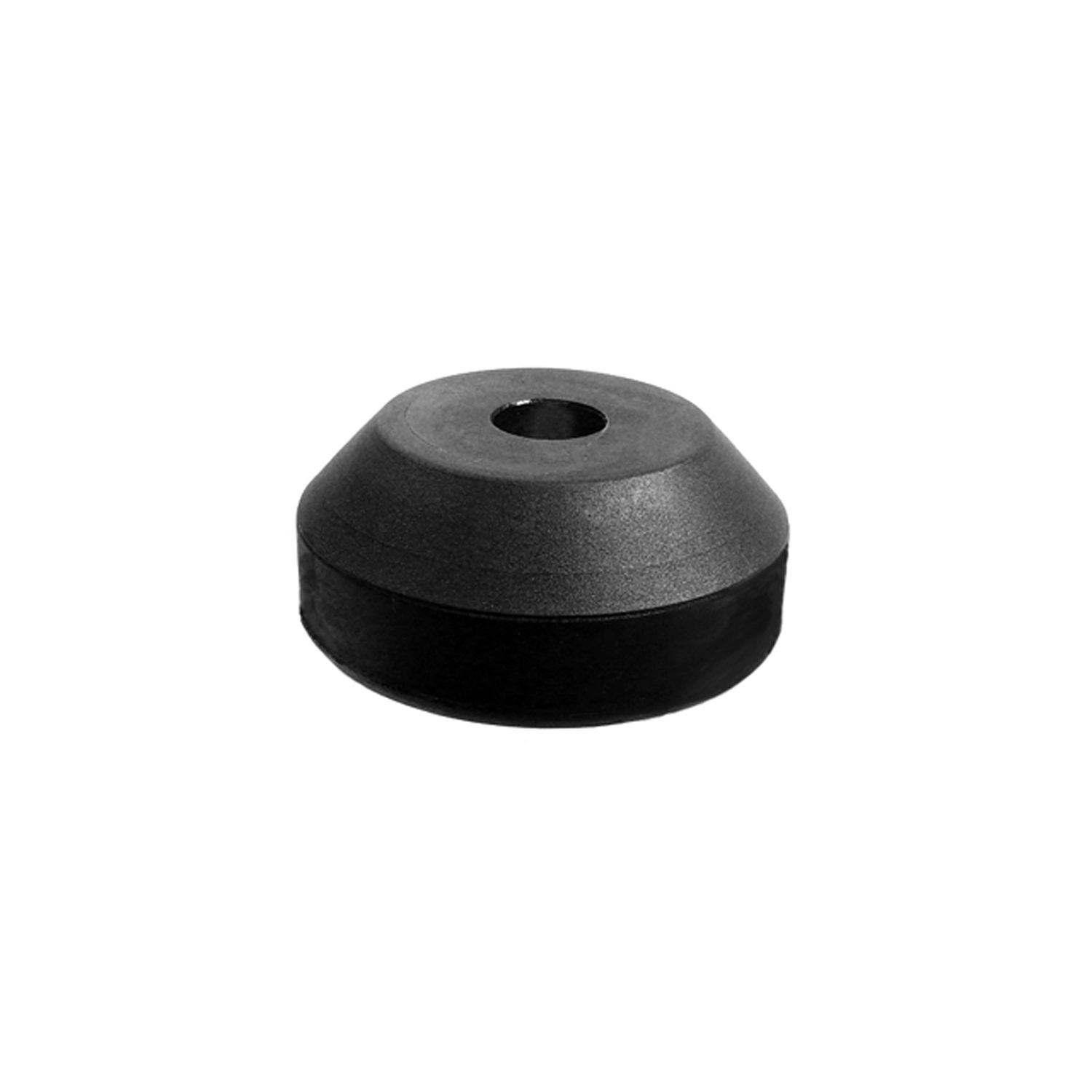 1933 TERRAPLANE SERIES KT Upper Motor Mount. 5/8" I.D., 2-5/8" O.D. Each-MM 7-BUpper Motor Mount. 5/8" I.D., 2-5/8" O.D. Each
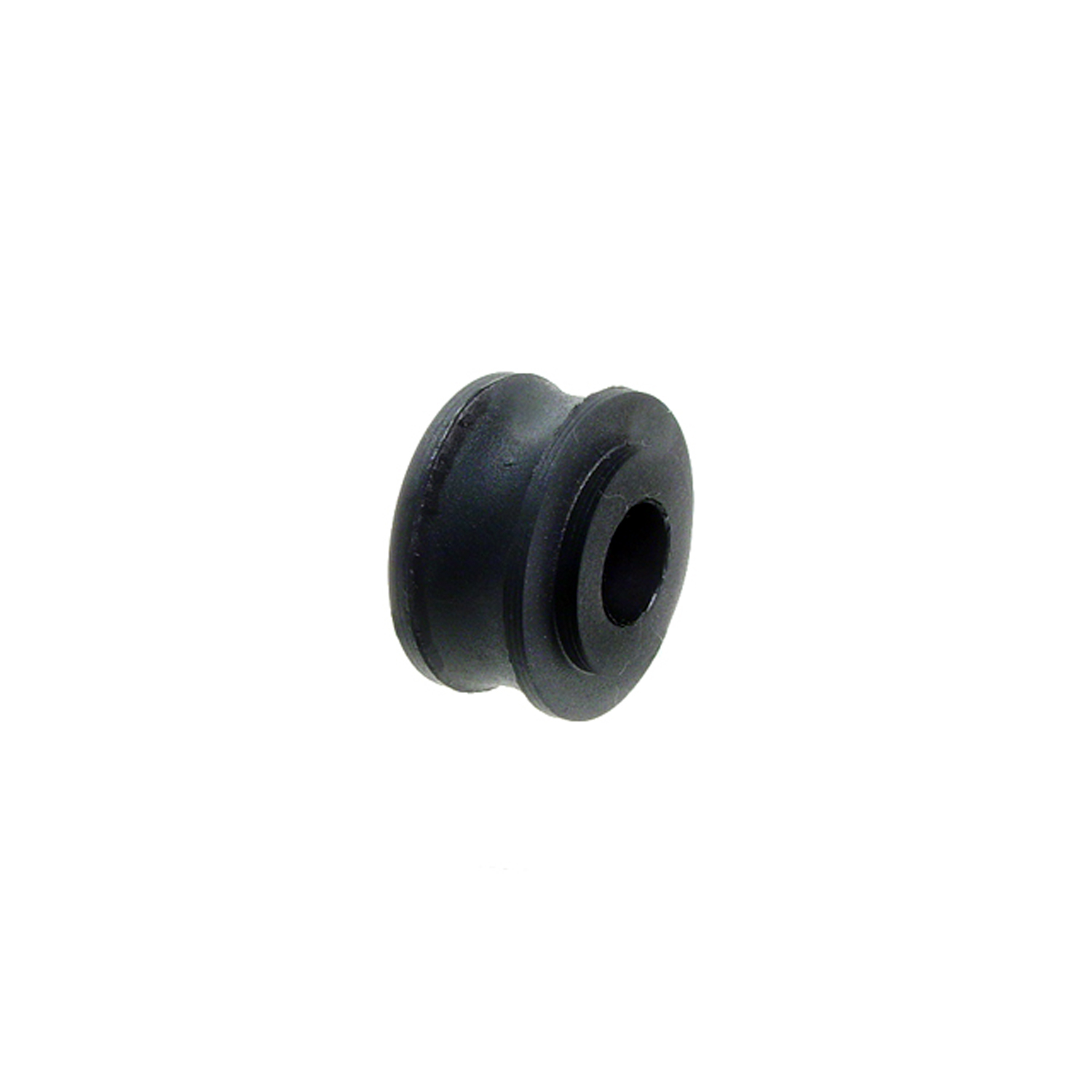 1933 TERRAPLANE SERIES KT Lower Motor Mount. 5/8" I.D., 1-5/8" O.D. Each-MM 7-CLower Motor Mount. 5/8" I.D., 1-5/8" O.D. Each
Why Choose Metro?
For over 100 years, Metro Moulded Parts has been the pinnacle of quality in classic car restoration parts. Our commitment to precision and authenticity in every component ensures a perfect fit and an OEM-level appearance.
- Expert Craftsmanship & Quality: Each part is a testament to our dedication to reliability and perfection, crafted from original designs and thoroughly tested.
- Advanced Technology: We use cutting-edge techniques to create flawless, long-lasting parts that surpass others in performance.
- SuperSoft Sponge – The Ultimate Door Seal: Not only are our door seals 30% softer than competitors', but they're also guaranteed to never leak. They effectively reduce wind and road noise, enhancing your classic car's comfort and driving experience.
- Proudly American: Our parts are a product of American craftsmanship, made in the USA with a spirit of excellence and heritage.
- Unrivaled Warranty: We back our products with a 30-year industry-leading warranty, a testament to our confidence in their quality.
Join us in preserving the legacy of classic cars with parts that are crafted for perfection, not just made.