

Image of 1937 Terraplane Series 71, Note: These illustrations use artistic license and may differ from actual historical models.
Performance Metrics
Fundamental Metrics
Emotional Appeal
MMP Rating
| Engine Specifications | |
|---|---|
| Engine: | 212 CID L-head 6-cylinder |
| Displacement: | 212 cubic inches (3.5 liters) |
| Horsepower: | 96 HP |
| Torque: | Estimated 150 lb-ft |
| Compression Ratio: | 6.5:1 |
| Ignition System: | Distributor and coil |
| Cooling System: | Water-cooled |
| Performance Specifications | |
| 0-60 Time: | Estimated 20 seconds |
| 1/4 Mile Time: | Not available |
| Top Speed: | 80 mph |
| Transmission and Drive | |
| Drive Type: | Rear-wheel drive |
| Transmission Type: | 3-speed manual |
| Fuel and Efficiency | |
| Fuel System Type: | Carburetor |
| MPG: | Estimated 15-20 MPG |
| Dimensions and Brakes | |
| Brakes: | Hydraulic drum brakes |
| Wheelbase: | 116 inches |
| Weight: | 2,700 lbs |
Note: Specifications for classic cars are given to the best of our ability, considering the limited and variant data available.
1937 Terraplane Series 71: Hudson’s Streamlined Six
The 1937 Terraplane Series 71 brought Hudson engineering and sharp, streamlined styling to buyers who wanted a full-size American car without paying for a top-of-the-line model. Built by the Hudson Motor Car Company of Detroit, the Series 71 was the six-cylinder Terraplane, part of a nameplate that had begun in 1932 as the Essex-Terraplane. “Terraplane” was meant to evoke the speed and modernity of aviation, an appealing idea in an era when cars were becoming smoother, lower, and more aerodynamic.
The 1937 model year was the final one for the Terraplane name in Hudson’s U.S. passenger-car lineup. The following year, the related entry-level car appeared as the Hudson 112. That makes a 1937 Series 71 more than a handsome prewar sedan: it represents the closing chapter of one of the period’s most memorable automotive brands. The name even made its way into popular culture. Robert Johnson’s 1936 blues recording “Terraplane Blues” used the car as a metaphor, helping cement the name in American music history.
Streamlined Styling and Cabin Details
The Series 71 wore the graceful proportions that made late-1930s cars so recognizable. Its long hood flowed into a rounded passenger compartment, while sweeping fenders framed the wheels and gave the body a planted, substantial look. A tall, carefully shaped grille and bright trim brought visual focus to the nose. Headlamps were integrated into the front-fender design, a cleaner treatment than the separate lamps seen on many earlier cars. From the side, the curved roofline, running boards, and gently tapering rear body gave the Terraplane a distinctly period-correct sense of motion even when parked.
Inside, the emphasis was on comfort and a finished, modern appearance rather than bare utility. Buyers could find patterned cloth or mohair-type upholstery depending on the trim and body style, with leather used on some open or higher-trim configurations. The dashboard combined painted or wood-grain-finished surfaces with clear, period-style instruments. A broad front bench seat and generous cabin space made the car practical for family travel, while bright interior hardware added a touch of polish.
Factory paint choices varied with body style and trim. Period colors included dark blues, greens, maroons, grays, and black, with contrasting or two-tone treatments available on some configurations. The deeper colors suit the car particularly well: they set off the bright grille and window trim without competing with the Terraplane’s sweeping fenders.
Series 71 Body Styles and Equipment
The Series 71 was offered in several closed and open configurations, with the precise selection depending on the catalog and trim level. Common Terraplane body types included two-door and four-door sedans, coupes, and convertible forms. The two-door coach or sedan is among the most recognizable today, while a business coupe has a simpler, more work-focused character. Convertible models are especially eye-catching and are generally harder to find.
Under the hood was a 212.3-cubic-inch L-head, or side-valve, inline six-cylinder engine. Hudson rated the six at about 96 horsepower. It drove through a three-speed manual transmission, with synchromesh helping make gear changes smoother than in older cars. The Series 71 was not built as a luxury flagship, but its equipment and cabin space offered a substantial step up from a basic economy car of the time.
Engineering That Set the Terraplane Apart
Terraplane’s appeal rested on more than its name and styling. Hudson had a reputation for sturdy construction, and the 1937 cars paired a substantial body with a chassis designed for stable road manners. The model used hydraulic brakes, a significant practical improvement over mechanical systems, and Hudson’s independent front-suspension approach helped the front wheels respond more independently to uneven pavement. These features contributed to a more controlled ride than drivers might expect from a car of its age.
The Series 71 also arrived during a period of rapid change in American car design. Manufacturers were lowering bodies, integrating fenders, improving visibility, and making controls easier to use. The Terraplane reflected that shift while keeping familiar, serviceable mechanicals. Its combination of streamlined bodywork, a roomy cabin, and a conventional six-cylinder drivetrain made it modern without being intimidating to maintain.
Its lasting influence is less about one revolutionary invention than the way it brought contemporary design and useful engineering together in a moderately priced car. The Terraplane showed that an affordable model could look purposeful and feel well equipped, rather than simply being a stripped-down version of a more expensive automobile.
Six-Cylinder Performance and Road Feel
With roughly 96 horsepower, a healthy Series 71 could reach an estimated top speed in the neighborhood of 75 to 80 mph. A 0-to-60-mph run would likely take around 20 to 25 seconds, depending on body weight, gearing, engine condition, and how the car was tested. These are useful modern estimates, not a promise of identical performance from every surviving example. A nearly 90-year-old car’s tune, compression, tires, and differential ratio all matter.
The Terraplane’s six-cylinder engine is best enjoyed at a relaxed pace. It produces the measured, steady sounds typical of a side-valve inline six, with a mechanical hum that grows more pronounced as speed rises. The three-speed manual asks the driver to plan gear changes and work the clutch, but its straightforward layout makes the car engaging rather than complicated to operate.
On smooth roads, the Series 71 feels composed and substantial. Its suspension softens ordinary bumps, although broken pavement will still remind occupants that it is a prewar car on narrow tires and a conventional chassis. On winding roads, the car rewards smooth steering and moderate speeds. It is not a modern sports sedan, and its high seating position, steering feel, and braking distances call for anticipation. In crosswinds, the tall body can move around more than a contemporary vehicle, so a steady hand is part of the experience.
Owning and Maintaining a Series 71
Today, most Series 71s are used as touring cars, show entries, or cherished collection pieces rather than daily transportation. A well-sorted example can handle local drives and vintage-car events, but modern traffic and highway speeds require sensible expectations. Owners should allow more following distance, avoid sudden braking, and keep the car’s cooling, ignition, and fuel systems in excellent condition before longer trips.
The basic six-cylinder layout is relatively accessible for a mechanically minded owner. Routine work such as ignition service, carburetor adjustment, fluid changes, and brake maintenance is familiar to many vintage-car specialists. Parts shared across Hudson models can help with mechanical repairs, but body panels, trim pieces, glass, and model-specific interior details may take patience to locate. Rubber components, wiring, fuel lines, and old brake hydraulics deserve careful inspection on any car that has been sitting.
Reliability depends heavily on restoration quality and upkeep. A car with a rebuilt engine but neglected brakes is not truly road-ready, and an apparently tidy example may still have hidden corrosion or aging electrical parts. Before buying, inspect the frame and body structure, verify that the cooling system holds temperature, and check the transmission and clutch under load.
Terraplane Trivia and Common Criticisms
The Terraplane name had a life beyond the showroom. Robert Johnson’s “Terraplane Blues,” recorded in 1936, is one of the best-known musical references to the marque. Its lyrics use automobile imagery as a suggestive metaphor, giving the car a rare place in the history of blues music.
The Series 71’s strongest points were its distinctive appearance, comfortable size, and sturdy mechanical character. Its common drawbacks are typical of prewar cars: modest acceleration by present-day standards, limited braking performance compared with modern vehicles, and the need for regular hands-on maintenance. Some drivers also find the cabin controls and steering feel less effortless than those of later postwar cars. Those are not flaws in the context of 1937, but they matter when deciding how the car will be used today.
There is no widely recognized Series 71 production record or major competition record that defines the model. Its significance is instead tied to the Terraplane’s final year, Hudson’s engineering reputation, and the name’s unusual cultural afterlife.
Collector Values and Availability
Exact production totals for the 1937 Series 71 are not consistently reported by body style, so any model-specific figure should be treated as an estimate. A reasonable ballpark is several tens of thousands of Series 71 cars produced, perhaps around 40,000 to 60,000, with the total spread across multiple body configurations. That does not mean they are common today. Many cars have disappeared, and surviving examples can be difficult to find in well-restored condition.
As a broad 2026 market estimate, a project car may sell for roughly $8,000 to $18,000, depending on completeness and rust. A usable driver could fall around $18,000 to $35,000, while a high-quality restored sedan might bring approximately $35,000 to $60,000. Rare or especially desirable open models can exceed that range, with condition, provenance, and restoration quality making a major difference. These are general estimates rather than a formal appraisal, and local markets vary.
Values have tended to be steady to gradually stronger for attractive, correctly restored prewar cars, although the market is selective. The best examples command a premium, while incomplete projects can be expensive to restore because trim and body-specific parts are not always easy to source. A documented car with a sound structure and a sympathetic restoration is usually a safer purchase than the cheapest available example.
Why the 1937 Terraplane Still Matters
The 1937 Terraplane Series 71 combined a 96-horsepower Hudson six, practical hydraulic brakes, a comfortable cabin, and streamlined styling in a car built for everyday American roads of its era. It was neither a bare-bones runabout nor a luxury flagship. Its appeal came from finding a convincing middle ground: modern-looking, substantial, and mechanically straightforward.
As the last Terraplane, the Series 71 carries the weight of a name that began with aviation-inspired ambition and ended just before a new chapter in Hudson’s lineup. Nearly nine decades later, its curved fenders and steady six-cylinder rhythm make it more than a survivor from 1937. It is a rolling reminder of the moment American cars learned to look forward.
1937 Terraplane Series 71 Catalog of Parts
 1937 TERRAPLANE SERIES 71 Rear Bumper Arm Grommets -BG 21-ARear Bumper Arm Grommets. 3-1/4" wide X 4-5/8" long, with 1-3/4" long inner slot. Pair
 1937 TERRAPLANE SERIES 71 Front Bumper Arm Grommets -BG 55Front Bumper Arm Grommets. 2-7/8" wide X 4-1/8" long, with 1-3/4" long inner slot. Pair
 1937 TERRAPLANE SERIES 71 Swing-Out & Crank-Out Windshield Seal. Sold by the foot-LP 97Swing-Out & Crank-Out Windshield Seal. Sold by the foot
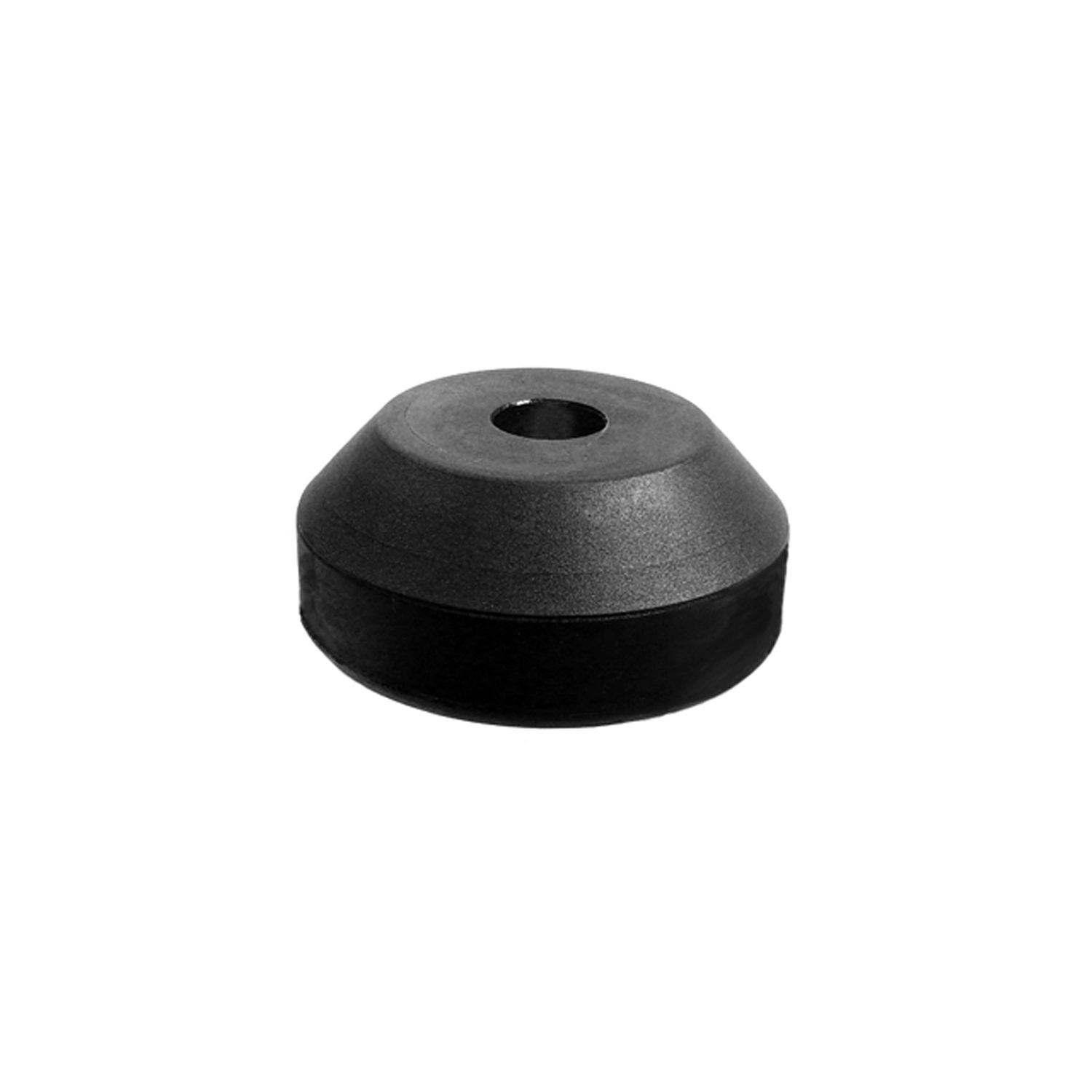 1937 TERRAPLANE SERIES 71 Upper Motor Mount. 5/8" I.D., 2-5/8" O.D. Each-MM 7-BUpper Motor Mount. 5/8" I.D., 2-5/8" O.D. Each
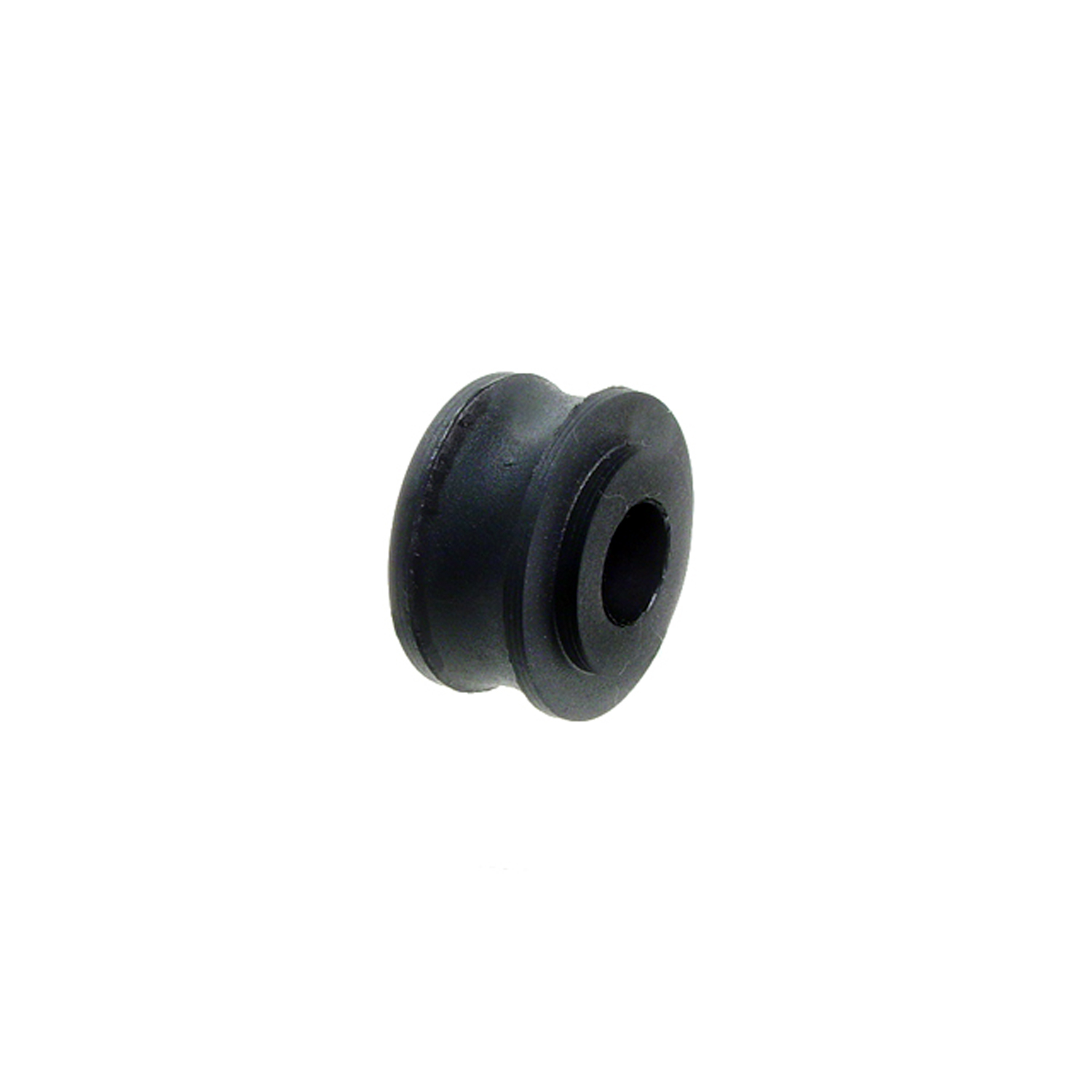 1937 TERRAPLANE SERIES 71 Lower Motor Mount. 5/8" I.D., 1-5/8" O.D. Each-MM 7-CLower Motor Mount. 5/8" I.D., 1-5/8" O.D. Each
 1937 TERRAPLANE SERIES 71 Headlight Pads. 3-1/2" wide X 8-1/8" long. Pair R&L-MP 798-SHeadlight Pads. 3-1/2" wide X 8-1/8" long. Pair R&L
Why Choose Metro?
For over 100 years, Metro Moulded Parts has been the pinnacle of quality in classic car restoration parts. Our commitment to precision and authenticity in every component ensures a perfect fit and an OEM-level appearance.
- Expert Craftsmanship & Quality: Each part is a testament to our dedication to reliability and perfection, crafted from original designs and thoroughly tested.
- Advanced Technology: We use cutting-edge techniques to create flawless, long-lasting parts that surpass others in performance.
- SuperSoft Sponge – The Ultimate Door Seal: Not only are our door seals 30% softer than competitors', but they're also guaranteed to never leak. They effectively reduce wind and road noise, enhancing your classic car's comfort and driving experience.
- Proudly American: Our parts are a product of American craftsmanship, made in the USA with a spirit of excellence and heritage.
- Unrivaled Warranty: We back our products with a 30-year industry-leading warranty, a testament to our confidence in their quality.
Join us in preserving the legacy of classic cars with parts that are crafted for perfection, not just made.