

Image of 1938 Terraplane Series 81, Note: These illustrations use artistic license and may differ from actual historical models.
Performance Metrics
Fundamental Metrics
Emotional Appeal
MMP Rating
| Engine Specifications | |
|---|---|
| Engine: | L-head 6-cylinder |
| Displacement: | 212 cubic inches |
| Horsepower: | Estimated 96-102 hp |
| Torque: | Not available |
| Compression Ratio: | 6.5:1 |
| Ignition System: | Battery and coil |
| Cooling System: | Water-cooled |
| Performance Specifications | |
| 0-60 Time: | Not available |
| 1/4 Mile Time: | Not available |
| Top Speed: | Estimated 75-80 mph |
| Transmission and Drive | |
| Drive Type: | Rear-wheel drive |
| Transmission Type: | 3-speed manual |
| Fuel and Efficiency | |
| Fuel System Type: | Carburetor |
| MPG: | Not available |
| Dimensions and Brakes | |
| Brakes: | Hydraulic drum brakes |
| Wheelbase: | 116 inches |
| Weight: | Estimated 2,800-3,000 lbs |
Note: Specifications for classic cars are given to the best of our ability, considering the limited and variant data available.
1938 Hudson Terraplane Series 81: The Last of a Distinctive Line
The 1938 Terraplane Series 81 brought Hudson’s spirited, lower-priced companion car to the end of its run, pairing streamlined late-1930s styling with a strong six-cylinder engine and a reputation for lively performance. Built by the Hudson Motor Car Company of Detroit, Michigan, it was the final model year to wear the Terraplane name on a passenger car.
Terraplane began in 1932 as a successor to Hudson’s Essex line. Its name suggested modern speed and aviation-age progress, and Hudson promoted the cars as nimble, powerful transportation at a more accessible price than its premium models. One entertaining footnote to that reputation came from blues musician Robert Johnson: his 1936 song “Terraplane Blues” used the car as an extended metaphor. It remains one of the best-known musical references to an automobile of the era.
Streamlined Style and Comfortable Trim
The 1938 Series 81 had the rounded, integrated look that defined the late 1930s. Its long hood flowed into sweeping front fenders, while the upright grille and prominent headlamps gave the nose a purposeful face. Running boards linked the fenders along the sides, and the gently sloping rear bodywork made the car look more streamlined than earlier, boxier designs. Bright trim and carefully shaped details added visual polish without making the Terraplane look overly ornate.
Inside, the Series 81 was designed as practical family transportation, but it did not feel bare-bones. Buyers could find broad cloth upholstery, a roomy front bench seat, a painted metal dashboard, and period gauges arranged for easy reading. Materials and trim varied with the body style and equipment. Closed models generally used durable fabric upholstery, while open cars could have more luxurious trim, including leather depending on specification. Compared with a modern car, the cabin was simple, but its generous seating and upright windows made it airy and welcoming.
Hudson offered the Terraplane in a range of factory colors, with choices that varied by body style and production details. Dark blue, green, maroon, black, gray, and tan tones suited the period particularly well. Some cars also had contrasting trim or two-tone treatments, though original paint combinations should be checked against the individual car’s build information. Today, deep greens and maroons look especially striking against the Terraplane’s brightwork.
Series 81 body styles included coupe and sedan configurations, with availability varying across the lineup. The club coupe is among the most recognizable choices, thanks to its long doors and sporty profile. Open-body versions, where offered, are especially eye-catching and generally more coveted by collectors. As with many prewar cars, surviving examples may have been altered or rebodied, so factory records and close inspection matter.
Hudson Engineering in a More Accessible Car
The Series 81’s appeal was not just its appearance. It brought Hudson engineering and a relatively large six-cylinder engine to buyers who wanted something more substantial than the smallest economy cars of the day. Hydraulic brakes, a synchromesh three-speed manual transmission, and a chassis tuned for comfortable road travel helped make it a capable everyday automobile by 1938 standards.
Hudson also offered distinctive transmission technology during this period. The company’s Electric Hand system, available on certain Hudson models and configurations, let a driver preselect gears with a small control and operate the shift mechanism electrically. It was an unusual feature for its time, though it was not fitted to every Terraplane. Such equipment is a welcome curiosity on a surviving car, but it can add complexity when repairs are needed.
The Terraplane helped Hudson reach customers who wanted the company’s engineering without stepping up to its more expensive models. It was not a radical technical breakthrough in its final year, but it showed how established manufacturers could make useful engineering and modern styling available across a broader price range. When the Terraplane name disappeared after 1938, Hudson folded the role of its entry-level offering into its wider model range.
Six-Cylinder Power and Period Road Manners
Power came from Hudson’s L-head inline-six, displacing about 212 cubic inches and producing approximately 96 horsepower in commonly cited specifications. A three-speed manual gearbox sent power to the rear wheels. The engine’s broad, low-speed pulling power suited the Terraplane’s role as a comfortable road car, rather than a high-revving sports machine.
Period performance figures are not perfectly consistent, and results depend on body style, gearing, condition, and test method. A healthy Series 81 is generally estimated to reach roughly 75 to 80 mph, with a 0-to-60-mph time in the neighborhood of 20 to 25 seconds. Those numbers are estimates, not a promise for an individual car. A nearly 90-year-old engine, worn drivetrain, or modern traffic conditions can change the experience considerably.
On a smooth road, the Terraplane feels substantial and relaxed. The inline-six produces a mellow mechanical rumble, and the manual gearbox asks for deliberate, unhurried shifts. Its suspension is set up for comfort rather than sharp cornering, so bumps are taken with the soft, slightly floating character typical of many prewar cars. On winding roads, the driver feels the car’s height and weight; steady inputs and sensible speeds suit it better than quick maneuvers. Crosswinds and rough pavement also call for attention, especially compared with a modern car’s steering and braking.
Living With a Terraplane Today
Most Series 81s now serve as show cars, touring vehicles, and weekend classics. They can still be driven on local roads, and a well-maintained example can manage relaxed club outings, but modern high-speed traffic is not its natural environment. Its braking distances, lighting, steering feel, and crash protection belong to another era.
Routine mechanical work is approachable for an owner with classic-car experience. The engine and basic mechanical systems use familiar prewar technology, and many maintenance tasks can be handled with ordinary workshop tools. The harder parts can be finding correct trim, body panels, glass, upholstery details, or specialized components for optional equipment. Before buying, check the brakes, steering, cooling system, electrical wiring, and the condition of the engine and transmission. Rust around the body structure and floor should also be investigated carefully.
Parts support is available through Hudson and antique-car clubs, specialist suppliers, swap meets, and owner networks, but it is not as broad as support for more common postwar classics. A car with a complete interior, intact brightwork, and hard-to-find original components can be worth considerably more than a mechanically running project.
Terraplane Trivia and Common Criticisms
The name itself was part of Hudson’s sales pitch: “Terraplane” suggested a car that brought aviation-inspired speed and modernity down to earth. The 1938 model is particularly significant because it represents the final passenger-car Terraplane before Hudson retired the name. The brand’s short, memorable run has helped it stand apart from the more familiar Hudson models that followed.
There is no widely recognized top-speed or endurance record associated specifically with the 1938 Series 81. Its claim to fame is instead its place at the end of the Terraplane story, along with the model’s connection to the wider prewar trend toward smoother, more integrated body styling. The most common criticisms today are practical ones: modest acceleration by modern standards, limited braking and safety equipment, and the difficulty of sourcing some model-specific parts. Those are normal compromises for a prewar car, not surprises unique to the Terraplane.
Collector Value and Rarity
Surviving 1938 Terraplanes are uncommon, but exact production figures can be difficult to pin down by Series 81 body style. A reasonable broad estimate is that roughly 30,000 to 40,000 Terraplane passenger cars were produced for the 1938 model year, with the number of surviving Series 81s far smaller. That figure should be treated as an estimate rather than a precise production tally.
In the current U.S. collector market, a project car or rough driver might bring about $8,000 to $15,000. A sound, presentable car could fall in the $15,000 to $30,000 range, while a high-quality restoration may reach roughly $30,000 to $50,000. Desirable open-body cars, exceptional restorations, or unusually original examples can sell for more. Body style, authenticity, mechanical condition, and the quality of any restoration have a major effect on price.
Values have generally benefited from growing interest in prewar cars, but Terraplanes remain more specialized than highly recognized classics such as the Ford Model A. That can mean fewer potential buyers and longer selling times. Clean, original cars and well-documented restorations are likely to hold interest best, while incomplete projects can be expensive to bring back to factory condition. Prices vary by region and sale venue, so recent comparable sales are the best guide when buying or selling.
A Distinctive Farewell to the Terraplane Name
The 1938 Hudson Terraplane Series 81 combines a handsome prewar shape, a durable six-cylinder engine, and Hudson’s practical approach to engineering. It was neither a luxury flagship nor a bare economy car. Instead, it offered a comfortable, capable middle ground, and its final-year status gives it a special place in Hudson history.
Nearly nine decades later, the Series 81 still has the quality that made Terraplane a memorable name: it feels like a car built to make ordinary miles feel adventurous. Find one preserved with care, and you are not just looking at a handsome old Hudson. You are seeing the last chapter of a marque that promised the road could be traveled with a little more style and spirit.
1938 Terraplane Series 81 Catalog of Parts
 1938 TERRAPLANE SERIES 81 Rear Bumper Arm Grommets -BG 21-ARear Bumper Arm Grommets. 3-1/4" wide X 4-5/8" long, with 1-3/4" long inner slot. Pair
 1938 TERRAPLANE SERIES 81 Front Bumper Arm Grommets -BG 55Front Bumper Arm Grommets. 2-7/8" wide X 4-1/8" long, with 1-3/4" long inner slot. Pair
 1938 TERRAPLANE SERIES 81 Swing-Out & Crank-Out Windshield Seal. Sold by the foot-LP 97Swing-Out & Crank-Out Windshield Seal. Sold by the foot
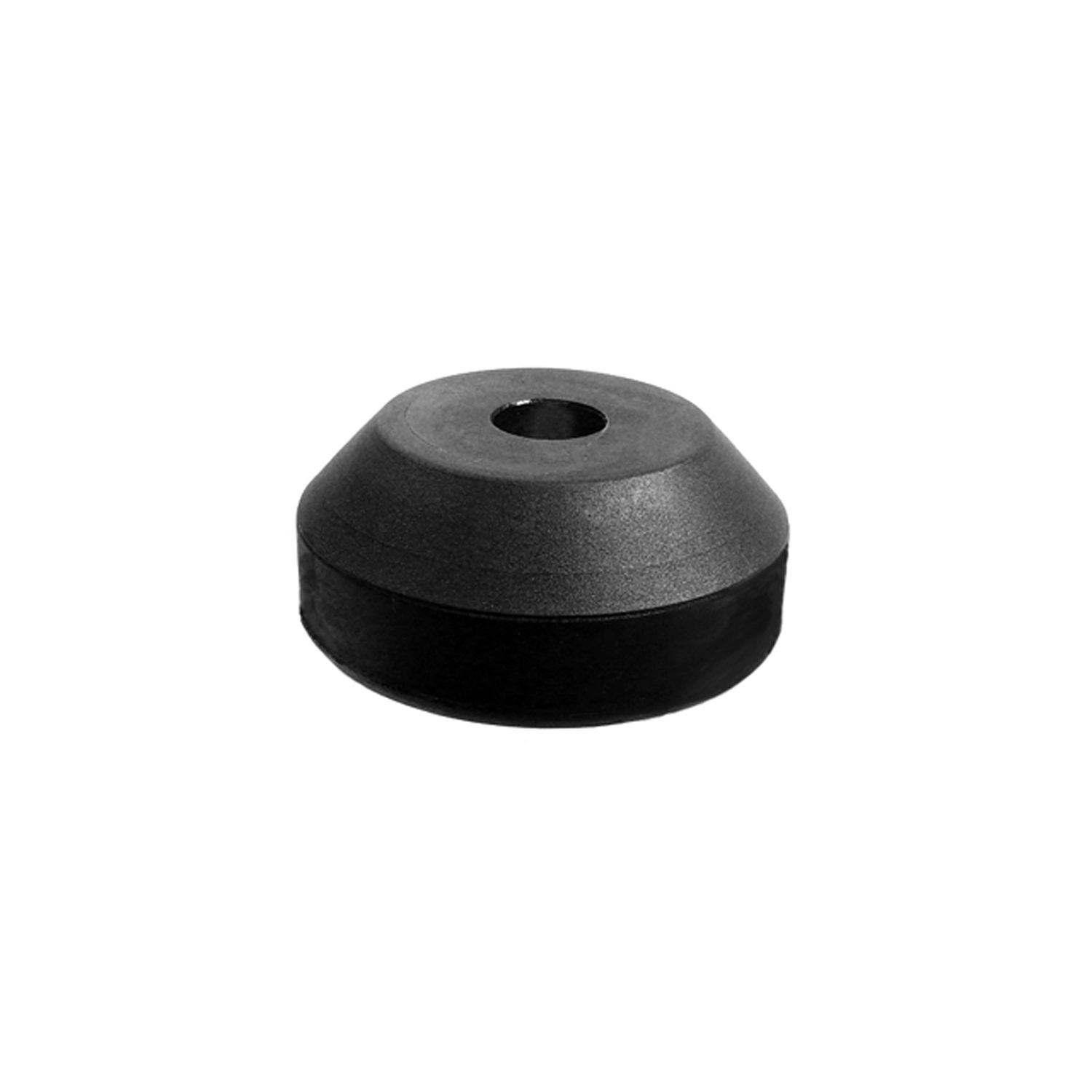 1938 TERRAPLANE SERIES 81 Upper Motor Mount. 5/8" I.D., 2-5/8" O.D. Each-MM 7-BUpper Motor Mount. 5/8" I.D., 2-5/8" O.D. Each
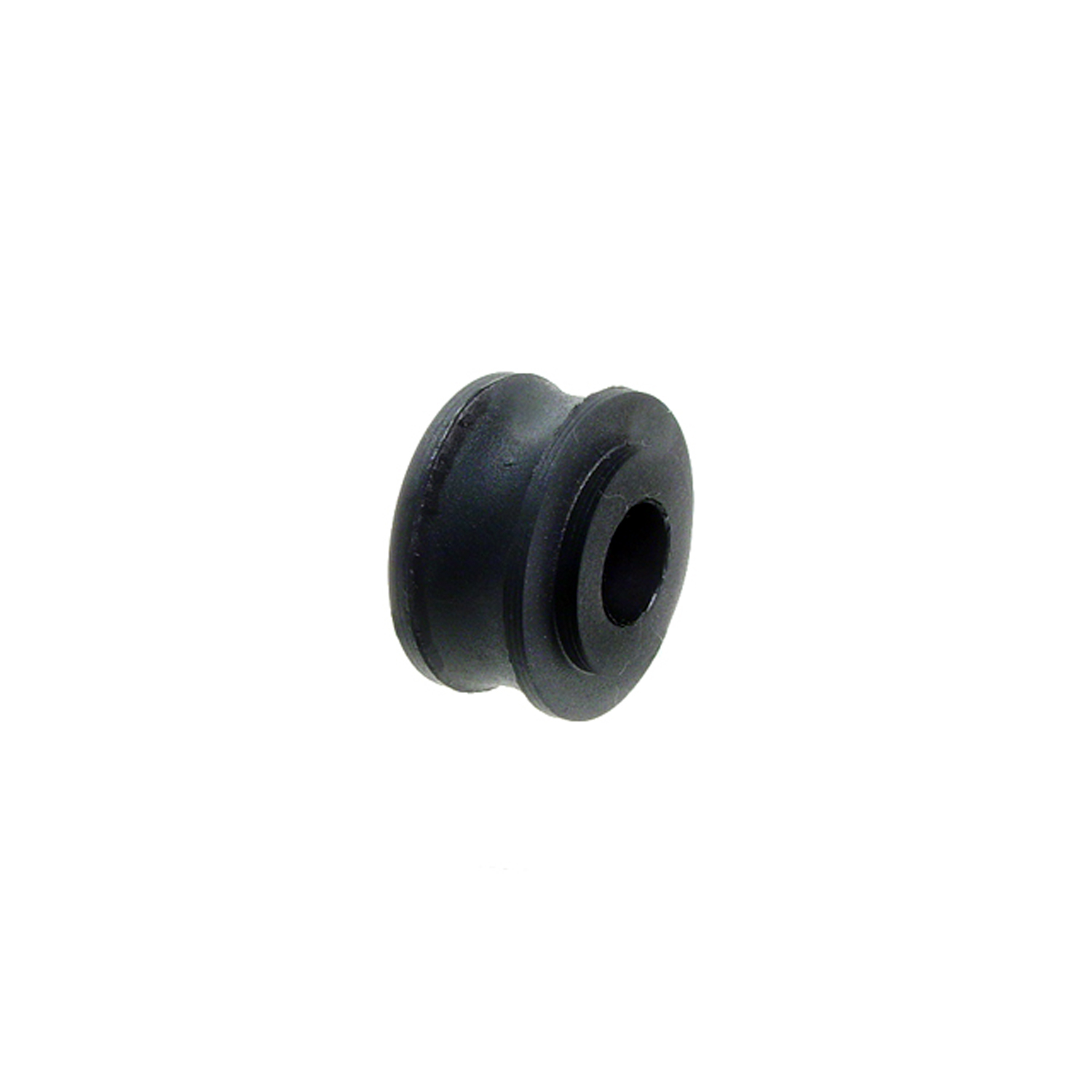 1938 TERRAPLANE SERIES 81 Lower Motor Mount. 5/8" I.D., 1-5/8" O.D. Each-MM 7-CLower Motor Mount. 5/8" I.D., 1-5/8" O.D. Each
Why Choose Metro?
For over 100 years, Metro Moulded Parts has been the pinnacle of quality in classic car restoration parts. Our commitment to precision and authenticity in every component ensures a perfect fit and an OEM-level appearance.
- Expert Craftsmanship & Quality: Each part is a testament to our dedication to reliability and perfection, crafted from original designs and thoroughly tested.
- Advanced Technology: We use cutting-edge techniques to create flawless, long-lasting parts that surpass others in performance.
- SuperSoft Sponge – The Ultimate Door Seal: Not only are our door seals 30% softer than competitors', but they're also guaranteed to never leak. They effectively reduce wind and road noise, enhancing your classic car's comfort and driving experience.
- Proudly American: Our parts are a product of American craftsmanship, made in the USA with a spirit of excellence and heritage.
- Unrivaled Warranty: We back our products with a 30-year industry-leading warranty, a testament to our confidence in their quality.
Join us in preserving the legacy of classic cars with parts that are crafted for perfection, not just made.