
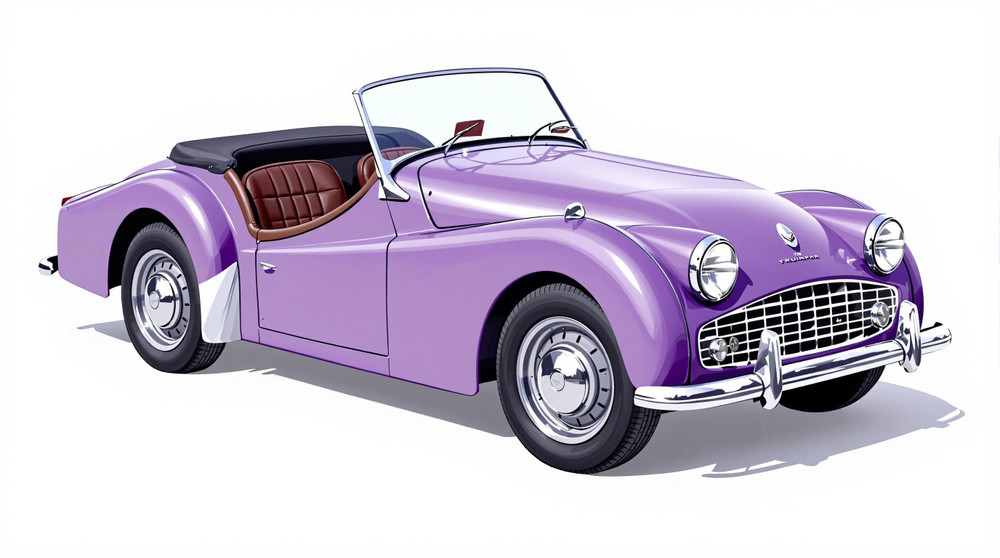
Image of 1957 Triumph Tr3, Note: These illustrations use artistic license and may differ from actual historical models.
Performance Metrics
Fundamental Metrics
Emotional Appeal
MMP Rating
| Engine Specifications | |
|---|---|
| Engine: | Inline 4 |
| Displacement: | 1991 cc |
| Horsepower: | 95-100 hp |
| Torque: | 117 lb-ft |
| Compression Ratio: | 9.0:1 |
| Ignition System: | Coil and distributor |
| Cooling System: | Water-cooled |
| Performance Specifications | |
| 0-60 Time: | 10.8 seconds |
| 1/4 Mile Time: | Estimated 17.5 seconds |
| Top Speed: | 105 mph |
| Transmission and Drive | |
| Drive Type: | Rear-wheel drive |
| Transmission Type: | 4-speed manual |
| Fuel and Efficiency | |
| Fuel System Type: | Twin SU carburetors |
| MPG: | 25-30 mpg |
| Dimensions and Brakes | |
| Brakes: | Front disc brakes, rear drum brakes |
| Wheelbase: | 88 inches |
| Weight: | 2100 lbs |
Note: Specifications for classic cars are given to the best of our ability, considering the limited and variant data available.
1957 Triumph TR3: A British Roadster with Bite
The 1957 Triumph TR3 put a genuinely sporting car within reach of drivers who wanted more than open-air motoring: it offered a punchy four-cylinder engine, sharp steering and a braking feature that was still unusual on production cars. Built by the Standard-Triumph Motor Company in Coventry, England, the TR3 was part of a postwar wave of British roadsters designed to win over drivers at home and abroad, especially in the important American market.
The year 1957 is a particularly interesting one for the model. Early cars were standard TR3s, while the revised version now commonly called the TR3A began production late in the year. “TR3A” was a popular identifying name, rather than an official model designation used by Triumph. That midyear transition means a 1957 car’s details can vary, making its commission number and original specification worth checking.
TR3 Styling and Cabin
The TR3 has the purposeful proportions of a classic sports car: a long bonnet, short tail, upright windscreen and low, open cockpit. Its broad, simple grille gives the nose a bold expression, while the cutaway doors and exposed front wheels emphasize the car’s sporting intent. Early TR3s have a narrower grille and fewer exterior fittings. The later TR3A-style update brought a wider grille and additions such as exterior door handles and a lockable boot lid, making the car more convenient without softening its character.
Inside, the cabin is compact and straightforward. The large steering wheel, clear instruments and simple controls put the driver in charge, while the low seating position helps make every drive feel more involved. Depending on specification and restoration, seat coverings may be leather or vinyl, with carpeting and trim materials varying by market and equipment. There is little in the way of modern comfort or sound insulation, but the honest, functional layout is part of the appeal.
The TR3 was offered as a two-seat open roadster, not as a range of body styles. A removable hardtop was available, and a folding hood plus detachable side screens provided protection from weather. Period paint choices included colors such as red, British Racing Green, white, black and blue. Signal Red and British Racing Green remain especially popular with enthusiasts, though original paint records are the best guide to an individual car’s factory color.
Engineering That Made History
The TR3’s most notable technical feature was its front disc brakes. It is widely recognized as the first British series-production car to offer front disc brakes as standard equipment. Discs at the front and drums at the rear gave the roadster dependable stopping power for spirited driving, and helped distinguish it from many contemporaries still using drum brakes all around.
Power comes from a 1,991cc inline-four with wet cylinder liners, a practical design feature that made engine rebuilding and cylinder-capacity changes more straightforward. A four-speed manual gearbox was standard, with optional overdrive available on selected gears. The chassis paired independent front suspension with a live rear axle, while rack-and-pinion steering provided a direct connection between the driver and the road.
The TR3 did not invent the affordable British sports car, but it helped refine the formula. It combined usable performance, relatively simple mechanicals and competition-ready character in a package that could be sold in volume. Its success helped establish the TR name as a lasting part of Triumph’s identity and encouraged the idea that a roadster could be both an everyday pleasure and a credible sporting machine.
TR3 Performance and Road Manners
Period figures vary with specification, tuning and testing methods, but a healthy TR3 is generally credited with about 100 horsepower in period gross-rating terms. Expect a top speed in the neighborhood of 105 mph and a 0-to-60 mph time of roughly 10 to 12 seconds. Those numbers made it brisk for a small 1950s roadster, especially when paired with its relatively light weight and responsive gearbox.
On a winding road, the TR3 feels lively and mechanical. The steering is direct, the engine has a willing midrange, and the four-speed gearbox rewards deliberate shifts. Its exhaust note is a distinctive four-cylinder burble that grows more purposeful as the revs rise. The suspension communicates bumps clearly, and rough pavement can unsettle the rear axle, so it feels firmer and less forgiving than a modern sports car. In strong crosswinds or at speed, its light, open body also demands attention from the driver.
That involvement is central to the experience. There are no electronic driving aids to smooth over mistakes, and the weather equipment is basic by modern standards. Instead, the TR3 asks its driver to read the road, work the controls and enjoy the direct feedback.
Owning a 1957 Triumph TR3
Today, TR3s are used as weekend roadsters, touring cars, show vehicles and vintage-event entries. Their relatively simple construction makes many routine jobs approachable for an experienced home mechanic, and parts support remains strong thanks to a large enthusiast community and specialist suppliers. The engine, gearbox and suspension are well understood by classic-car shops, too.
Reliability depends heavily on condition and maintenance. Buyers should pay close attention to rust in the frame, floors, sills and body mounting points, as well as the quality of any previous repairs. Overheating, worn suspension components, tired wiring and poorly adjusted carburetors are common issues to investigate. A sound, properly maintained car can be enjoyable and dependable on regular drives, but an inexpensive project can quickly become costly if structural corrosion is hidden beneath fresh paint.
TR3 Facts and Criticisms
The TR3’s front disc brakes are its standout engineering claim, but its competition story also matters. TR sports cars built on the model’s sporting reputation through racing and rallying, while the TR3’s brisk performance and simple mechanical layout made it attractive to private competitors. The car became especially familiar in North America, where a large share of Triumph sports-car production was sold.
There is no need to rely on a celebrity connection to explain the TR3’s appeal. Its enduring distinction is that it offered accessible, hands-on sports-car motoring and an important braking advance. Common criticisms are equally straightforward: the cockpit is cramped, weather protection is limited, the ride can be choppy, and early cars lack exterior door handles. These are genuine compromises, but for many owners they are part of the car’s character rather than reasons to stay away.
Collector Values and Production
Approximately 13,377 standard TR3s were built, followed by about 58,236 TR3As, for a combined total of roughly 71,600 cars. The 1957 production-year split is difficult to summarize with one precise figure because the transition between versions happened late in the year. Originality, body condition, documentation and the quality of a restoration have a major effect on value.
As a broad 2026 U.S. market estimate, a project car might sell for around $10,000 to $20,000, while a usable driver could fall in the $25,000 to $40,000 range. Well-restored examples often reach approximately $45,000 to $65,000, and exceptional, highly original or concours-quality cars can exceed $70,000. These are general ranges, not appraisals; local markets and individual condition can shift prices substantially.
TR3 values have generally benefited from steady classic-car interest, but they do not rise in a straight line. Excellent examples tend to hold attention, while cars needing extensive structural work can be expensive to restore relative to their eventual sale price. The model is not exceptionally rare overall, yet finding a sound, well-documented 1957 car in the preferred specification can take patience.
Why the 1957 TR3 Still Matters
The 1957 Triumph TR3 captures a defining moment in British sports-car history: a simple, lively roadster gaining modern braking technology while keeping its rugged, driver-focused personality. Its sharp styling, engaging performance and straightforward engineering have kept it popular with enthusiasts for generations. A good TR3 does more than recall the past. It makes every drive feel like an event, with the engine, road and driver all unmistakably connected.
1957 Triumph Tr3 Catalog of Parts
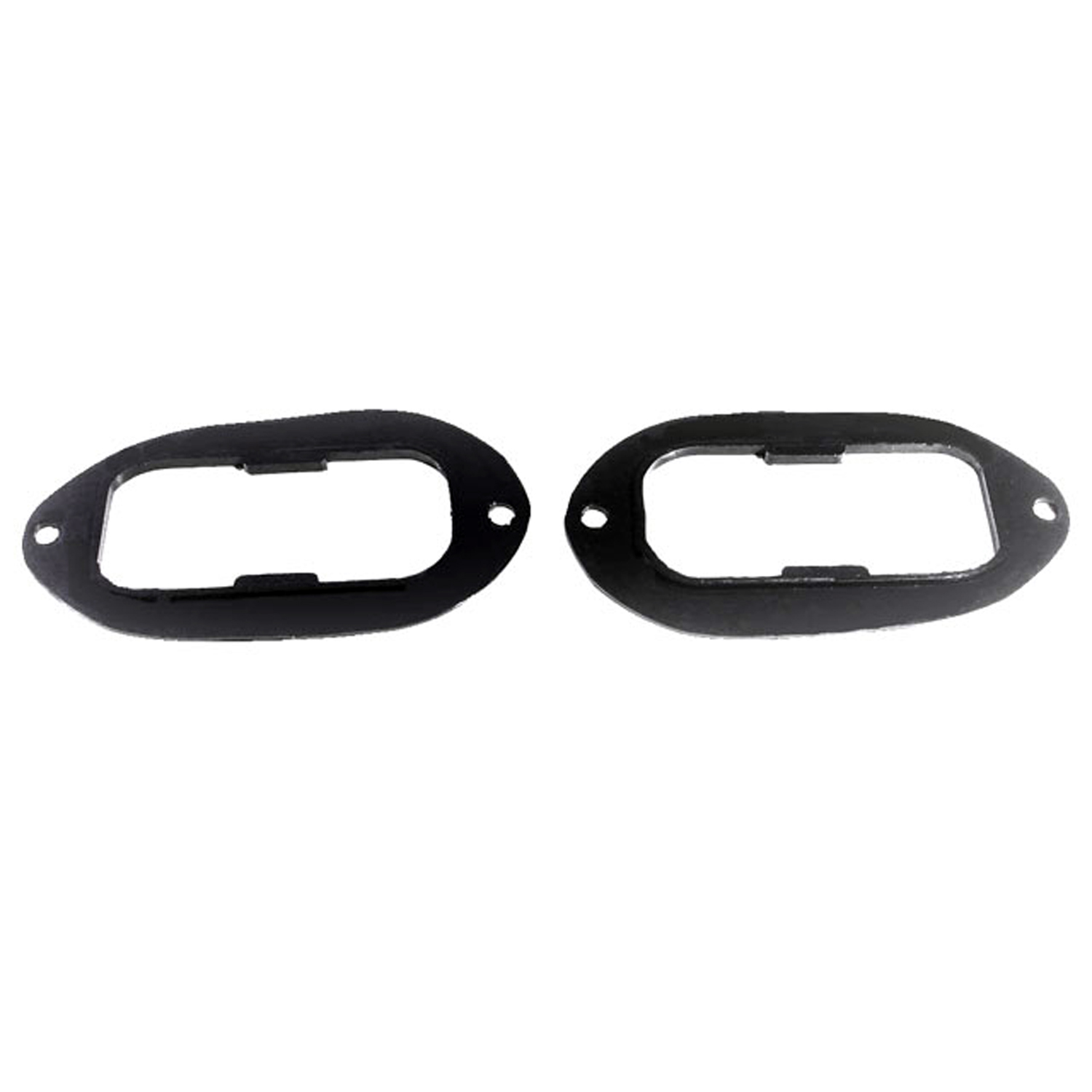 1957 Triumph TR3 Tail-light Lens Gaskets. Pair-LG 3000-140Tail-light Lens Gaskets. Pair
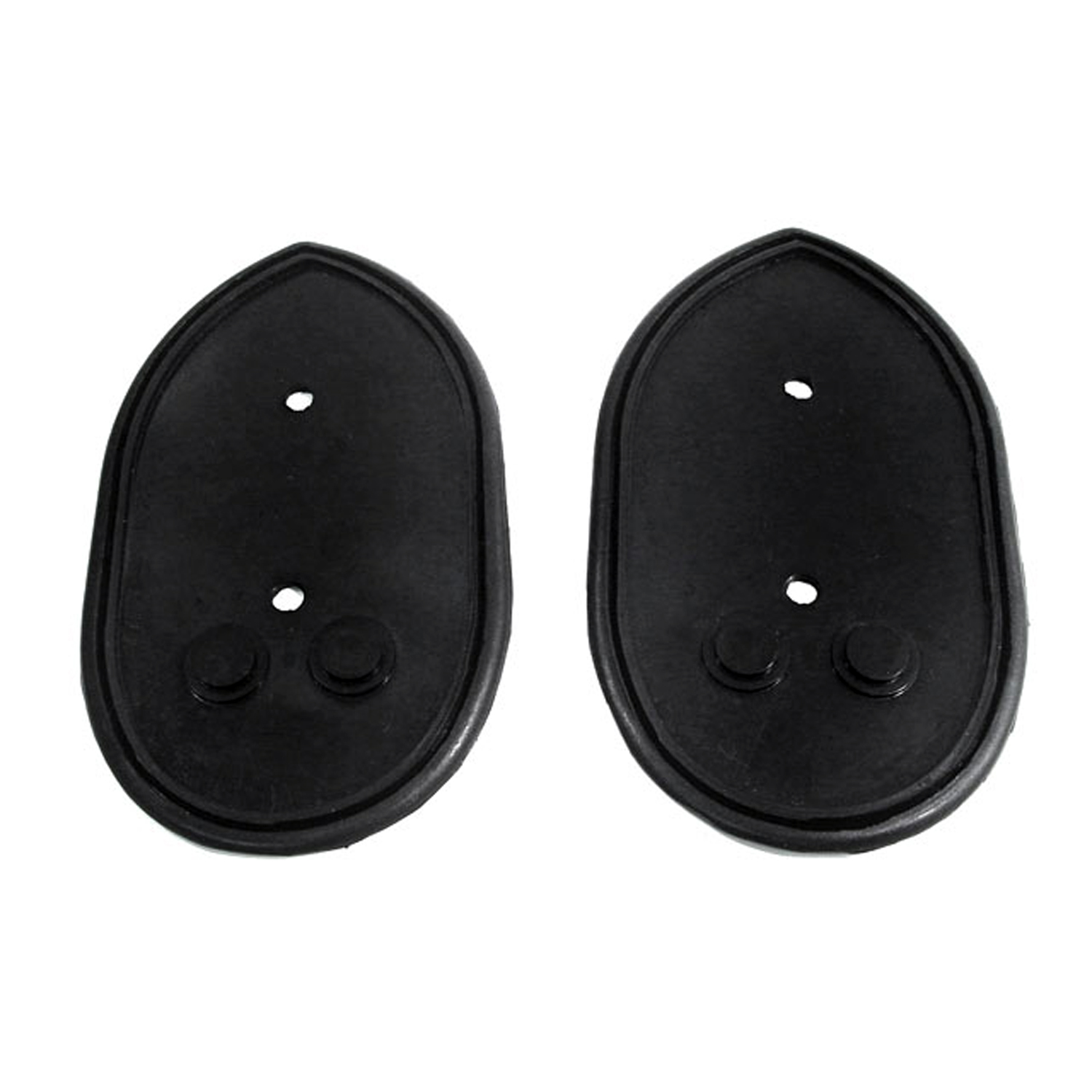 1957 Triumph TR3 Tail-light Pads. 3-1/4" wide X 5-1/2" long. Pair.-MP 999-ATail-light Pads. 3-1/4" wide X 5-1/2" long. Pair.
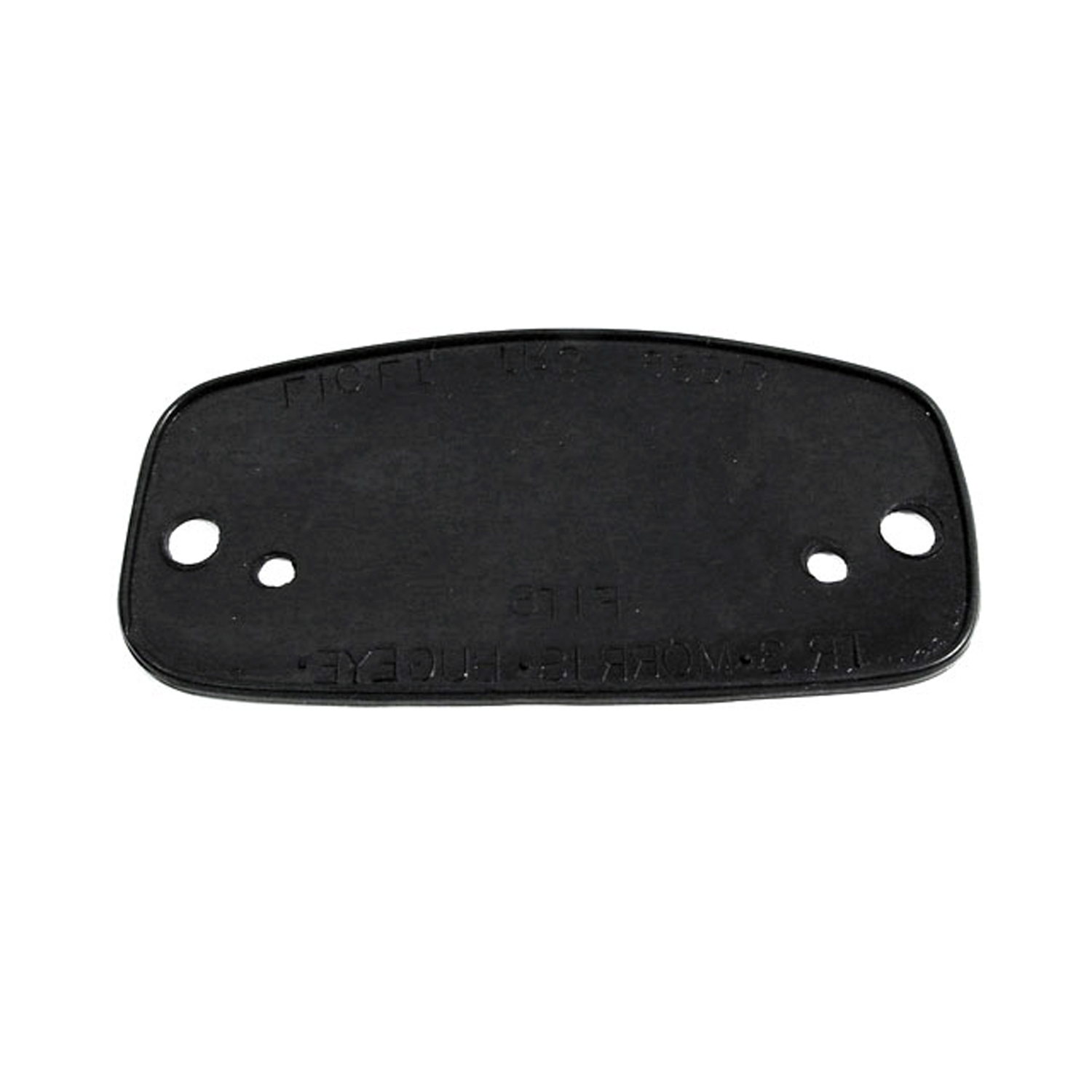 1957 Triumph TR3 License Light Pad. 4-7/8" wide X 2-1/2" long. Each-MP 999-BBLicense Light Pad. 4-7/8" wide X 2-1/2" long. Each
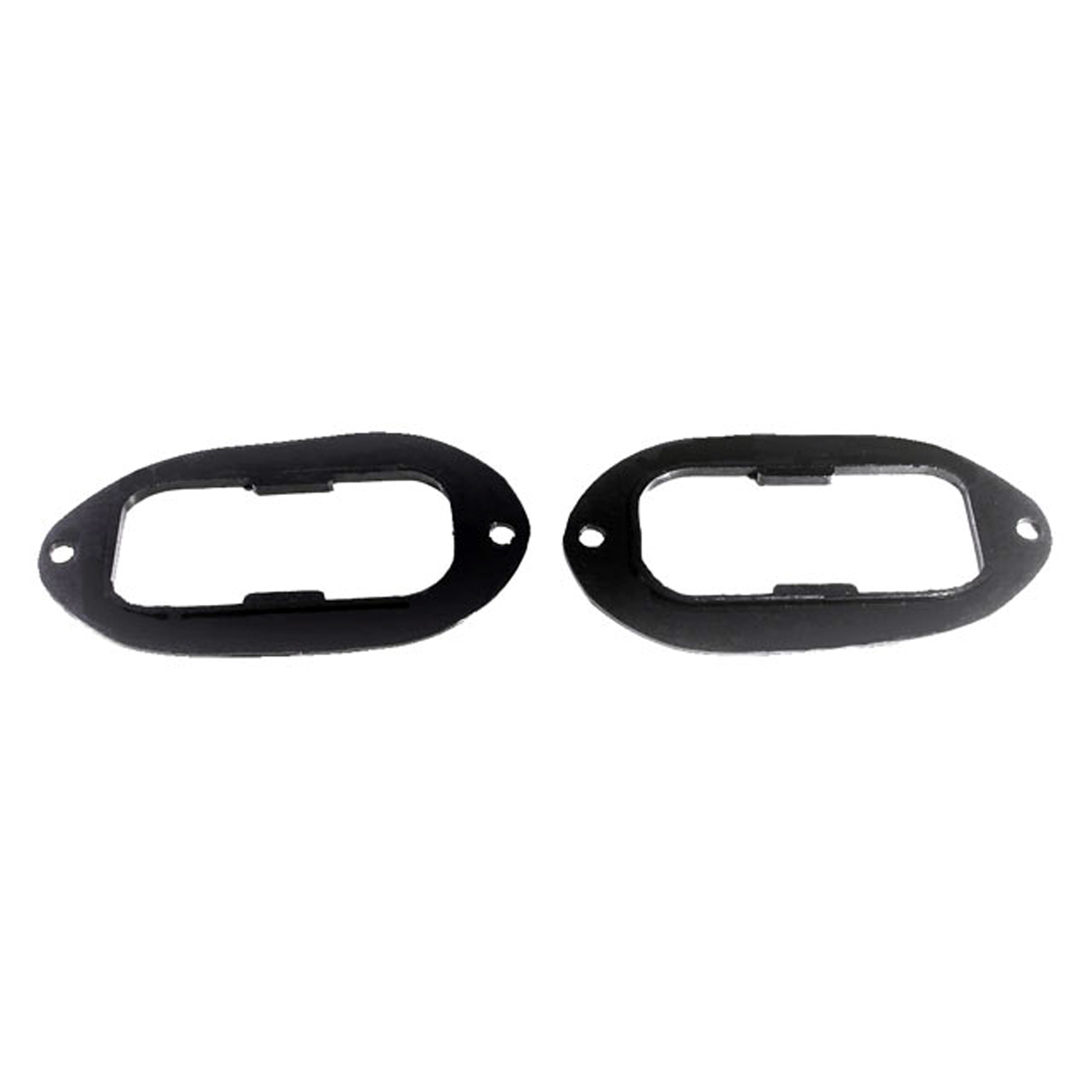 1957 Triumph TR3 Tail-light Lens Seals. Replaces OEM #574634-MP 999-DTail-light Lens Seals. Replaces OEM #574634. 2-1/2" wide X 4-7/8" long. Pair
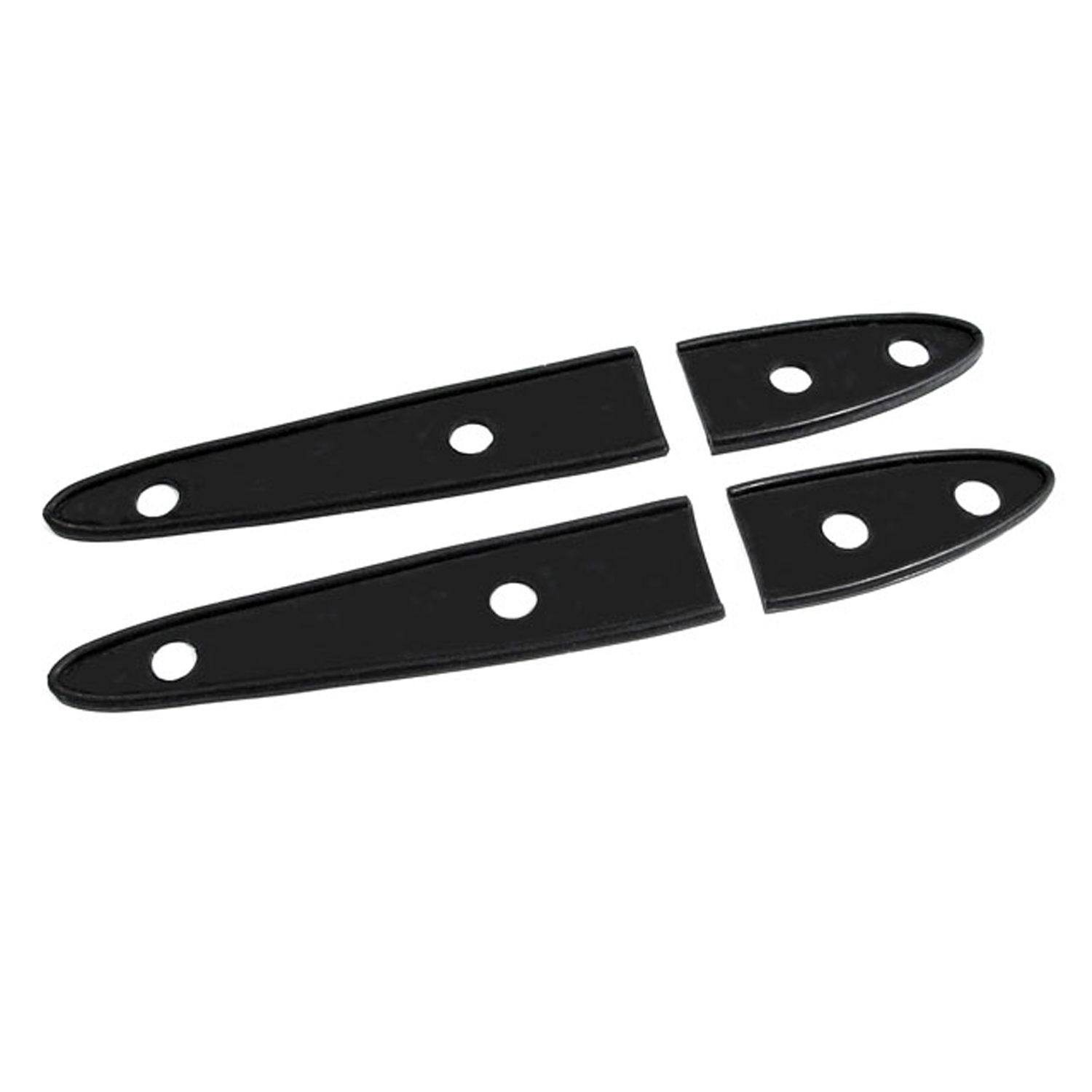 1957 Triumph TR3 Trunk Hinge Pads. 1-1/8" X 7" long. Set-MP 999-EETrunk Hinge Pads. 1-1/8" X 7" long. Set
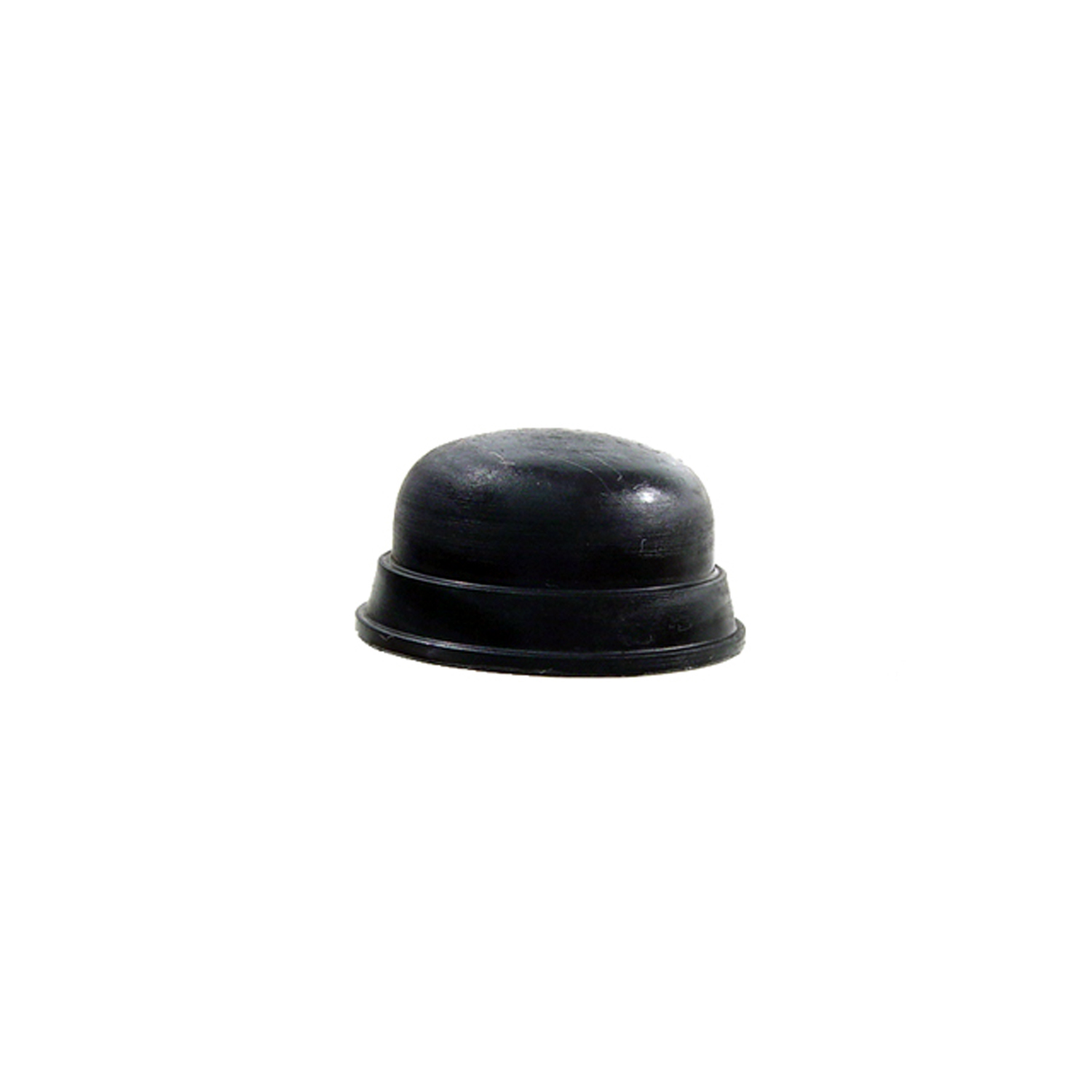 1957 Triumph TR3 Starter Solenoid Button Cover. Perfect reproduction. Each-RP 1Starter Solenoid Button Cover. Perfect reproduction. Each
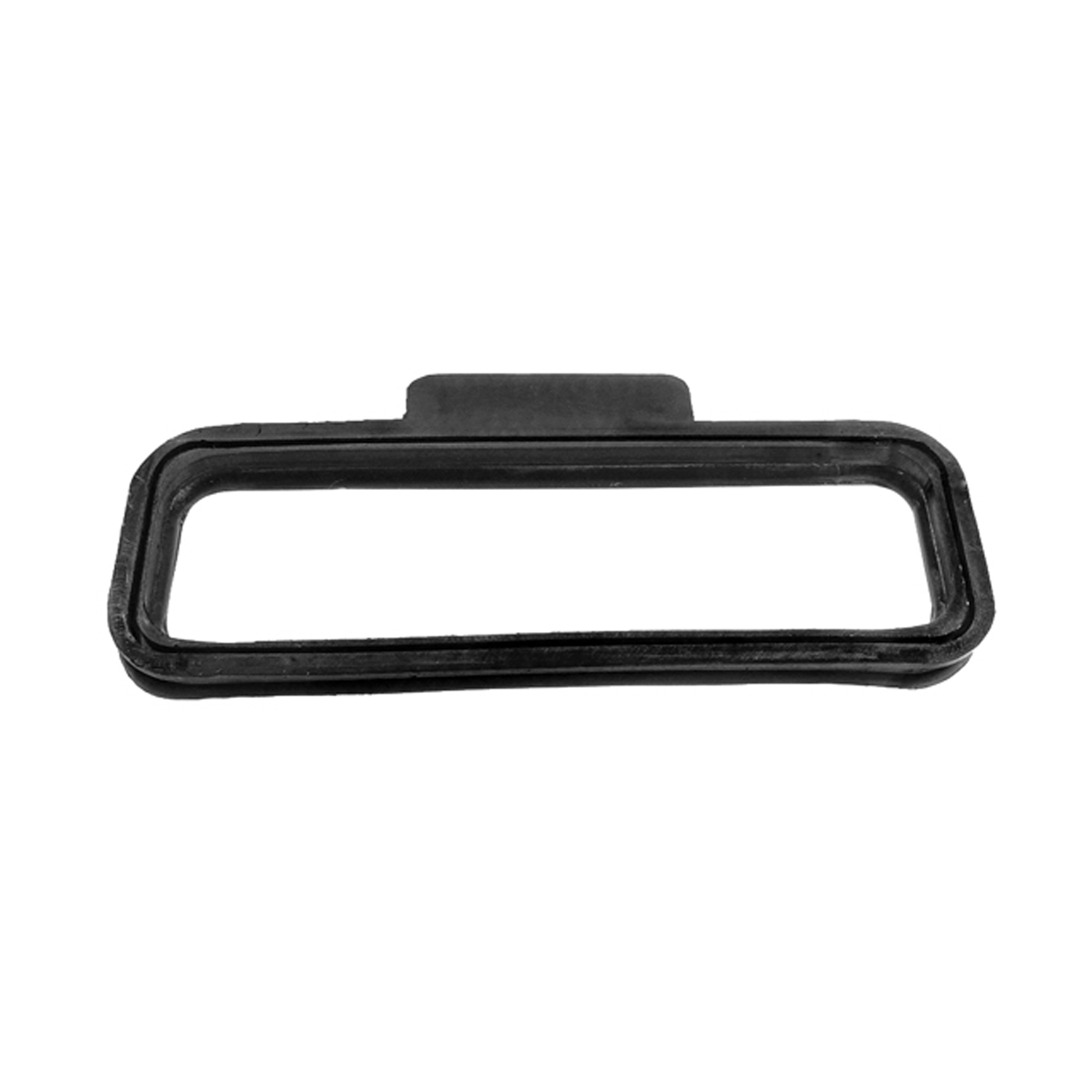 1957 Triumph TR3 Cowl Vent Seal-RP 100-ACowl Vent Seal. 2-1/2" wide X 7" long, with a 5/8" wide X 2-7/16" long projecting tab. Each
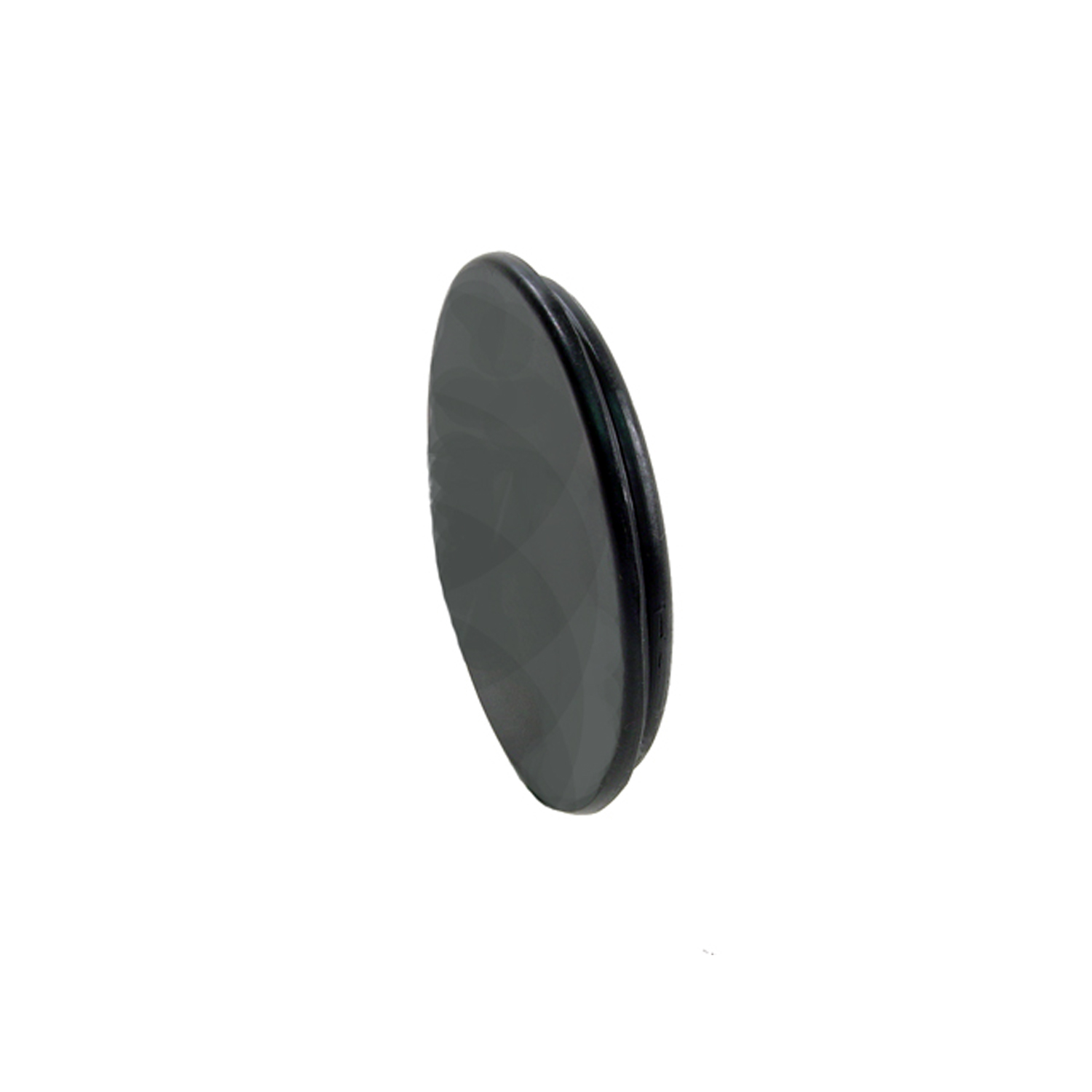 1957 Triumph TR3 Jack Socket Plug. Fits a 2-7/8" hole. Each-RP 91Jack Socket Plug. Fits a 2-7/8" hole. Each
Why Choose Metro?
For over 100 years, Metro Moulded Parts has been the pinnacle of quality in classic car restoration parts. Our commitment to precision and authenticity in every component ensures a perfect fit and an OEM-level appearance.
- Expert Craftsmanship & Quality: Each part is a testament to our dedication to reliability and perfection, crafted from original designs and thoroughly tested.
- Advanced Technology: We use cutting-edge techniques to create flawless, long-lasting parts that surpass others in performance.
- SuperSoft Sponge – The Ultimate Door Seal: Not only are our door seals 30% softer than competitors', but they're also guaranteed to never leak. They effectively reduce wind and road noise, enhancing your classic car's comfort and driving experience.
- Proudly American: Our parts are a product of American craftsmanship, made in the USA with a spirit of excellence and heritage.
- Unrivaled Warranty: We back our products with a 30-year industry-leading warranty, a testament to our confidence in their quality.
Join us in preserving the legacy of classic cars with parts that are crafted for perfection, not just made.