

Image of 1957 Triumph Tr3b, Note: These illustrations use artistic license and may differ from actual historical models.
Performance Metrics
Fundamental Metrics
Emotional Appeal
MMP Rating
| Engine Specifications | |
|---|---|
| Engine: | Inline 4 |
| Displacement: | 1991 cc |
| Horsepower: | 100 hp |
| Torque: | 117 lb-ft |
| Compression Ratio: | 9.0:1 |
| Ignition System: | Coil ignition |
| Cooling System: | Water-cooled |
| Performance Specifications | |
| 0-60 Time: | 12 seconds |
| 1/4 Mile Time: | Estimated at 18 seconds |
| Top Speed: | 105 mph |
| Transmission and Drive | |
| Drive Type: | Rear-wheel drive |
| Transmission Type: | 4-speed manual |
| Fuel and Efficiency | |
| Fuel System Type: | Twin SU carburetors |
| MPG: | 25-30 mpg |
| Dimensions and Brakes | |
| Brakes: | Front disc brakes, rear drum brakes |
| Wheelbase: | 88 inches |
| Weight: | 2,200 lbs |
Note: Specifications for classic cars are given to the best of our ability, considering the limited and variant data available.
1957 Triumph TR3: The Roadster Often Called the TR3A
A 1957 Triumph TR3 pairs a low-slung British roadster shape with a lively four-cylinder engine and one piece of technology that was still unusual on affordable sports cars: standard front disc brakes. There is an important name correction, though. Triumph did not build a 1957 TR3B. Cars from 1957 are generally identified as TR3s, and later examples are commonly called TR3As because of their revised front-end styling. The actual TR3B was a short-run transitional model built in 1962.
This guide focuses on the 1957 TR3, usually described as a TR3A by collectors. It was made by the Standard-Triumph Motor Company in Coventry, England, and aimed squarely at drivers who wanted a simple, energetic sports car at a relatively attainable price. Its combination of open-air character, sturdy mechanicals and strong export sales helped make the TR one of Britain’s best-known sports-car lines.
One detail that makes the TR3 especially interesting is its braking system. By the mid-1950s, disc brakes were associated more with competition machinery than everyday production cars. Triumph brought them to the TR3’s front wheels as standard equipment, giving the roadster a notable technical edge as well as a reputation for eager performance.
TR3, TR3A and TR3B: Getting the Name Right
“TR3A” was never an official Triumph model designation. It is the name enthusiasts adopted for the updated TR3 introduced in 1955, recognizable by its wider grille and revised front appearance. A 1957 example belongs to this later TR3 production period, so “1957 TR3A” is a useful and widely understood description.
The genuine TR3B arrived in 1962, after the TR4 had entered production. Built primarily for the North American market, it retained much of the earlier TR3 body while offering either a 1,991 cc engine or the larger 2,138 cc unit, depending on the series. Triumph produced about 3,331 TR3Bs in total. That makes the TR3B a real but much later model, not a 1957 variant.
Roadster Styling and Practical Details
The TR3’s styling is purposeful rather than polished. Its long bonnet, upright grille, rounded front wings and compact tail give it the stance of a small competition car ready for the road. The revised, broad grille of the TR3A-era cars gives the nose a cleaner, more integrated look than the earlier TR3’s smaller grille. Wire wheels, when fitted, add a particularly period-correct touch.
The cabin is snug and straightforward. A thin-rimmed steering wheel, clear instruments and simple controls put the emphasis on driving rather than luxury. Trim varied by market, year and specification, but cars could be supplied with leather seating or more economical trim materials. Carpeting, door panels and weather equipment were practical by sports-car standards, not plush. The cockpit can feel tight for taller drivers, and the passenger space is limited, but that close-fitting layout is part of the car’s intimate character.
The TR3 was offered as an open two-seat roadster. Buyers could add useful accessories such as a removable hardtop, a tonneau cover, side screens and wire wheels. The open roadster remains the best-known and most sought-after configuration, while a hardtop-equipped car offers greater comfort for touring in colder or wet weather.
Period paint choices varied by market and production run. Red, white, black, green and blue shades are among the colors associated with TR3s. Bright red is an especially recognizable choice, while British Racing Green suits the car’s sporting image. Original paint and trim details can differ, so a buyer interested in authenticity should check the commission number and factory records where available rather than relying on color alone.
Engineering That Made a Difference
Under the bonnet sits Triumph’s 1,991 cc inline four-cylinder engine, fed by twin SU carburetors. Period power figures are commonly quoted at about 100 bhp, though published ratings can vary with measurement method and specification. A four-speed manual gearbox was standard, with synchromesh on the upper gears. Many cars were equipped with Laycock de Normanville overdrive, which reduced engine speed during relaxed cruising.
Front disc brakes were the standout innovation. They offered better resistance to brake fade than conventional drums during repeated hard stops, a meaningful advantage on fast roads and in competition. Rear drum brakes kept the system straightforward and economical to maintain. The TR3 also used a separate chassis, conventional suspension and relatively simple mechanical systems, making it robust and repairable by standards of its time.
The car’s importance lies less in introducing a completely new design language than in making sporting equipment accessible. Its disc brakes, lively engine and basic, serviceable construction helped establish a formula that would continue through later Triumph TR models. It also showed that a production sports car could feel closely connected to competition without being an exotic, hand-built machine.
Performance and Road Manners
A healthy 1957 TR3 can reach roughly 100 to 105 mph, with 0 to 60 mph taking around 11 to 13 seconds. These are approximate period-style figures, not guarantees for every surviving car. Engine condition, gearing, tires, altitude and the accuracy of the speedometer all make a difference. By 1950s standards, the TR3 was brisk, especially in the midrange where its torque made it feel eager on open roads.
The ride is firm and the suspension communicates the road directly. On rough pavement, the car can bounce and jostle more than a modern grand tourer. On a smooth, winding road, that firmness helps the TR feel alert and responsive. Its compact size and lively steering make it entertaining through bends, though the steering is unassisted and takes effort at parking speeds. The short wheelbase and period tires also reward a smooth hand, particularly on wet or uneven surfaces.
Driving a TR3 is a physical experience. The engine produces a busy four-cylinder note that grows more urgent as the revs rise, while wind buffeting is part of the deal with the top down. The driver sits low, works a real manual gearbox and feels the road through the steering wheel and seat. It is not a quiet or effortless modern convertible. Its appeal is the sense that the driver, engine and road are all working together.
Living With a Triumph TR3
Today, TR3s are used for weekend drives, vintage rallies, touring, car shows and historic motorsport. Some owners drive them regularly in fair weather, but most treat them as enthusiast cars rather than all-season daily transportation. The simple cabin and open body make them best enjoyed on dry roads and at moderate speeds.
Routine maintenance is manageable for an owner with basic mechanical skills. The engine, carburetors, gearbox and electrical system are familiar to classic-car specialists, and parts support remains strong. Regular attention to ignition timing, carburetor balance, cooling-system condition, lubrication and brake adjustment helps keep the car dependable. A well-maintained TR3 can be rewarding to own, but age and restoration quality matter more than reputation alone.
Potential trouble spots include rust in the chassis and body structure, worn suspension components, tired wiring and overheating caused by neglected cooling systems. The separate chassis can make inspection easier in some respects, but corrosion in structural areas is serious and expensive to correct properly. Before buying, inspect the frame carefully and look for evidence of high-quality repairs, not just fresh paint and polished trim.
TR3 Facts and Common Criticisms
The 1957 car belongs to the TR3A-era production run, which accounts for the model’s familiar wide-grille appearance. Triumph built approximately 58,236 TR3As across the full production run from 1955 to 1962. That is the total for the series, not the number produced in 1957 alone; a reliable, universally accepted production count for that specific calendar year is harder to establish.
The TR3’s disc brakes are often cited as a landmark feature. They were not the first disc brakes ever used on a car, but their standard fitment on a production sports car helped bring the technology into wider road use. The model also competed in rallies and other forms of motorsport, reinforcing its reputation as a genuine sporting machine rather than merely a stylish boulevard car.
Its shortcomings are equally part of the story. The side screens and soft top offer limited protection from weather, the cabin is cramped, and the ride can be harsh on broken surfaces. The steering is heavy at low speed, while the old-fashioned chassis and suspension demand respect on slippery roads. Fans tend to regard these traits as part of the car’s character; drivers expecting modern comfort may find them less charming.
Collector Values and Availability
Values depend heavily on condition, originality, restoration quality and documentation. As a broad U.S. market estimate, a project car may sell for about $5,000 to $12,000, while a usable driver often falls around $15,000 to $28,000. A well-restored, attractive example may bring roughly $30,000 to $45,000, and exceptional concours-quality cars can exceed that range. These are general estimates, not appraisals, and prices shift with the market and the specific car.
The TR3A is not exceptionally rare in the classic-car world, thanks to its substantial production run and strong following. Good examples are available, but truly original, rust-free cars with documented histories are much harder to find. The market has generally rewarded well-presented TR3s over the long term, although individual values can rise or soften depending on condition and broader classic-car demand. Restoration costs can quickly outweigh the value of a lower-priced car, so buying the best example the budget allows is often the sensible choice.
A genuine 1962 TR3B may command a premium in some cases because of its short production run, but it should not be confused with a 1957 TR3A. Buyers should verify the commission number and major components, especially when a car is advertised using an inaccurate model year or designation.
Why the 1957 TR3 Still Matters
The 1957 Triumph TR3 brought together a distinctive British roadster shape, a willing four-cylinder engine, direct handling and unusually advanced front brakes for its class. It was simple enough to maintain, exciting enough for spirited driving and successful enough to become one of the defining sports cars of its era.
It is not a TR3B, but the 1957 TR3A has its own strong place in Triumph history. With its wide grille, open cockpit and disc-braked front end, it captures the moment when accessible sports cars began borrowing serious ideas from competition. For today’s enthusiast, every drive offers a reminder that a classic car does not need modern speed or comfort to feel thoroughly alive.
1957 Triumph Tr3b Catalog of Parts
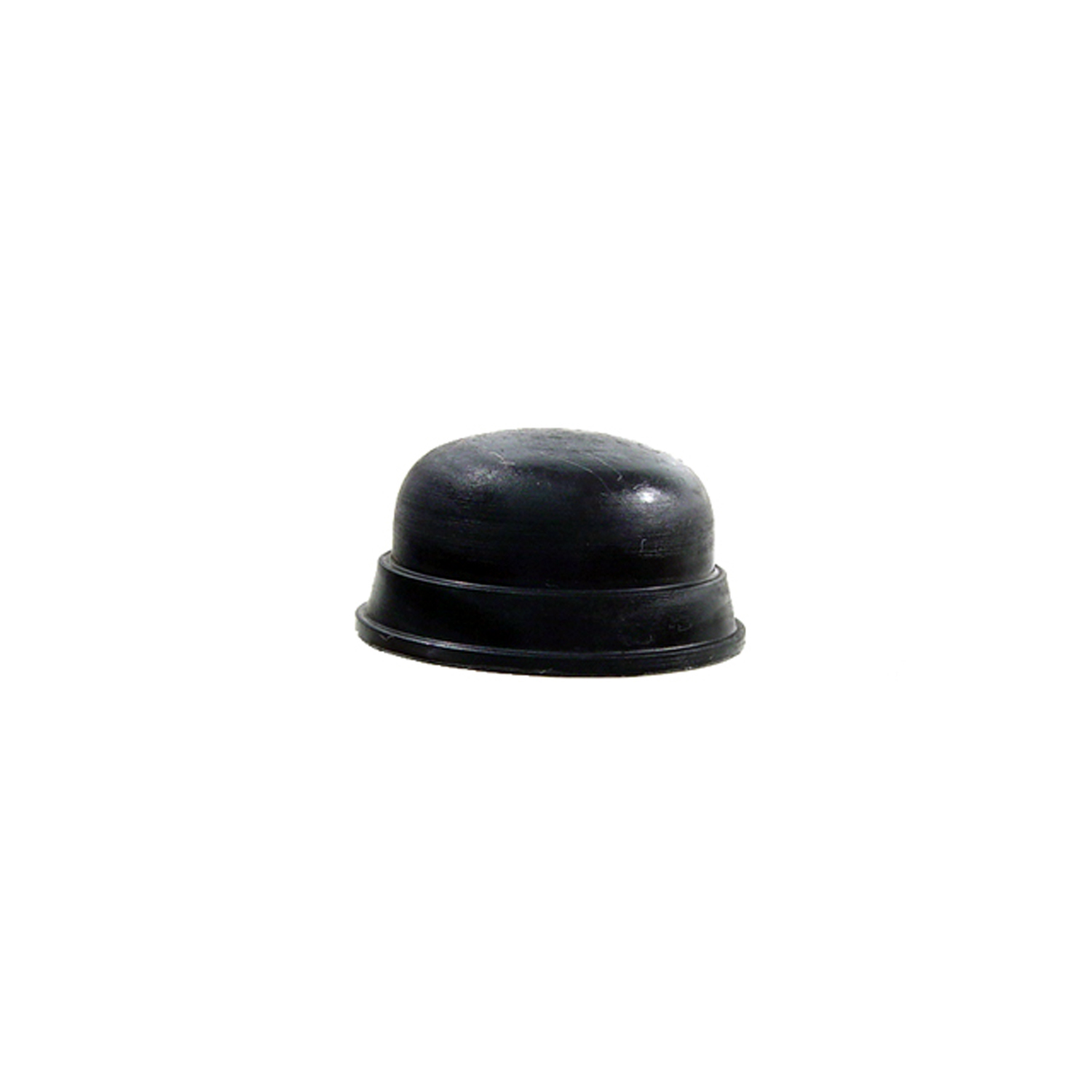 1957 Triumph TR3B Starter Solenoid Button Cover. Perfect reproduction. Each-RP 1Starter Solenoid Button Cover. Perfect reproduction. Each
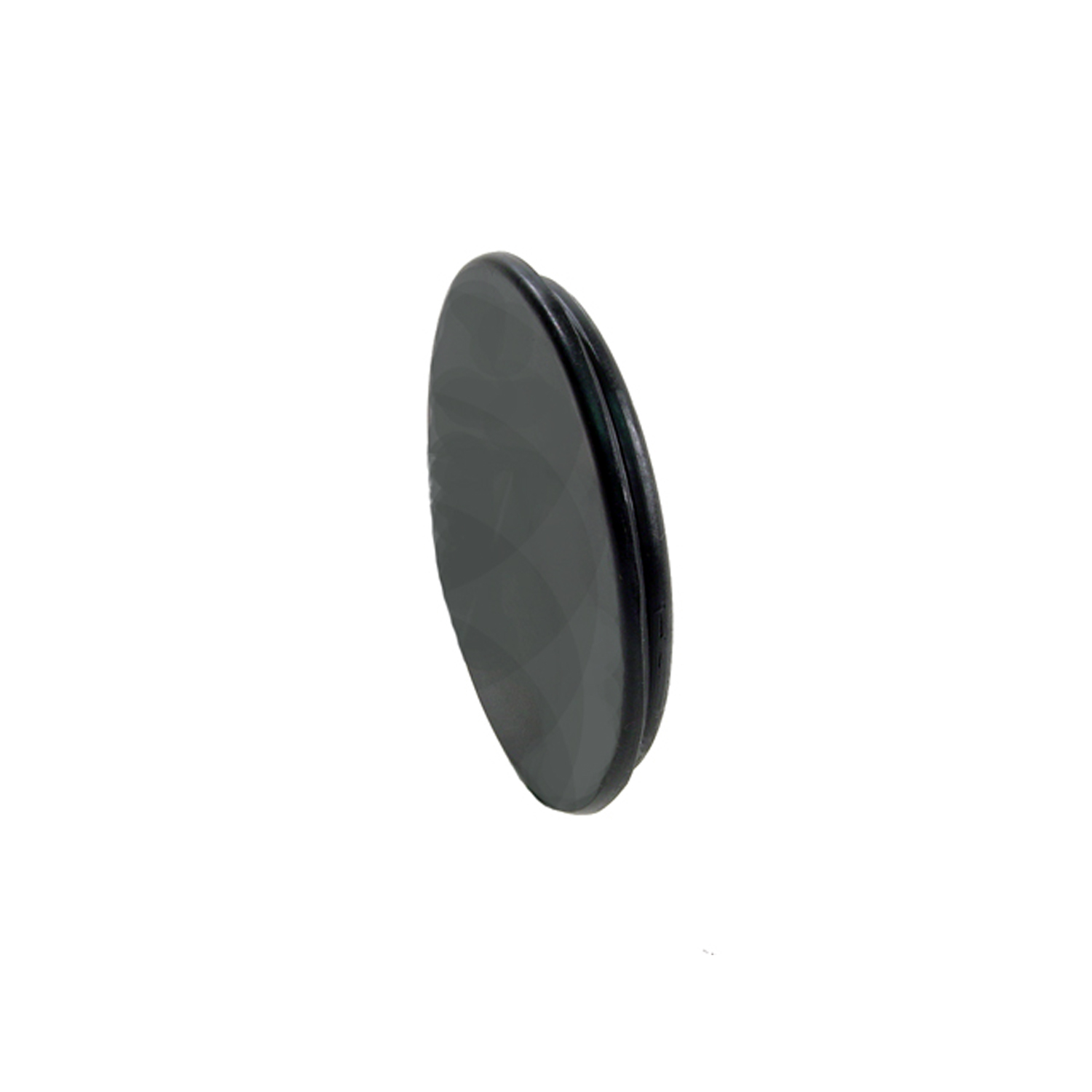 1957 Triumph TR3B Jack Socket Plug. Fits a 2-7/8" hole. Each-RP 91Jack Socket Plug. Fits a 2-7/8" hole. Each
Why Choose Metro?
For over 100 years, Metro Moulded Parts has been the pinnacle of quality in classic car restoration parts. Our commitment to precision and authenticity in every component ensures a perfect fit and an OEM-level appearance.
- Expert Craftsmanship & Quality: Each part is a testament to our dedication to reliability and perfection, crafted from original designs and thoroughly tested.
- Advanced Technology: We use cutting-edge techniques to create flawless, long-lasting parts that surpass others in performance.
- SuperSoft Sponge – The Ultimate Door Seal: Not only are our door seals 30% softer than competitors', but they're also guaranteed to never leak. They effectively reduce wind and road noise, enhancing your classic car's comfort and driving experience.
- Proudly American: Our parts are a product of American craftsmanship, made in the USA with a spirit of excellence and heritage.
- Unrivaled Warranty: We back our products with a 30-year industry-leading warranty, a testament to our confidence in their quality.
Join us in preserving the legacy of classic cars with parts that are crafted for perfection, not just made.