

Image of 1958 Triumph Tr3a, Note: These illustrations use artistic license and may differ from actual historical models.
Performance Metrics
Fundamental Metrics
Emotional Appeal
MMP Rating
| Engine Specifications | |
|---|---|
| Engine: | Inline 4 |
| Displacement: | 1991 cc |
| Horsepower: | 100 hp |
| Torque: | 117 lb-ft |
| Compression Ratio: | 9.0:1 |
| Ignition System: | Coil and distributor |
| Cooling System: | Water-cooled |
| Performance Specifications | |
| 0-60 Time: | 12 seconds |
| 1/4 Mile Time: | 18 seconds |
| Top Speed: | 105 mph |
| Transmission and Drive | |
| Drive Type: | Rear-wheel drive |
| Transmission Type: | 4-speed manual |
| Fuel and Efficiency | |
| Fuel System Type: | Twin SU carburetors |
| MPG: | 25-30 mpg |
| Dimensions and Brakes | |
| Brakes: | Front disc brakes, rear drum brakes |
| Wheelbase: | 88 inches |
| Weight: | 2,200 lbs |
Note: Specifications for classic cars are given to the best of our ability, considering the limited and variant data available.
1958 Triumph TR3A: Britain’s Open-Road Sports Car
The 1958 Triumph TR3A turns a simple recipe of four cylinders, rear-wheel drive and open-air motoring into one of the most characterful British sports cars of the 1950s. Built by Standard-Triumph in Coventry, England, it was a refreshed version of the TR3, aimed squarely at drivers who wanted lively performance and an affordable route into sports-car ownership.
The TR3A arrived in 1957, and “TR3A” is the name enthusiasts commonly use for the updated car rather than a formal factory model designation. Its broad front grille, exterior door handles and lockable boot made it easy to distinguish from the earlier TR3. A memorable piece of its history is its front disc brakes: the TR3 helped bring this advanced braking technology to British series-production sports cars, giving the little Triumph an important advantage as speeds and expectations rose.
TR3A Styling and Open-Air Details
The TR3A has the purposeful proportions of a classic roadster: a long, gently curved bonnet, low doors, short rear deck and upright windscreen. Its wide, nearly full-width grille gives the nose a more assertive look than the earlier TR3, while the round headlamps and simple chrome bumpers keep the design unmistakably mid-century. The result is handsome without being delicate. The car looks ready to be driven, not merely admired.
Inside, the cabin is compact and straightforward. The dashboard places the main instruments and controls within reach, while the large steering wheel and upright seating position give the driver a close connection to the car’s mechanical character. Materials are functional rather than luxurious, with painted metal, vinyl trim and, depending on specification or restoration, leather upholstery. The seats are narrow by modern standards, and the passenger area is snug, but that close-fitting cockpit is part of the TR3A’s appeal.
As an open roadster, the TR3A came with a folding soft top and detachable sidescreens. A removable factory hardtop was also available, along with accessories such as a tonneau cover. The car was offered in a range of period paint colors that varied by year and market. Signal red, British racing green, black, white and pale blue shades are among the colors often associated with surviving examples. Red and green remain especially popular with collectors.
Engineering That Changed the Class
Power comes from a 1,991 cc overhead-valve four-cylinder engine developed from the Standard Vanguard unit. In typical specification it uses twin SU carburetors and sends power to the rear wheels through a four-speed manual gearbox. An optional Laycock de Normanville overdrive adds relaxed cruising ratios, making longer journeys more comfortable without dulling the car’s sporting character.
The front suspension is independent, while the rear uses a live axle. The headline innovation is at the front wheels, where disc brakes provide more consistent stopping than the drum brakes fitted to many rivals. The TR3’s adoption of front discs helped make the technology familiar to road-car buyers, and it gave Triumph a strong talking point in a market where confident braking mattered as much as outright speed.
The TR3A was not a luxury grand tourer or a race car for the road in disguise. Its appeal lay in combining accessible mechanicals, useful performance and a relatively low purchase price. It helped define the practical British roadster formula: a simple, serviceable sports car that could be driven to work, taken on a holiday and entered in a club event at the weekend.
TR3A Performance and Road Manners
Period figures vary with test conditions, gearing and the exact engine specification, but a healthy TR3A can reach roughly 100 to 105 mph and accelerate from 0 to 60 mph in about 11 to 12 seconds. Those numbers are respectable for a small sports car of the late 1950s, particularly one whose greatest strength is its immediate, engaging response rather than effortless high-speed refinement.
The engine delivers a deep, busy four-cylinder soundtrack, with the exhaust note becoming more insistent as the revs rise. The gear lever has a direct mechanical feel, and the optional overdrive can make a noticeable difference on faster roads. At low speeds, steering effort is substantial, especially while parking, but it lightens once the car is moving. On a winding road, the TR3A feels alert and involving, rewarding a smooth driver who works with its rear-wheel-drive balance.
Its suspension is firm by modern standards. Sharp bumps can unsettle the car, and the live rear axle may hop over rough or uneven surfaces. The TR3A is happiest on flowing country roads, where its compact dimensions and responsive controls make it fun to place through bends. Its weather protection is basic, and wind buffeting is part of the open-car experience, particularly at motorway speeds.
Living With a 1958 Triumph TR3A
Today, most TR3As are weekend cars, touring companions, show entries or participants in vintage rallies and club events. They can be driven regularly, but their age calls for more attention than a modern car. Owners should keep an eye on cooling-system condition, ignition and carburetor tuning, electrical connections, brake hydraulics and chassis corrosion. The frame and body mounting areas deserve particular inspection when buying, as repairs in those locations can be costly.
One reason the TR3A remains approachable is its straightforward engineering. Many routine jobs are within reach of a capable home mechanic, and specialist knowledge, replacement parts and owners’ clubs are widely available. A well-maintained example can be dependable for touring, but neglected cars may need substantial work before they are safe and enjoyable. Proper restoration matters: shiny paint cannot compensate for a weak chassis or poorly sorted brakes.
TR3A Facts and Common Criticisms
Triumph built approximately 58,236 cars in the TR3A production series from 1957 to 1962. The majority went to export markets, especially the United States, where the affordable British roadster found a large audience. The 1958 car is part of that successful run rather than a separately numbered limited edition.
The TR3A’s most notable technical trivia is its front disc-brake story. The earlier TR3 introduced front discs as standard equipment, making Triumph an early British leader in bringing them to production sports cars. The TR3A carried that feature forward, pairing improved braking with a lively engine and relatively light construction.
Common criticisms are easy to understand from a modern perspective: the cabin is cramped, the soft top and sidescreens offer limited protection, steering is heavy at parking speeds, and the ride can feel harsh on broken pavement. The gearbox and controls also demand more deliberate input than a contemporary car. For enthusiasts, those traits are part of the appeal, but they make a test drive essential before buying.
Collector Values and Availability
TR3As remain relatively available in the classic-car world, though condition and originality make a major difference. As a broad U.S. market estimate, a project car may sell for around $10,000 to $20,000, while a usable driver is often in the $25,000 to $40,000 range. A very good restored or highly presentable example may bring $45,000 to $65,000, with exceptional concours-quality cars sometimes reaching $70,000 to $90,000 or more. These are guide ranges, not guaranteed sale prices, and local markets can vary.
Values have generally been supported by the TR3A’s strong identity, usable performance and deep parts support. Well-restored examples have tended to hold appeal, while the cost of labor and restoration can limit what buyers will pay for a project. Originality, sound chassis condition, documented work, desirable options such as overdrive and a quality restoration all influence the final price. In other words, the best value is often a properly sorted car rather than the cheapest one available.
Why the Triumph TR3A Still Matters
The 1958 Triumph TR3A brought together the qualities that made British sports cars famous: a distinctive roadster shape, a willing four-cylinder engine, direct controls and practical engineering. Its front disc brakes marked an important step in sports-car development, while its accessible design helped put open-air motoring within reach of a broad audience.
More than six decades later, the TR3A still offers something a specification sheet cannot capture: the lively sound of its engine, the feel of its manual controls and the pleasure of taking a simple machine down a good road. It is not a polished modern sports car, and it never needed to be. The TR3A’s enduring charm lies in making every drive feel like an occasion.
1958 Triumph Tr3a Catalog of Parts
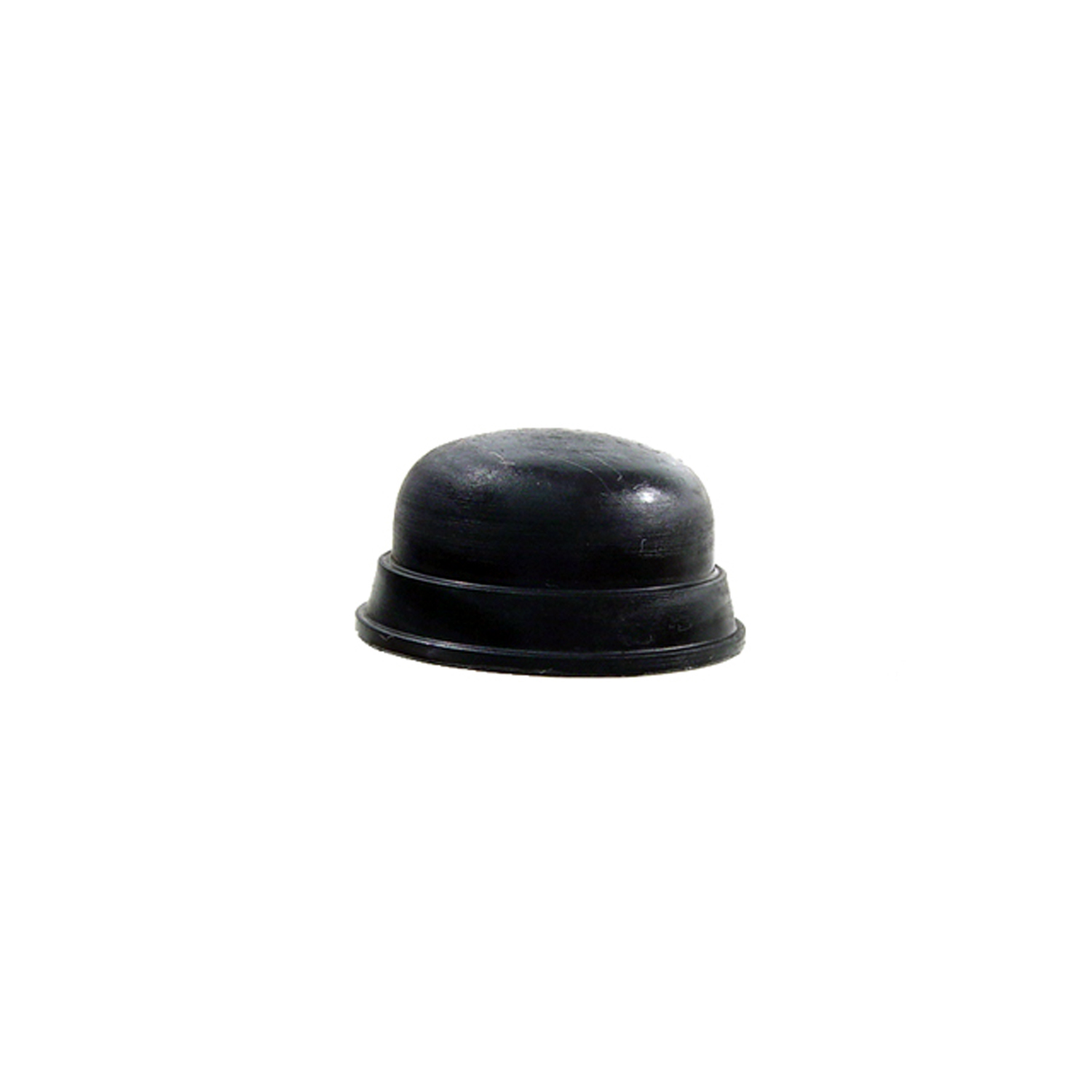 1958 Triumph TR3A Starter Solenoid Button Cover. Perfect reproduction. Each-RP 1Starter Solenoid Button Cover. Perfect reproduction. Each
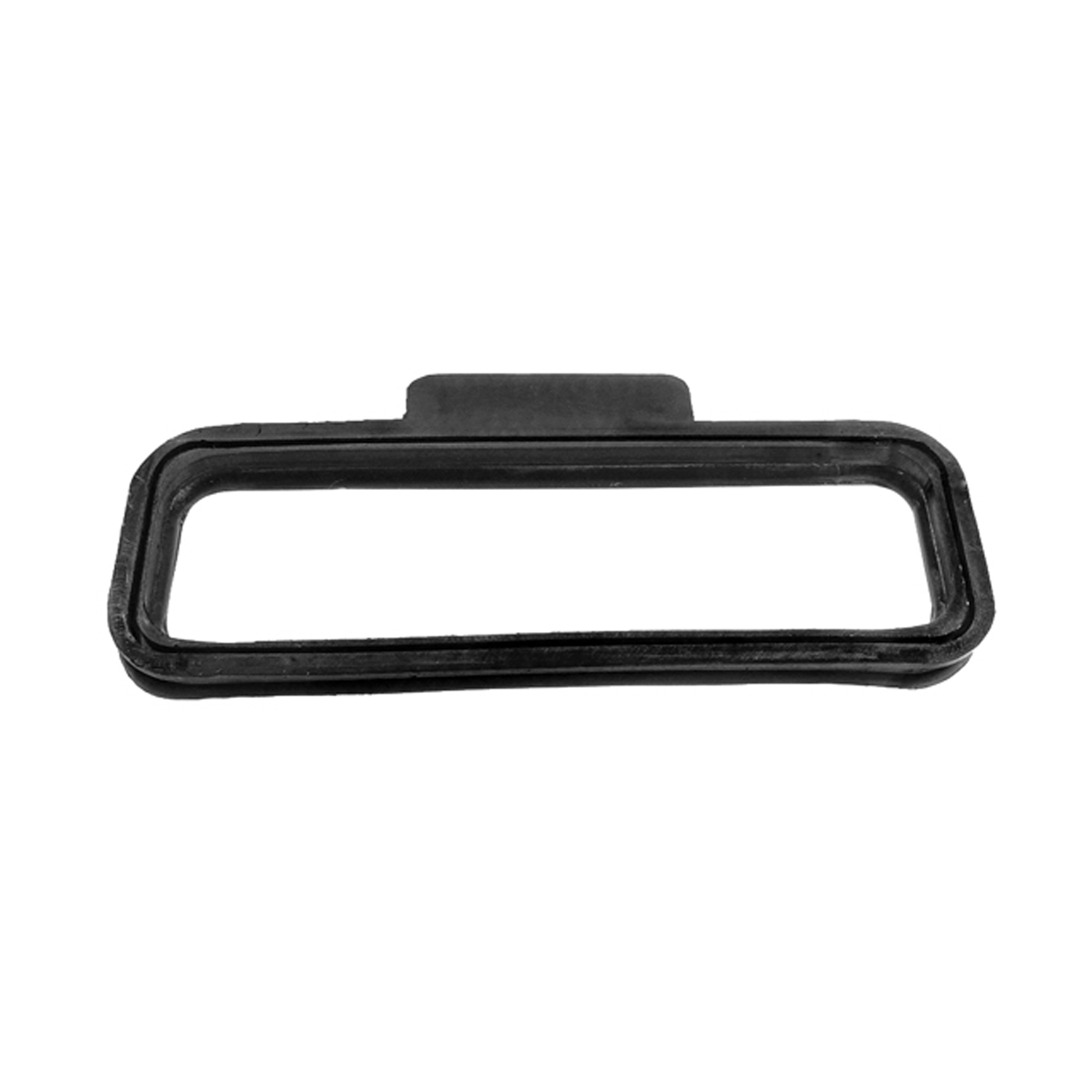 1958 Triumph TR3A Cowl Vent Seal-RP 100-ACowl Vent Seal. 2-1/2" wide X 7" long, with a 5/8" wide X 2-7/16" long projecting tab. Each
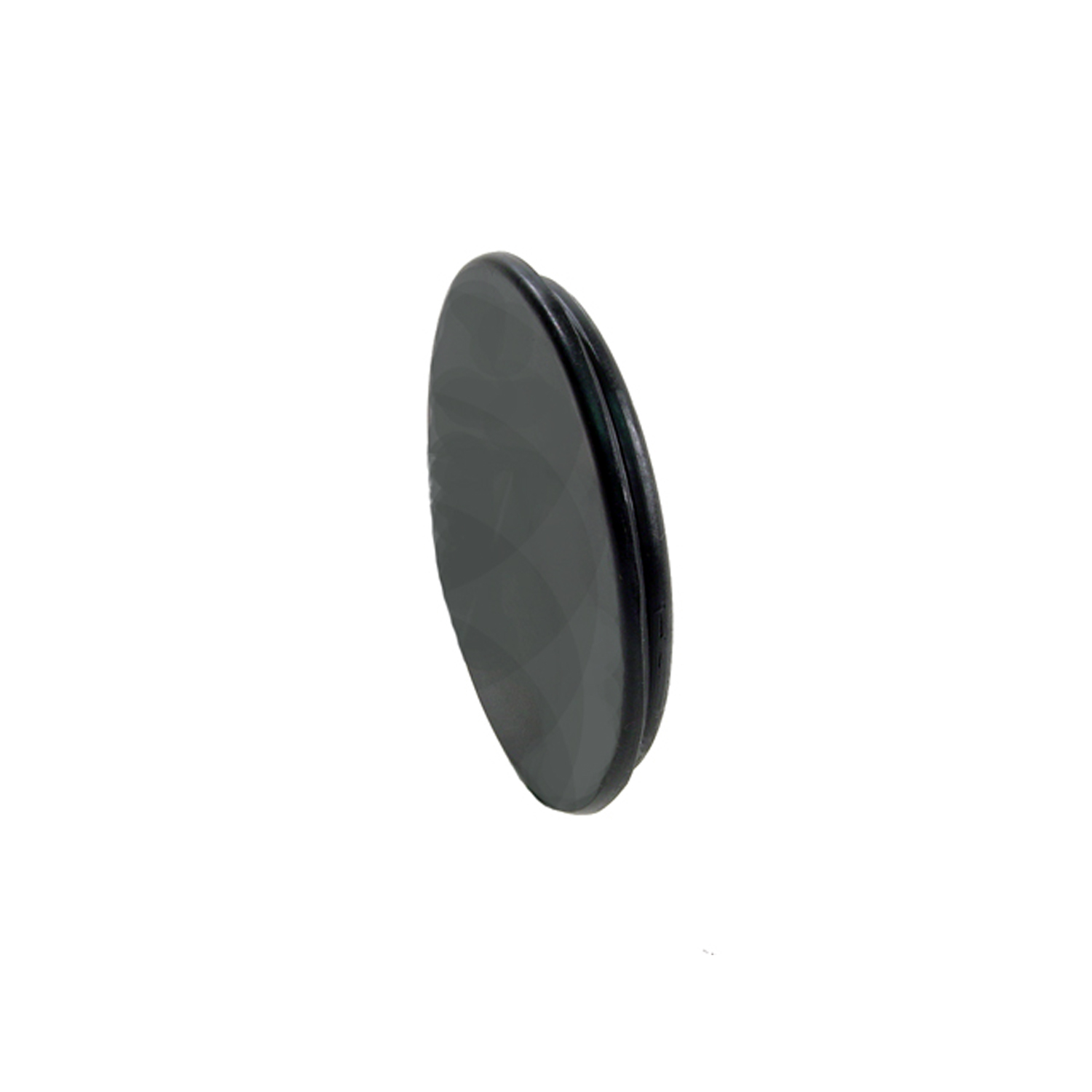 1958 Triumph TR3A Jack Socket Plug. Fits a 2-7/8" hole. Each-RP 91Jack Socket Plug. Fits a 2-7/8" hole. Each
Why Choose Metro?
For over 100 years, Metro Moulded Parts has been the pinnacle of quality in classic car restoration parts. Our commitment to precision and authenticity in every component ensures a perfect fit and an OEM-level appearance.
- Expert Craftsmanship & Quality: Each part is a testament to our dedication to reliability and perfection, crafted from original designs and thoroughly tested.
- Advanced Technology: We use cutting-edge techniques to create flawless, long-lasting parts that surpass others in performance.
- SuperSoft Sponge – The Ultimate Door Seal: Not only are our door seals 30% softer than competitors', but they're also guaranteed to never leak. They effectively reduce wind and road noise, enhancing your classic car's comfort and driving experience.
- Proudly American: Our parts are a product of American craftsmanship, made in the USA with a spirit of excellence and heritage.
- Unrivaled Warranty: We back our products with a 30-year industry-leading warranty, a testament to our confidence in their quality.
Join us in preserving the legacy of classic cars with parts that are crafted for perfection, not just made.