

Image of 1958 Triumph Tr3b, Note: These illustrations use artistic license and may differ from actual historical models.
Performance Metrics
Fundamental Metrics
Emotional Appeal
MMP Rating
| Engine Specifications | |
|---|---|
| Engine: | Inline 4 |
| Displacement: | 2138 cc |
| Horsepower: | 100 hp |
| Torque: | 117 lb-ft |
| Compression Ratio: | 9.0:1 |
| Ignition System: | Coil and distributor |
| Cooling System: | Water-cooled |
| Performance Specifications | |
| 0-60 Time: | 12 seconds |
| 1/4 Mile Time: | 18 seconds |
| Top Speed: | 105 mph |
| Transmission and Drive | |
| Drive Type: | Rear-wheel drive |
| Transmission Type: | 4-speed manual |
| Fuel and Efficiency | |
| Fuel System Type: | Twin SU carburetors |
| MPG: | 25-30 mpg |
| Dimensions and Brakes | |
| Brakes: | Front disc brakes, rear drum brakes |
| Wheelbase: | 88 inches |
| Weight: | 2,200 lbs |
Note: Specifications for classic cars are given to the best of our ability, considering the limited and variant data available.
1958 Triumph TR3B: The Last of the Classic TR Roadsters
The 1958 Triumph TR3B is a British sports car with one foot in the old-school roadster era and the other in a more modern future. Built by the Standard-Triumph Motor Company in Coventry, England, it paired the familiar, upright styling of the TR3 with mechanical updates that made it an appealing choice for American sports-car buyers.
The TR3B was a short-lived transitional model, produced after the TR3A and before Triumph’s next generation of sports cars arrived. Its “B” designation was not a formal factory model name in the same way as TR3 or TR4. It is the name enthusiasts use for this final, limited run of TR3s, which makes the car both recognizable and a little mysterious.
Here is its intriguing twist: there were actually two versions of the TR3B. Early cars retained the 1991cc engine and earlier gearbox, while later cars received a larger 2138cc engine and an all-synchromesh transmission. That makes the TR3B a useful snapshot of Triumph changing direction without abandoning a proven formula.
Classic TR3 Shape, Sharpened for the Road
The TR3B kept the TR3A’s compact, purposeful proportions. Its long bonnet, short rear deck, rounded front wings, and upright grille give it the unmistakable look of a 1950s British roadster. The front end is especially memorable, with a broad grille framed by rounded headlamps and a low, nearly vertical nose. Slim bumpers and simple chrome details add brightness without disguising the car’s sporting intent.
Like other TR3s, the B was an open two-seat roadster. It came with a folding fabric hood and removable side screens for weather protection. Buyers could also specify accessories such as a removable hardtop, tonneau cover, and overdrive. The hardtop made the car more practical in cold weather, while overdrive lowered engine speed on faster roads.
The interior was straightforward rather than luxurious. Depending on specification and market, trim could be vinyl or leather, set against a painted metal dashboard with clear, centrally arranged instruments. The seats are low and supportive for their era, but the driving position is close to the rear axle and offers limited elbow room. This is a cockpit designed around the essentials: steering wheel, gear lever, pedals, and a view over that long bonnet.
Factory paint choices varied by year and market. Period colors included favorites such as Signal Red, British Racing Green, Powder Blue, black, and white. Bright red remains one of the most recognizable choices, while British Racing Green suits the car’s competition-inspired character. Individual cars may have been repainted, so original color is best confirmed through factory records and inspection.
Two Engines, One Transitional Model
Every TR3B used a front-mounted, four-cylinder engine with twin SU carburetors and a four-speed manual gearbox. The earlier TSF-series cars had a 1991cc engine and the less modern transmission, which lacked synchromesh on first gear. Later TCF-series cars used a 2138cc engine and an all-synchromesh gearbox, a welcome improvement in everyday driving.
Both versions were rated at about 100 horsepower in period gross figures, though output can vary with tune, condition, and how the rating is measured. The chassis used independent front suspension with coil springs and a live rear axle on leaf springs. One standout feature inherited from the TR3 was front disc braking, a modern advantage for a sports car of the period. Rack-and-pinion steering gave the driver a direct connection to the front wheels.
A Small Model With a Big Historical Role
The TR3B was built during a turning point for Triumph. The company had established a strong following for its simple, robust sports cars, especially in North America. At the same time, it was preparing for a newer generation of design. The TR3B allowed Triumph to keep serving buyers who wanted the familiar TR3 appearance and character while incorporating mechanical improvements where possible.
That role helps explain why the model matters. It was not a radical redesign, but a bridge between generations. The later TCF cars, in particular, combined the classic TR3 body with a smoother-shifting all-synchromesh gearbox and a larger engine. The result preserved the direct, mechanical feel that owners liked while making the car easier to use in traffic.
The TR3B also carried forward the TR line’s reputation for accessible performance. It was relatively simple compared with more expensive sports cars, and its rugged construction made it suitable for spirited road use and amateur competition. Its formula, a lively four-cylinder engine, a compact open body, and straightforward mechanicals, became a lasting part of the Triumph sports-car identity.
Performance: Lively Rather Than Polished
Period performance figures vary with engine, gearing, test conditions, and vehicle condition. A healthy TR3B can reach roughly 105 to 110 mph, with 0 to 60 mph taking about 10 to 12 seconds. Those numbers remain respectable for a lightweight 1950s roadster, though the experience feels more vivid than the figures alone suggest.
The engine makes a purposeful four-cylinder growl that rises into a sharper bark as the revs climb. The manual gearbox asks for deliberate, well-timed shifts, especially in an early 1991cc car where first gear is not synchronized. In a later TCF model, the all-synchromesh gearbox makes quick changes more accommodating. Optional overdrive adds useful flexibility for cruising.
On a winding road, the TR3B feels agile and eager, with direct steering and a low seating position that makes ordinary speeds feel engaging. The suspension is firm by modern standards. It can jostle over broken pavement, and the live rear axle may hop or move across rough corners if the surface is uneven. On smooth roads, however, the car is composed and entertaining. Crosswinds and truck turbulence are noticeable in an open roadster, and the side screens offer only limited protection from the weather.
Braking was a particular strength for the era. Front discs provided more confidence and resistance to fade than the drum brakes found on many contemporary cars, although today’s driver still needs to allow generous stopping distances and remember that the car has no modern safety aids.
Living With a TR3B
Most TR3Bs today are weekend drivers, touring cars, show vehicles, or participants in classic-car and vintage motorsport events. Their open cabin and compact size make them ideal for scenic back-road trips, while the model’s competition heritage gives owners plenty of reasons to enjoy a spirited drive.
Maintenance is generally approachable for an owner with basic mechanical experience. The engine bay is not crowded, and many routine jobs can be handled with ordinary tools and a workshop manual. Carburetor tuning, ignition service, cooling-system upkeep, and attention to the electrical system are familiar tasks. Parts support for the TR range is strong, although correct restoration details and certain body components can take more research and money.
Reliability depends heavily on the quality of previous repairs. A well-maintained TR3B can be a usable classic, but an old roadster may bring hidden rust, worn suspension, tired wiring, or a poorly rebuilt engine. Inspect the chassis, floors, inner wings, and body mounting points carefully. Before buying, confirm which engine and gearbox the car has, because the TSF and TCF versions differ in ways that matter to both driving and collecting.
TR3B Trivia and Common Complaints
The TR3B is often described as a North American-market stopgap, created to satisfy demand for the established TR3 while Triumph moved toward its next sports-car generation. The “B” label itself is part of the appeal: enthusiasts use it to distinguish the final TR3-based cars, even though the name was not the central factory designation.
Production totals vary slightly among published references. A commonly cited breakdown is about 530 TSF cars and roughly 2,800 TCF cars, for a total near 3,300. Some sources quote a slightly different combined figure, so “approximately 3,300 built” is the most practical summary. That limited production makes the TR3B less common than the better-known TR3A, particularly in some markets.
There is no widely recognized TR3B land-speed or endurance record to claim, and the model is better known for its place in club-level sports-car competition and the broader Triumph TR tradition. Its lasting appeal comes from its lively road manners and mechanical simplicity, not from one headline-grabbing record or celebrity association.
Common criticisms are familiar to anyone who has driven a 1950s roadster: a cramped cabin, limited weather protection, a firm ride, and modest comfort on long modern motorways. Early gearbox behavior can also surprise drivers accustomed to synchronized first gears. Those traits are part of the car’s period character, but they are worth understanding before buying.
Collector Values and Market Outlook
As a broad U.S. market estimate for 2026, a TR3B needing substantial restoration might sell for around $10,000 to $20,000, depending on completeness and rust. A sound, usable driver commonly falls in the $25,000 to $40,000 range. Well-restored examples can reach approximately $45,000 to $65,000, while exceptional, highly correct cars may sell for more. Provenance, originality, restoration quality, and the condition of the chassis can move the price considerably.
The TR3B is rare enough to attract collectors but not so scarce that examples never appear for sale. Its value has generally been supported by the wider market for classic British roadsters, with especially strong interest in honest, well-documented cars. Prices can fluctuate with condition and overall collector demand, but good examples have tended to hold their appeal. Because restoration costs can quickly exceed the value of a finished car, buying the best car your budget allows is often wiser than choosing the cheapest project.
Why the 1958 Triumph TR3B Still Matters
The Triumph TR3B brought together the open-air character, direct controls, and distinctive styling that made the TR3 popular, then added a more modern transmission to many of its later examples. It was a short-run bridge between generations, built in limited numbers and remembered for its honest, mechanical driving experience.
For collectors, it offers rarity without sacrificing usability. For drivers, it delivers the sounds, sensations, and hands-on involvement that define a classic British roadster. The TR3B may have been a transitional model, but its appeal has never felt like a temporary thing.
1958 Triumph Tr3b Catalog of Parts
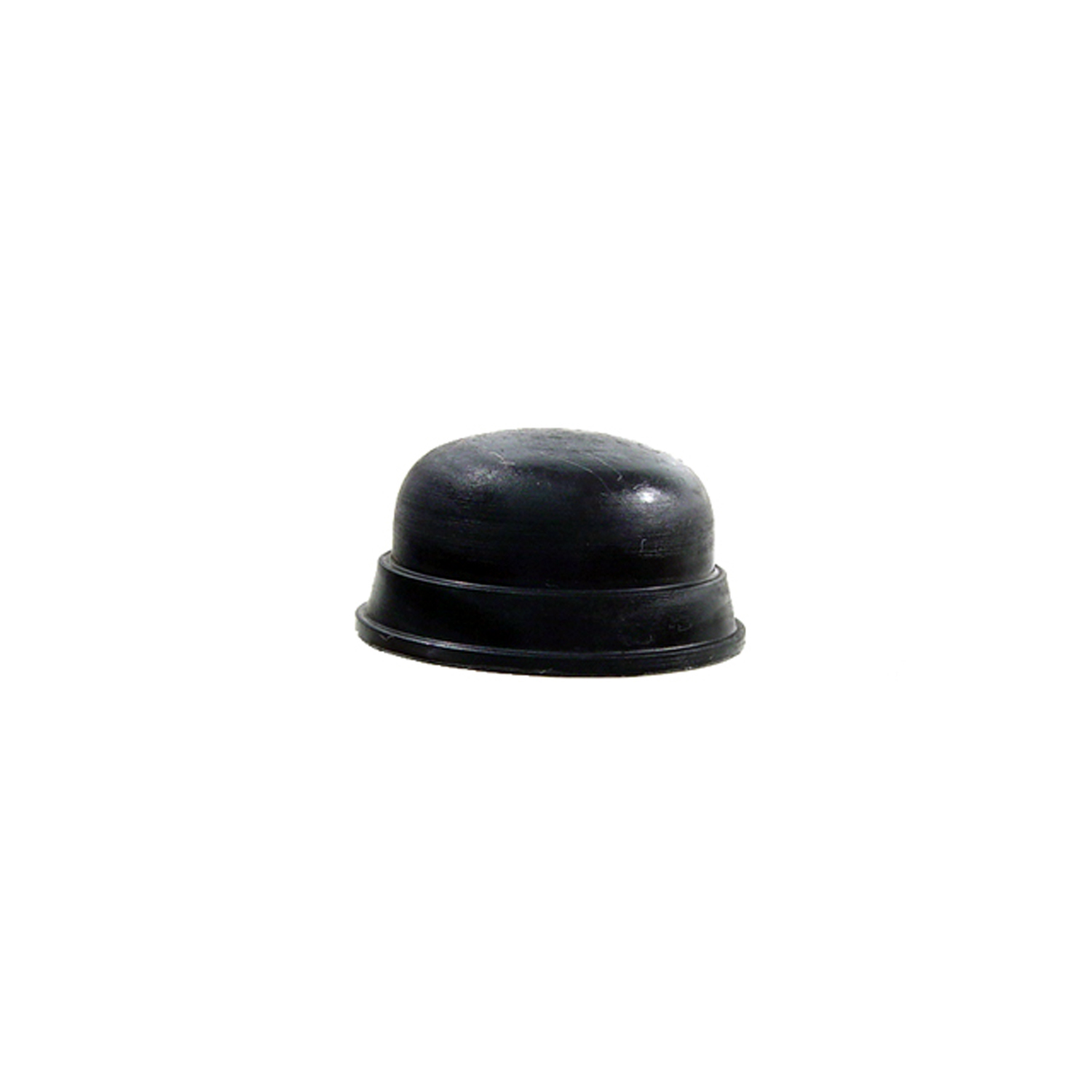 1958 Triumph TR3B Starter Solenoid Button Cover. Perfect reproduction. Each-RP 1Starter Solenoid Button Cover. Perfect reproduction. Each
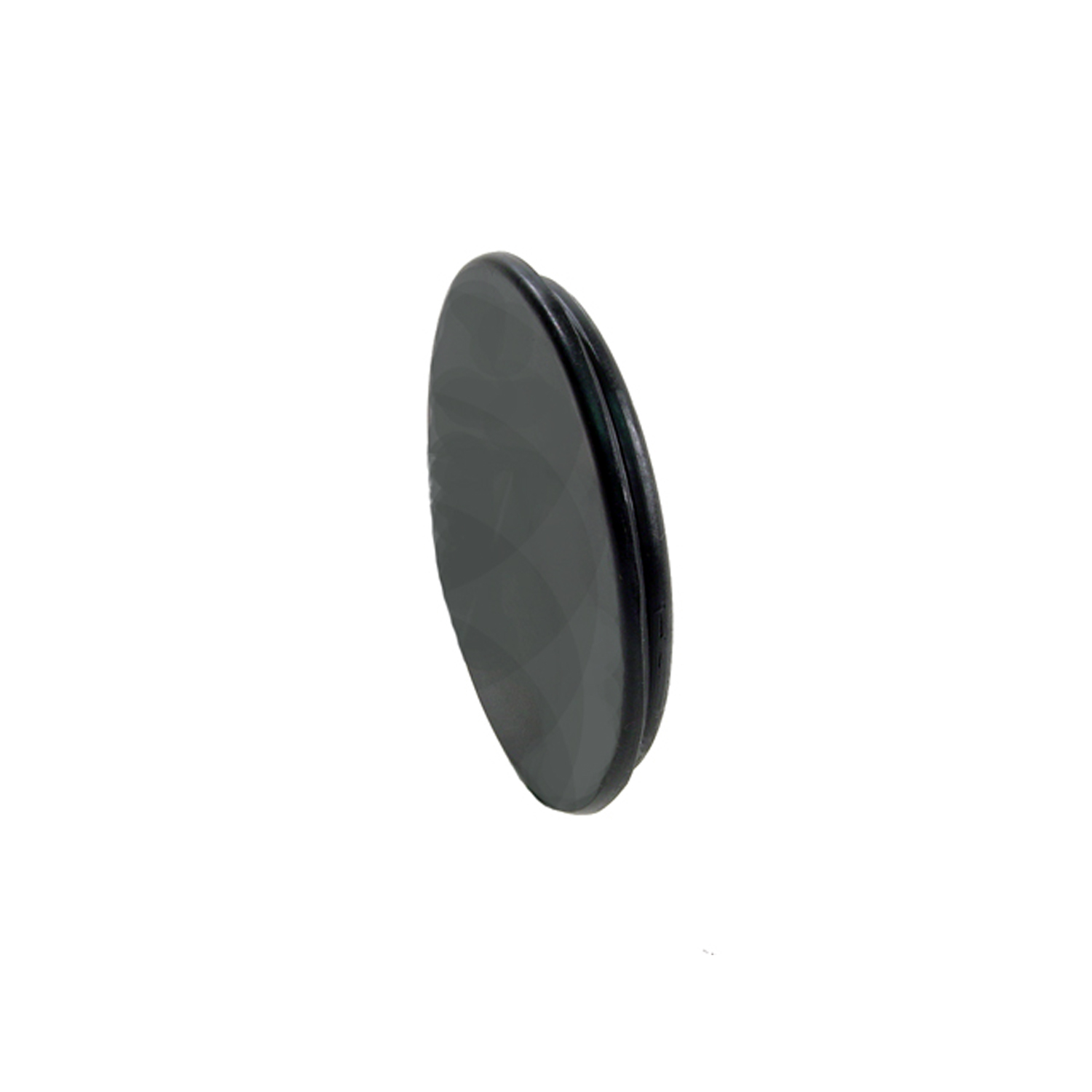 1958 Triumph TR3B Jack Socket Plug. Fits a 2-7/8" hole. Each-RP 91Jack Socket Plug. Fits a 2-7/8" hole. Each
Why Choose Metro?
For over 100 years, Metro Moulded Parts has been the pinnacle of quality in classic car restoration parts. Our commitment to precision and authenticity in every component ensures a perfect fit and an OEM-level appearance.
- Expert Craftsmanship & Quality: Each part is a testament to our dedication to reliability and perfection, crafted from original designs and thoroughly tested.
- Advanced Technology: We use cutting-edge techniques to create flawless, long-lasting parts that surpass others in performance.
- SuperSoft Sponge – The Ultimate Door Seal: Not only are our door seals 30% softer than competitors', but they're also guaranteed to never leak. They effectively reduce wind and road noise, enhancing your classic car's comfort and driving experience.
- Proudly American: Our parts are a product of American craftsmanship, made in the USA with a spirit of excellence and heritage.
- Unrivaled Warranty: We back our products with a 30-year industry-leading warranty, a testament to our confidence in their quality.
Join us in preserving the legacy of classic cars with parts that are crafted for perfection, not just made.