

Image of 1959 Triumph Tr3b, Note: These illustrations use artistic license and may differ from actual historical models.
Performance Metrics
Fundamental Metrics
Emotional Appeal
MMP Rating
| Engine Specifications | |
|---|---|
| Engine: | Inline 4 |
| Displacement: | 2138 cc |
| Horsepower: | 100 hp |
| Torque: | 117 lb-ft |
| Compression Ratio: | 9.0:1 |
| Ignition System: | Lucas electrical |
| Cooling System: | Water-cooled |
| Performance Specifications | |
| 0-60 Time: | 12 seconds |
| 1/4 Mile Time: | 17.5 seconds |
| Top Speed: | 105 mph |
| Transmission and Drive | |
| Drive Type: | Rear-wheel drive |
| Transmission Type: | 4-speed manual |
| Fuel and Efficiency | |
| Fuel System Type: | Twin SU carburetors |
| MPG: | 25-30 mpg |
| Dimensions and Brakes | |
| Brakes: | Front disc, rear drum |
| Wheelbase: | 88 inches |
| Weight: | 2,200 lbs |
Note: Specifications for classic cars are given to the best of our ability, considering the limited and variant data available.
1959 Triumph TR3B: The Last Classic TR Roadster
The Triumph TR3B is a sports car caught between two eras: it kept the rugged, open-air character of the TR3 while borrowing important mechanical updates from the incoming TR4. Although it is often advertised as a 1959 Triumph, the TR3B was built primarily in 1957 and 1958. Some cars were sold or first registered later, which explains the familiar 1959 label.
Produced by the Standard-Triumph Motor Company in Coventry, England, the TR3B was an export-minded stopgap. The more modern TR4 was ready to replace the TR3, but American buyers and dealers still wanted the familiar roadster. Triumph answered with a limited run that combined old-school styling with a more accommodating gearbox and, in later examples, a larger engine. That unusual in-between status is a big part of the TR3B’s appeal today.
TR3B Design: Familiar Lines, Useful Upgrades
From the outside, the TR3B is unmistakably a TR3. Its broad, low nose, recessed egg-crate grille, rounded front wings and cut-down doors give it the purposeful stance of a postwar British roadster. The upright windscreen and separate side screens make the car look delightfully elemental, especially with the roof folded down. Later TR4 styling brought a more sculpted body, but the TR3B’s simple shape has a charm all its own.
The cabin is compact and functional rather than luxurious. Drivers face a straightforward instrument panel with prominent round gauges, a large steering wheel and simple controls. Materials vary with age and restoration quality, but the original recipe was painted metal, durable trim and practical carpeting, not acres of polished wood or plush upholstery. A tight cockpit, low seating position and close-set pedals make the car feel like a sporting machine even at modest speeds.
There was just one body style: a two-seat open roadster. Buyers could add a detachable hardtop, tonneau cover, heater, overdrive and wire wheels, depending on specification and market. The wire wheels are among the most iconic choices, while overdrive is a particularly welcome extra for owners who plan to tour. Color availability varied, but popular Triumph shades included Signal Red, British Racing Green, black, white and blue. Today, bright red and traditional green are especially associated with the car.
Two TR3B Series, One Important Difference
TR3B production is generally divided into two groups identified by their commission-number prefixes. The earlier TSF cars retained the 1,991cc four-cylinder engine and a gearbox without synchromesh on first gear. The later TCF cars received the larger 2,138cc engine and a fully synchronized four-speed gearbox derived from the TR4 program. That gearbox makes everyday shifting more convenient, particularly in stop-and-go traffic.
Both versions retained the TR3’s separate chassis, front independent suspension and live rear axle. The TCF cars are often the most sought-after because they combine the larger engine with the more user-friendly transmission, though the earlier TSF cars have their own appeal as the more traditional specification.
Why the TR3B Matters in Triumph History
The TR3B was not a clean-sheet design, but it represents an important moment in Triumph’s evolution. It bridged the gap between the TR3 and TR4, preserving a proven body and chassis while introducing mechanical changes that helped prepare the company’s sports-car line for its next chapter. Its existence also says something about the American market: Triumph was willing to keep building a familiar car because overseas customers still wanted it.
The broader TR3 story helped establish the recipe that made Triumph a major name in affordable sports cars: a lively four-cylinder engine, rear-wheel drive, simple construction and a relatively accessible price. The TR3 was also among the earliest British series-production sports cars to offer front disc brakes as standard equipment, a meaningful safety and performance advance for its time. The TR3B carried that capability forward in a package that remained easy to understand and repair.
Compared with many contemporaries, the TR3B offered a direct, mechanical driving experience rather than refinement or isolation. Its combination of practical engineering, motorsport credibility and open-top fun became part of the template that later British roadsters would continue to follow.
Performance and Road Manners
The 1,991cc TSF engine produced roughly 95 horsepower, while the later 2,138cc TCF version was rated at about 100 horsepower in period terms. Exact figures can vary by market, tune and the way power was measured. A healthy TR3B can typically reach 0 to 60 mph in roughly 10 to 12 seconds, with a top speed in the neighborhood of 100 to 110 mph. Those are estimates, not guarantees: gearing, overdrive, engine condition, tires and the accuracy of the speedometer all make a difference.
On a winding road, the TR3B feels lively and communicative. The steering is unassisted, so it asks for more effort at parking speeds, but it gives the driver a clear sense of what the front tires are doing once underway. The independent front suspension helps it turn in with confidence, while the live rear axle and leaf springs can feel busy over broken pavement. Sharp bumps may unsettle the rear, and the short wheelbase rewards smooth inputs rather than abrupt ones.
The engine’s character is part of the pleasure. It produces a purposeful four-cylinder rumble that grows more urgent as the revs rise, while the exhaust note and wind noise become part of the soundtrack with the top down. The driving position is close to the road, the controls are hands-on, and the car communicates its movements directly. It feels engaging rather than effortless, which is exactly what many enthusiasts want from a classic roadster.
Living With a Triumph TR3B
Most TR3Bs today are weekend cars, touring companions, show vehicles or vintage-event participants rather than daily transportation. They are comfortable enough for spirited day trips, especially with a heater and overdrive, but weather protection is basic. The side screens are removable panels rather than modern roll-up windows, and the soft top takes more patience to raise than a contemporary convertible roof.
Mechanical access is generally good, and the car’s straightforward design makes routine work approachable for an owner with basic tools and workshop experience. Parts support for the TR range is strong, with many mechanical and trim components available through specialist suppliers. That does not make every repair inexpensive, however. Rust in the chassis, suspension mounting points and body structure can turn a seemingly simple restoration into a major project. A careful inspection by a Triumph specialist is money well spent before purchase.
Regular attention to cooling, lubrication, ignition and brakes helps keep a TR3B dependable. As with any decades-old car, reliability depends heavily on the quality of past repairs and the standard of its restoration. A well-maintained example can be a satisfying touring car; a neglected one may demand frequent sorting before it is ready for regular use.
TR3B Trivia and Common Complaints
The TR3B is unusual because it was never intended to be a long-running model. It was a practical bridge while Triumph transitioned to the TR4, and production was aimed heavily at export customers, especially in North America. There were no widely recognized special-edition body styles: the roadster itself, particularly with wire wheels and a factory-style hardtop, is the defining configuration.
Production totals are reported differently across references, but a commonly cited estimate is about 3,862 cars: approximately 1,058 TSF examples and 2,804 TCF examples. That makes the TR3B far less common than the TR3A, which was built in much larger numbers. Its relative rarity, combined with the later mechanical specification of the TCF cars, gives it a distinct place in the TR collector market.
The main criticisms are familiar to owners of many vintage British roadsters: limited weather protection, a firm ride on rough roads, a cramped cabin and an interior that feels basic by modern standards. The TR3B was not designed to pamper its driver. Its appeal lies in its directness, its simple mechanical character and the sense that the driver is participating in the journey rather than insulated from it.
Collector Values and Market Outlook
Prices vary substantially with condition, originality, documentation and the quality of any restoration. As a broad 2026 guide in the U.S. market, a project car may fall around $12,000 to $22,000, a usable driver often brings roughly $25,000 to $40,000, and a very good or excellent example may sell for about $45,000 to $70,000. Exceptional, highly original or concours-level cars can exceed that range, while rusty or incomplete cars may sell for less.
The TR3B is uncommon but not impossible to find. Examples appear through specialist dealers, auction houses and enthusiast networks, though buyers may need patience to locate the right specification and condition. TCF cars with the 2,138cc engine and fully synchronized gearbox can command a premium, but a sound, well-restored TSF remains a desirable classic in its own right.
Like many established British sports cars, the TR3B has generally held its enthusiast appeal, with the best cars tending to remain the most resilient in value. Values can move with the wider collector-car market, and restoration costs are high enough that condition matters more than speculation. Long-term, a well-documented example is likely to attract continued interest because it is both a usable roadster and a relatively rare link between two famous Triumph generations.
The TR3B’s Lasting Appeal
The Triumph TR3B combines the raw, upright character of the classic TR3 with useful upgrades that point toward the TR4. Its four-cylinder engine, front disc brakes, direct steering and open roadster layout make it a vivid example of the postwar British sports-car formula. It is not the quietest, smoothest or most weatherproof classic, but it offers something more memorable: an honest connection between car, road and driver.
For enthusiasts who want a Triumph with genuine historical character and enough mechanical simplicity to enjoy hands-on ownership, the TR3B is a compelling choice. It may have been a stopgap when new, but more than six decades later, it stands confidently on its own.
1959 Triumph Tr3b Catalog of Parts
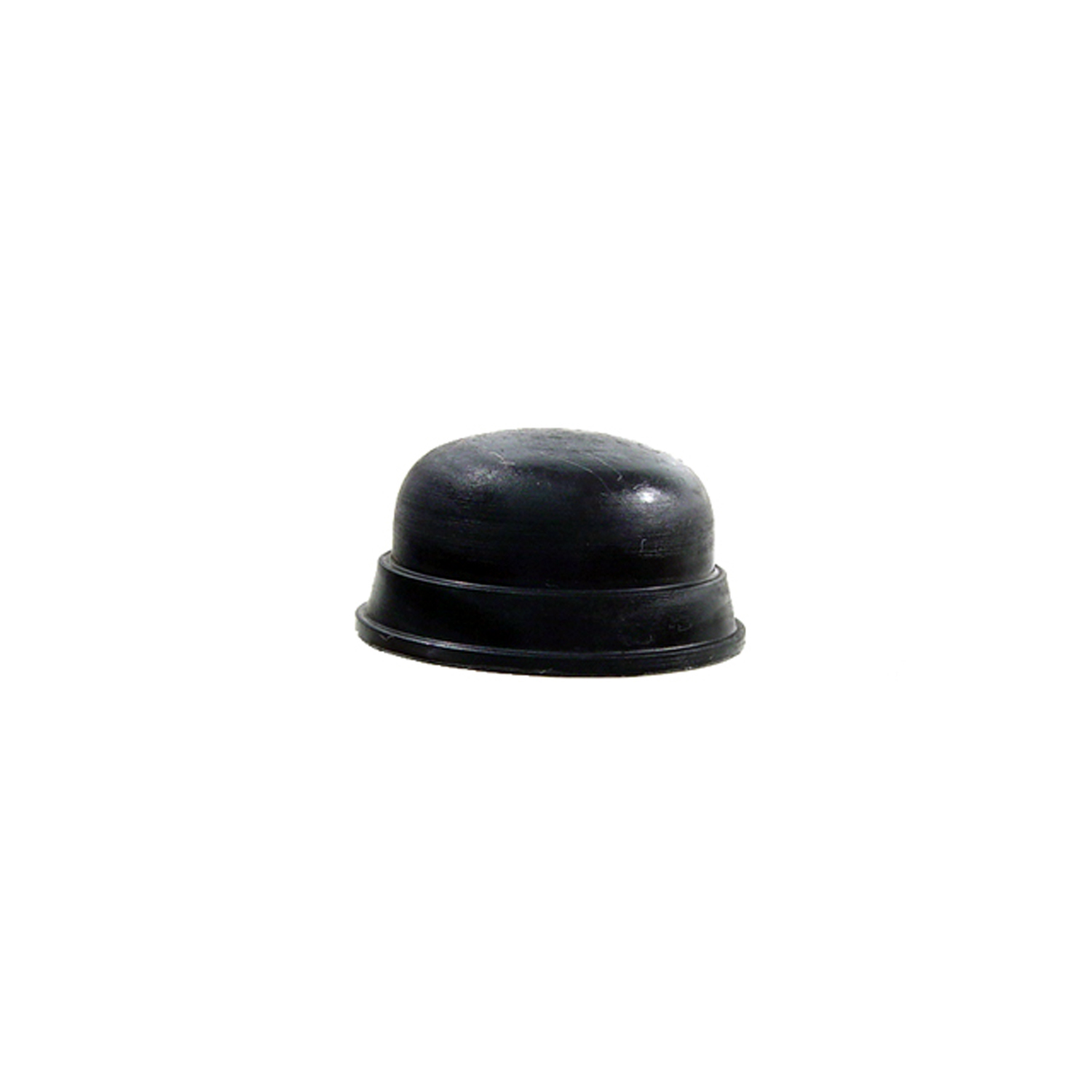 1959 Triumph TR3B Starter Solenoid Button Cover. Perfect reproduction. Each-RP 1Starter Solenoid Button Cover. Perfect reproduction. Each
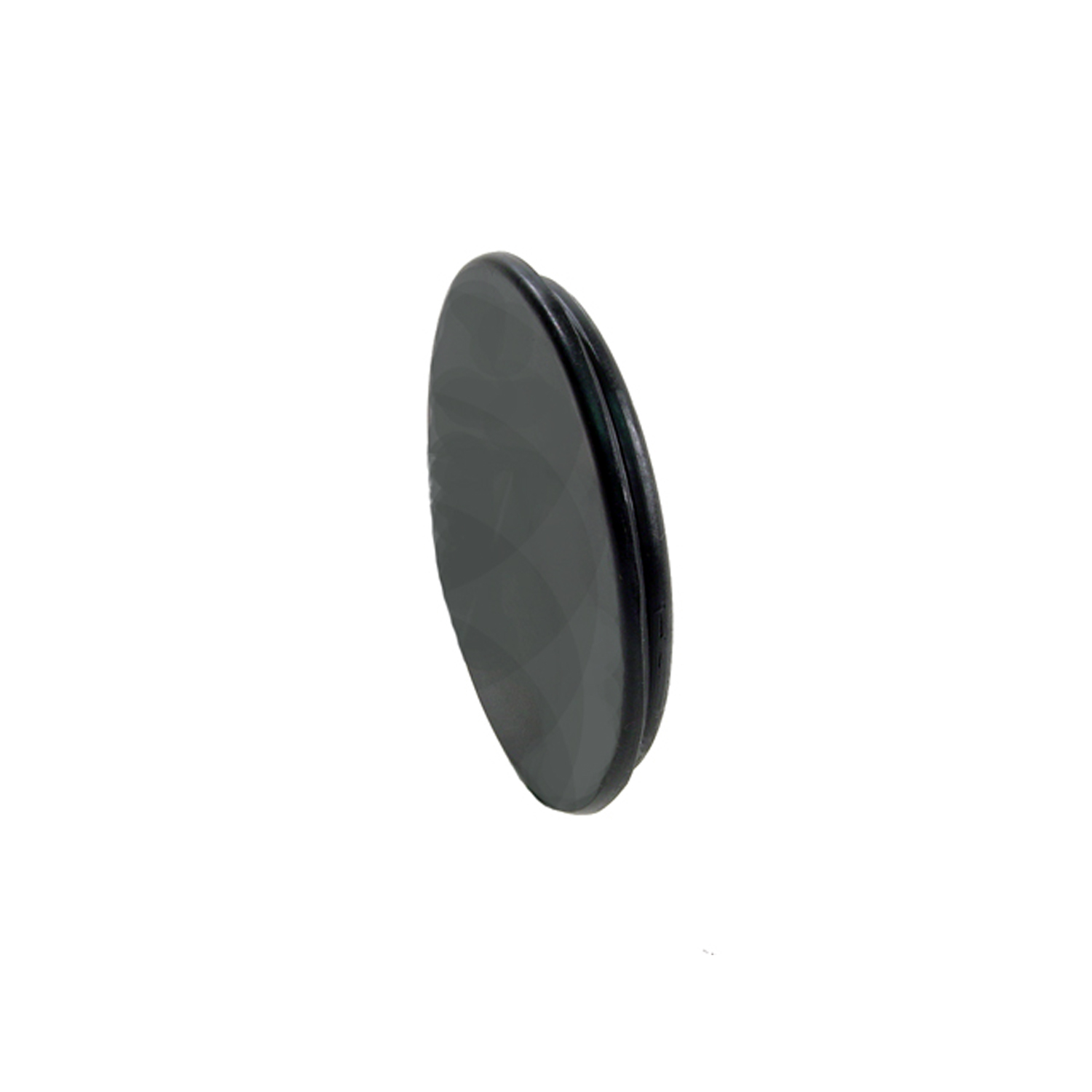 1959 Triumph TR3B Jack Socket Plug. Fits a 2-7/8" hole. Each-RP 91Jack Socket Plug. Fits a 2-7/8" hole. Each
Why Choose Metro?
For over 100 years, Metro Moulded Parts has been the pinnacle of quality in classic car restoration parts. Our commitment to precision and authenticity in every component ensures a perfect fit and an OEM-level appearance.
- Expert Craftsmanship & Quality: Each part is a testament to our dedication to reliability and perfection, crafted from original designs and thoroughly tested.
- Advanced Technology: We use cutting-edge techniques to create flawless, long-lasting parts that surpass others in performance.
- SuperSoft Sponge – The Ultimate Door Seal: Not only are our door seals 30% softer than competitors', but they're also guaranteed to never leak. They effectively reduce wind and road noise, enhancing your classic car's comfort and driving experience.
- Proudly American: Our parts are a product of American craftsmanship, made in the USA with a spirit of excellence and heritage.
- Unrivaled Warranty: We back our products with a 30-year industry-leading warranty, a testament to our confidence in their quality.
Join us in preserving the legacy of classic cars with parts that are crafted for perfection, not just made.