

Image of 1956 Volkswagen Beetle, Note: These illustrations use artistic license and may differ from actual historical models.
Performance Metrics
Fundamental Metrics
Emotional Appeal
MMP Rating
| Engine Specifications | |
|---|---|
| Engine Options: | Air-cooled, rear-mounted, flat four-cylinder |
| Displacement Range: | 1192 cc |
| Horsepower Range: | 36 hp at 3700 rpm |
| Torque: | 68 Nm at 2000 rpm |
| Compression Ratio: | 6.6:1 |
| Ignition System: | Distributor ignition system |
| Cooling System: | Air-cooled |
| Performance Specifications | |
| 0-60 Time: | 20 seconds |
| 1/4 Mile Time: | 23 seconds |
| Top Speed: | 68 mph |
| Transmission and Drive | |
| Drive Type: | Rear-wheel drive |
| Transmission Type: | 4-speed manual |
| Fuel and Efficiency | |
| Fuel System Type: | Carburetor |
| MPG: | 28-32 mpg |
| Dimensions and Brakes | |
| Brakes: | Drum brakes |
| Wheelbase: | 2400 mm |
| Weight: | 820 kg |
Note: Specifications for classic cars are given to the best of our ability, considering the limited and variant data available.
1956 Volkswagen Beetle: The Oval-Window Icon
The 1956 Volkswagen Beetle turned postwar practicality into a shape the world could recognize at a glance. Built by Volkswagen in West Germany, this compact, rear-engined car was designed to be economical to buy and run, straightforward to repair, and capable of carrying a small family on everyday journeys.
By 1956, the Beetle had moved well beyond its German roots. It was becoming a familiar sight in export markets, including the United States, where its modest size and thriftiness offered a sharp contrast to the large, chrome-heavy cars popular at the time. One detail makes the ’56 especially appealing to enthusiasts: it belongs to the oval-window era, with the distinctive curved rear glass that appeared in 1953 and was replaced by a larger rectangular window for 1958.
The Beetle’s story also reaches beyond any one model year. Production of the original Type 1 continued in various markets until 2003, with total output reaching about 21.5 million cars. That remarkable run helped make it one of the most recognizable and influential cars ever built.
Oval Glass and Simple, Clever Design
The 1956 Beetle’s exterior is defined by rounded, flowing forms. Its bulbous fenders sit over small wheels, while the sloping hood, domed roof, and rounded engine cover create a silhouette with almost no straight lines. Chrome bumpers and brightwork add a modest touch of polish without disguising the car’s practical purpose. The oval rear window is the signature detail: small by modern standards, but unmistakable from behind.
Inside, the cabin is compact and functional. A simple painted-metal dashboard, large steering wheel, clear gauges, and straightforward switches keep the controls easy to understand. Materials were durable rather than luxurious, with vinyl upholstery and rubber floor coverings common on standard models; trim and finishes varied by market and specification. The front seats are upright, and the rear bench is best suited to children or shorter trips for adults. Luggage space is split between the front trunk and the area behind the rear seat.
Volkswagen offered the Beetle in more than one trim level, with equipment and exterior details varying between markets. Factory colors also differed by country and production period. Buyers could find subdued shades such as black, blue, gray, or green, alongside brighter choices. The exact paint code is worth checking on any car presented as factory-original, since colors and specifications changed over time.
The best-known body style is the two-door sedan, and it is the version most people picture when they think of a 1950s Beetle. A Cabriolet was also available, built by coachbuilder Karmann. It kept the Beetle’s basic character but added a folding fabric roof and more hand-finished trim, making it rarer and generally more valuable today. The Beetle was also adapted into commercial and utility vehicles, though those were distinct derivatives rather than ordinary sedan options.
Engineering That Put Practicality First
Under the rear engine cover sits an air-cooled, horizontally opposed four-cylinder engine. For 1956, the standard 1,192 cc unit produced about 36 metric horsepower, or roughly 35 bhp, depending on how output is rated. It drove the rear wheels through a four-speed manual gearbox. The engine needed no radiator or water pump, reducing the number of components and routine systems an owner had to maintain.
The chassis used torsion-bar suspension, with independent suspension at all four wheels. Brakes were drum units, and the electrical system was 6-volt. The gearbox was not fully synchronized by modern standards, so selecting first gear while moving could require patience and good technique. These were not luxury-car innovations; they were practical solutions that helped keep the Beetle compact, mechanically straightforward, and economical to operate.
That engineering package set the Beetle apart from many contemporaries. Most family cars of the period used a front-mounted engine, liquid cooling, and conventional body proportions. Volkswagen instead put the engine behind the rear axle and designed the car around a compact, self-contained layout. Its success showed that an inexpensive small car could be more than a bare-bones curiosity: it could become a dependable mass-market vehicle with a distinct identity.
Performance and the 1956 Driving Experience
A healthy 1956 Beetle has a top speed of roughly 65 to 70 mph, with period and modern estimates varying according to condition, gearing, tires, and measurement method. Acceleration from 0 to 60 mph is leisurely, typically around 25 to 30 seconds. The car is happiest at moderate speeds, where its light weight and simple controls make it feel purposeful rather than strained.
On a winding road, the Beetle feels nimble and easy to place. Its compact dimensions are useful in town, and the suspension absorbs many ordinary bumps with a soft, springy motion. It does not have the grip, braking performance, or high-speed stability of a modern car, however. The rear-engine layout gives it useful traction on loose or slippery surfaces, but the swing-axle rear suspension can react sharply if the driver lifts off the throttle abruptly during a fast corner. Smooth inputs matter, especially on wet roads.
The experience is unmistakably mechanical. The air-cooled flat-four produces a distinctive chug and fan whir from behind the rear seat, while the thin bodywork lets plenty of engine and road sound into the cabin. The steering is direct but not especially light at low speeds, and the tall gear lever makes the driver part of every shift. There is no modern power assistance to isolate the driver from the car, which is part of its charm and part of its workload.
Owning and Maintaining a 1956 Beetle
Today, a 1956 Beetle might serve as a weekend cruiser, a show car, or a regularly driven classic. Some owners use them for local commuting, but modern traffic can be demanding: the car has modest acceleration, limited crash protection, and drum brakes that need more distance and attention than contemporary systems. It is wise to keep speeds conservative and leave plenty of space.
Mechanical simplicity remains one of the Beetle’s strongest ownership advantages. Routine work such as adjusting the valves, servicing the brakes, or replacing ignition components is approachable for a mechanically minded owner with basic tools and a repair manual. Parts support is extensive thanks to the Beetle’s huge production run, although correct oval-window body parts, original trim, and certain model-year-specific details can take more effort to source.
Condition matters more than a shiny paint job. Rust in the heater channels, floor pans, lower body, and structural areas can turn an apparently inexpensive car into a major restoration project. A careful inspection should also cover the engine’s oil leaks and compression, gearbox operation, suspension wear, brake condition, and evidence of accident repairs. The car’s reputation for reliability is well earned when it is maintained properly, but age and neglected repairs catch up with even the simplest machine.
Beetle Trivia, Records, and Criticisms
The oval-window Beetle is prized partly because it captures an early, highly recognizable phase of the Type 1’s evolution. Its rear glass is substantially smaller than the window fitted to later Beetles, and surviving cars with original panels, trim, and paint can be especially attractive to collectors. The Karmann Cabriolet is rarer than the sedan and commands a premium when authentic and well restored.
The Beetle’s most remarkable record is its total production. In 1972, the Type 1 surpassed the Ford Model T’s production total, and the original design eventually reached approximately 21.5 million examples worldwide. Beetles also became an enduring sight at cultural gatherings and in popular media, helping turn a practical economy car into a global symbol of individuality and counterculture.
There are fair criticisms, too. The cabin is noisy, luggage capacity is limited, and performance is slow by modern standards. The 6-volt electrical system can seem weak, visibility through the small rear window is restricted, and the car lacks modern safety equipment such as airbags and contemporary crash structures. These shortcomings are part of the experience, not problems that a vintage Beetle can fully outgrow.
1956 Volkswagen Beetle Values and Rarity
Exact production figures for a single model year can be difficult to compare because records may be grouped by calendar year, model year, plant, and body style. A reasonable broad estimate is that several hundred thousand Beetles were built worldwide around 1956, perhaps in the range of 300,000 to 400,000. That is an estimate, not a definitive count. The sedan remains findable in today’s classic-car market, while a sound, authentic 1956 Cabriolet is considerably harder to locate.
As a broad U.S. market guide, a running but tired sedan might sell for roughly $8,000 to $15,000. A solid driver-quality example could fall around $15,000 to $25,000, while a well-restored or exceptionally original sedan may bring about $25,000 to $40,000 or more. A top-quality Karmann Cabriolet can reach well beyond those figures, with outstanding examples potentially selling for $60,000 to $100,000 or higher. These are general estimates, not appraisals; originality, rust, restoration quality, documentation, and market location all affect the result.
Values have generally favored well-preserved, correctly restored oval-window cars, especially Cabriolets. Entry-level Beetles remain more accessible than many European classics, but the best examples have become increasingly collectible. A poorly documented restoration or hidden structural rust can erase much of that premium, so buyers should put condition and provenance ahead of cosmetics.
Why the 1956 Beetle Still Matters
The 1956 Volkswagen Beetle combines an instantly recognizable oval-window shape with simple, unconventional engineering and a driving experience that feels wonderfully direct. It was slow, noisy, and modestly equipped even when new, but its compact design, mechanical accessibility, and global success made it far more than an inexpensive runabout.
More than a charming old car, the ’56 Beetle is a rolling piece of automotive history: a small machine that proved a practical idea could travel around the world and leave a lasting mark on car culture.
1956 Volkswagen Beetle Catalog of Parts
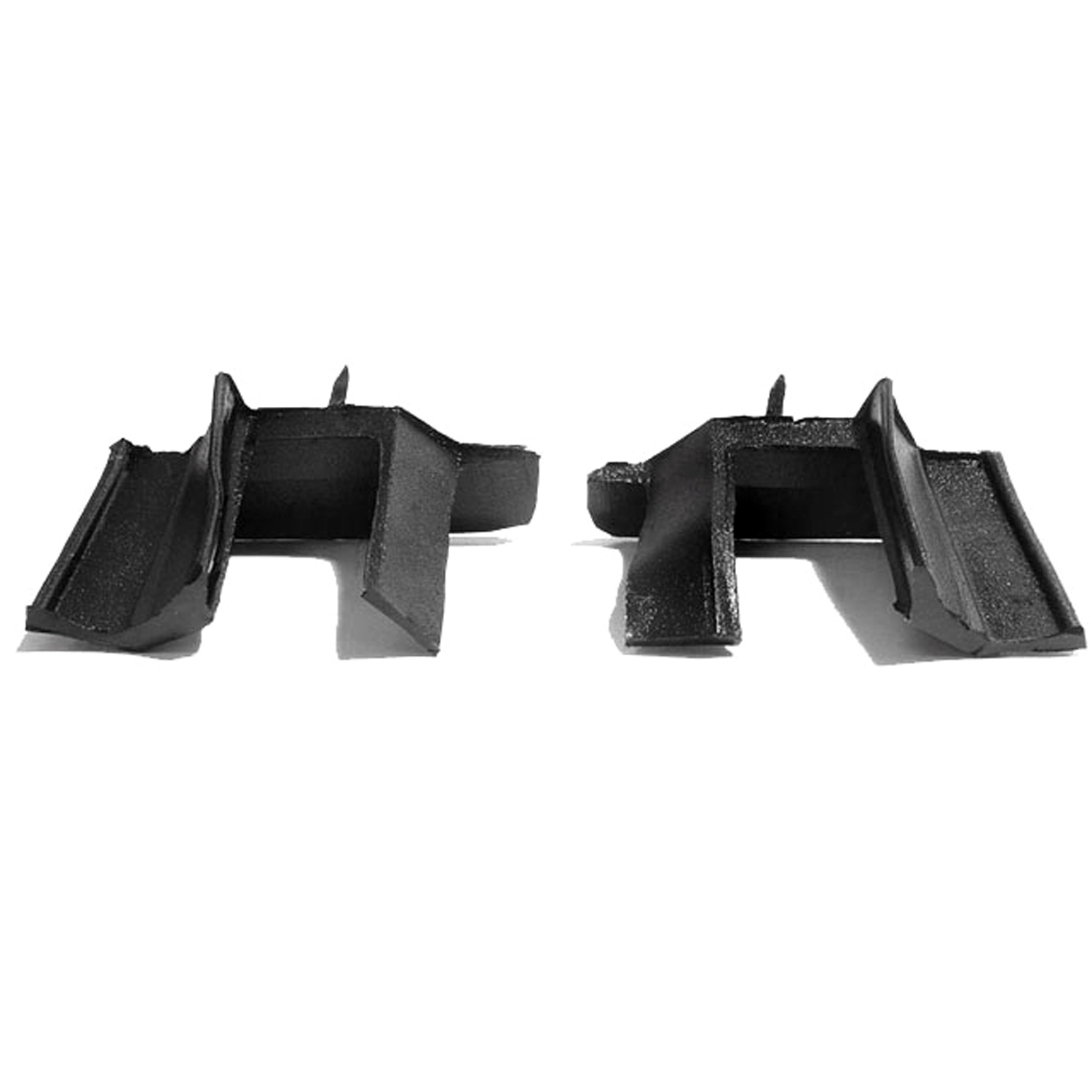 1956 Volkswagen Beetle Front Quarter Wedge Weatherseal for Convertibles-ALP 10Front Quarter Wedge Weatherseal for Convertibles. Used at back of roll-up quarter window. Pair R&L
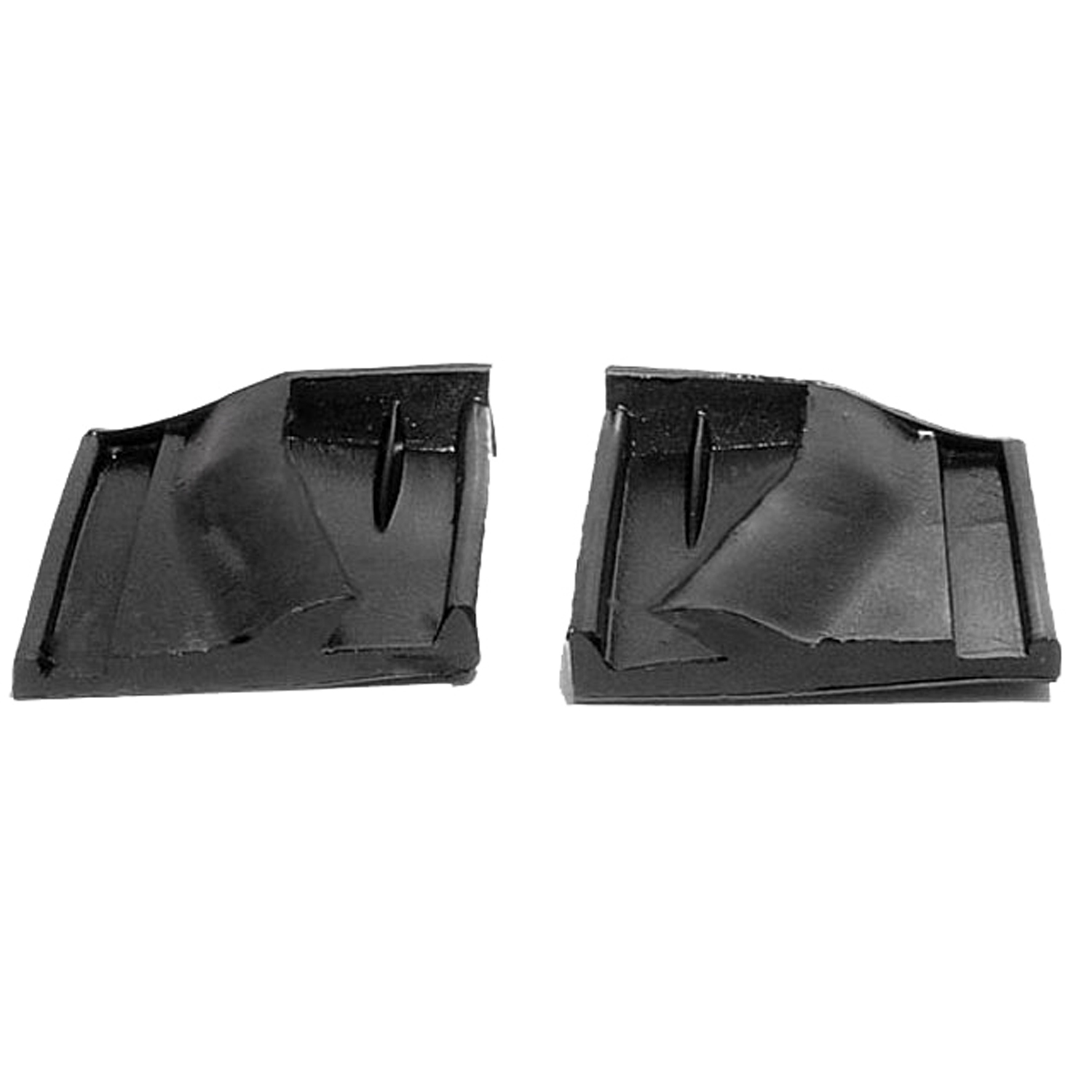 1956 Volkswagen Beetle Rear Door Wedge Weatherseal for convertibles-ALP 10-ARear Door Wedge Weatherseal for convertibles. Used behind back of roll-up quarter window. Pair R&L
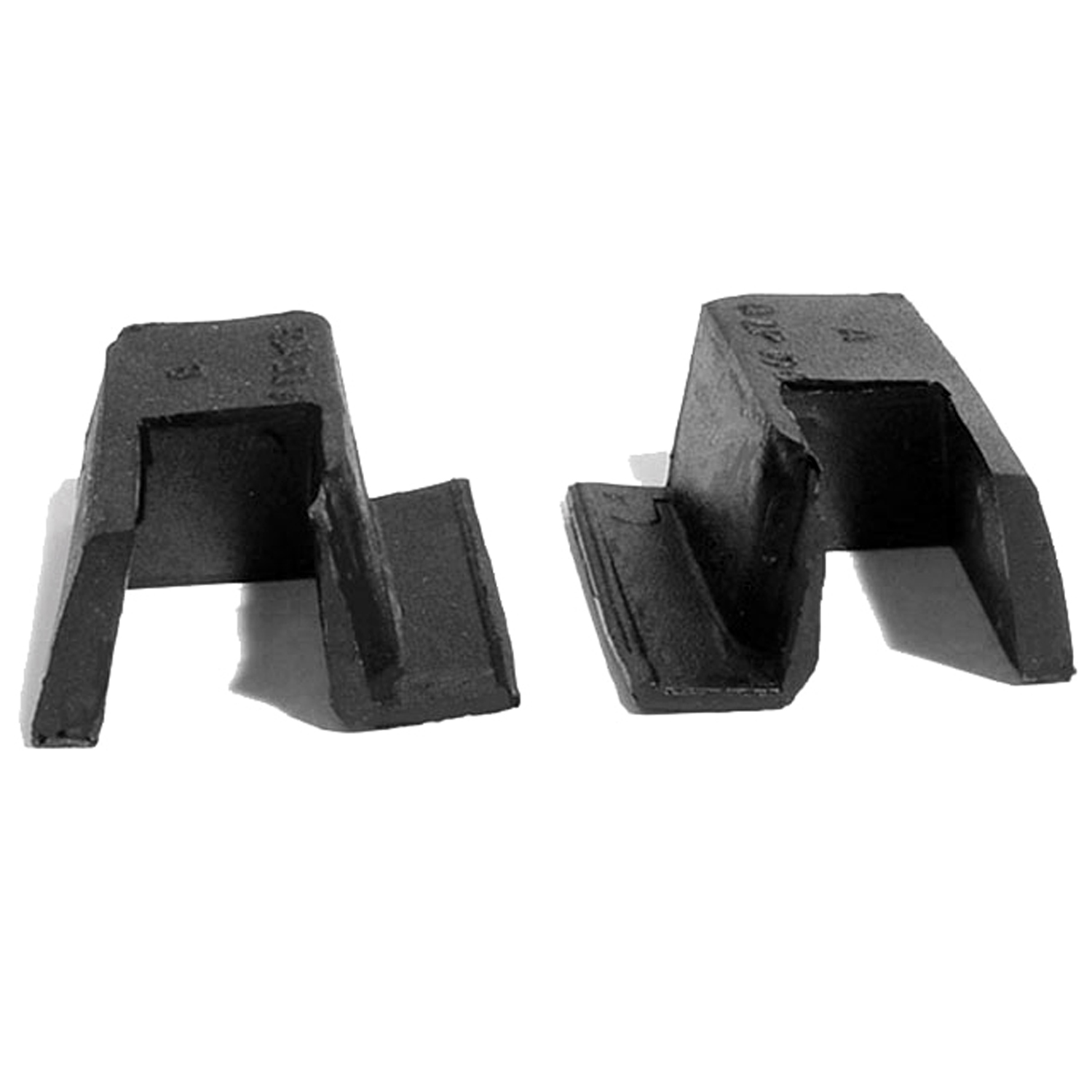 1956 Volkswagen Beetle Rear Quarter Wedge Weatherseal for Convertibles-ALP 10-BRear Quarter Wedge Weatherseal for Convertibles. Used at front of roll-up quarter window. Pair R&L
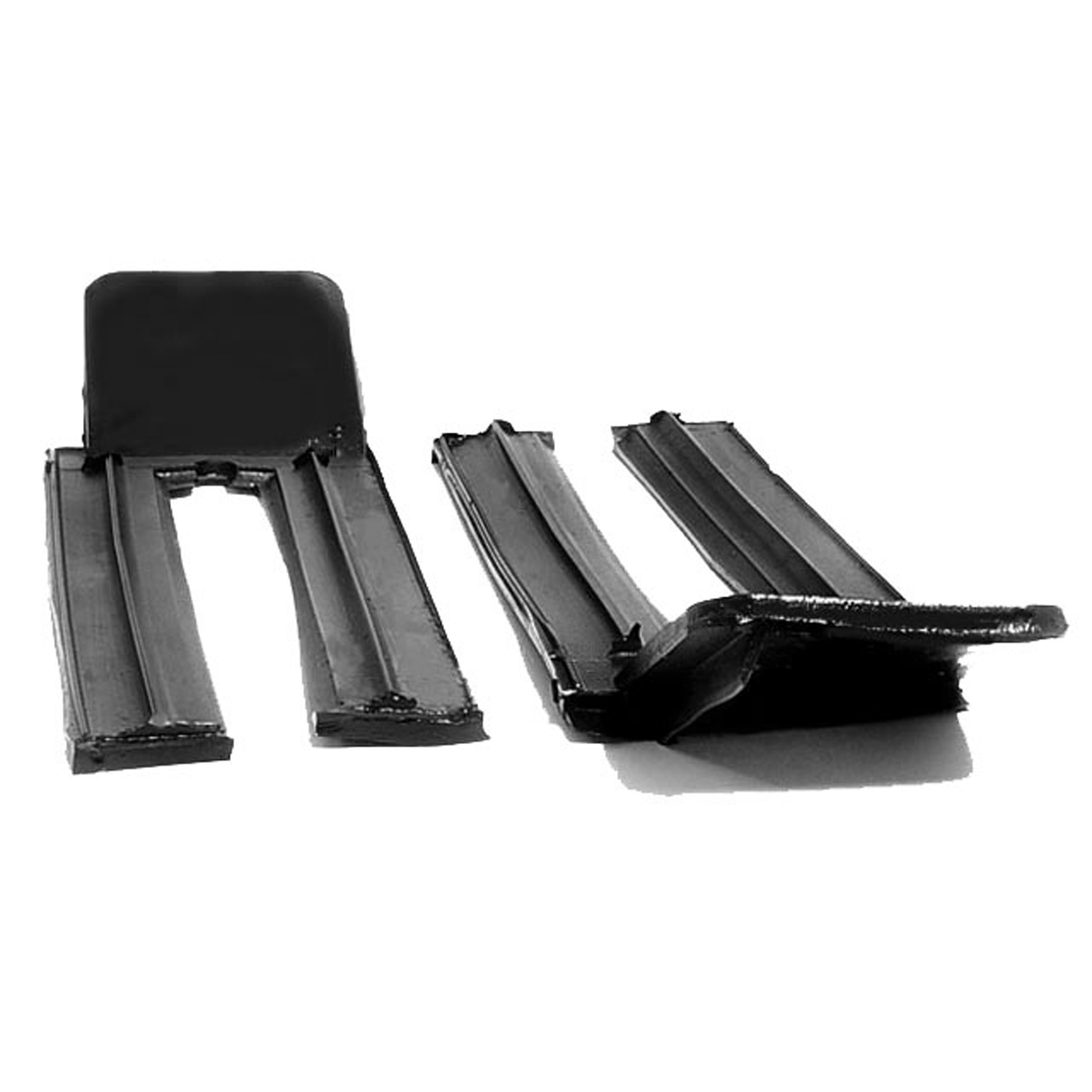 1956 Volkswagen Beetle Front Door Wedge Weatherseal for Convertibles-ALP 10-CFront Door Wedge Weatherseal for Convertibles. Used at front of vent window assembly to door. Pair R&L
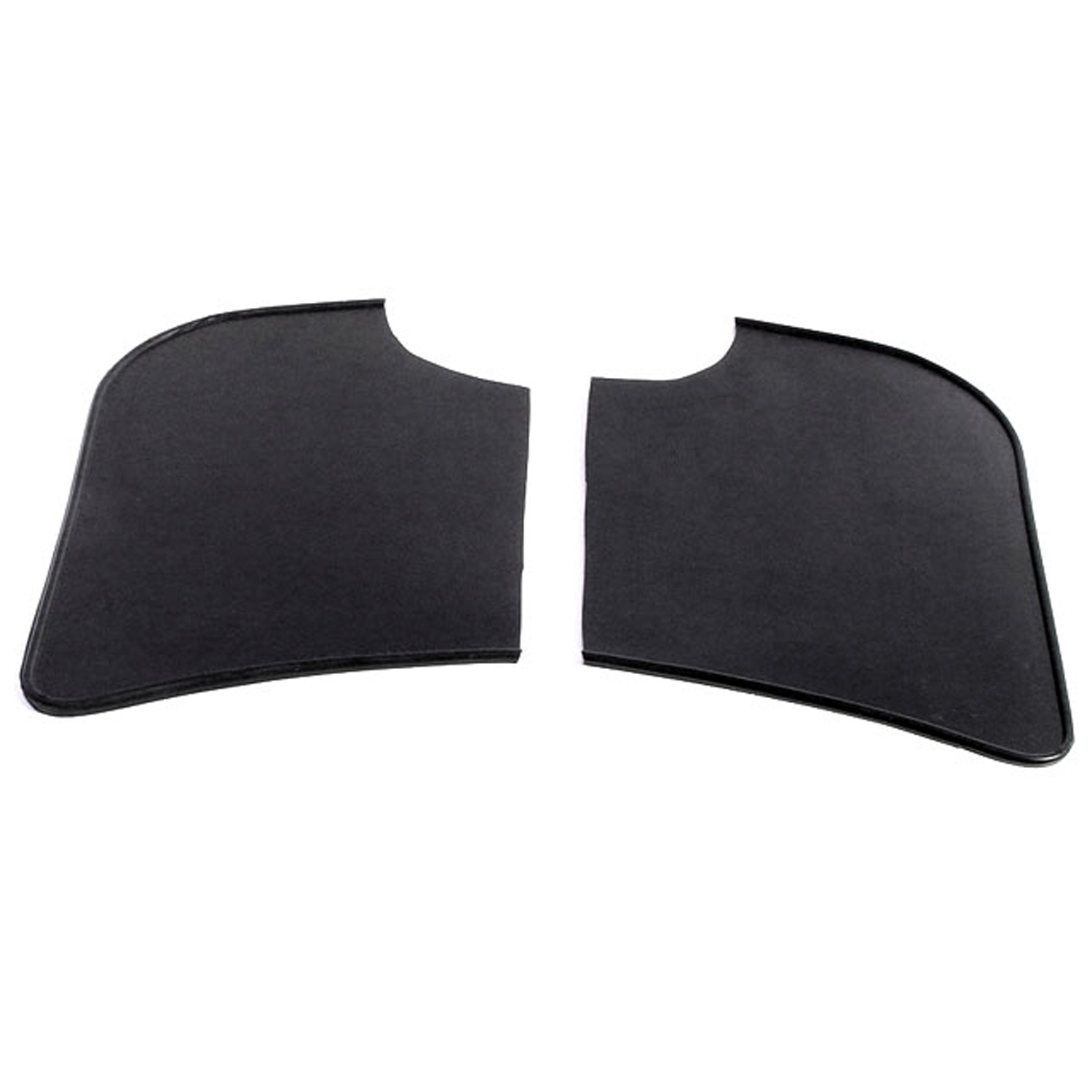 1956 Volkswagen Beetle Gravel Shields. Molded flat without metal backing plates-FS 40Gravel Shields. Molded flat without metal backing plates. Apply with contact cement. 7-5/8" long X 5-5/8" wide at top. Pair
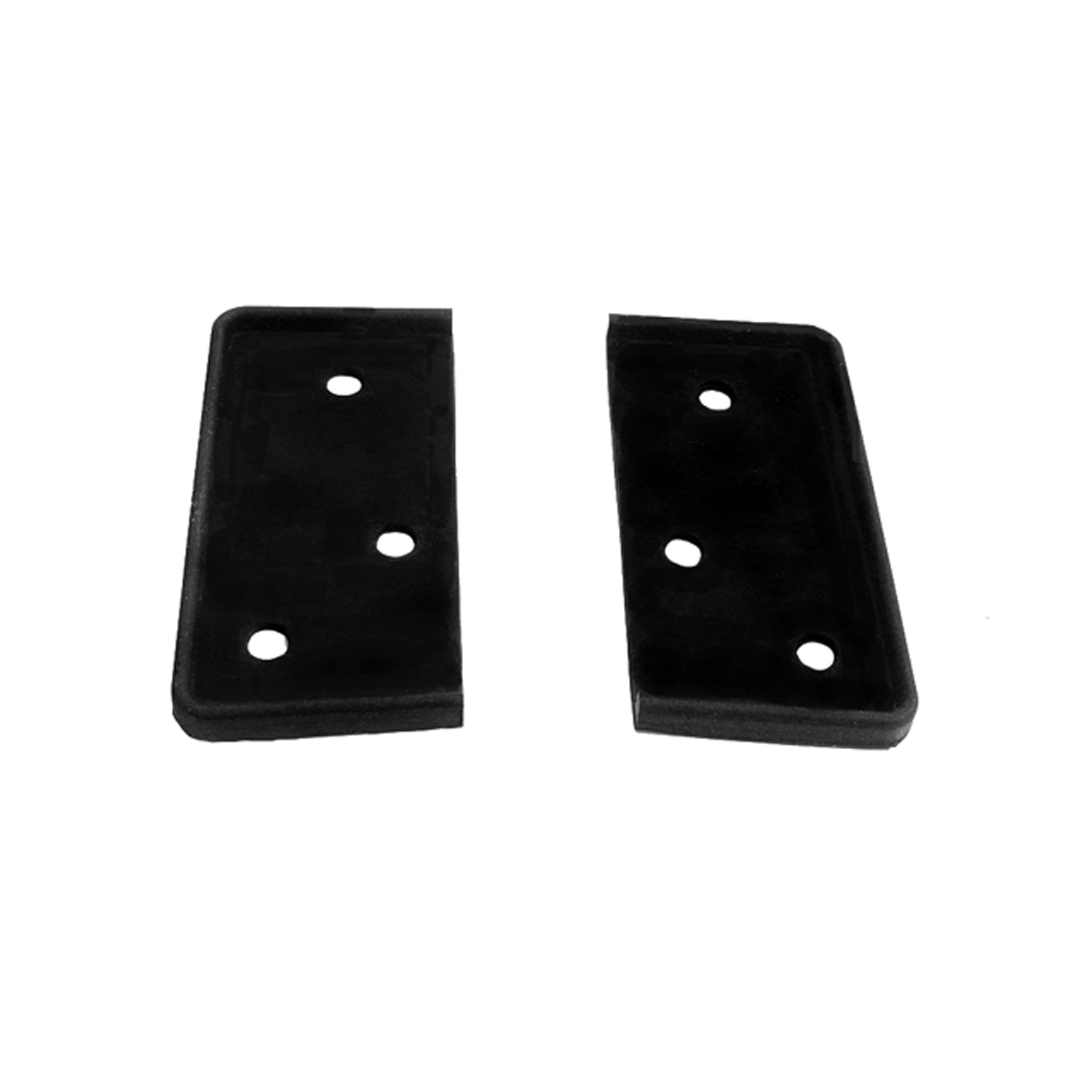 1956 Volkswagen Beetle Outside Quarter Window Seal (facing base)-MP 1501Outside Quarter Window Seal (facing base). 2-1/2" wide X 1-1/4" long. Pair R&L
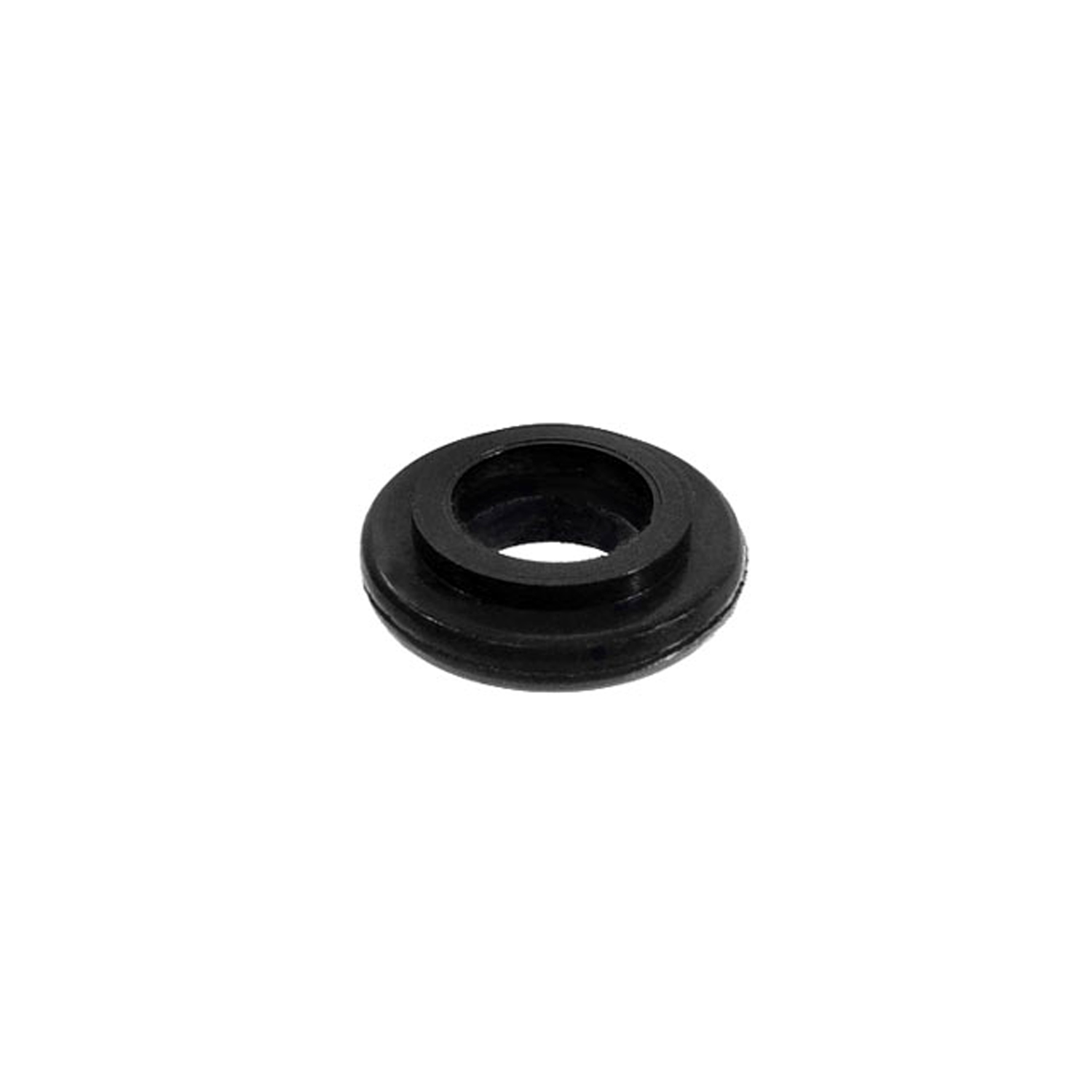 1956 Volkswagen Beetle Oil Cooler Seal. 7/16" I.D., 7/8" O.D. Each-RP 8-BOil Cooler Seal. 7/16" I.D., 7/8" O.D. Each
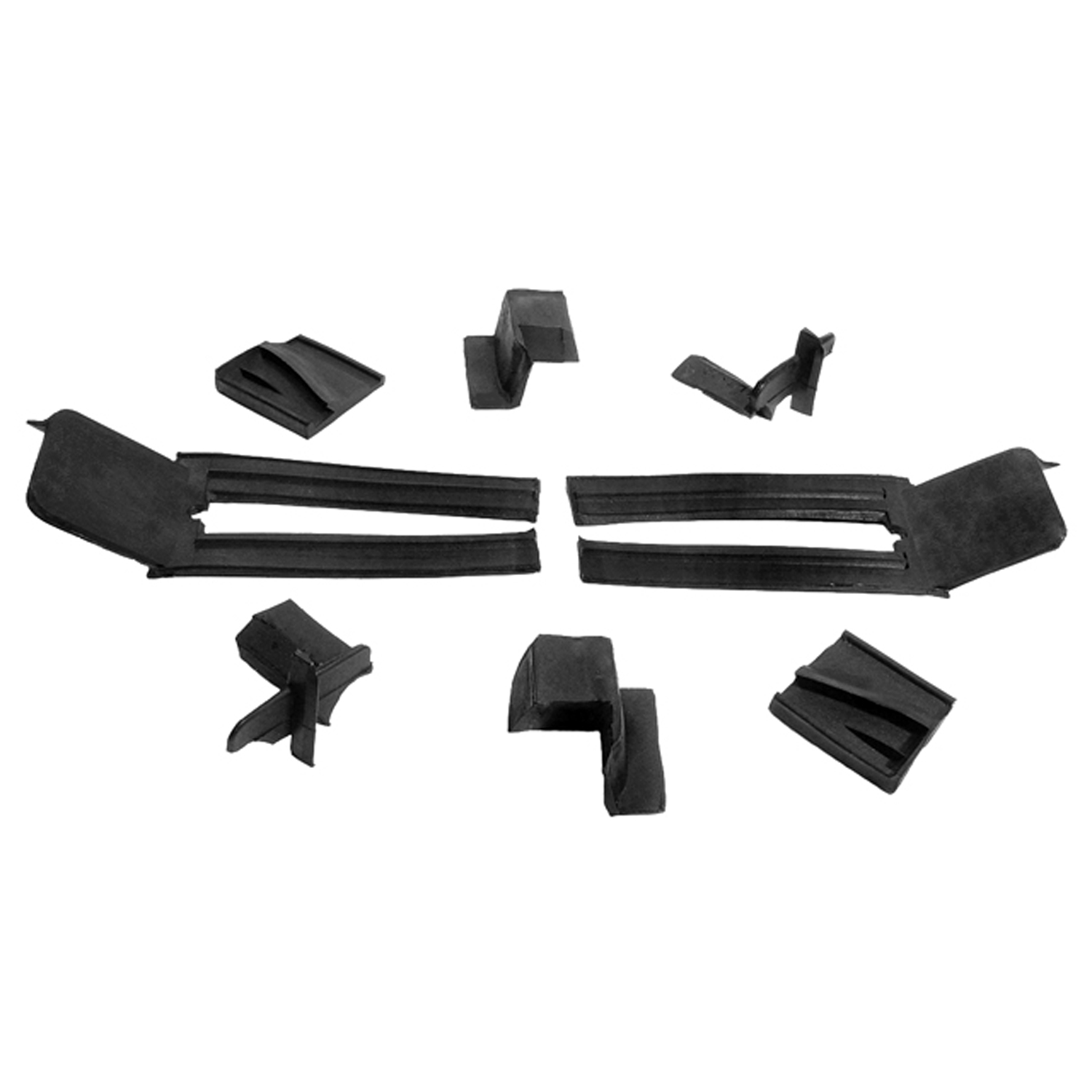 1956 Volkswagen Beetle Auxillary Window Seal Kit for Convertibles (ALP 10, ALP 10-A-WK 400Auxillary Window Seal Kit for Convertibles (ALP 10, ALP 10-A, ALP 10-B, ALP 10-C) 8-Piece Kit
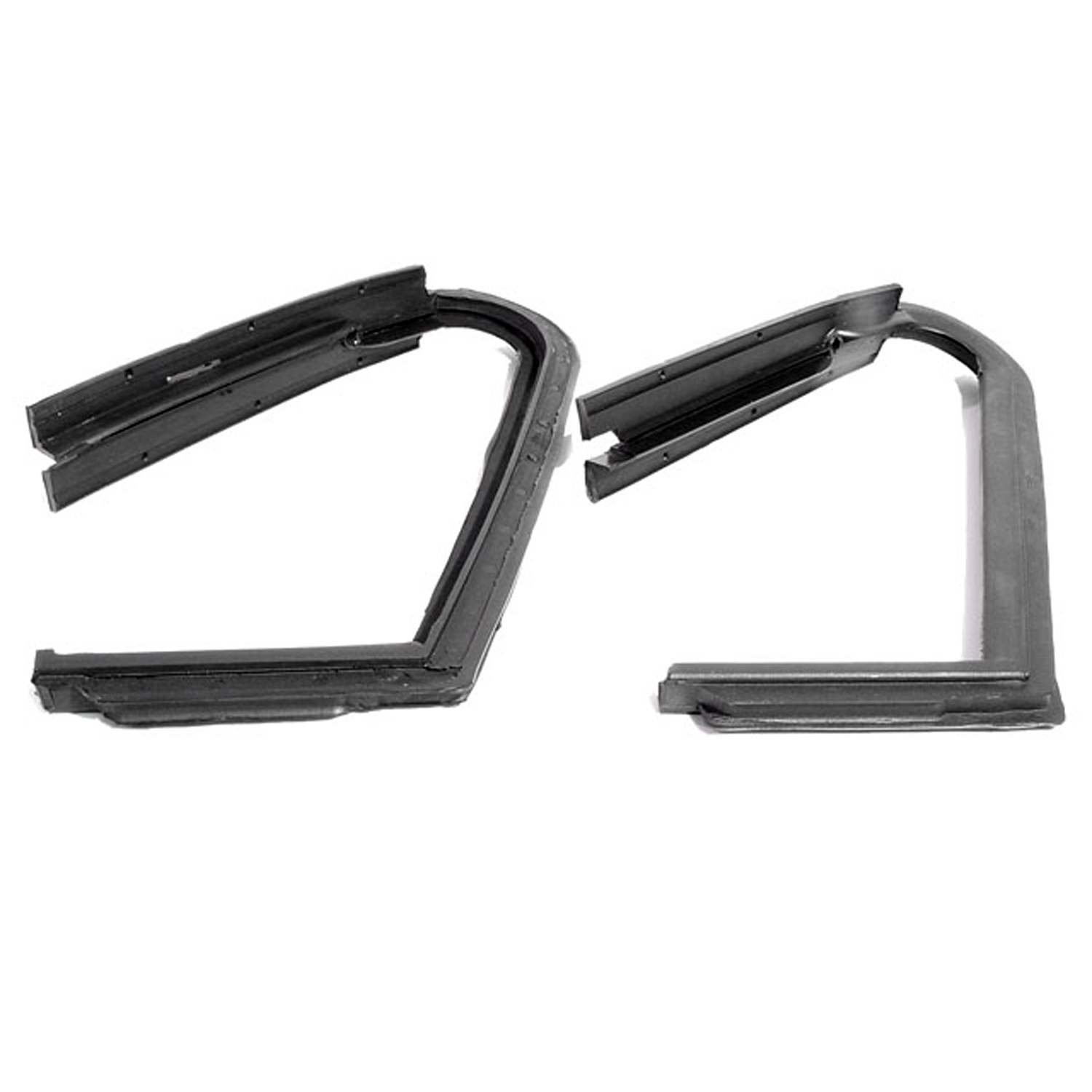 1956 Volkswagen Beetle Front Vent Window Seals, for Convertibles-WR 9800Front Vent Window Seals, for Convertibles. Molded in proper shape. Pair
Why Choose Metro?
For over 100 years, Metro Moulded Parts has been the pinnacle of quality in classic car restoration parts. Our commitment to precision and authenticity in every component ensures a perfect fit and an OEM-level appearance.
- Expert Craftsmanship & Quality: Each part is a testament to our dedication to reliability and perfection, crafted from original designs and thoroughly tested.
- Advanced Technology: We use cutting-edge techniques to create flawless, long-lasting parts that surpass others in performance.
- SuperSoft Sponge – The Ultimate Door Seal: Not only are our door seals 30% softer than competitors', but they're also guaranteed to never leak. They effectively reduce wind and road noise, enhancing your classic car's comfort and driving experience.
- Proudly American: Our parts are a product of American craftsmanship, made in the USA with a spirit of excellence and heritage.
- Unrivaled Warranty: We back our products with a 30-year industry-leading warranty, a testament to our confidence in their quality.
Join us in preserving the legacy of classic cars with parts that are crafted for perfection, not just made.