

Image of 1956 Volkswagen Karmann Ghia, Note: These illustrations use artistic license and may differ from actual historical models.
Performance Metrics
Fundamental Metrics
Emotional Appeal
MMP Rating
| Engine Specifications | |
|---|---|
| Engine: | 1.2L H4 |
| Displacement: | 1192cc |
| Horsepower: | 30-36 HP |
| Torque: | 60-65 lb-ft |
| Compression Ratio: | 6.6:1 |
| Ignition System: | Distributor ignition system |
| Cooling System: | Air-cooled |
| Performance Specifications | |
| 0-60 Time: | Estimated 30 seconds |
| 1/4 Mile Time: | Not available |
| Top Speed: | 72 mph |
| Transmission and Drive | |
| Drive Type: | RWD (Rear Wheel Drive) |
| Transmission Type: | 4-speed manual |
| Fuel and Efficiency | |
| Fuel System Type: | Carburetor |
| MPG: | 32 MPG |
| Dimensions and Brakes | |
| Brakes: | Drum brakes |
| Wheelbase: | 94.5 inches |
| Weight: | 1830 lbs |
Note: Specifications for classic cars are given to the best of our ability, considering the limited and variant data available.
1956 Volkswagen Karmann Ghia: Italian Style, German Engineering
The 1956 Volkswagen Karmann Ghia made a modest Beetle platform look ready for an Italian boulevard. Its low, sculpted body came from the design house Carrozzeria Ghia, while German coachbuilder Wilhelm Karmann handled production and Volkswagen supplied the mechanicals. The result was a stylish, hand-finished coupe that offered something unusual for its time: eye-catching sports-car looks without sports-car performance.
The Type 14 Karmann Ghia entered production in 1955 and reached buyers as a 1956 model. One intriguing detail lies in how it was made: unlike the mass-produced Beetle’s heavily stamped body panels, the Ghia’s complex curves required extensive hand finishing. That labor helped give the car its smooth shape, but also made it considerably more expensive than its humble Volkswagen underpinnings might suggest.
Italian Curves, Volkswagen Foundations
The Karmann Ghia’s design is all flowing lines and restrained ornament. A long, rounded nose slopes into a gently arched hood, while the wide front fenders blend into a compact cabin and rounded rear haunches. Its low grille, prominent headlamps, delicate bumpers and carefully shaped body sides create a graceful profile without relying on flashy trim. The proportions feel sporty, even though the car was built for relaxed road use rather than competition.
Inside, the 1956 Ghia was simple and practical. The cabin had a painted-metal dashboard, a large steering wheel, basic gauges and straightforward controls. Upholstery was generally vinyl, with carpeting and trim varying by market and specification. The front seats were comfortable enough for ordinary touring, while the small rear bench was best suited to children, extra luggage or short trips. It was more carefully finished than a basic Beetle, but not a luxury car.
Underneath, the car used familiar Volkswagen engineering: a rear-mounted, air-cooled flat-four engine, a four-speed manual gearbox, torsion-bar suspension and drum brakes. The 1956 model was generally equipped with a 1,192 cc engine rated at about 36 horsepower, along with a six-volt electrical system. Those features were not cutting-edge, but their simplicity made the car approachable to owners and mechanics.
Factory colors varied by market and order. Period Karmann Ghias could be found in shades such as ivory, red, blue, green and black, with paint choices changing over the model’s run. Light colors emphasize the car’s sculpted bodywork, while red and dark shades give the compact coupe a more dramatic appearance. As with any early classic, confirm a specific car’s original color through its records and factory identification details rather than relying on a modern paint chart.
The 1956 model was a two-door coupe. A convertible joined the Type 14 range in 1957, so an open-top car advertised as a 1956 Karmann Ghia deserves careful verification. The coupe remains the classic early Ghia silhouette: clean, compact and unmistakably Italian in character.
Why the Karmann Ghia Mattered
The Karmann Ghia brought coachbuilt styling to a car based on affordable, proven Volkswagen components. That combination set it apart from many contemporaries. It was not a hand-built exotic, but its body demanded more craftsmanship than a typical mass-market compact. Buyers paid a premium for the design while receiving the durability and mechanical familiarity associated with the Beetle.
Its importance is less about introducing a new engine or suspension system and more about showing how design could transform a modest platform. The Ghia helped establish a lasting formula: pair dependable, widely supported mechanicals with a distinctive body and a more special-feeling cabin. That approach influenced generations of stylish specialty cars. Today, the Karmann Ghia is still a vivid example of how good proportions and skilled coachbuilding can give an everyday mechanical package an enduring identity.
1956 Karmann Ghia Performance and Handling
Period performance figures vary with test conditions, but a healthy 36-horsepower 1956 Karmann Ghia typically needed roughly 28 to 30 seconds to reach 60 mph. Top speed was around 70 to 75 mph. Those numbers make clear that the car was a cruiser, not a quick sports coupe. Its low body and sleek appearance promised more speed than the engine could deliver.
On the road, the Ghia feels light and direct at moderate speeds. The steering is unassisted, so it is easy to understand what the front tires are doing, and the four-speed gearbox rewards deliberate shifts. Its air-cooled flat-four produces a familiar, gentle putter from the rear, growing louder as the engine works harder on hills or at highway speed. Acceleration is gradual, so drivers learn to plan overtakes and leave plenty of room.
The suspension is generally comfortable on ordinary pavement, though short, sharp bumps can make the lightweight body hop or rattle. On winding roads, the car is enjoyable when driven smoothly, but it should not be mistaken for a modern performance car. The rear-engine layout and swing-axle rear suspension can behave abruptly near the handling limit, especially if the driver lifts off the throttle in a corner. Narrow period-style tires, modest drum brakes and a tall driving position reinforce the need for a measured pace.
Living With a Classic Ghia
A 1956 Karmann Ghia can be used for weekend drives, vintage-car gatherings and relaxed local touring. Some owners drive their cars regularly, but using one as a modern daily driver takes patience. Traffic moves faster than it did in the 1950s, braking distances are longer than in a contemporary car, and the six-volt electrical system and limited cabin ventilation can feel dated. It is at its best on scenic roads, where its charm matters more than its pace.
The engine and basic mechanical systems are relatively straightforward for a classic-car specialist or an experienced home mechanic. Parts support for Volkswagen components is generally strong, and many routine jobs are uncomplicated. The body is a different story. Rust can hide in the floorpan, heater channels, wheel arches, lower doors, nose and other body seams. Because replacement panels and skilled bodywork can be costly, a solid, well-repaired shell is often a better buy than an inexpensive car with serious corrosion.
Buyers should also inspect the brakes, steering, suspension, electrical system and engine for age-related wear. A Ghia may share much of its mechanical DNA with a Beetle, but its body repairs are not as simple or inexpensive. A pre-purchase inspection by someone familiar with early Karmann Ghias can prevent an attractive project from becoming a costly restoration.
Ghia Facts, Myths and Common Criticisms
The Karmann Ghia was a collaboration rather than a single-designer creation: Ghia shaped the design, Karmann built the body and Volkswagen provided the platform and mechanical package. That division of work is central to the car’s appeal. Its sleek exterior came from specialized coachbuilding, while its running gear remained familiar to Volkswagen owners.
The Type 14 became a substantial success over its long production life. Roughly 445,000 Type 14 coupes and convertibles were built between 1955 and 1974, though production totals can vary slightly by source and counting method. That figure covers the broader model run, not just the 1956 model year. The early cars are now especially admired for their clean detailing and pre-1957 coupe-only configuration.
There is no need to treat the 1956 Ghia as a racing record-holder or a landmark speed car. Its claim to fame is style, craftsmanship and the scale of its success as a specialty Volkswagen. Common criticisms are straightforward: it is slow, its brakes are modest, the rear suspension calls for respect, and rust repair can be expensive. Some buyers also find the cabin cramped by modern standards. Those drawbacks are part of the honest ownership picture, not reasons to overlook what the car does well.
1956 Karmann Ghia Collector Values
Values depend heavily on body condition, originality, restoration quality and documentation. As a broad 2026 U.S. market estimate, a project car may fall around $5,000 to $12,000, while a usable driver might bring approximately $15,000 to $30,000. A well-restored, attractive example can reach roughly $30,000 to $50,000, with exceptional cars sometimes selling for more. These are general ranges, not a substitute for checking recent sales of comparable early cars.
Early 1956 coupes are collectible, but they are not so scarce that one is impossible to find. Their condition is the bigger issue: solid original metal and correct early details are increasingly valued, while poor-quality restorations and hidden rust can sharply reduce a car’s appeal. Prices have generally strengthened over the long term as classic-car enthusiasts have embraced the Ghia’s design, although the market can fluctuate and top-tier restoration costs do not always translate into an equal increase in resale value.
A Small Volkswagen With Lasting Presence
The 1956 Volkswagen Karmann Ghia combined Beetle-based reliability with coachbuilt Italian-inspired styling, creating a car that felt special without pretending to be a high-performance machine. Its careful bodywork, approachable mechanicals and distinctive road manners have kept it in demand decades after production ended.
It may not win a race against modern traffic, but the Karmann Ghia never needed speed to make an impression. Its lasting achievement is more graceful: it turned practical Volkswagen engineering into one of the most memorable shapes of the 1950s.
1956 Volkswagen Karmann Ghia Catalog of Parts
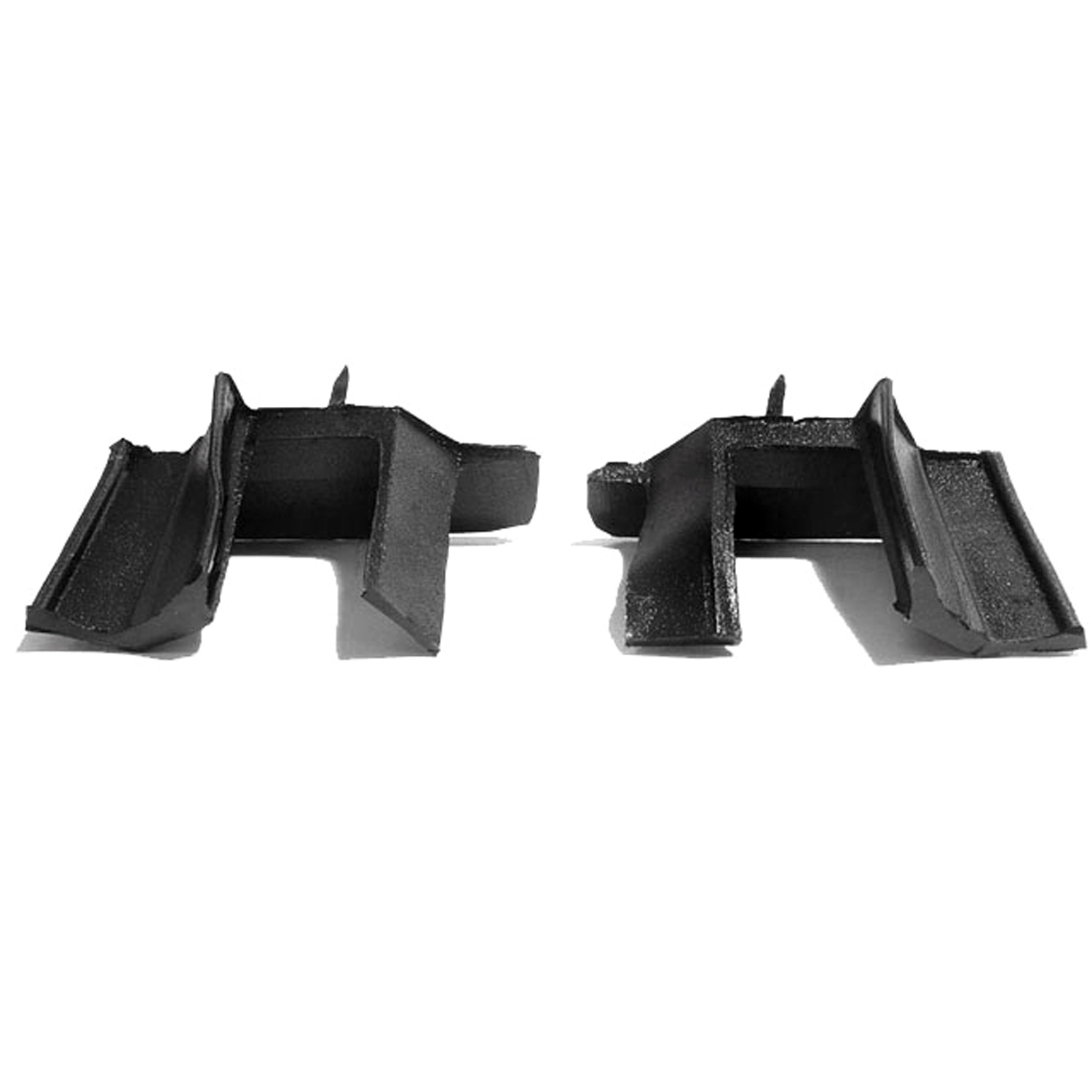 1956 Volkswagen Karmann Ghia Front Quarter Wedge Weatherseal for Convertibles-ALP 10Front Quarter Wedge Weatherseal for Convertibles. Used at back of roll-up quarter window. Pair R&L
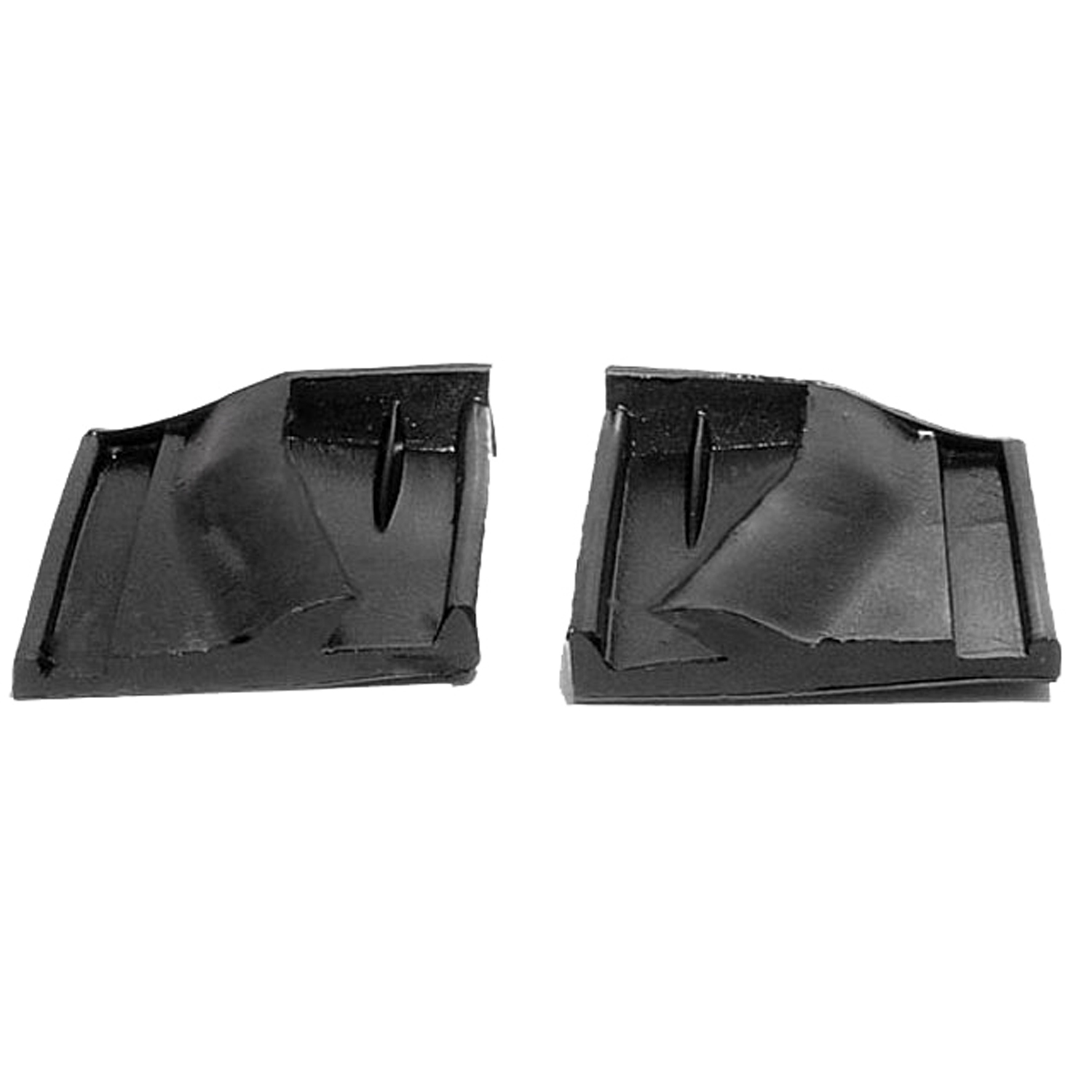 1956 Volkswagen Karmann Ghia Rear Door Wedge Weatherseal for convertibles-ALP 10-ARear Door Wedge Weatherseal for convertibles. Used behind back of roll-up quarter window. Pair R&L
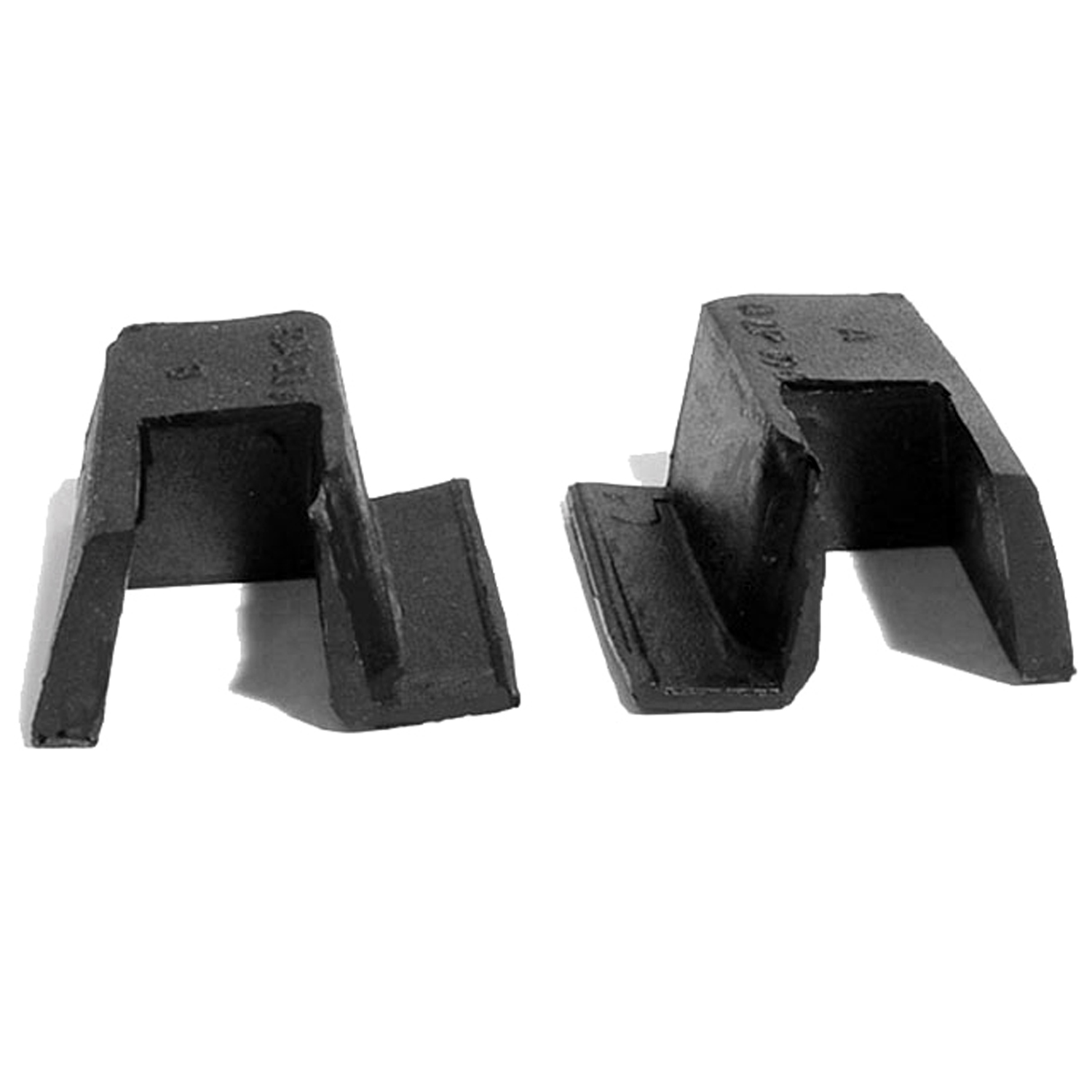 1956 Volkswagen Karmann Ghia Rear Quarter Wedge Weatherseal for Convertibles-ALP 10-BRear Quarter Wedge Weatherseal for Convertibles. Used at front of roll-up quarter window. Pair R&L
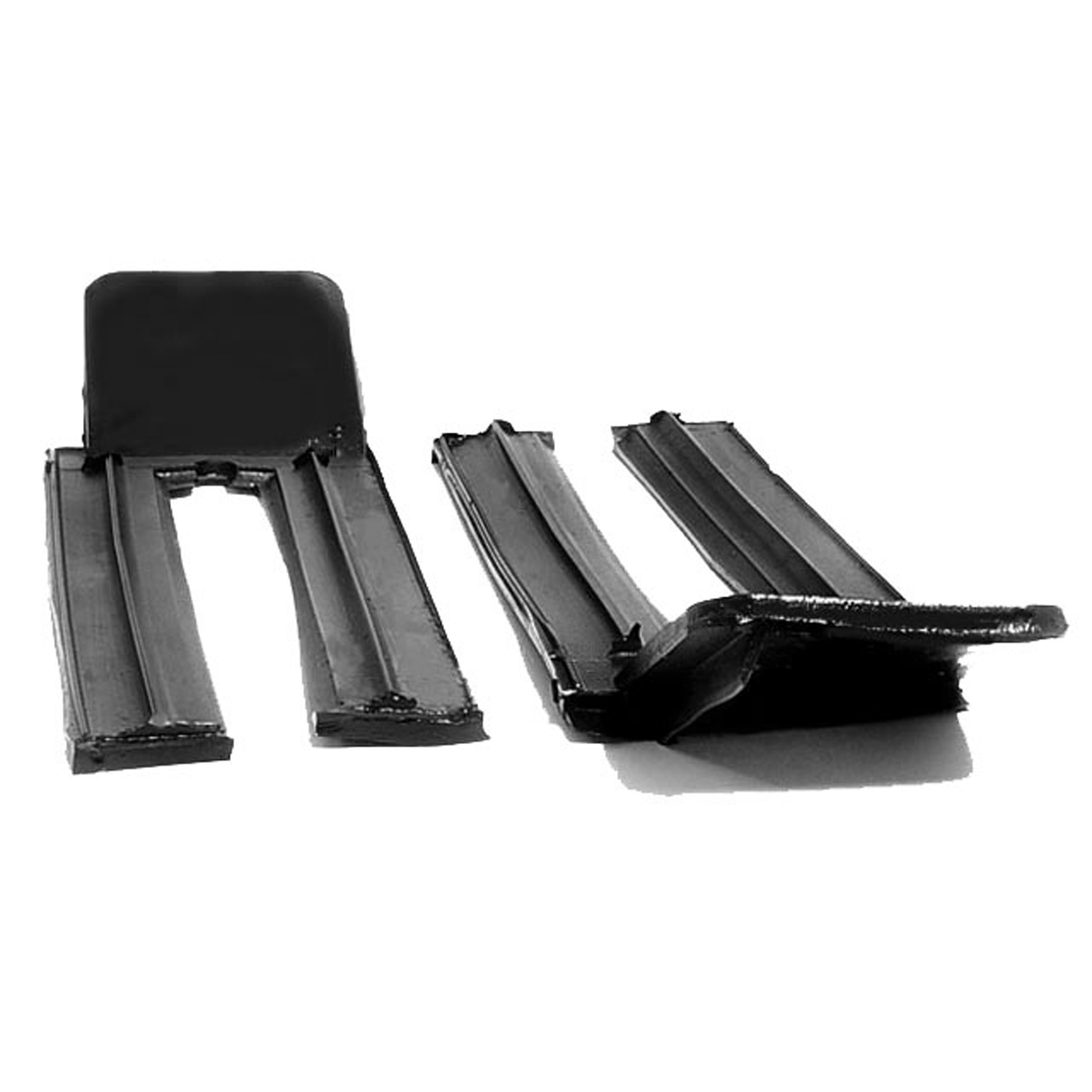 1956 Volkswagen Karmann Ghia Front Door Wedge Weatherseal for Convertibles-ALP 10-CFront Door Wedge Weatherseal for Convertibles. Used at front of vent window assembly to door. Pair R&L
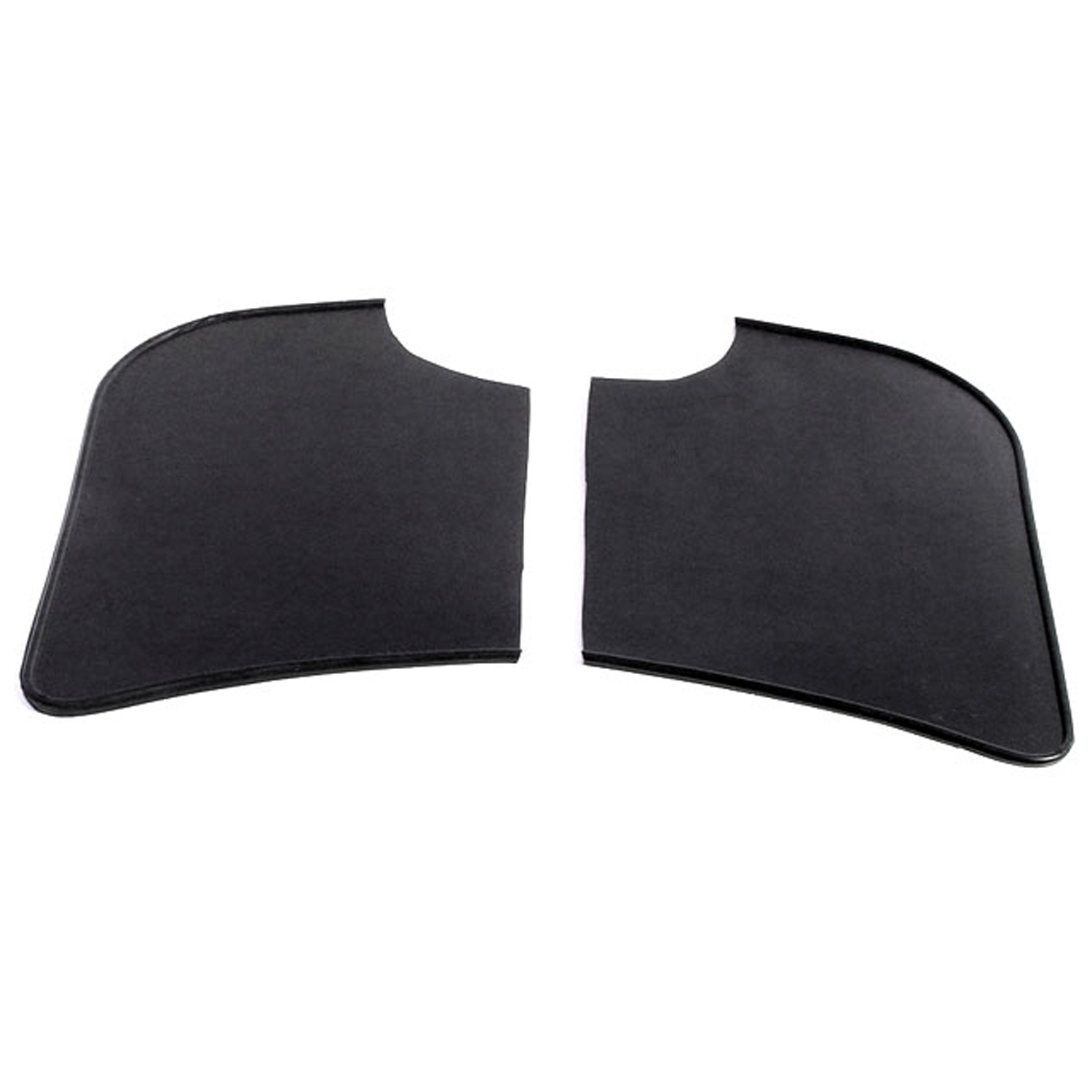 1956 Volkswagen Karmann Ghia Gravel Shields. Molded flat without metal backing plates-FS 40Gravel Shields. Molded flat without metal backing plates. Apply with contact cement. 7-5/8" long X 5-5/8" wide at top. Pair
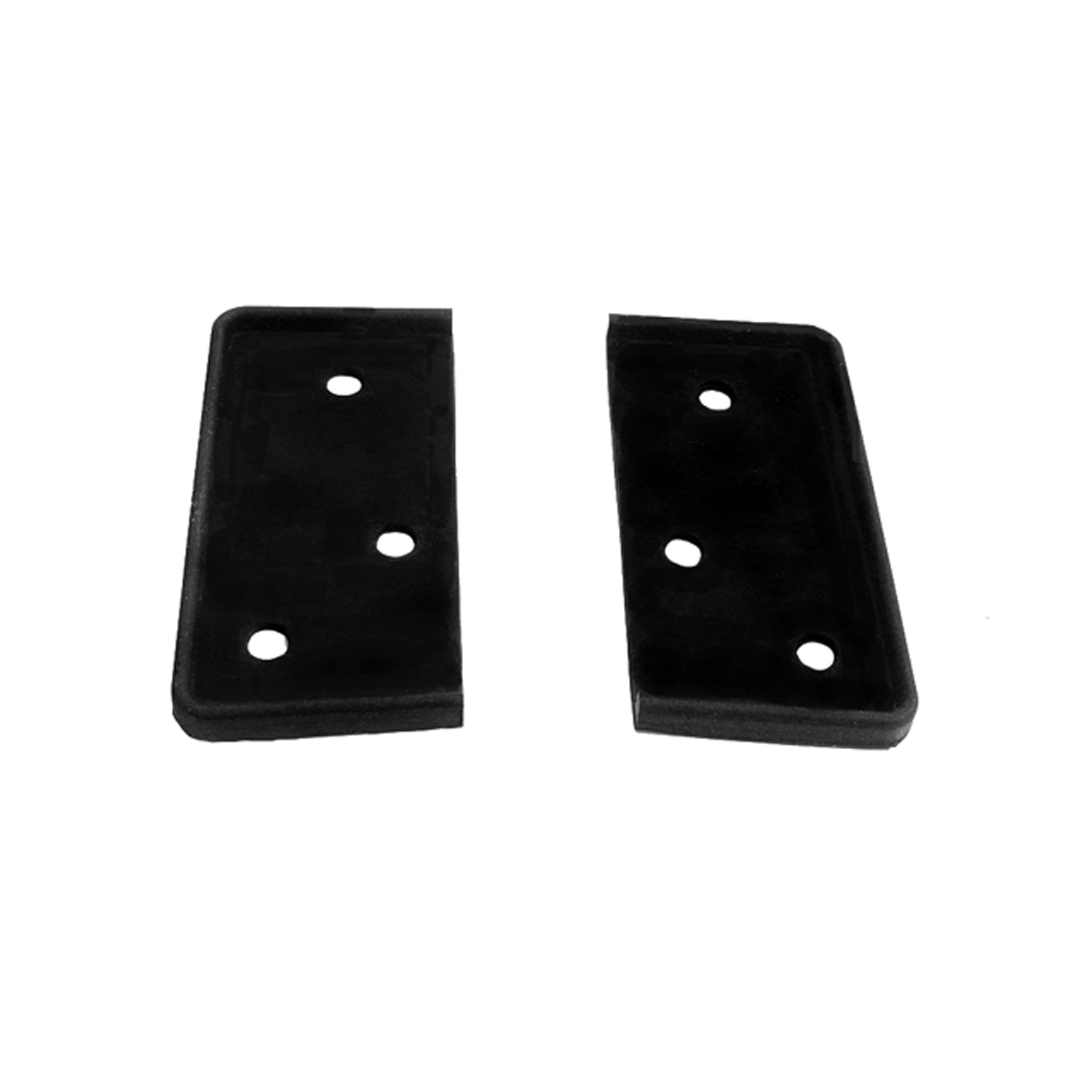 1956 Volkswagen Karmann Ghia Outside Quarter Window Seal (facing base)-MP 1501Outside Quarter Window Seal (facing base). 2-1/2" wide X 1-1/4" long. Pair R&L
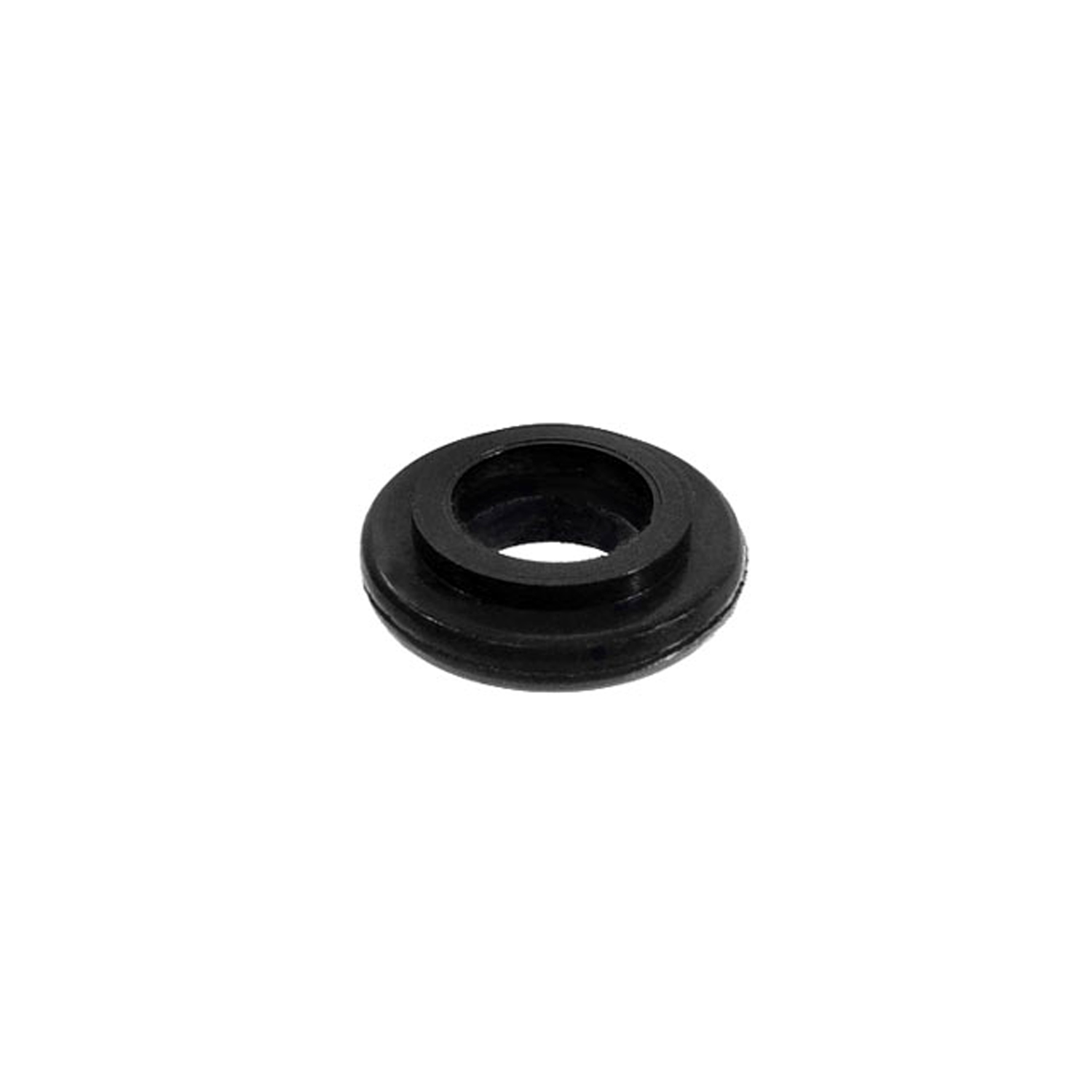 1956 Volkswagen Karmann Ghia Oil Cooler Seal. 7/16" I.D., 7/8" O.D. Each-RP 8-BOil Cooler Seal. 7/16" I.D., 7/8" O.D. Each
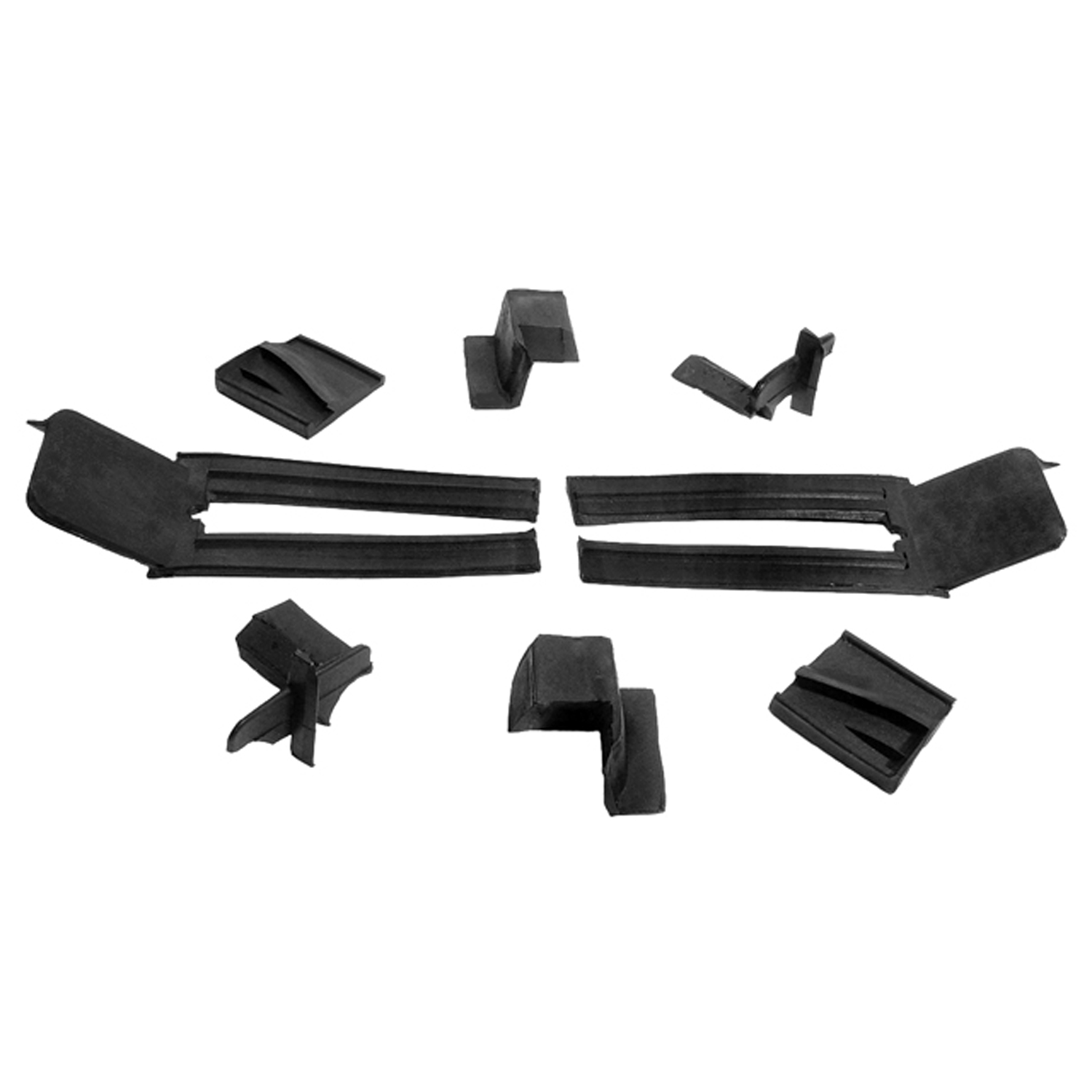 1956 Volkswagen Karmann Ghia Auxillary Window Seal Kit for Convertibles (ALP 10, ALP 10-A-WK 400Auxillary Window Seal Kit for Convertibles (ALP 10, ALP 10-A, ALP 10-B, ALP 10-C) 8-Piece Kit
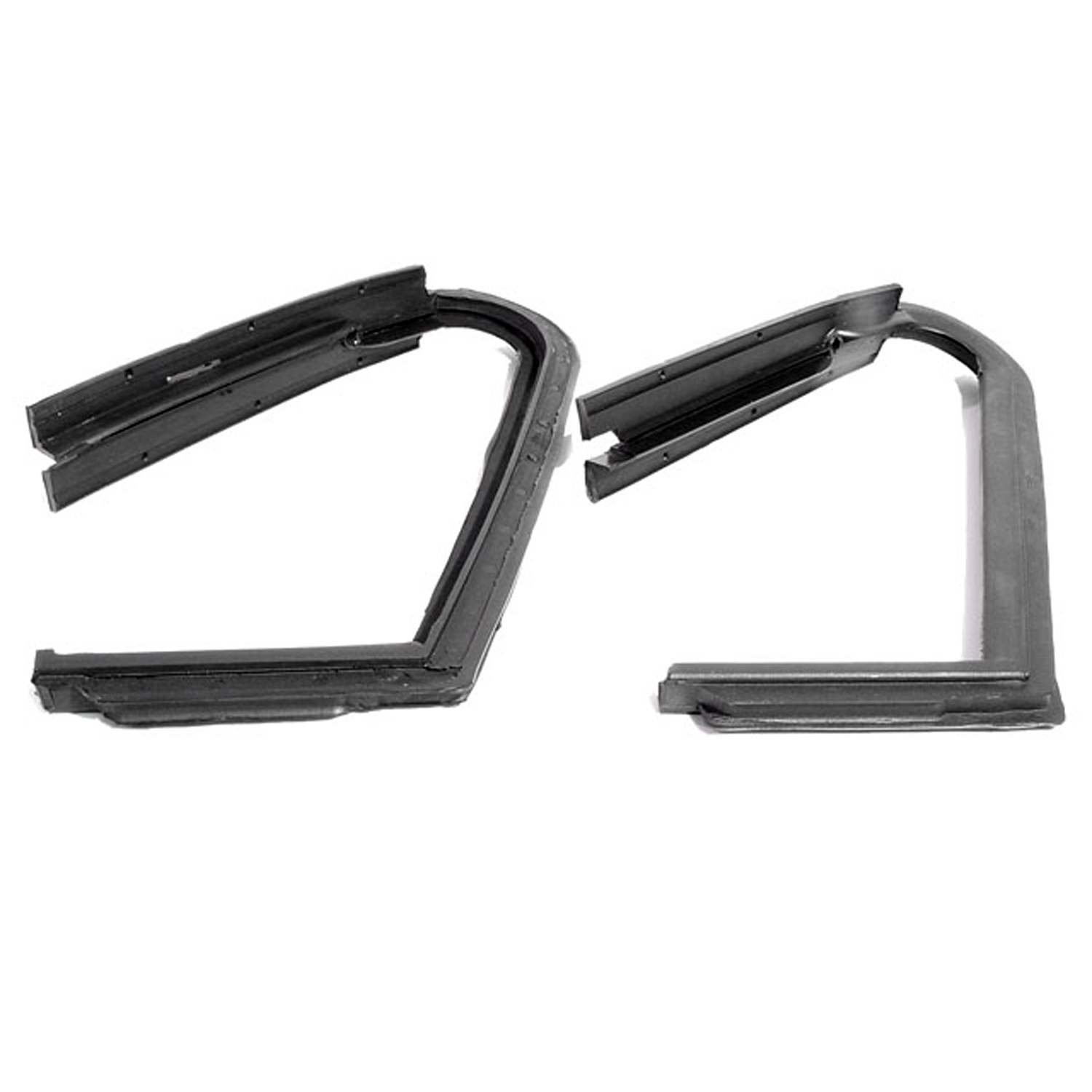 1956 Volkswagen Karmann Ghia Front Vent Window Seals, for Convertibles-WR 9800Front Vent Window Seals, for Convertibles. Molded in proper shape. Pair
Why Choose Metro?
For over 100 years, Metro Moulded Parts has been the pinnacle of quality in classic car restoration parts. Our commitment to precision and authenticity in every component ensures a perfect fit and an OEM-level appearance.
- Expert Craftsmanship & Quality: Each part is a testament to our dedication to reliability and perfection, crafted from original designs and thoroughly tested.
- Advanced Technology: We use cutting-edge techniques to create flawless, long-lasting parts that surpass others in performance.
- SuperSoft Sponge – The Ultimate Door Seal: Not only are our door seals 30% softer than competitors', but they're also guaranteed to never leak. They effectively reduce wind and road noise, enhancing your classic car's comfort and driving experience.
- Proudly American: Our parts are a product of American craftsmanship, made in the USA with a spirit of excellence and heritage.
- Unrivaled Warranty: We back our products with a 30-year industry-leading warranty, a testament to our confidence in their quality.
Join us in preserving the legacy of classic cars with parts that are crafted for perfection, not just made.