

Image of 1967 Volkswagen Beetle, Note: These illustrations use artistic license and may differ from actual historical models.
Performance Metrics
Fundamental Metrics
Emotional Appeal
MMP Rating
| Engine Specifications | |
|---|---|
| Engine: | Air-cooled, rear-mounted, flat four-cylinder |
| Displacement: | 1493 cc |
| Horsepower: | 53 hp at 4200 rpm |
| Torque: | 78.5 lb-ft at 2000 rpm |
| Compression Ratio: | 7.5:1 |
| Ignition System: | Distributor ignition system |
| Cooling System: | Air-cooled |
| Performance Specifications | |
| 0-60 Time: | 20 seconds |
| 1/4 Mile Time: | 22 seconds |
| Top Speed: | 81 mph |
| Transmission and Drive | |
| Drive Type: | Rear-wheel drive |
| Transmission Type: | 4-speed manual |
| Fuel and Efficiency | |
| Fuel System Type: | Carburetor |
| MPG: | 28-32 mpg |
| Dimensions and Brakes | |
| Brakes: | Drum brakes on both front and rear |
| Wheelbase: | 94.5 inches |
| Weight: | 1830 lbs |
Note: Specifications for classic cars are given to the best of our ability, considering the limited and variant data available.
1967 Volkswagen Beetle: The Year the Bug Went 12-Volt
The 1967 Volkswagen Beetle looks like the familiar little Bug, but this model year marks an important turning point: it combined the classic rounded shape with a more modern 12-volt electrical system and a larger 1.5-liter engine. Built by Volkswagen in West Germany and assembled at Wolfsburg and other plants, the Beetle was already a global success by then, valued for its simple engineering, modest running costs, and unmistakable personality.
The car began as a practical, affordable “people’s car” project in 1930s Germany, developed with engineer Ferdinand Porsche and put into full-scale production after World War II. Its postwar comeback was helped by British Army officer Major Ivan Hirst, who helped restart the Wolfsburg factory. By 1967, the Beetle had become an international bestseller and a fixture of the 1960s counterculture. A notable detail for collectors is that the U.S.-market 1967 Beetle was a one-year-style transition: it received 12-volt electrics while retaining much of the older, slimmer-bodied look that changed more dramatically for 1968.
Beetle Styling, Cabin, and Options
The Beetle’s shape is its calling card. Its high, curved fenders flow into a domed roof, while the upright headlights, compact hood, and gently rounded rear give it a cheerful silhouette that is easy to recognize from a distance. The 1967 car kept the smaller, more delicate bumpers and compact rear lamps associated with earlier Beetles, rather than the larger bumpers and revised exterior details that arrived on later U.S. models.
Inside, the cabin is narrow, airy, and straightforward. A thin steering wheel, simple painted-metal surfaces, clear gauges, and uncomplicated controls keep the focus on driving rather than luxury. Materials were practical for the price: vinyl upholstery, rubber floor coverings, and modest trim were typical, with details varying by market and specification. The front seats offer a surprisingly upright driving position, while the rear bench is best suited to children or short trips. Luggage space is split between the front trunk and the area behind the rear seat.
One of the 1967 Beetle’s most significant updates was its 12-volt electrical system, which improved starting and lighting compared with the earlier 6-volt setup. The car also used a 1,493 cc air-cooled flat-four engine, commonly known as a 1500. Its engineering remained deliberately simple: no liquid-cooling system, no complex electronics, and a four-speed manual gearbox operated through a long, familiar gear lever.
Factory paint choices depended on the country and production market. Period colors included shades such as Bahama Blue, Sea Blue, Ruby Red, and beige or white tones, though names and availability varied. Bright colors tend to stand out at shows, while white, red, and blue are among the most recognizable choices on surviving cars.
The best-known body style is the two-door sedan. Buyers could also choose a Beetle convertible, built with a reinforced body and a folding fabric roof, or a sedan equipped with an optional fabric sunroof. The sedan remains the most common and iconic version, while an original convertible usually commands a notable premium.
Why the 1967 Beetle Matters
The Beetle’s importance goes beyond its sales figures. Its rear-mounted, air-cooled engine and rear-wheel-drive layout gave it a distinctive mechanical package, while its compact dimensions and durable construction made it useful in crowded cities and on rougher roads. Volkswagen kept refining the basic design rather than replacing it every few years, showing that a well-engineered platform could remain relevant through careful, incremental updates.
Compared with many contemporaries, the Beetle was unusual for its simplicity and consistency. Its mechanical layout was easy to understand, and its shape changed slowly enough that the car remained instantly recognizable. The 1967 model captures that balance particularly well: it has a more capable electrical system and a larger engine, yet still feels like the classic, uncomplicated Beetle. The design influenced generations of small, practical cars and helped establish Volkswagen as a major international manufacturer.
The Beetle also became a cultural symbol. During the 1960s, its friendly looks and affordable image made it popular with students, young families, and people drawn to counterculture. Its success helped prove that a small economy car could have worldwide appeal without relying on high performance or luxury features.
1500 Engine Performance and Road Manners
The 1967 Beetle’s 1.5-liter flat-four produces roughly 53 horsepower in commonly quoted period specifications, though figures vary with market and measurement standard. Power travels through a four-speed manual transmission to the rear wheels. Expect a top speed in the neighborhood of 80 mph and a 0-to-60 mph time of roughly 20 to 22 seconds, depending on the car’s condition, gearing, and test conditions. These are modest figures, even by the standards of the era, but the Beetle was designed for economical transport rather than quick acceleration.
In town, the Beetle feels nimble and easy to place. Its small footprint helps with parking, and the light steering makes low-speed maneuvering manageable. On a bumpy road, the suspension gives a firm, sometimes busy ride, but the car’s relatively soft tires and modest weight help it absorb ordinary imperfections. The rear swing-axle suspension requires respect: abrupt maneuvers, worn components, or poor alignment can make the back of the car feel less settled than a modern independent-suspension vehicle.
Windy roads bring out the Beetle’s charm and limitations. At moderate speeds, it is engaging and communicative, with clear feedback through the steering wheel and a light, direct feel. In strong crosswinds or at highway speed, its light weight and upright shape make it more susceptible to buffeting than a heavier modern car. The engine sits behind the occupants, so its distinctive air-cooled putter is always close at hand. The ride is intimate, the gear changes mechanical, and the driver is involved in every part of the experience.
Owning and Maintaining a 1967 Beetle
A 1967 Beetle can serve as a weekend cruiser, a local show car, or, with careful maintenance, occasional transportation. It is less suited to long modern freeway commutes, where its limited acceleration, modest crash protection, and lack of contemporary comfort features become apparent. Some owners enjoy taking their cars to vintage gatherings or using them for short road trips; others preserve especially original examples as collectibles.
Routine maintenance is a major part of Beetle ownership. The air-cooled engine needs regular oil changes, valve-clearance checks, ignition-system attention, and inspection of the cooling fan belt and air passages. There is no radiator or coolant to maintain, but that does not mean the engine can be neglected: overheating from poor cooling-system condition can cause serious damage. Rust is another key concern, especially in the floorpan, heater channels, door bottoms, battery area, and spare-wheel well.
One reason the Beetle remains popular is that many repairs are within reach of an owner with basic tools and a good workshop manual. Mechanical parts are widely available, although quality varies between suppliers. A pre-purchase inspection by a specialist is still wise. Look closely for corrosion, poorly executed repairs, worn suspension and steering components, and signs that the engine or electrical system has been modified without care.
1967 Beetle Facts and Common Criticisms
The 1967 Beetle’s move to 12-volt electrics is one of its best-known model-year distinctions. It made starting and lighting more practical while preserving the car’s familiar character. Beetles also became famous for durability and longevity: Volkswagen produced more than 21.5 million Type 1 cars worldwide before final production ended in 2003. In 1972, the Beetle surpassed the Ford Model T’s production total, a milestone that cemented its place among the most successful car designs in history.
There is no shortage of Beetles, but the condition and originality of individual cars vary widely. The 1967 model is not a limited-edition rarity. Its appeal comes from its particular combination of classic styling and useful updates. The sedan is far more common than the convertible, and an unmodified car with solid bodywork, original details, and a well-documented history is more desirable than a tired example with extensive rust or questionable restoration work.
The usual criticisms are easy to understand: the Beetle is slow, noisy at speed, small inside, and less protective in a collision than modern cars. Its heater system can be disappointing if the heat exchangers, seals, or ducting are worn or incorrectly fitted. The rear-engine layout and swing-axle suspension also demand smooth, sensible driving. Those drawbacks are part of the ownership reality, not defects that can be wished away.
1967 Volkswagen Beetle Values and Availability
As a broad U.S. market estimate in 2026, a Beetle needing substantial work may sell for about $5,000 to $12,000. A sound, usable driver often falls around $12,000 to $25,000, while a carefully restored or especially original sedan can reach roughly $25,000 to $45,000. Exceptional convertibles and high-quality restorations may exceed $50,000, with rare, top-condition examples sometimes reaching the $60,000 to $70,000 range or more. These are approximate ranges, not appraisals; rust, originality, restoration quality, paperwork, and local demand can change the price considerably.
Production estimates for 1967 are around 1.1 million Beetles worldwide, though totals differ depending on how sources count factories and markets. That makes the model year relatively accessible compared with truly rare classics. Prices have generally strengthened for clean, original cars and high-quality restorations, while project cars remain more sensitive to repair costs. The market rewards solid structure and authenticity: a beautifully preserved Beetle is usually a safer buy than an inexpensive car with hidden corrosion.
Why the 1967 Beetle Still Has a Following
The 1967 Volkswagen Beetle blends a globally famous design with meaningful year-specific updates, including 12-volt electrics and a 1.5-liter engine. It is not fast or luxurious, but its straightforward engineering, recognizable styling, and engaging driving feel have kept it popular with owners and collectors for decades. The 1967 model is a particularly appealing choice for someone who wants the classic Beetle look without giving up every practical improvement.
More than a familiar shape, the Beetle is a reminder that a modest car can leave an extraordinary mark on the world. The 1967 Volkswagen Beetle carries that legacy in a compact, air-cooled package that still makes every short drive feel like an occasion.
1967 Volkswagen Beetle Catalog of Parts
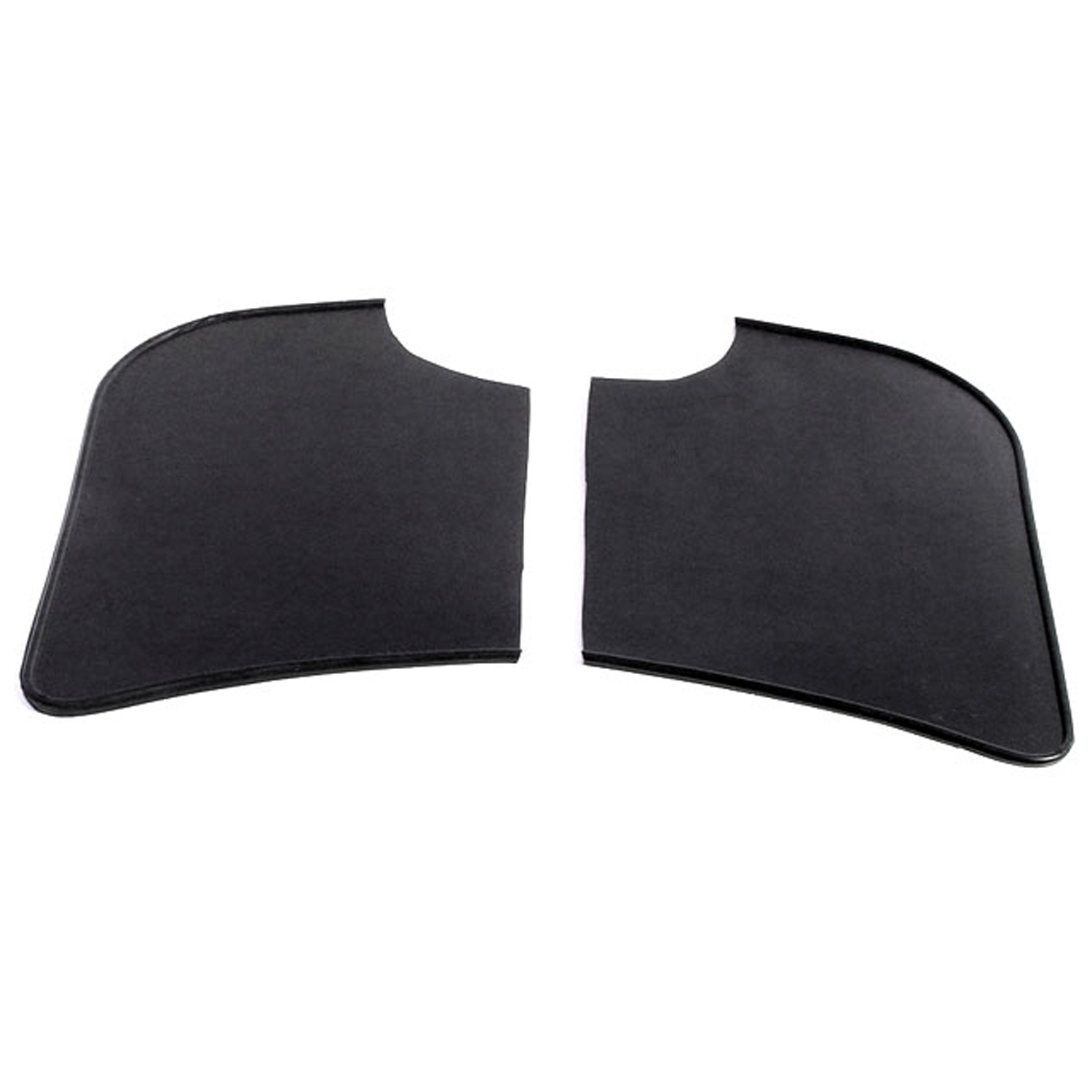 1967 Volkswagen Beetle Gravel Shields. Molded flat without metal backing plates-FS 40Gravel Shields. Molded flat without metal backing plates. Apply with contact cement. 7-5/8" long X 5-5/8" wide at top. Pair
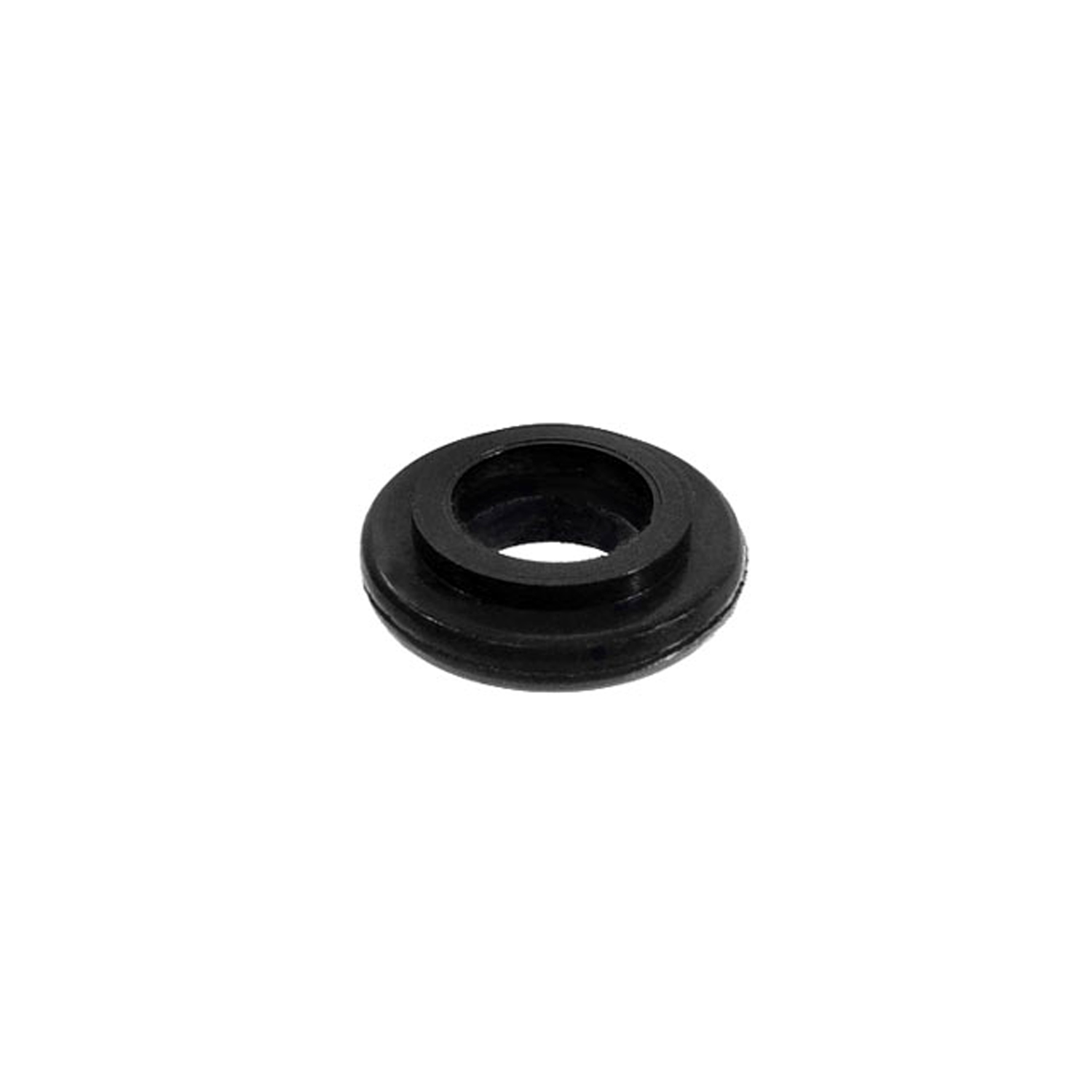 1967 Volkswagen Beetle Oil Cooler Seal. 7/16" I.D., 7/8" O.D. Each-RP 8-BOil Cooler Seal. 7/16" I.D., 7/8" O.D. Each
Why Choose Metro?
For over 100 years, Metro Moulded Parts has been the pinnacle of quality in classic car restoration parts. Our commitment to precision and authenticity in every component ensures a perfect fit and an OEM-level appearance.
- Expert Craftsmanship & Quality: Each part is a testament to our dedication to reliability and perfection, crafted from original designs and thoroughly tested.
- Advanced Technology: We use cutting-edge techniques to create flawless, long-lasting parts that surpass others in performance.
- SuperSoft Sponge – The Ultimate Door Seal: Not only are our door seals 30% softer than competitors', but they're also guaranteed to never leak. They effectively reduce wind and road noise, enhancing your classic car's comfort and driving experience.
- Proudly American: Our parts are a product of American craftsmanship, made in the USA with a spirit of excellence and heritage.
- Unrivaled Warranty: We back our products with a 30-year industry-leading warranty, a testament to our confidence in their quality.
Join us in preserving the legacy of classic cars with parts that are crafted for perfection, not just made.