

Image of 1972 Volkswagen Fastback, Note: These illustrations use artistic license and may differ from actual historical models.
Performance Metrics
Fundamental Metrics
Emotional Appeal
MMP Rating
| Engine Specifications | |
|---|---|
| Engine: | Air-cooled, four-cylinder boxer engine |
| Displacement: | 1.6L |
| Horsepower: | 65-85 hp |
| Torque: | 81 lb-ft |
| Compression Ratio: | 7.5:1 |
| Ignition System: | Distributor ignition system |
| Cooling System: | Air-cooled |
| Performance Specifications | |
| 0-60 Time: | Estimated 16 seconds |
| 1/4 Mile Time: | Estimated 20 seconds |
| Top Speed: | 93 mph |
| Transmission and Drive | |
| Drive Type: | Rear-wheel drive |
| Transmission Type: | 4-speed manual |
| Fuel and Efficiency | |
| Fuel System Type: | Carburetor |
| MPG: | 25-30 mpg |
| Dimensions and Brakes | |
| Brakes: | Front disc brakes, rear drum brakes |
| Wheelbase: | 94.5 inches |
| Weight: | 2,200 lbs |
Note: Specifications for classic cars are given to the best of our ability, considering the limited and variant data available.
1972 Volkswagen Fastback: The Air-Cooled VW with a Practical Streak
The 1972 Volkswagen Fastback looked like a sleek European coupe, but it had the heart of a practical family car: a rear-mounted, air-cooled flat-four, independent suspension, and useful luggage space at both ends. Built by Volkswagen as part of its Type 3 range, the Fastback offered a more refined alternative to the familiar Beetle while keeping the mechanical simplicity that made VW ownership appealing.
The Type 3 arrived in 1961, when Volkswagen was expanding beyond its original compact-car formula. The Fastback joined the lineup in 1965, alongside the upright Notchback sedan and the roomier Squareback wagon. By 1972, the Type 3 had matured into a comfortable, modern-feeling classic. One standout milestone came earlier: in 1968, the Type 3 became the first Volkswagen production model offered with electronic fuel injection, using Bosch D-Jetronic. That pioneering system was part of the Fastback’s technical story in 1972, especially in markets such as the United States.
Fastback Styling and Type 3 Design
The Fastback’s defining feature is its long, sloping roofline, which flows from the windshield toward a short rear deck. Its shape is more understated than the Beetle’s rounded silhouette, with a broad hood, tidy proportions, and a wide stance that gives it a planted look. The 1972 car has the late-model Type 3 appearance, with a clean front end and details that vary slightly by market and trim. It is sleek without being flashy, a compact European design with an unmistakable air-cooled VW profile.
Despite its coupe-like roof, the Fastback is not a hatchback. Its rear window stays in place, while a separate deck lid gives access to the rear luggage area and engine compartment. The flat, low-profile engine leaves usable space above it, and there is additional storage beneath the front hood. That unusual two-end luggage arrangement is one of the model’s most practical quirks.
The cabin is simple and functional rather than lavish. Expect durable vinyl upholstery, straightforward door panels, and a hard-wearing dashboard designed around clear, easy-to-read instruments. Materials and equipment varied by country and specification, but the overall feel is sturdy and unfussy. Front seats provide a comfortable driving position, while the rear bench makes the Fastback more useful than its sporty roofline might suggest.
Paint choices depended on the market and production date. Period Type 3s could be found in shades including white, red, blue, yellow, green, silver, and earthier tones. Today, bright colors such as orange, yellow, and vivid blue tend to catch attention at shows, while white and silver give the car a more restrained period look. The three main Type 3 body styles were the Notchback, Fastback, and Squareback. The Fastback became the range’s sportiest-looking choice, while the Squareback was the practical favorite for drivers needing more cargo room.
Technology Ahead of the Beetle
The Type 3 was designed to offer more comfort and utility than the Beetle while retaining Volkswagen’s rear-engine layout. Its flat, horizontally opposed four-cylinder engine sat low at the back, helping preserve storage space and giving the car a lower profile. The 1972 model used a 1.6-liter air-cooled engine. In the United States, it was generally equipped with Bosch D-Jetronic electronic fuel injection, while specifications could differ in other markets.
That fuel-injection system was an important step for Volkswagen. Instead of relying on a conventional carburetor, D-Jetronic used electronic controls and sensors to meter fuel. It delivered more consistent fueling than a basic carbureted setup, though decades later it can require careful diagnosis and parts knowledge. The 1972 Fastback also benefited from four-wheel independent suspension and, in many markets, front disc brakes. A four-speed manual transmission was the traditional choice, with an automatic available in some versions.
Why the Fastback Matters
The Type 3 helped Volkswagen broaden its identity beyond the Beetle. It offered more interior and luggage space, a more conventional sedan or wagon profile, and a more sophisticated chassis while keeping the familiar air-cooled layout. The Fastback was especially significant because it wrapped that practicality in a lower, more elegant shape.
Its place in VW history is also tied to fuel injection. The Type 3’s early use of Bosch electronic injection showed that Volkswagen was willing to adopt new technology even while continuing to build air-cooled cars. The car did not overturn automotive design, but it helped make the rear-engine Volkswagen concept more versatile and introduced technology that became increasingly important across the industry.
Compared with a Beetle, the Fastback feels roomier and more composed. Compared with larger European sedans, it remains compact, mechanically simple, and economical to run. That balance is its lasting appeal: it is an air-cooled Volkswagen with a distinct shape and a little more sophistication than its famous sibling.
1972 Fastback Performance and Road Manners
The 1.6-liter flat-four was built for everyday use, not high-speed thrills. Depending on market, tune, and the way period power was measured, output is commonly quoted in the range of roughly 50 to 60 horsepower. A healthy manual-transmission Fastback can reach about 80 to 85 mph, with 0 to 60 mph taking roughly 17 to 20 seconds. Those figures are estimates, and real-world results vary with engine condition, gearing, altitude, and vehicle load.
On the road, the Fastback feels light and direct. Its steering is unassisted, so parking requires more effort than in a modern car, but the feedback is clear. The suspension deals reasonably well with ordinary bumps, and the independent rear suspension gives the car a more settled feel than older swing-axle Volkswagens. On a winding road, it is enjoyable at sensible speeds, with modest power encouraging momentum rather than hard acceleration.
Wind can make itself felt in a small, light classic, and the Fastback is not a modern high-speed cruiser. Its brakes, tires, suspension, and steering all benefit from careful maintenance. From behind the wheel, the experience is wonderfully mechanical: the engine’s busy air-cooled hum rises from behind the seats, the four-speed gearbox asks for deliberate shifts, and the driver remains closely involved in every part of the journey.
Living with a Classic Volkswagen Fastback
A 1972 Fastback can serve as a weekend driver, a show car, or a comfortable participant in local classic-car events. Some owners use them for regular short trips, but the car’s age makes condition more important than its original reputation for simplicity. It can be practical by classic-car standards, yet it should not be expected to offer modern crash protection, effortless highway performance, or contemporary conveniences.
Basic service work is approachable for a mechanically minded owner. Oil changes, ignition checks, brake maintenance, and many routine repairs are straightforward with the correct workshop information and tools. The main caution is fuel injection. A D-Jetronic car needs a sound wiring harness, working sensors, correct fuel pressure, and an intake system without vacuum leaks. Replacing parts at random can become expensive, so an owner who understands the system, or has access to a VW specialist, has a real advantage.
Rust is often a more serious ownership concern than the engine. Inspect the floors, body seams, wheel arches, door bottoms, front luggage compartment, and structural areas around the suspension. Also check that the engine is healthy, the fuel system is properly sorted, and the car has not accumulated improvised electrical repairs. A solid, well-maintained example is usually a better buy than a shiny car with hidden corrosion.
Fastback Trivia and Common Criticisms
The Fastback’s most memorable technical fact is its connection to Volkswagen’s early electronic fuel-injection program. Its low-profile engine is another clever detail: unlike the tall Beetle power unit, the Type 3 engine was designed to sit beneath a flatter rear deck, helping preserve luggage room. And although the Fastback looks like a hatchback from some angles, its fixed rear glass and separate deck lid make it a true fastback coupe rather than a modern-style liftback.
There is no widely recognized 1972 Fastback special edition or major speed record associated with the model. Its significance lies instead in the broader Type 3 story: a large, long-running Volkswagen family that helped bring fuel injection and greater practicality to the company’s air-cooled range. The Type 3 series produced approximately 2.5 million cars across its various body styles and markets. A dependable, universally accepted production total for the 1972 Fastback alone is difficult to establish, so any specific annual figure should be treated cautiously.
Common complaints include modest acceleration, limited modern safety features, aging electrical and fuel-injection components, and rust-prone bodywork. Some drivers also find the rear-engine layout unusual at first. For enthusiasts, those compromises are part of the character, but they are worth understanding before buying.
1972 Volkswagen Fastback Values and Rarity
The Fastback is less commonly seen than the Beetle, though it is not exceptionally rare within the wider air-cooled Volkswagen world. Good cars appear in the classic market, but condition, originality, and location matter greatly. Rust-free body shells and complete, correctly equipped fuel-injected cars are especially appealing because restoration work and missing D-Jetronic parts can quickly add to the cost.
As a broad U.S. guide for 2026, a project or heavily worn driver might sell for about $4,000 to $8,000. A usable, presentable car often falls around $8,000 to $15,000, while a very good, well-sorted example may bring approximately $15,000 to $25,000. Exceptional restorations or unusually original cars can reach $25,000 to $35,000 or more, though asking prices are not always the same as completed sale prices. These are estimates, not a formal appraisal, and local markets can differ substantially.
Over the long term, clean Fastbacks have gained collector attention as buyers look beyond Beetles and Buses for less familiar air-cooled Volkswagens. Values are strongest for solid, original cars and high-quality restorations. Rough projects remain limited by restoration costs, and heavily modified examples may appeal to a narrower audience. The best buying strategy is to prioritize sound metal, complete parts, and a properly running engine over cosmetic shine.
Why the 1972 Fastback Still Stands Out
The 1972 Volkswagen Fastback combines practical packaging, distinctive European styling, and meaningful engineering history in a compact air-cooled classic. Its sloping roof and two luggage areas make it useful, while its fuel-injection technology and independent suspension place it a step beyond the simplest early Volkswagens. It is not fast by modern standards, and it asks for thoughtful maintenance, but it rewards its owner with an engaging, unmistakably mechanical drive.
For anyone who wants a classic Volkswagen with more space and a less familiar silhouette than a Beetle, the Fastback is a compelling choice. It is a reminder that innovation does not always arrive in a dramatic package. Sometimes it comes in a low-slung, air-cooled coupe that quietly made the everyday Volkswagen a little more capable.
1972 Volkswagen Fastback Catalog of Parts
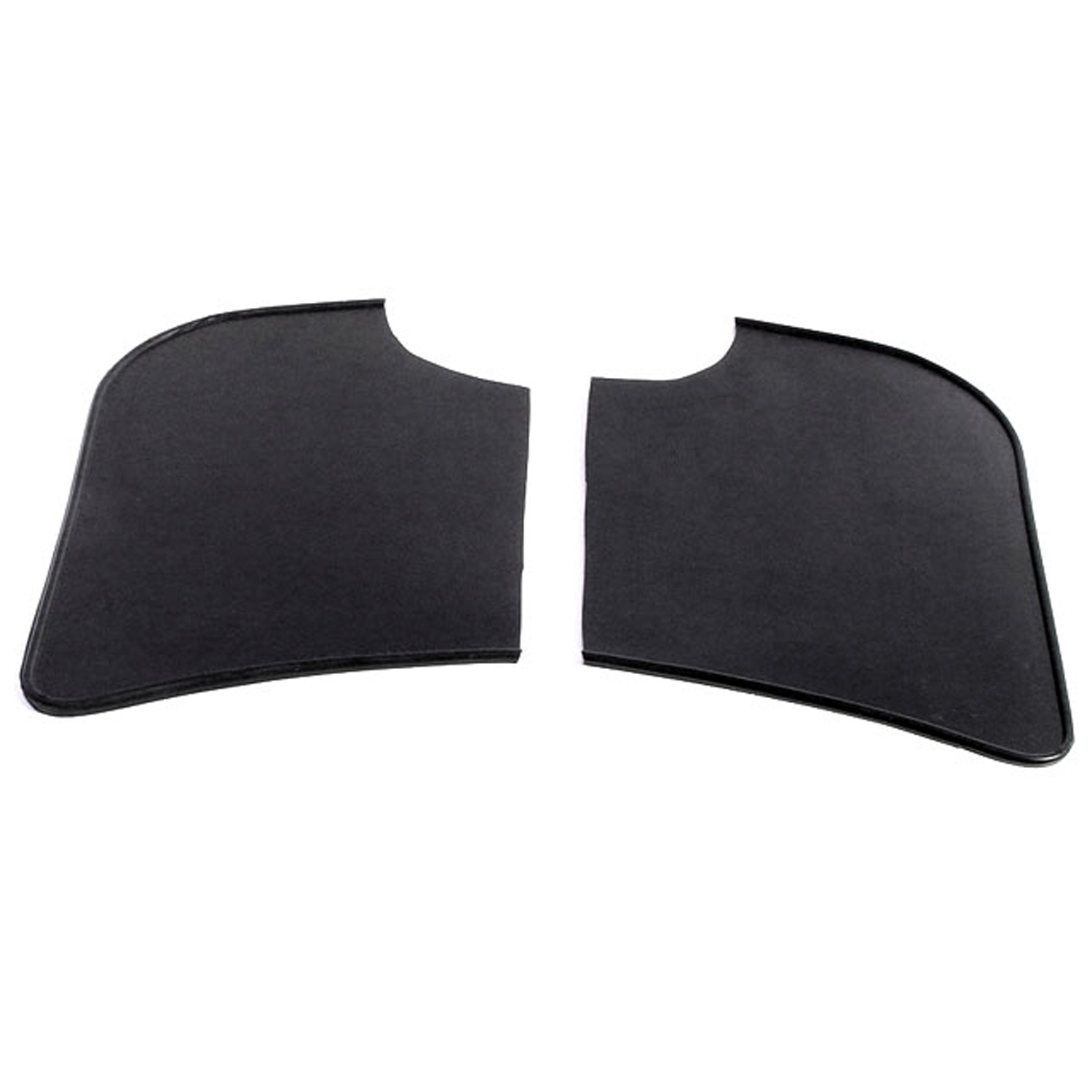 1972 Volkswagen Fastback Gravel Shields. Molded flat without metal backing plates-FS 40Gravel Shields. Molded flat without metal backing plates. Apply with contact cement. 7-5/8" long X 5-5/8" wide at top. Pair
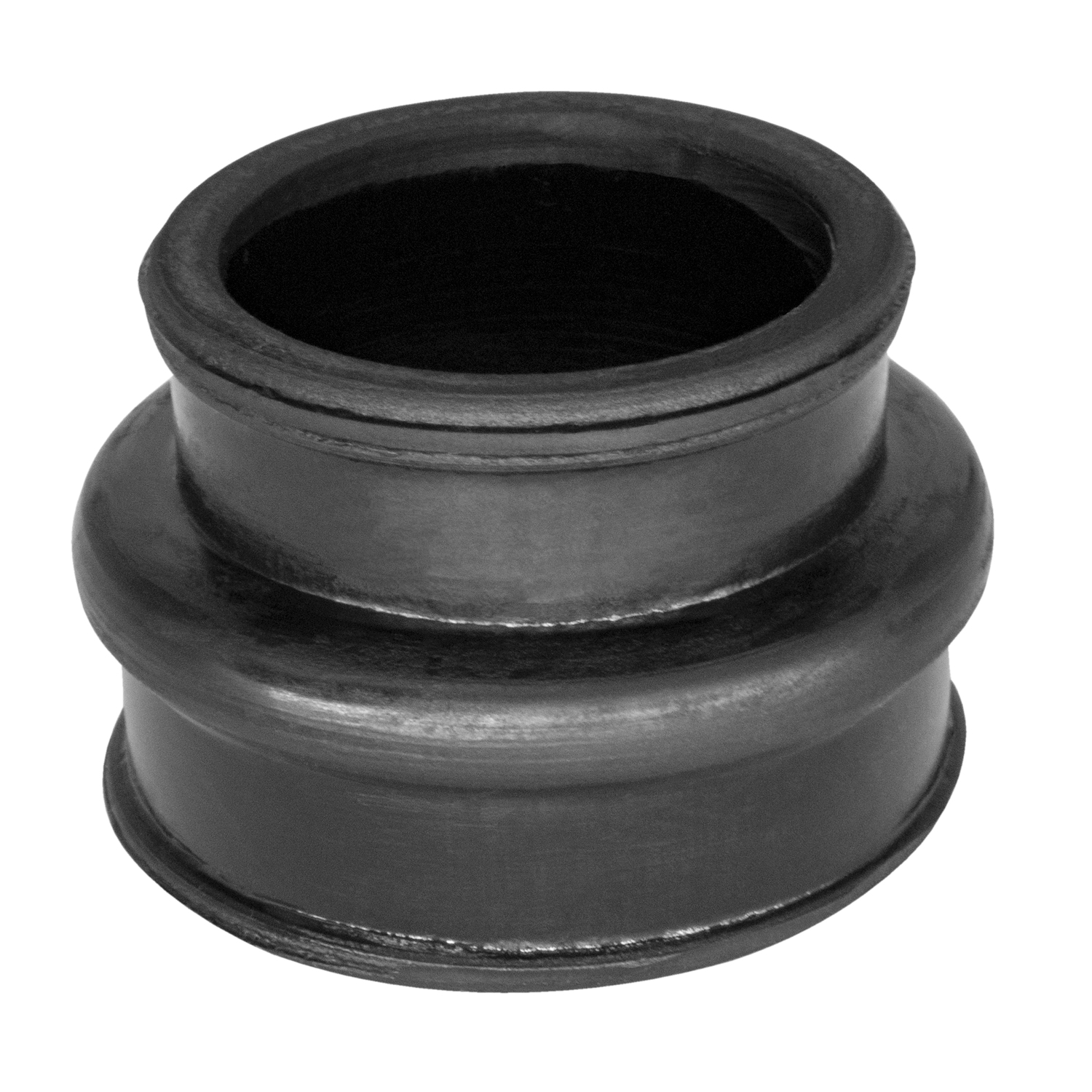 1972 Volkswagen Fastback Intake Manifold Boots. Made of rubber. 1-3/8" I.D., 2" O.D-RP 300-BIntake Manifold Boots. Made of rubber. 1-3/8" I.D., 2" O.D. X 1-1/2" high. Pair
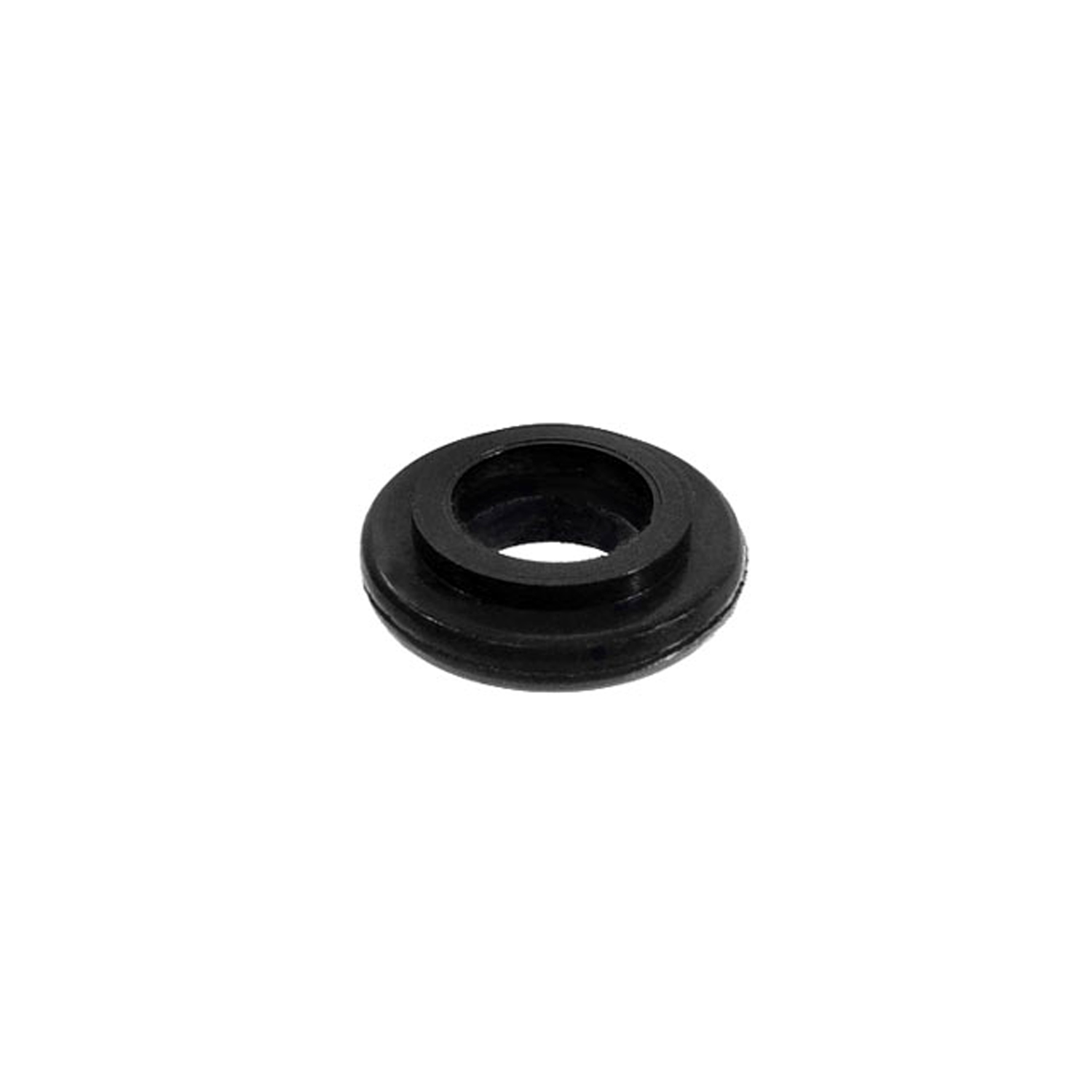 1972 Volkswagen Fastback Oil Cooler Seal. 7/16" I.D., 7/8" O.D. Each-RP 8-BOil Cooler Seal. 7/16" I.D., 7/8" O.D. Each
Why Choose Metro?
For over 100 years, Metro Moulded Parts has been the pinnacle of quality in classic car restoration parts. Our commitment to precision and authenticity in every component ensures a perfect fit and an OEM-level appearance.
- Expert Craftsmanship & Quality: Each part is a testament to our dedication to reliability and perfection, crafted from original designs and thoroughly tested.
- Advanced Technology: We use cutting-edge techniques to create flawless, long-lasting parts that surpass others in performance.
- SuperSoft Sponge – The Ultimate Door Seal: Not only are our door seals 30% softer than competitors', but they're also guaranteed to never leak. They effectively reduce wind and road noise, enhancing your classic car's comfort and driving experience.
- Proudly American: Our parts are a product of American craftsmanship, made in the USA with a spirit of excellence and heritage.
- Unrivaled Warranty: We back our products with a 30-year industry-leading warranty, a testament to our confidence in their quality.
Join us in preserving the legacy of classic cars with parts that are crafted for perfection, not just made.