

Image of 1974 Volkswagen Dasher, Note: These illustrations use artistic license and may differ from actual historical models.
Performance Metrics
Fundamental Metrics
Emotional Appeal
MMP Rating
| Engine Specifications | |
|---|---|
| Engine: | Inline 4 |
| Displacement: | 1.5L |
| Horsepower: | 70-75 HP |
| Torque: | 80 lb-ft |
| Compression Ratio: | 8.2:1 |
| Ignition System: | Electronic Ignition |
| Cooling System: | Water-cooled |
| Performance Specifications | |
| 0-60 Time: | 12 seconds |
| 1/4 Mile Time: | 18 seconds |
| Top Speed: | 100 mph |
| Transmission and Drive | |
| Drive Type: | Front-wheel drive |
| Transmission Type: | 4-speed manual or 3-speed automatic |
| Fuel and Efficiency | |
| Fuel System Type: | Carburetor |
| MPG: | 25-30 MPG |
| Dimensions and Brakes | |
| Brakes: | Front disc, rear drum |
| Wheelbase: | 97.2 inches |
| Weight: | 2,200 lbs |
Note: Specifications for classic cars are given to the best of our ability, considering the limited and variant data available.
1974 Volkswagen Dasher: The VW That Went Water-Cooled
The 1974 Volkswagen Dasher marked a major change of direction for Volkswagen: instead of another rear-engined, air-cooled Beetle relative, it offered a front-mounted, water-cooled engine and front-wheel drive. Sold in Europe as the first-generation Passat, the Dasher was Volkswagen’s new practical family car for North America, designed by Giorgetto Giugiaro and closely related to the Audi 80.
Its arrival came at a pivotal moment. The Beetle was still an icon, but buyers increasingly wanted modern space, comfort, and road manners. The Dasher helped Volkswagen make that transition. Its distinctive fastback shape and useful hatch made it more than an economy car with a new badge: it previewed the layout and design language that would define many later Volkswagens.
One intriguing detail is that “Dasher” was a North American name, not a separate model design. The same basic first-generation car was known as the Passat in much of the world, while its engineering shared important roots with Audi’s contemporary 80.
Giugiaro’s Clean, Practical Design
The Dasher’s exterior had the crisp, squared-off lines typical of early-1970s European design. A long hood, tidy grille, straight body sides, and generous glass gave it a purposeful look without unnecessary decoration. The sloping rear roofline was its signature feature: it gave the car a more dynamic profile than a conventional sedan while allowing a large rear opening for luggage.
For 1974, North American Dashers were primarily offered as two-door and four-door hatchback sedans. A station wagon, called the Variant in other markets, became an important part of the Passat family, though availability and timing varied by market and model year. The hatchback was the defining shape of the early Dasher, combining a relatively compact footprint with useful cargo access.
Inside, the emphasis was on function. The cabin was simple and airy, with large windows, straightforward instruments, and controls that were easy to understand. Materials were typical of an affordable European car of the period: durable vinyl and cloth upholstery, modest carpeting, and hard-wearing plastic trim rather than luxury finishes. Upholstery patterns, trim, and paint choices varied by year and market. Period-bright colors such as orange, yellow, red, and blue suited the era, while white, silver, and more restrained shades were also available. Original paint codes are the best guide when identifying a particular car.
Technology That Moved Volkswagen Forward
The biggest innovation was under the hood. The Dasher used a front-mounted, water-cooled four-cylinder engine driving the front wheels, a dramatic departure from the Beetle’s rear-engine, air-cooled formula. The launch-market 1974 car used a 1.5-liter overhead-cam four-cylinder engine. A four-speed manual transmission was typical, with equipment and transmission choices varying by market and year.
Its mechanical package was modern for Volkswagen. Independent front suspension with MacPherson struts, rack-and-pinion steering, and front disc brakes helped give the Dasher composed road manners. The hatchback body was another practical innovation: it offered sedan-like proportions with easier access to the cargo area. These features were not unique to the Dasher, but together they represented a clear break from Volkswagen’s older small-car architecture.
Why the Dasher Mattered
The Dasher’s significance lies in what it represented as much as in its sales or specifications. Volkswagen needed a successor to the Beetle’s basic concept, and the Dasher pointed toward the company’s future: front-wheel drive, water-cooled engines, and versatile body styles. It helped establish the mechanical direction later seen in hugely influential models such as the Golf and subsequent Passat generations.
Its relationship to Audi also reflected a broader shift within the Volkswagen Group. Audi’s engineering and design work helped shape a family of front-wheel-drive cars that could serve different buyers and price points. Compared with many contemporary compact and midsize cars, the Dasher offered European packaging and an unusually practical hatchback layout. It was not the only car of its kind, but it helped make that combination a central part of Volkswagen’s identity.
Performance and Road Manners
Performance was modest by modern standards. A 1974 Dasher with the 1.5-liter engine and manual gearbox generally runs from 0 to 60 mph in roughly 14 to 16 seconds, depending on condition, gearing, and test method. Period figures for top speed vary, but about 90 to 95 mph is a reasonable estimate for a healthy example. These are approximate figures, not guarantees for an individual car.
The Dasher was built for economical, steady travel rather than quick acceleration. The engine makes a restrained four-cylinder note, becoming busier when pushed hard. The manual gearbox suits relaxed driving, though a worn example may have vague shifts or a tired clutch. Steering is relatively light, and the front-wheel-drive layout gives predictable behavior. Push it into a tight corner and it tends toward safe understeer rather than playful oversteer.
On ordinary roads, its suspension absorbs bumps with more composure than a small economy car might suggest, although age and worn bushings can make a surviving example feel loose or harsh. On windy roads, the Dasher feels stable and straightforward rather than sporty. Its light weight can make it more sensitive to crosswinds than a modern car, but the broad glass area and sensible seating position make it easy to place on the road.
Living With a Classic Dasher
Today, a Dasher is most often a weekend classic, a vintage Volkswagen project, or an occasional-use driver. A well-maintained car can still handle local trips and relaxed back-road outings, but it is no longer an effortless daily driver in the modern sense. Safety equipment, crash protection, and highway refinement are limited compared with current cars.
Routine maintenance is approachable for a mechanically confident owner. The engine bay is relatively simple, and common service work includes ignition tune-ups, carburetor attention, cooling-system maintenance, brake service, and replacement of aging rubber components. The car’s age matters as much as its design: check for brittle wiring, worn suspension parts, leaking seals, tired fuel hoses, and deteriorated CV joints.
Rust is the major ownership concern. Inspect the floorpan, sills, wheel arches, spare-wheel well, and the areas around the windshield and hatch. Rust repairs can quickly cost more than the purchase price, especially if structural metal has been affected. Parts availability is mixed. Some mechanical components are shared with related Volkswagen or Audi models, but trim, body panels, and model-specific details can take patience to locate.
Dasher Trivia and Common Criticisms
The name “Dasher” was part of Volkswagen’s effort to give its North American lineup distinctive model names. Elsewhere, the car’s Passat identity connected it to a growing international model family. The first-generation Passat range was produced in large numbers globally, with total B1-family production commonly cited at around 2.5 million. That figure includes Passat versions across markets and body styles, not just U.S.-market Dashers.
There is no widely recognized Dasher-only speed, endurance, or sales record, and it is not especially associated with celebrity ownership or a single major historical event. Its notable achievement is quieter: it helped introduce Volkswagen buyers to the company’s modern front-wheel-drive era.
Period critics and present-day owners often point to modest acceleration, basic cabin materials, and corrosion as its weak points. Some also find the styling plain beside more dramatic contemporary cars. That simplicity is part of its appeal for enthusiasts who value Giugiaro’s functional design and the Dasher’s role in Volkswagen history.
Collector Values and Availability
The Dasher is uncommon in the classic-car market, particularly in sound, original condition. It is much less widely collected than the Beetle, Karmann Ghia, or early Golf, so buyers may have to search specialist Volkswagen groups, regional classifieds, and online auction listings. A separate, dependable production total for North American Dashers is difficult to establish. As a rough estimate rather than a documented figure, U.S. Dasher production and imports over the model’s run may have reached the low hundreds of thousands, but surviving cars are only a fraction of that number.
Values depend heavily on rust, completeness, and originality. As a broad U.S. market estimate, a project car may sell for about $1,500 to $3,500, a usable driver for roughly $4,000 to $9,000, and a clean, well-preserved example for around $10,000 to $16,000. Exceptional restorations or especially desirable versions may exceed that range, while serious structural rust can bring a car’s value down sharply. These are guide figures, not a formal appraisal, and local markets vary.
Prices have generally risen gradually for good examples, but the Dasher remains a niche collectible rather than a high-flying investment car. Its best prospects are original, rust-free cars with documented maintenance. Buyers tend to reward condition and authenticity more than expensive modifications.
A Small Car With a Big Turning Point
The 1974 Volkswagen Dasher combined Giugiaro’s clean styling with front-wheel drive, a water-cooled engine, and the everyday usefulness of a hatchback. It was not fast or luxurious, and it demands careful rust inspection, but it helped steer Volkswagen toward the engineering formula that would define generations of the brand.
For collectors, the Dasher offers something more distinctive than a familiar Beetle: a chance to own the moment Volkswagen began changing its course. Its significance is written not in a lap record, but in the modern Volkswagens that followed.
1974 Volkswagen Dasher Catalog of Parts
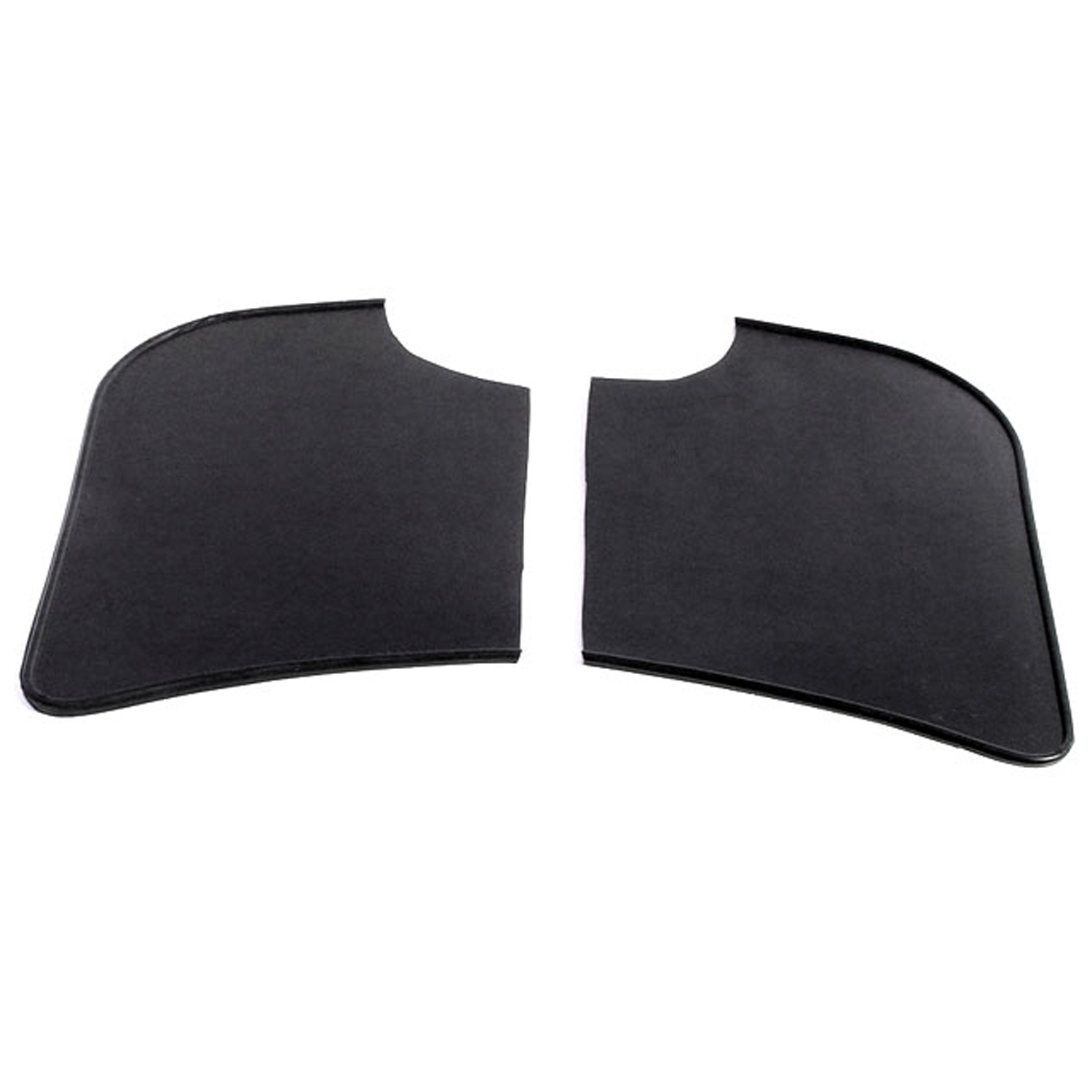 1974 Volkswagen Dasher Gravel Shields. Molded flat without metal backing plates-FS 40Gravel Shields. Molded flat without metal backing plates. Apply with contact cement. 7-5/8" long X 5-5/8" wide at top. Pair
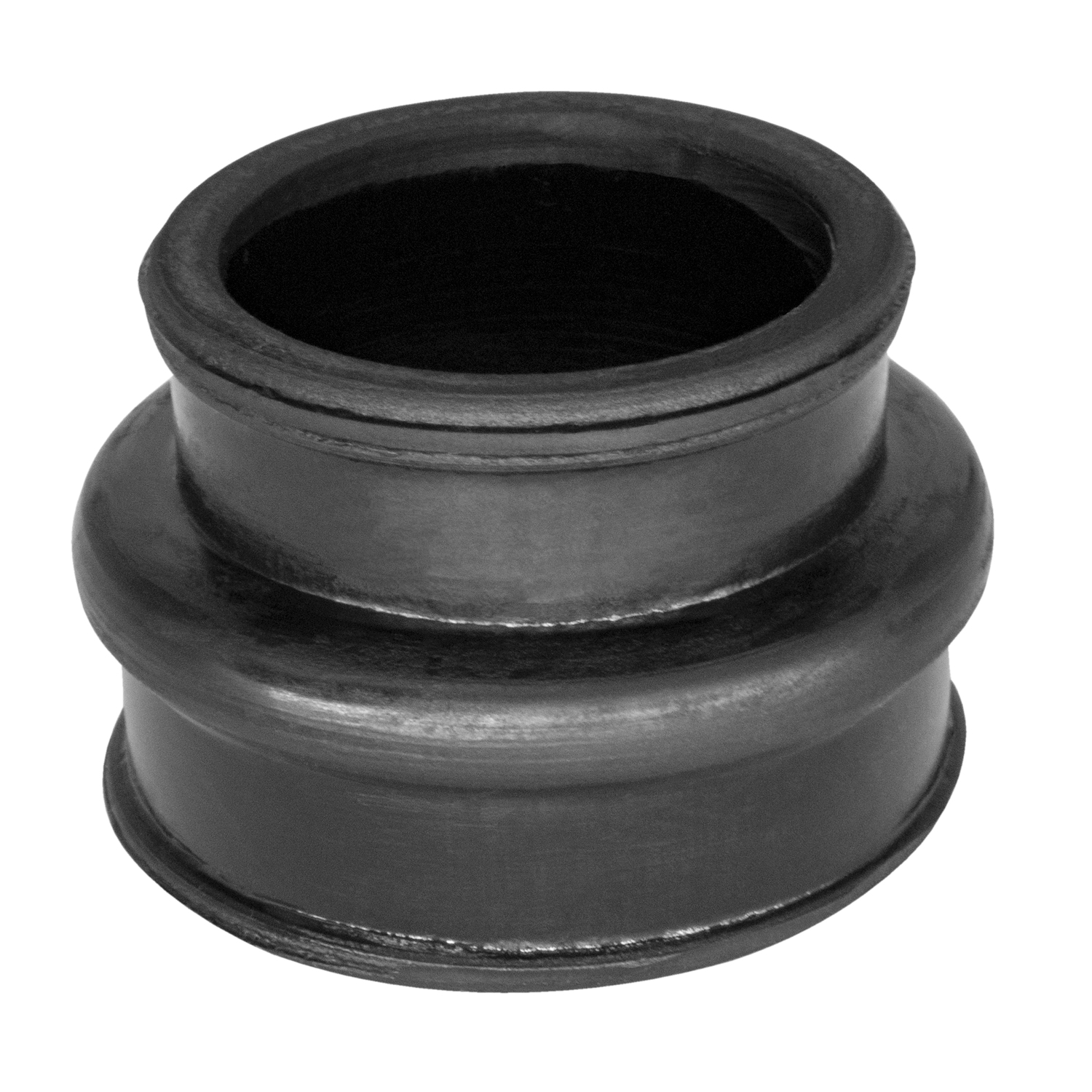 1974 Volkswagen Dasher Intake Manifold Boots. Made of rubber. 1-3/8" I.D., 2" O.D-RP 300-BIntake Manifold Boots. Made of rubber. 1-3/8" I.D., 2" O.D. X 1-1/2" high. Pair
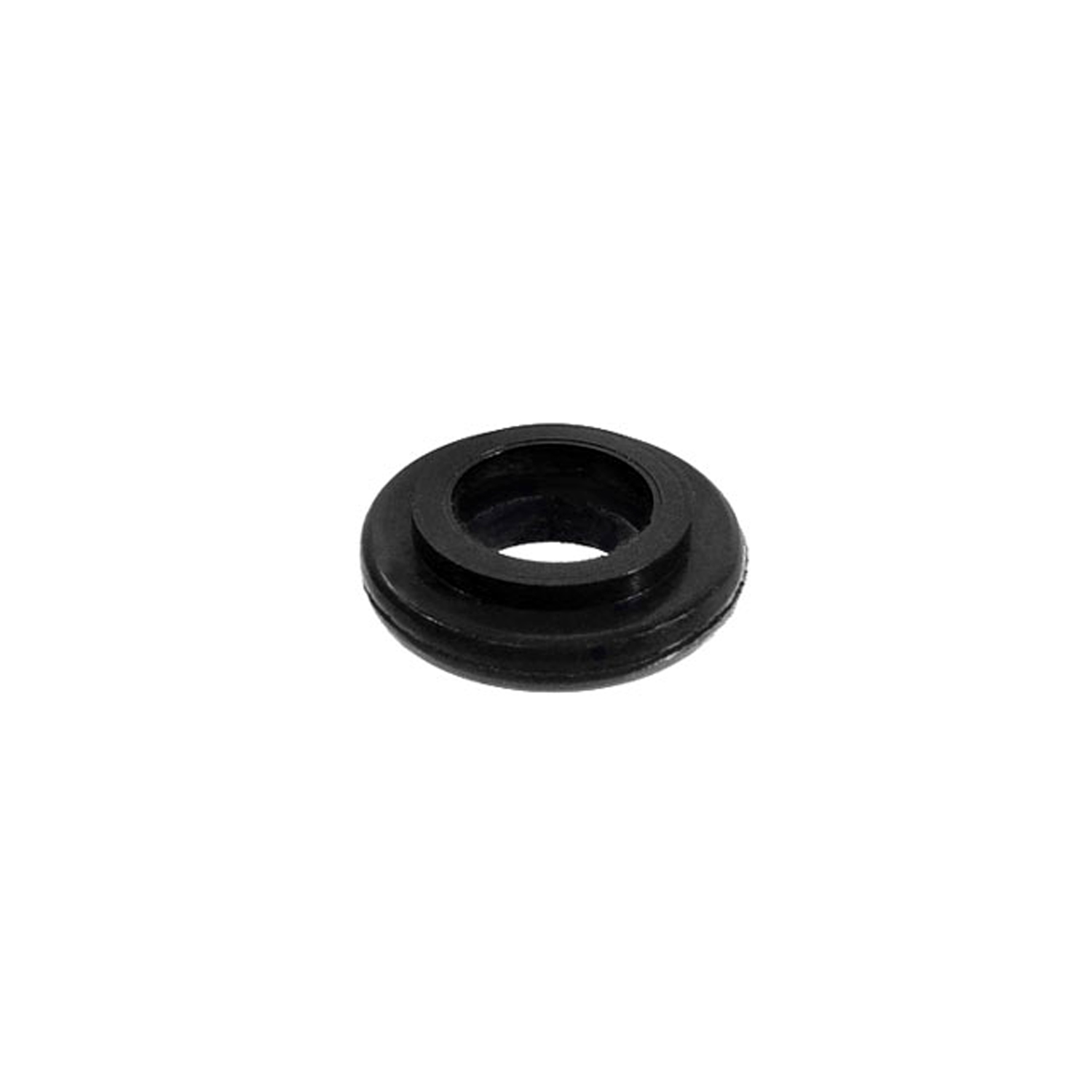 1974 Volkswagen Dasher Oil Cooler Seal. 7/16" I.D., 7/8" O.D. Each-RP 8-BOil Cooler Seal. 7/16" I.D., 7/8" O.D. Each
Why Choose Metro?
For over 100 years, Metro Moulded Parts has been the pinnacle of quality in classic car restoration parts. Our commitment to precision and authenticity in every component ensures a perfect fit and an OEM-level appearance.
- Expert Craftsmanship & Quality: Each part is a testament to our dedication to reliability and perfection, crafted from original designs and thoroughly tested.
- Advanced Technology: We use cutting-edge techniques to create flawless, long-lasting parts that surpass others in performance.
- SuperSoft Sponge – The Ultimate Door Seal: Not only are our door seals 30% softer than competitors', but they're also guaranteed to never leak. They effectively reduce wind and road noise, enhancing your classic car's comfort and driving experience.
- Proudly American: Our parts are a product of American craftsmanship, made in the USA with a spirit of excellence and heritage.
- Unrivaled Warranty: We back our products with a 30-year industry-leading warranty, a testament to our confidence in their quality.
Join us in preserving the legacy of classic cars with parts that are crafted for perfection, not just made.