

Image of 1975 Volkswagen Transporter, Note: These illustrations use artistic license and may differ from actual historical models.
Performance Metrics
Fundamental Metrics
Emotional Appeal
MMP Rating
| Engine Specifications | |
|---|---|
| Engine: | Air-cooled, overhead-valve horizontally opposed four-cylinder |
| Displacement: | 1.6L |
| Horsepower: | 46-50 hp |
| Torque: | 71 lb-ft |
| Compression Ratio: | 7.5:1 |
| Ignition System: | Distributor ignition system |
| Cooling System: | Air-cooled |
| Performance Specifications | |
| 0-60 Time: | 37 seconds |
| 1/4 Mile Time: | Not available |
| Top Speed: | 68 mph |
| Transmission and Drive | |
| Drive Type: | Rear-wheel drive |
| Transmission Type: | 4-speed manual |
| Fuel and Efficiency | |
| Fuel System Type: | Carburetor |
| MPG: | 17-20 mpg |
| Dimensions and Brakes | |
| Brakes: | Front disc, rear drum |
| Wheelbase: | 94.5 inches |
| Weight: | 3,000 lbs |
Note: Specifications for classic cars are given to the best of our ability, considering the limited and variant data available.
1975 Volkswagen Transporter: The Bay-Window Bus at a Glance
The 1975 Volkswagen Transporter could haul a surfboard, a family, a stack of furniture, or a weekend’s worth of camping gear, all while putting its engine behind the rear wheels. Built by Volkswagen, it belonged to the second-generation Type 2, commonly called the Bay-Window Bus for its broad, one-piece windshield. It was a practical van with an unmistakable silhouette, and it became one of the most recognizable vehicles of the 1970s.
The Transporter’s story began with the original Type 2, launched in 1950 after Volkswagen importer Ben Pon sketched the idea for a compact, cab-forward utility vehicle. The 1975 model was a more developed descendant of that early design: larger and more comfortable than the split-windshield original, but still powered by an air-cooled flat-four mounted at the back. Its role in the counterculture, camping, and surf scenes helped make the VW Bus an icon, though the working van was just as important to tradespeople and small businesses.
One detail that makes the 1975 model particularly interesting is its place in the transition toward more modern emissions technology. In the United States, many 1975 Transporters used a 1.8-liter engine with Bosch L-Jetronic fuel injection, a notable change from the carburetors fitted to many earlier buses. Equipment and specifications varied by country, trim, and body style, so surviving examples can differ substantially.
Bay-Window Style and Practical Design
The 1975 Transporter traded the original Bus’s split front windshield for a single, expansive pane of glass. The curved front panel, broad side windows, upright roof, and short overhangs gave it a friendly, almost architectural look. Its design put the driver close to the front of the vehicle and made the most of the available interior space, while the rear-mounted engine left the front free of a conventional engine bay.
Inside, the cabin was straightforward and durable rather than luxurious. Painted metal, vinyl upholstery, rubber floor coverings, and simple switchgear were typical, with trim and equipment depending on the specification. The upright seating position gave the driver a commanding view, and the large windows helped make the interior feel brighter and more open than that of many vans. Camper versions added a more elaborate interior, often with sleeping space, storage, a table, and, in some configurations, a compact kitchen area.
There was no single universal color list: paint choices differed by market and model year. Period Volkswagen colors included bright, cheerful hues alongside more restrained whites, creams, blues, greens, and reds. Two-tone paint was especially at home on a people-carrying Bus or camper, while commercial panel vans were often finished in simpler, work-ready colors. Today, colorful original paint and well-executed two-tone schemes are among the details that give a restored Transporter strong visual appeal.
The Type 2 came in several useful forms. Panel vans served businesses, Kombi versions balanced passenger seating with cargo capacity, and Microbus models focused on carrying people. Pickup and double-cab versions offered an open load bed, while Westfalia conversions turned the van into a camper. The camper is arguably the most iconic today, but passenger Microbuses and practical panel vans also have devoted followings.
Engineering That Made the Transporter Different
The Transporter’s layout set it apart from many conventional vans. Its air-cooled, horizontally opposed four-cylinder engine sat behind the rear axle, driving the rear wheels. This packaging provided a flat, useful floor through much of the body and gave the van a distinctive weight distribution. The chassis combined a torsion-bar front suspension with independent rear suspension, while front disc brakes were part of the model’s more modern equipment compared with early buses.
That engineering was not merely a novelty. The rear-engine arrangement helped create a roomy vehicle on a relatively compact footprint, and the range of body styles let Volkswagen serve families, tradespeople, delivery fleets, and campers with a shared basic platform. The Transporter also helped establish the van as more than a bare-bones commercial tool: it could be a passenger vehicle, mobile workspace, or recreational vehicle.
Its influence is visible in the continuing popularity of compact, adaptable vans and camper conversions. The 1975 Bus was not fast or especially refined by modern standards, but it made space, flexibility, and personality central to the vehicle’s appeal. Later generations of Volkswagen vans carried that idea forward, and the original Type 2’s simple shape remains a reference point for camper culture.
1975 Transporter Performance and Road Manners
Engine output depended on market and specification. A typical U.S.-market 1975 model with the 1.8-liter fuel-injected flat-four produced roughly 68 horsepower. Other markets offered different air-cooled engines, commonly in the 1.6-liter range. A healthy example might reach approximately 65 to 70 mph, with a 0-to-60 mph time often estimated at around 25 to 30 seconds. These are period-style estimates rather than guaranteed figures: engine condition, gearing, body configuration, altitude, and load all make a difference.
The Transporter rewards a relaxed driving style. Acceleration is unhurried, especially with passengers or camping equipment aboard, and keeping momentum matters more than quick bursts of speed. The flat-four produces a distinctive mechanical thrum from behind the driver, accompanied by cooling-fan and road noise. The soundtrack is part of the experience, but it also reminds you that this is an air-cooled vehicle with little in common with a modern, insulated van.
On smooth roads, the ride is comfortable at moderate speeds. Over bumps, the suspension can feel busy, and a heavily loaded van may respond differently from an empty one. Crosswinds and passing trucks deserve attention because the tall body presents a generous surface to the wind. On winding roads, the rear-engine layout and period tires call for smooth steering and measured cornering rather than sporty antics. The driver sits upright, works a manual gearbox, and feels directly involved in keeping the van moving at its best.
Living With a Classic VW Bus
Owners use 1975 Transporters as weekend campers, show vehicles, classic-car tourers, mobile businesses, and, in some cases, regular drivers. A well-sorted example can manage local trips and relaxed cruising, but it is less suited to modern highway speeds or long, demanding commutes. Camper versions are especially popular for road trips, while panel vans and pickups appeal to owners who value utility as much as nostalgia.
Routine maintenance is understandable for an experienced home mechanic. The air-cooled engine has no radiator or coolant system, and many mechanical parts are accessible, but age and condition matter more than the design’s apparent simplicity. Regular oil changes, valve adjustments, ignition checks, cooling-system attention, and careful tuning are important. Fuel-injected U.S. examples need sound wiring, sensors, hoses, and fuel-system components; neglect can turn a seemingly simple tune-up into a more involved diagnosis.
Rust is often the bigger ownership challenge. Buyers should inspect the floors, rocker panels, wheel arches, door bottoms, front floor and cab area, battery tray, and structural seams. Poor-quality repairs can conceal expensive corrosion. Parts support is generally strong thanks to the model’s popularity, but original trim, correct camper equipment, and market-specific components may take time and money to source. A pre-purchase inspection by a mechanic familiar with air-cooled Volkswagens is a wise investment.
Volkswagen Transporter Facts and Myths
The Type 2 became closely associated with the surf scene and the counterculture of the 1960s and 1970s. That cultural reputation belongs to the Bus family as a whole, not exclusively to the 1975 model. Its roomy cabin, adaptable interior, and approachable appearance made it a natural choice for road trips and camper conversions, and the same qualities helped it remain recognizable long after its original production era.
There is no reliable single production total for every 1975 Transporter configuration across all markets, so a precise figure for that model year is difficult to establish. The Type 2 itself was produced in very large numbers over a long run, and its design continued in later forms in different countries. The Brazilian Kombi’s production ended in 2013, a strikingly long afterlife for the basic concept, though those later vehicles were not identical to a 1975 German-built Bus.
Common criticisms are part of the ownership picture: the Bus is slow, its fuel economy is modest by modern standards, and its tall body can be affected by wind. Air-cooled engines also demand attentive maintenance and are less forgiving of overheating or poor tuning than many modern powertrains. The trade-off is a characterful, accessible vehicle with a huge enthusiast community and a driving experience that feels unlike a contemporary van.
1975 VW Transporter Collector Values
Values depend heavily on body style, originality, rust, mechanical condition, and the quality of any restoration. As a broad U.S. market estimate, a rough project vehicle may sell for about $8,000 to $15,000. A usable driver can fall around $20,000 to $35,000, while a properly restored passenger model may bring roughly $40,000 to $70,000. Well-restored Westfalia campers can reach approximately $45,000 to $100,000 or more, with exceptional examples sometimes exceeding that range. These are indicative ranges, not appraisals, and local markets vary.
The 1975 Transporter is not rare in the sense of having been produced in tiny numbers, but clean, unmodified examples are increasingly difficult to find. Campers with complete, correct interiors and sound bodywork are especially sought after. Over the long term, desirable buses have generally appreciated as restoration costs and collector interest have risen. Prices can still fluctuate, and a shiny restoration with hidden rust or questionable workmanship may be worth far less than its appearance suggests.
For collectors, the smartest purchase is usually the soundest body rather than the most dramatic paint or the biggest stack of accessories. A solid, well-documented van is easier to enjoy and preserve than a neglected bargain that needs extensive metalwork.
Why the 1975 Transporter Still Matters
The 1975 Volkswagen Transporter combined a distinctive bay-window design, unusually flexible body choices, and clever rear-engine packaging in a vehicle that could serve as a work van by day and a camper by night. Its modest speed and hands-on maintenance requirements are real, but so are its character, utility, and enduring place in automotive culture. More than a nostalgic shape, the Bay-Window Bus is a reminder that a practical vehicle can become an icon simply by making room for people, projects, and adventure.
1975 Volkswagen Transporter Catalog of Parts
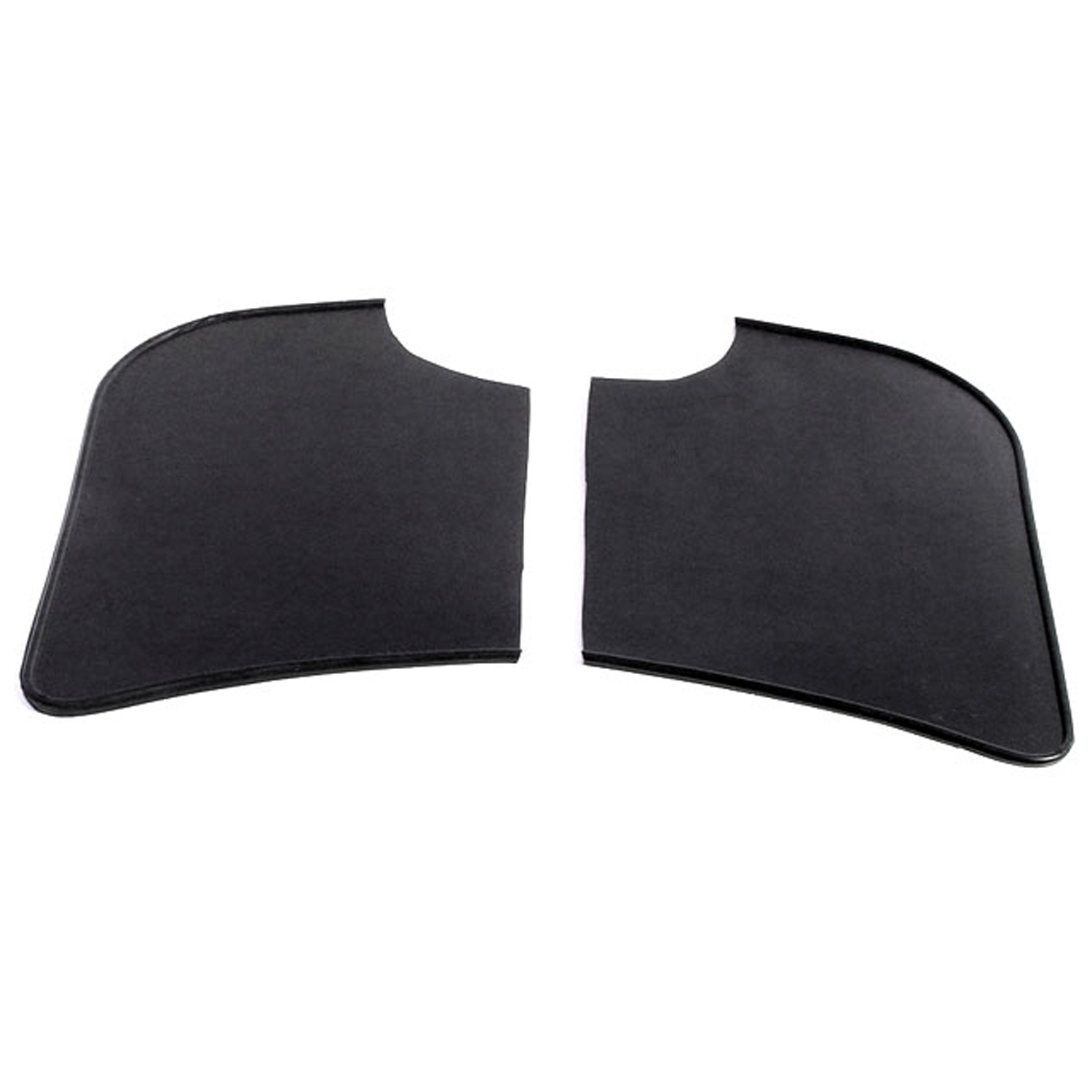 1975 Volkswagen Transporter Gravel Shields. Molded flat without metal backing plates-FS 40Gravel Shields. Molded flat without metal backing plates. Apply with contact cement. 7-5/8" long X 5-5/8" wide at top. Pair
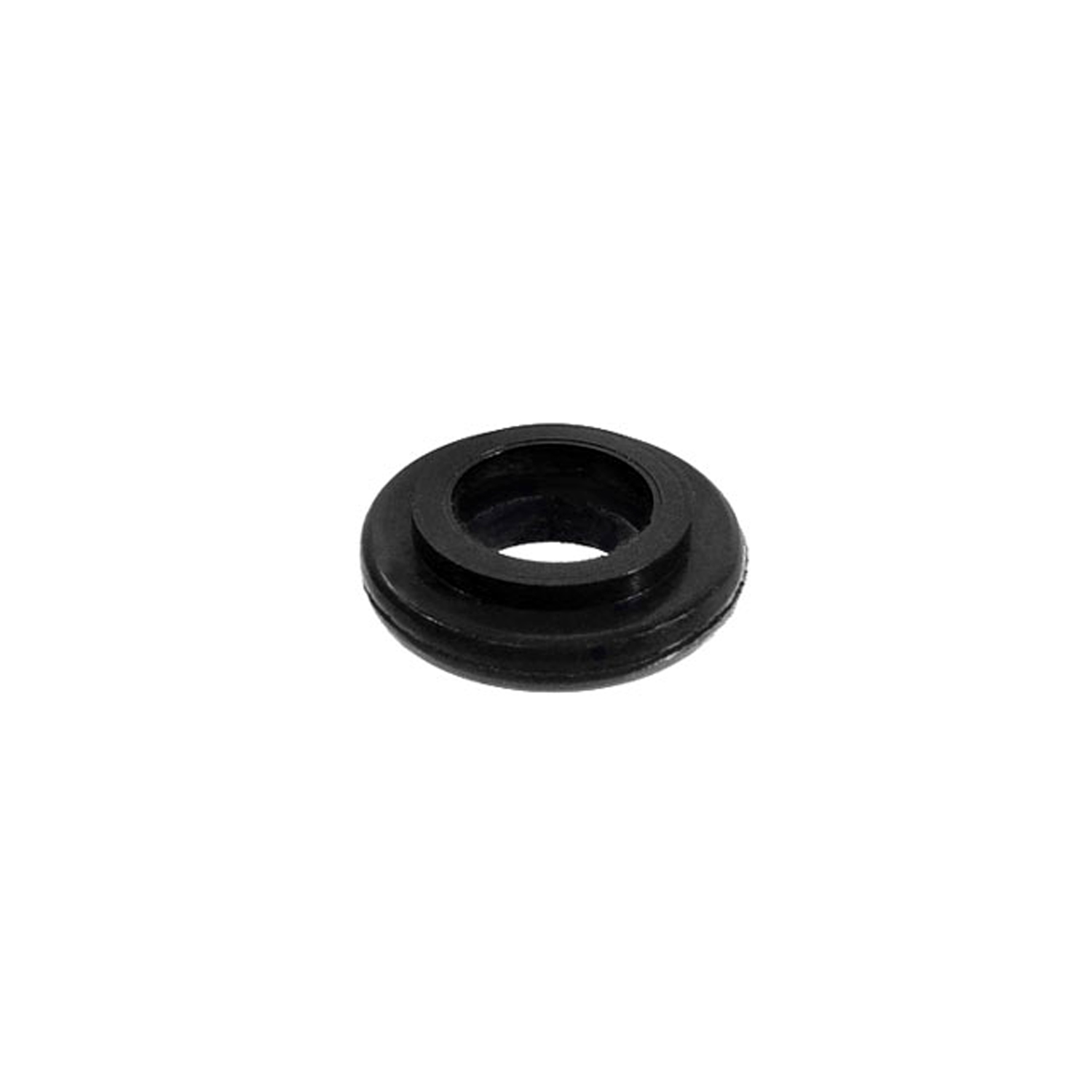 1975 Volkswagen Transporter Oil Cooler Seal. 7/16" I.D., 7/8" O.D. Each-RP 8-BOil Cooler Seal. 7/16" I.D., 7/8" O.D. Each
Why Choose Metro?
For over 100 years, Metro Moulded Parts has been the pinnacle of quality in classic car restoration parts. Our commitment to precision and authenticity in every component ensures a perfect fit and an OEM-level appearance.
- Expert Craftsmanship & Quality: Each part is a testament to our dedication to reliability and perfection, crafted from original designs and thoroughly tested.
- Advanced Technology: We use cutting-edge techniques to create flawless, long-lasting parts that surpass others in performance.
- SuperSoft Sponge – The Ultimate Door Seal: Not only are our door seals 30% softer than competitors', but they're also guaranteed to never leak. They effectively reduce wind and road noise, enhancing your classic car's comfort and driving experience.
- Proudly American: Our parts are a product of American craftsmanship, made in the USA with a spirit of excellence and heritage.
- Unrivaled Warranty: We back our products with a 30-year industry-leading warranty, a testament to our confidence in their quality.
Join us in preserving the legacy of classic cars with parts that are crafted for perfection, not just made.