
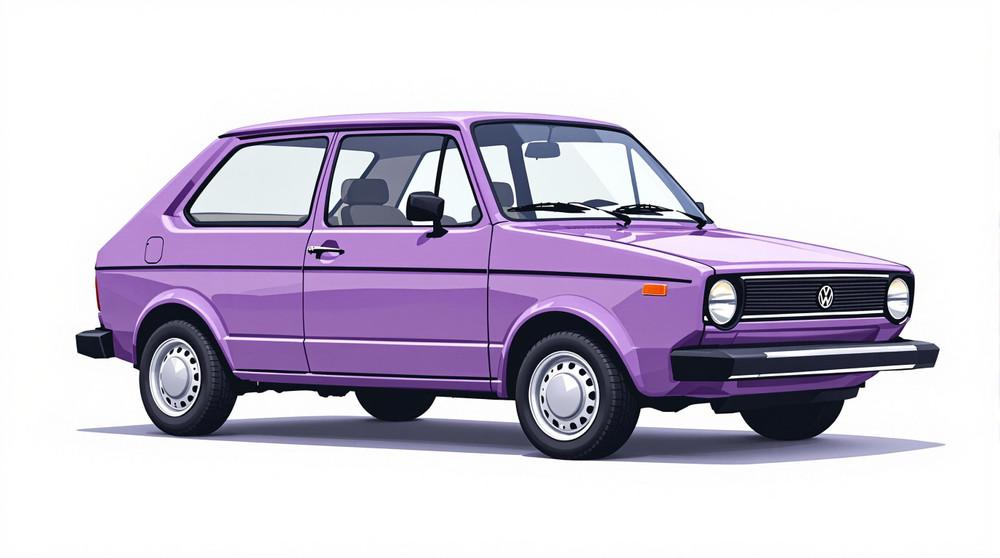
Image of 1979 Volkswagen Type 2, Note: These illustrations use artistic license and may differ from actual historical models.
Performance Metrics
Fundamental Metrics
Emotional Appeal
MMP Rating
| Engine Specifications | |
|---|---|
| Engine: | Air-cooled 2.0L flat-four engine |
| Displacement: | 1970cc |
| Horsepower: | 67-70 hp |
| Torque: | 101 lb-ft |
| Compression Ratio: | 7.3:1 |
| Ignition System: | Electronic ignition |
| Cooling System: | Air-cooled |
| Performance Specifications | |
| 0-60 Time: | 20 seconds |
| 1/4 Mile Time: | Not available |
| Top Speed: | 80 mph |
| Transmission and Drive | |
| Drive Type: | Rear-wheel drive |
| Transmission Type: | 4-speed manual |
| Fuel and Efficiency | |
| Fuel System Type: | Fuel injection |
| MPG: | 17-20 mpg |
| Dimensions and Brakes | |
| Brakes: | Front disc, rear drum |
| Wheelbase: | 94.5 inches |
| Weight: | 3000 lbs |
Note: Specifications for classic cars are given to the best of our ability, considering the limited and variant data available.
1979 Volkswagen Type 2: The Last Classic Bay-Window Bus
The 1979 Volkswagen Type 2 made ordinary travel feel like an invitation to go somewhere unexpected. With its upright windshield, rounded body and rear-mounted air-cooled engine, it was part work van, part family transport and, in camper form, a compact home on wheels. Built by Germany’s Volkswagenwerk, the Type 2 was the second major vehicle line in Volkswagen’s postwar story, following the Beetle. The 1979 model is especially notable in the United States and Germany as the final year of the familiar second-generation, or T2, “Bay Window” bus.
Volkswagen introduced the Type 2 in 1950, adapting the Beetle’s mechanical layout to a larger, more versatile body. By 1979, the design had evolved considerably from the original split-windshield bus. One intriguing footnote is that the end of German production was not the end of the T2 itself: production continued in Brazil for decades, with the last Brazilian examples built in 2013. The 1979 bus was therefore an ending in one market, but not the final chapter worldwide.
Bay-Window Style and Everyday Ingenuity
The Type 2’s shape is instantly recognizable. Its nearly vertical front panel, broad windshield and short, gently rounded nose give it a face-like appearance, while the tall roof and large windows make the body look airy and open. The clean, slab-sided profile was practical as well as charming: it provided useful interior space without requiring a long, low hood. On U.S.-market buses, large bumpers, rectangular rear lights and later safety features gave the design a more substantial look than earlier models.
Inside, the 1979 Type 2 was simple and functional rather than luxurious. Painted metal, vinyl trim and hard-wearing fabrics were common in passenger versions, with more elaborate upholstery and cabinetry in camper conversions. The driver sat high, close to the front of the vehicle, with a broad view through the expansive windshield. The cabin’s flat floor and upright seating made it feel sociable, especially in passenger models, though engine noise and road sounds were part of the experience.
Equipment varied by market and trim. Later Type 2s could be ordered with conveniences such as a radio, a rear window defroster and more comfortable seating. U.S. models also received safety and emissions equipment appropriate to the period. The 1979 bus was not electronically sophisticated by modern standards, but fuel injection on U.S. versions of the 2.0-liter engine was a meaningful step beyond a basic carbureted setup.
Volkswagen offered the Type 2 in a wide range of configurations: panel van, Kombi, passenger bus, pickup, double-cab pickup and camper. The camper, particularly the Westfalia conversion, is perhaps the most iconic today. Its pop-top roof, sleeping space, compact kitchen and clever storage transformed the van into a self-contained touring vehicle. Color choices depended on market, trim and production period, but buyers could find solid colors as well as distinctive two-tone combinations. White paired with a brighter shade remains a favorite among restorers and collectors.
Why the Type 2 Changed the Van
The Type 2 helped establish the modern idea of a light commercial van that could also serve families and leisure travelers. Its rear-engine layout left the front of the vehicle free of a conventional engine compartment, while the boxy body made efficient use of its footprint. The layout was not without compromises, but the combination of passenger comfort, cargo capacity and a welcoming interior was unusual among practical vehicles of its era.
Compared with many contemporary work vans, the Type 2 felt less like equipment and more like a place to spend time. It could carry tools during the week, children on the weekend or camping gear for a longer trip. The camper version made that flexibility especially visible, inspiring generations of recreational vans and helping shape the idea of road travel as an experience in itself.
Its influence is still easy to spot in modern camper conversions and lifestyle vans. The Type 2 did not invent every feature associated with today’s recreational vehicles, but it showed how a modest van could combine transport, shelter and leisure. Its lasting appeal comes from that practical versatility as much as from its distinctive styling.
Air-Cooled Performance and Road Manners
Specifications varied by country, but U.S.-market 1979 Type 2s commonly used a rear-mounted, air-cooled 2.0-liter flat-four engine with electronic fuel injection. Output was about 67 horsepower in U.S. specification. That modest figure had a substantial vehicle to move, so acceleration was leisurely. Period road tests and modern estimates generally put 0-to-60-mph times in the low-to-mid 20-second range, depending on load, condition and gearing. Top speed was roughly 70 to 75 mph under favorable conditions, though sustained high-speed cruising was not the bus’s strong suit.
The engine sits behind the rear axle, driving the rear wheels. That arrangement gives the Type 2 its characteristic mechanical soundtrack: a steady air-cooled rumble that grows more insistent as the engine works uphill or into a headwind. The engine is accessible from the rear, but routine maintenance still matters. Cooling depends on airflow, so clean cooling passages, correct engine tin and proper tune are important to longevity.
On the road, the bus favors a measured pace. Its long-travel suspension deals reasonably well with ordinary bumps, and the upright seating gives the driver a commanding view. However, the high body catches crosswinds, and the steering can feel slow compared with a modern car. On winding roads, it rewards smooth inputs and anticipation rather than quick direction changes. A loaded camper, in particular, needs extra braking distance and a patient approach to corners.
The driving experience is more about participation than speed. The driver sits forward, works a relatively simple manual transmission and hears the engine close behind. A healthy example can be pleasant and engaging, but it is not quiet, quick or effortless by contemporary standards. The Type 2 asks its driver to slow down, and that is part of its appeal.
Living With a 1979 Type 2
Owners use these buses as weekend campers, classic show vehicles, family cruisers and occasional daily drivers. Some remain in commercial service, but most surviving examples are now cherished hobby vehicles. A well-sorted bus can handle local trips and touring, although modern highway traffic may make its limited acceleration and modest cruising speed feel challenging.
Mechanical simplicity is one of the Type 2’s advantages. Many routine jobs can be completed by an experienced home mechanic with ordinary tools, and parts support remains strong thanks to the model’s popularity. The fuel-injected 2.0-liter engine is more complex than the earlier carbureted units, but it is still approachable for a specialist or knowledgeable owner. Regular valve adjustments, ignition checks and careful attention to oil leaks and overheating risks are essential.
Rust is often the larger ownership concern. Inspect the sills, floor, wheel arches, battery area, lower door edges, window surrounds and structural seams. Camper interiors also deserve close examination because water leaks can damage cabinetry and flooring. A bus with a shiny paint job may still hide costly corrosion underneath, so a thorough inspection is more valuable than a quick visual assessment.
Type 2 Trivia, Legacy and Criticisms
The nickname “Bay Window” refers to the large, single-piece windscreen that replaced the split windshield of the first-generation bus. The 1979 model also sits at a generational crossroads: the newer T3, called the Vanagon in North America, followed in many markets, while the older T2 design continued elsewhere. In Brazil, the Type 2’s long production life eventually brought changes such as a water-cooled engine, reflecting how adaptable the basic vehicle proved to be.
The Type 2 became closely associated with the 1960s counterculture and the camping boom, though that image belongs to the entire generation rather than exclusively to 1979. Its broad use as a delivery van, passenger shuttle and camper helped make it a familiar sight across many countries. More than 2.5 million second-generation T2 buses were built in Germany between 1967 and 1979; production outside Germany means the worldwide total was higher. A precise global count for 1979 alone is difficult to establish across all factories and body styles, but a reasonable broad estimate is around 80,000 to 120,000 vehicles worldwide for that model year. That figure should be treated as an estimate, not a factory-certified production total.
Its appeal comes with well-known criticisms. The Type 2 is slow by modern standards, vulnerable to crosswinds and less fuel-efficient than many contemporary cars. The air-cooled engine can be damaged by neglect or overheating, and rust repairs can be expensive. Even so, its parts availability, practical layout and strong community of owners help keep many examples on the road.
Collector Values and Market Outlook
Prices depend heavily on body style, rust, mechanical condition, originality and the quality of any restoration. As a broad U.S. market guide, a project-quality 1979 Type 2 may sell for roughly $5,000 to $12,000. A usable driver commonly falls around $15,000 to $30,000, while a clean, well-restored bus can reach approximately $35,000 to $65,000. Desirable Westfalia campers in excellent condition can bring $50,000 to $90,000 or more, especially when the restoration is documented and the interior is complete. Exceptional examples may exceed these ranges, while rust-heavy or incomplete vehicles can fall below them.
Survivors are not impossibly rare, but good ones are increasingly hard to find. Passenger buses and commercial versions remain available, while sound campers attract especially strong interest. Values rose substantially as vintage vans and road-trip culture gained popularity. The market has since become more selective: top-quality campers remain desirable, but buyers are more cautious about poorly repaired rust, questionable restorations and costly mechanical work. In the long term, originality and documented condition are likely to matter more than simply having fresh paint.
A Classic That Makes the Journey the Point
The 1979 Volkswagen Type 2 combines a distinctive Bay-Window silhouette, a remarkably versatile body and a driving character unlike that of a modern vehicle. Its air-cooled engine and unhurried performance demand patience, while its spacious cabin and camper possibilities invite longer journeys. As one of the final German-built T2s, it also marks the close of an important chapter in Volkswagen history.
More than a van, the Type 2 became a symbol of practical freedom: a vehicle able to carry a day’s work, a family’s luggage or a small home into the next adventure. Its enduring significance is not how quickly it gets there, but how readily it makes people want to go.
1979 Volkswagen Type 2 Catalog of Parts
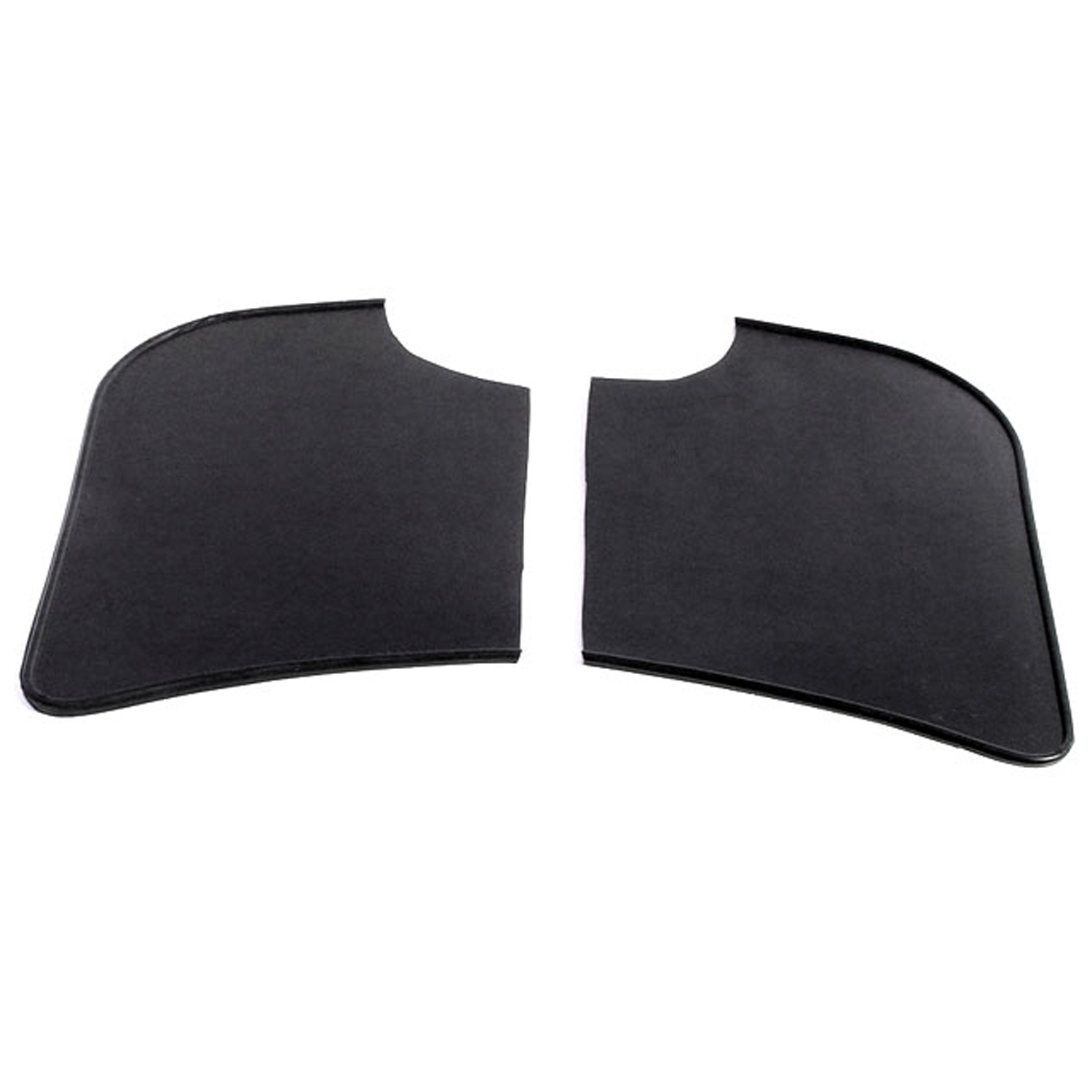 1979 Volkswagen TYPE 2 Gravel Shields. Molded flat without metal backing plates-FS 40Gravel Shields. Molded flat without metal backing plates. Apply with contact cement. 7-5/8" long X 5-5/8" wide at top. Pair
Why Choose Metro?
For over 100 years, Metro Moulded Parts has been the pinnacle of quality in classic car restoration parts. Our commitment to precision and authenticity in every component ensures a perfect fit and an OEM-level appearance.
- Expert Craftsmanship & Quality: Each part is a testament to our dedication to reliability and perfection, crafted from original designs and thoroughly tested.
- Advanced Technology: We use cutting-edge techniques to create flawless, long-lasting parts that surpass others in performance.
- SuperSoft Sponge – The Ultimate Door Seal: Not only are our door seals 30% softer than competitors', but they're also guaranteed to never leak. They effectively reduce wind and road noise, enhancing your classic car's comfort and driving experience.
- Proudly American: Our parts are a product of American craftsmanship, made in the USA with a spirit of excellence and heritage.
- Unrivaled Warranty: We back our products with a 30-year industry-leading warranty, a testament to our confidence in their quality.
Join us in preserving the legacy of classic cars with parts that are crafted for perfection, not just made.