
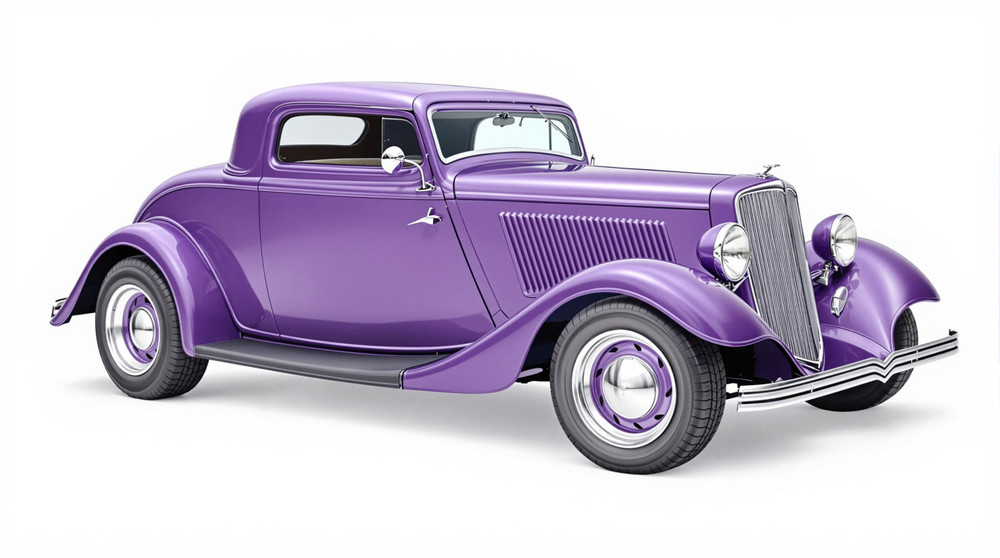
Image of 1933 Willys Knight Model 66e, Note: These illustrations use artistic license and may differ from actual historical models.
Performance Metrics
Fundamental Metrics
Emotional Appeal
MMP Rating
| Engine Specifications | |
|---|---|
| Engine Options: | Inline 6-cylinder |
| Displacement Range: | 3.3L |
| Horsepower Range: | Estimated 70-80 HP |
| Torque: | Not available |
| Compression Ratio: | Not available |
| Ignition System: | Battery and coil |
| Cooling System: | Water-cooled |
| Performance Specifications | |
| 0-60 Time: | Not available |
| 1/4 Mile Time: | Not available |
| Top Speed: | 70 mph |
| Transmission and Drive | |
| Drive Type: | Rear-wheel drive |
| Transmission Type: | 3-speed manual |
| Fuel and Efficiency | |
| Fuel System Type: | Carburetor |
| MPG: | Not available |
| Dimensions and Brakes | |
| Brakes: | Mechanical drum brakes |
| Wheelbase: | 112 inches |
| Weight: | Estimated 2,800 lbs |
Note: Specifications for classic cars are given to the best of our ability, considering the limited and variant data available.
1933 Willys-Knight Model 66E: A Quietly Distinctive American Classic
The 1933 Willys-Knight Model 66E pursued refinement in an unusual way: instead of conventional poppet valves, its six-cylinder engine used sliding sleeves to control the flow of fuel and exhaust. The result was a notably quiet, smooth-running car and one of the most distinctive American automobiles of its era.
Willys-Knight was a premium line produced by Willys-Overland, the Toledo, Ohio, automaker founded by John North Willys. The company adopted the Knight sleeve-valve engine in the 1910s and built a reputation around its quiet operation. The Model 66E arrived as the market was still struggling through the Great Depression. It was among the final Willys-Knight models, with the line ending in 1933 as Willys-Overland faced severe financial difficulty.
That final-year status gives the 66E a special place in the marque’s history. It represents the last chapter of a long-running experiment in engine design, just as the company was preparing to concentrate on more affordable cars. A surviving Model 66E is therefore both a handsome prewar automobile and a rolling example of an engineering path that most manufacturers ultimately left behind.
Classic Lines and a Sleeve-Valve Cabin
The Model 66E wore the confident proportions associated with early-1930s luxury cars: a long hood, upright radiator, separate fenders, running boards, and a passenger compartment set well back from the front axle. Its sweeping front fenders and rounded rear bodywork softened the car’s otherwise formal profile. The result looks substantial without the heavy, slab-sided appearance that became more common on later cars.
Inside, the emphasis was on comfort and traditional workmanship. Depending on the body style and trim, occupants could find broad upholstered seats, wood or wood-grain trim, a large steering wheel, and clear, individually arranged gauges. Materials and finish varied with the body and equipment ordered, but the Willys-Knight was positioned above a basic economy car. Its cabin was designed for relaxed touring rather than sporting minimalism.
The Model 66E’s key technical feature was its sleeve-valve six. Rather than opening and closing conventional valves with springs and rocker gear, the engine used sleeves that moved around the pistons and exposed ports at the appropriate point in the cycle. The design reduced the sharp mechanical clatter associated with some engines of the period. It was an impressive piece of engineering, though it demanded careful lubrication and specialist knowledge.
Factory paint choices could vary by body style, production batch, and finish package. Period-appropriate colors included dark shades such as black, maroon, green, and blue, with some cars finished in contrasting or two-tone schemes. Black and deep, restrained colors suit the car’s formal character especially well, but buyers should consult records and the car’s original paint traces before claiming a particular combination is factory-correct.
Model 66E bodies included closed sedans and more sporting coupe-style offerings, with exact availability depending on the catalog and market. The four-door sedan is the most immediately recognizable touring form, while coupe and convertible-style versions offer a more personal, less formal look. As with many low-volume cars of the period, surviving examples and period documentation do not always make every body variation easy to verify.
Why the Model 66E Matters
The 66E’s importance lies less in changing the direction of the entire industry than in showing how far automakers were willing to go in pursuit of smoother, quieter engines. The Knight sleeve-valve concept had a genuine following, and Willys-Knight helped make it familiar to American buyers. Its quietness was a meaningful selling point at a time when engine noise and vibration were accepted parts of motoring.
Compared with conventional-valve cars, the Willys-Knight offered a different mechanical character and a distinctive ownership proposition. The sleeve-valve arrangement avoided some of the usual valve-train noise, but it brought greater oil consumption and more demanding service requirements. As manufacturing methods improved and overhead-valve and side-valve engines became more practical, the sleeve-valve design lost its commercial advantage.
The Model 66E is not the direct ancestor of a later mass-market technology, but it remains a valuable case study in automotive innovation. It shows that progress is not always a straight line: a clever solution can deliver real benefits and still be overtaken by designs that are simpler to manufacture, maintain, and repair.
Six-Cylinder Touring Performance
Published specifications for surviving cars and period references can differ, but Model 66E descriptions commonly identify a six-cylinder sleeve-valve engine of roughly 245 cubic inches, producing about 70 horsepower. Power was sent through a three-speed manual transmission. With a large, heavy body and touring-oriented gearing, the car favored steady travel over rapid acceleration.
A healthy example might reach approximately 65 to 70 mph under suitable conditions. A 0-to-60 mph time was rarely a headline specification for cars of this age, and dependable factory test figures are difficult to establish. Based on the car’s power, weight, and gearing, a rough estimate is around 25 to 30 seconds, with actual results varying substantially by body style, mechanical condition, and road conditions. These figures should be treated as estimates, not guaranteed performance specifications.
On the road, the 66E feels deliberate and composed. Its long wheelbase helps it settle over ordinary road imperfections, although large bumps still make themselves known through the rigid chassis and period suspension. On winding roads, the car rewards a measured pace. Steering takes more effort than a modern driver may expect, and the car’s mass and narrow tires call for anticipation rather than sharp, last-second inputs.
The engine’s sound is part of the appeal. Instead of the pronounced valve-train clatter associated with many old engines, a well-adjusted sleeve-valve motor tends to make a subdued, smooth mechanical murmur. The driver works a traditional manual gearbox, monitors the gauges, and allows the engine to build speed patiently. It is an involving experience, but not a fast or effortless one by modern standards.
Living With a Willys-Knight
Today, a Model 66E is best suited to touring, club events, historic displays, and careful weekend drives. It is not an ideal daily driver in modern traffic, where its braking, steering, visibility, and pace require extra room and attention. Nor was it primarily a racing machine. Its character is that of a refined, individualistic road car built for comfortable travel.
Maintenance is the central ownership challenge. The sleeve-valve engine needs appropriate lubrication and regular attention, and internal work is more specialized than a routine valve job on a conventional engine. Replacement parts can be difficult to locate, and rebuilding may require a machinist or mechanic familiar with Knight engines. The car’s other systems are more conventional for the period, but age, previous repairs, and parts availability still matter.
A prospective owner should prioritize a thorough mechanical inspection over shiny paint. Check for oil use, smoke, compression and running behavior, cooling-system condition, transmission operation, brake function, and evidence of a recent, properly documented engine rebuild. A well-maintained car can provide rewarding touring, while an inexpensive project with a worn sleeve-valve engine can become a costly undertaking.
Willys-Knight Facts and Common Myths
The 1933 model year marked the end of Willys-Knight production, making the Model 66E a final-generation car. Willys-Overland was under serious financial pressure during this period, and the company later reorganized around more economical products. The 66E’s end-of-line status is a stronger historical distinction than any widely documented speed or endurance record.
There is no dependable, commonly accepted production total for the Model 66E alone. A reasonable working estimate is roughly 1,000 to 2,500 cars, but this is a best guess rather than a verified factory figure. The number of survivors is smaller, and cars with well-documented histories or uncommon body styles are especially difficult to find.
Claims of celebrity ownership or major record-setting achievements should be treated cautiously unless supported by period documentation. The more compelling trivia is mechanical: the engine’s moving sleeves performed the work of conventional valves, giving the car its unusually quiet running character. The design also explains its most common criticism. Sleeve-valve engines could use considerable oil and were harder to service, so smoothness came with a real maintenance trade-off.
Collector Value and Availability
Willys-Knight Model 66E values depend heavily on body style, condition, originality, and the state of the engine. As a broad 2026 guide, a major project might fall around $5,000 to $15,000. A presentable, running example could bring approximately $15,000 to $30,000, while a well-restored car may reach $35,000 to $60,000 or more. Exceptional restorations and rare, documented bodies can exceed that range, but the market is small and results vary.
The car is rare, but rarity alone does not guarantee a high price. Demand is narrower than for better-known prewar marques, and buyers understand that sleeve-valve engine work can be expensive. Values for good examples have generally been steady to gradually appreciating, rather than rising sharply. Condition and mechanical health usually matter more than speculation about future collector demand.
Availability is limited, and cars may surface through marque clubs, specialist dealers, estate sales, or general classic-car auctions. For buyers, a complete, usable car with a credible engine history is often a better proposition than a superficially restored example with uncertain mechanicals. For sellers, detailed photographs, documentation, and evidence of specialist servicing can make a meaningful difference.
A Lasting Lesson in Quiet Innovation
The 1933 Willys-Knight Model 66E combines elegant prewar styling with one of the most unusual engine designs offered to American motorists. Its smooth, quiet sleeve-valve six set it apart from conventional cars, while its final-year status connects it to the closing chapter of the Willys-Knight story.
It is not the easiest classic to own, nor the quickest way to cover a road. But for collectors who value engineering experiments, period craftsmanship, and cars with a story beyond their badge, the Model 66E has a distinctive appeal. It is a reminder that automotive history was shaped not only by the ideas that won, but also by the ambitious ones that dared to take a different road.
1933 Willys Knight Model 66e Catalog of Parts
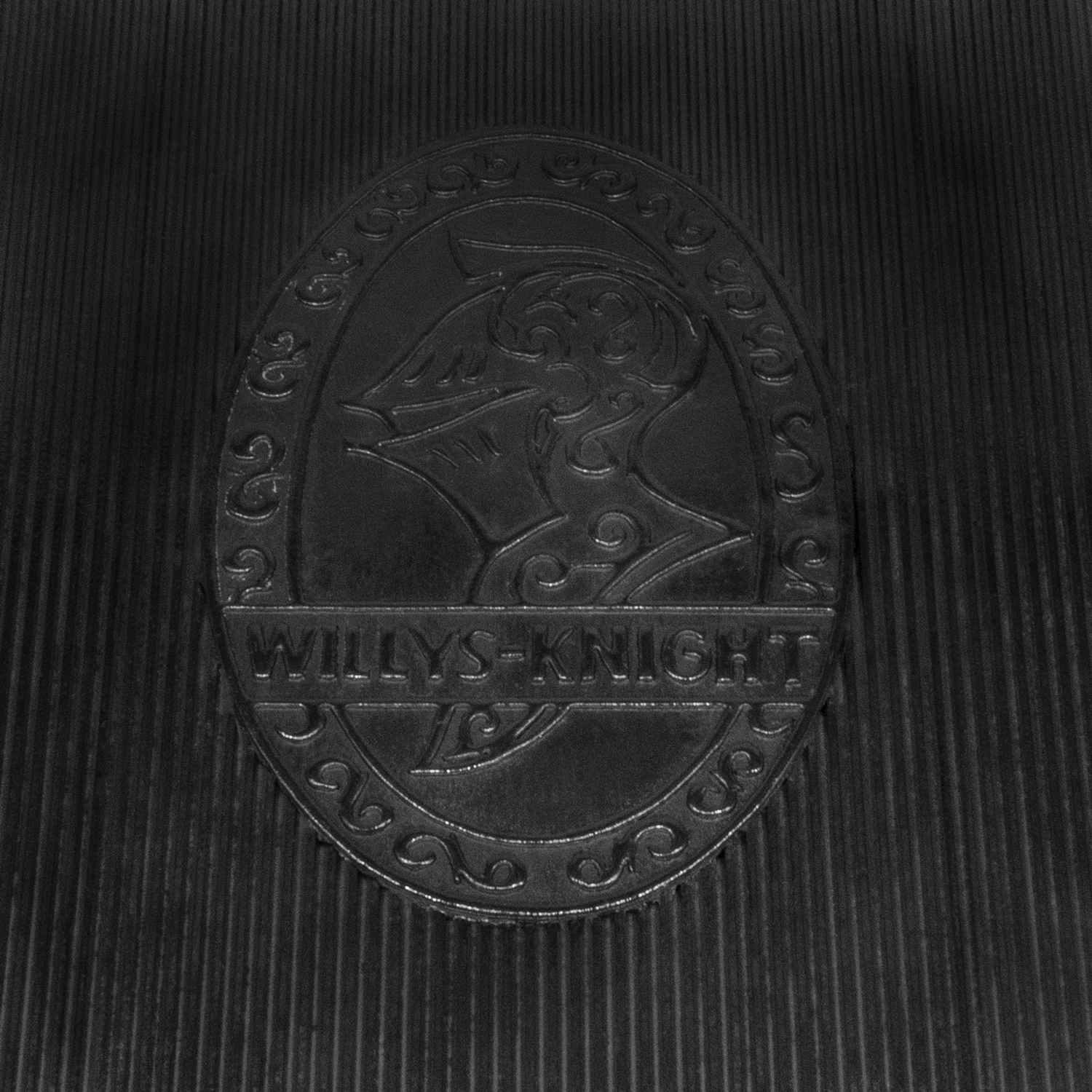 1933 Willys Knight Model 66E Accessory Floor Mat - 12"X17"-AC 51Accessory Floor Mat - made of high quality black rubber with molded original emblem. Also designed to be sewn into new carpets. 12"X17", Each
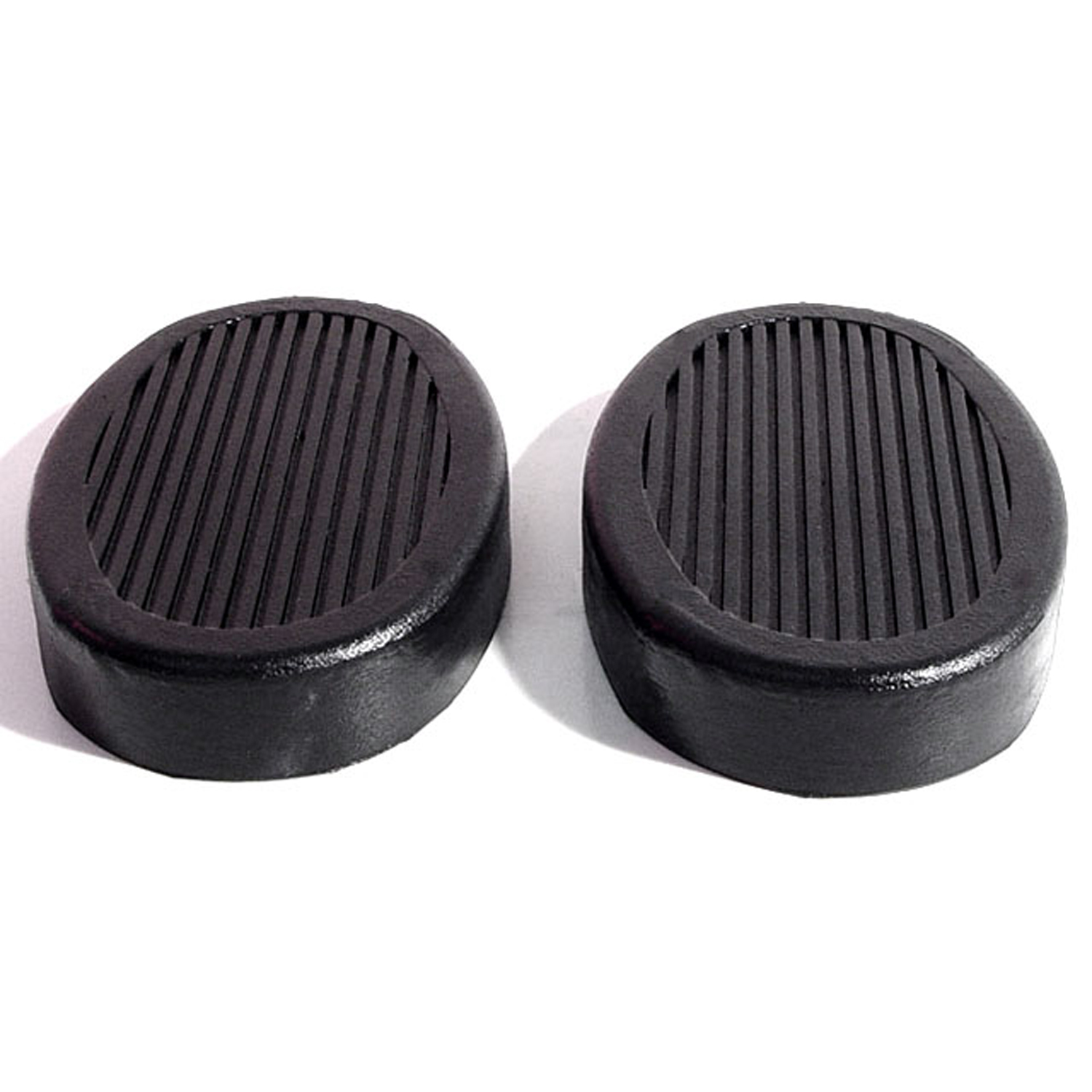 1933 Willys Knight Model 66E Clutch and Brake Pedal Pads. Exact reproduction-CB 96Clutch and Brake Pedal Pads. Exact reproduction. 2-3/16" wide X 3-5/16" long. Pair
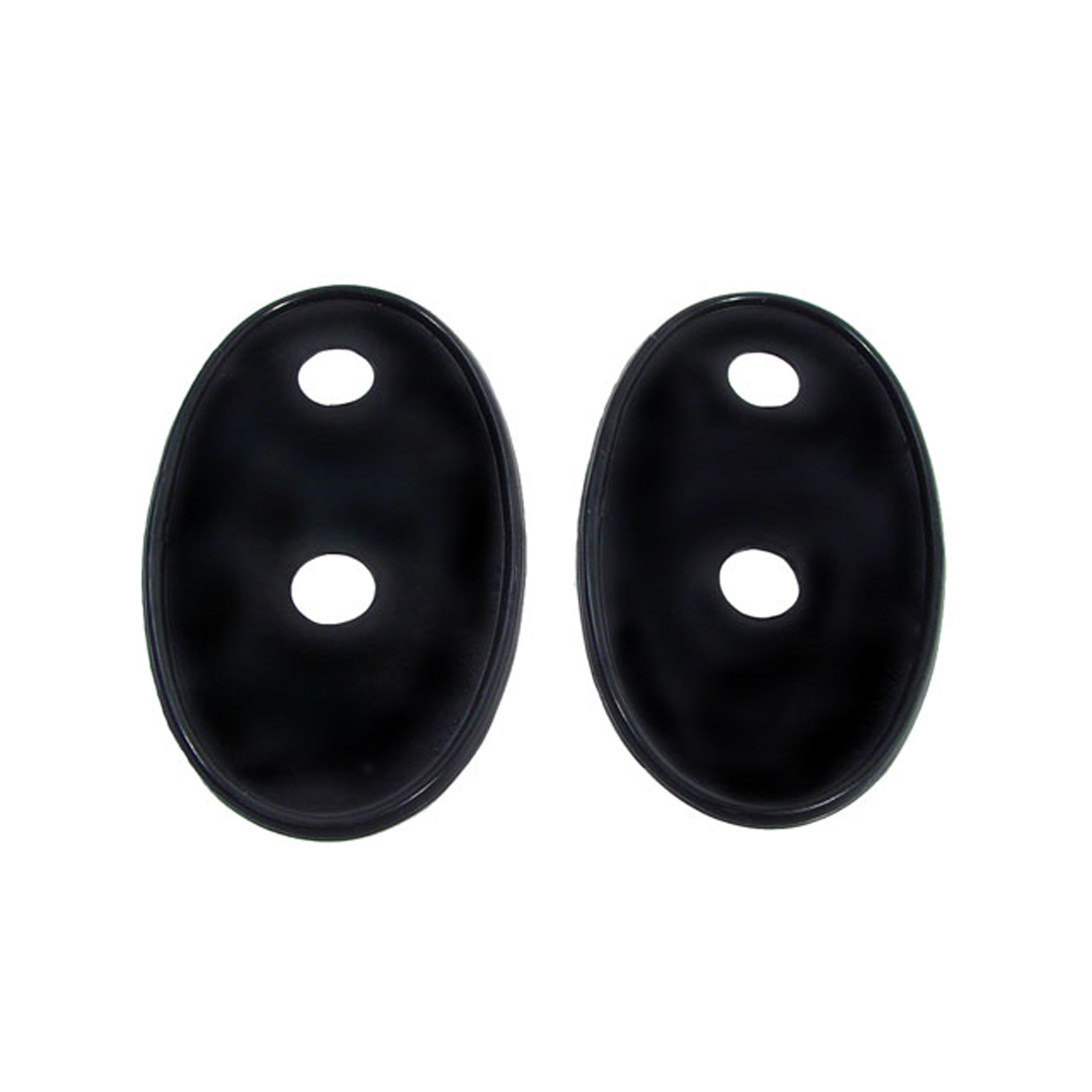 1933 Willys Knight Model 66E Tail-light Stand Bases, with Beaded Edge-MP 1304-ATail-light Stand Bases, with Beaded Edge. 2-1/2" wide X 4-1/4" long. Pair
Why Choose Metro?
For over 100 years, Metro Moulded Parts has been the pinnacle of quality in classic car restoration parts. Our commitment to precision and authenticity in every component ensures a perfect fit and an OEM-level appearance.
- Expert Craftsmanship & Quality: Each part is a testament to our dedication to reliability and perfection, crafted from original designs and thoroughly tested.
- Advanced Technology: We use cutting-edge techniques to create flawless, long-lasting parts that surpass others in performance.
- SuperSoft Sponge – The Ultimate Door Seal: Not only are our door seals 30% softer than competitors', but they're also guaranteed to never leak. They effectively reduce wind and road noise, enhancing your classic car's comfort and driving experience.
- Proudly American: Our parts are a product of American craftsmanship, made in the USA with a spirit of excellence and heritage.
- Unrivaled Warranty: We back our products with a 30-year industry-leading warranty, a testament to our confidence in their quality.
Join us in preserving the legacy of classic cars with parts that are crafted for perfection, not just made.