

Image of 1933 Willys Model 77, Note: These illustrations use artistic license and may differ from actual historical models.
Performance Metrics
Fundamental Metrics
Emotional Appeal
MMP Rating
| Engine Specifications | |
|---|---|
| Engine Options: | Inline 4 |
| Displacement Range: | 134 cu in (2.2 L) |
| Horsepower Range: | Estimated 48-50 hp |
| Torque: | Not available |
| Compression Ratio: | Not available |
| Ignition System: | Distributor and coil |
| Cooling System: | Water-cooled |
| Performance Specifications | |
| 0-60 Time: | Not available |
| 1/4 Mile Time: | Not available |
| Top Speed: | Estimated 65-70 mph |
| Transmission and Drive | |
| Drive Type: | Rear-wheel drive |
| Transmission Type: | 3-speed manual |
| Fuel and Efficiency | |
| Fuel System Type: | Carburetor |
| MPG: | Not available |
| Dimensions and Brakes | |
| Brakes: | Mechanical drum brakes |
| Wheelbase: | 100 inches |
| Weight: | Estimated 2,400 lbs |
Note: Specifications for classic cars are given to the best of our ability, considering the limited and variant data available.
1933 Willys Model 77: The Depression-Era Underdog
Small, economical, and more stylish than its budget-minded mission might suggest, the 1933 Willys Model 77 was built for drivers who needed a new car without a big-car price tag. It came from Willys-Overland, the Toledo, Ohio, manufacturer whose name would later become closely associated with the Jeep. The Model 77 was not a Jeep, but it was an important part of Willys’ effort to stay competitive during the hardest years of the Great Depression.
Its appeal was practical, but its story has a little drama: Willys-Overland was fighting for its future when the Model 77 arrived. The compact car gave the company a lower-cost offering at a time when many buyers were postponing purchases or choosing the cheapest transportation available. The result was a distinctive little Willys that has since become a comparatively uncommon sight at classic-car shows.
Compact Styling, Big Personality
The Model 77 had the upright proportions typical of an early-1930s car, but its details gave it a character all its own. A tall, narrow radiator grille sat between rounded front fenders, while the hood and flowing fender lines helped the car look less boxy than many economy cars of the period. Headlamps mounted prominently beside the grille, and wire wheels completed the purposeful, lightweight appearance.
Inside, the cabin was straightforward rather than luxurious. Buyers could expect a painted metal dashboard, simple gauges, basic door trim, and upholstery chosen for durability and price. Materials and trim varied with body style and equipment, but the Model 77 was not intended to rival a high-end sedan for plush appointments. Its appeal was honest utility, with enough period charm to make the cabin feel special today.
Willys offered the Model 77 in closed body styles such as a two-door sedan and coupe, along with open and commercial versions in the broader Model 77 range. Availability could vary by model year and market. The sedan was the sensible choice for regular family use, while the coupe has a particularly appealing profile for collectors who like compact prewar cars.
Factory paint selections varied, and surviving cars do not all retain their original finishes. Period colors commonly associated with cars of this class included dark blue, green, maroon, and black, often paired with contrasting interior trim. A documented factory color chart is the best guide when restoring a particular car, since popular modern restoration colors are not always original.
Engineering for an Economy-Minded Buyer
Power came from a 134.2-cubic-inch (2.2-liter) L-head inline-four. In commonly cited specifications, it produced about 48 horsepower and worked with a three-speed manual transmission. That was modest output even by the standards of the day, but the engine’s simplicity suited the Model 77’s low-cost purpose. Four-cylinder power also helped keep fuel use and mechanical complexity down.
For its era, the Model 77 offered useful everyday engineering in a compact package. It had conventional front-engine, rear-wheel-drive construction and drum brakes. Equipment and specifications could differ by configuration, so restorers should verify details against the car’s serial information and period literature rather than assume every 1933 example is identical.
Color and trim were only part of the buying decision. Body style, equipment, and price mattered most to customers shopping during the Depression. Willys’ formula was simple: provide basic transportation with distinctive styling and keep the purchase price within reach.
Why the Willys 77 Mattered
The Model 77’s importance lies less in one revolutionary invention than in the role it played for Willys-Overland. It was a compact, comparatively affordable car offered when the company needed products that could appeal to cost-conscious buyers. Its combination of small dimensions, four-cylinder power, and recognizable styling helped Willys maintain a presence in a market dominated by larger manufacturers.
The Model 77 also reflects a broader shift in American motoring. As the Depression squeezed household budgets, manufacturers had to make cars that were economical to buy and operate, not merely smaller versions of expensive luxury models. In that sense, the Willys was part of the early movement toward practical, lightweight American cars.
It did not transform automotive engineering, and it was not the direct blueprint for the later Jeep. Its lasting influence is more modest but still meaningful: the Model 77 helped carry the Willys name through a difficult period and showed how a small manufacturer could compete through focused, affordable design.
Performance and Road Manners
With roughly 48 horsepower, the Model 77 was built for steady travel rather than rapid acceleration. Reliable period performance figures are difficult to pin down, and results would vary with body style, gearing, condition, and load. A reasonable modern estimate for 0 to 60 mph is around 25 to 30 seconds, if the car can reach that speed comfortably. Top speed is often estimated in the neighborhood of 60 to 70 mph, but sustained cruising at the upper end would be demanding for an original car.
On a smooth road, the Willys feels light and direct compared with a larger contemporary sedan. The steering is manual, the controls are simple, and the driver does the work: there is no modern power assistance to soften the effort. On bumps, the narrow tires and period suspension make the road surface easy to feel. On winding roads, its compact size is an advantage, though the car should be driven at a measured pace, especially when braking or cornering.
The engine’s sound is a gentle four-cylinder beat rather than a deep, powerful rumble. Acceleration calls for patience and frequent gear changes, and the driver must plan ahead for hills and traffic. That hands-on character is a major part of the experience. A Model 77 is best enjoyed as a piece of living motoring history, not as a car expected to keep up with modern traffic on a fast highway.
Living With a 1933 Model 77
Today, most Model 77s are used for shows, club tours, local parades, and occasional fair-weather drives. They are generally not practical daily drivers, particularly where modern traffic moves quickly. Their compact size and relatively simple mechanical layout can make them approachable for an experienced hobbyist, but age and parts availability matter more than the car’s original simplicity.
Routine work includes checking the ignition and fuel systems, keeping the cooling system in good condition, inspecting the brakes, and monitoring lubrication and tire condition. Before road use, an owner should carefully inspect the chassis, steering, wheel bearings, and brake components. A car that has sat for years may need a thorough recommissioning, even if it starts and runs.
Some repairs are straightforward for a home mechanic, but sourcing correct trim, body panels, glass, and model-specific hardware can be more challenging than servicing the engine. Specialist clubs, vintage Willys parts suppliers, and owner networks are valuable resources. Reliability depends heavily on restoration quality and maintenance: a properly sorted Model 77 can be enjoyable on gentle outings, while a neglected one can turn a short trip into a roadside repair session.
Willys 77 Facts and Folklore
The Model 77 belongs to the prewar Willys story, not the wartime Jeep story. That distinction is worth remembering because the two are often linked in casual conversation simply because they share the Willys name. The company’s later military vehicle became world-famous, while the Model 77 remains a quieter chapter in the manufacturer’s history.
There is no widely recognized record, celebrity ownership story, or major speed achievement that defines the 1933 Model 77. Its claim to interest is its rarity today and its connection to a manufacturer navigating the Depression. The car’s limitations are equally clear: modest power, basic comfort, and the maintenance needs of a vehicle more than nine decades old. Those drawbacks are part of the bargain, not hidden surprises.
Collector Value and Availability
Exact production figures for a single 1933 Model 77 body style are not consistently reported in commonly available references. A practical best estimate is that roughly 10,000 to 15,000 Model 77s may have been built for the 1933 model year, though this should be treated as an estimate rather than a verified factory total. Only a small fraction are likely to survive in restorable or roadworthy condition, and the number of cars offered for sale in any given year is limited.
As a broad 2026 market guide, a project car might fall around $3,000 to $8,000, depending on completeness and rust. A usable driver or older restoration could bring approximately $8,000 to $18,000, while a high-quality, correctly restored example may reach roughly $20,000 to $30,000 or more. These are estimates, not formal appraisals. Body style, originality, restoration documentation, mechanical condition, and local demand can move the price substantially.
The Model 77 is a niche collectible, so its market is not as deep as that for famous mass-market classics. Values have generally benefited from the growing appreciation of uncommon prewar cars, but rarity alone does not guarantee rapid appreciation. Well-restored examples are likely to hold the strongest interest, while unusual projects can be difficult to sell because parts and specialist labor add up quickly. Buyers should prioritize condition and completeness over optimistic claims about future value.
A Small Willys With a Lasting Story
The 1933 Willys Model 77 paired compact proportions, distinctive early-1930s styling, and straightforward four-cylinder engineering in a car built for difficult economic times. It was not fast or luxurious, and it did not introduce a world-changing technology. Instead, it helped Willys-Overland keep building cars when affordability mattered more than glamour.
That makes the Model 77 more than an obscure prewar runabout. It is a survivor from a pivotal era in American automotive history, and every carefully maintained example offers a vivid reminder that some of the most interesting classics were built not to dominate the road, but simply to keep their makers moving forward.
1933 Willys Model 77 Catalog of Parts
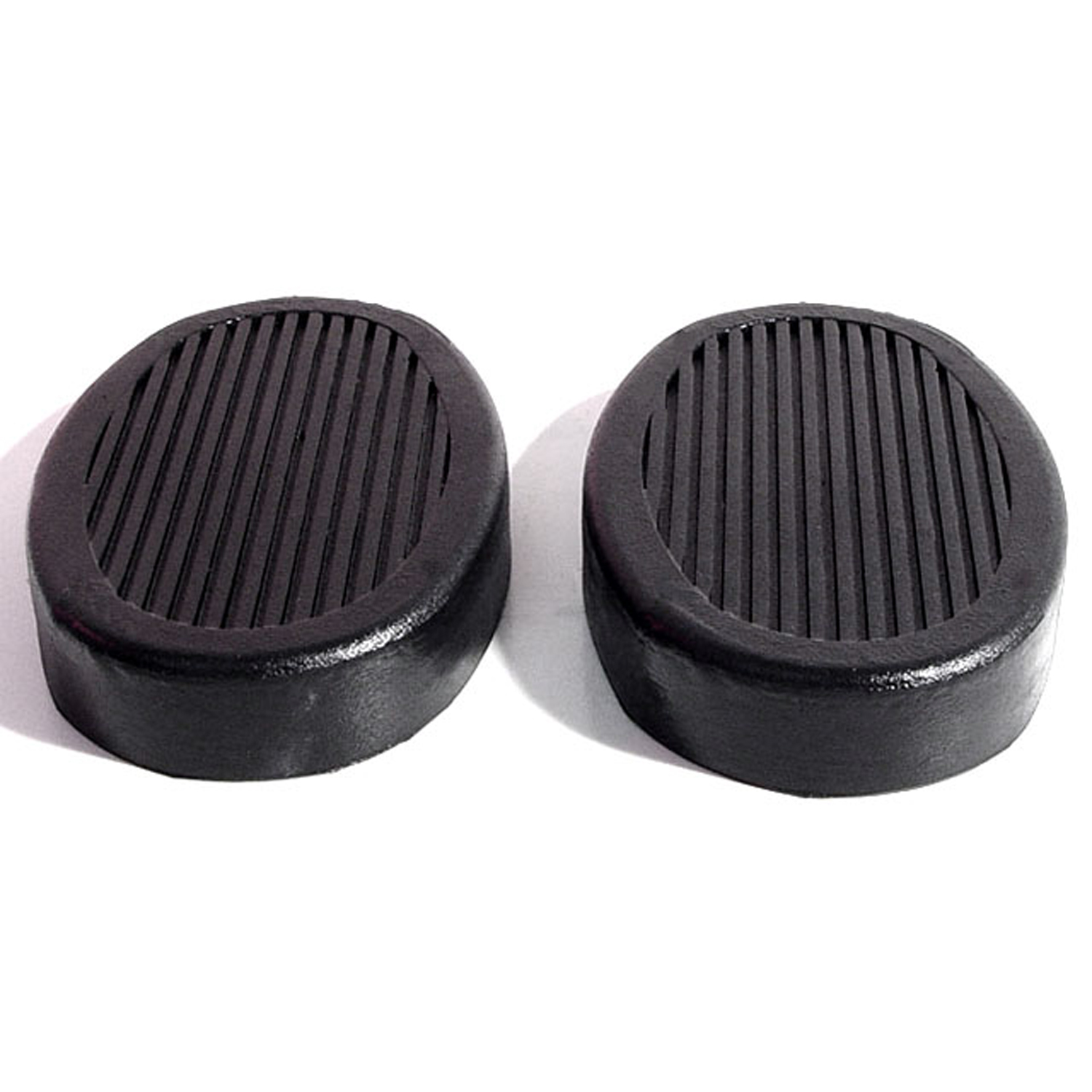 1933 Willys Model 77 Clutch and Brake Pedal Pads. Exact reproduction-CB 96Clutch and Brake Pedal Pads. Exact reproduction. 2-3/16" wide X 3-5/16" long. Pair
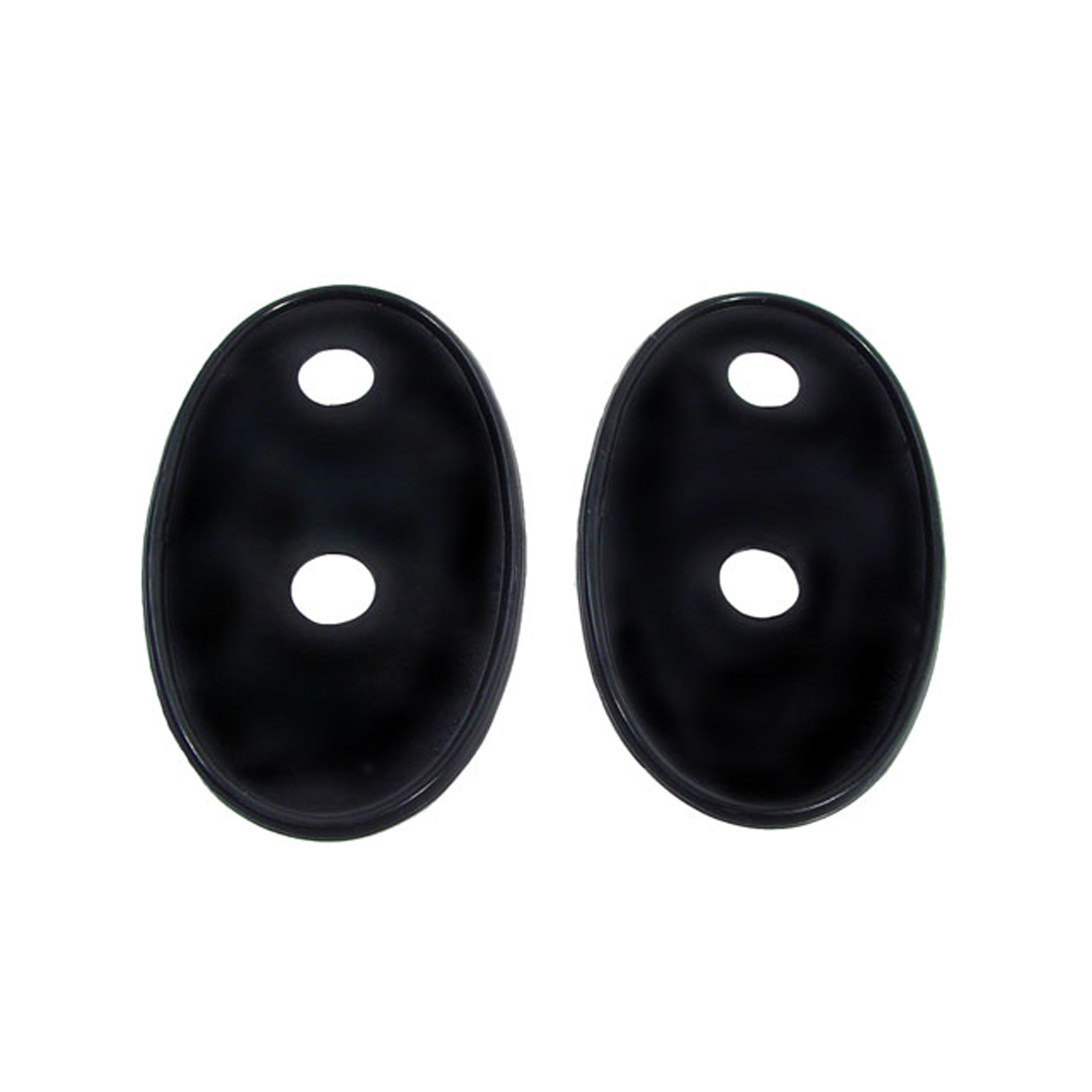 1933 Willys Model 77 Tail-light Stand Bases, with Beaded Edge-MP 1304-ATail-light Stand Bases, with Beaded Edge. 2-1/2" wide X 4-1/4" long. Pair
Why Choose Metro?
For over 100 years, Metro Moulded Parts has been the pinnacle of quality in classic car restoration parts. Our commitment to precision and authenticity in every component ensures a perfect fit and an OEM-level appearance.
- Expert Craftsmanship & Quality: Each part is a testament to our dedication to reliability and perfection, crafted from original designs and thoroughly tested.
- Advanced Technology: We use cutting-edge techniques to create flawless, long-lasting parts that surpass others in performance.
- SuperSoft Sponge – The Ultimate Door Seal: Not only are our door seals 30% softer than competitors', but they're also guaranteed to never leak. They effectively reduce wind and road noise, enhancing your classic car's comfort and driving experience.
- Proudly American: Our parts are a product of American craftsmanship, made in the USA with a spirit of excellence and heritage.
- Unrivaled Warranty: We back our products with a 30-year industry-leading warranty, a testament to our confidence in their quality.
Join us in preserving the legacy of classic cars with parts that are crafted for perfection, not just made.