

Image of 1938 Willys Model 38 Truck, Note: These illustrations use artistic license and may differ from actual historical models.
Performance Metrics
Fundamental Metrics
Emotional Appeal
MMP Rating
| Engine Specifications | |
|---|---|
| Engine: | L-head 4-cylinder |
| Displacement: | 134 cu in (2.2 L) |
| Horsepower: | Estimated 48-63 hp |
| Torque: | 100 lb-ft |
| Compression Ratio: | Estimated 6.48:1 |
| Ignition System: | Battery and coil |
| Cooling System: | Liquid-cooled |
| Performance Specifications | |
| 0-60 Time: | Not available due to the age and type of vehicle |
| 1/4 Mile Time: | Not available due to the age and type of vehicle |
| Top Speed: | 50-55 mph |
| Transmission and Drive | |
| Drive Type: | Rear-wheel drive |
| Transmission Type: | 3-speed manual |
| Fuel and Efficiency | |
| Fuel System Type: | Carburetor |
| MPG: | Estimated 15-20 mpg |
| Dimensions and Brakes | |
| Brakes: | Mechanical drum brakes |
| Wheelbase: | 113 inches |
| Weight: | Estimated 2,400 lbs |
Note: Specifications for classic cars are given to the best of our ability, considering the limited and variant data available.
1938 Willys Model 38 Truck: A Depression-Era Workhorse
The 1938 Willys Model 38 Truck was built for the practical business of hauling, delivering, and working, not for posing in a showroom. Produced by Willys-Overland Motors of Toledo, Ohio, it came from a company that had survived the Depression by concentrating on affordable, useful vehicles. Its compact size, simple four-cylinder engine, and straightforward construction made it a distinctive alternative to larger American pickups.
The Model 38 belongs to the prewar chapter of Willys history, before the company became famous for the military Jeep and its postwar civilian relatives. It should not be confused with the larger Willys pickup introduced after World War II. The 1938 truck was a smaller, earlier commercial vehicle, and surviving examples are uncommon today.
One intriguing link is the name of its engine. The Model 38’s 134.2-cubic-inch four-cylinder was part of the engine family that Willys continued to develop. A later version became widely known as the Go Devil in the wartime Jeep. The 1938 truck was not itself a Jeep prototype, but it shows the company’s long-running commitment to compact, durable four-cylinder power.
Willys Model 38 Design and Features
The truck’s styling is upright and purposeful. Its tall cab, squared-off hood, separate front fenders, and exposed headlamps give it the unmistakable profile of a late-1930s commercial vehicle. The front end is compact, with a simple grille and little decorative trim. Rather than hiding its working parts behind elaborate styling, the Model 38 looks ready to head straight from the dealer to a farm, workshop, or delivery route.
Inside, the cab is basic by modern standards. The driver sits behind a large, thin-rimmed steering wheel, with a simple instrument panel and painted metal surfaces. A practical bench seat provides room for the driver and a passenger. Materials were chosen for durability and cost rather than luxury, so owners should expect a utilitarian cabin, not plush upholstery or extensive sound insulation. Seat fabric and trim could vary with equipment and replacement history.
Its technology was conventional but useful for the period. The truck used a side-valve, or L-head, inline-four engine, a manual transmission, and hydraulic brakes. Those brakes offered a more modern stopping system than the mechanical brakes still found on some older vehicles. The Model 38 was rear-wheel drive, with a straightforward chassis that a competent mechanic could understand without specialized diagnostic equipment.
Factory paint choices and trim combinations could depend on the order and intended use, and surviving documentation does not support a single definitive list of popular colors. Commercial vehicles were often specified in practical, restrained shades. Today, restorers commonly choose period-looking colors such as dark green, blue, or black, but a particular truck’s original paint code or paint layers are the best guide to its authentic finish.
The Model 38 was offered as a light commercial truck, most recognizably as a pickup. Chassis and commercial configurations could serve buyers who wanted to fit a body or equipment for a specific job. Availability varied by market and order, so individual examples may differ. The pickup format is the most familiar and visually iconic version for collectors.
Why the 1938 Willys Truck Matters
The Model 38’s significance lies less in a single breakthrough than in what it represents: a small manufacturer trying to compete through compact engineering and practical value. In the late 1930s, American truck buyers had many choices, including offerings from Ford, Chevrolet, Dodge, and International Harvester. Willys entered that crowded field with a lighter, relatively simple truck that suited buyers who did not need the size or expense of a heavier-duty model.
Its compact four-cylinder layout set it apart from the larger engines commonly associated with American trucks. That approach favored economy and manageable size over high power and heavy hauling. The truck did not transform pickup design, but it reflects an important tradition in the industry: building modest, efficient vehicles for buyers whose work required usefulness more than prestige.
The Model 38 also belongs to the broader story of Willys’ engineering and manufacturing experience before World War II. The company’s later military production gave the Willys name international recognition, but the 1938 truck should be appreciated on its own terms as a prewar commercial vehicle, not presented as a direct military Jeep ancestor.
Engine, Speed, and Road Manners
Power came from a 134.2-cubic-inch (about 2.2-liter) L-head inline-four, commonly rated at roughly 48 horsepower. A three-speed manual transmission sent power to the rear wheels. Those figures are modest, even for the era, but the truck was designed for steady work rather than fast acceleration. Its simple mechanical layout is a major part of its appeal today.
There is no dependable modern test figure for the Model 38’s acceleration, and factory performance claims are not consistently documented. As a realistic estimate, a sound, lightly loaded example might take roughly 30 seconds or more to reach 60 mph, if it reaches that speed at all. Top speed is best treated as an estimate too: around 55 to 60 mph may be possible on a level road in good condition, but cruising more slowly is kinder to the engine, brakes, and vintage tires.
On the road, expect a deliberate driving experience. The engine has a steady, unhurried four-cylinder thrum, accompanied by wind and mechanical noise that modern drivers rarely encounter. The steering, clutch, and gear changes demand more effort and attention than those of a contemporary vehicle. There is no modern power assistance, and the driver must plan ahead when accelerating, turning, or braking.
The truck’s short, work-oriented chassis can feel firm over potholes and sharp bumps, especially when it is empty. A load may settle the ride, but it also adds strain to an already modest powertrain. On winding roads, the Model 38 rewards smooth inputs and moderate speed rather than aggressive cornering. Its narrow footprint is handy in tight spaces, while its age, braking distance, and limited power make modern highways a less comfortable environment.
Owning and Maintaining a Model 38
In period use, the Willys could serve farms, small businesses, tradespeople, and local delivery operators. Today, most examples are better suited to occasional drives, vintage-vehicle events, museum displays, and careful show use than daily transportation. A well-sorted truck can still be driven, but its speed, safety equipment, and parts availability are far removed from modern standards.
Routine mechanical work is approachable for owners with basic skills. The engine and chassis are relatively straightforward, and common maintenance tasks do not require electronic tools. The challenge is often finding the correct parts, body panels, trim, glass, or model-specific components. Some mechanical pieces may be shared with other Willys vehicles or adapted, but owners should verify fit rather than assume interchangeability.
Reliability depends heavily on condition and restoration quality. Before buying, inspect the frame, cab corners, floor, fenders, and lower body for rust or old repairs. Check the engine for oil pressure, overheating, smoke, and unusual noises, and assess the transmission, clutch, brakes, and steering carefully. A truck that has sat for decades may need a full recommissioning even if it starts and moves under its own power.
Rare Details and Common Criticisms
Model-specific production totals are difficult to establish from readily available records. A cautious estimate is that 1938 Model 38 trucks were produced in the low thousands, perhaps around 1,000 to 3,000 units, but that is an informed estimate rather than a verified factory count. Many were used hard, repaired with whatever parts were available, or scrapped after their working lives, which helps explain why complete examples are scarce.
The truck has no widely recognized speed or endurance record, and it is not strongly associated with a single famous owner or headline-making event. Its interest is more grounded: it represents the kind of ordinary commercial vehicle that kept farms, shops, and local businesses moving during a difficult decade. That everyday role is precisely why finding a well-preserved example can be so rewarding.
Common criticisms are easy to understand. The engine is slow by modern expectations, the cabin is noisy and sparse, and the ride can be choppy. Parts and specialist knowledge are less plentiful than for a postwar Jeep or a high-volume Ford pickup. But those compromises are also part of the truck’s honest character. The Model 38 was designed to work, not to pamper its driver.
1938 Willys Model 38 Truck Values
Values vary widely with originality, rust, mechanical condition, and the quality of any restoration. As a broad current-market estimate, a non-running or incomplete project might sell for roughly $4,000 to $12,000. A usable driver or older restoration could fall around $15,000 to $30,000, while a high-quality, well-documented example may reach approximately $30,000 to $45,000 or more. These are general guide ranges, not guaranteed sale prices, and the limited number of transactions can make comparisons difficult.
The Model 38 is rare enough that buyers may wait a long time for the right truck to appear. Values for unusual prewar commercial vehicles have generally benefited from growing interest in early utility vehicles, but condition and originality matter more than a simple year-by-year trend. A sympathetic, well-preserved truck is often more attractive than an over-restored example with questionable parts or undocumented changes.
A Small Truck with a Big Story
The 1938 Willys Model 38 Truck combines prewar styling, compact four-cylinder engineering, and a straightforward working-truck layout. It was not the fastest or most luxurious truck of its era, and it did not rewrite the rules of pickup design. Its appeal comes from a different place: it captures Willys-Overland at a pivotal moment and preserves the everyday, practical side of the company’s history.
For collectors, the Model 38 offers something increasingly hard to find: a genuinely unusual prewar truck with a direct connection to the story of one of America’s most resourceful automakers. It may ask its driver to slow down, listen closely, and do a little more work behind the wheel. That is part of the reward. A surviving Willys Model 38 is more than an old pickup; it is a compact piece of the road to Willys’ remarkable future.
1938 Willys Model 38 Truck Catalog of Parts
 1938 Willys Model 38 Truck Accelerator Pad. 2" Wide X 8" Long. Each-AP 34Accelerator Pad. 2" Wide X 8" Long. Each
 1938 Willys Model 38 Truck Front Bumper Arm Grommets-BG 72Front Bumper Arm Grommets. 1-5/8" wide X 1-3/8" long, with 7/8" wide channel. Pair
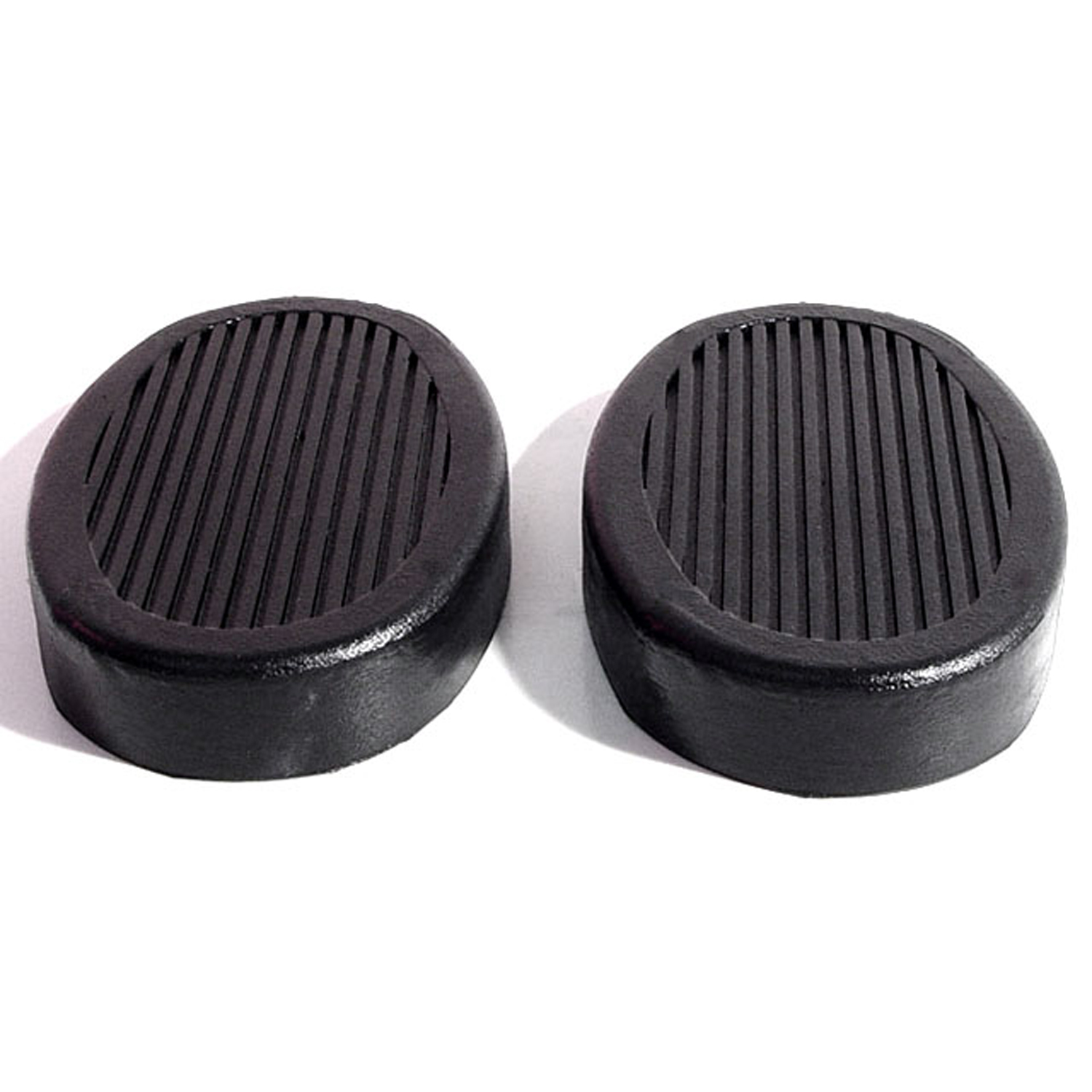 1938 Willys Model 38 Truck Clutch and Brake Pedal Pads. Exact reproduction-CB 96Clutch and Brake Pedal Pads. Exact reproduction. 2-3/16" wide X 3-5/16" long. Pair
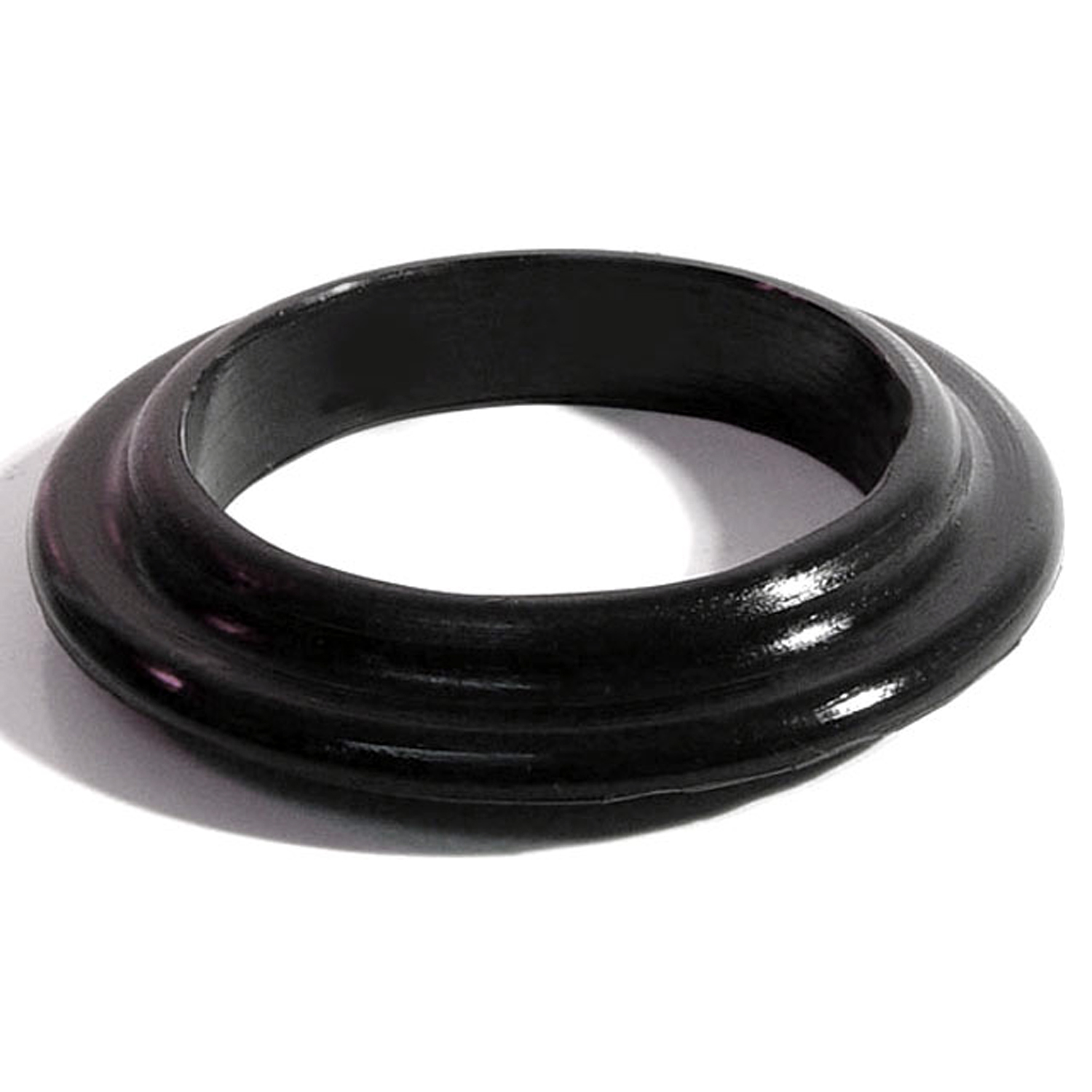 1938 Willys Model 38 Truck Gas Filler Grommet. 2-1/4" I.D., 3-1/4" O.D. Each-GF 29Gas Filler Grommet. 2-1/4" I.D., 3-1/4" O.D. Each
Why Choose Metro?
For over 100 years, Metro Moulded Parts has been the pinnacle of quality in classic car restoration parts. Our commitment to precision and authenticity in every component ensures a perfect fit and an OEM-level appearance.
- Expert Craftsmanship & Quality: Each part is a testament to our dedication to reliability and perfection, crafted from original designs and thoroughly tested.
- Advanced Technology: We use cutting-edge techniques to create flawless, long-lasting parts that surpass others in performance.
- SuperSoft Sponge – The Ultimate Door Seal: Not only are our door seals 30% softer than competitors', but they're also guaranteed to never leak. They effectively reduce wind and road noise, enhancing your classic car's comfort and driving experience.
- Proudly American: Our parts are a product of American craftsmanship, made in the USA with a spirit of excellence and heritage.
- Unrivaled Warranty: We back our products with a 30-year industry-leading warranty, a testament to our confidence in their quality.
Join us in preserving the legacy of classic cars with parts that are crafted for perfection, not just made.