

Image of 1939 Willys Model 38 Truck, Note: These illustrations use artistic license and may differ from actual historical models.
Performance Metrics
Fundamental Metrics
Emotional Appeal
MMP Rating
| Engine Specifications | |
|---|---|
| Engine: | L-head 4-cylinder |
| Displacement: | 134 cu in (2.2 L) |
| Horsepower: | Estimated 48-63 hp |
| Torque: | 100 lb-ft |
| Compression Ratio: | Estimated 6.48:1 |
| Ignition System: | Battery and coil |
| Cooling System: | Water-cooled |
| Performance Specifications | |
| 0-60 Time: | Not available due to the age and type of vehicle |
| 1/4 Mile Time: | Not available due to the age and type of vehicle |
| Top Speed: | 55-60 mph |
| Transmission and Drive | |
| Drive Type: | Rear-wheel drive |
| Transmission Type: | 3-speed manual |
| Fuel and Efficiency | |
| Fuel System Type: | Carburetor |
| MPG: | Estimated 15-20 mpg |
| Dimensions and Brakes | |
| Brakes: | Hydraulic drum brakes |
| Wheelbase: | 104 in |
| Weight: | Estimated 2,400 lbs |
Note: Specifications for classic cars are given to the best of our ability, considering the limited and variant data available.
1939 Willys Model 38 Truck: A Compact Prewar Workhorse
The 1939 Willys Model 38 Truck was built for people who needed a practical tool, not a polished boulevard cruiser. Its upright cab, simple bodywork, and modest four-cylinder engine reflected a time when a small truck had to earn its keep on farms, delivery routes, and local job sites.
It came from Willys-Overland Motors, the Toledo, Ohio, manufacturer that would soon become famous for its wartime Jeep. The Model 38 belongs to the company’s prewar commercial-truck years, before the military contracts and postwar Jeep boom reshaped its identity. It is an interesting link between the everyday utility vehicles Willys built in the 1930s and the rugged, compact machines that made the company a household name in the 1940s.
One point worth keeping clear: the 1939 Model 38 was not a Jeep, and it was not a direct wartime Jeep prototype. Its historical appeal is subtler. It shows Willys building economical, light-duty trucks before the Jeep became the company’s defining product.
Design: Straightforward Steel and Useful Proportions
The Model 38’s styling is unmistakably prewar. Its tall, narrow radiator grille and rounded hood lead into separate, flowing front fenders. The headlights sit proudly on either side of the grille, while the steep, upright cab gives the truck a purposeful, almost architectural look. Compared with today’s pickups, it is narrow and compact, with a short hood and a high stance that make its proportions feel charmingly practical.
Inside, the cab is functional rather than luxurious. Expect a broad, simple dashboard, large easy-to-read gauges, a thin-rimmed steering wheel, and straightforward switches and controls. Materials were chosen for durability and cost, not softness: painted metal, basic upholstery, and hard-wearing trim were typical of the class. A well-preserved original can feel surprisingly intimate, with the driver close to the glass and the controls demanding a more physical touch than those in a modern truck.
Exact equipment and finishes could vary by body and order, and surviving factory documentation is not equally detailed for every configuration. The truck’s appeal is its lack of unnecessary complication. There are no elaborate convenience systems to distract from the essentials of steering, shifting, and working the vehicle.
Engine and Equipment
Published specifications for prewar Willys trucks commonly identify a 134.2-cubic-inch (about 2.2-liter) L-head inline-four, rated at roughly 48 horsepower. It was a low-stress engine designed for useful, steady work rather than fast acceleration. A manual transmission and rear-wheel drive were typical for a light-duty truck of this type. Buyers considering a particular example should verify its engine, gearbox, axle, and body details against the truck itself, since decades of repairs and component swaps are common.
By modern standards, the technology was basic. That was part of the point: the truck relied on familiar mechanical systems that could be inspected and repaired without specialist diagnostic equipment. The prewar Willys four-cylinder also deserves attention as part of the company’s broader engineering story. A related 134-cubic-inch engine became especially well known in later military and civilian Jeep applications, though the 1939 truck should not be described as carrying a wartime Jeep engine in its later form.
Body Styles, Paint, and Work Options
The pickup is the Model 38’s most recognizable form, with an open cargo bed behind the cab and a clear separation between passenger space and load. Willys also offered commercial body configurations in this era, including delivery and utility-style bodies, though availability depended on the model and the body supplier. Some trucks were adapted for specialized work after leaving the factory, so not every surviving example represents a standard production configuration.
Color choices were more restrained than the bold palettes associated with later classics. Fleet buyers often favored practical, easy-to-maintain finishes, while private buyers could choose from period colors offered by Willys. Original paint colors can be difficult to establish on an individual truck after years of repainting, so paint codes, build records, and protected areas of the body are more reliable guides than a seller’s description. Dark greens, blacks, and other workmanlike shades suit the truck’s character, but there is no single color that defines every Model 38.
Why the Model 38 Matters
The Model 38 was not a revolutionary truck, and that is precisely what makes it a useful snapshot of its era. It served a growing market for compact, affordable commercial vehicles at a time when many American trucks were becoming larger and more powerful. Willys offered a modest alternative: a small footprint, simple construction, and enough capability for everyday local work.
Its influence is best understood through Willys’ later history rather than through a direct claim that this particular truck changed truck design. The company’s experience building small, practical vehicles helped establish a reputation for utility. During World War II, Willys became one of the principal manufacturers of the military Jeep, and after the war it built on that legacy with civilian Jeep vehicles and trucks. The Model 38 predates that transformation, giving collectors a glimpse of the company before its best-known chapter.
Performance and Road Manners
With roughly 48 horsepower and period truck gearing, the Model 38 was built to carry modest loads at sensible speeds, not to sprint. A reasonable estimate for a healthy, lightly loaded truck is a top speed in the neighborhood of 50 to 60 mph. A 0-to-60-mph time is not a particularly useful factory-style figure for a truck of this age, and reliable published test data is scarce. Based on its power and gearing, reaching 60 mph would likely take well over 30 seconds, if the truck could reach that speed at all under the conditions.
On smooth roads, the driving experience is slow-paced and mechanical. The engine’s steady four-cylinder putter, the transmission’s deliberate shifts, and the sound of road and wind entering the cab are all part of the experience. Steering and braking require more effort and attention than in a modern vehicle, and the driver is much more involved in managing speed, gear choice, and traffic.
Rough pavement reveals the compromises of a light-duty truck with a simple suspension. It can bounce and jiggle when unloaded, while a sensible payload may settle the ride somewhat. On winding roads, its narrow proportions and vintage steering reward smooth inputs rather than quick maneuvers. Crosswinds, worn suspension parts, old tires, and brake condition can all have a noticeable effect, so a safe example should be thoroughly inspected before regular road use.
Owning and Maintaining a Prewar Willys
Today, the Model 38 is most often a restoration project, a show vehicle, or a carefully used weekend truck. It can still handle local drives and light hauling when properly restored, but it is not an effortless modern daily driver. Its speed, braking, crash protection, and parts availability make it better suited to relaxed use than highway commuting.
The mechanical layout is relatively approachable for an owner with basic tools and repair experience. The engine is simple by modern standards, and many routine jobs involve conventional mechanical work rather than electronics. The challenge is often finding correct parts and preserving details unique to the prewar truck. Some engine components may be shared with related Willys applications, but body panels, trim, glass, and model-specific pieces can take patience to locate. Rust, previous repairs, and incomplete restorations deserve close attention, especially around the cab, frame, bed, and lower bodywork.
Notable Facts and Common Criticisms
The Model 38’s most compelling connection is its timing: it represents Willys just before the company’s wartime Jeep production made its name famous worldwide. It is also a reminder that the Jeep story did not appear from nowhere. Willys had already been building practical cars and commercial vehicles for years, although the Model 38 itself was a conventional rear-drive truck rather than a four-wheel-drive Jeep.
There is no widely recognized speed, endurance, or sales record associated with the 1939 Model 38. It was a working vehicle, and its significance lies more in its place in Willys history than in a headline-grabbing achievement. Common criticisms are straightforward: modest power, limited comfort, dated brakes and handling, and the inconvenience of sourcing some original parts. Those drawbacks are also part of its honest, unfiltered character.
Collector Value and Rarity
There is no dependable, model-specific production total readily established for the 1939 Model 38, so any production figure should be treated as an estimate rather than a factory-confirmed number. Given the truck’s niche position and the limited survival of prewar commercial vehicles, a reasonable best-guess range is several thousand built, perhaps roughly 3,000 to 8,000. The number of intact, well-documented survivors is much smaller.
Values depend heavily on completeness, condition, originality, and the quality of the restoration. As a broad current-market estimate, a rough project might sell for about $5,000 to $12,000, while a sound driver or partially restored truck could fall around $12,000 to $22,000. A high-quality, correctly restored example may bring roughly $25,000 to $40,000 or more, particularly if it has strong documentation and desirable original details. These are general estimates, not a formal appraisal, and unusual body styles can be harder to price because comparable sales are limited.
Well-restored prewar trucks have benefited from growing interest in early utility vehicles, but the Model 38 is a specialist purchase rather than a guaranteed investment. Good examples may appreciate gradually as survivors become harder to find, while rusty or incomplete projects can remain difficult to sell. Condition and authenticity matter more than a prediction about the market.
A Small Truck with a Big Willys Story
The 1939 Willys Model 38 Truck combines prewar styling, simple engineering, and honest working-truck purpose. It was not fast, luxurious, or technologically radical, but it offered practical transportation in a compact package and represents an important chapter in Willys-Overland’s development.
For collectors, its appeal is the chance to own a piece of Willys history from before the Jeep era took over the story. Park a Model 38 beside a later Jeep and the contrast is striking: one is a modest prewar workhorse, the other a global icon. Together, they show how a small, determined automaker built its legacy one useful vehicle at a time.
1939 Willys Model 38 Truck Catalog of Parts
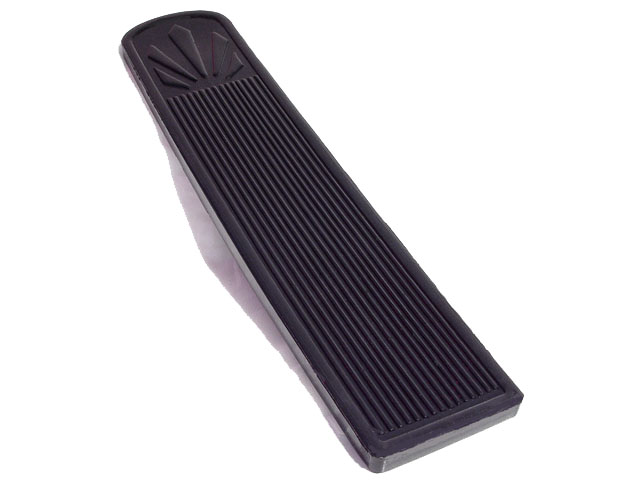 1939 Willys Model 38 Truck Accelerator Pad. 2" Wide X 9-3/8" Long. Each-AP 35Accelerator Pad. 2" Wide X 9-3/8" Long. Each
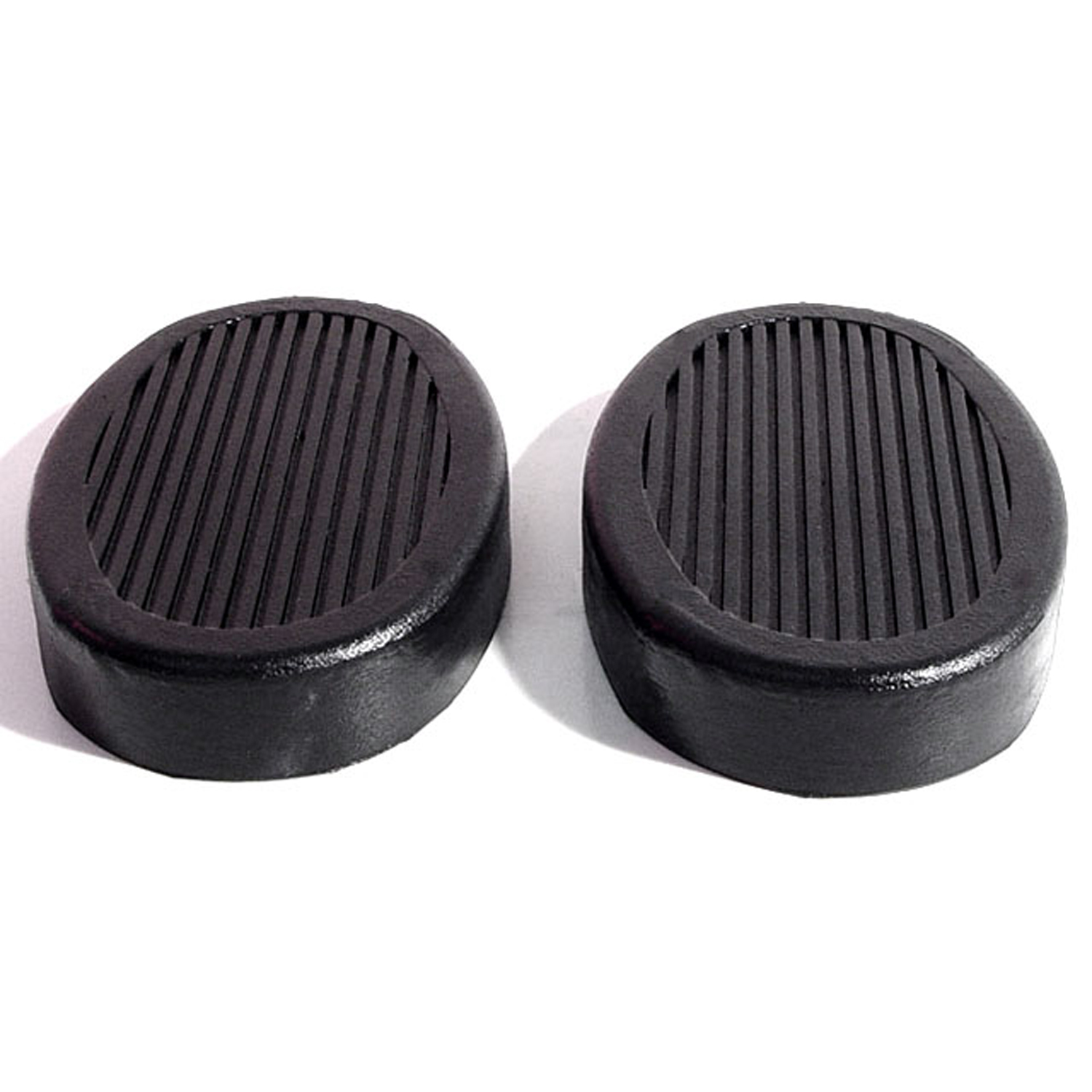 1939 Willys Model 38 Truck Clutch and Brake Pedal Pads. Exact reproduction-CB 96Clutch and Brake Pedal Pads. Exact reproduction. 2-3/16" wide X 3-5/16" long. Pair
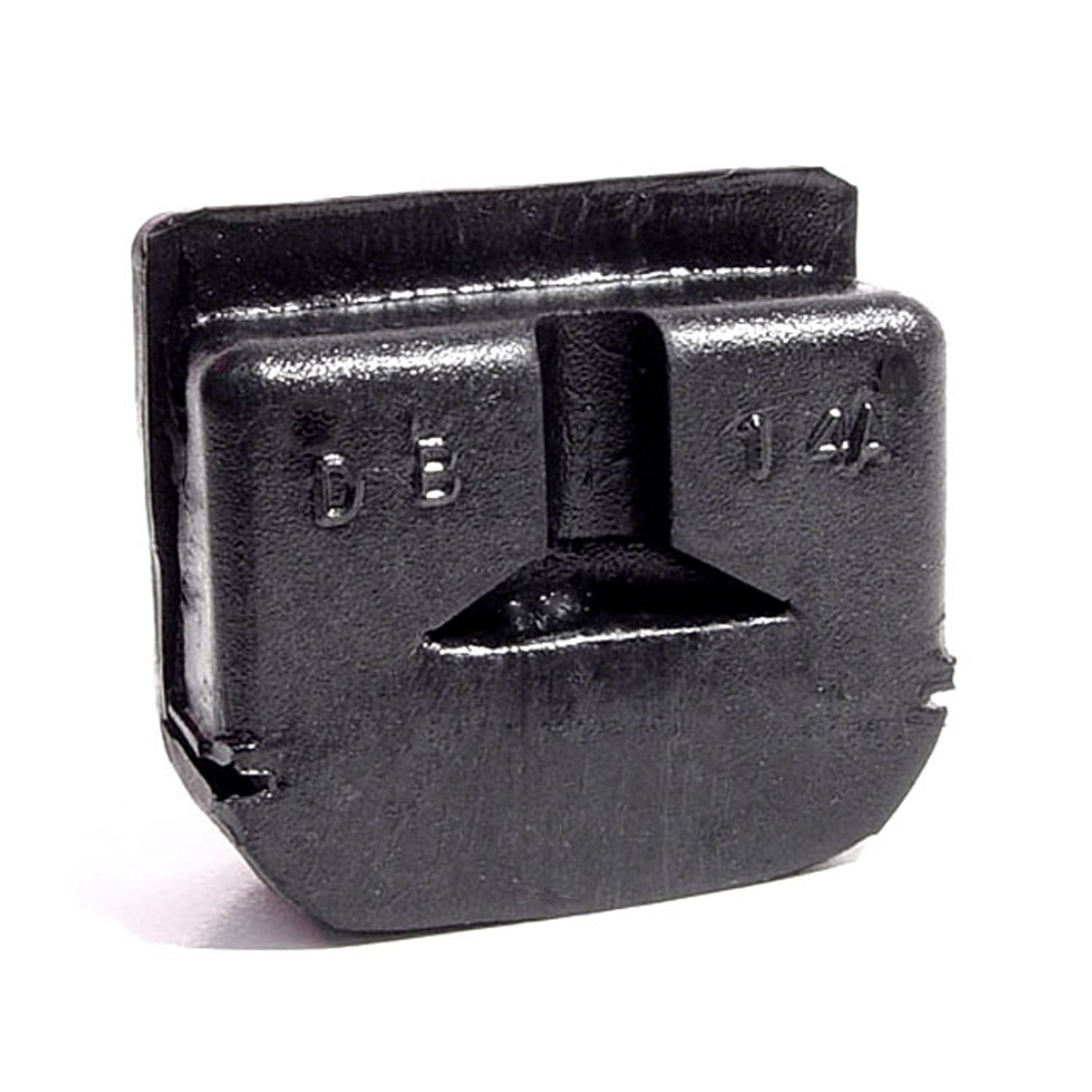 1939 Willys Model 38 Truck Door Bumper. Exact reproduction-DB 14-ADoor Bumper. Exact reproduction. 1-3/16" high X 1-9/16" wide X 9/16" thick. Each
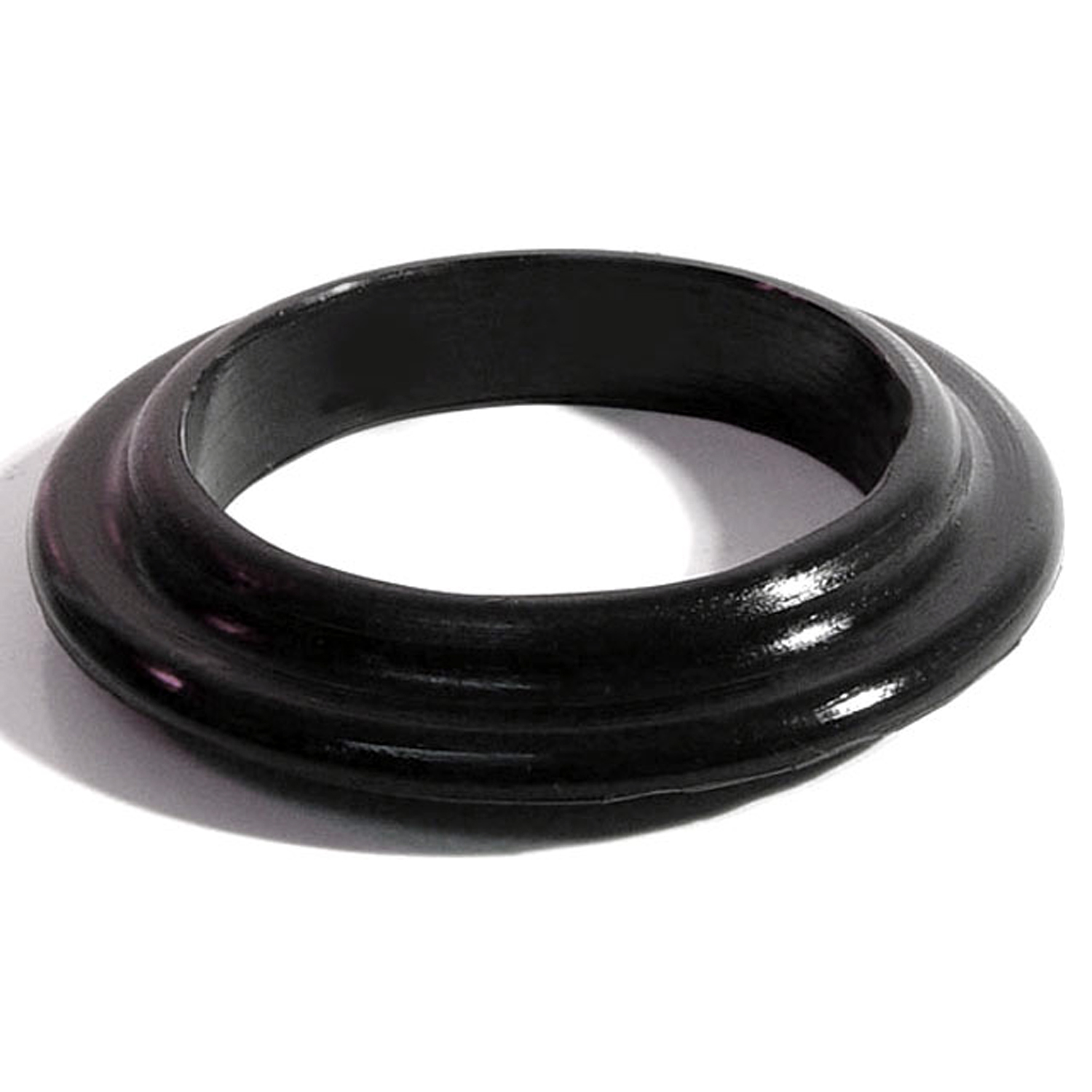 1939 Willys Model 38 Truck Gas Filler Grommet. 2-1/4" I.D., 3-1/4" O.D. Each-GF 29Gas Filler Grommet. 2-1/4" I.D., 3-1/4" O.D. Each
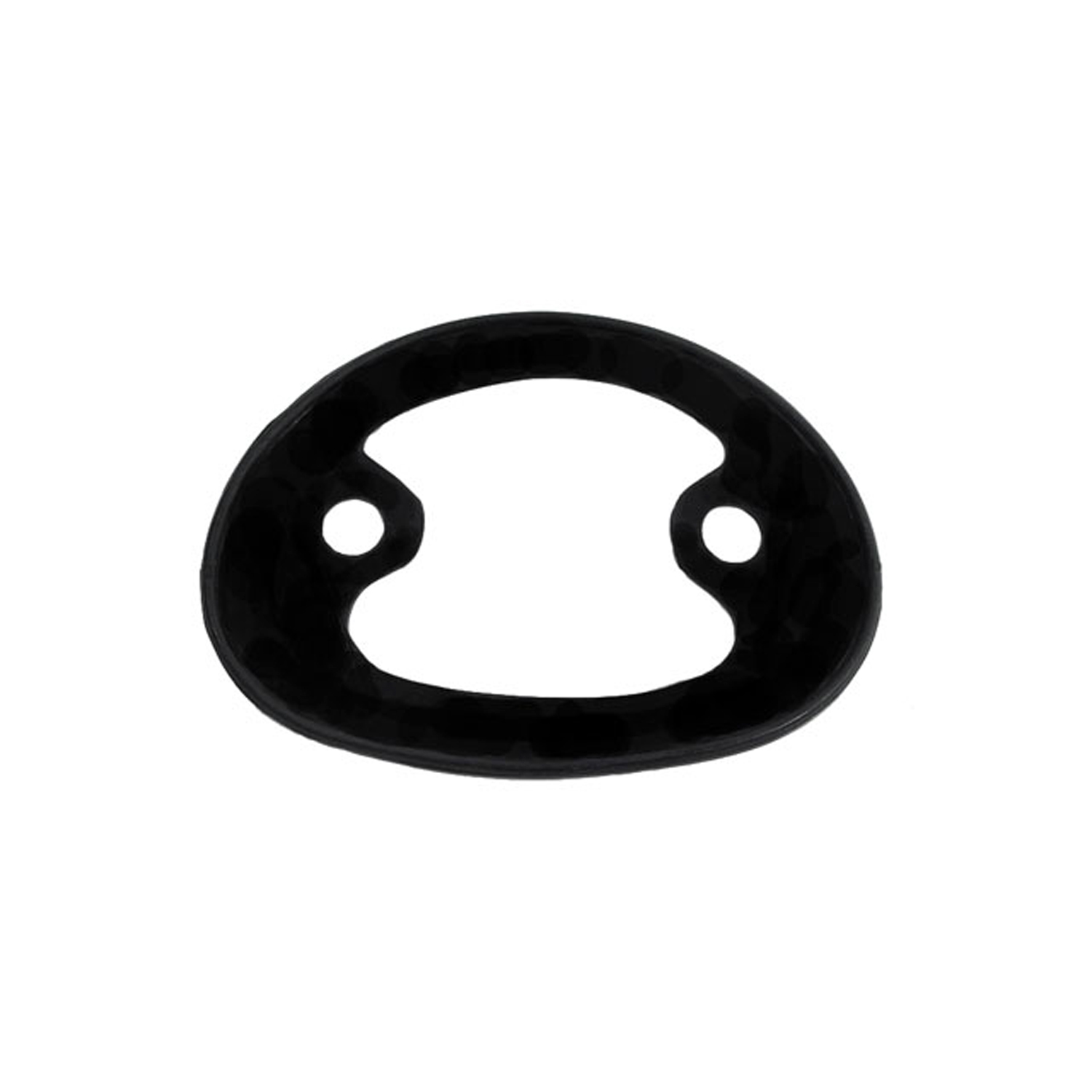 1939 Willys Model 38 Truck License Light Pad. 5-1/2" wide X 4-1/8" long. Each-MP 1303-BLicense Light Pad. 5-1/2" wide X 4-1/8" long. Each
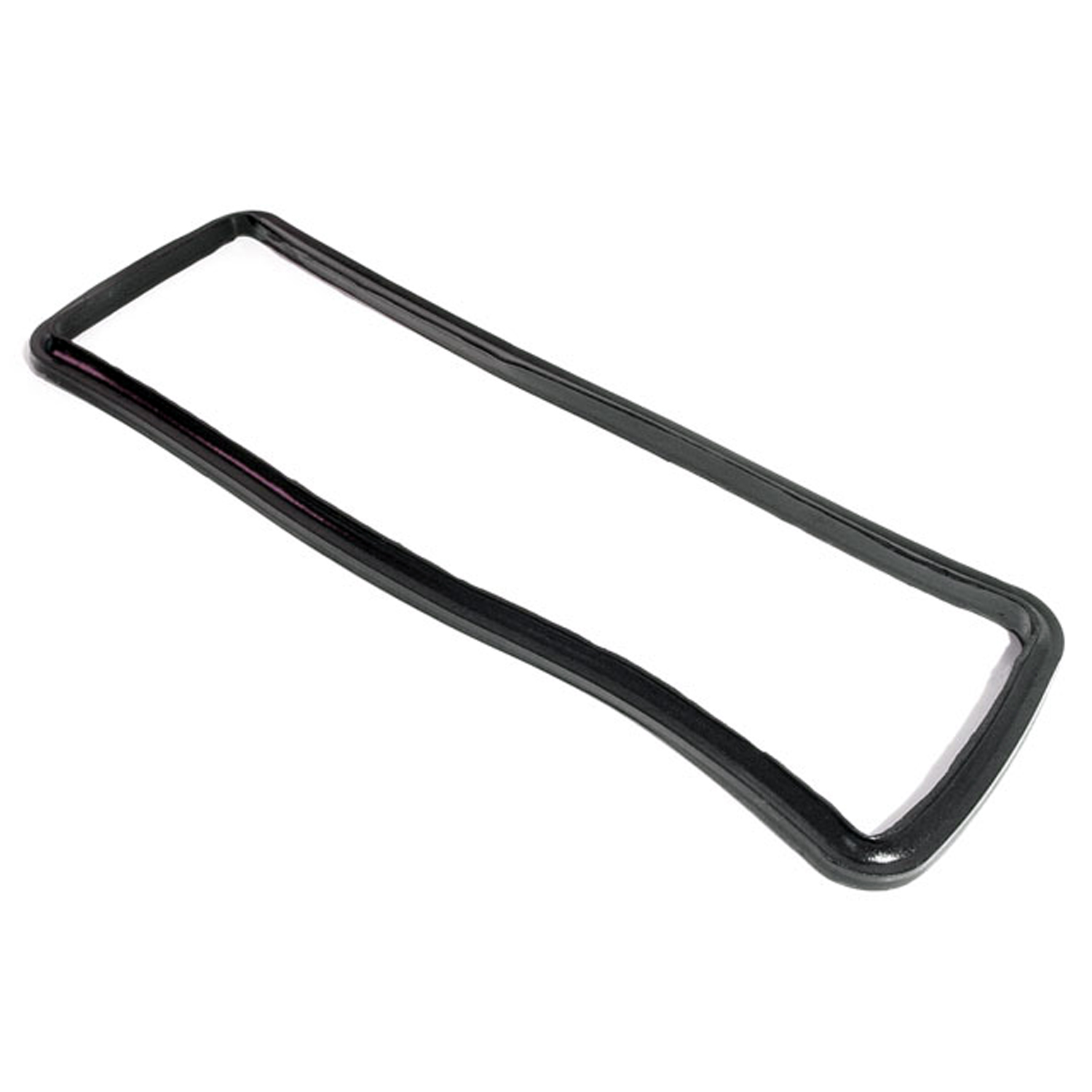 1939 Willys Model 38 Truck Cowl Vent Seal. Made of molded sponge-RP 100-GCowl Vent Seal. Made of molded sponge. 3-3/4" wide X 11-1/4" long. Each
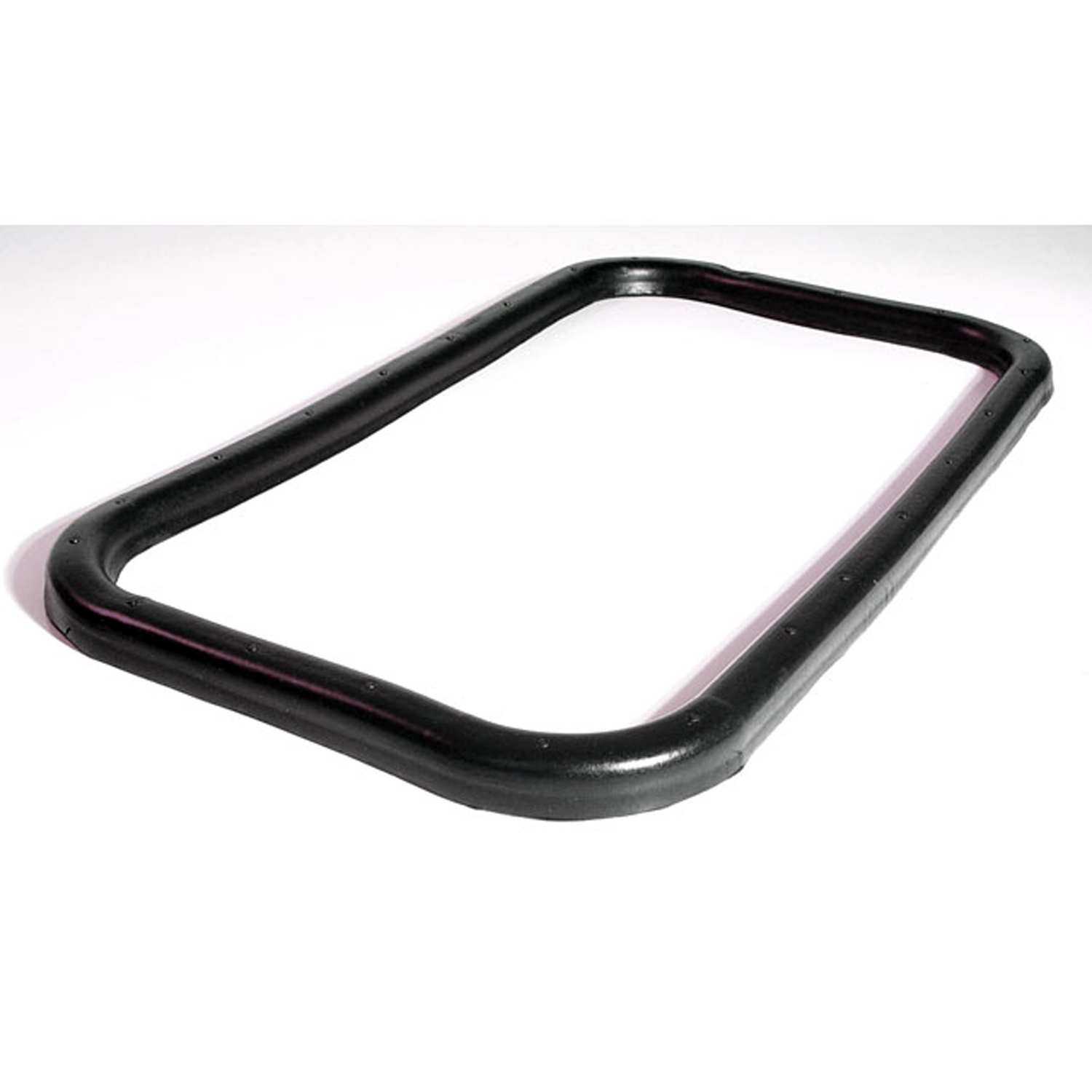 1939 Willys Model 38 Truck Hood to Cowl Vent Seal. Made of molded sponge-RP 100-HHood to Cowl Vent Seal. Made of molded sponge. 7-5/8" wide at side X 13-3/8" long. Each
Why Choose Metro?
For over 100 years, Metro Moulded Parts has been the pinnacle of quality in classic car restoration parts. Our commitment to precision and authenticity in every component ensures a perfect fit and an OEM-level appearance.
- Expert Craftsmanship & Quality: Each part is a testament to our dedication to reliability and perfection, crafted from original designs and thoroughly tested.
- Advanced Technology: We use cutting-edge techniques to create flawless, long-lasting parts that surpass others in performance.
- SuperSoft Sponge – The Ultimate Door Seal: Not only are our door seals 30% softer than competitors', but they're also guaranteed to never leak. They effectively reduce wind and road noise, enhancing your classic car's comfort and driving experience.
- Proudly American: Our parts are a product of American craftsmanship, made in the USA with a spirit of excellence and heritage.
- Unrivaled Warranty: We back our products with a 30-year industry-leading warranty, a testament to our confidence in their quality.
Join us in preserving the legacy of classic cars with parts that are crafted for perfection, not just made.