

Image of 1939 Willys Model 39 Truck, Note: These illustrations use artistic license and may differ from actual historical models.
Performance Metrics
Fundamental Metrics
Emotional Appeal
MMP Rating
| Engine Specifications | |
|---|---|
| Engine Options: | L-head 4-cylinder |
| Displacement Range: | 134 cu in (2.2 L) |
| Horsepower Range: | Estimated 48-63 hp |
| Torque: | Estimated 75-100 lb-ft |
| Compression Ratio: | 6.48:1 |
| Ignition System: | Battery and coil |
| Cooling System: | Water-cooled |
| Performance Specifications | |
| 0-60 Time: | Not available due to the age of the vehicle |
| 1/4 Mile Time: | Not available due to the age of the vehicle |
| Top Speed: | Estimated 55-65 mph |
| Transmission and Drive | |
| Drive Type: | Rear-wheel drive |
| Transmission Type: | 3-speed manual |
| Fuel and Efficiency | |
| Fuel System Type: | Carburetor |
| MPG: | Estimated 15-20 mpg |
| Dimensions and Brakes | |
| Brakes: | Mechanical drum brakes |
| Wheelbase: | 113 in (2,870 mm) |
| Weight: | Estimated 2,400-2,800 lbs |
Note: Specifications for classic cars are given to the best of our ability, considering the limited and variant data available.
The 1939 Willys Model 39 Truck is a prewar workhorse with an unusually important engine story: its small, simple four-cylinder belongs to the same family that would later power the celebrated wartime Jeep. Built by Willys-Overland in Toledo, Ohio, the Model 39 combined compact dimensions with practical hauling ability, offering a distinctive alternative to larger, heavier American trucks.
Where the Model 39 Fits
The Model 39 came from a company with a long history of building affordable, relatively lightweight vehicles. Willys-Overland had endured serious financial trouble during the Great Depression, then rebuilt its business around economical cars and utility vehicles. In 1939, the Model 39 name was used for Willys’ passenger-car line, while truck and commercial versions drew on the same compact-car engineering and styling. Exact equipment could vary by body and market, so surviving trucks are not always identical.
This is not a Jeep pickup, and it should not be confused with Willys’ postwar Jeep Truck, introduced in 1947. The Model 39 belongs to an earlier chapter of the company’s story, before the military Jeep made Willys a household name. Its most intriguing connection is mechanical: the 134-cubic-inch flathead four-cylinder was part of the engine lineage later associated with the Jeep “Go-Devil.”
Compact, Purposeful Styling
The Model 39’s appearance is unmistakably prewar. Its upright grille, rounded front fenders, tall hood and separate headlamps give it a friendly, almost formal face. The cab sits high, the windshield is nearly vertical, and the truck’s narrow proportions look especially compact beside contemporary full-size pickups. That small footprint was useful in tight streets, farms and workshops, where maneuverability mattered as much as sheer carrying capacity.
The familiar configuration is an open pickup with a cab and cargo bed. Commercial bodies and equipment could differ, including flatbed or delivery-style arrangements, and some vehicles were adapted by body builders. The pickup is the most instantly recognizable version today, but it is wise to check a specific truck’s history before assuming every bed, panel or trim detail left the factory that way.
Inside, the Model 39 is a practical tool rather than a comfort-focused touring vehicle. Expect a simple bench seat, painted metal surfaces, straightforward door panels and a basic instrument panel. Materials were chosen for durability and cost, not luxury. The driving position is upright, visibility is good through the broad windshield, and the controls feel direct by modern standards. A restored example may have replacement upholstery or reproduction trim, so original material and finish can vary.
Simple Technology for Its Day
Willys’ engineering priority was economical, uncomplicated motoring. The truck used conventional mechanical systems that a small-town garage or mechanically minded owner could understand and service. Its side-valve, or L-head, engine was less sophisticated than an overhead-valve design, but it was compact, straightforward and well suited to modest loads.
Factory paint choices depended on body style, market and production details, and there is no single color that defines every Model 39 Truck. Period commercial vehicles were often ordered in practical solid colors, while restored examples are commonly seen in black, dark green, blue, red or other historically inspired shades. Original paint evidence, rather than a modern color chart alone, is the best guide when authenticity is the goal.
A Small Truck in a Big-Truck Era
In the late 1930s, American roads and farms were dominated by larger trucks from established manufacturers. The Willys stood apart through its compact scale and modest four-cylinder power. It was not intended to compete with heavy-duty haulers. Instead, it offered businesses and owners a smaller vehicle for local deliveries, light farm work and everyday utility.
The Model 39 did not introduce a revolutionary suspension system or reshape the entire truck market. Its importance is more specific: it shows how Willys developed useful, affordable vehicles around compact engineering. The company’s ability to build sturdy, uncomplicated machinery became especially valuable as the United States entered World War II. The Model 39 was not itself the Jeep, but it helps illustrate the engineering culture from which Willys’ wartime vehicles emerged.
Performance and Road Manners
Many Model 39 trucks are associated with Willys’ 134-cubic-inch L-head four-cylinder, commonly quoted at about 60 horsepower, paired with a three-speed manual transmission. Equipment and ratings can vary, so a particular truck should be checked against its engine and chassis identification. As with most prewar work vehicles, the rear-wheel-drive layout and low gearing favor usefulness over high-speed travel.
Reliable factory acceleration figures are difficult to establish for the truck body. A realistic 0-to-60-mph estimate is roughly 25 to 35 seconds, depending on gearing, condition, load and road surface. That is a period-appropriate estimate, not a published benchmark. A healthy truck may approach 60 to 65 mph, but it feels much happier at a more relaxed cruising speed, especially when carrying cargo.
On broken pavement, the upright cab and truck suspension deliver a firm, busy ride. The short wheelbase can make bumps noticeable, while a loaded bed may settle the rear and improve composure. On winding roads, the narrow body and light steering help the truck feel nimble, but its age, drum brakes and relatively tall stance call for measured driving. Crosswinds and passing traffic can also remind the driver that this is a light, old-fashioned truck, not a modern highway vehicle.
Behind the wheel, the engine’s soundtrack is a steady mechanical putter rather than a deep V8 rumble. The manual gearbox asks for deliberate shifts, the steering offers little modern isolation, and the driver does more of the work. That hands-on character is part of the appeal: the Model 39 feels like a machine you operate, not a cabin that insulates you from the road.
Living With a Model 39
Today, most surviving examples are used for local drives, vintage-vehicle events, museum displays or careful show-car restoration. Some owners still put them to light work, but regular hauling and daily commuting are better left to a newer vehicle. Original safety equipment, modest power and the scarcity of certain body parts make preservation more sensible than hard use.
The basic mechanical layout is accessible to an experienced home mechanic. Routine work on ignition, cooling, brakes and the engine is generally straightforward, and the four-cylinder design is less crowded than many later engines. The bigger challenge is often finding correct sheet metal, trim, glass, interior pieces or truck-specific components. Before buying, inspect the frame, cab corners, floor, bed and lower fenders carefully for rust or old repairs. A solid, complete truck is usually a better starting point than a cheap project missing rare parts.
Curiosities and Common Criticisms
The Model 39’s best-known historical connection is its engine family, which later became closely associated with the Willys Jeep. That link is meaningful, but it is easy to overstate: the 1939 truck was not a military Jeep prototype, and the postwar Jeep Truck was a separate later model.
There are no widely recognized speed, endurance or sales records tied specifically to the Model 39 Truck. Nor is it commonly celebrated for famous celebrity ownership. Its appeal is quieter: it represents a less familiar prewar side of a manufacturer better known for the Jeep. Common criticisms include limited power, a firm ride, basic cabin appointments and the difficulty of sourcing correct truck-specific parts.
Collector Value and Availability
Production figures for the Model 39 Truck are not consistently published as a separate total, making a precise surviving-population count difficult. A cautious estimate is that truck production was in the hundreds to low thousands, rather than at the scale of mass-market pickup leaders. That is an informed estimate, not a verified factory figure. Today, examples appear infrequently, and condition, originality and completeness have a large effect on price.
As a broad U.S. market estimate for 2026, a project or incomplete example might bring about $5,000 to $12,000. A usable driver or older restoration could fall around $15,000 to $30,000, while a high-quality, well-documented restoration may reach roughly $30,000 to $45,000 or more. These are guide ranges, not guaranteed sale prices, and the thin market can make auction results vary considerably.
Values have generally benefited from growing interest in prewar utility vehicles and Willys history, but the Model 39 remains a niche collectible. It is less liquid than a postwar Jeep, and rare parts can make restoration costs climb quickly. The best examples are likely to hold their appeal, especially when original or sympathetically restored, but buyers should prioritize condition and provenance over the promise of rapid appreciation.
A Willys Worth Remembering
The 1939 Willys Model 39 Truck is compact, practical and mechanically direct, with a valuable place in the story of a company that would soon become famous for the Jeep. It lacks the power and polish of a modern pickup, but its prewar styling, straightforward engineering and scarce presence make it a rewarding piece of automotive history. For collectors, it is a chance to celebrate Willys before the Jeep became a legend.
1939 Willys Model 39 Truck Catalog of Parts
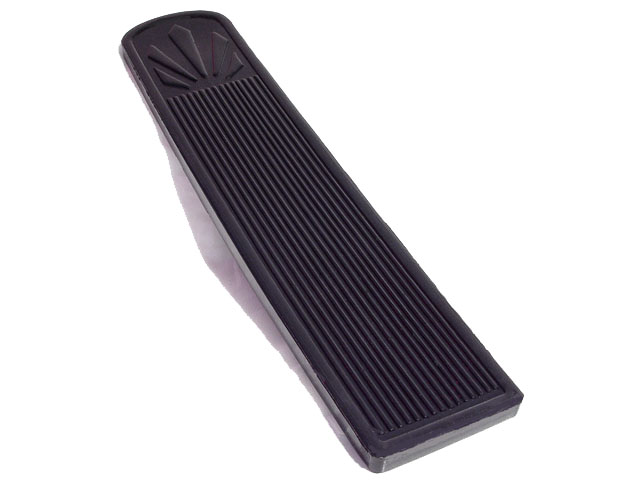 1939 Willys Model 39 Truck Accelerator Pad. 2" Wide X 9-3/8" Long. Each-AP 35Accelerator Pad. 2" Wide X 9-3/8" Long. Each
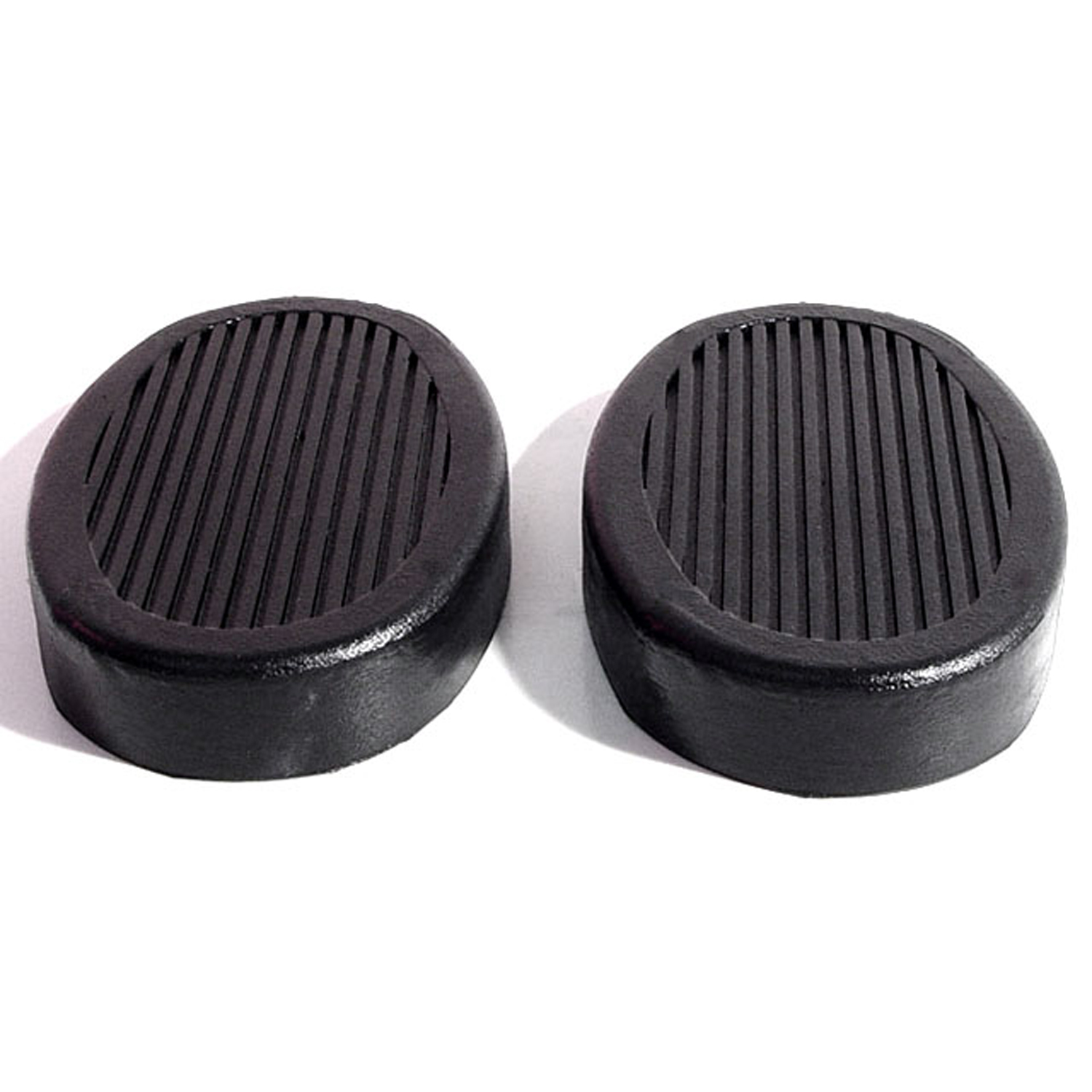 1939 Willys Model 39 Truck Clutch and Brake Pedal Pads. Exact reproduction-CB 96Clutch and Brake Pedal Pads. Exact reproduction. 2-3/16" wide X 3-5/16" long. Pair
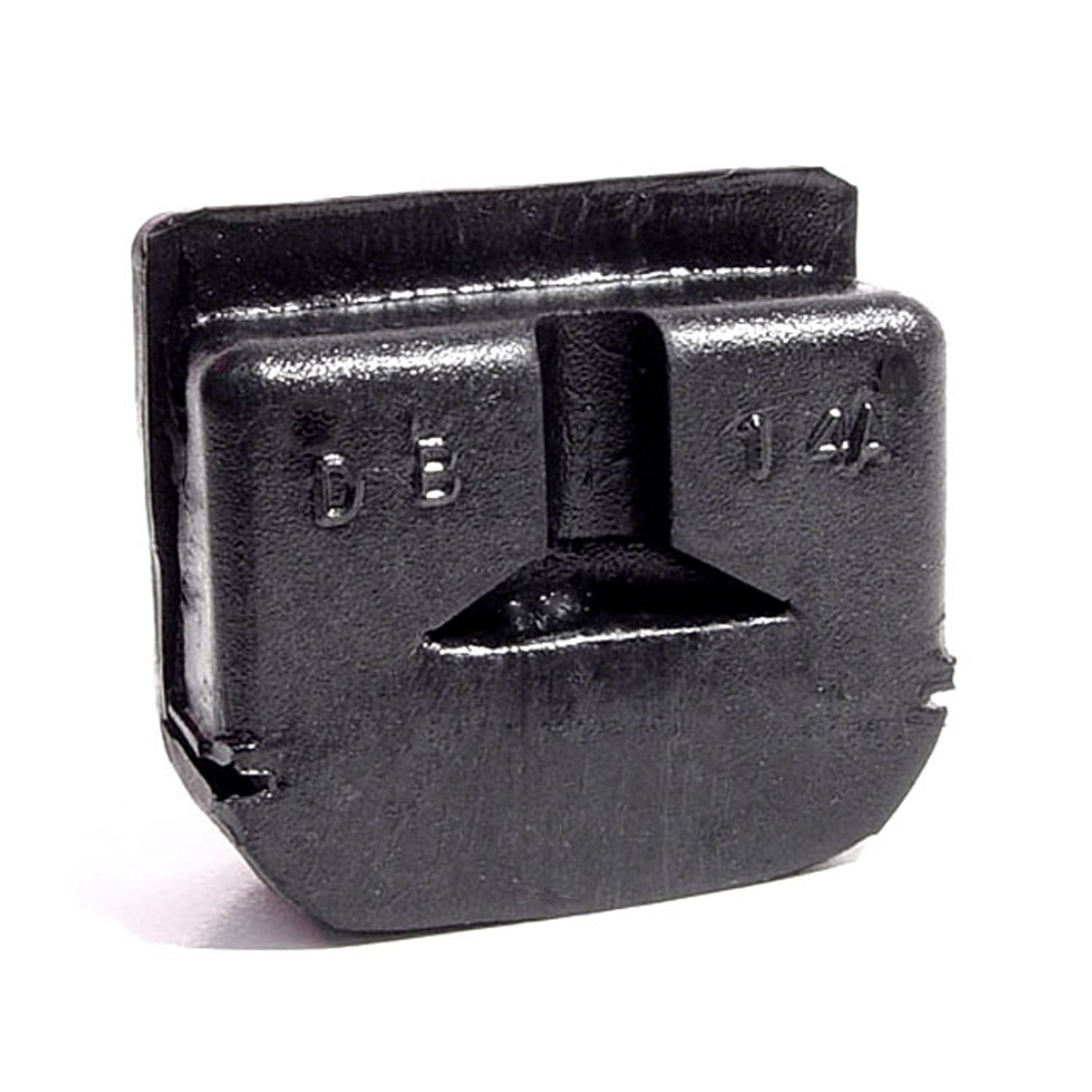 1939 Willys Model 39 Truck Door Bumper. Exact reproduction-DB 14-ADoor Bumper. Exact reproduction. 1-3/16" high X 1-9/16" wide X 9/16" thick. Each
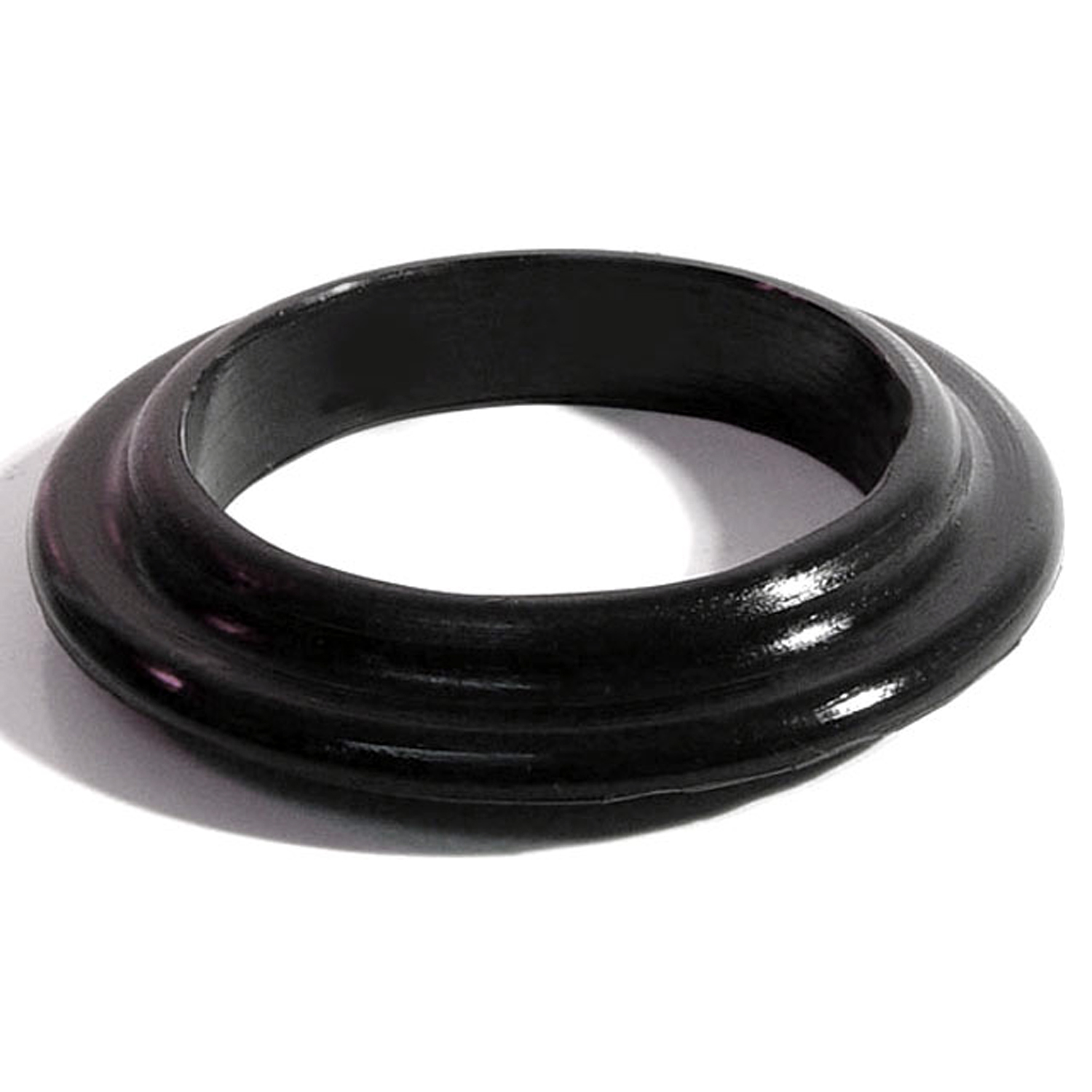 1939 Willys Model 39 Truck Gas Filler Grommet. 2-1/4" I.D., 3-1/4" O.D. Each-GF 29Gas Filler Grommet. 2-1/4" I.D., 3-1/4" O.D. Each
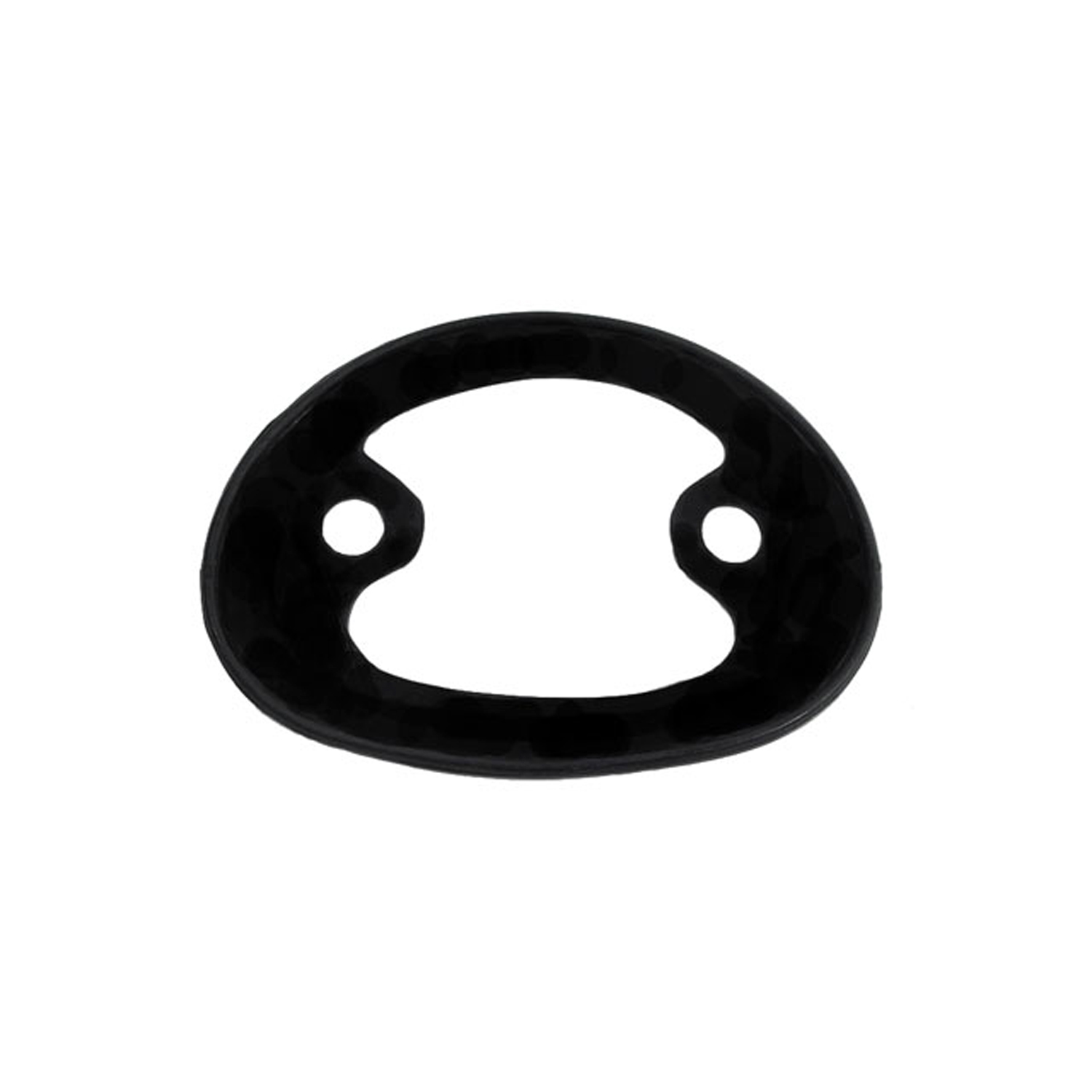 1939 Willys Model 39 Truck License Light Pad. 5-1/2" wide X 4-1/8" long. Each-MP 1303-BLicense Light Pad. 5-1/2" wide X 4-1/8" long. Each
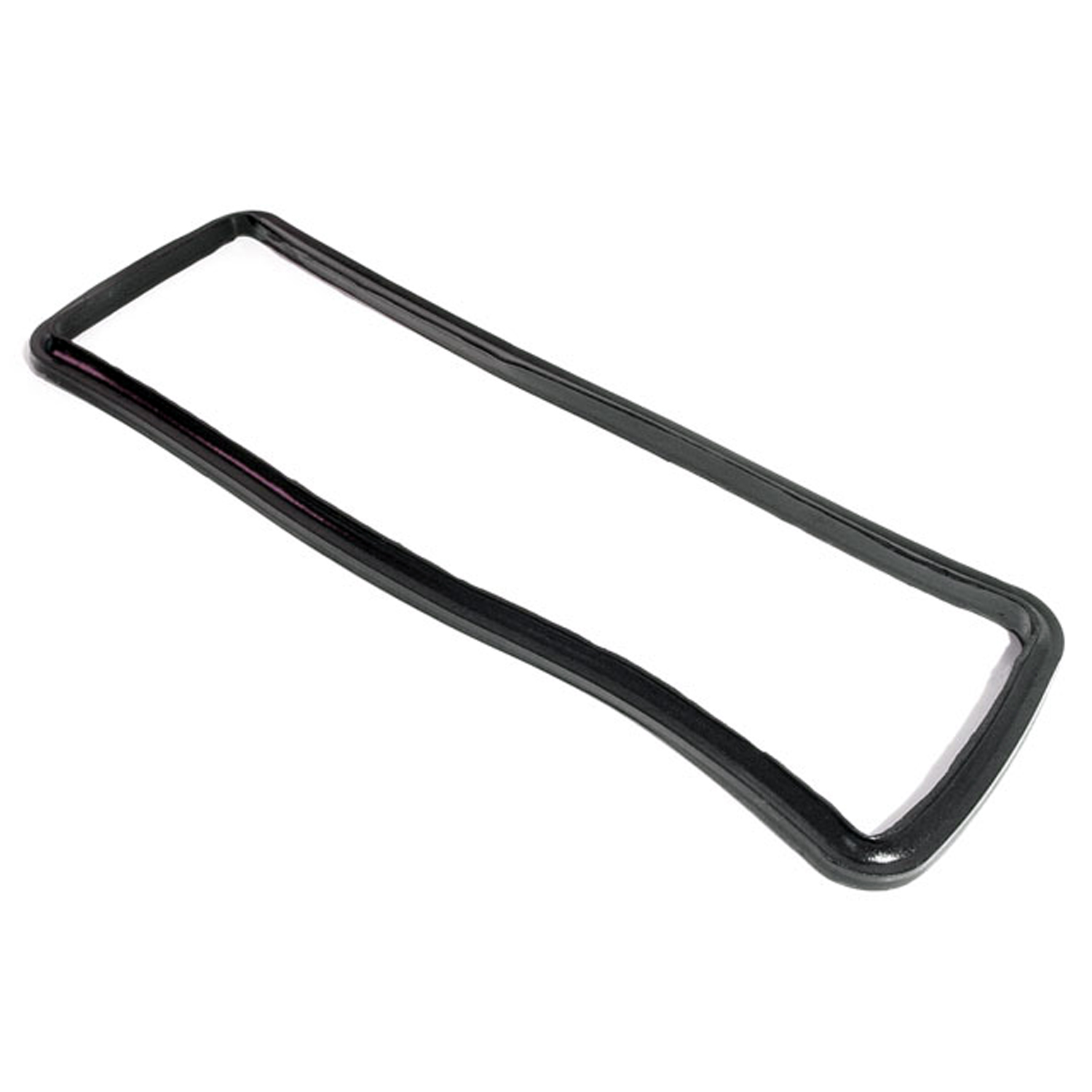 1939 Willys Model 39 Truck Cowl Vent Seal. Made of molded sponge-RP 100-GCowl Vent Seal. Made of molded sponge. 3-3/4" wide X 11-1/4" long. Each
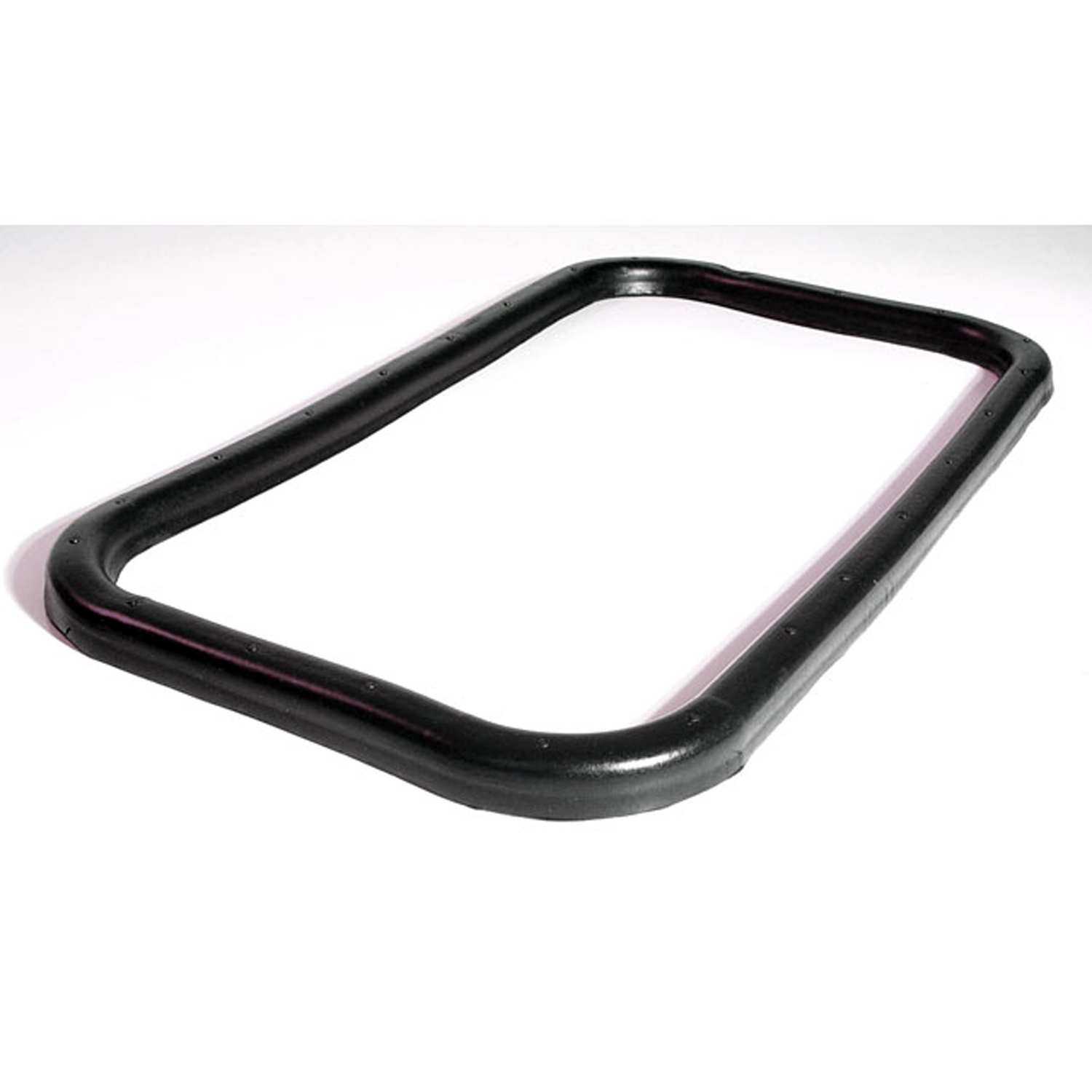 1939 Willys Model 39 Truck Hood to Cowl Vent Seal. Made of molded sponge-RP 100-HHood to Cowl Vent Seal. Made of molded sponge. 7-5/8" wide at side X 13-3/8" long. Each
Why Choose Metro?
For over 100 years, Metro Moulded Parts has been the pinnacle of quality in classic car restoration parts. Our commitment to precision and authenticity in every component ensures a perfect fit and an OEM-level appearance.
- Expert Craftsmanship & Quality: Each part is a testament to our dedication to reliability and perfection, crafted from original designs and thoroughly tested.
- Advanced Technology: We use cutting-edge techniques to create flawless, long-lasting parts that surpass others in performance.
- SuperSoft Sponge – The Ultimate Door Seal: Not only are our door seals 30% softer than competitors', but they're also guaranteed to never leak. They effectively reduce wind and road noise, enhancing your classic car's comfort and driving experience.
- Proudly American: Our parts are a product of American craftsmanship, made in the USA with a spirit of excellence and heritage.
- Unrivaled Warranty: We back our products with a 30-year industry-leading warranty, a testament to our confidence in their quality.
Join us in preserving the legacy of classic cars with parts that are crafted for perfection, not just made.