

Image of 1939 Willys Model 48, Note: These illustrations use artistic license and may differ from actual historical models.
Performance Metrics
Fundamental Metrics
Emotional Appeal
MMP Rating
| Engine Specifications | |
|---|---|
| Engine: | L-head inline 4-cylinder |
| Displacement: | 134 cu in (2.2 L) |
| Horsepower: | Estimated 48-63 hp |
| Torque: | 100 lb-ft |
| Compression Ratio: | Estimated 6.48:1 |
| Ignition System: | Battery and coil |
| Cooling System: | Water-cooled |
| Performance Specifications | |
| 0-60 Time: | Information not available |
| 1/4 Mile Time: | Information not available |
| Top Speed: | 65-70 mph |
| Transmission and Drive | |
| Drive Type: | Rear-wheel drive |
| Transmission Type: | 3-speed manual |
| Fuel and Efficiency | |
| Fuel System Type: | Carburetor |
| MPG: | Information not available |
| Dimensions and Brakes | |
| Brakes: | Hydraulic drum brakes |
| Wheelbase: | 102.75 in (2,610 mm) |
| Weight: | 2,420 lb (1,100 kg) |
Note: Specifications for classic cars are given to the best of our ability, considering the limited and variant data available.
1939 Willys Model 48: The Compact Car That Kept Willys Moving
The 1939 Willys Model 48 was a small, straightforward American car with a job bigger than its modest dimensions: keep Willys-Overland competitive during the lean years before the company became famous for wartime Jeeps. Built in Toledo, Ohio, the Model 48 paired a compact body with a four-cylinder engine, offering buyers an economical alternative to the larger, more powerful cars dominating American roads.
Its significance is easy to overlook beside the Jeep’s legend, but the Model 48 belongs to an important chapter in Willys history. The company had weathered financial troubles during the Depression and was still trying to establish a place in the low-priced passenger-car market. One notable link to the future was its four-cylinder engine heritage: Willys’ compact L-head powerplants helped establish engineering experience that would become closely associated with the wartime Jeep. The Model 48 itself was not a Jeep in disguise, but it came from the same resourceful company.
Compact Styling, Built for the Road
The Model 48 wore the upright proportions typical of a late-1930s American car, but in a notably more compact package than many of its rivals. Its rounded roof, flowing fenders, tall grille, and separate headlamps gave it a recognizably prewar look. Chrome trim added a touch of polish, while the relatively narrow body and short overall length made the Willys look practical rather than imposing.
Inside, the cabin was functional and restrained. Buyers could expect a bench seat, a simple dashboard with essential gauges, and durable upholstery rather than luxury-car finishes. Materials and trim varied with body style and equipment, but the Model 48’s appeal was value and utility, not lavish appointments. Its compact cabin and straightforward controls suited drivers who wanted an affordable car they could understand and maintain.
Willys offered the Model 48 in several passenger-car body configurations during this period, including sedan and coupe forms, with availability varying by model year and trim. The two-door sedan and coupe are among the most familiar versions encountered by collectors today. Convertible-style models are sometimes associated with Willys cars of the era, but buyers should confirm the exact body style and year from factory documentation when evaluating a car, since listings and restorations can blur model distinctions.
Factory paint choices changed over time and depended on body and trim. Period cars could be found in subdued colors as well as brighter finishes, often set off by contrasting interior upholstery or exterior trim. There is no single color that defines every 1939 Model 48, so original paint codes or factory records are the best guide for a restoration. Today, dark greens, blues, maroons, and black look especially convincing on the car’s rounded prewar bodywork.
Practical Engineering in a Tough Era
The Model 48’s engineering philosophy was refreshingly direct. It used a compact L-head, or flathead, four-cylinder engine, a conventional manual transmission, and rear-wheel drive. The layout was familiar to mechanics of the time and avoided the cost and complexity of more ambitious designs. Its modest size and four-cylinder powerplant also helped keep running costs manageable.
That practicality was the Model 48’s main distinction from many contemporary American cars. Buyers could get a conventional, full-function automobile without paying for a large engine or a long, heavy chassis. The car did not introduce a celebrated new technology or transform automotive design, but it represented an important approach: make a useful, economical car with simple mechanicals and keep it accessible to ordinary motorists.
Its broader legacy is tied to Willys’ engineering continuity. The company’s experience with compact four-cylinder engines fed into the later development of the famous 134-cubic-inch Go-Devil engine used in military Jeeps. The Model 48 was not the military Jeep’s direct mechanical blueprint, and the two vehicles had very different purposes, but Willys’ small-car work formed part of the company’s wider technical background.
Four-Cylinder Performance and Road Manners
The 1939 Model 48 used a 134.2-cubic-inch L-head four-cylinder engine, commonly rated at about 60 horsepower, paired with a three-speed manual transmission. Exact specifications can vary with source and equipment, so surviving cars should be checked against period literature and the engine number. In modern terms, performance was modest: a healthy example might reach roughly 65 to 75 mph, while zero to 60 mph could take around 20 seconds or more. These are practical estimates, not guaranteed factory test figures, and condition, gearing, tires, and load all make a difference.
On ordinary roads, the Model 48 was best appreciated at a relaxed pace. Its four-cylinder engine delivered its power without the effortless reserve of a big contemporary straight-six or V8, so hills and highway passing called for planning and gear changes. The three-speed manual made the driver an active part of the experience, especially when keeping the engine in its useful rev range.
The ride was typical of a prewar car: compliant over smaller imperfections, but less composed on rough, uneven pavement than a modern vehicle. Its compact dimensions made it less cumbersome than many larger cars on narrow streets and winding roads, though period tires, steering, and suspension mean it should not be expected to corner with modern precision. The engine’s steady mechanical note, the gear lever’s deliberate movement, and the unassisted controls give the driver a vivid connection to the car’s machinery.
Living With a Model 48
Today, most Model 48s are enjoyed as collector cars, parade vehicles, museum pieces, or occasional weekend drivers. A well-sorted example can handle local outings, but regular modern traffic presents challenges: limited acceleration, older braking systems, and the absence of contemporary safety equipment all reward a cautious driving style. It is better suited to scenic back roads and club events than to fast highways or daily commuting.
Routine mechanical work is relatively approachable for an owner with basic tools and vintage-car experience. The flathead engine and conventional drivetrain are mechanically simple, and many repairs do not require specialized electronics or diagnostic equipment. The harder part is often finding correct parts, trim, glass, and body components. Before buying a project, inspect the frame and body for rust, check the engine for signs of overheating or internal wear, and verify that the car has the right major components for its year.
Reliability depends heavily on the quality of past maintenance. A properly rebuilt engine, sound cooling system, refreshed ignition, and carefully serviced brakes matter more than a glossy paint job. Owners should also remember that a nearly 90-year-old car may need attention to wiring, fuel lines, rubber components, and the charging system even if it appears to run well.
Willys 48 Facts and Misconceptions
The Model 48 is sometimes overshadowed by the Willys MB and its civilian successor, the CJ. That makes it a rewarding find for enthusiasts who want an unusual prewar American car with a direct connection to the company behind the Jeep. It is important, however, not to treat every Willys passenger car as a Jeep prototype. The Model 48 was designed as a road-going economy car, not as a military vehicle.
No widely recognized speed, sales, or endurance record is associated with the 1939 Model 48, and it is not known for a defining celebrity ownership or a major historical-event appearance. Its claim to interest is quieter: it represents Willys-Overland’s effort to survive and sell practical passenger cars before wartime production changed the company’s future.
Common criticisms are part of the ownership picture. The four-cylinder engine feels underpowered by modern standards, the cabin is basic, and parts can be less readily available than components for more popular Ford or Chevrolet classics. On the other hand, those same qualities give the car its appeal: it is mechanically uncomplicated, distinctive, and less likely to be mistaken for the usual show-field favorite.
Collector Value and Rarity
Exact production figures for the Model 48 are not consistently reported in commonly available references, so any estimate should be treated cautiously. A reasonable working estimate is that production ran into the tens of thousands across the model line, rather than the hundreds of thousands. The number of surviving, well-documented examples is much smaller, and clean cars do not appear on the market as often as more familiar prewar models.
As a broad North American guide, a project car may sell for roughly $3,000 to $8,000, depending on completeness and rust. A usable driver might bring about $8,000 to $18,000, while a high-quality restoration could fall in the $20,000 to $35,000 range or more when condition, originality, body style, and provenance justify it. These are estimates, not appraisals; local demand and the cost of completing a restoration can move the numbers substantially.
Values for unusual prewar cars tend to rise and fall with condition and buyer interest rather than follow a predictable curve. A documented, correctly restored Model 48 is likely to hold its appeal better than a poorly executed project, but it is a niche collectible and should not be viewed as a guaranteed investment. Original parts, strong records, and a sound body are especially valuable because restoration costs can quickly exceed the price difference between a project and a finished car.
A Small Willys With a Lasting Story
The 1939 Willys Model 48 was not the fastest or most luxurious car of its time. Its strengths were economy, compact proportions, and straightforward engineering, all shaped by a manufacturer working to stay relevant in a difficult era. It also offers a fascinating view of Willys before the Jeep became its defining achievement.
For collectors, the Model 48 is a chance to preserve a less familiar piece of American automotive history. It may not dominate the road, but its four-cylinder heartbeat and practical prewar character tell the story of a company that kept adapting until one of its most important chapters began.
1939 Willys Model 48 Catalog of Parts
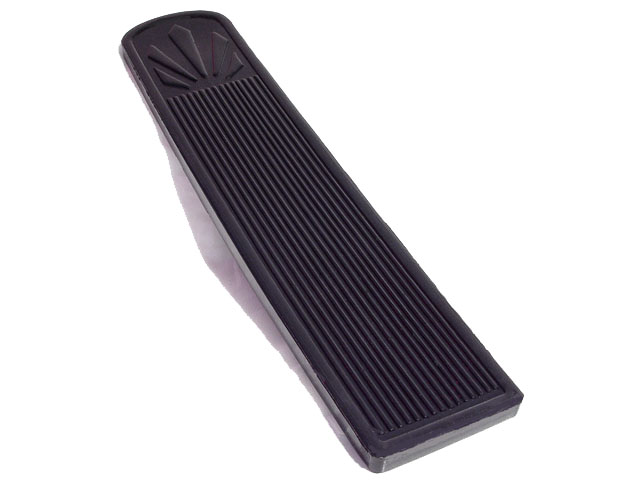 1939 Willys Model 48 Accelerator Pad. 2" Wide X 9-3/8" Long. Each-AP 35Accelerator Pad. 2" Wide X 9-3/8" Long. Each
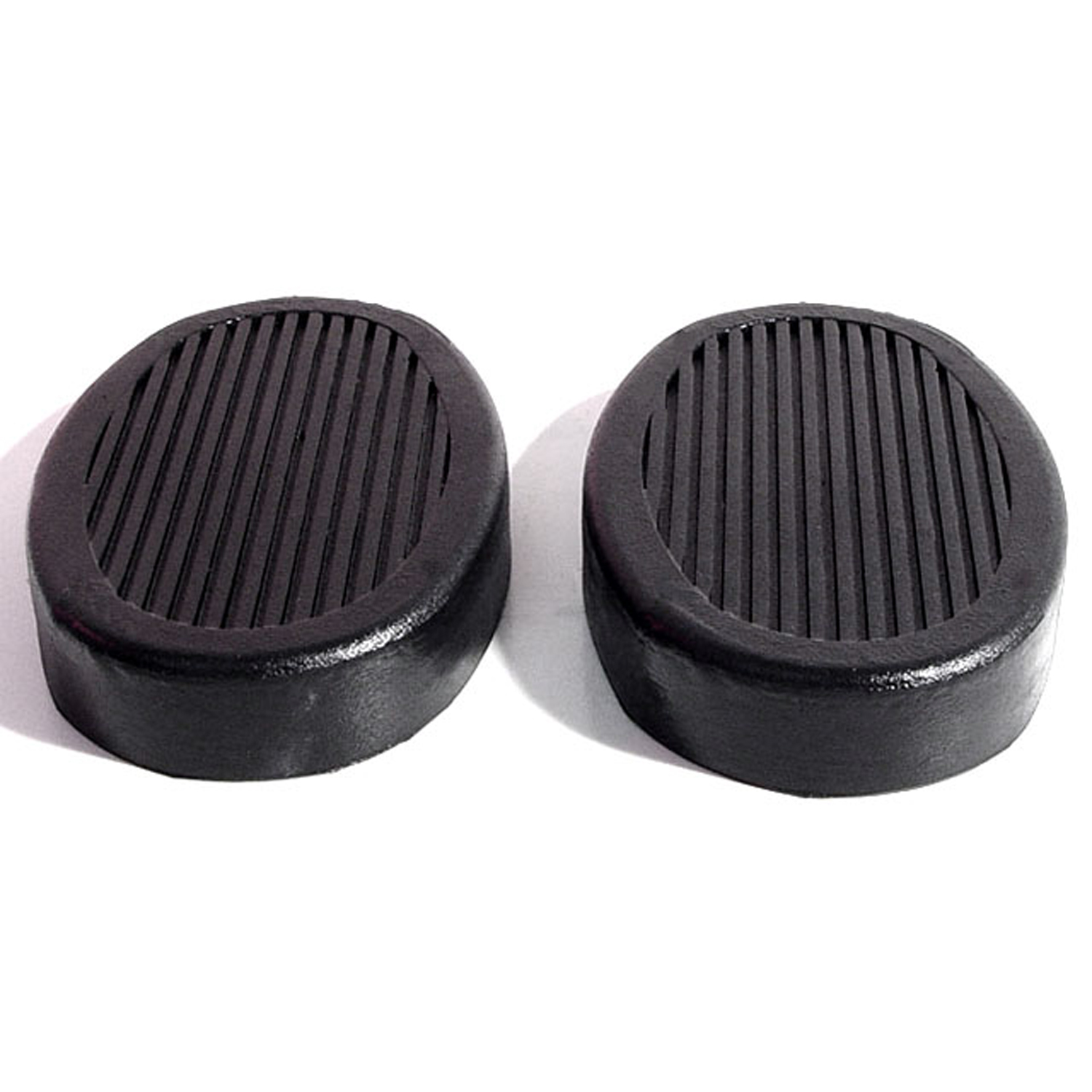 1939 Willys Model 48 Clutch and Brake Pedal Pads. Exact reproduction-CB 96Clutch and Brake Pedal Pads. Exact reproduction. 2-3/16" wide X 3-5/16" long. Pair
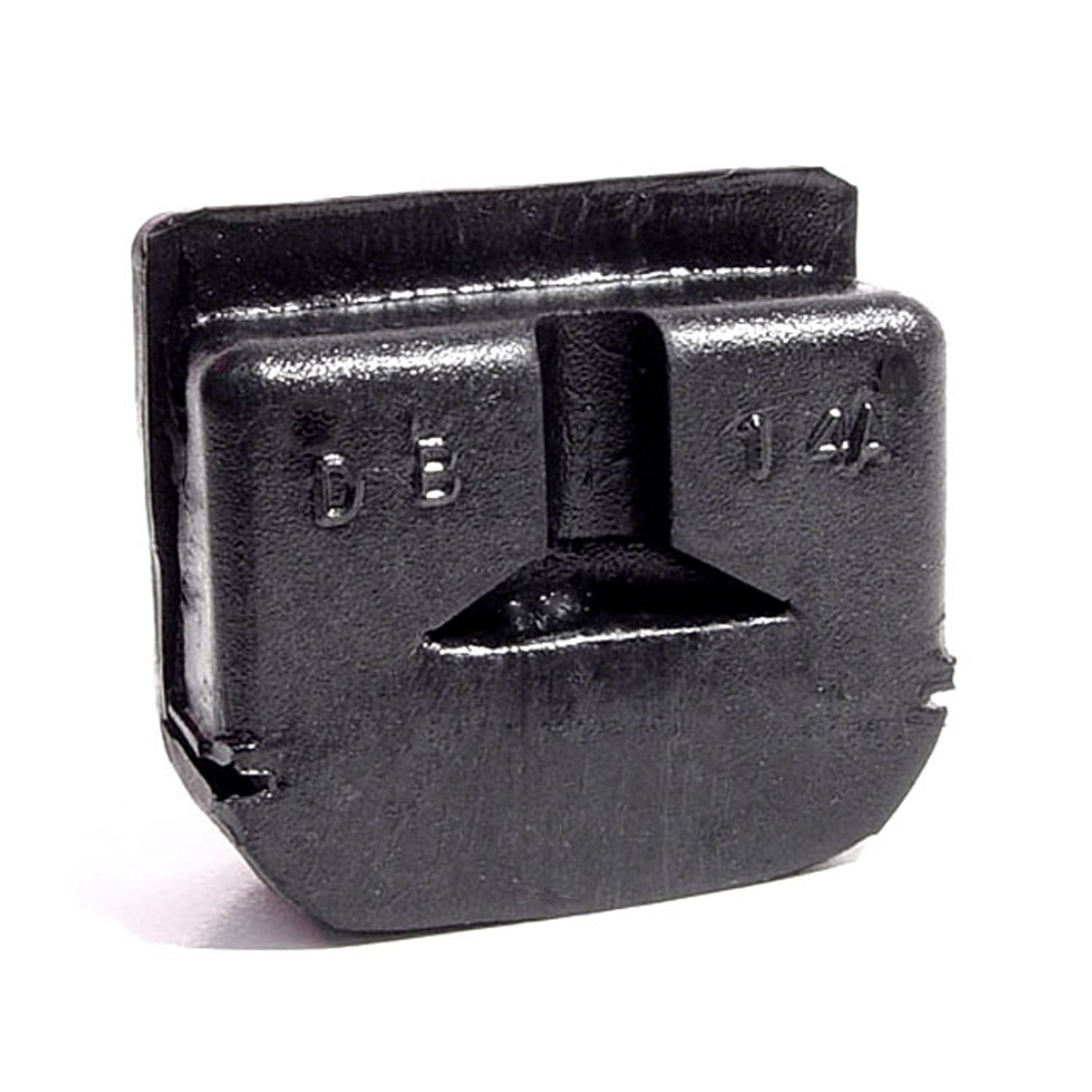 1939 Willys Model 48 Door Bumper. Exact reproduction-DB 14-ADoor Bumper. Exact reproduction. 1-3/16" high X 1-9/16" wide X 9/16" thick. Each
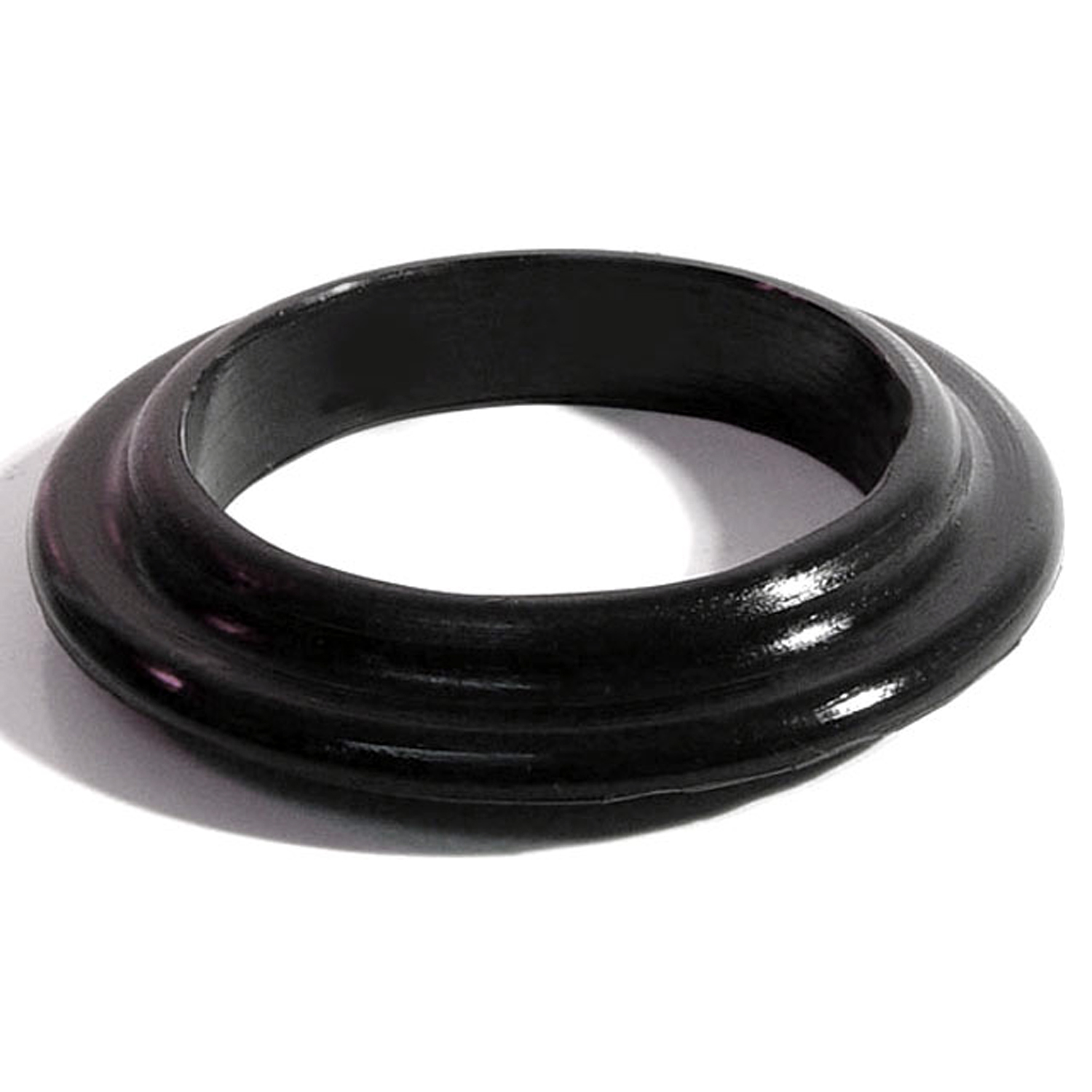 1939 Willys Model 48 Gas Filler Grommet. 2-1/4" I.D., 3-1/4" O.D. Each-GF 29Gas Filler Grommet. 2-1/4" I.D., 3-1/4" O.D. Each
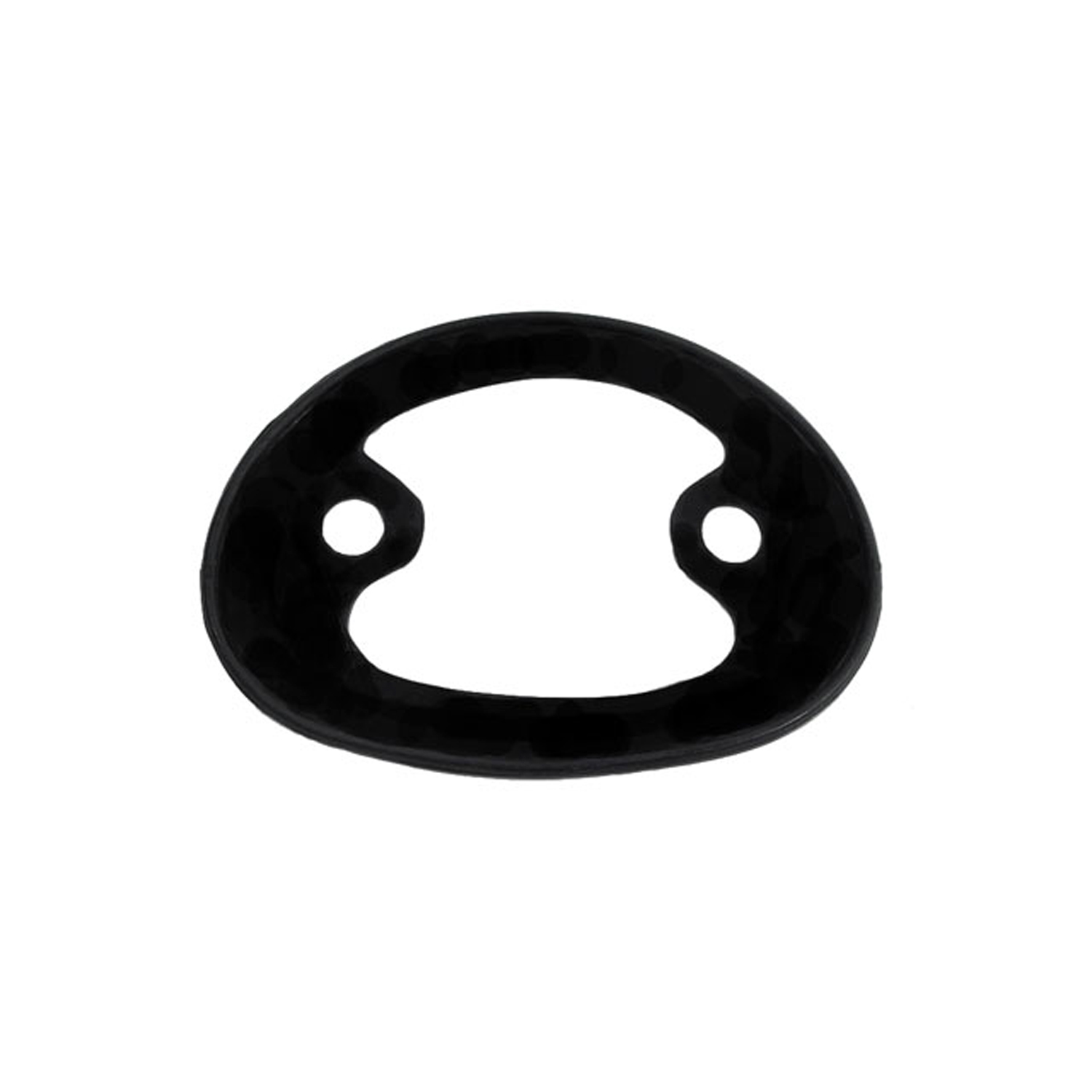 1939 Willys Model 48 License Light Pad. 5-1/2" wide X 4-1/8" long. Each-MP 1303-BLicense Light Pad. 5-1/2" wide X 4-1/8" long. Each
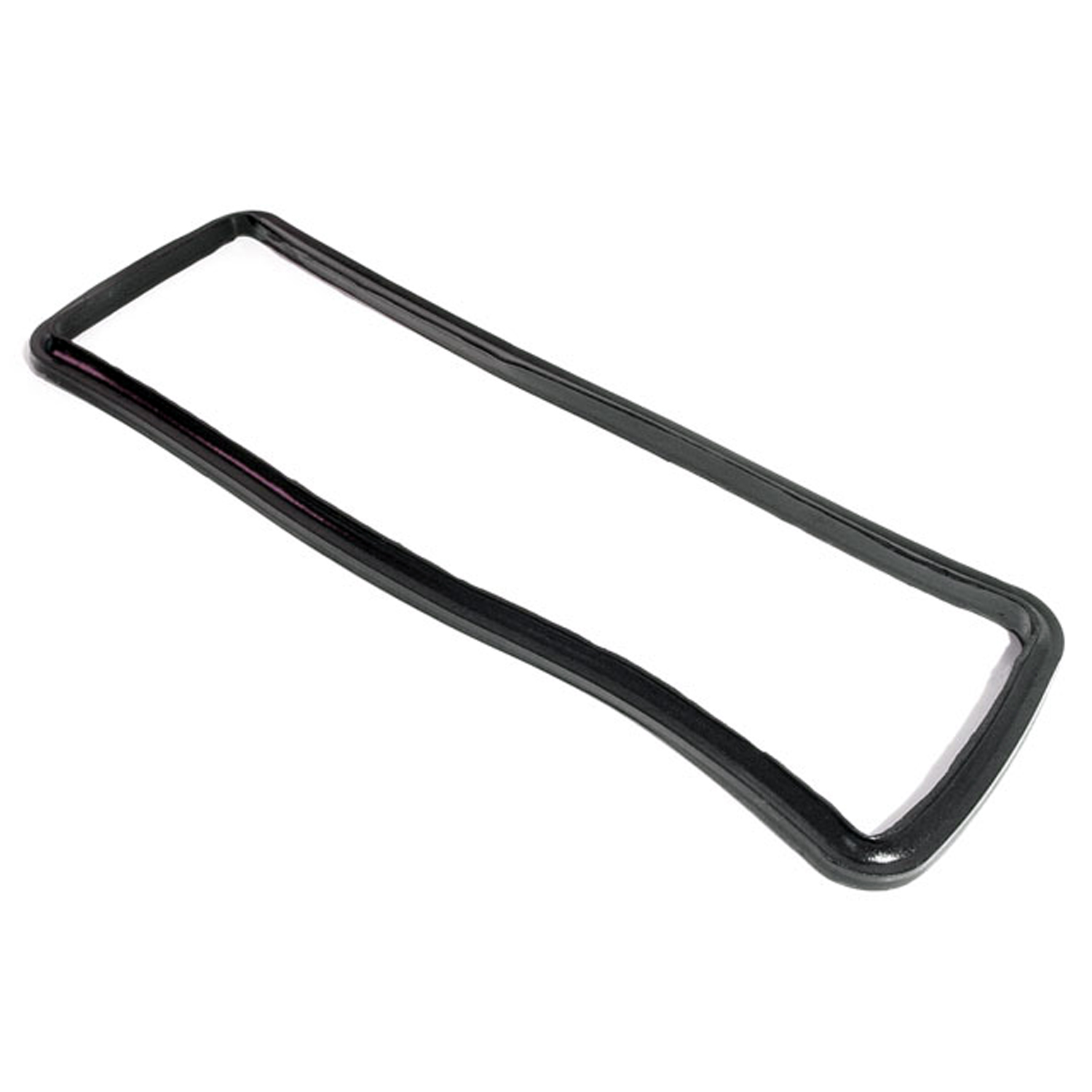 1939 Willys Model 48 Cowl Vent Seal. Made of molded sponge-RP 100-GCowl Vent Seal. Made of molded sponge. 3-3/4" wide X 11-1/4" long. Each
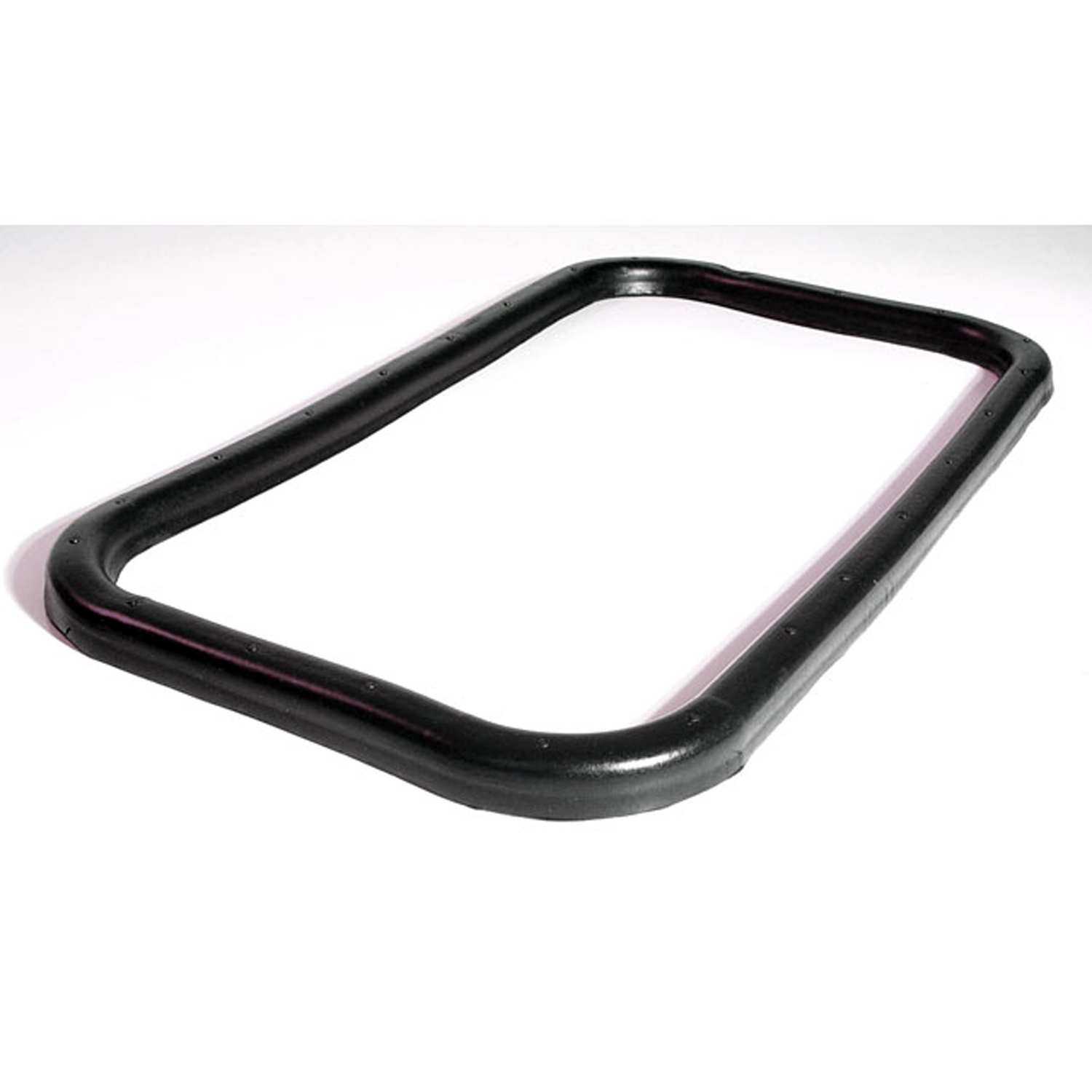 1939 Willys Model 48 Hood to Cowl Vent Seal. Made of molded sponge-RP 100-HHood to Cowl Vent Seal. Made of molded sponge. 7-5/8" wide at side X 13-3/8" long. Each
Why Choose Metro?
For over 100 years, Metro Moulded Parts has been the pinnacle of quality in classic car restoration parts. Our commitment to precision and authenticity in every component ensures a perfect fit and an OEM-level appearance.
- Expert Craftsmanship & Quality: Each part is a testament to our dedication to reliability and perfection, crafted from original designs and thoroughly tested.
- Advanced Technology: We use cutting-edge techniques to create flawless, long-lasting parts that surpass others in performance.
- SuperSoft Sponge – The Ultimate Door Seal: Not only are our door seals 30% softer than competitors', but they're also guaranteed to never leak. They effectively reduce wind and road noise, enhancing your classic car's comfort and driving experience.
- Proudly American: Our parts are a product of American craftsmanship, made in the USA with a spirit of excellence and heritage.
- Unrivaled Warranty: We back our products with a 30-year industry-leading warranty, a testament to our confidence in their quality.
Join us in preserving the legacy of classic cars with parts that are crafted for perfection, not just made.