
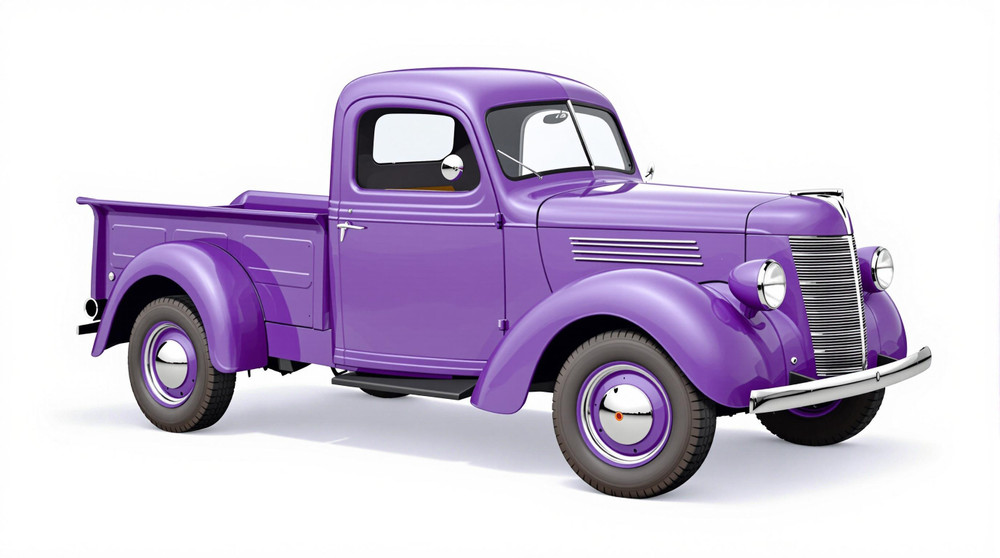
Image of 1939 Willys Model 48 Truck, Note: These illustrations use artistic license and may differ from actual historical models.
Performance Metrics
Fundamental Metrics
Emotional Appeal
MMP Rating
| Engine Specifications | |
|---|---|
| Engine: | L-head 4-cylinder |
| Displacement: | 134 cu in (2.2 L) |
| Horsepower: | Estimated 48-63 hp |
| Torque: | 100 lb-ft |
| Compression Ratio: | Estimated 6.48:1 |
| Ignition System: | Battery and coil |
| Cooling System: | Water-cooled |
| Performance Specifications | |
| 0-60 Time: | Not available due to the age and type of vehicle |
| 1/4 Mile Time: | Not available due to the age and type of vehicle |
| Top Speed: | 60-65 mph |
| Transmission and Drive | |
| Drive Type: | Rear-wheel drive |
| Transmission Type: | 3-speed manual |
| Fuel and Efficiency | |
| Fuel System Type: | Carburetor |
| MPG: | Estimated 15-20 mpg |
| Dimensions and Brakes | |
| Brakes: | Hydraulic drum brakes |
| Wheelbase: | 104 inches |
| Weight: | Estimated 2,400 lbs |
Note: Specifications for classic cars are given to the best of our ability, considering the limited and variant data available.
1939 Willys Model 48 Truck: A Compact Prewar Workhorse
The 1939 Willys Model 48 Truck was built for drivers who needed a practical, economical hauler rather than a polished luxury machine. Produced by Willys-Overland Motors in Toledo, Ohio, it belonged to a period when American truck makers were refining the light-duty pickup for farms, small businesses, and everyday transportation. Its compact size and four-cylinder power made it a distinctive alternative to the larger, heavier trucks offered by many competitors.
The Model 48 is also an intriguing link to Willys’ better-known wartime story. Its engine belonged to the same broad family of simple, durable Willys four-cylinders that would become famous in the Jeep era, though the Model 48 was a civilian rear-wheel-drive truck, not a Jeep. That connection gives this modest work truck an outsized place in the company’s history.
Exterior Design and Body Styles
The Model 48 wears the straightforward styling of a late-1930s commercial vehicle. Its upright grille, rounded front fenders, tall hood, and separate headlamps give it a purposeful, almost architectural appearance. The cab is compact, with a broad windshield and simple window openings that prioritize visibility over streamlined flair. A short wheelbase and modest overall proportions make the truck look nimble beside many full-size pickups of its day.
The pickup was the most recognizable configuration, but Willys trucks could also be supplied as a chassis or adapted for commercial bodies such as stake beds and delivery bodies. Availability depended on the buyer, dealer, and body builder, so surviving examples can differ considerably. The pickup remains the most familiar and sought-after form among collectors.
Factory paint choices varied by model, body, and commercial order, and precise color availability can be difficult to establish for an individual truck. Period-appropriate shades included subdued work-truck colors, with dark greens, maroons, and black often seen on restored examples. Many surviving trucks have been repainted, so original paint traces, paint codes, and factory records are more reliable than assuming a current finish is authentic.
Cab, Materials, and Equipment
Inside, the Model 48 is a lesson in functional simplicity. The cab uses painted metal surfaces, a straightforward instrument panel, and durable upholstery intended to withstand regular work. There is little decorative trim, and the seating and controls are arranged around the basics: steering, shifting, braking, and keeping an eye on engine temperature and fuel.
Equipment was modest by modern standards. Buyers should not expect power steering, power brakes, or the comfort and convenience features found in later pickups. The truck’s appeal lies partly in that directness: the driver sits close to the mechanical action, with a manual transmission and uncomplicated controls.
Engine and Period Technology
Power came from a Willys 134-cubic-inch, or approximately 2.2-liter, L-head inline-four. Period specifications are commonly reported at about 48 horsepower, though exact figures can vary by source and rating method. The engine’s side-valve layout was conventional for the era, favoring uncomplicated construction and serviceability over high-revving performance.
A three-speed manual transmission sent power to the rear wheels. The truck also used a conventional ladder-style chassis, solid axles, leaf springs, and drum brakes. These were familiar, repairable technologies rather than radical innovations, but they suited the Model 48’s intended job: carrying useful loads on ordinary roads without demanding complex maintenance.
Why the Model 48 Mattered
The Model 48 was not a revolutionary design, and that is part of its significance. It represented Willys’ effort to compete in the growing light-truck market with a compact vehicle that emphasized economy and practicality. At a time when many American trucks were becoming larger and more powerful, Willys offered a smaller alternative that could be easier to maneuver and less demanding to operate.
Its historical importance also comes from its place in the Willys timeline. The company would soon become famous for the wartime Jeep, and its durable four-cylinder engineering became central to that story. The Model 48 did not directly become the Jeep, but it helps illustrate the company’s prewar experience building practical vehicles around simple mechanical designs.
Performance and Driving Feel
With roughly 48 horsepower, the Model 48 was built for steady work, not quick acceleration. Period test data for individual trucks is scarce, so modern performance figures should be treated as estimates. A healthy, lightly loaded example might reach roughly 55 to 65 mph, while acceleration from 0 to 60 mph would likely take well over 30 seconds, if it could reach 60 mph at all under the conditions of the test. A load, worn engine, steep grade, or headwind would make it slower.
On the road, the four-cylinder engine delivers a measured, mechanical note rather than a deep V8 rumble. The driver works the manual gearbox and keeps the engine in its useful range, especially on hills. Steering and braking require more physical effort than in a modern truck, and the ride is firm when the bed is empty. Leaf springs and a solid rear axle can bounce over broken pavement, while a heavy load generally settles the truck and improves its composure.
On winding roads, the Model 48 rewards an unhurried pace. Its compact dimensions help in tight spaces, but its age, narrow tires, and period suspension mean it should not be driven like a modern pickup. Braking distances are longer, and crosswinds or uneven roads call for attentive steering. The most satisfying drive is a relaxed one, with time to appreciate the engine’s steady rhythm and the truck’s direct, mechanical character.
Ownership, Maintenance, and Reliability
Today, Model 48s are most often used as show trucks, parade vehicles, weekend cruisers, or carefully maintained farm and property vehicles. Some owners drive them regularly, but a 1939 truck is rarely an ideal modern daily driver. Its speed, braking, lighting, comfort, and crash protection are all far behind contemporary standards.
The basic mechanical layout is approachable for an experienced home mechanic. Routine work includes checking ignition and fuel systems, inspecting the cooling system, servicing the brakes, and monitoring the condition of the electrical wiring. Parts support is available through vintage Willys suppliers and enthusiast networks, but trim, body panels, and model-specific pieces can take more searching. Rust in the cab, floor, fenders, and bed can be a bigger challenge than engine work, so a sound body is often worth paying extra for.
Willys Model 48 Facts and Myths
The Model 48 is uncommon enough to attract attention at classic-truck gatherings, but it is not known for a famous speed record or a major celebrity connection. Its story is quieter: it represents the everyday commercial vehicles that kept farms and small businesses moving before the Second World War. It is also important not to confuse the civilian Model 48 with the later military Jeep simply because both are associated with Willys engineering.
A common criticism is that the truck feels underpowered, especially by modern standards. That is fair if it is expected to keep pace with present-day traffic or haul heavy loads quickly. Its small engine and basic cabin were trade-offs made in the name of economy and utility. For collectors, those limitations are part of the truck’s character, but they should be understood before buying one.
Collector Value and Availability
There is no widely cited, dependable production total for the 1939 Model 48 specifically. As a cautious estimate, production may have reached the low thousands, perhaps around 1,000 to 3,000 trucks, but that should be treated as an informed guess rather than a verified factory figure. Many were used hard, modified, or scrapped, leaving far fewer original examples today.
As a broad 2026 U.S. market estimate, a project truck may sell for roughly $5,000 to $12,000, depending on completeness and rust. A running, usable example might bring about $15,000 to $30,000, while a well-restored truck can reach approximately $30,000 to $55,000 or more. Exceptional restorations, unusual commercial bodies, and especially original examples may exceed those ranges, while unfinished or heavily corroded trucks can fall below them. Condition, documentation, and the quality of the restoration matter more than a single price guide figure.
Values for prewar trucks have generally benefited from growing interest in vehicles with distinctive styling and hands-on mechanical character. The Model 48 is a niche collectible, so its market is smaller and prices can vary substantially from one sale to another. A careful, documented restoration is more likely to hold value than an expensive rebuild undertaken without regard for originality.
A Small Truck with a Lasting Story
The 1939 Willys Model 48 Truck combines compact proportions, simple engineering, and a direct connection to Willys’ prewar history. It was not the fastest or most comfortable truck of its time, but it offered practical capability in a manageable package. For collectors, it is a reminder that automotive history is shaped not only by icons, but also by the hardworking vehicles that quietly earned their place on the road.
1939 Willys Model 48 Truck Catalog of Parts
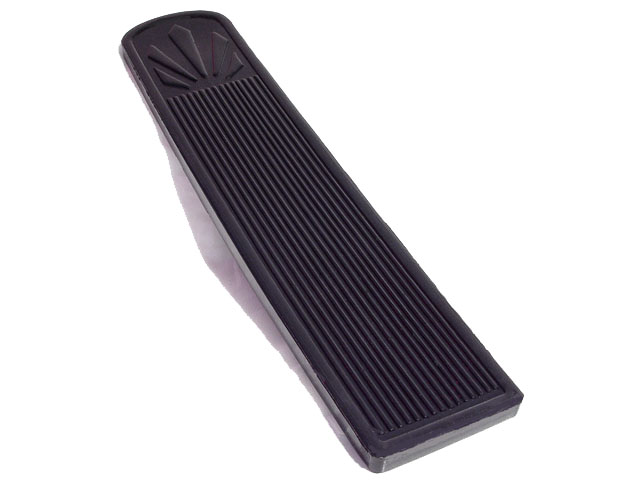 1939 Willys Model 48 Truck Accelerator Pad. 2" Wide X 9-3/8" Long. Each-AP 35Accelerator Pad. 2" Wide X 9-3/8" Long. Each
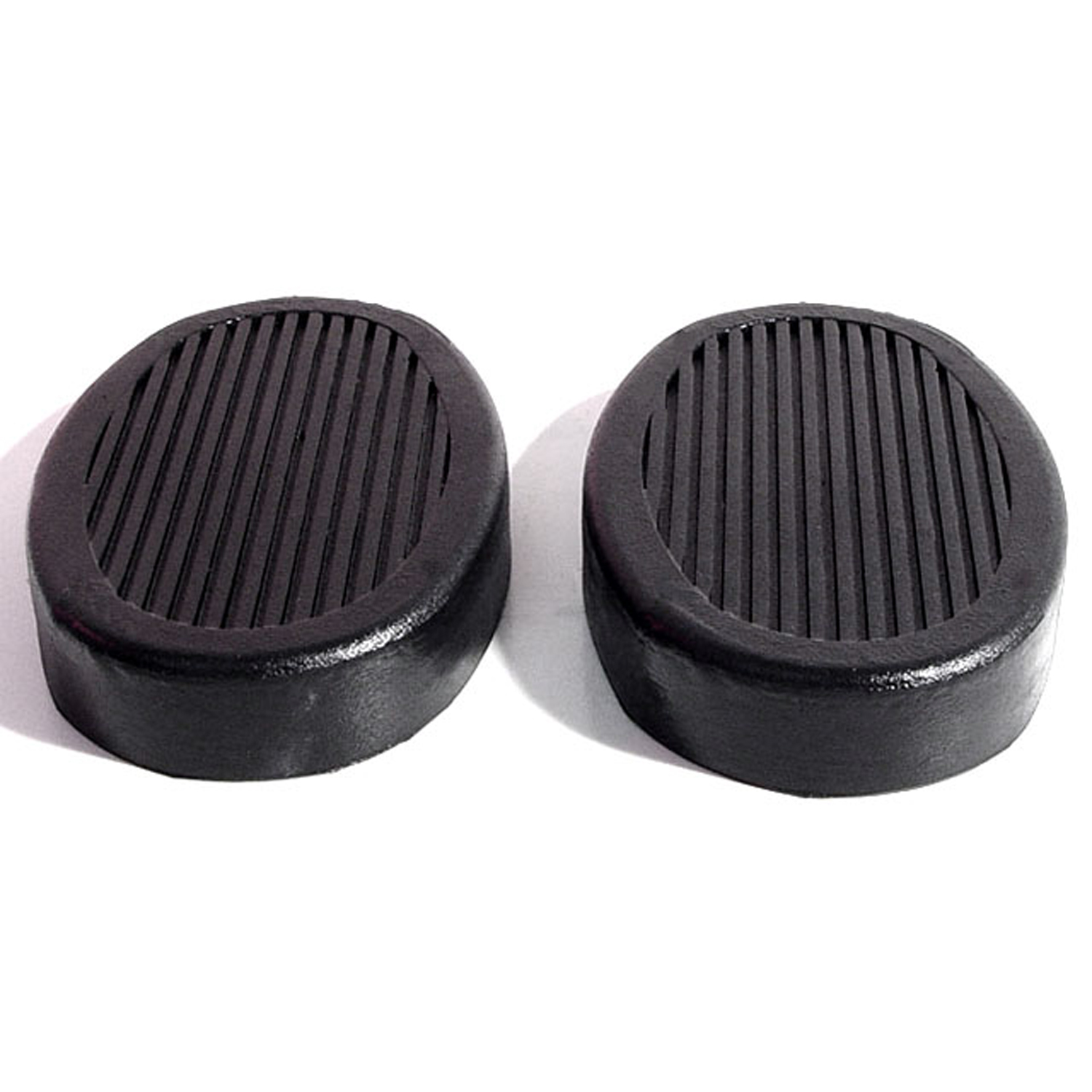 1939 Willys Model 48 Truck Clutch and Brake Pedal Pads. Exact reproduction-CB 96Clutch and Brake Pedal Pads. Exact reproduction. 2-3/16" wide X 3-5/16" long. Pair
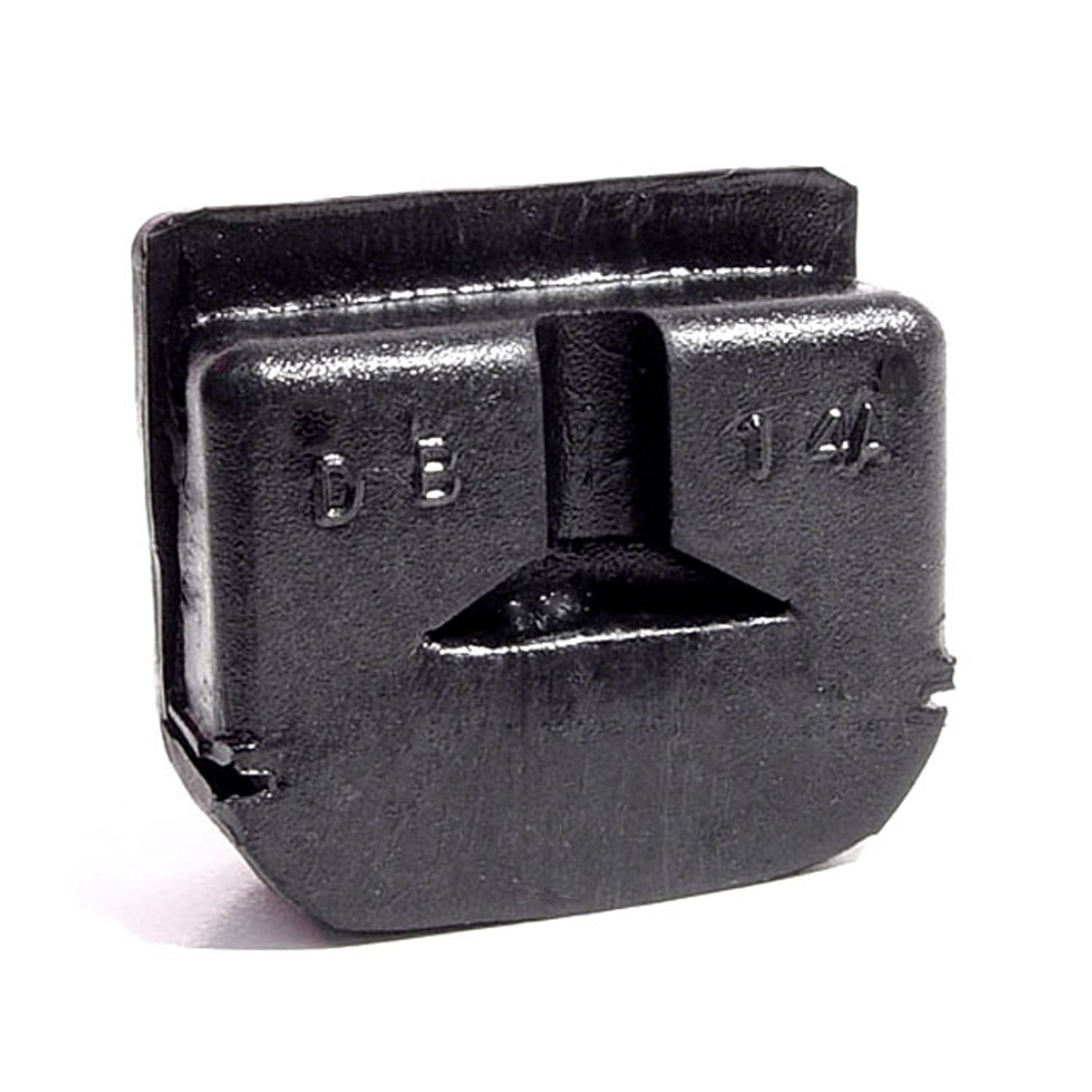 1939 Willys Model 48 Truck Door Bumper. Exact reproduction-DB 14-ADoor Bumper. Exact reproduction. 1-3/16" high X 1-9/16" wide X 9/16" thick. Each
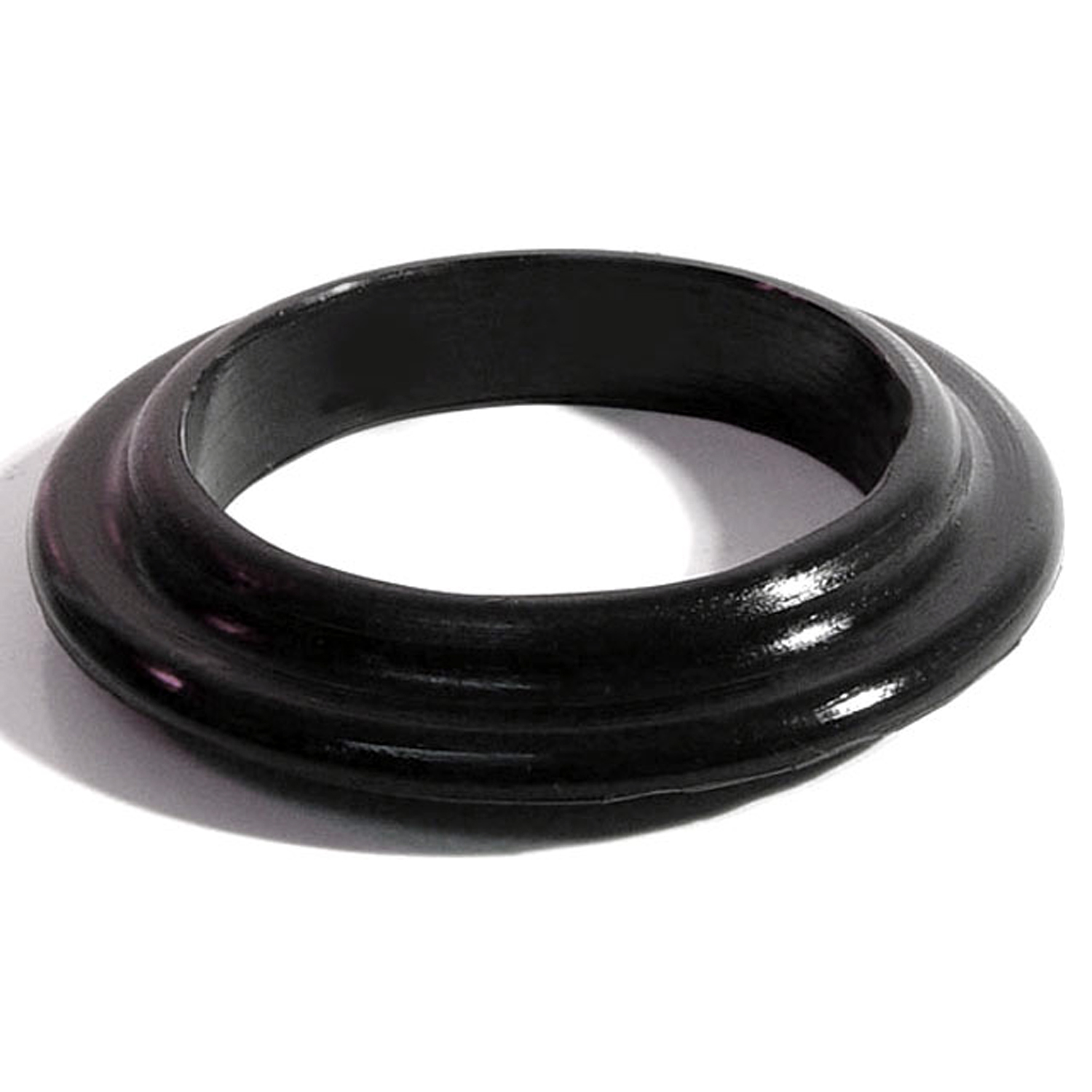 1939 Willys Model 48 Truck Gas Filler Grommet. 2-1/4" I.D., 3-1/4" O.D. Each-GF 29Gas Filler Grommet. 2-1/4" I.D., 3-1/4" O.D. Each
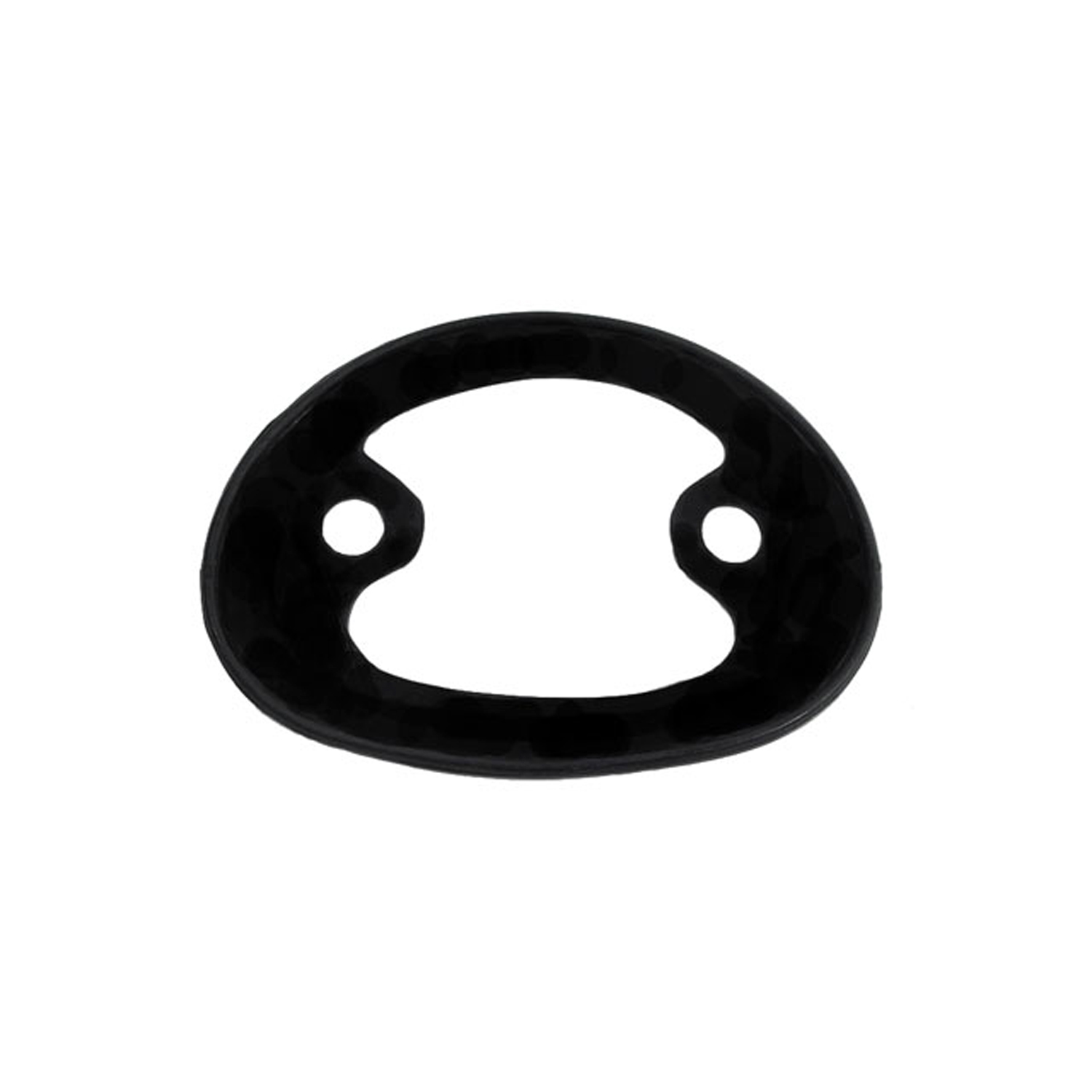 1939 Willys Model 48 Truck License Light Pad. 5-1/2" wide X 4-1/8" long. Each-MP 1303-BLicense Light Pad. 5-1/2" wide X 4-1/8" long. Each
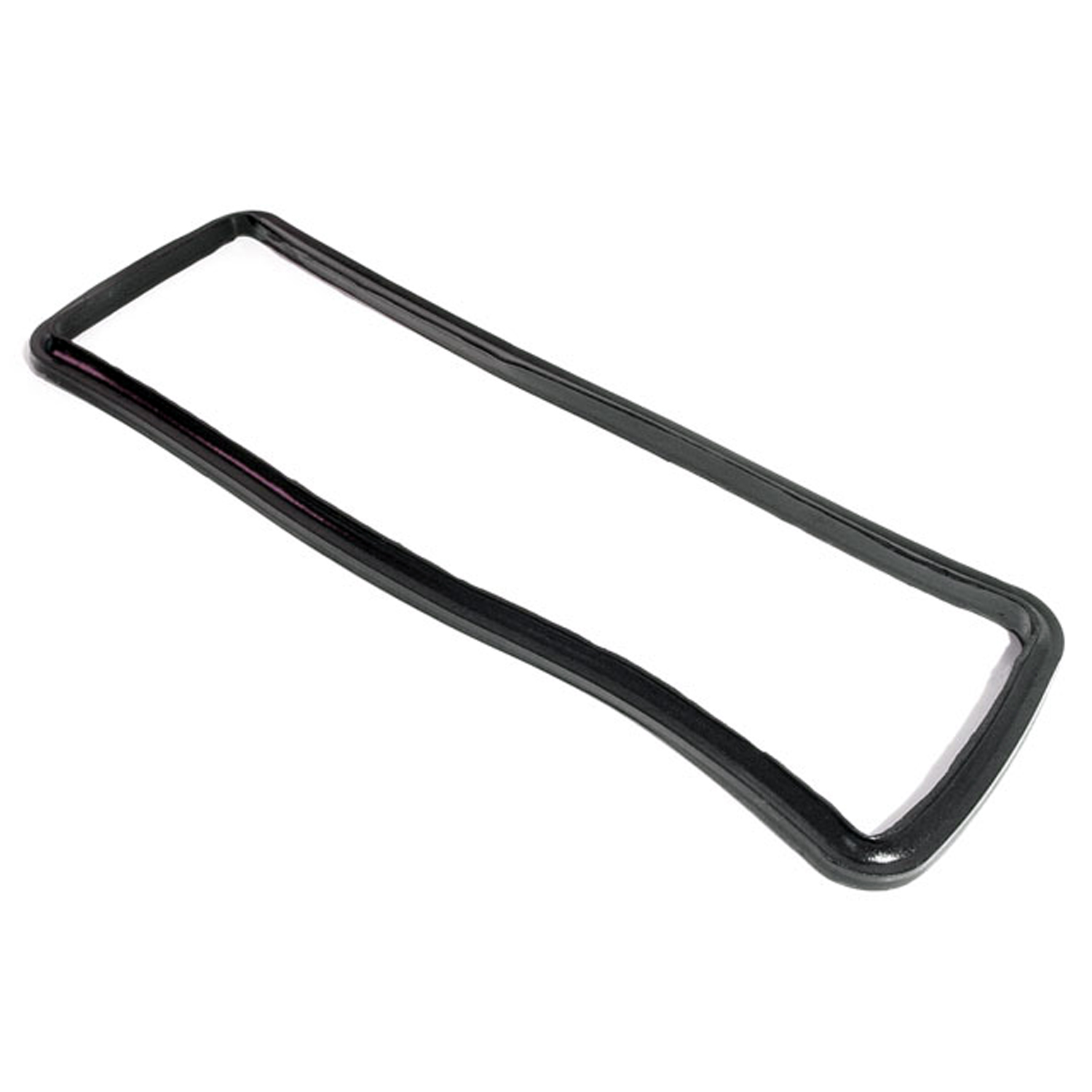 1939 Willys Model 48 Truck Cowl Vent Seal. Made of molded sponge-RP 100-GCowl Vent Seal. Made of molded sponge. 3-3/4" wide X 11-1/4" long. Each
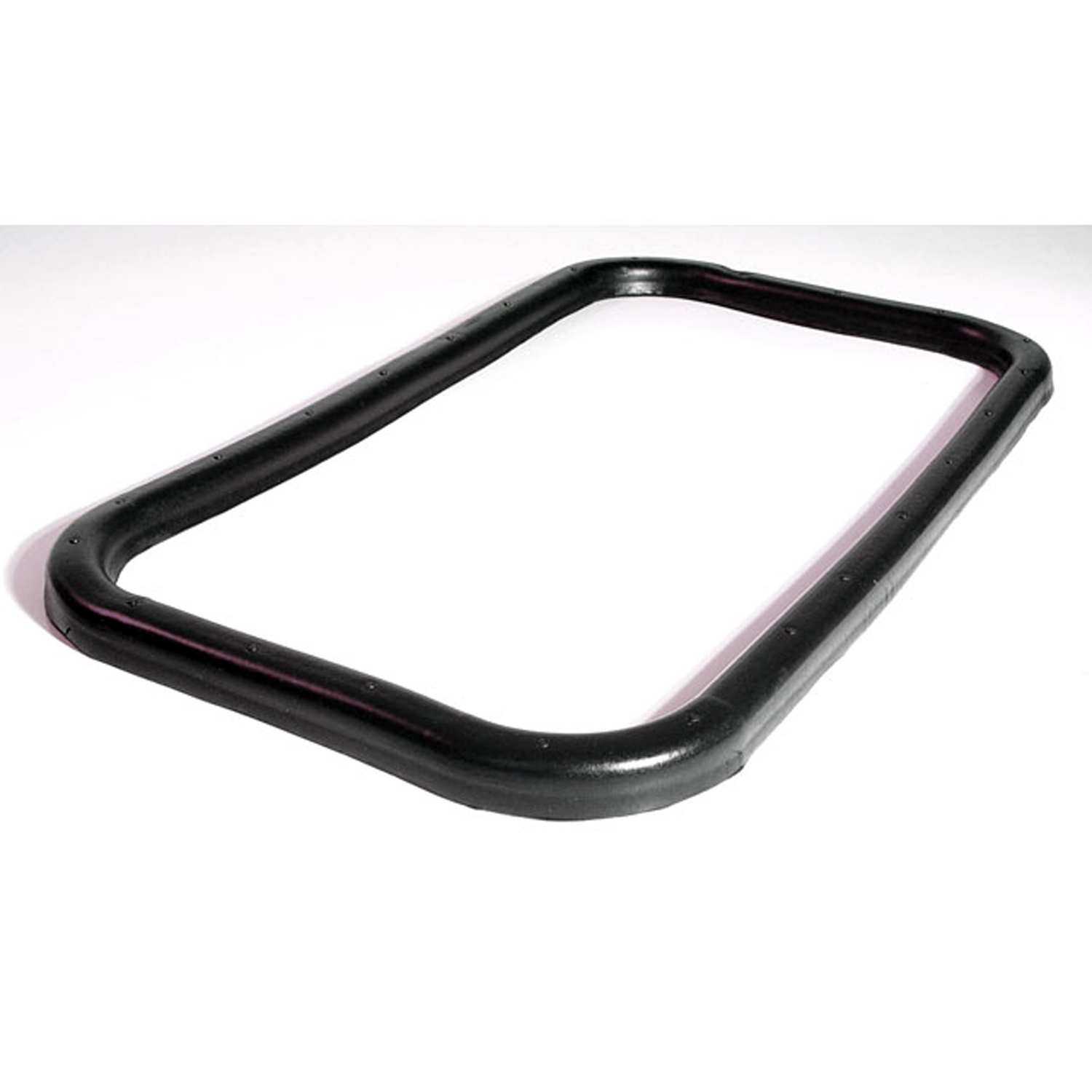 1939 Willys Model 48 Truck Hood to Cowl Vent Seal. Made of molded sponge-RP 100-HHood to Cowl Vent Seal. Made of molded sponge. 7-5/8" wide at side X 13-3/8" long. Each
Why Choose Metro?
For over 100 years, Metro Moulded Parts has been the pinnacle of quality in classic car restoration parts. Our commitment to precision and authenticity in every component ensures a perfect fit and an OEM-level appearance.
- Expert Craftsmanship & Quality: Each part is a testament to our dedication to reliability and perfection, crafted from original designs and thoroughly tested.
- Advanced Technology: We use cutting-edge techniques to create flawless, long-lasting parts that surpass others in performance.
- SuperSoft Sponge – The Ultimate Door Seal: Not only are our door seals 30% softer than competitors', but they're also guaranteed to never leak. They effectively reduce wind and road noise, enhancing your classic car's comfort and driving experience.
- Proudly American: Our parts are a product of American craftsmanship, made in the USA with a spirit of excellence and heritage.
- Unrivaled Warranty: We back our products with a 30-year industry-leading warranty, a testament to our confidence in their quality.
Join us in preserving the legacy of classic cars with parts that are crafted for perfection, not just made.