

Image of 1940 Willys Speedway, Note: These illustrations use artistic license and may differ from actual historical models.
Performance Metrics
Fundamental Metrics
Emotional Appeal
MMP Rating
| Engine Specifications | |
|---|---|
| Engine Options: | Likely a 4-cylinder engine |
| Displacement Range: | 134 cu in (2.2 L) |
| Horsepower Range: | Estimated around 60-63 HP |
| Torque: | Not available |
| Compression Ratio: | Not available |
| Ignition System: | Likely a traditional points ignition system |
| Cooling System: | Likely a liquid-cooled system |
| Performance Specifications | |
| 0-60 Time: | Not available |
| 1/4 Mile Time: | Not available |
| Top Speed: | Estimated around 70-75 mph |
| Transmission and Drive | |
| Drive Type: | Rear-wheel drive |
| Transmission Type: | Likely a 3-speed manual transmission |
| Fuel and Efficiency | |
| Fuel System Type: | Likely a carburetor fuel system |
| MPG: | Not available |
| Dimensions and Brakes | |
| Brakes: | Likely drum brakes |
| Wheelbase: | 104 inches |
| Weight: | Estimated around 2,400 lbs |
Note: Specifications for classic cars are given to the best of our ability, considering the limited and variant data available.
1940 Willys Speedway: A Canadian-Built Compact With Jeep DNA
The 1940 Willys Speedway was a small, practical car with a surprisingly important connection to one of the most famous vehicles of the Second World War. Built for the Canadian market by Willys-Overland Motors of Canada, it belonged to the company’s line of affordable, light-duty passenger cars. Its modest four-cylinder engine was part of the same engine family that would become famous in the Willys MB Jeep.
The Speedway name can be misleading: this was a road car, not a purpose-built race machine. It offered straightforward transportation at a time when many buyers were watching their budgets and fuel use. Its compact proportions, simple mechanical layout, and Canadian-market identity make it an unusual find among prewar classics today.
Exact specifications and production figures for the Canadian Speedway are not consistently recorded, and details could vary by body style and market. Where precise factory data is unavailable, the figures below are presented as informed estimates rather than guaranteed specifications.
Canadian Roots and Prewar Context
Willys-Overland had built its reputation on relatively affordable cars, and its Canadian operation adapted that formula for local buyers. The Speedway was related to the American Willys passenger-car range, including the compact Willys 37 and later Americar family, but it was marketed under a name familiar to Canadian customers. Canadian production and assembly also helped the company serve its home market without relying entirely on imported finished cars.
In 1940, the Speedway occupied a useful niche. It was smaller and mechanically simpler than many full-size American sedans, while still offering the enclosed body and everyday practicality buyers expected. The country was on the brink of wartime industrial change. As Canada and the United States redirected factories toward military production, civilian-car manufacturing would soon be restricted, making prewar cars like the Speedway part of a brief chapter in automotive history.
Its most compelling historical connection is under the hood. The Speedway’s 134-cubic-inch side-valve four-cylinder belongs to the engine lineage later developed into the Willys “Go-Devil” engine used in wartime Jeeps. The passenger car was not itself a Jeep prototype, but it shared engineering DNA with a powerplant that would become a global symbol of military mobility.
Streamlined Shape, Straightforward Cabin
The Speedway wore the compact, upright styling typical of late-1930s cars, softened by rounded fenders and gently flowing bodywork. Its narrow front end, modest grille, separate-looking fenders, and rounded roofline gave it a purposeful, almost economical appearance. It was less imposing than a big luxury sedan, but its proportions made it look nimble and tidy on the road.
Inside, the emphasis was on function rather than extravagance. Expect a steel dashboard, simple gauges, a broad bench seat, and durable cloth upholstery. Materials and trim varied with equipment and body style, but the cabin was generally designed to withstand regular use, not to imitate a high-end limousine. Compared with a modern car, the Speedway’s interior would feel airy but plainly finished, with minimal sound insulation and few convenience features.
Available paint colors depended on the model year, market, and factory order. Period colors tended toward restrained solid shades, including dark blues, greens, maroons, grays, and black. A well-preserved original finish is especially appealing to collectors, although many surviving examples have been repainted in colors chosen during restoration.
Body-style availability can also vary in surviving references and by market. Speedway examples are associated with conventional passenger-car forms such as sedans and coupes, with exact combinations depending on the Canadian catalog and year. The two-door coupe is particularly attractive to collectors because of its compact profile, while a sedan would have been the more practical choice for family use. Before buying, verify the body style against the car’s serial information and period documentation rather than assuming every advertised configuration was offered in Canada.
Simple Engineering Before the War
The Speedway’s mechanical appeal was its lack of complication. Its inline-four used a side-valve, or flathead, layout, placing the valves in the engine block rather than in the cylinder head. That design was familiar to mechanics of the era and helped keep the engine compact and relatively straightforward to service. Power was sent through a manual transmission, generally a three-speed unit, to the rear wheels.
By modern standards, the equipment list was basic. Buyers should not expect power steering, automatic transmission, advanced heating and ventilation, or modern safety systems. The benefit was a car that could be understood and repaired with ordinary tools by a capable mechanic. Its light weight also suited the modest engine better than a heavier full-size car would have.
The Speedway was not a technology pioneer in the way that some luxury cars were. Its significance lies instead in the practical engineering approach Willys refined across its passenger and utility vehicles. The company’s compact-car experience and small-engine development helped establish the mechanical foundation that would later serve military and civilian Jeep models.
Performance and Road Manners
The Speedway’s 134-cubic-inch four is generally associated with output in the neighborhood of 60 horsepower, though exact ratings can differ by specification and source. A reasonable period-style estimate for top speed is roughly 60 to 70 mph under favorable conditions. Acceleration from 0 to 60 mph was leisurely, likely taking around 20 to 30 seconds depending on body style, gearing, engine condition, and load. These are estimates, not modern instrumented test results.
On the road, the car’s light weight and compact dimensions would make it feel more nimble than a large contemporary sedan. Its manual gearbox asks the driver to plan ahead, especially on hills or when joining faster traffic. The engine is likely to sound busy at highway speeds, with a steady flathead rumble rather than a refined, quiet modern note.
Ride and handling reflect the era. The suspension can absorb ordinary road imperfections, but rough surfaces will be felt through the body and bench seat. Narrow tires, period brakes, and a relatively upright body call for measured driving, particularly on wet roads or winding routes. The Speedway is best enjoyed at an unhurried pace, where its mechanical character and view over the hood become part of the experience.
Living With a Willys Speedway
Today, most Speedways are better suited to touring, local shows, heritage events, and occasional weekend drives than daily commuting. Their modest performance, vintage braking, and limited crash protection make them a poor match for modern high-speed traffic. A carefully maintained example can still be an engaging old-car companion on quieter roads.
Routine maintenance is relatively approachable for an owner familiar with older cars. The engine uses conventional service items, and the basic mechanical layout is less intimidating than that of a later car filled with electronic controls. The main challenge is often not the design but the supply of correct parts. Some engine and chassis components may be shared with related Willys models, but body panels, trim, glass, and Canadian-specific details can be difficult to locate.
Before purchase, inspect the frame and body structure for corrosion, check the engine’s oil pressure and cooling system, and confirm that the gearbox and clutch operate properly. Look closely for incomplete trim or improvised repairs. Because surviving cars are rare, a complete, documented example can be more valuable than a cosmetically shiny project missing hard-to-find parts.
Speedway Facts and Common Misconceptions
The word “Speedway” does not mean the car was a factory race model. Its name was a marketing identity for a passenger car, and there is no widely documented record of the 1940 Speedway holding a major speed, endurance, or sales record. Its lasting claim to interest is its place in Willys’ Canadian passenger-car story and its relationship to the engine family later associated with the Jeep.
No widely verified celebrity ownership story is strongly tied to the model. Nor is the Speedway commonly associated with a major film appearance or a single defining historical event. Its story is quieter: a practical Canadian-market car built just before wartime production reshaped the industry.
Common criticisms are familiar for a small prewar car. The four-cylinder engine is not quick, the cabin is basic, and parts specific to the body can be scarce. Its brakes and handling also demand more anticipation than a modern driver may expect. For enthusiasts, those limitations are part of the period experience, but they should be considered before buying.
Collector Value and Rarity
There is no dependable, widely published production total for the 1940 Canadian Speedway alone. A cautious estimate would put production in the low thousands or fewer, but that is a best guess, not a verified factory figure. Survivors are uncommon, and cars with original Canadian documentation, correct trim, and a complete drivetrain are especially desirable.
As a broad North American market estimate, a project car might sell for roughly US$5,000 to US$12,000, while a running, presentable example could fall around US$15,000 to US$30,000. A carefully restored, highly original, or particularly rare body-style example may exceed that range. Condition, provenance, completeness, and the difficulty of confirming exact model details can move the price substantially.
Because the Speedway is a niche Canadian classic, its value is less predictable than that of a common Ford or Chevrolet from the same period. It is not necessarily a rapid-appreciation investment. Well-restored examples may strengthen gradually as prewar Canadian cars gain recognition, but restoration costs can easily outpace resale value. Buyers should purchase for the history and enjoyment, not solely for expected profit.
A Small Car With a Lasting Connection
The 1940 Willys Speedway combined compact dimensions, simple engineering, and a distinctly Canadian identity at a turning point in automotive history. It was not a high-performance machine or a luxury showpiece. Its appeal comes from its practical design, uncommon status, and connection to the Willys engineering that later helped put the Jeep on the map.
For collectors, the Speedway offers something different from the familiar prewar American sedan: a rare, approachable car with a story that reaches from Canadian roads to one of the most influential utility vehicles ever built. It may have been modest in its own day, but that modesty is exactly what makes the Willys Speedway worth remembering.
1940 Willys Speedway Catalog of Parts
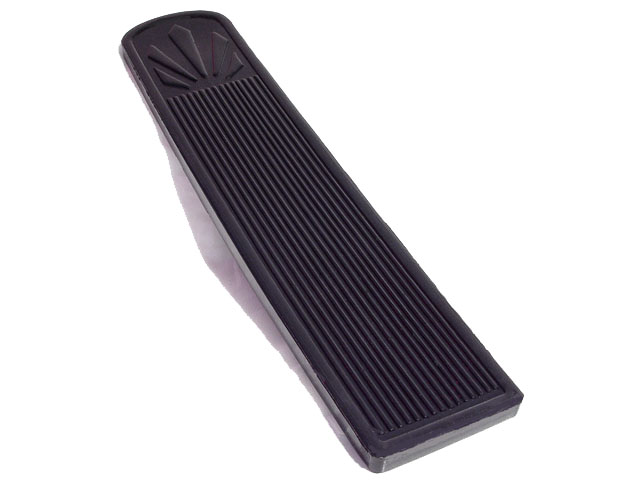 1940 Willys Speedway Accelerator Pad. 2" Wide X 9-3/8" Long. Each-AP 35Accelerator Pad. 2" Wide X 9-3/8" Long. Each
 1940 Willys Speedway Front Bumper Arm Grommets-BG 70Front Bumper Arm Grommets. 2" wide X 3-7/8" long, with 1-7/8" long inner slot. Pair
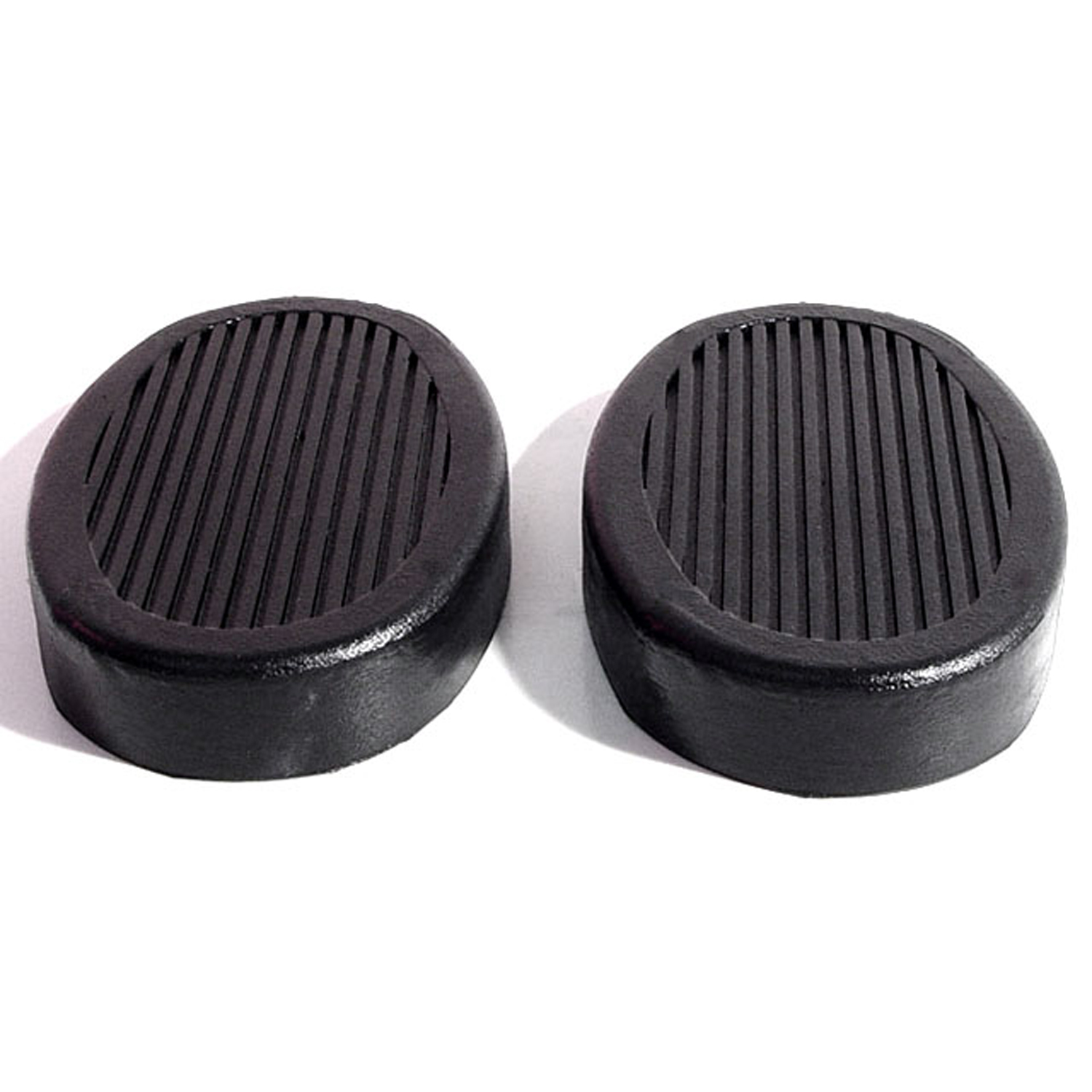 1940 Willys Speedway Clutch and Brake Pedal Pads. Exact reproduction-CB 96Clutch and Brake Pedal Pads. Exact reproduction. 2-3/16" wide X 3-5/16" long. Pair
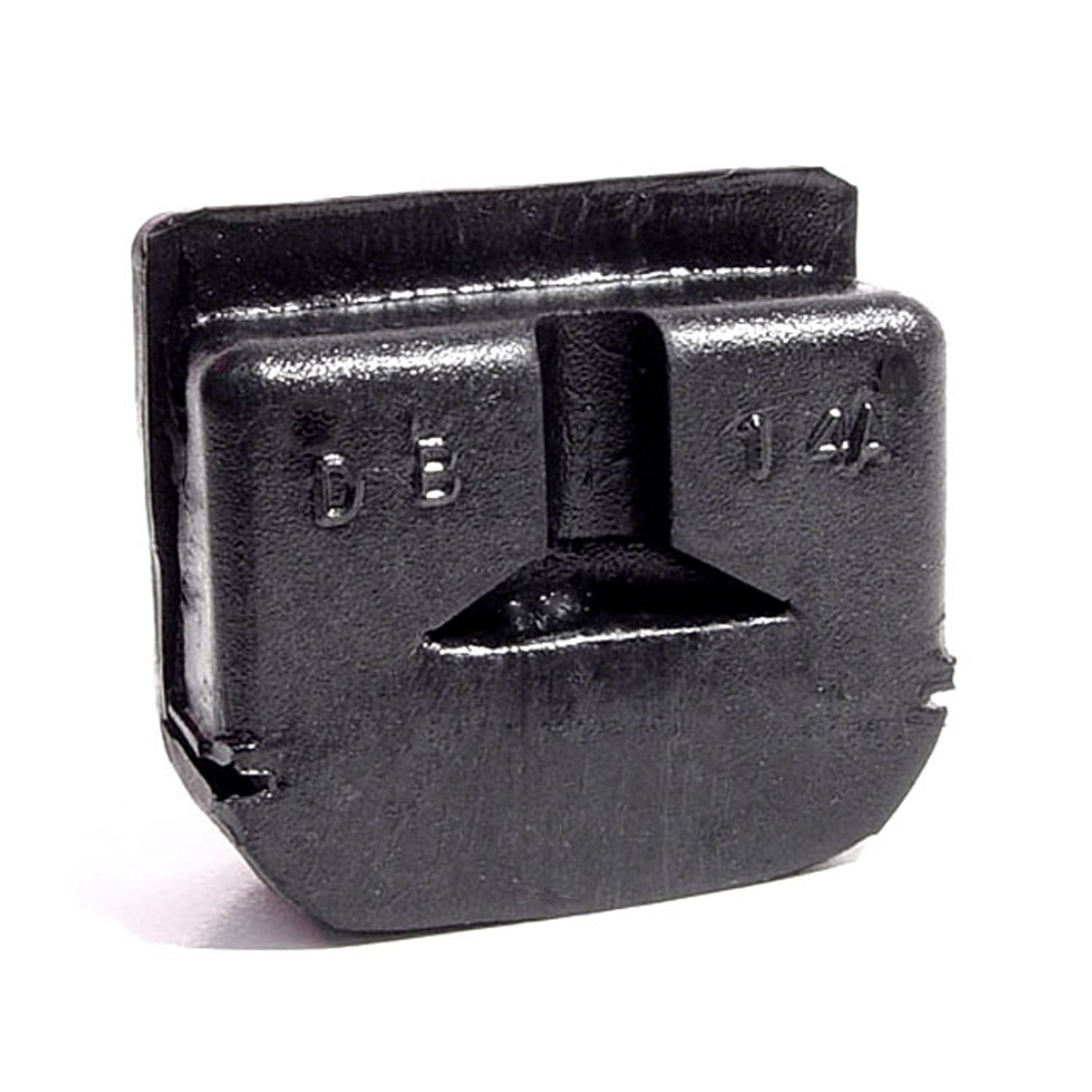 1940 Willys Speedway Door Bumper. Exact reproduction-DB 14-ADoor Bumper. Exact reproduction. 1-3/16" high X 1-9/16" wide X 9/16" thick. Each
 1940 Willys Speedway Gravel Shields. Molded flat without metal backing plates-FS 39Gravel Shields. Molded flat without metal backing plates. Apply with contact cement. 13-1/2" long X 7-1/2" wide at bottom. Pair
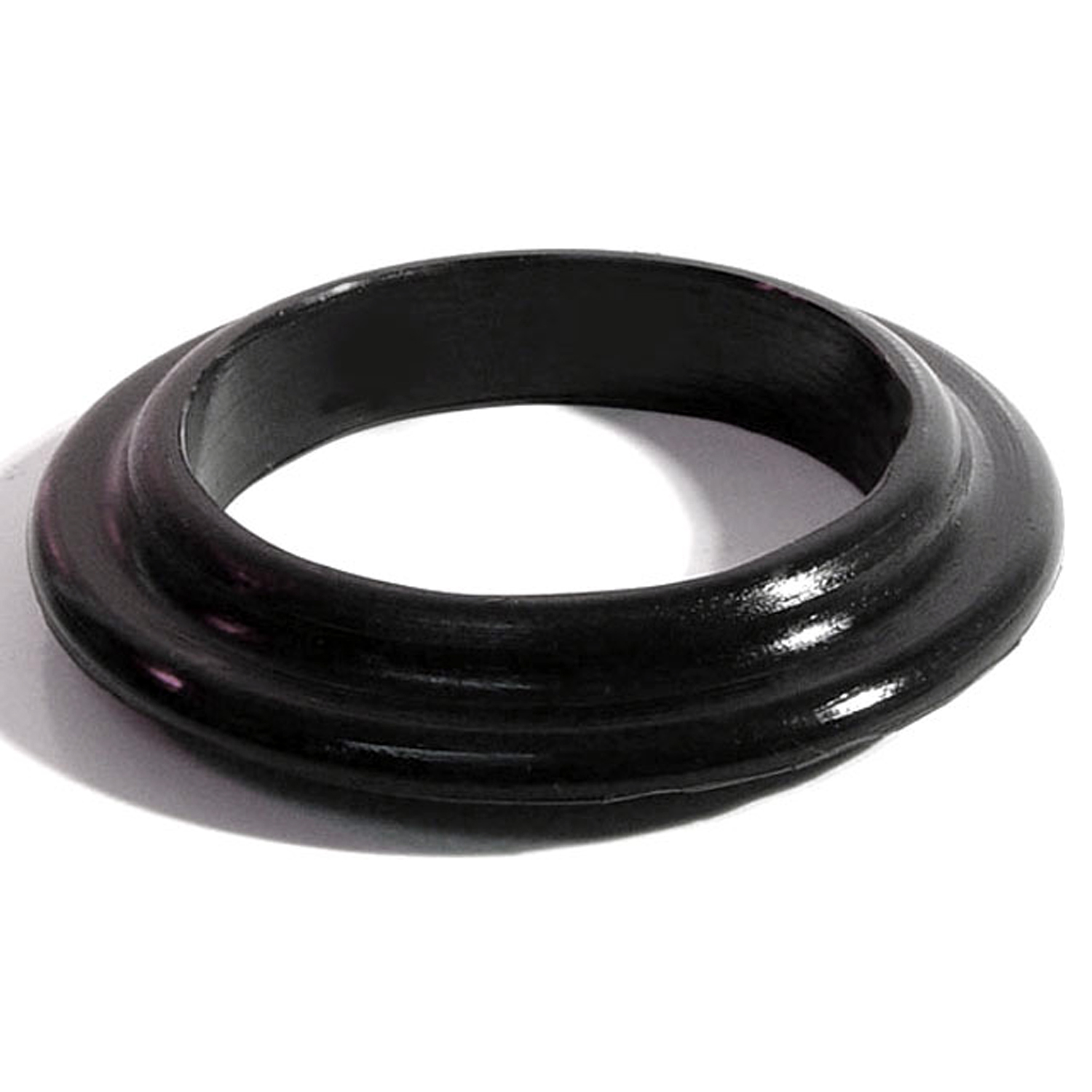 1940 Willys Speedway Gas Filler Grommet. 2-1/4" I.D., 3-1/4" O.D. Each-GF 29Gas Filler Grommet. 2-1/4" I.D., 3-1/4" O.D. Each
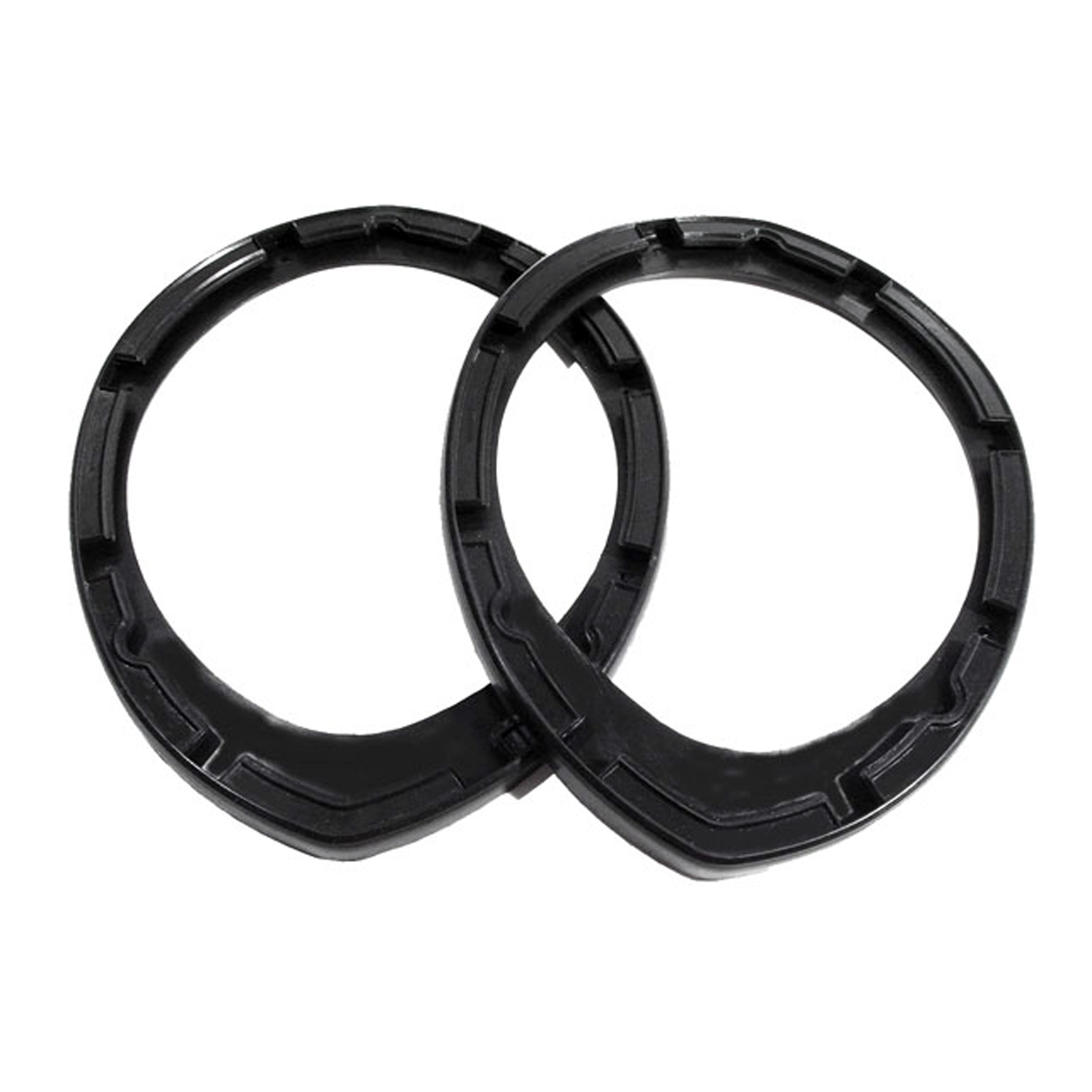 1940 Willys Speedway Headlight Ring Seal. Pair-HR 96Headlight Ring Seal. Pair
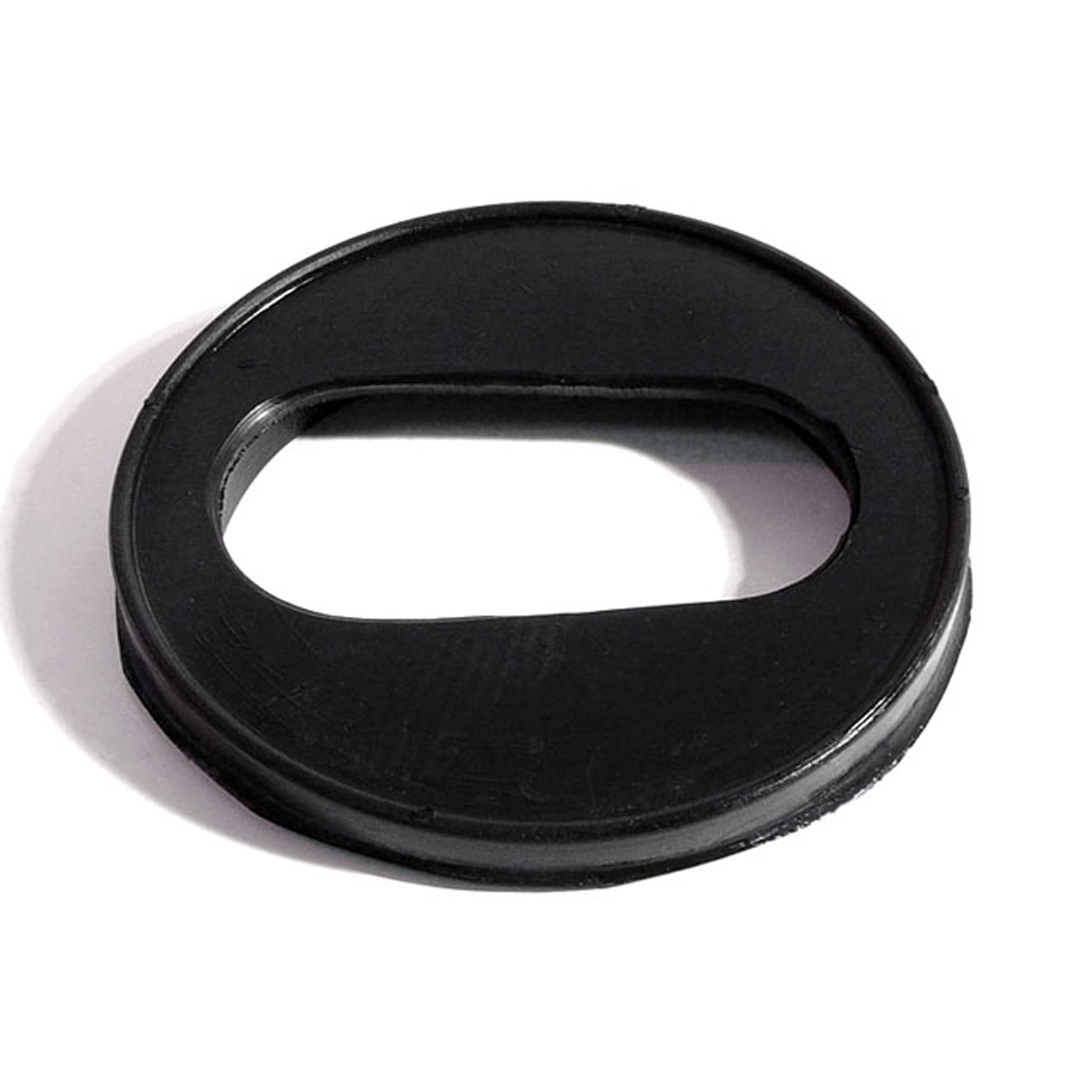 1940 Willys Speedway Tail-light Base Pads, for Coupe only. Each-MB 19Tail-light Base Pads, for Coupe only. Each
 1940 Willys Speedway Tail-light Pads. 4-3/4" O.D. Pair-MP 1309-ATail-light Pads. 4-3/4" O.D. Pair
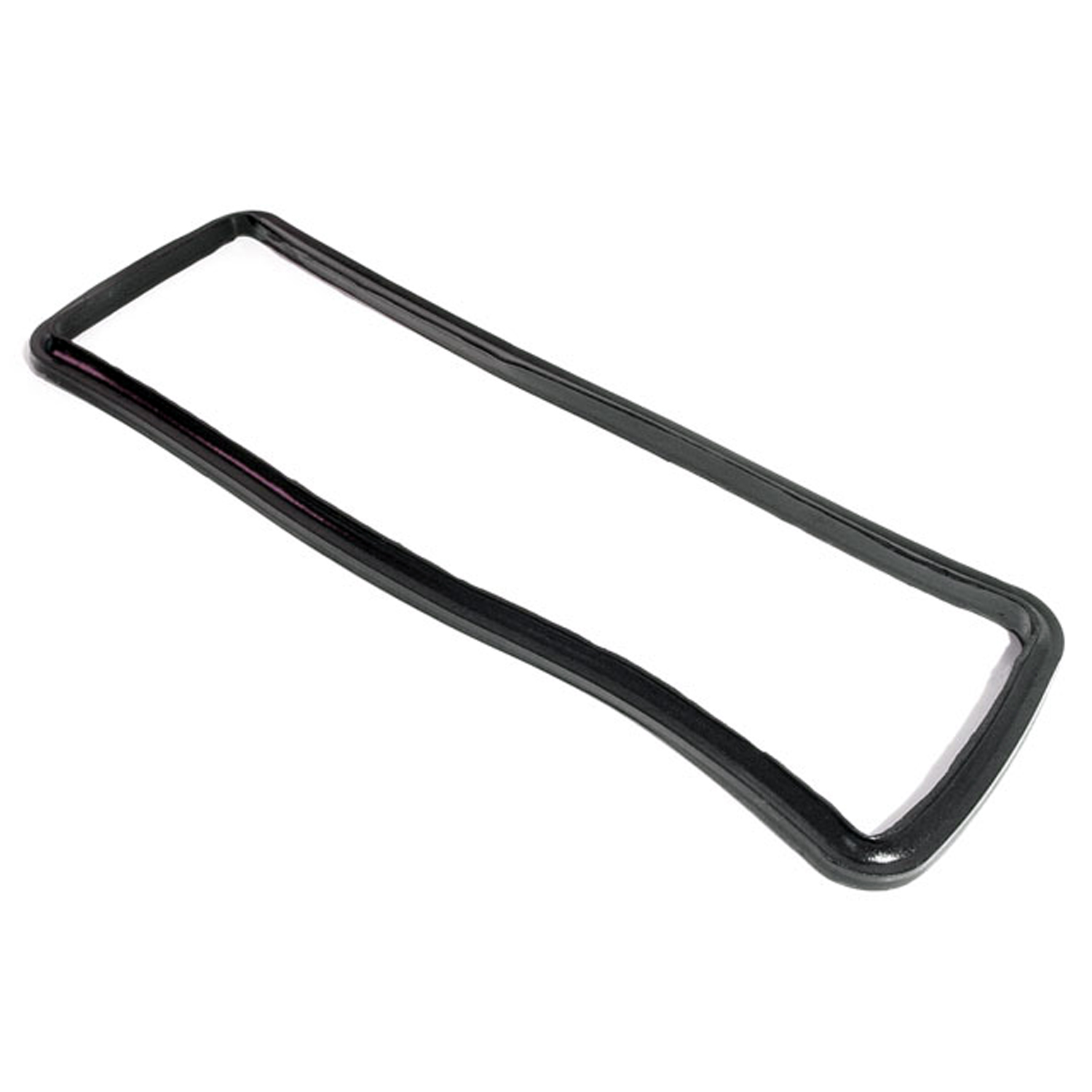 1940 Willys Speedway Cowl Vent Seal. Made of molded sponge-RP 100-GCowl Vent Seal. Made of molded sponge. 3-3/4" wide X 11-1/4" long. Each
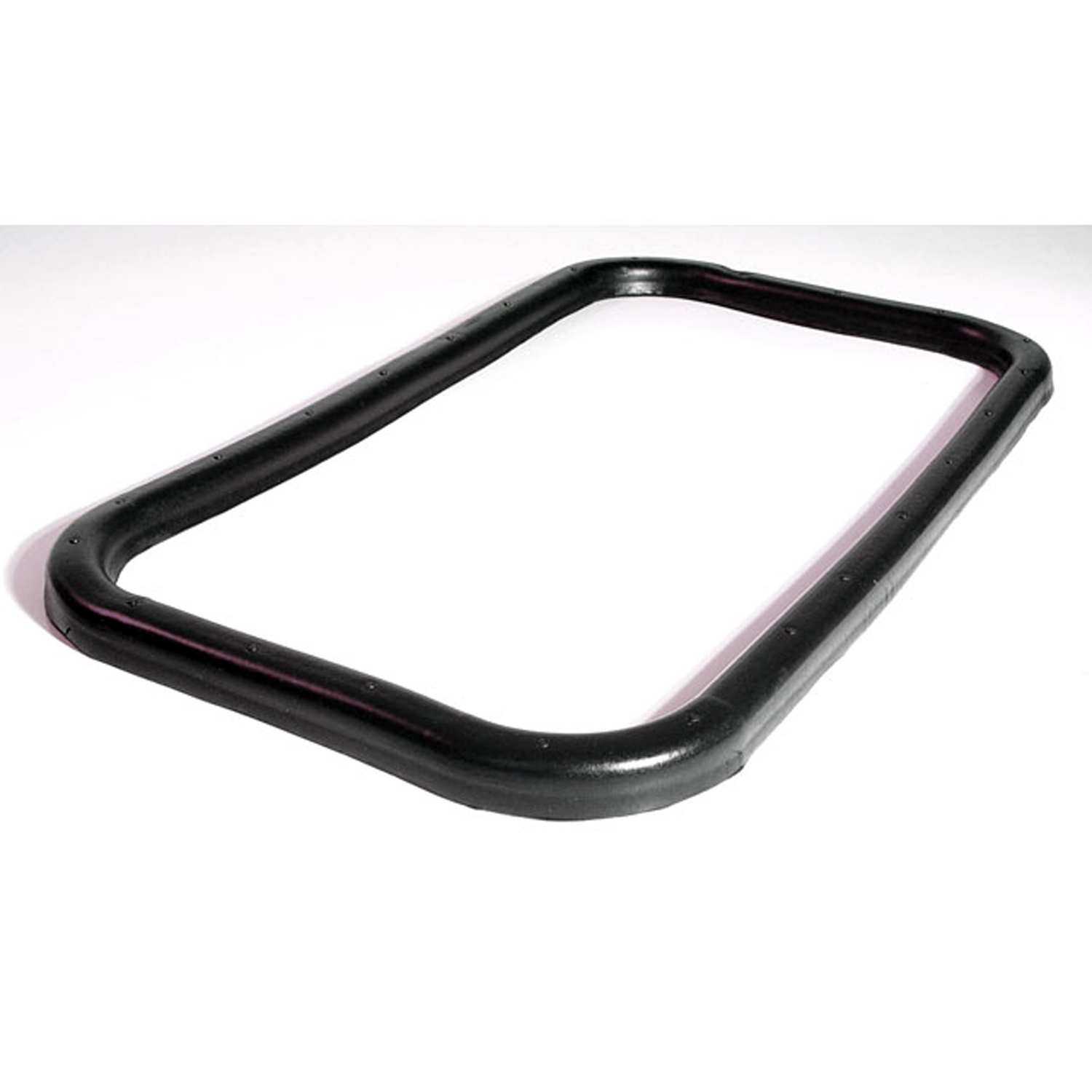 1940 Willys Speedway Hood to Cowl Vent Seal. Made of molded sponge-RP 100-HHood to Cowl Vent Seal. Made of molded sponge. 7-5/8" wide at side X 13-3/8" long. Each
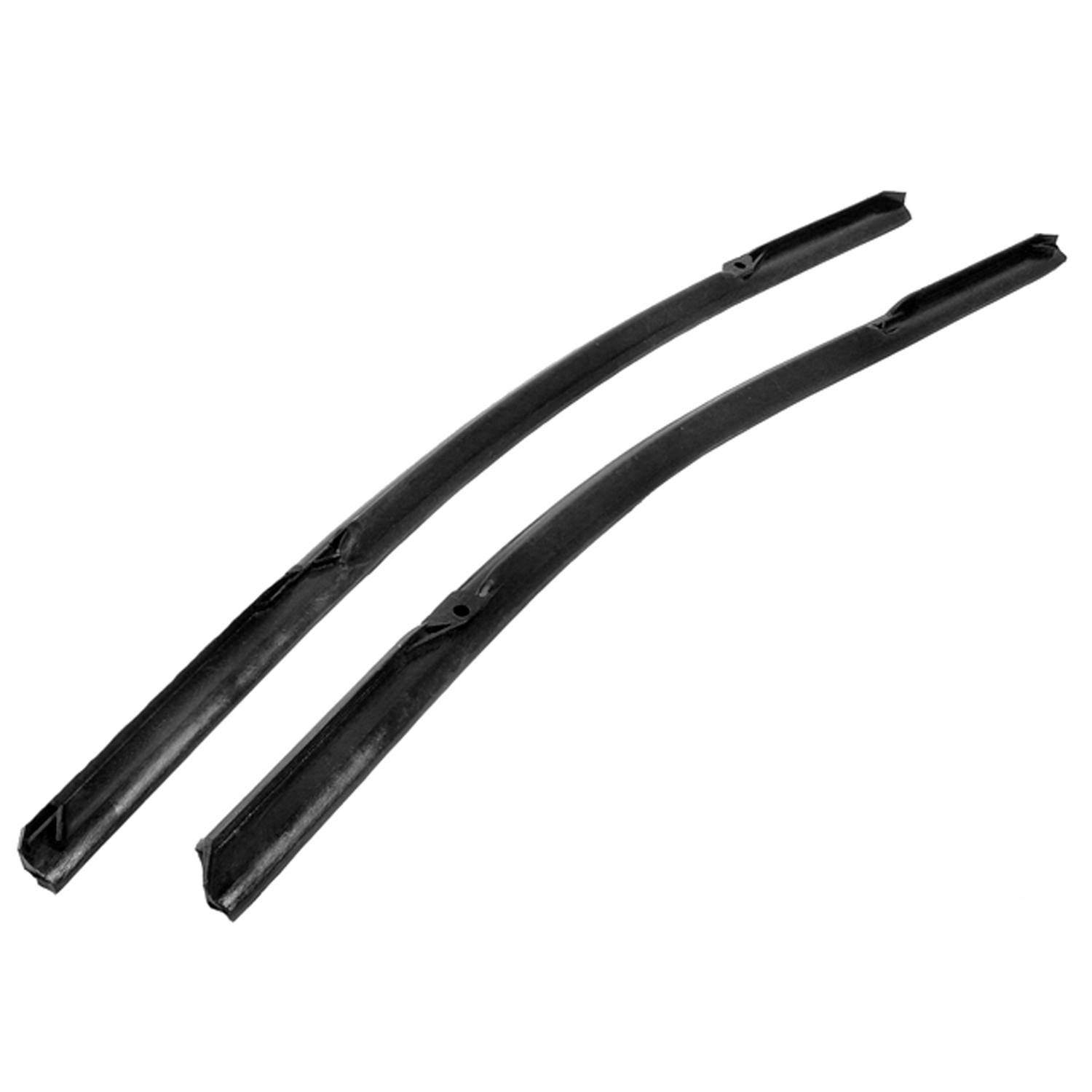 1940 Willys Speedway Front Vent Window Seals, for Coupes. 25-1/2" long each-WR 9602Front Vent Window Seals, for Coupes. 25-1/2" long each. Pair
Why Choose Metro?
For over 100 years, Metro Moulded Parts has been the pinnacle of quality in classic car restoration parts. Our commitment to precision and authenticity in every component ensures a perfect fit and an OEM-level appearance.
- Expert Craftsmanship & Quality: Each part is a testament to our dedication to reliability and perfection, crafted from original designs and thoroughly tested.
- Advanced Technology: We use cutting-edge techniques to create flawless, long-lasting parts that surpass others in performance.
- SuperSoft Sponge – The Ultimate Door Seal: Not only are our door seals 30% softer than competitors', but they're also guaranteed to never leak. They effectively reduce wind and road noise, enhancing your classic car's comfort and driving experience.
- Proudly American: Our parts are a product of American craftsmanship, made in the USA with a spirit of excellence and heritage.
- Unrivaled Warranty: We back our products with a 30-year industry-leading warranty, a testament to our confidence in their quality.
Join us in preserving the legacy of classic cars with parts that are crafted for perfection, not just made.