

Image of 1941 Willys Americar, Note: These illustrations use artistic license and may differ from actual historical models.
Performance Metrics
Fundamental Metrics
Emotional Appeal
MMP Rating
| Engine Specifications | |
|---|---|
| Engine: | Inline 4-cylinder engine |
| Displacement: | 134.2 cu in (2.2 L) |
| Horsepower: | Estimated 63 hp |
| Torque: | Estimated 105 lb-ft |
| Compression Ratio: | 6.48:1 |
| Ignition System: | Battery and coil |
| Cooling System: | Liquid-cooled |
| Performance Specifications | |
| 0-60 Time: | Not available due to the age of the vehicle |
| 1/4 Mile Time: | Not available due to the age of the vehicle |
| Top Speed: | Estimated 70 mph |
| Transmission and Drive | |
| Drive Type: | Rear-wheel drive |
| Transmission Type: | 3-speed manual |
| Fuel and Efficiency | |
| Fuel System Type: | Carburetor |
| MPG: | Estimated 20-25 mpg |
| Dimensions and Brakes | |
| Brakes: | Hydraulic drum brakes |
| Wheelbase: | 102.0 in |
| Weight: | Estimated 2,420 lbs |
Note: Specifications for classic cars are given to the best of our ability, considering the limited and variant data available.
1941 Willys Americar: A Compact Classic With Hot-Rod DNA
The 1941 Willys Americar packed a practical four-cylinder engine and nimble proportions into a body that would later become a favorite of hot rodders. Built by Willys-Overland in Toledo, Ohio, it was a small, economical American car introduced under a name that spoke directly to wartime patriotism. Its production life was brief: as the United States entered World War II, civilian car manufacturing gave way to military production, helping make the Americar a snapshot of the last days of prewar motoring.
One detail that gives the car an extra connection to automotive history is its engine. The Americar’s compact L-head four-cylinder belonged to the same family of powerplants that became famous in the Willys MB military Jeep. The car was not a Jeep in disguise, but it shared a practical engineering spirit with the vehicle that would make Willys a household name.
Americar Styling and Body Options
The Americar wore its compact size proudly. Its upright nose, narrow grille, rounded fenders, and smoothly curved roof gave it a neat, slightly formal look beside the broader and more powerful cars of the era. The front end was particularly distinctive: closely spaced grille bars sat between rounded fenders, creating a recognizable face without relying on excess chrome or dramatic ornamentation.
Inside, the Americar was straightforward rather than luxurious. A painted metal dashboard, clear instruments, simple controls, and a broad bench seat kept the cabin functional and easy to understand. Upholstery materials and trim varied by model and equipment level, with cloth commonly used. Deluxe versions could add brighter trim and a more finished appearance, but the overall character remained practical. This was a car designed to be used, not a rolling showcase of costly materials.
Willys offered Americar body styles that included coupes and two- and four-door sedans, with availability depending on model and trim. The coupe is now the best-known version among enthusiasts, thanks to its compact profile and popularity as a hot-rod platform. Period paint choices varied, but conservative shades such as dark blue, green, gray, and black suited the car’s restrained styling. Restored examples also appear in brighter colors, especially when owners want to emphasize their custom or show-car character.
For its time, the Americar’s engineering was notable for its simplicity and, on applicable models, independent front suspension. Hydraulic drum brakes and a conventional three-speed manual transmission were familiar technology, but the car’s light weight and compact dimensions helped it feel responsive around town. Its design was not revolutionary in the way a mass-market breakthrough might be, yet it offered useful engineering in an affordable package.
Why the Willys Americar Matters
The Americar arrived as manufacturers were balancing economy, comfort, and modern styling in the years before wartime restrictions transformed the industry. Its small footprint and four-cylinder engine made it an alternative to larger, thirstier cars. The patriotic “Americar” name was a timely piece of marketing, but the car’s identity rested just as much on its straightforward construction and manageable size.
Its lasting influence is clearest in custom-car culture. The coupe’s compact body, simple mechanical layout, and potential for engine swaps made it attractive to builders after the war. Willys coupes became especially familiar in drag racing and gasser circles. The Americar was not the only Willys model to inspire hot rodders, and earlier Willys coupes are also strongly associated with the gasser scene, but the 1941 coupe remains part of that wider legacy.
The car also represents a dividing line in American automotive history. Civilian production halted as the country redirected industrial capacity toward the war effort. Willys-Overland would become closely associated with military Jeeps, while the Americar remained a reminder of the small passenger cars the company built before wartime production reshaped its future.
Engine, Speed, and Road Manners
The 1941 Americar used a 134-cubic-inch (2.2-liter) side-valve, or L-head, inline-four producing about 63 horsepower in commonly cited specifications. It drove the rear wheels through a three-speed manual transmission. That output was modest even by period standards, but the car’s relatively low weight helped it keep pace with everyday traffic when driven within its limits.
Exact acceleration figures were not consistently recorded in modern-style factory tests. A reasonable estimate for 0 to 60 mph is roughly 20 to 25 seconds, depending on body style, condition, gearing, and load. Top speed is generally estimated in the neighborhood of 70 to 75 mph. Those figures should be treated as period-car estimates rather than guaranteed specifications for every surviving example. The Americar was built for economical transportation, not high-speed performance.
On a rough road, the car’s ride reflects its age: the suspension is simple, the cabin has little modern sound insulation, and bumps are felt more directly than in a contemporary sedan. Its compact size can make it feel agile on winding roads, although narrow tires, vintage steering, and drum brakes call for measured inputs. In crosswinds, a lightweight prewar car can be moved around more than a modern vehicle, so a steady hand and sensible speed matter.
Behind the wheel, the experience is mechanical and engaging. The four-cylinder engine has a steady, purposeful note rather than a smooth, quiet hum. The driver works the manual gearbox, listens to the engine, and plans braking well ahead. A well-maintained Americar can be enjoyable on local roads and at relaxed cruising speeds, but it is best appreciated as a classic rather than judged by modern traffic expectations.
Living With a 1941 Americar
Today, owners use Americars as weekend cruisers, show cars, restoration projects, and hot-rod or drag-racing builds. An original, correctly restored sedan offers a different appeal from a modified coupe: one preserves the car’s economical prewar character, while the other celebrates the model’s custom-car potential.
Mechanical simplicity is a major ownership advantage. The engine, transmission, and brakes use conventional designs that are familiar to many vintage-car mechanics, and a capable owner can handle routine service such as ignition work, lubrication, and basic adjustments. The main challenges are sourcing correct restoration parts, finding sound body panels, and repairing age-related problems such as worn wiring, tired suspension components, and rust. The car is straightforward to work on, but a full restoration still takes time, patience, and access to specialist suppliers.
Reliability depends far more on condition and maintenance than on the badge. A carefully rebuilt engine and properly serviced cooling, fuel, electrical, and brake systems can make an Americar dependable for occasional use. However, old seals, obsolete electrical components, and decades of prior repairs can cause trouble in neglected cars. Upgraded brakes, tires, or other safety improvements are common on modified examples, though such changes can affect originality and collector appeal.
Willys Americar Facts and Myths
The Americar’s wartime timing is one of its most notable historical details. Its civilian production ended as the United States shifted to military manufacturing, and Willys became closely linked with the Jeep. That connection sometimes leads people to assume the Americar itself was a military vehicle. It was not: it was a civilian passenger car, even though its engine family shared a connection with the famous Jeep powerplant.
There is no widely recognized production speed record or endurance achievement associated with the stock 1941 Americar. Its claim to fame is cultural rather than record-breaking: it became part of the American hot-rod story. The car’s common criticisms are equally straightforward. It is slow by modern standards, offers limited safety equipment, and can be noisy and cramped compared with newer cars. For some enthusiasts, those traits are part of its appeal; for others, they make it better suited to short drives and shows than daily commuting.
Collector Values and Availability
Exact production totals for individual 1941 Americar body styles can be difficult to pin down, and published figures may vary according to how model years and variants are counted. A reasonable broad estimate is that roughly 25,000 to 35,000 Americars were built for the 1941 model year, with additional civilian production in 1942 before wartime restrictions ended it. These figures are best treated as estimates rather than a definitive factory tally. Surviving cars are far fewer, and original, complete examples are not easy to find.
As a general market guide, a project car may sell for about $5,000 to $15,000, depending heavily on completeness and rust. A usable driver or older restoration might fall in the $15,000 to $30,000 range. A high-quality original-style restoration can bring roughly $30,000 to $55,000 or more, while a well-executed custom or competition-inspired build may exceed $50,000 and occasionally reach six figures. Condition, provenance, build quality, and the buyer’s preference for stock or modified cars all have a major effect on price.
Values have generally been firm for desirable coupes and quality builds, while less distinctive projects can be slower to sell. The market rewards sound metal, complete cars, and careful workmanship. As with most collector vehicles, prices are not guaranteed to rise, and restoration costs can easily exceed a car’s eventual resale value.
A Small Car With a Long Afterlife
The 1941 Willys Americar was an economical, simply engineered passenger car built at a moment when American automotive history was about to change dramatically. Its modest four-cylinder performance and practical cabin tell one story; its striking coupe shape and hot-rod afterlife tell another. For collectors, it offers a tangible link between prewar transportation and the custom-car culture that followed.
More than eight decades on, the Americar’s appeal is not about speed or luxury. It is about a distinctive Willys design, hands-on mechanical character, and a surprising place in the story of American motoring. Few compact prewar cars can claim an afterlife quite as lively.
1941 Willys Americar Catalog of Parts
 1941 Willys Americar Rear Bumper Arm Grommets-BG 65Rear Bumper Arm Grommets. 3-1/2" wide X 4-3/8" long, with 1-5/8" long inner slot. Pair
 1941 Willys Americar Front Bumper Arm Grommets-BG 66Front Bumper Arm Grommets. 2" wide X 3" long, with 1-11/16" long inner slot. Pair
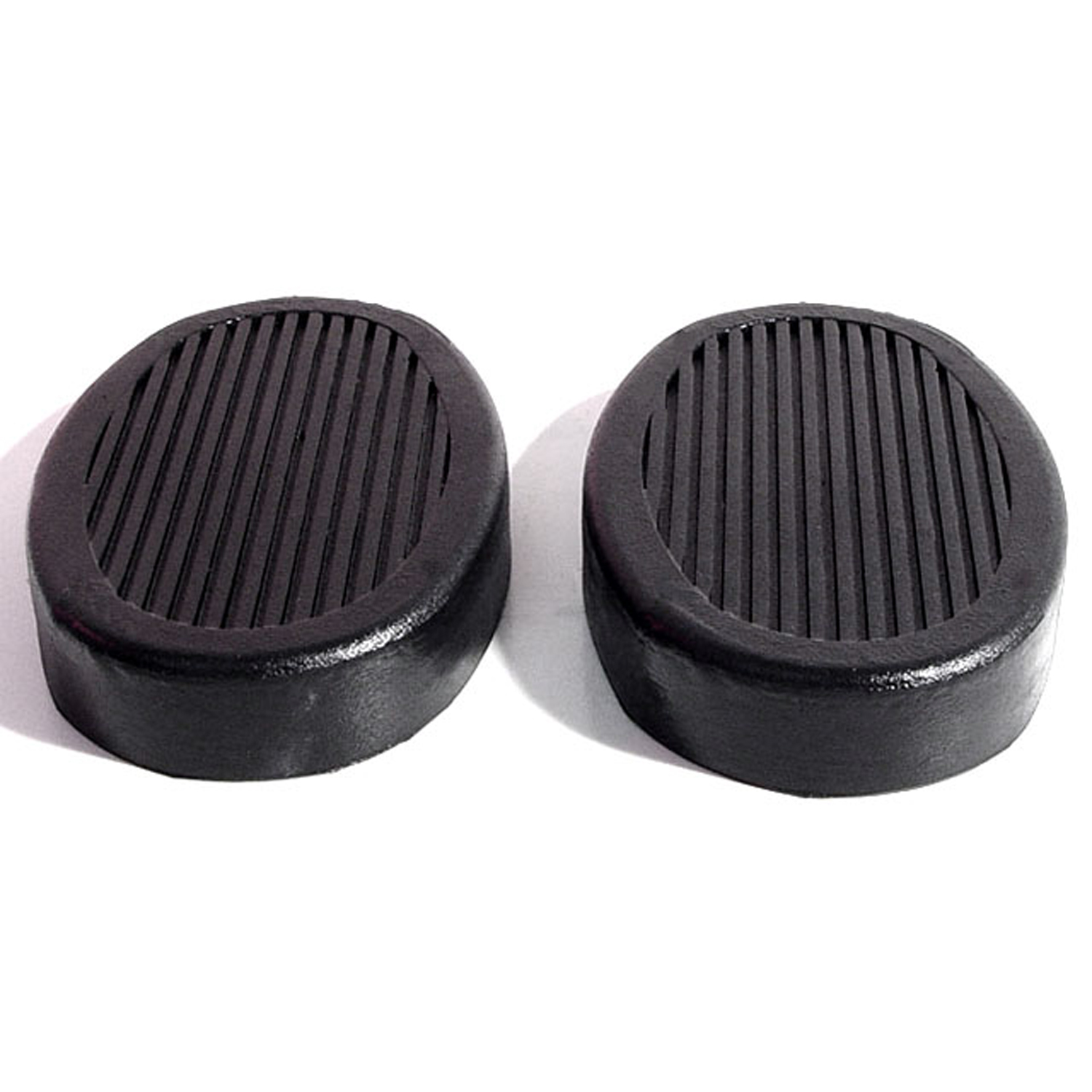 1941 Willys Americar Clutch and Brake Pedal Pads. Exact reproduction-CB 96Clutch and Brake Pedal Pads. Exact reproduction. 2-3/16" wide X 3-5/16" long. Pair
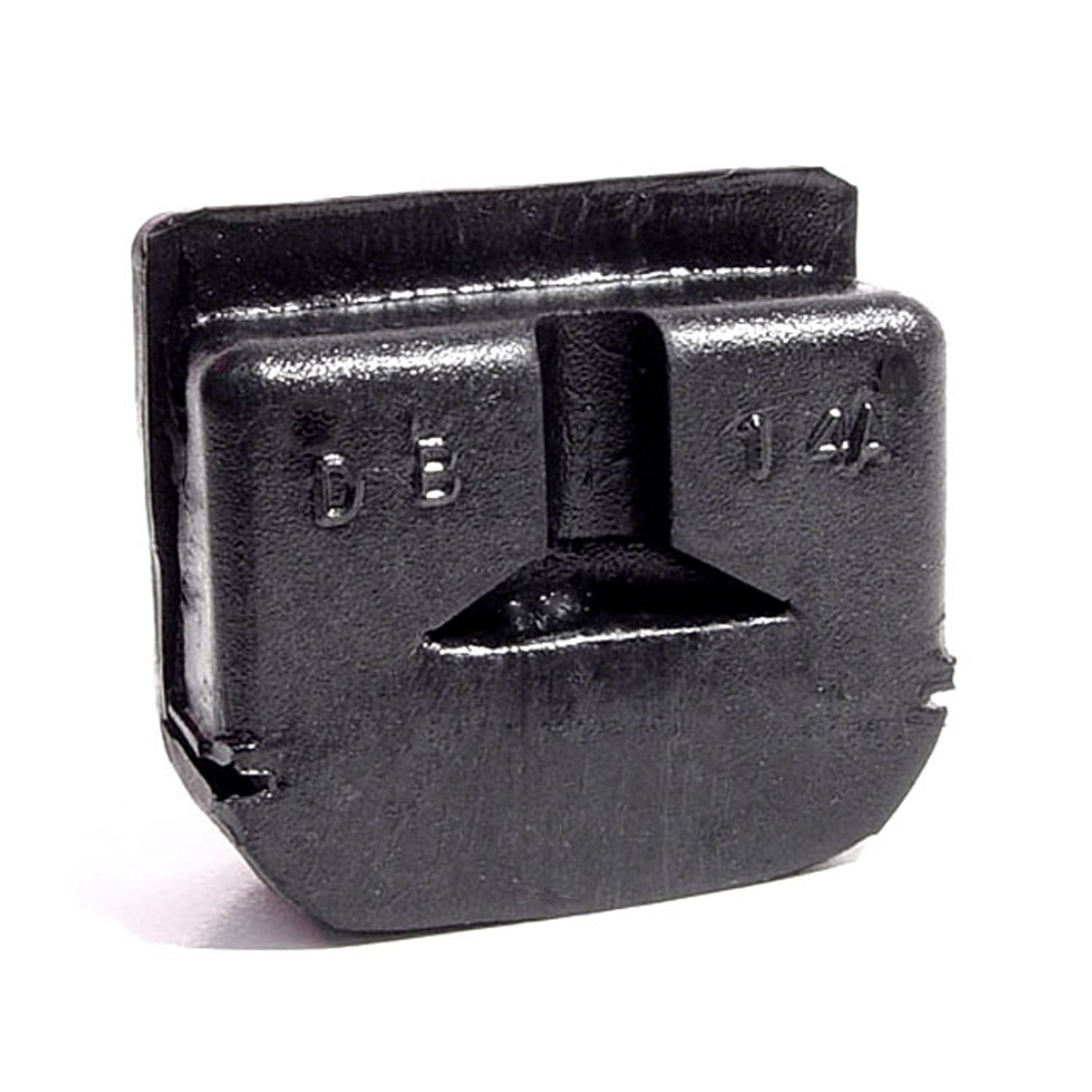 1941 Willys Americar Door Bumper. Exact reproduction-DB 14-ADoor Bumper. Exact reproduction. 1-3/16" high X 1-9/16" wide X 9/16" thick. Each
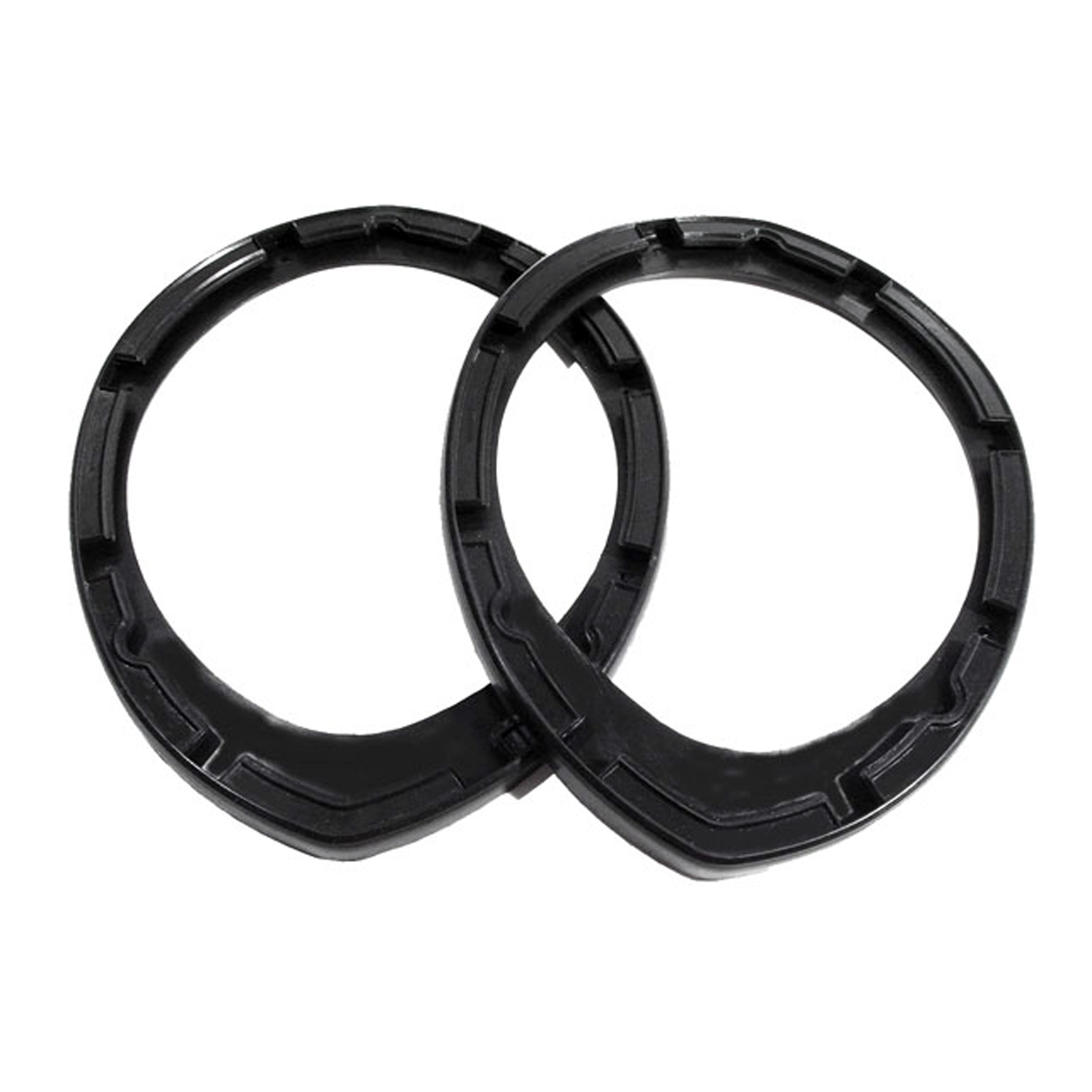 1941 Willys Americar Headlight Ring Seal. Pair-HR 96Headlight Ring Seal. Pair
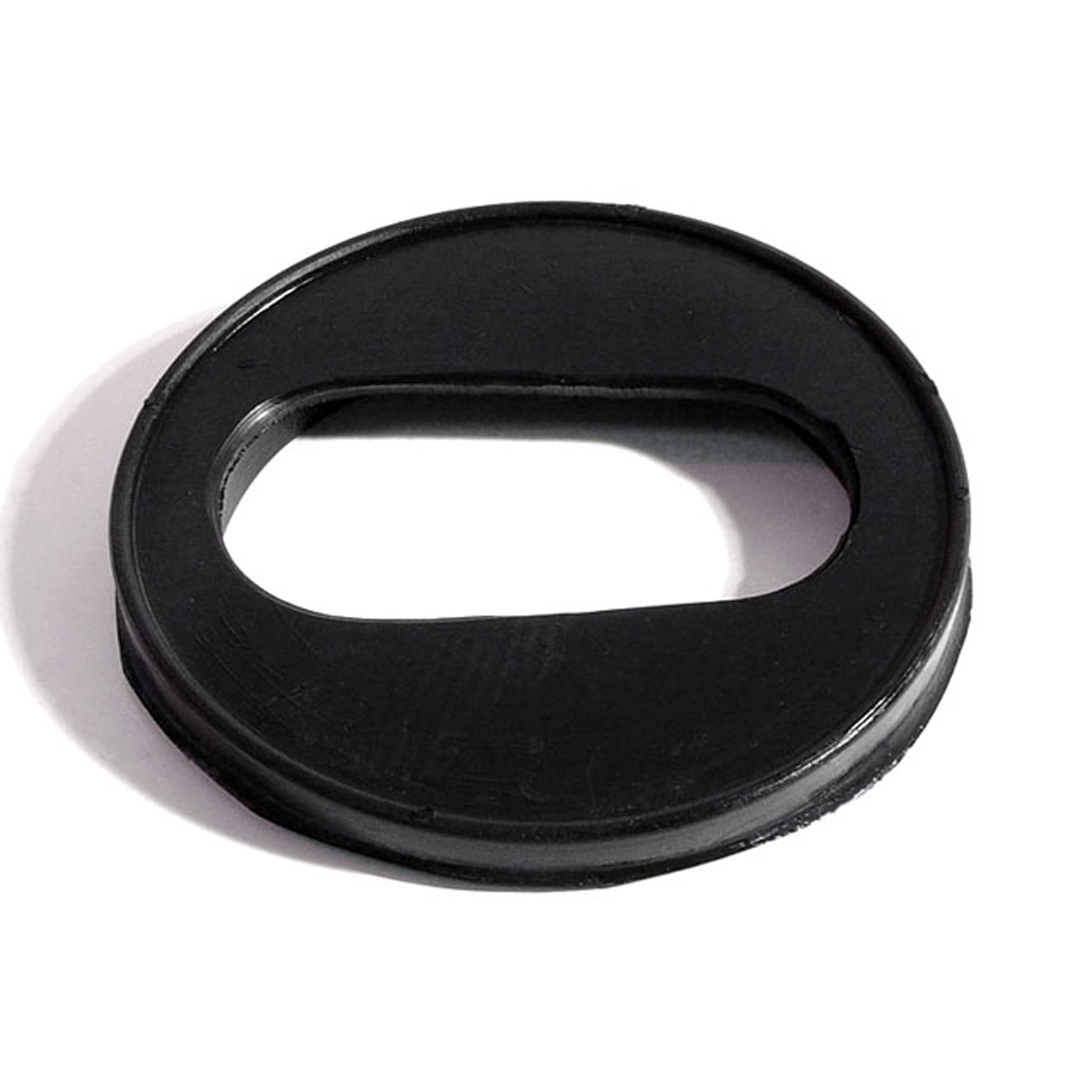 1941 Willys Americar Tail-light Base Pads, for Coupe only. Each-MB 19Tail-light Base Pads, for Coupe only. Each
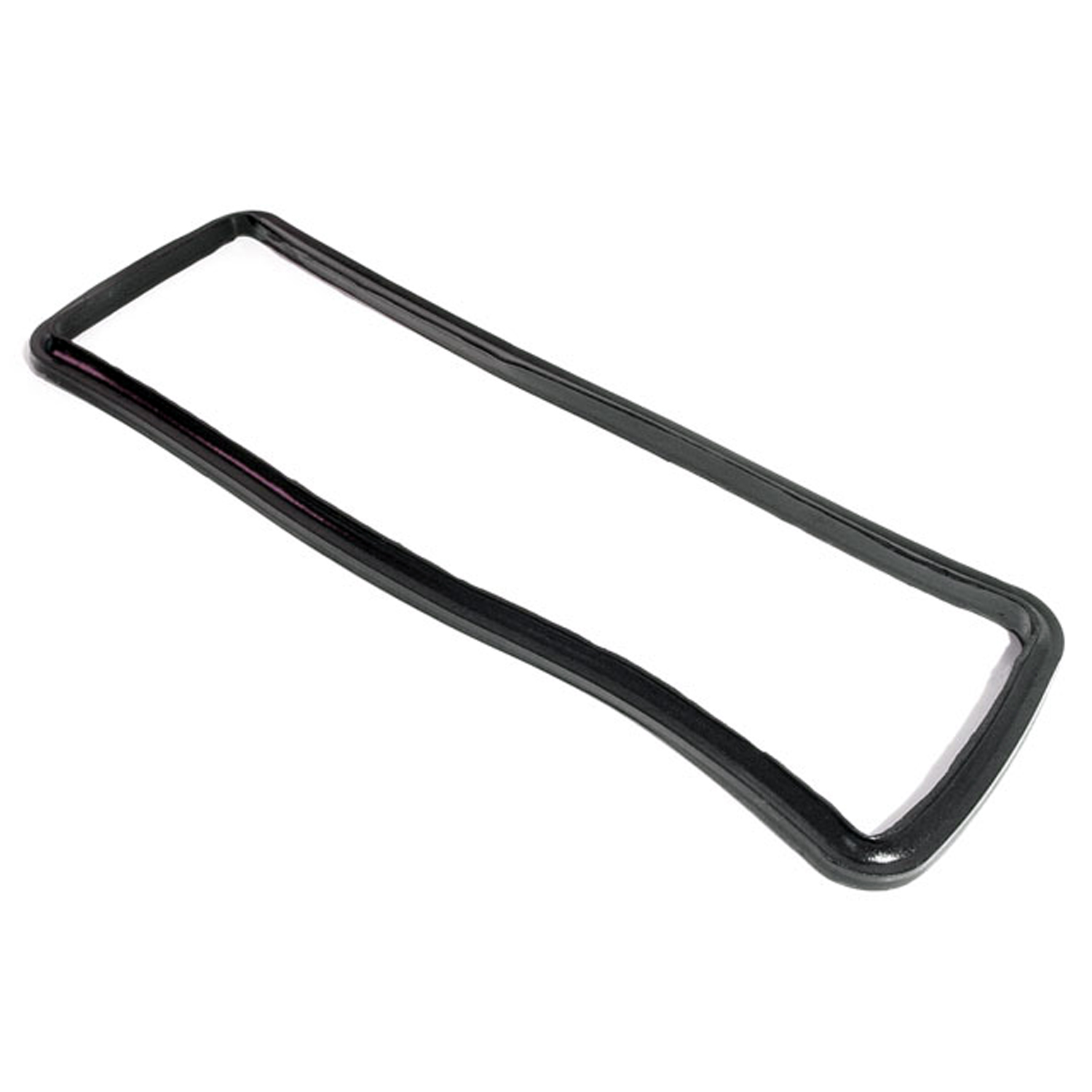 1941 Willys Americar Cowl Vent Seal. Made of molded sponge-RP 100-GCowl Vent Seal. Made of molded sponge. 3-3/4" wide X 11-1/4" long. Each
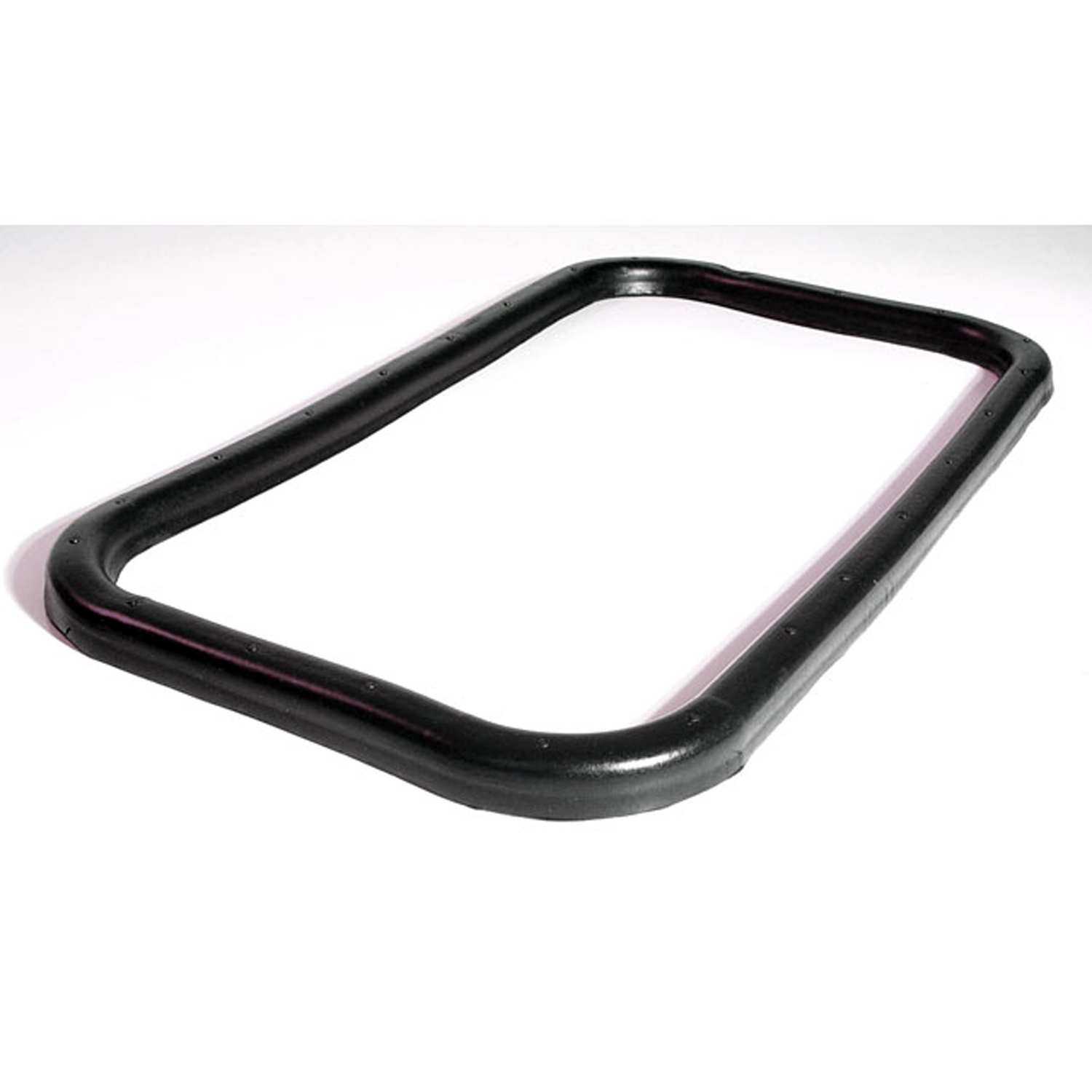 1941 Willys Americar Hood to Cowl Vent Seal. Made of molded sponge-RP 100-HHood to Cowl Vent Seal. Made of molded sponge. 7-5/8" wide at side X 13-3/8" long. Each
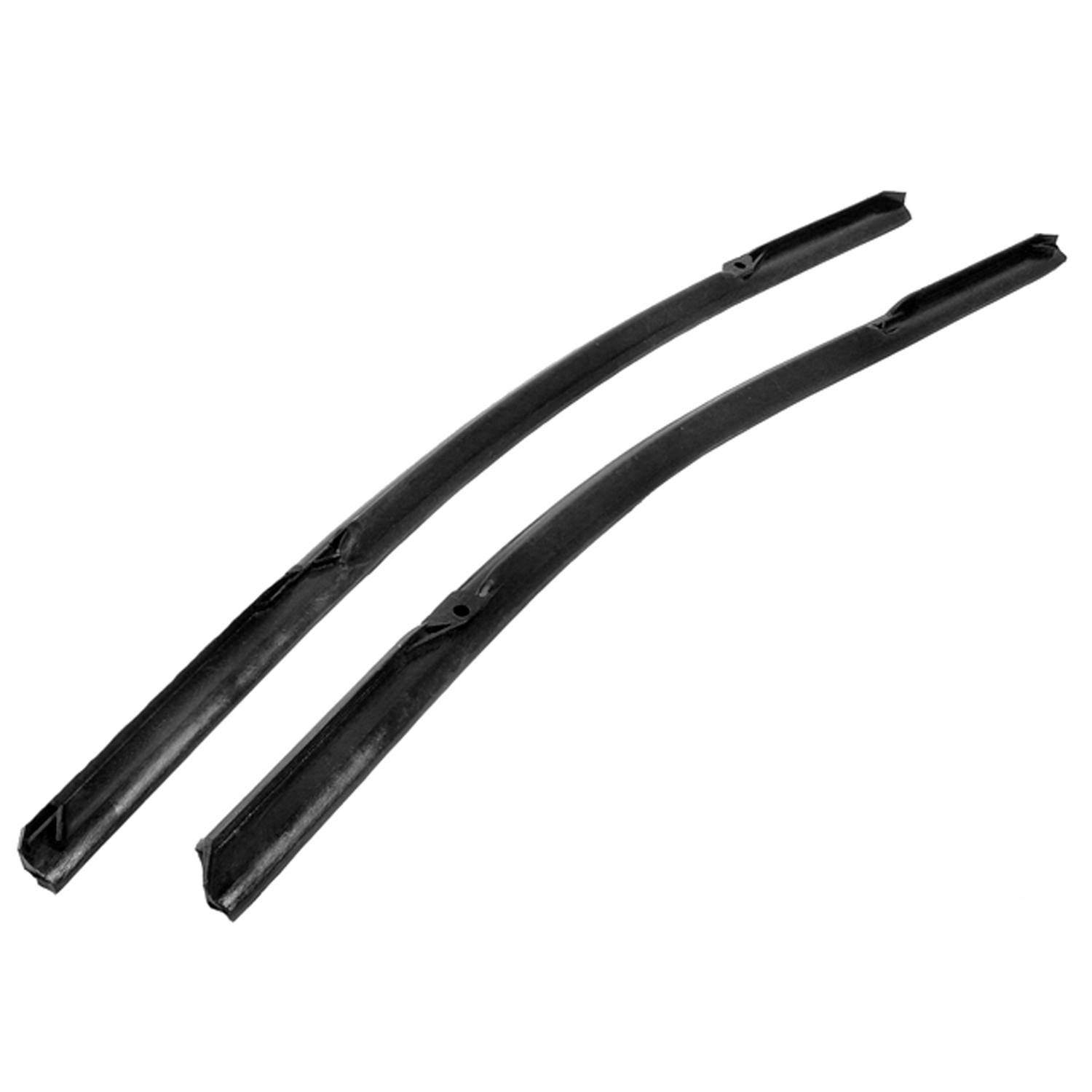 1941 Willys Americar Front Vent Window Seals, for Coupes. 25-1/2" long each-WR 9602Front Vent Window Seals, for Coupes. 25-1/2" long each. Pair
Why Choose Metro?
For over 100 years, Metro Moulded Parts has been the pinnacle of quality in classic car restoration parts. Our commitment to precision and authenticity in every component ensures a perfect fit and an OEM-level appearance.
- Expert Craftsmanship & Quality: Each part is a testament to our dedication to reliability and perfection, crafted from original designs and thoroughly tested.
- Advanced Technology: We use cutting-edge techniques to create flawless, long-lasting parts that surpass others in performance.
- SuperSoft Sponge – The Ultimate Door Seal: Not only are our door seals 30% softer than competitors', but they're also guaranteed to never leak. They effectively reduce wind and road noise, enhancing your classic car's comfort and driving experience.
- Proudly American: Our parts are a product of American craftsmanship, made in the USA with a spirit of excellence and heritage.
- Unrivaled Warranty: We back our products with a 30-year industry-leading warranty, a testament to our confidence in their quality.
Join us in preserving the legacy of classic cars with parts that are crafted for perfection, not just made.