

Image of 1941 Willys Ma, Note: These illustrations use artistic license and may differ from actual historical models.
Performance Metrics
Fundamental Metrics
Emotional Appeal
MMP Rating
| Engine Specifications | |
|---|---|
| Engine: | Go Devil L134 I4 |
| Displacement: | 134.2 cu in (2.2 L) |
| Horsepower: | 60 hp at 4000 rpm |
| Torque: | 105 lb-ft at 2000 rpm |
| Compression Ratio: | 6.48:1 |
| Ignition System: | Battery Ignition |
| Cooling System: | Liquid-cooled |
| Performance Specifications | |
| 0-60 Time: | Not available due to the vehicle's age and purpose |
| 1/4 Mile Time: | Not available due to the vehicle's age and purpose |
| Top Speed: | 65 mph |
| Transmission and Drive | |
| Drive Type: | 4WD |
| Transmission Type: | 3-speed manual |
| Fuel and Efficiency | |
| Fuel System Type: | Carburetor |
| MPG: | 15-20 mpg (estimated) |
| Dimensions and Brakes | |
| Brakes: | Hydraulic drum brakes |
| Wheelbase: | 80 in (203 cm) |
| Weight: | 2,293 lbs (1,040 kg) |
Note: Specifications for classic cars are given to the best of our ability, considering the limited and variant data available.
1941 Willys MA: The Rare Jeep Before the Jeep
The 1941 Willys MA was a short-lived military 4x4 with a long legacy: it helped shape the Willys MB, the wartime Jeep that became one of the most recognizable vehicles of World War II. Built by Willys-Overland in Toledo, Ohio, the MA was an experimental step between the Army’s early light-vehicle trials and the standardized military Jeep. It was not technically a pickup truck, but a compact, open-bodied reconnaissance vehicle designed to carry soldiers and equipment over rough ground.
Its story began with a U.S. Army request for a lightweight, four-wheel-drive vehicle that could tackle demanding terrain. Willys was one of several manufacturers competing for the contract. The MA incorporated lessons from the Army trials and from earlier prototypes, while its powerful-for-its-size “Go Devil” engine gave Willys an advantage. A memorable twist in the MA’s history is that the Army did not keep most of them: many were transferred to Allied forces, making surviving examples exceptionally scarce today.
Open Body, Practical Details
The MA’s styling was purposeful rather than polished. Its upright grille, flat hood, exposed hinges, slab-sided body, and nearly vertical windshield gave it the unmistakable look of a military tool. The open body made it easy to enter, exit, and load, while the compact footprint helped it squeeze along narrow trails. A folding windshield and simple canvas top offered limited protection from weather, but the priority was visibility, utility, and ease of service.
Inside, the MA was spare and rugged. The cabin used painted steel surfaces, basic gauges, and simple seating, with little of the upholstery or trim expected in a civilian car. Depending on the vehicle’s specification and equipment, seating and fittings could vary. Some MAs featured distinctive early controls, including a three-speed column-shift arrangement, which set them apart from the later, more familiar floor-shift MB. The controls were designed for practical use, not luxury or convenience.
Olive drab was the characteristic military finish, though original shades and details could vary by production and service history. Today, restored examples are often seen in olive drab, while some have been finished in period-inspired colors associated with Allied service. The MA was built in one principal body style: an open, four-wheel-drive utility vehicle. Equipment packages and small production changes created variations, but there was no broad civilian-style range of body configurations.
Willys MA Specifications and Innovation
Power came from Willys’ 134-cubic-inch (2.2-liter) “Go Devil” L-head four-cylinder engine. It produced approximately 60 horsepower, a strong figure for a vehicle of this size and purpose. A three-speed manual transmission and two-speed transfer case sent power to the wheels, with four-wheel drive available for difficult terrain. The MA’s combination of compact dimensions, low gearing, and useful torque made it far more capable off-road than its modest engine output might suggest.
The MA also served as a rolling laboratory. Its features reflected an evolving design rather than a final, standardized blueprint. Willys experimented with control layouts and body details as it worked toward the production design that would become the MB. Compared with later Jeeps, the MA can feel like a collection of clever trial solutions, which is part of its appeal to historians and collectors.
Why the MA Matters
The Willys MA was not the only vehicle in the Army’s early 4x4 trials. American Bantam and Ford also produced important contenders, and the standardized wartime Jeep drew on development work across the program. Willys’ MA, however, helped demonstrate that the company’s engine and chassis concept could meet the Army’s demanding needs. The resulting MB became a defining military vehicle, influencing postwar utility vehicles and helping establish the basic idea of the compact, go-anywhere 4x4.
That influence is visible in the Jeep’s enduring recipe: short wheelbase, simple bodywork, low-range gearing, useful ground clearance, and mechanical components that could be maintained in the field. The MA is especially valuable because it captures the design in transition, before the familiar MB layout was fully settled.
Performance and Trail Manners
Period figures commonly put the Willys MA’s top speed at about 65 mph, though actual speed depended on condition, gearing, tires, and load. A reliable factory 0-to-60-mph figure is not generally available. Given the MA’s roughly 60-horsepower engine, military gearing, and utilitarian tires, a rough modern estimate would be around 25 to 30 seconds, but acceleration was not a meaningful design priority.
On a rough track, the MA’s short wheelbase and four-wheel-drive system were more important than outright speed. Low gearing helped it crawl across uneven ground, while the simple suspension and narrow tires suited dirt roads and trails. On pavement, it is a different experience: steering is direct but heavy by modern standards, the ride can be choppy, and the open cabin offers little protection from wind or noise. The engine makes a steady, workmanlike four-cylinder sound, and the driver feels closely connected to the machinery.
Windy roads demand a measured pace. The MA is light, upright, and not designed for fast cornering, so it rewards smooth inputs rather than aggressive driving. Its brakes, tires, and steering should be treated as historic equipment, not compared with modern systems.
Living With a Willys MA
Today, an MA is most likely to be found in a military-vehicle collection, at a museum, or on display at a specialist show. A few are driven carefully, but their rarity and value make regular daily use unlikely. They are best suited to preservation, historically focused events, and occasional low-speed outings on suitable roads or trails.
The basic mechanical layout is relatively straightforward, and the Go Devil engine shares its broad family resemblance with later Willys components. That does not make MA ownership simple, however. Model-specific parts and correct early fittings can be difficult to find, and many surviving vehicles have been modified, rebuilt, or assembled from mixed components. A knowledgeable specialist can help distinguish an authentic MA from a later Jeep wearing early-style parts. As with any prewar military vehicle, careful inspection of the frame, drivetrain, and restoration history is essential.
Rare Facts and Common Misconceptions
Approximately 1,553 Willys MAs are commonly cited as having been built. That figure makes the model dramatically rarer than the later Willys MB, which was produced in the hundreds of thousands. Many MAs were shipped overseas through wartime aid programs, and their subsequent service histories make surviving examples difficult to trace.
The MA is sometimes casually called an early Jeep, but it should not be confused with the standardized MB that followed. It was a developmental model with distinctive details, including control and body features that did not all carry over. There are no widely recognized production-record claims attached to the MA for speed or sales. Its importance lies in its role in military vehicle development, not in setting a performance record.
Common criticisms are familiar to anyone who has driven an early military 4x4: limited weather protection, a noisy and basic cabin, modest acceleration, and handling that calls for restraint. Those shortcomings were part of the mission’s trade-offs. The MA was built to be compact, repairable, and capable, not comfortable.
1941 Willys MA Value and Collectibility
The Willys MA is exceptionally rare and appears on the open market far less often than a Willys MB. As a broad estimate, a heavily worn or incomplete project might bring roughly $40,000 to $80,000, while a well-restored, credible example could fall around $100,000 to $250,000 or more. A vehicle with exceptional originality, documentation, or a compelling service history may command a premium. These are estimates rather than fixed market values, since sales are infrequent and condition varies widely.
Values for rare military vehicles can move unevenly, but the MA’s limited production and significance make it a strong long-term collector interest. Originality is especially important: correct early components, verifiable identification, and a documented restoration can matter as much as cosmetic condition. Because the market is thin, buyers should seek expert authentication before committing to a purchase.
A Small Vehicle With a Major Legacy
The 1941 Willys MA was an experimental military 4x4, a capable field vehicle, and a crucial link in the development of the wartime Jeep. Its simple open body, Go Devil engine, and early engineering solutions reveal how a practical design evolved under pressure. Rare, historically significant, and unmistakably purposeful, the MA is more than an early Jeep: it is a snapshot of the moment a new kind of military vehicle began to take shape.
1941 Willys Ma Catalog of Parts
 1941 Willys MA Shock Absorber Grommet. 1" bottom O.D-BN 11Shock Absorber Grommet. 1" bottom O.D., 3/4" high, with 5/8" I.D. Each
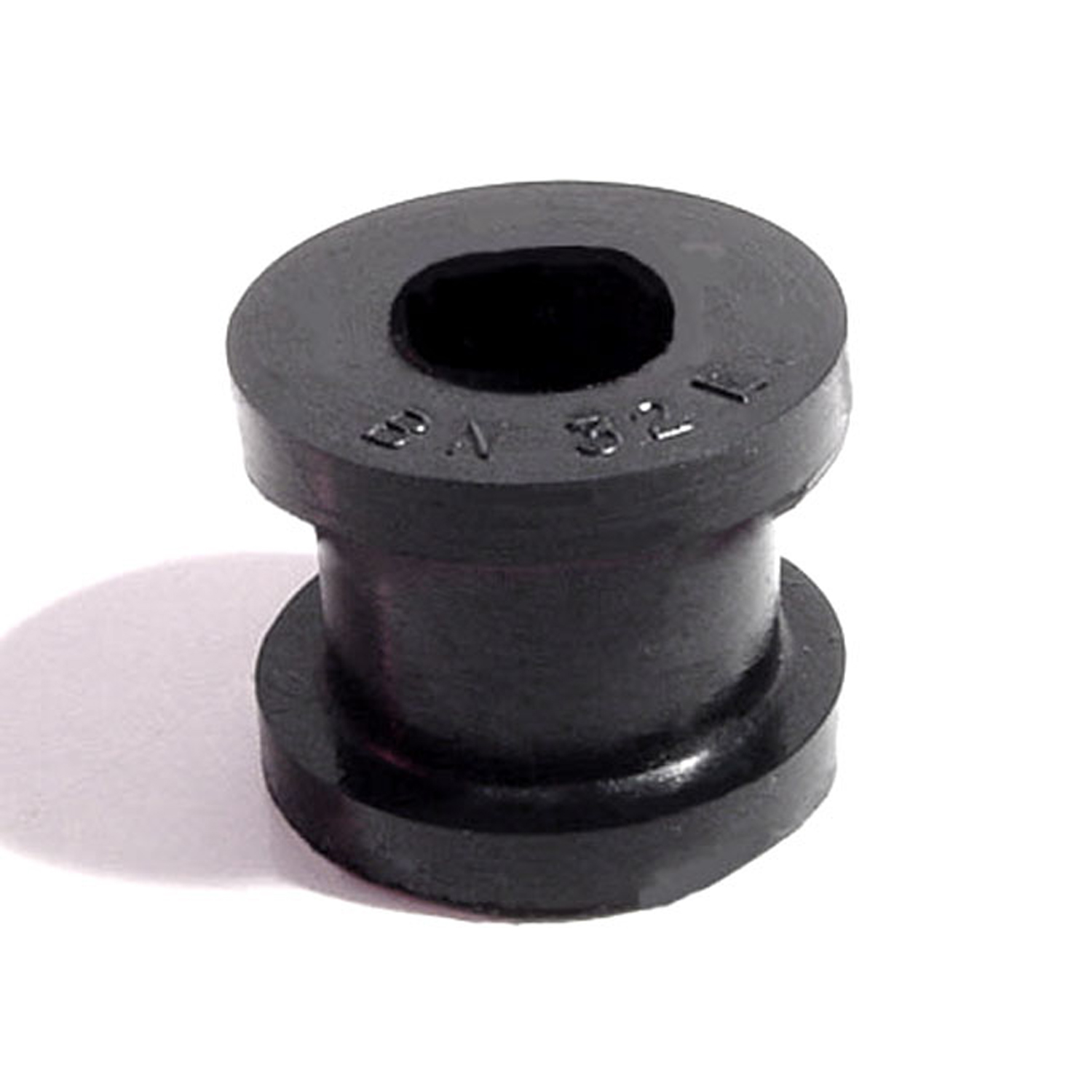 1941 Willys MA Generator Support Insulator Bushing. Each-BN 32-EGenerator Support Insulator Bushing. Each
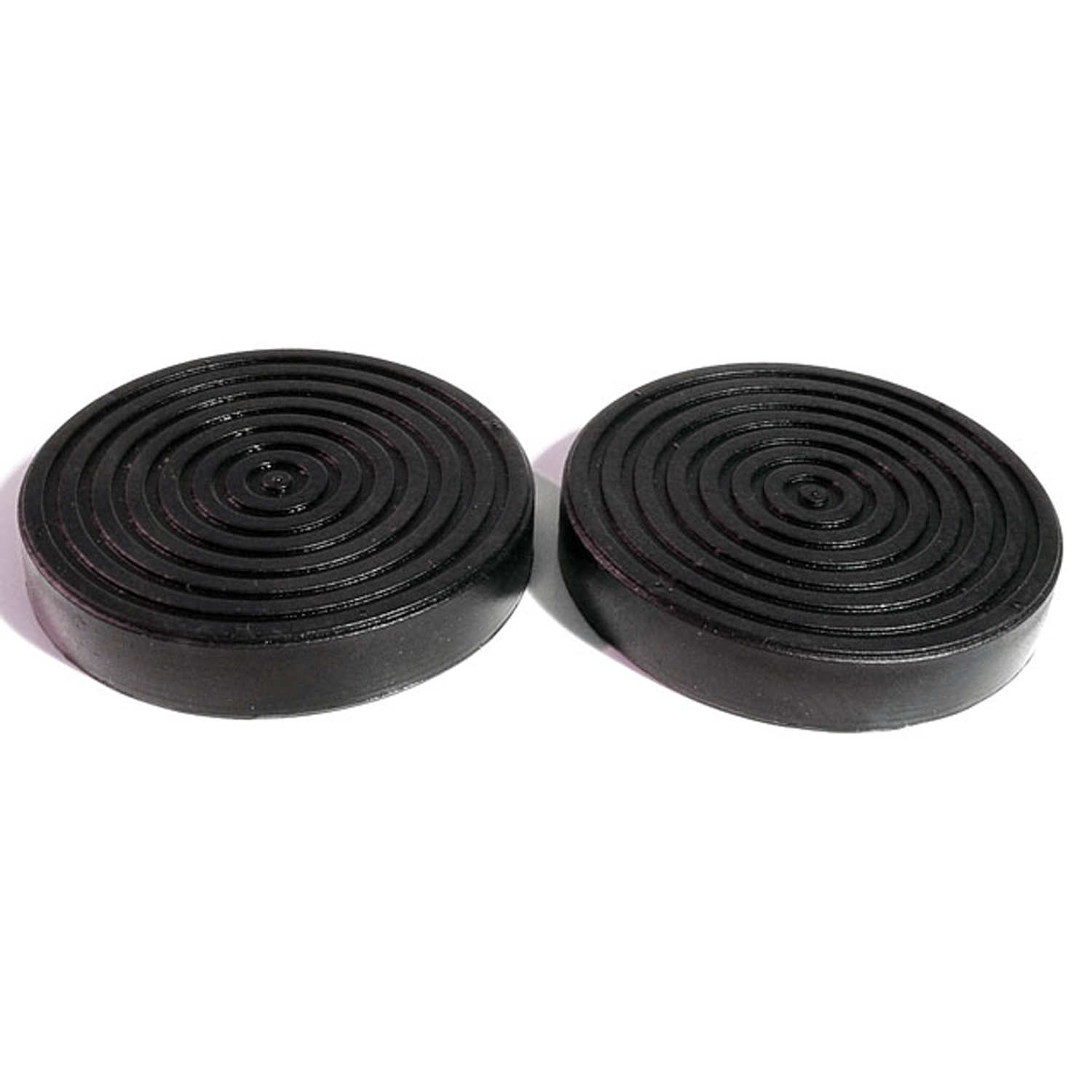 1941 Willys MA Clutch and Brake Pedal Pads. 3" Diameter. Pair-CB 61Clutch and Brake Pedal Pads. 3" Diameter. Pair
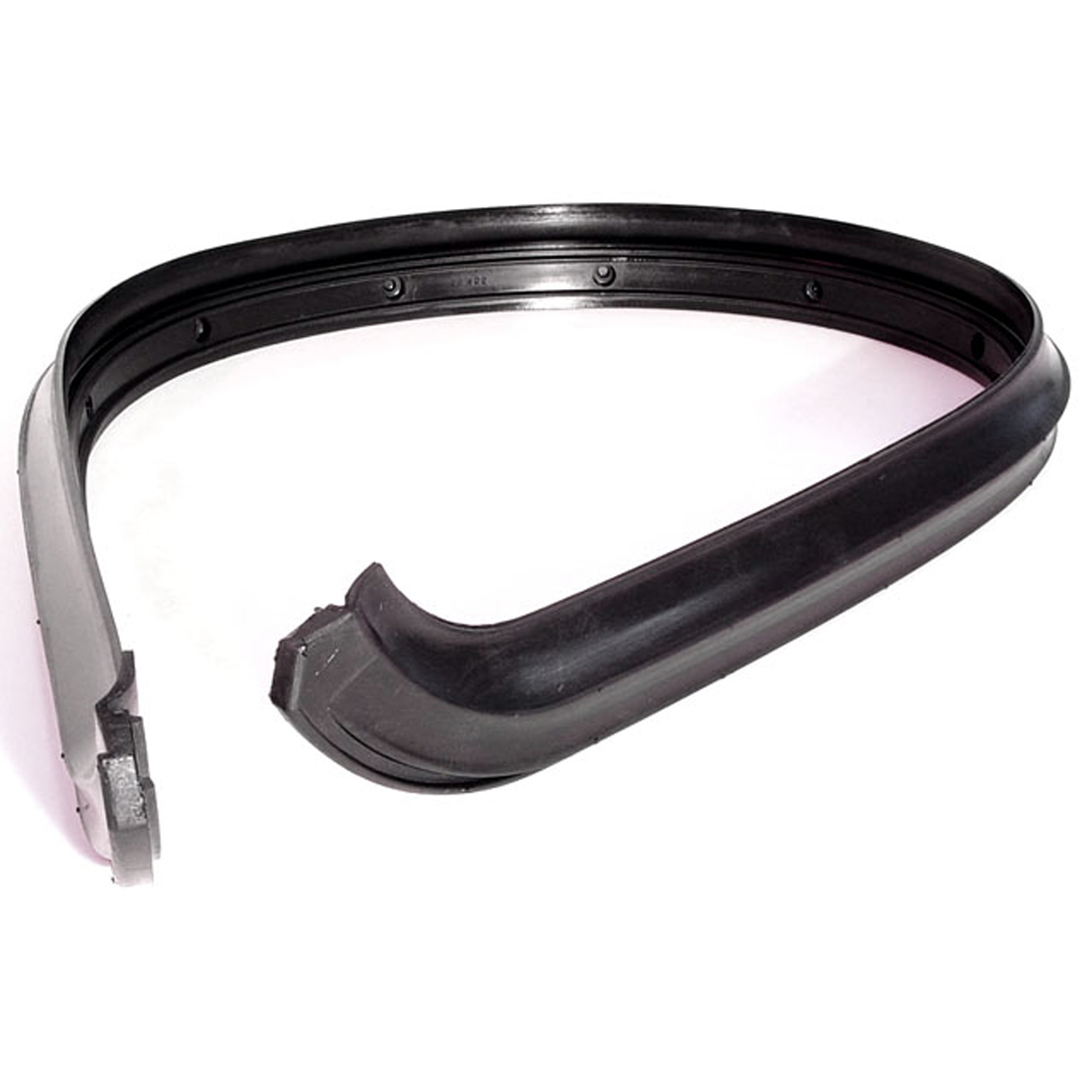 1941 Willys MA Windshield to Cowl Seal. 55-1/2" long. Each-CS 102Windshield to Cowl Seal. 55-1/2" long. Each
Why Choose Metro?
For over 100 years, Metro Moulded Parts has been the pinnacle of quality in classic car restoration parts. Our commitment to precision and authenticity in every component ensures a perfect fit and an OEM-level appearance.
- Expert Craftsmanship & Quality: Each part is a testament to our dedication to reliability and perfection, crafted from original designs and thoroughly tested.
- Advanced Technology: We use cutting-edge techniques to create flawless, long-lasting parts that surpass others in performance.
- SuperSoft Sponge – The Ultimate Door Seal: Not only are our door seals 30% softer than competitors', but they're also guaranteed to never leak. They effectively reduce wind and road noise, enhancing your classic car's comfort and driving experience.
- Proudly American: Our parts are a product of American craftsmanship, made in the USA with a spirit of excellence and heritage.
- Unrivaled Warranty: We back our products with a 30-year industry-leading warranty, a testament to our confidence in their quality.
Join us in preserving the legacy of classic cars with parts that are crafted for perfection, not just made.