

Image of 1943 Willys Ma, Note: These illustrations use artistic license and may differ from actual historical models.
Performance Metrics
Fundamental Metrics
Emotional Appeal
MMP Rating
| Engine Specifications | |
|---|---|
| Engine: | L134 Go Devil I4 |
| Displacement: | 134.2 cu in (2.2 L) |
| Horsepower: | 60 hp at 4000 rpm |
| Torque: | 105 lb-ft at 2000 rpm |
| Compression Ratio: | 6.48:1 |
| Ignition System: | 6-volt electrical system |
| Cooling System: | Liquid-cooled |
| Performance Specifications | |
| 0-60 Time: | Not available due to the vehicle's military usage and lack of standard performance testing during that era. |
| 1/4 Mile Time: | Not available for the same reasons as above. |
| Top Speed: | 65 mph |
| Transmission and Drive | |
| Drive Type: | 4WD |
| Transmission Type: | 3-speed manual |
| Fuel and Efficiency | |
| Fuel System Type: | Carburetor |
| MPG: | 15-20 mpg, depending on conditions |
| Dimensions and Brakes | |
| Brakes: | Hydraulic drum brakes |
| Wheelbase: | 80 inches |
| Weight: | 2,293 lbs |
Note: Specifications for classic cars are given to the best of our ability, considering the limited and variant data available.
1943 Willys MB: The Wartime Jeep That Went Anywhere
The 1943 Willys MB was built for a simple but demanding job: carry soldiers and equipment over terrain that could stop an ordinary vehicle in its tracks. Compact, four-wheel drive and remarkably adaptable, it became one of the most recognizable military vehicles of World War II and helped establish the Jeep as a lasting name in motoring.
A quick naming note: the Willys MA was an earlier pre-production model, not the standard 1943 truck. The wartime vehicle most people mean is the Willys MB. Willys-Overland manufactured the MB under U.S. Army contracts, while Ford produced a closely related version called the GPW. Together, their Jeeps served Allied forces across multiple fronts.
One detail that surprises many enthusiasts is that Willys did not invent the original Jeep concept alone. The American Bantam Car Company developed the first prototype, but the Army also evaluated designs from Willys and Ford. Willys’ powerful “Go-Devil” engine helped its entry win favor, and the government ultimately arranged for both Willys and Ford to build standardized versions.
Purpose-Built Styling and a Spartan Cabin
The MB’s appearance was dictated by function. Its short wheelbase, upright body, flat fenders and nearly vertical windshield made it easy to maneuver and relatively straightforward to service. The familiar seven-slot front grille became an enduring Jeep signature, though wartime MBs generally used a pressed-steel grille rather than the earlier slat-style grille associated with some initial production examples.
The cabin was just as practical. Metal panels, simple gauges and easily cleaned surfaces took priority over comfort or decoration. The front seats were basic and commonly covered in durable canvas, while the rear offered a folding seat or cargo space, depending on configuration. The windshield could fold forward, and the doors were removable. A canvas top and side curtains provided basic weather protection, but this was never a sealed, quiet passenger compartment.
Olive drab was the best-known military finish, chosen to help vehicles blend into their surroundings. Depending on service branch, theater and later use, Jeeps could also wear other military colors or markings. Civilian-style paint options were not the point: the MB was a military vehicle, and its finish reflected its assignment. Its most iconic form was the open-bodied, two-door 4x4 utility truck, although equipment and fittings varied for command, communications, medical and other duties.
Wartime Engineering That Changed the Jeep
Under the hood sat Willys’ 134.2-cubic-inch (2.2-liter) “Go-Devil” L-head four-cylinder engine. It produced about 60 horsepower and 105 lb-ft of torque, giving the small MB useful pulling power at low speeds. A three-speed manual transmission worked with a two-speed transfer case to send power to the wheels, while selectable four-wheel drive helped the Jeep tackle mud, sand, ruts and steep ground.
The MB was not the first four-wheel-drive vehicle, but it brought compact 4x4 capability into a highly adaptable, mass-produced package. Its design demonstrated that a light vehicle could serve as transport, communications platform, weapons carrier, reconnaissance vehicle and general-purpose runabout. The basic idea of a small, go-anywhere utility vehicle influenced postwar civilian Jeeps and helped shape the broader 4x4 market.
Its impact also came from standardization. The MB and Ford GPW shared a common specification, making many components interchangeable and simplifying production and field maintenance. The result was a vehicle that could be built in huge numbers and kept running far from a proper workshop.
Willys MB Performance and Road Manners
With roughly 60 horsepower and a curb weight in the neighborhood of 2,450 pounds, the Willys MB was capable rather than quick. A top speed of about 60 to 65 mph is commonly cited, although actual speed depended on gearing, condition, tires and load. A 0-to-60-mph time was not a meaningful wartime performance target; modern estimates generally put acceleration in the several-dozen-second range, and many MBs feel most comfortable at more modest speeds.
On a rough trail, the short wheelbase, low gearing and four-wheel drive are major advantages. The suspension and narrow tires were designed for utility, not modern comfort, so broken pavement can make the ride busy and jarring. On winding roads, the MB feels nimble at low speeds but demands attention. Its steering, brakes and handling are all from another era, and its high-sided, lightweight body can be unsettled by crosswinds.
Driving one is a hands-on experience. The engine has a steady, purposeful four-cylinder note, the gearshift and transfer-case controls require deliberate use, and the driver sits close to the mechanical action. There is little sound insulation and no modern power assistance. The reward is a direct connection to the road, trail and machinery that few newer vehicles can replicate.
Living With a 1943 Jeep
Today, Willys MBs are most often used for historic-vehicle displays, military reenactments, parades, trail outings and private collections. Some owners drive them regularly, but they are rarely ideal daily transportation. Their modest cruising pace, limited weather protection, basic safety equipment and vintage brakes call for realistic expectations.
Mechanical simplicity is one of the MB’s strongest ownership advantages. The engine and drivetrain are accessible, and a large enthusiast community, specialist suppliers and reproduction-parts industry support restorations. Many routine jobs are manageable for an owner with mechanical experience and the right tools. Still, a wartime Jeep is nearly 80 years old, so the condition of its frame, body, wiring, steering, brakes and drivetrain matters more than a fresh coat of paint.
Rust, hard use, mismatched components and incomplete restorations are common concerns. Buyers should also remember that many surviving Jeeps were rebuilt during or after military service, often with replacement parts. A vehicle that appears authentic may contain components from several production years or even a mix of Willys MB and Ford GPW parts.
Wartime Jeep Facts and Common Criticisms
The Willys MB served in World War II in roles ranging from staff transport and reconnaissance to radio communications and supply work. Its compact size made it useful on roads and trails alike, and its open layout allowed troops to adapt it to changing needs. The MB’s reputation became so strong that “Jeep” turned into a generic term for a small, rugged 4x4, though the name’s exact origin remains debated.
Willys built approximately 359,500 MBs during the wartime production run. Ford produced roughly 277,900 GPWs to the same broad military specification. Those figures help explain why the type is well known, but they do not make every surviving example easy to find: many were worn out, scrapped, rebuilt or altered after the war.
There is no notable production speed record associated with the MB. Its achievement was practical endurance: it earned a reputation for operating in conditions that were punishing for both vehicles and crews. Common criticisms are equally practical. The ride is harsh, the cabin is exposed, highway speed is limited by modern standards, and the brakes and steering require more effort and anticipation than drivers expect from a contemporary vehicle.
1943 Willys MB Values and Collectability
Collector values vary widely with originality, mechanical condition, documentation and restoration quality. As a broad U.S. market guide, a project or heavily modified example might sell for roughly $10,000 to $20,000. A sound, usable driver often falls around $20,000 to $40,000, while a well-restored and convincingly presented Jeep can reach approximately $40,000 to $70,000 or more. Exceptional, highly original examples or vehicles with strong provenance may command higher prices.
These are estimates, not guaranteed asking prices. A restored Jeep with incorrect parts may be worth less to a military-vehicle specialist than an honest, well-documented example with authentic components. Buyers should inspect the frame and body carefully, verify the drivetrain and serial information where possible, and budget for safety work even when a vehicle appears ready to drive.
The MB remains widely available compared with many wartime vehicles, but genuinely original, unrestored examples are much scarcer than restored or assembled Jeeps. Interest has remained strong, and prices for sound examples have generally held up or risen over the long term, though condition and the wider collector market can cause short-term variation.
A Small Truck With an Outsize Legacy
The 1943 Willys MB was not designed for luxury, speed or polish. Its importance came from doing a difficult job with unusual versatility: a compact 4x4 that could carry people, supplies and equipment across rough terrain, then be repaired in the field. Its simple engineering, unmistakable shape and wartime service made it a landmark in military and automotive history.
Nearly eight decades later, the MB still feels like a tool built to go somewhere difficult. That combination of honest engineering and hard-earned history is what keeps this little wartime truck firmly in the spotlight.
1943 Willys Ma Catalog of Parts
 1943 Willys MA Shock Absorber Grommet. 1" bottom O.D-BN 11Shock Absorber Grommet. 1" bottom O.D., 3/4" high, with 5/8" I.D. Each
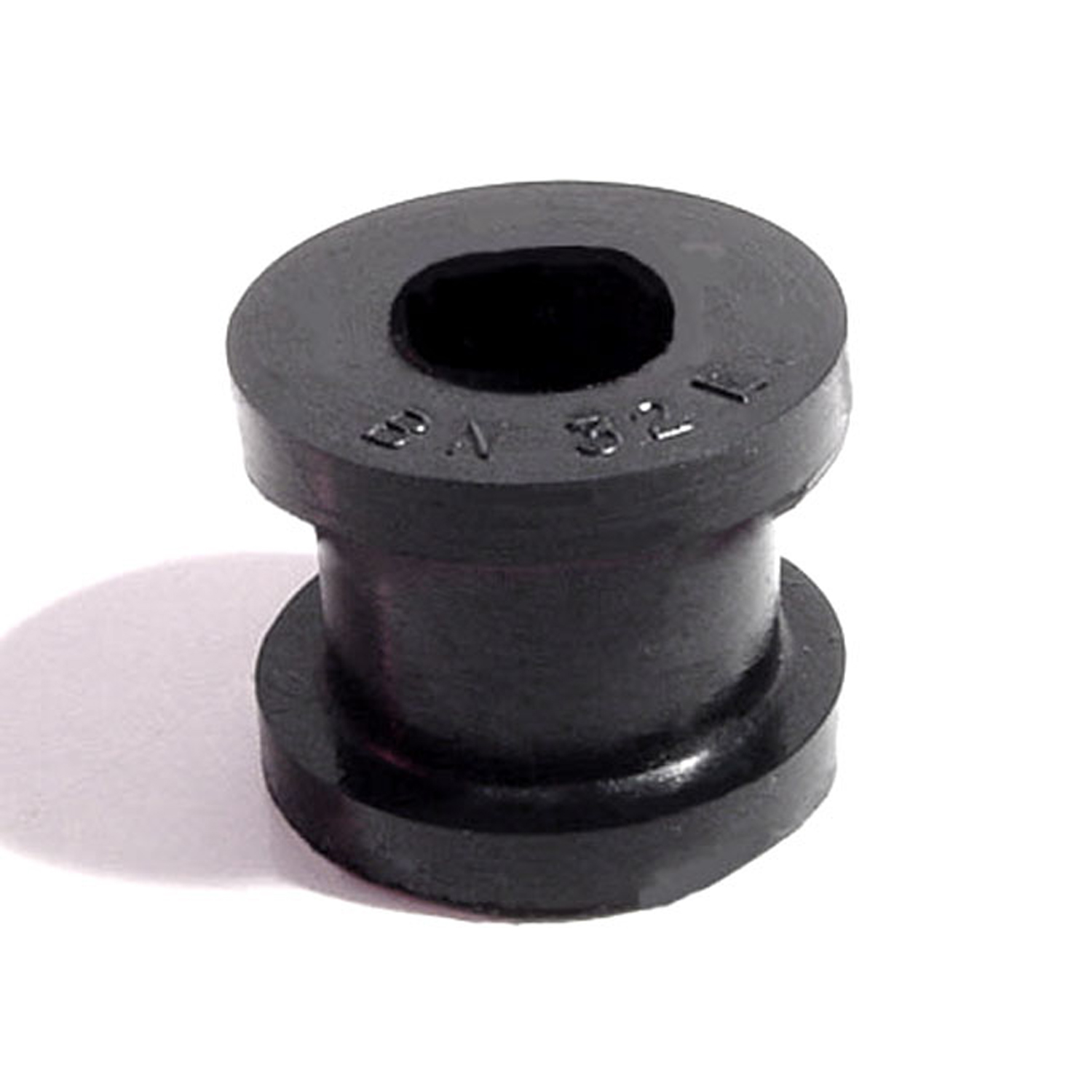 1943 Willys MA Generator Support Insulator Bushing. Each-BN 32-EGenerator Support Insulator Bushing. Each
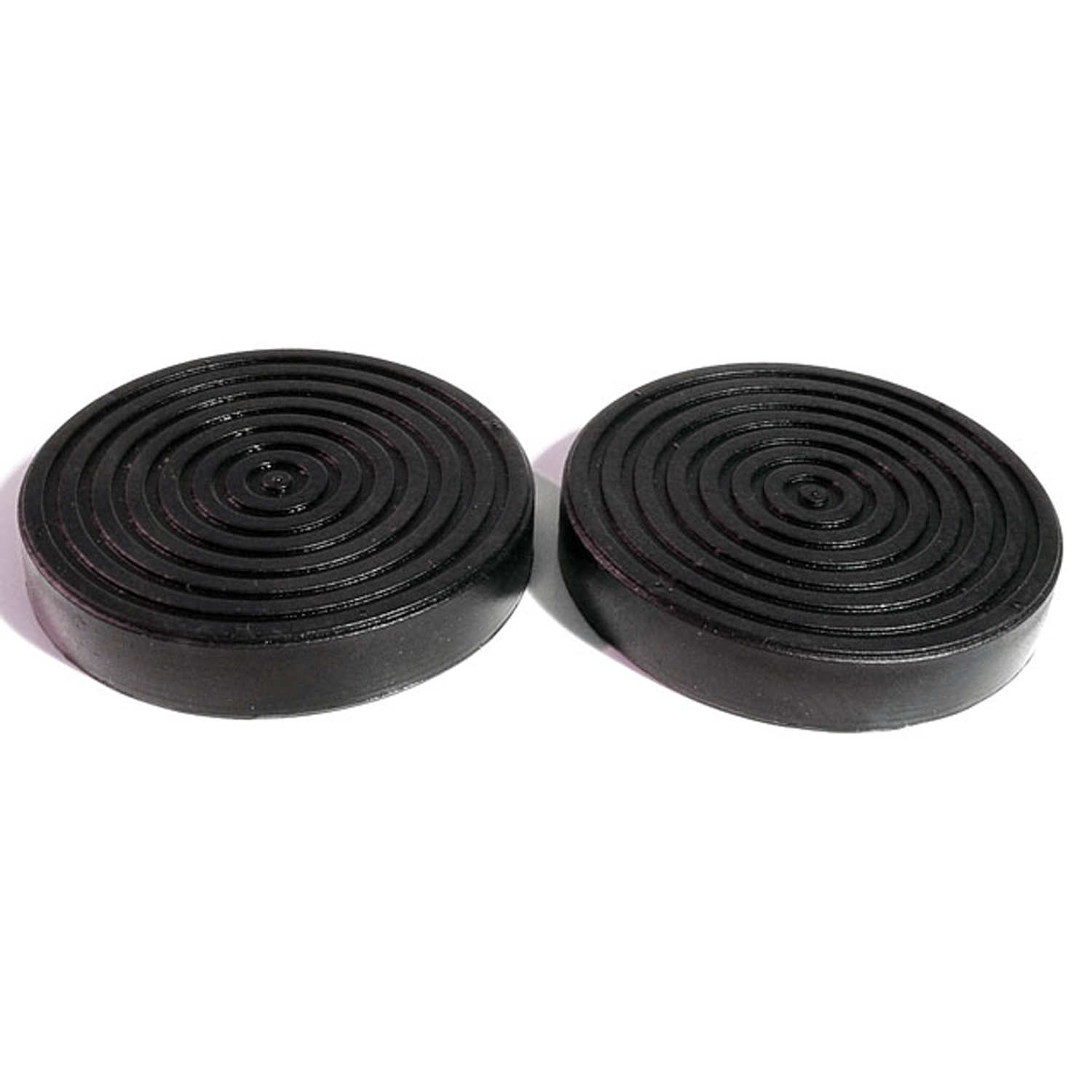 1943 Willys MA Clutch and Brake Pedal Pads. 3" Diameter. Pair-CB 61Clutch and Brake Pedal Pads. 3" Diameter. Pair
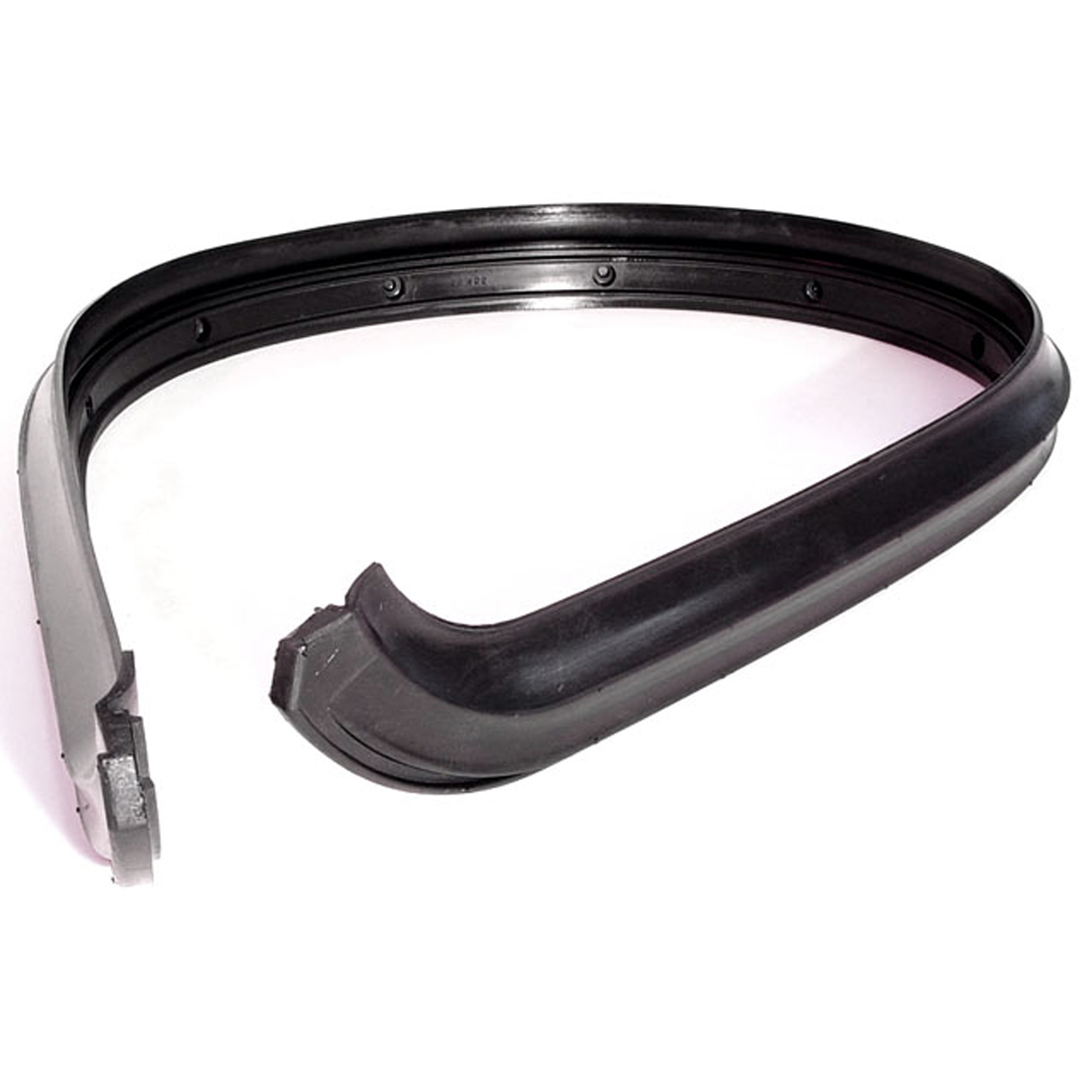 1943 Willys MA Windshield to Cowl Seal. 55-1/2" long. Each-CS 102Windshield to Cowl Seal. 55-1/2" long. Each
Why Choose Metro?
For over 100 years, Metro Moulded Parts has been the pinnacle of quality in classic car restoration parts. Our commitment to precision and authenticity in every component ensures a perfect fit and an OEM-level appearance.
- Expert Craftsmanship & Quality: Each part is a testament to our dedication to reliability and perfection, crafted from original designs and thoroughly tested.
- Advanced Technology: We use cutting-edge techniques to create flawless, long-lasting parts that surpass others in performance.
- SuperSoft Sponge – The Ultimate Door Seal: Not only are our door seals 30% softer than competitors', but they're also guaranteed to never leak. They effectively reduce wind and road noise, enhancing your classic car's comfort and driving experience.
- Proudly American: Our parts are a product of American craftsmanship, made in the USA with a spirit of excellence and heritage.
- Unrivaled Warranty: We back our products with a 30-year industry-leading warranty, a testament to our confidence in their quality.
Join us in preserving the legacy of classic cars with parts that are crafted for perfection, not just made.