
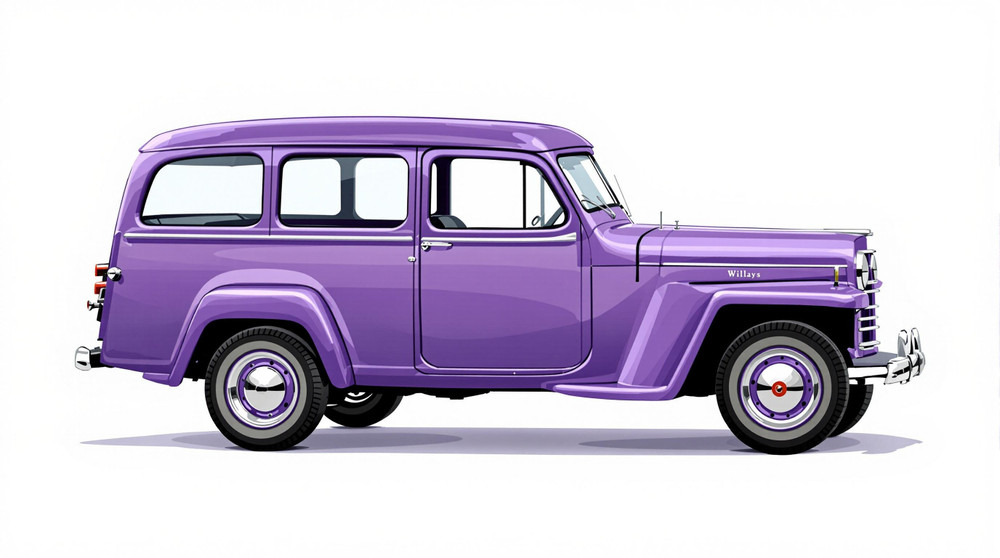
Image of 1949 Willys Station Wagon, Note: These illustrations use artistic license and may differ from actual historical models.
Performance Metrics
Fundamental Metrics
Emotional Appeal
MMP Rating
| Engine Specifications | |
|---|---|
| Engine: | L-134 "Go Devil" I4 |
| Displacement: | 134 cu in (2.2 L) |
| Horsepower: | 60 hp at 4000 rpm |
| Torque: | 105 lb-ft at 2000 rpm |
| Compression Ratio: | 6.48:1 |
| Ignition System: | Battery and coil |
| Cooling System: | Liquid-cooled |
| Performance Specifications | |
| 0-60 Time: | Information not available |
| 1/4 Mile Time: | Information not available |
| Top Speed: | 65 mph |
| Transmission and Drive | |
| Drive Type: | Rear-wheel drive (4x4 optional) |
| Transmission Type: | 3-speed manual |
| Fuel and Efficiency | |
| Fuel System Type: | Carburetor |
| MPG: | 15-20 mpg |
| Dimensions and Brakes | |
| Brakes: | Hydraulic drum brakes |
| Wheelbase: | 104.5 in |
| Weight: | 3,100 lbs |
Note: Specifications for classic cars are given to the best of our ability, considering the limited and variant data available.
1949 Willys Station Wagon: The Jeep That Went to the Suburbs
Before the SUV became a fixture in American driveways, the 1949 Willys Station Wagon was already combining family-car practicality with Jeep-inspired toughness. Built by Willys-Overland Motors, it was a compact, upright wagon with an all-steel body, simple mechanicals, and, from 1949, the option of four-wheel drive.
The wagon first arrived in 1946, when postwar buyers were eager for useful vehicles and automakers were restarting civilian production. Willys adapted its experience building military Jeeps into a road-going family vehicle designed by industrial designer Brooks Stevens. One especially important milestone came in 1949: Willys introduced four-wheel drive to the station wagon, creating what is widely regarded as the first production four-wheel-drive station wagon.
Steel Panels and Jeep Practicality
The Willys has a distinctive, no-nonsense shape: a tall cabin, near-vertical windshield, short hood, upright grille, and broad, flat body panels. Its squared-off profile was less polished than a contemporary wood-bodied wagon, but it made the most of the vehicle’s footprint. The rear opening was arranged for practical loading, with an upper liftgate and lower tailgate that could be opened separately.
Unlike the wood-bodied wagons that still defined much of the market, the Willys used an all-steel body. That meant owners did not have to deal with structural wood framing that could loosen or rot. The trade-off was a plain, utilitarian finish, and the body’s flat surfaces could still rust, particularly around floors, seams, wheel openings, and the lower tailgate.
Inside, the wagon was built for work as much as comfort. Painted metal surfaces, straightforward controls, durable seat upholstery, and simple floor coverings kept the cabin easy to clean and repair. Seating arrangements and equipment varied with configuration, but the basic appeal was clear: room for people, gear, or a mixture of both, without the cost or fuss of a luxury car.
Factory paint choices varied by year and specification. Period-correct restorations commonly use restrained solid colors such as dark blue, green, gray, black, and maroon, though availability depended on the exact production and trim combination. The 1949’s defining body style was the two-door wagon. Buyers could choose rear-wheel drive or the newly introduced four-wheel-drive version, while related Willys commercial models served delivery and utility roles.
Why the 1949 Model Matters
The 1949 wagon helped expand the idea of what a family car could do. Its steel body offered an alternative to traditional wood construction, while its compact dimensions and useful cargo space suited farms, small businesses, and growing families. Most notably, four-wheel drive gave station-wagon buyers traction beyond paved roads, bringing Jeep capability into a more passenger-friendly format.
That combination became a lasting blueprint. Later four-wheel-drive wagons and SUVs would refine the formula, but the Willys had already brought together an enclosed passenger cabin, flexible cargo space, and driven front wheels. It was not a modern SUV in comfort or performance, but it helped establish the market’s appetite for vehicles that could carry people and equipment beyond the city streets.
Engine, Speed, and Road Manners
The familiar engine was Willys’ 134.2-cubic-inch L-head four-cylinder, commonly known as the Go-Devil. In civilian wagon form it produced about 63 horsepower. A six-cylinder engine was also offered during this period, with output generally quoted at around 72 horsepower. Exact specifications can vary by model and source, so it is worth checking the engine and serial information on an individual vehicle.
A three-speed manual transmission was typical. The four-wheel-drive model added a transfer case and a front axle, giving it low-range gearing for slow, demanding terrain. These were straightforward mechanical systems rather than complex electronics, which suited the wagon’s working-life mission.
Performance was modest by modern standards. Depending on engine, gearing, condition, and drivetrain, a 1949 wagon could reach roughly 60 to 70 mph. A 0-to-60-mph run was a long affair, often estimated at around 25 to 30 seconds for the four-cylinder version. These figures are best treated as period-car estimates, not precise factory test results. The wagon was built to carry loads and keep moving, not to win drag races.
On the road, the high-sided body and old-fashioned suspension make their age obvious. Rough pavement can produce a firm, busy ride, and the tall profile is more affected by crosswinds than a modern crossover. On a winding road, drivers need to plan ahead: steering is less precise, braking requires more space, and cornering is best taken at a relaxed pace. The four-wheel-drive version is especially capable at low speeds on loose surfaces, but it is not a substitute for modern traction control or contemporary tires.
From behind the wheel, the experience is mechanical and direct. The engine makes a steady, unhurried four-cylinder rumble, and the driver feels the suspension, steering, and drivetrain working beneath them. There is little insulation between occupants and the outside world. That can make a long highway trip tiring, but on a country lane or trail, the wagon’s character is part of the pleasure.
Living With a Willys Wagon
These wagons were commonly used for family transport, farm chores, rural delivery, and trips on rough roads. Today, a sound example may serve as a weekend driver, a show car, or a vintage utility vehicle. A restored four-wheel-drive wagon also makes a memorable trail companion, though many owners prefer to preserve its original mechanicals rather than subject a valuable example to hard off-road use.
Maintenance is relatively approachable for an owner comfortable with older vehicles. The engine and drivetrain are mechanically simple, and many routine jobs can be handled with ordinary tools and a workshop manual. Parts support is generally available through specialist suppliers and the wider Jeep community, although finding the correct year-specific trim, body panels, and interior details can take patience.
Reliability depends heavily on condition and upkeep. A well-maintained Go-Devil can be durable, but age brings familiar issues: worn bearings, tired brakes, leaks, electrical faults, and corrosion. Inspect the frame and body carefully before buying. Rust repairs can be more expensive than basic engine work, especially when deterioration reaches structural areas or hard-to-source panels.
Willys Wagon Facts and Criticisms
The 1949 four-wheel-drive option is the standout piece of trivia. It turned a practical station wagon into an early all-weather, all-terrain family vehicle and helped set the stage for later 4WD wagons and SUVs. The wagon was not a record-setting speed machine, and there is no widely recognized production or endurance record attached to the 1949 model. Its claim to fame is its influence and unusual blend of passenger-car utility with Jeep hardware.
There is no need to invent a celebrity connection to explain its appeal. The wagon’s real history is rooted in everyday work: transporting families, supplies, and equipment where a conventional car could struggle. It also has familiar drawbacks. Owners and passengers must accept slow acceleration, substantial engine and road noise, sparse amenities, limited crash protection by modern standards, and a ride that can feel busy on uneven pavement.
Collector Values and Availability
Exact 1949 production figures are not consistently published, so any year-specific total should be treated as an estimate. A reasonable working estimate is roughly 25,000 to 40,000 wagons for the model year, with the four-wheel-drive portion representing a smaller and more desirable share. Across the broader 1946-to-1965 production run, the Willys wagon became a familiar vehicle, but surviving examples vary widely in condition and originality.
As a broad U.S. market guide for 2026, a project vehicle may sell for about $8,000 to $15,000. A running, usable example in fair condition might bring roughly $15,000 to $25,000, while a well-restored wagon can reach $25,000 to $40,000 or more. Exceptional restorations and desirable four-wheel-drive examples may exceed that range, especially when documentation, originality, and workmanship are strong. Actual prices depend on location, condition, drivetrain, and the quality of the restoration.
Values have generally benefited from growing interest in early SUVs and postwar utility vehicles. The best examples are likely to hold their appeal, particularly four-wheel-drive models, but project cars can be costly to restore and the market is not immune to shifts in classic-car demand. Buyers should compare recent sales and budget carefully for bodywork rather than assuming every old Jeep-based wagon is an easy restoration.
A Postwar Pioneer With Lasting Appeal
The 1949 Willys Station Wagon paired an all-steel body and useful cabin with simple, serviceable mechanicals. Its modest speed and basic comfort are part of the package, but so are its practicality, distinctive shape, and landmark four-wheel-drive option. More than a nostalgic old wagon, it is an important link between the Jeep’s working roots and the modern SUV.
For collectors, the Willys is at its best when its history remains visible: honest steel, a hardworking engine, and the unmistakable sense that the road can end without the journey having to stop.
1949 Willys Station Wagon Catalog of Parts
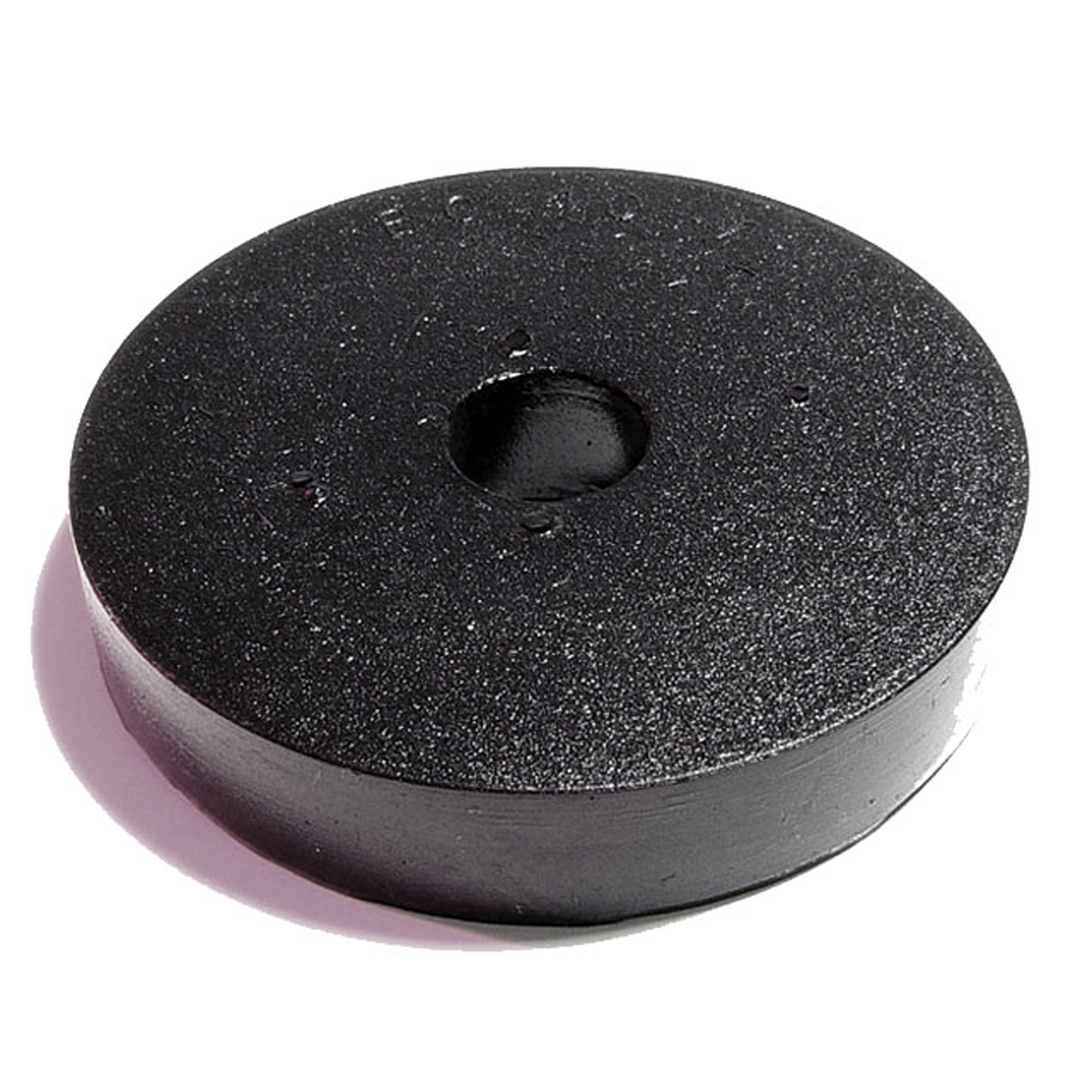 1949 Willys Station Wagon Body Mount Cushion. 1-15/16" O.D., 3/8" I.D., 3/8" Thick-BC 40-ABody Mount Cushion. 1-15/16" O.D., 3/8" I.D., 3/8" Thick. Each
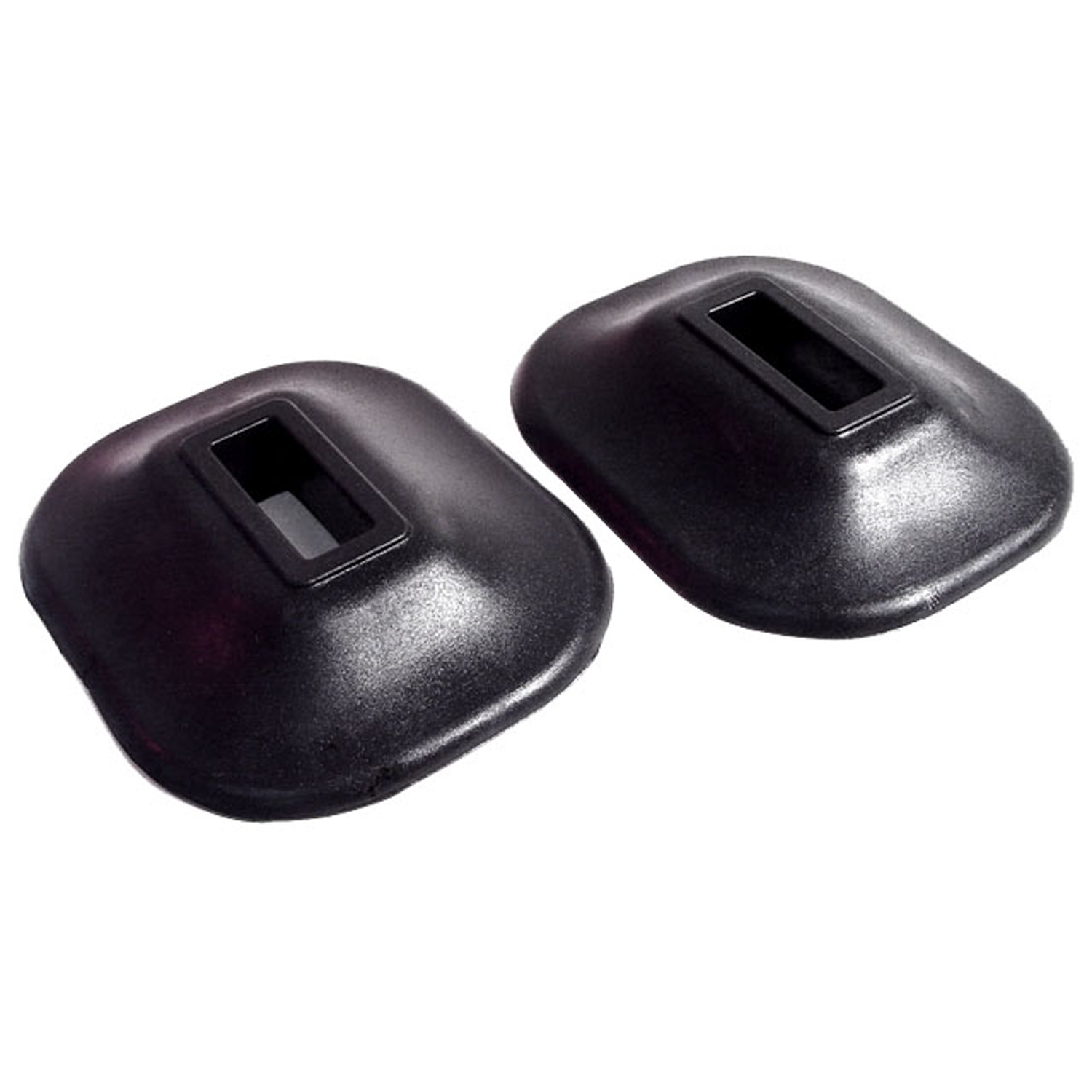 1949 Willys Station Wagon Front and Rear Bumper Arm Grommets-BG 62Front and Rear Bumper Arm Grommets. 3-1/8" wide X 3-7/8" long, with 1-3/8" long inner slot. Pair
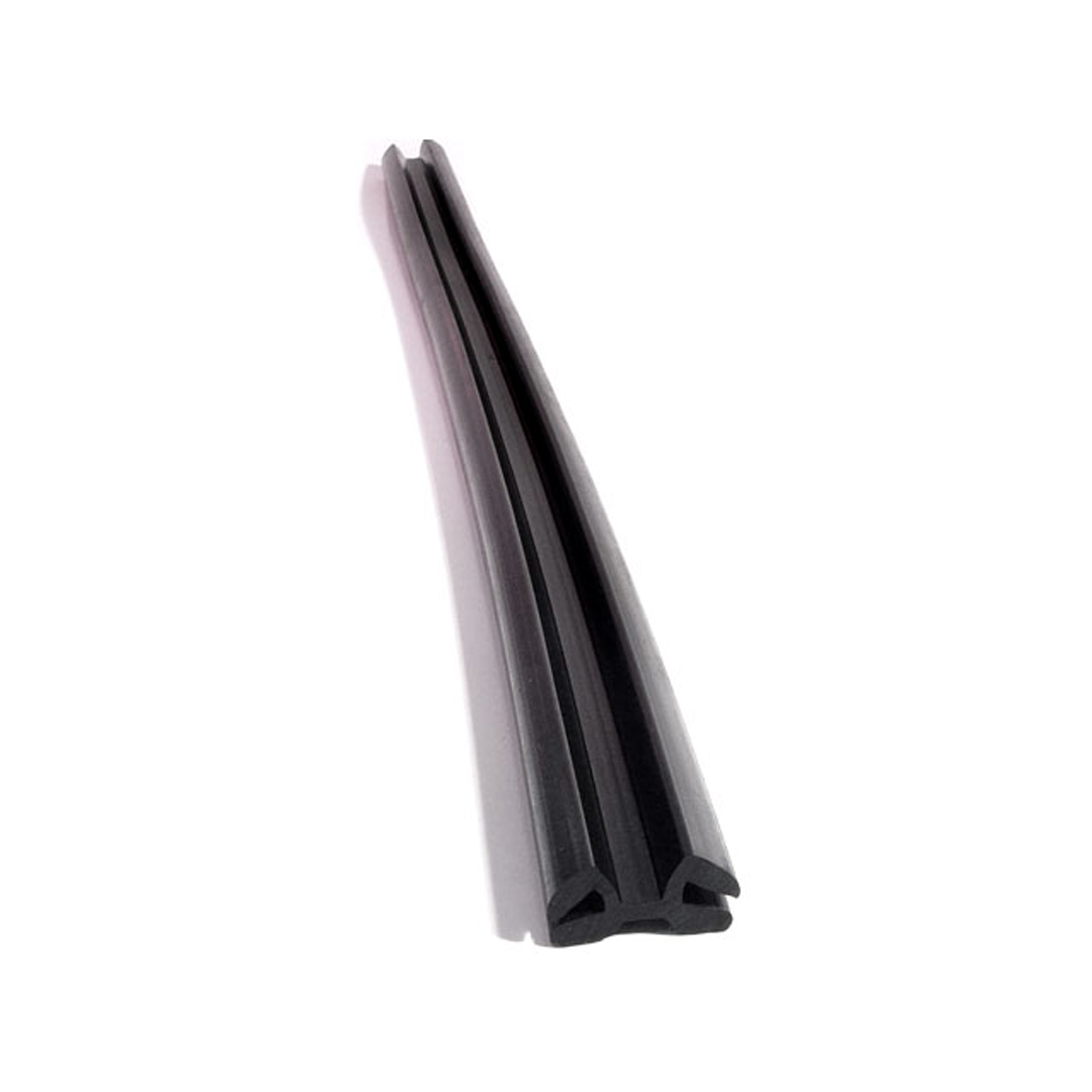 1949 Willys Station Wagon Center Division Bar Seal. 20" piece, to be cut to length-DP 40Center Division Bar Seal. 20" piece, to be cut to length. Each
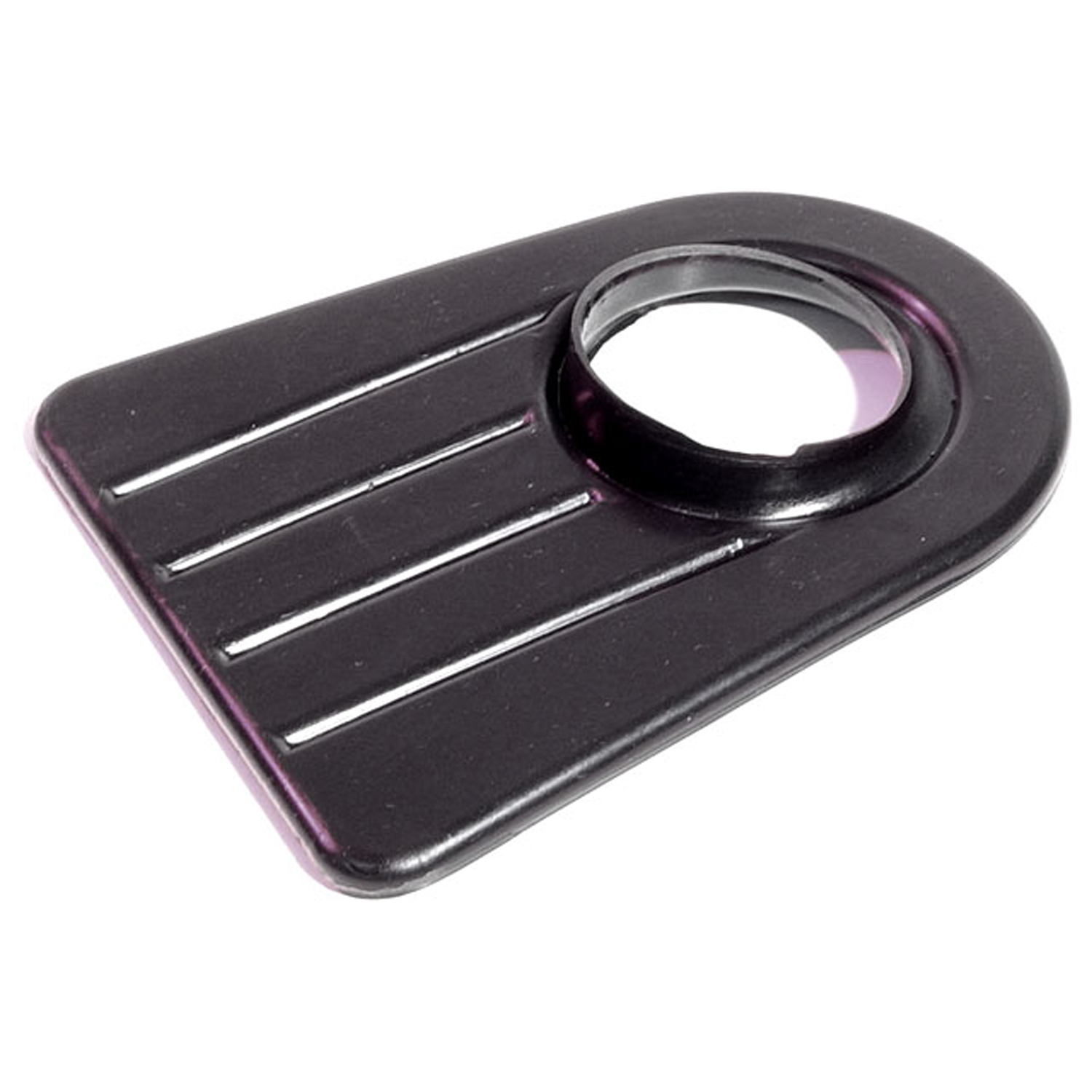 1949 Willys Station Wagon Gas Filler Grommet. 2-1/8" I.D., 6-3/8" length. Each-GF 29-AGas Filler Grommet. 2-1/8" I.D., 6-3/8" length. Each
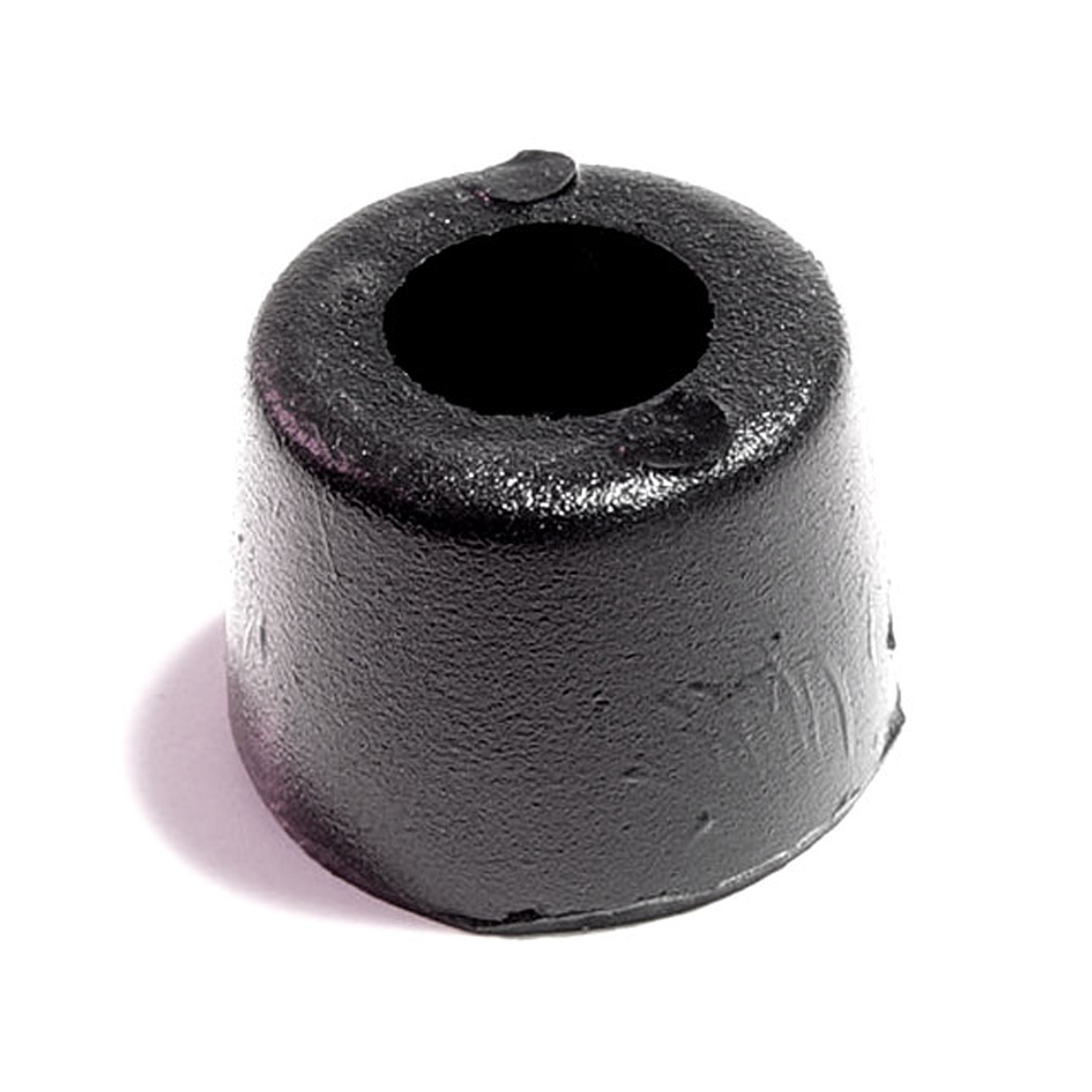 1949 Willys Station Wagon Hood Side Bumper. Two used per car. Each-HF 31Hood Side Bumper. Two used per car. Each
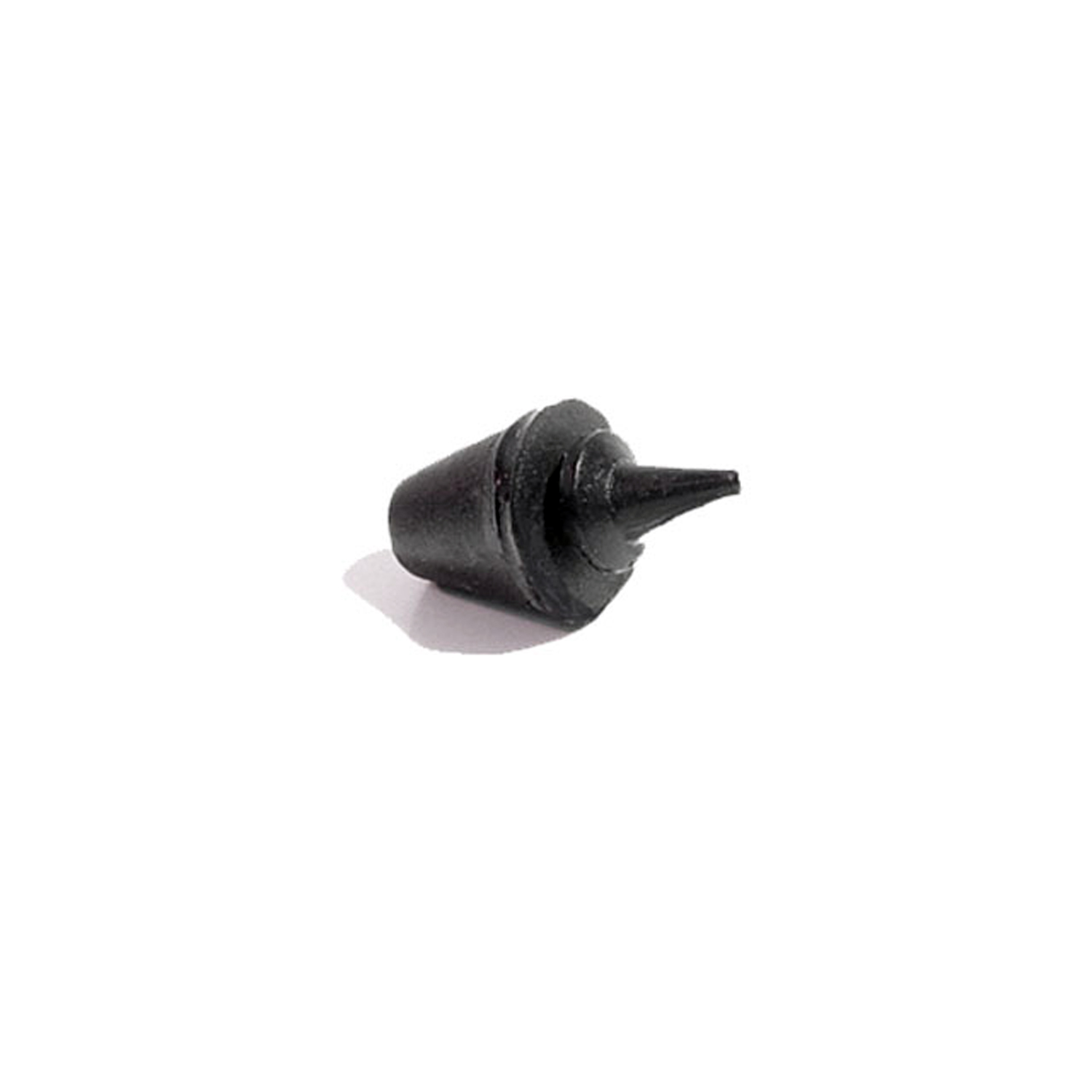 1949 Willys Station Wagon Glove Box Bumper. Each-SB 83Glove Box Bumper. Each
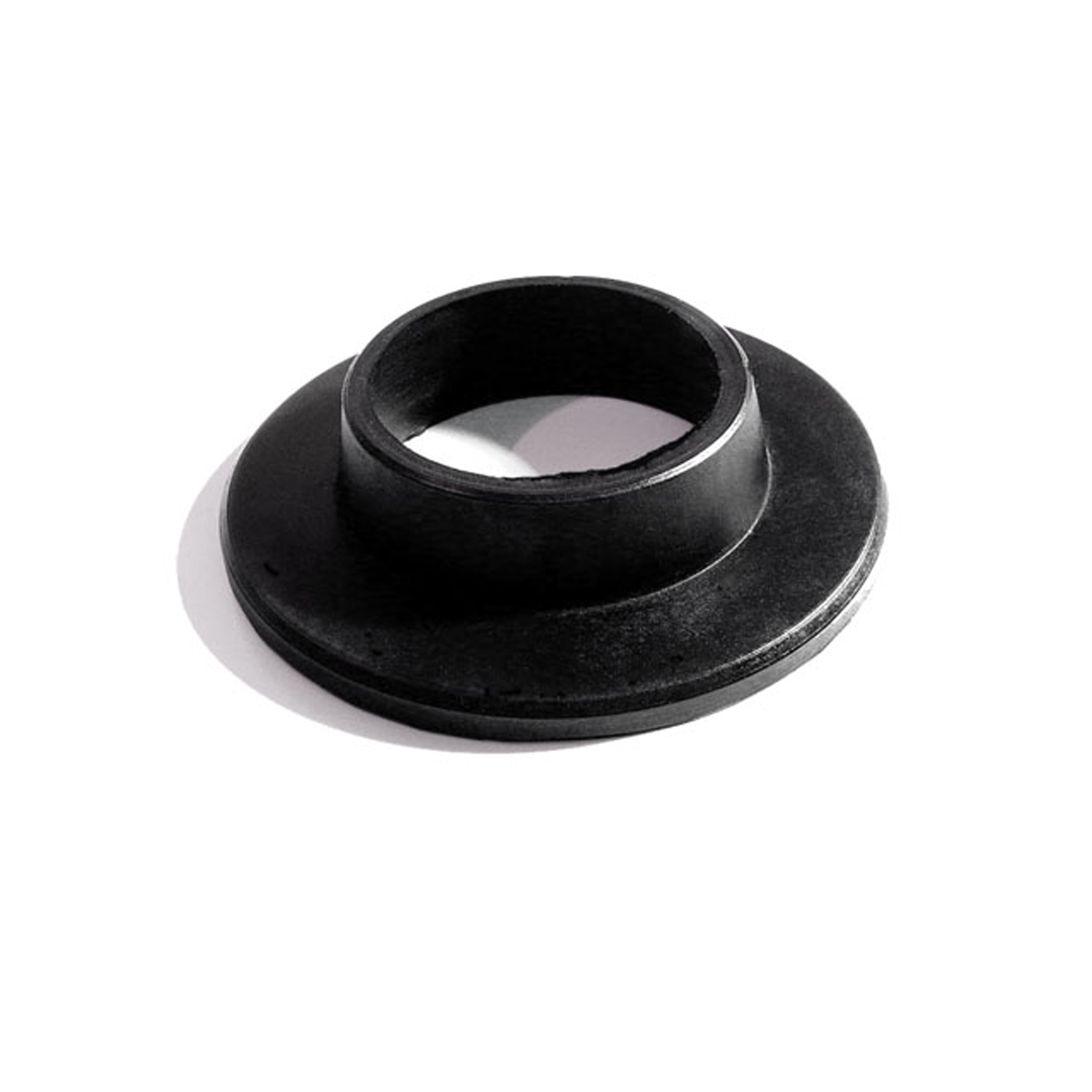 1949 Willys Station Wagon Steering Column Grommet-SC 13Steering Column Grommet. For 4-Wheel Drive Station Wagon Only. Each
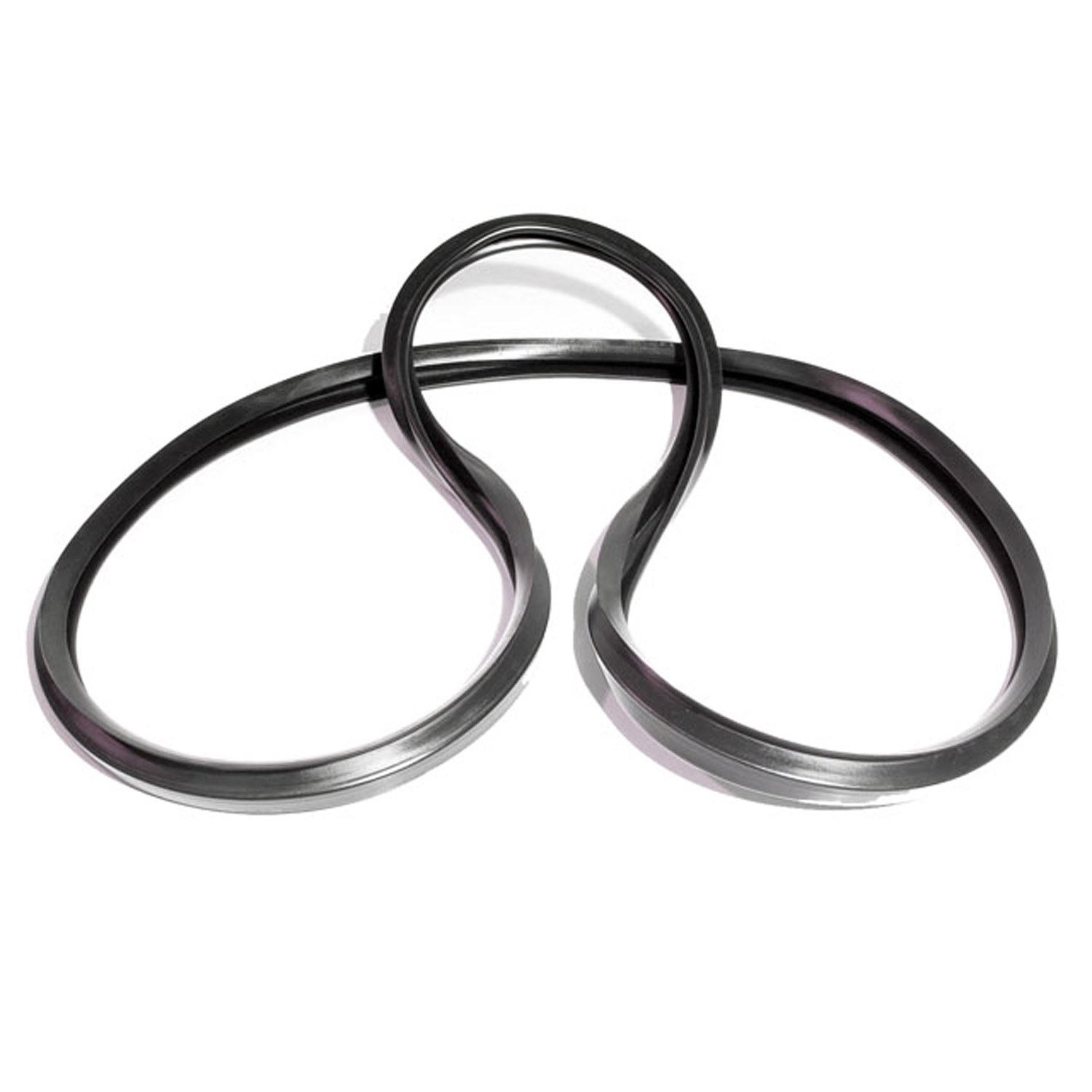 1949 Willys Station Wagon Vulcanized Side Front-Rear Sliding Window Seal-VQT 9600Vulcanized Side Front-Rear Sliding Window Seal. Made into one piece for easy installation. Order 2 to do both sides. Replaces OEM #671419. Each
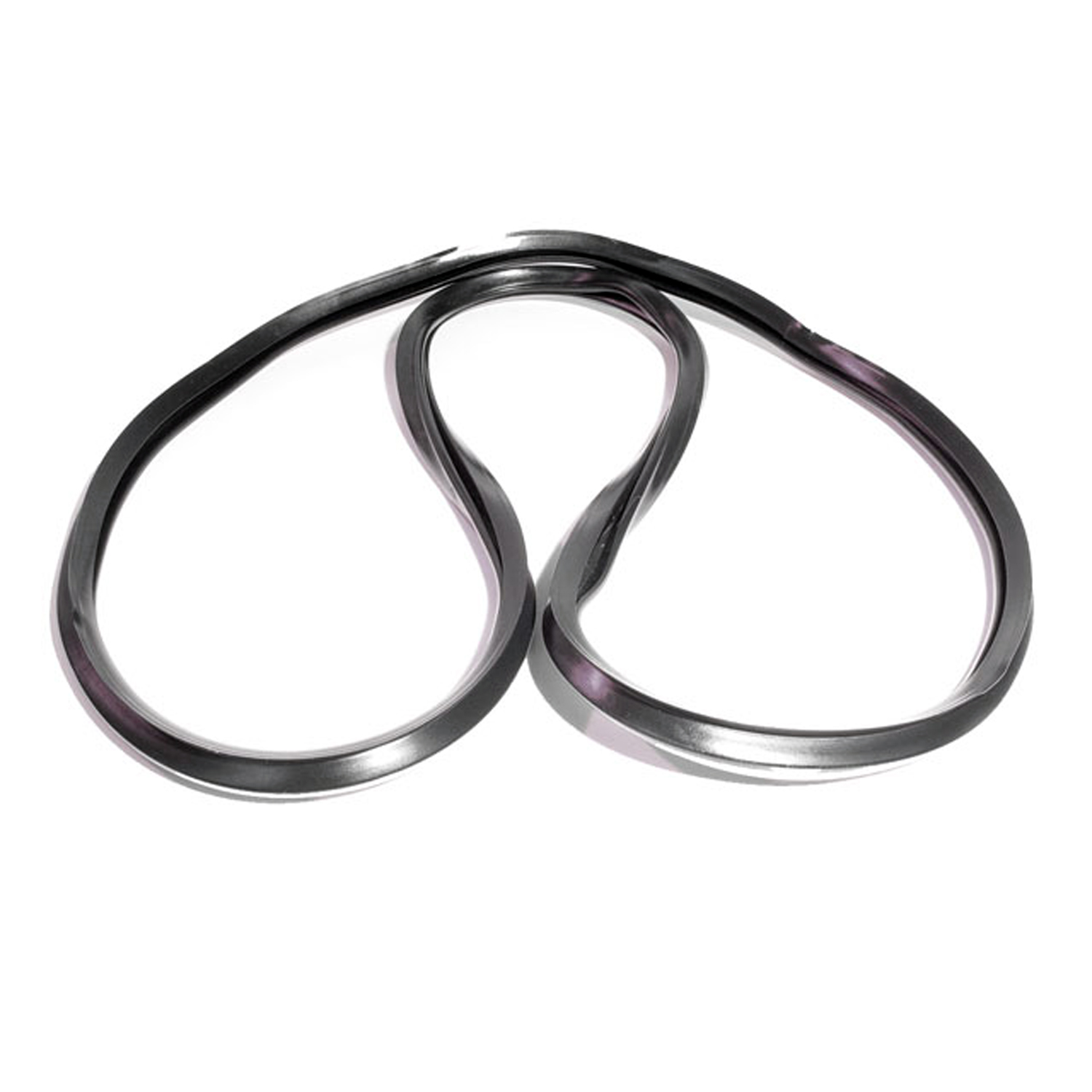 1949 Willys Station Wagon Vulcanized Side Rear-Rear Sliding Window Seal-VQT 9601Vulcanized Side Rear-Rear Sliding Window Seal. Made into one piece for easy installation. Order 2 to do both sides. Replaces OEM #664257. Each
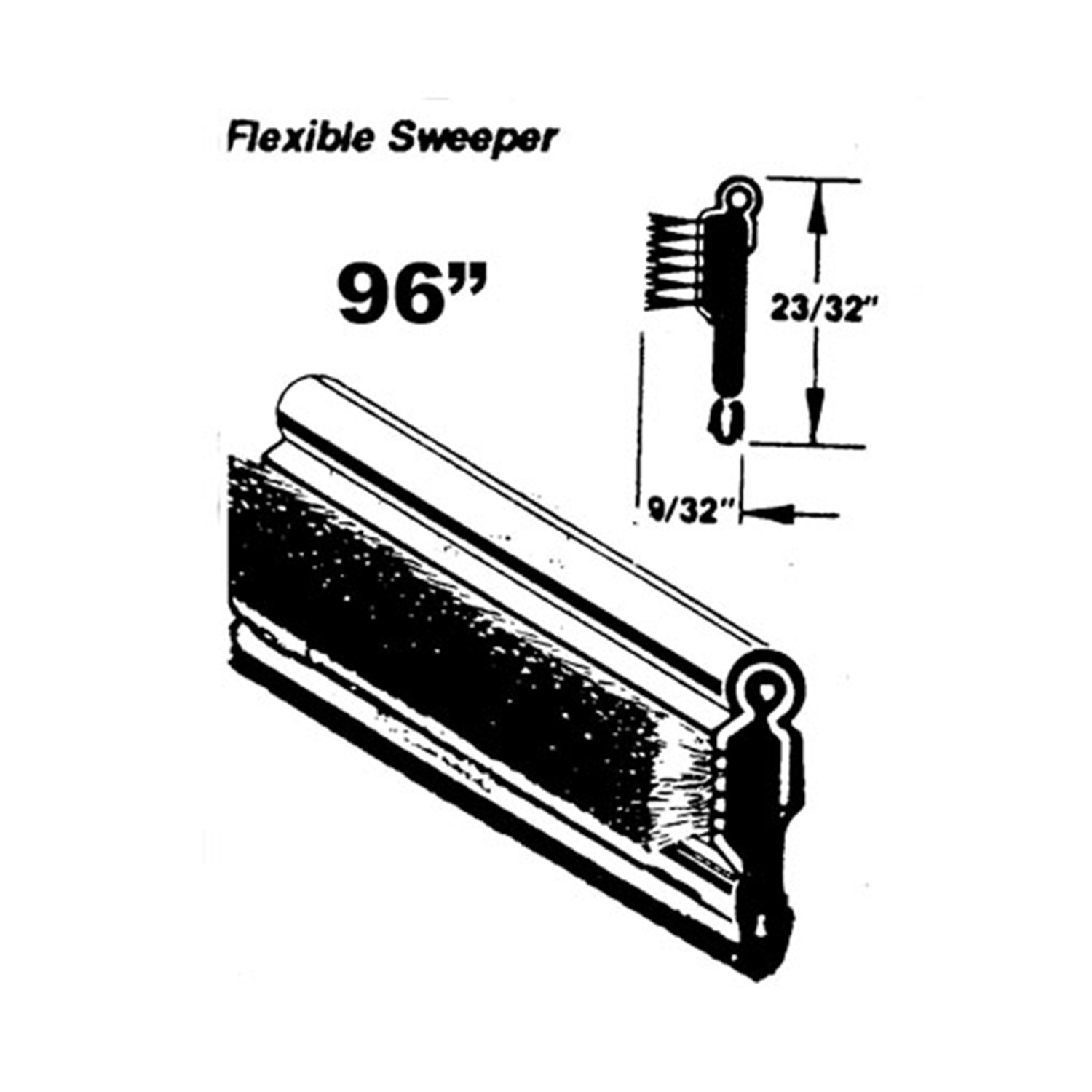 1949 Willys Station Wagon Flexible window sweeper. Made with stainless steel bead-WC 4-96Flexible window sweeper. Made with stainless steel bead. 96 in. long. Each. NOTE: $20 special shipping charge applies for domestic orders. Call or email for overseas shipping costs. Part can be sectioned in two or three equal lengths to reduce overseas shipping costs.
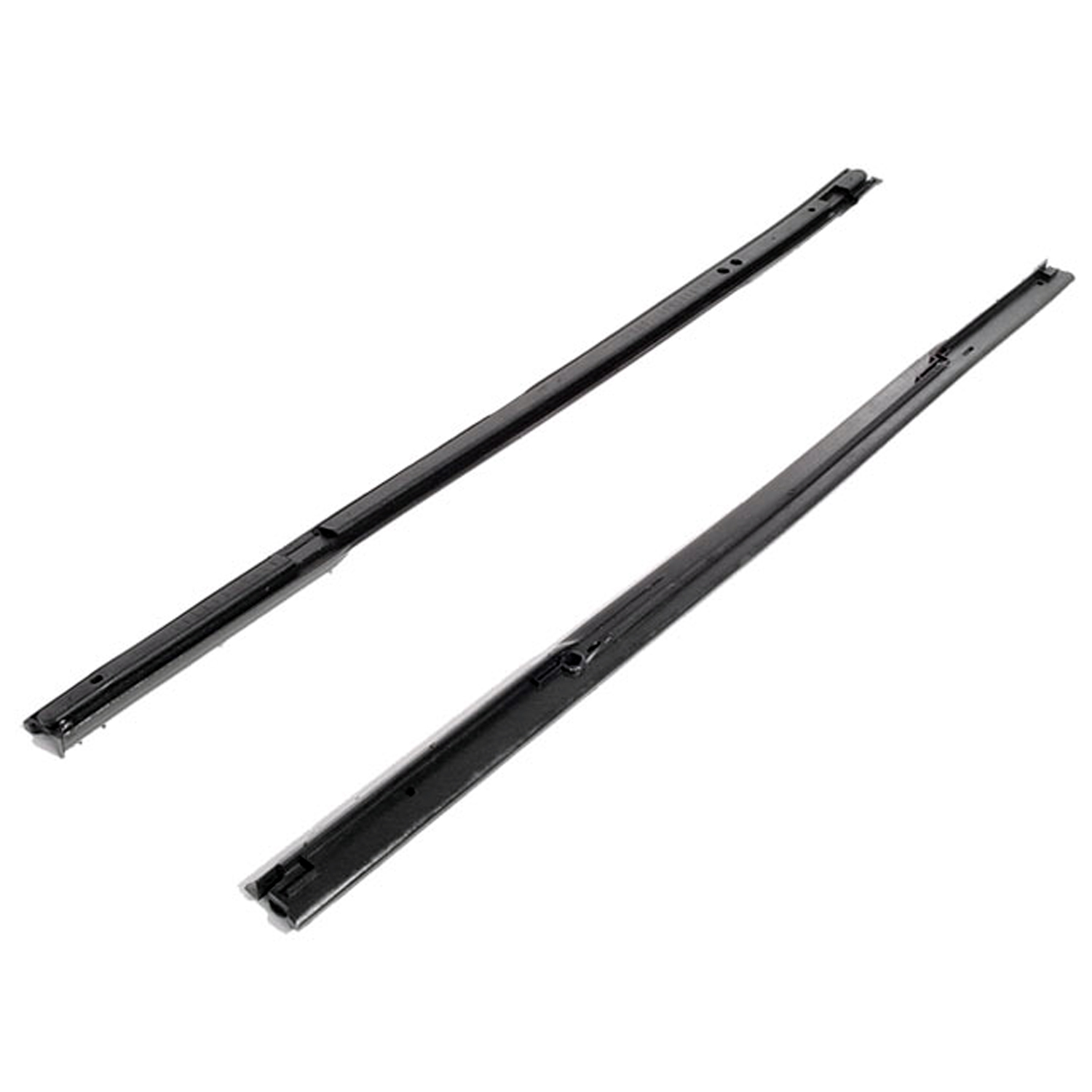 1949 Willys Station Wagon Front Vent Window Seals. For Trucks and Station Wagons-WR 9601Front Vent Window Seals. For Trucks and Station Wagons. Pair
Why Choose Metro?
For over 100 years, Metro Moulded Parts has been the pinnacle of quality in classic car restoration parts. Our commitment to precision and authenticity in every component ensures a perfect fit and an OEM-level appearance.
- Expert Craftsmanship & Quality: Each part is a testament to our dedication to reliability and perfection, crafted from original designs and thoroughly tested.
- Advanced Technology: We use cutting-edge techniques to create flawless, long-lasting parts that surpass others in performance.
- SuperSoft Sponge – The Ultimate Door Seal: Not only are our door seals 30% softer than competitors', but they're also guaranteed to never leak. They effectively reduce wind and road noise, enhancing your classic car's comfort and driving experience.
- Proudly American: Our parts are a product of American craftsmanship, made in the USA with a spirit of excellence and heritage.
- Unrivaled Warranty: We back our products with a 30-year industry-leading warranty, a testament to our confidence in their quality.
Join us in preserving the legacy of classic cars with parts that are crafted for perfection, not just made.