

Image of 1953 Willys Aero Ace, Note: These illustrations use artistic license and may differ from actual historical models.
Performance Metrics
Fundamental Metrics
Emotional Appeal
MMP Rating
| Engine Specifications | |
|---|---|
| Engine: | L-161 Lightning I6 |
| Displacement: | 161 cu in (2.6 L) |
| Horsepower: | 75 hp |
| Torque: | 114 lb-ft |
| Compression Ratio: | 7.3:1 |
| Ignition System: | Distributor and coil |
| Cooling System: | Liquid-cooled |
| Performance Specifications | |
| 0-60 Time: | Estimated 20 seconds |
| 1/4 Mile Time: | Not available |
| Top Speed: | 80 mph |
| Transmission and Drive | |
| Drive Type: | Rear-wheel drive |
| Transmission Type: | 3-speed manual |
| Fuel and Efficiency | |
| Fuel System Type: | Carburetor |
| MPG: | Estimated 20-25 mpg |
| Dimensions and Brakes | |
| Brakes: | Drum brakes |
| Wheelbase: | 108 in (2,743 mm) |
| Weight: | 2,700 lbs |
Note: Specifications for classic cars are given to the best of our ability, considering the limited and variant data available.
1953 Willys Aero Ace: A Compact American Original
The 1953 Willys Aero Ace packed full-size American-car style into a compact, unusually light sedan, years before “downsizing” became a Detroit talking point. Built by Willys-Overland Motors in Toledo, Ohio, the Aero was designed to serve buyers who wanted comfortable, economical transportation without the bulk of a typical early-1950s family car.
The Aero line arrived in 1952, when the American market was beginning to make room for smaller cars such as the Nash Rambler and Hudson Jet. Its designer, Clyde Paton, had worked at Packard before joining Willys, and his experience showed in the car’s tidy proportions and carefully finished appearance. One notable twist in the Aero’s story is that the model did not disappear everywhere when U.S. production ended. Willys-Overland do Brasil later revived the Aero name, and Brazilian-built versions became familiar on the country’s roads.
A Low, Clean Aero Design
The Aero Ace has the poised proportions of a traditional American sedan, but in a noticeably smaller package. Its long hood, rounded front fenders, upright greenhouse, and restrained chrome trim give it a polished, almost miniature-big-car look. The front end is marked by a horizontal grille and a simple, confident arrangement of headlamps and brightwork. Its relatively low stance and smooth body sides keep the design from looking heavy.
The Ace was a four-door sedan, making it the practical choice in the Aero family for passengers and everyday use. Willys offered several Aero models during the period, with body styles and trim varying by year. The range included more plainly equipped sedans as well as sportier two-door versions, including the hardtop-style Aero Eagle. The Ace’s four-door layout was its most useful feature and a natural fit for families who wanted compact dimensions without giving up easy rear-seat access.
Inside, the Ace offered a straightforward cabin with a metal dashboard, broad bench seats, and period-appropriate trim. Materials and detailing were respectable for an economy-minded car, though not as lavish as those in a premium full-size sedan. Upholstery and trim depended on the car’s equipment and order, and surviving examples may have been retrimmed over the decades. Original paint choices also varied by model year. Solid colors and two-tone combinations were offered, with surviving cars often seen in cream, white, red, blue, or green shades.
Compact-Car Innovation in 1953
The Aero’s most important engineering feature was its unitized, or unibody, construction. Rather than relying on a separate heavy frame, the body structure carried much of the car’s load. That helped keep the Aero relatively light and gave it a firm foundation for its size. The compact proportions were not merely a styling exercise: they also meant less car to move and park than a typical American sedan of the period.
Underneath, the Aero used independent front suspension with coil springs, a solid rear axle with leaf springs, and hydraulic brakes. A three-speed manual transmission was standard on many examples, with overdrive available on some cars. These were conventional components by the standards of the day, but the combination of a compact unibody, modest weight, and passenger-car comfort made the Aero a distinctive alternative to larger domestic sedans.
Why the Willys Aero Stood Apart
In the early 1950s, American manufacturers generally competed by making cars longer, wider, and more powerful. The Aero took a different approach. It offered a comparatively small footprint, a comfortable cabin, and styling that did not make the owner feel they had bought a stripped-down runabout. In that respect, it anticipated the later American compact-car movement.
The Aero did not overturn the market. Willys was better known for its Jeep business, and the company lacked the production scale and dealer reach of the Big Three. Still, the car demonstrated that a small American manufacturer could build a well-proportioned, modern passenger car with thoughtful engineering. The Brazilian continuation of the Aero name is another part of its legacy: there, the model developed a much longer life and a following of its own.
161-Cubic-Inch Six-Cylinder Performance
A typical 1953 Aero Ace was powered by Willys’ 161-cubic-inch F-head six-cylinder engine, often called the Hurricane. Output is commonly quoted at about 90 horsepower, though specifications can vary with engine and market. That modest power was suited to a light compact sedan rather than high-speed performance. A three-speed manual gearbox was typical, and optional overdrive could make highway cruising more relaxed.
Period performance figures are not as consistently documented as those for high-volume cars, so acceleration and top-speed numbers should be treated as estimates rather than guaranteed factory results. A healthy, correctly tuned Ace might take roughly 17 to 20 seconds to reach 60 mph, with a top speed in the neighborhood of 80 mph. Actual results depend on condition, gearing, tires, altitude, and how the test is conducted.
On the road, the Aero’s light build makes it feel more nimble than a full-size sedan of the same era. Its suspension is designed for comfort, so it can absorb ordinary road bumps with a soft, period-correct motion. On a winding road, the compact size is an advantage, but it is still a 1950s car with a tall body, narrow tires, and steering that requires more attention than a modern car. Strong crosswinds and uneven pavement call for a relaxed grip and measured inputs.
The driving experience is part of the appeal. The six produces a steady, mechanical hum rather than a performance-car roar, while the cabin lets in more engine, tire, and wind noise than a modern vehicle. The driver works a traditional manual gearbox and feels the road through relatively simple steering and suspension. It is a pleasant classic for unhurried trips, not a car that rewards rushing.
Living With an Aero Ace
Today, most Aero Aces are best suited to weekend cruising, local shows, and occasional vintage-car events. Some can be used more frequently, but their age and the availability of replacement parts make them less convenient as daily transportation than a more common classic. A well-sorted example can be enjoyable on secondary roads, where its compact dimensions and easygoing character feel right at home.
The basic mechanical layout is understandable to an experienced home mechanic. Routine work on the engine, brakes, and suspension is generally approachable, and many components follow familiar mid-century principles. The bigger challenge is sourcing correct parts, especially trim, body pieces, and model-specific items. Before buying, check carefully for rust, previous collision repairs, worn suspension components, and evidence of overheating. The unibody structure makes sound bodywork particularly important, since corrosion in structural areas can be more than a cosmetic problem.
Willys Aero Facts and Myths
The Aero’s compact dimensions are sometimes mistaken for evidence that it was a lightly built or improvised car. In fact, its unitized construction was a deliberate engineering choice that helped make the car lighter and more efficient. Another interesting chapter is its Brazilian afterlife. Willys-Overland do Brasil restarted Aero production in 1960, and the local family later included the more upscale Itamaraty. Brazilian Aero models were related to the American car but had their own changes and history.
There is no widely recognized production speed or sales record attached to the 1953 Aero Ace. Its significance is more about design and persistence than headline-grabbing records. Common criticisms today include limited parts availability, modest acceleration, and a ride and braking experience that feel dated beside modern cars. Those are fair caveats, but they are also typical of many uncommon postwar classics.
1953 Aero Ace Values and Rarity
Willys Aero production in the United States ran from 1952 through 1955, with roughly 90,000 cars built across the full model range. That figure is an approximate total, not a confirmed production number for the 1953 Aero Ace alone. Exact Ace production totals are not consistently available, and surviving cars are far less common than the overall production figure might suggest.
As a practical collector estimate, a project car may sell for around $2,000 to $5,000, depending on completeness and rust. A running, presentable example could fall roughly in the $6,000 to $12,000 range, while a well-restored car may bring about $15,000 to $20,000 or more if its condition, originality, and documentation are especially strong. These are broad estimates rather than a formal appraisal; local demand and the quality of restoration matter considerably.
The Aero has generally occupied a niche market, so its prices tend to move more slowly than those of famous muscle cars or high-profile prewar classics. Its value is supported by its rarity and unusual engineering, but limited name recognition keeps the buyer pool relatively small. Clean, original cars are likely to remain the most desirable, while restoration costs can quickly exceed the market value of a rough example.
A Small Sedan With a Big Story
The 1953 Willys Aero Ace brought unibody construction, compact dimensions, and carefully judged American styling together in a period when bigger cars dominated the showroom. It was not a sales sensation, but it offered a thoughtful alternative to the conventional family sedan and went on to enjoy a surprising second life in Brazil. For collectors, the Ace is a distinctive, approachable piece of postwar automotive history. Its appeal lies in how confidently this small Willys went its own way.
1953 Willys Aero Ace Catalog of Parts
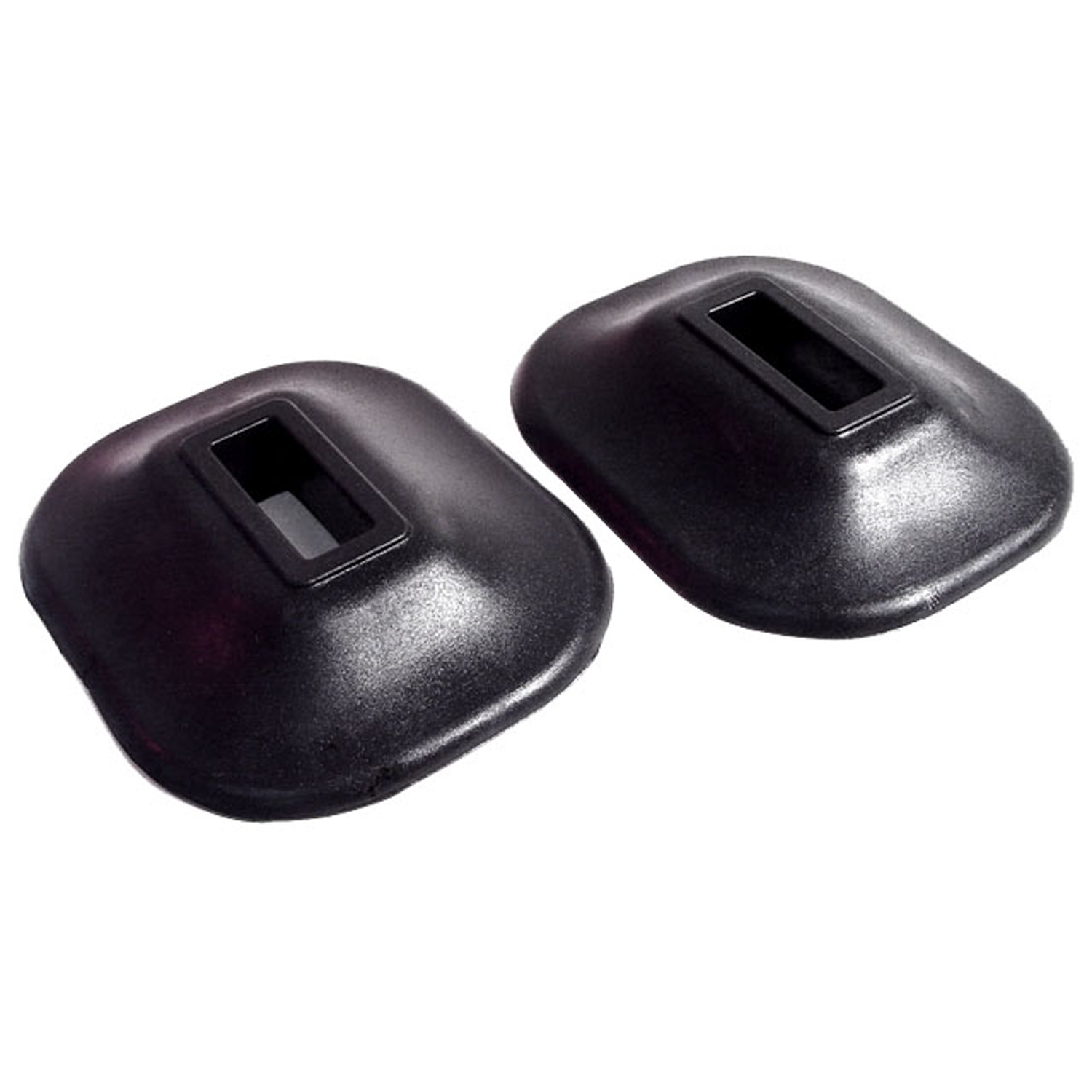 1953 Willys Aero Ace Front and Rear Bumper Arm Grommets-BG 62Front and Rear Bumper Arm Grommets. 3-1/8" wide X 3-7/8" long, with 1-3/8" long inner slot. Pair
 1953 Willys Aero Ace Shock Absorber Grommet. 1" bottom O.D-BN 11Shock Absorber Grommet. 1" bottom O.D., 3/4" high, with 5/8" I.D. Each
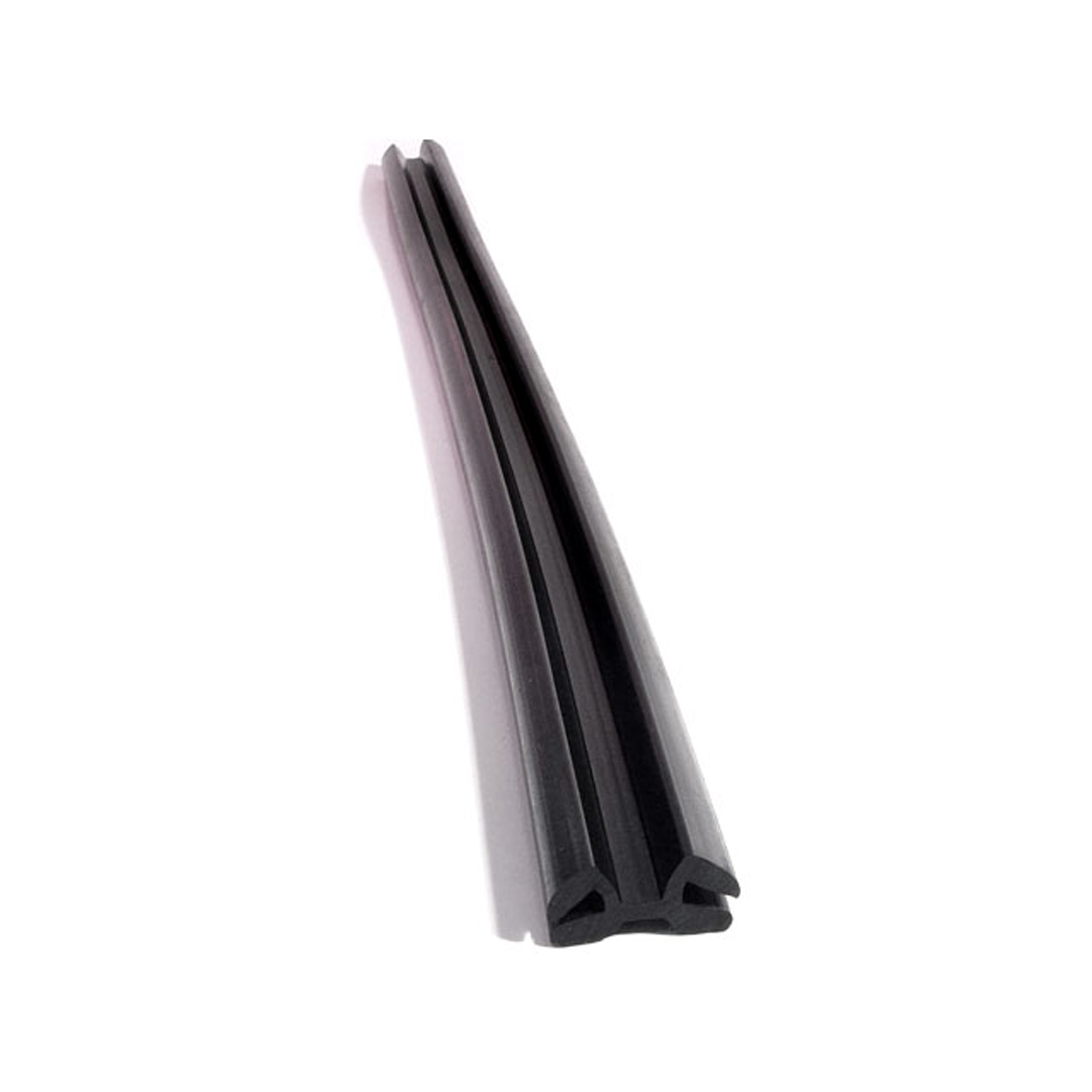 1953 Willys Aero Ace Center Division Bar Seal. 20" piece, to be cut to length-DP 40Center Division Bar Seal. 20" piece, to be cut to length. Each
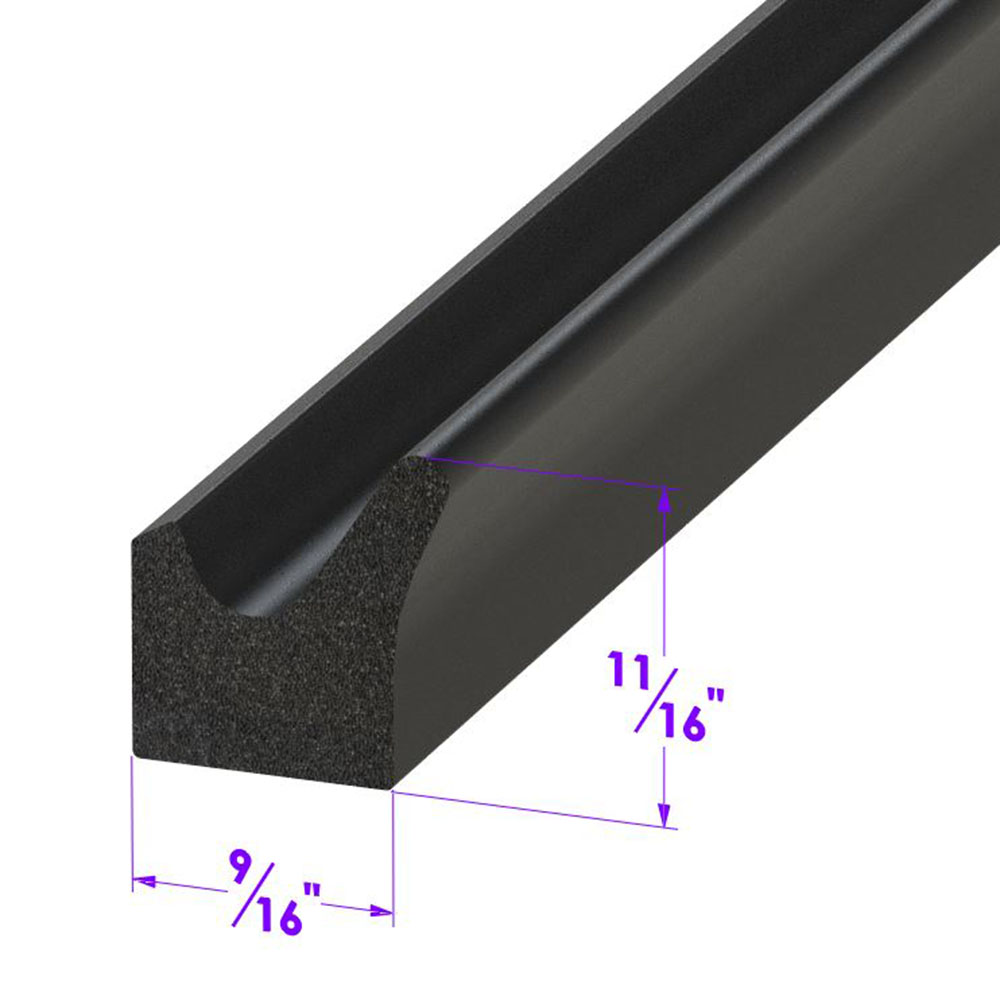 1953 Willys Aero Ace Door side seal. Same as LP 40-A, but for a heavier seal-LP 40Door side seal. Same as LP 40-A, but for a heavier seal. Fits many domestic passenger cars and trucks. Used in Cobra kit cars as trunk weatherstrip. Per foot.
 1953 Willys Aero Ace Door side seal. Same as LP 40, but for a lighter seal-LP 40-ADoor side seal. Same as LP 40, but for a lighter seal. Fits many domestic passenger cars and trucks. Universal seal for street rods and customs. Used in Cobra kit cars as door weatherstrip. Per foot.
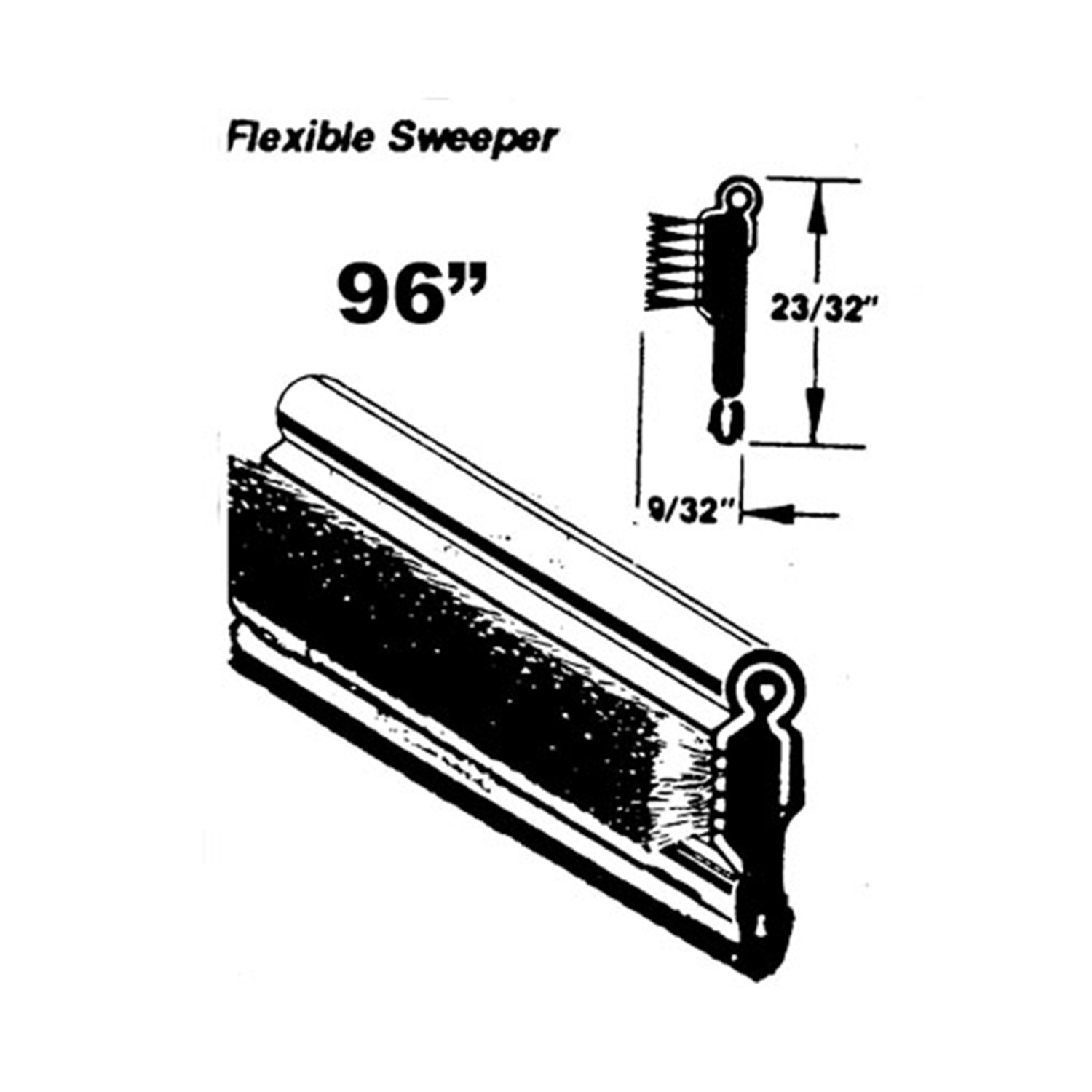 1953 Willys Aero Ace Flexible window sweeper. Made with stainless steel bead-WC 4-96Flexible window sweeper. Made with stainless steel bead. 96 in. long. Each. NOTE: $20 special shipping charge applies for domestic orders. Call or email for overseas shipping costs. Part can be sectioned in two or three equal lengths to reduce overseas shipping costs.
Why Choose Metro?
For over 100 years, Metro Moulded Parts has been the pinnacle of quality in classic car restoration parts. Our commitment to precision and authenticity in every component ensures a perfect fit and an OEM-level appearance.
- Expert Craftsmanship & Quality: Each part is a testament to our dedication to reliability and perfection, crafted from original designs and thoroughly tested.
- Advanced Technology: We use cutting-edge techniques to create flawless, long-lasting parts that surpass others in performance.
- SuperSoft Sponge – The Ultimate Door Seal: Not only are our door seals 30% softer than competitors', but they're also guaranteed to never leak. They effectively reduce wind and road noise, enhancing your classic car's comfort and driving experience.
- Proudly American: Our parts are a product of American craftsmanship, made in the USA with a spirit of excellence and heritage.
- Unrivaled Warranty: We back our products with a 30-year industry-leading warranty, a testament to our confidence in their quality.
Join us in preserving the legacy of classic cars with parts that are crafted for perfection, not just made.