

Image of 1953 Willys Aero Eagle, Note: These illustrations use artistic license and may differ from actual historical models.
Performance Metrics
Fundamental Metrics
Emotional Appeal
MMP Rating
| Engine Specifications | |
|---|---|
| Engine: | Inline 6 |
| Displacement: | 161 cubic inches |
| Horsepower: | Estimated 75-90 hp |
| Torque: | 125 lb-ft |
| Compression Ratio: | Estimated 7.0:1 |
| Ignition System: | Distributor and coil |
| Cooling System: | Liquid-cooled |
| Performance Specifications | |
| 0-60 Time: | Information not available |
| 1/4 Mile Time: | Information not available |
| Top Speed: | 85 mph |
| Transmission and Drive | |
| Drive Type: | Rear-wheel drive |
| Transmission Type: | 3-speed manual |
| Fuel and Efficiency | |
| Fuel System Type: | Carburetor |
| MPG: | Information not available |
| Dimensions and Brakes | |
| Brakes: | Drum brakes |
| Wheelbase: | 108 inches |
| Weight: | 2,700 lbs |
Note: Specifications for classic cars are given to the best of our ability, considering the limited and variant data available.
1953 Willys Aero Eagle: A Compact American Original
The 1953 Willys Aero Eagle brought sleek hardtop styling and six-cylinder power to a market increasingly dominated by larger, heavier American cars. Built by Willys-Overland, the Aero was a compact passenger car with a distinctive place in the company’s history: it showed that the maker best known for rugged Jeeps could also build a refined, road-going family car.
The Aero arrived for 1952, developed under chief engineer Clyde Paton. Its timing was significant. Postwar buyers were ready for new designs, but many still valued thrift and maneuverability as much as size and chrome. The Eagle sat near the top of the 1953 Aero range, pairing a two-door hardtop body with the line’s more powerful six-cylinder engine. A notable twist in its story came in 1953, when Kaiser acquired Willys-Overland. The Aero continued through the middle of the decade, but passenger-car production in the United States ended after 1955.
Aero Eagle Styling and Interior
The Aero Eagle looks lower and leaner than many full-size American cars of its era. Its rounded roofline flows into a short rear deck, while a slim front grille, sculpted fenders, and restrained brightwork give the body a clean, almost European profile. The hardtop’s uninterrupted side glass adds to the airy look, especially with the windows lowered. It is compact without appearing plain, and its proportions make it instantly recognizable beside the broad, finned sedans that soon became the American norm.
Inside, the Eagle offered a more upscale setting than the basic Aero models. Upholstery and trim varied with color and equipment, but buyers could expect patterned cloth or vinyl surfaces, coordinated door panels, and bright accents rather than the bare-bones feel of a utility vehicle. The cabin was designed to be comfortable and practical, with good outward visibility and a straightforward dashboard. Materials were appropriate to a mid-priced early-1950s car, though they do not have the heavy, plush feel of some larger luxury models.
Paint choices varied by model year and trim, and two-tone combinations suited the Eagle’s hardtop roofline particularly well. Period colors ranged from subdued neutrals to more vivid greens, blues, and reds. Exact names and combinations can differ across paint charts and surviving cars, so buyers restoring one should verify colors against factory documentation rather than relying only on a modern color match.
The 1953 Aero family included several trims and body configurations, with two-door and four-door sedans among the choices. The Eagle’s signature form was the two-door hardtop, which combined a sporty roofline with the convenience of a closed car. That body style is the most visually distinctive and the one most often associated with the Eagle name.
Engineering Ahead of Its Size
The Aero’s compact dimensions were part of its appeal, but the engineering mattered too. Its unitized, or unibody, construction helped keep weight down and made the car feel more modern than a traditional body-on-frame design. Independent front suspension improved ride and steering response over rough pavement, while a conventional rear leaf-spring setup kept the back end durable and straightforward to service. Four-wheel drum brakes were typical for the period.
In a decade when many American manufacturers were chasing ever-larger bodies and engines, Willys offered a lighter car with a relatively efficient footprint. The Aero was not the only compact American car of its time, but its blend of modest size, six-cylinder power, and upscale hardtop styling gave it a distinctive identity. The concept also proved adaptable: Willys Aero designs later found a longer life in Brazil, where Willys-Overland do Brasil developed the model into locally built cars.
1953 Willys Aero Eagle Performance
The Eagle was powered by Willys’ 161-cubic-inch (about 2.6-liter) F-head “Hurricane” inline-six. Period specifications commonly list output at about 90 horsepower, though published figures can vary with the source and rating method. A three-speed manual transmission was standard, with overdrive available on some cars. The Eagle was a light car for its class, which helped it make useful progress without needing a large-displacement engine.
Willys did not widely publish modern-style acceleration figures for every trim, so performance numbers should be treated as estimates. A sound, correctly tuned example might reach 60 mph in roughly 16 to 19 seconds, with a top speed in the neighborhood of 85 to 90 mph. Actual results depend on engine condition, gearing, tires, altitude, and whether the car has overdrive. It was built for comfortable everyday travel, not drag-strip numbers.
On the road, the Aero feels compact and relatively light. Its independent front suspension helps soften ordinary bumps, while the short overall length makes it easier to place on narrow streets than a full-size contemporary. The steering and brakes are from another era, so they require more attention and planning than modern systems. On winding roads, the car is enjoyable at a measured pace, but its narrow tires, modest braking capacity, and period suspension reward smooth inputs rather than aggressive driving.
The six has a purposeful, slightly mechanical sound rather than the deep rumble of a large V8. The manual gearbox keeps the driver involved, and the optional overdrive can reduce engine speed on suitable roads. Expect a relaxed, deliberate driving experience: the Eagle feels nimble by early-1950s American standards, but it is still a vintage car that benefits from sensible speeds and generous stopping distance.
Living With an Aero Eagle
Today, most Aero Eagles are used as show cars, weekend cruisers, or members of a Willys collection. A well-sorted example can still be driven on local roads, but finding correct parts and keeping the car reliable takes more planning than it would for a common Chevrolet or Ford of the same year.
The basic mechanical layout is relatively approachable for an experienced home mechanic. Routine jobs such as ignition service, carburetor adjustment, and brake maintenance are familiar to classic-car specialists. The challenge is often locating model-specific components, trim pieces, glass, and interior materials. Before buying, inspect the unitized body carefully for rust and poorly repaired structural damage. Also check the cooling system, wiring, brakes, transmission, and availability of parts for the exact engine and trim.
Reliability depends heavily on previous maintenance. The Hurricane six can be durable when kept in good condition, but age-related problems, neglected cooling systems, worn electrical components, and long periods of storage can turn a bargain purchase into a substantial project. A car with a documented restoration and a supply of spare parts is often a better choice than a cheaper example with missing trim and uncertain mechanical history.
Willys Aero Eagle Facts and Myths
The Eagle’s most memorable distinction is not a racing trophy or a speed record. It is the unusual combination of a compact American chassis and a premium two-door hardtop body. The Aero was also part of Willys’ final chapter as a U.S. passenger-car maker, while the company’s Jeep business continued to grow. Its later Brazilian life is a reminder that the design had appeal beyond the short run of American production.
There is no widely recognized high-profile celebrity ownership story or major motorsport record attached specifically to the 1953 Aero Eagle. Its significance is quieter: it represents a practical alternative to the increasingly large cars of its era and preserves an important link between Willys’ passenger-car engineering and its better-known Jeep legacy.
Common criticisms include modest acceleration by modern standards, limited parts availability, and less abundant restoration information than for mainstream Detroit models. Some drivers also find the brakes and steering heavy compared with newer cars. Those drawbacks are balanced by distinctive styling, an engaging manual-transmission experience, and a level of rarity that makes an Eagle stand out at a classic-car gathering.
Collector Value and Rarity
Exact production figures for the 1953 Aero Eagle are difficult to pin down, and dependable model-by-model totals are not consistently available. Willys produced roughly 41,000 Aero cars across the range in 1953, but that figure includes multiple models and body styles. A reasonable broad estimate is that Eagle production amounted to several thousand cars, rather than the full yearly total. Surviving examples are far less common today, particularly complete, well-restored hardtops.
As a practical 2026 market estimate, a project car may sell for around $3,000 to $8,000, depending on completeness and rust. A running driver in presentable condition might fall in the $8,000 to $18,000 range. A carefully restored, highly original, or especially well-documented example could bring roughly $20,000 to $30,000 or more. These are guide ranges, not guaranteed appraisals: condition, location, originality, and the availability of the right buyer have a major effect on price.
Aero values have generally been steadier and more niche than those of better-known 1950s American classics. The Eagle’s rarity and distinctive shape support collector interest, but its smaller enthusiast base can limit rapid price growth. Exceptional cars may appreciate, while ordinary drivers tend to track the broader classic-car market. Buying for enjoyment and condition is usually wiser than counting on a quick investment return.
Why the 1953 Aero Eagle Still Matters
The 1953 Willys Aero Eagle is a compact hardtop with a story larger than its size. Its clean styling, lightweight construction, six-cylinder power, and practical road manners offered a different answer to postwar motoring than the big-car formula. Add Willys’ unusual history, the Eagle’s limited numbers, and its Brazilian afterlife, and the car becomes more than a rare curiosity. It is a distinctive piece of American automotive history that still rewards owners willing to keep its uncommon details on the road.
1953 Willys Aero Eagle Catalog of Parts
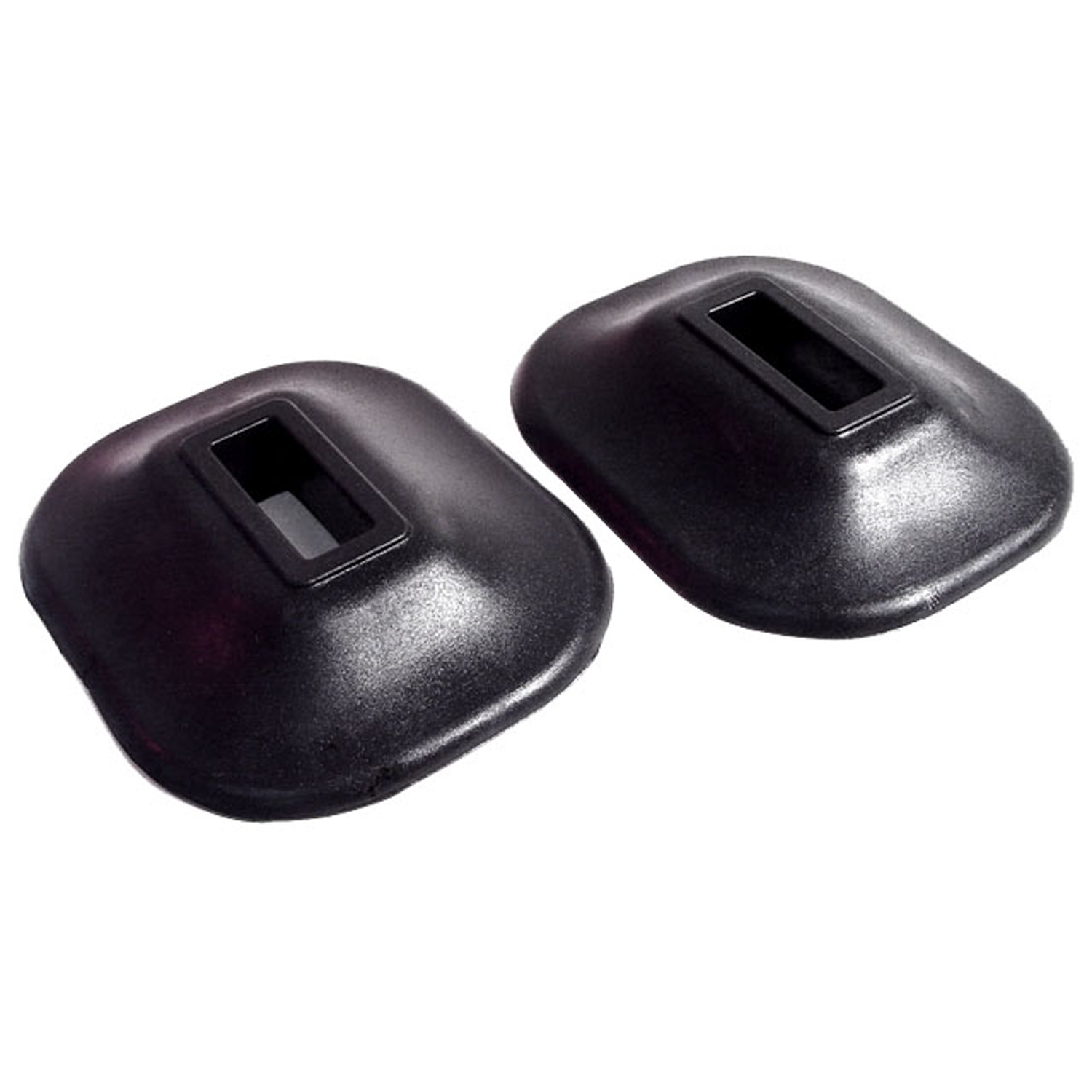 1953 Willys Aero Eagle Front and Rear Bumper Arm Grommets-BG 62Front and Rear Bumper Arm Grommets. 3-1/8" wide X 3-7/8" long, with 1-3/8" long inner slot. Pair
 1953 Willys Aero Eagle Shock Absorber Grommet. 1" bottom O.D-BN 11Shock Absorber Grommet. 1" bottom O.D., 3/4" high, with 5/8" I.D. Each
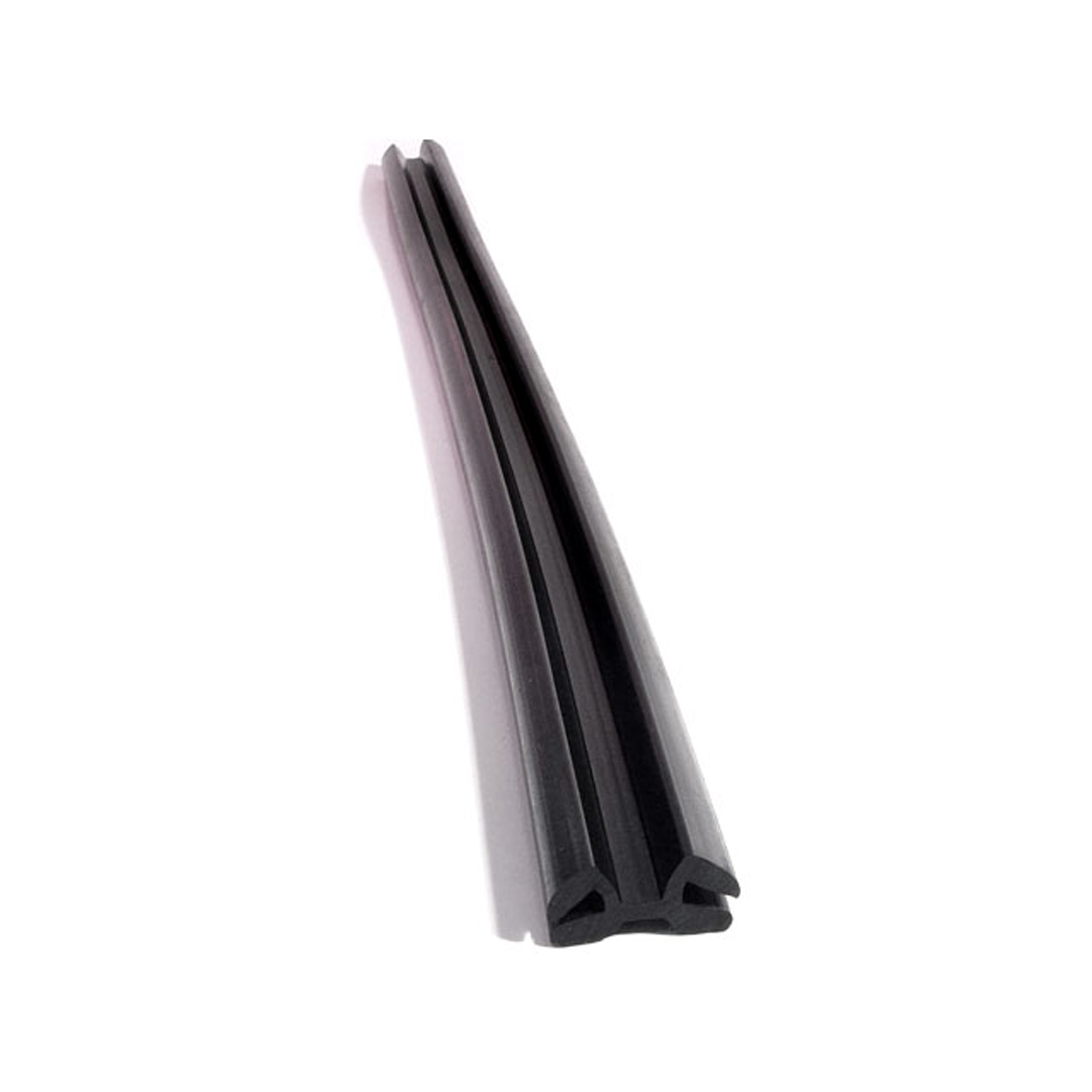 1953 Willys Aero Eagle Center Division Bar Seal. 20" piece, to be cut to length-DP 40Center Division Bar Seal. 20" piece, to be cut to length. Each
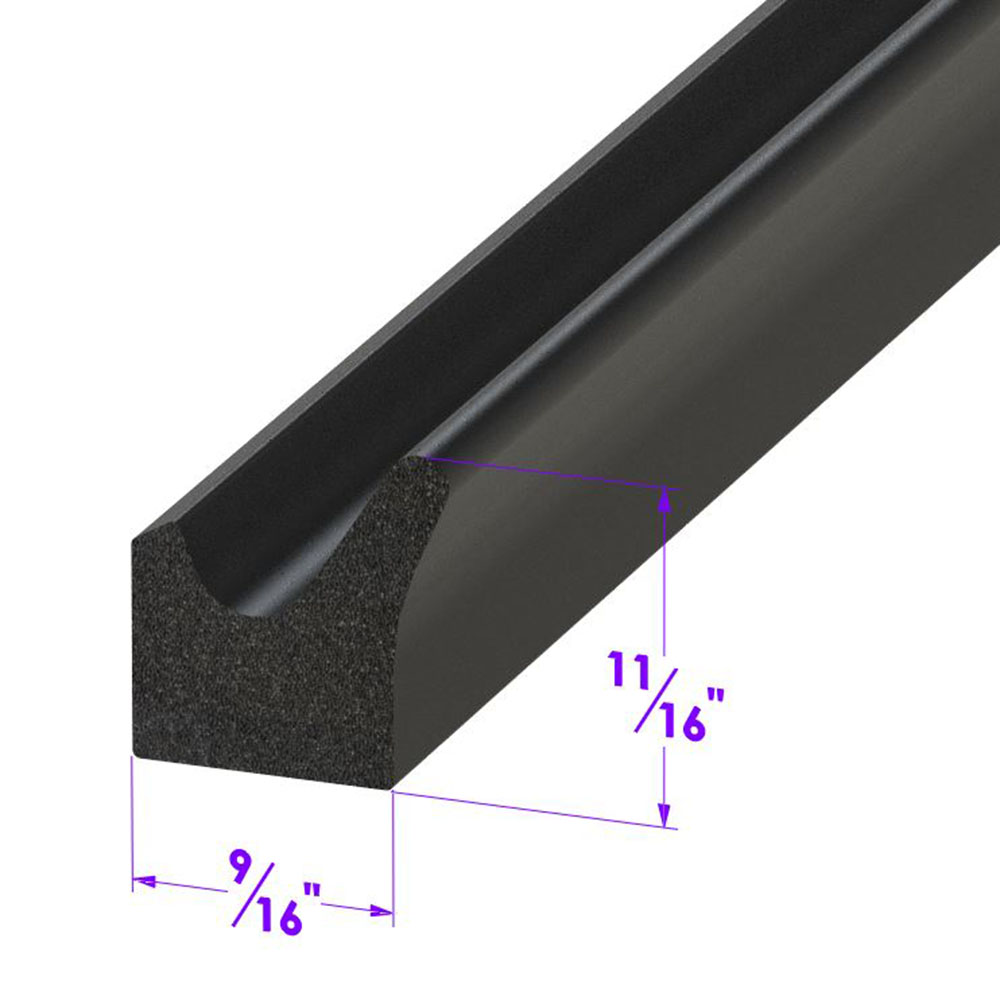 1953 Willys Aero Eagle Door side seal. Same as LP 40-A, but for a heavier seal-LP 40Door side seal. Same as LP 40-A, but for a heavier seal. Fits many domestic passenger cars and trucks. Used in Cobra kit cars as trunk weatherstrip. Per foot.
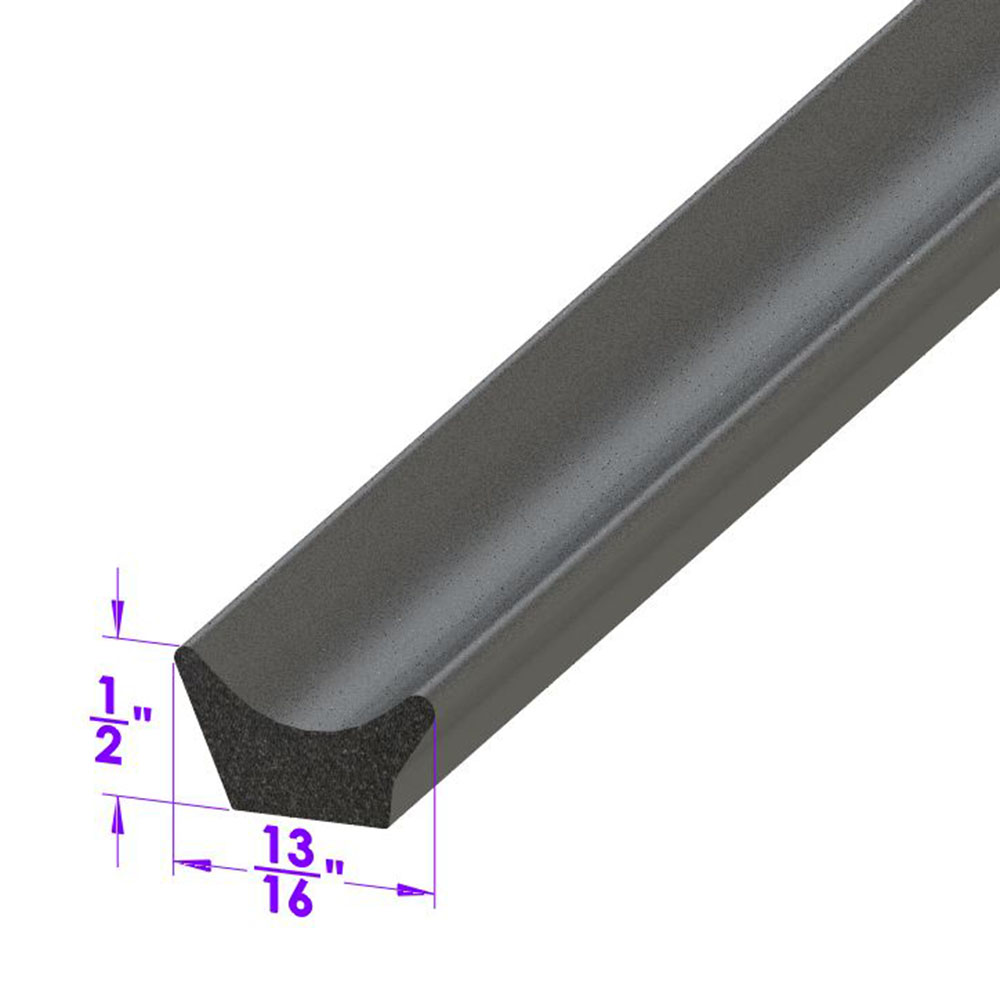 1953 Willys Aero Eagle Door side seal. Same as LP 40, but for a lighter seal-LP 40-ADoor side seal. Same as LP 40, but for a lighter seal. Fits many domestic passenger cars and trucks. Universal seal for street rods and customs. Used in Cobra kit cars as door weatherstrip. Per foot.
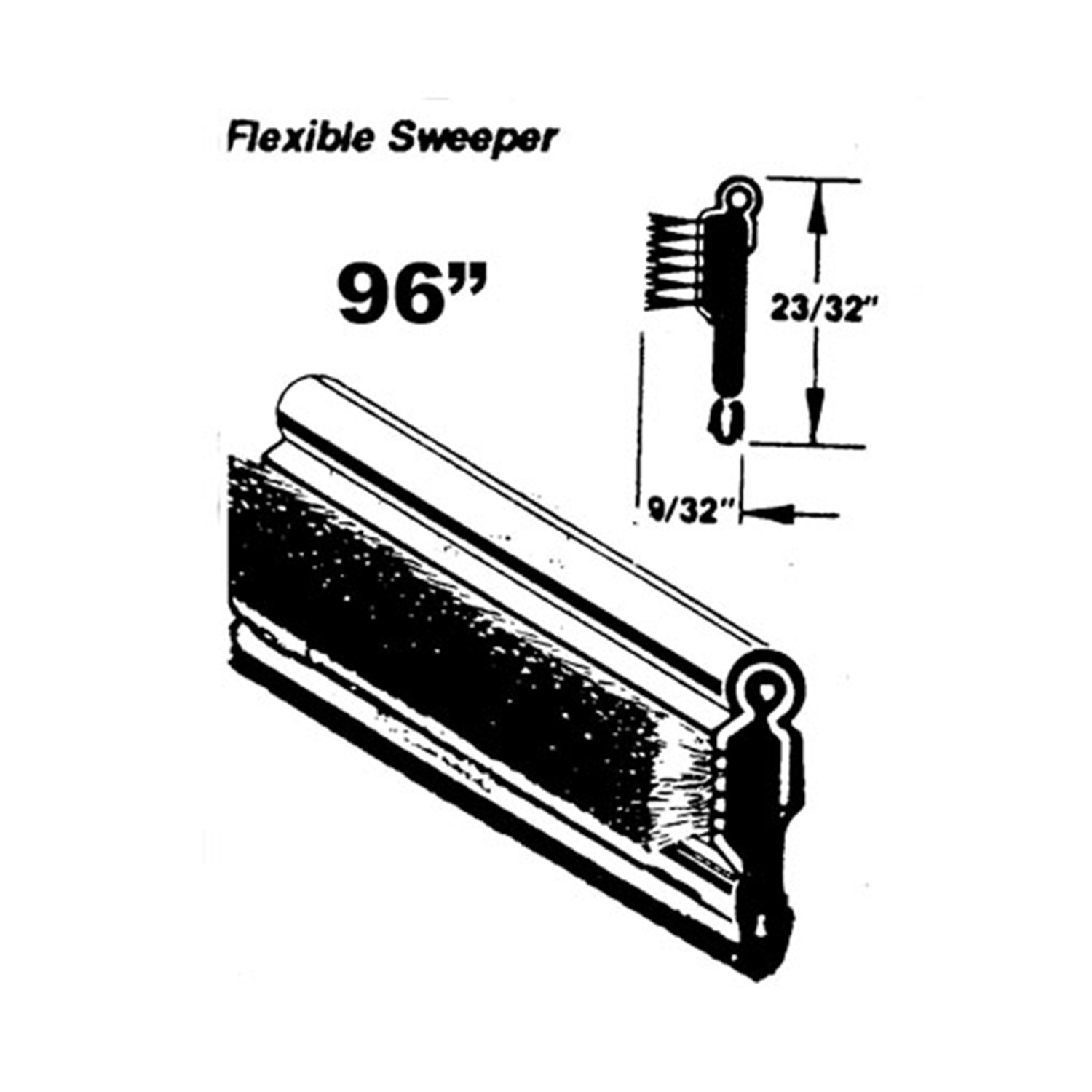 1953 Willys Aero Eagle Flexible window sweeper. Made with stainless steel bead-WC 4-96Flexible window sweeper. Made with stainless steel bead. 96 in. long. Each. NOTE: $20 special shipping charge applies for domestic orders. Call or email for overseas shipping costs. Part can be sectioned in two or three equal lengths to reduce overseas shipping costs.
Why Choose Metro?
For over 100 years, Metro Moulded Parts has been the pinnacle of quality in classic car restoration parts. Our commitment to precision and authenticity in every component ensures a perfect fit and an OEM-level appearance.
- Expert Craftsmanship & Quality: Each part is a testament to our dedication to reliability and perfection, crafted from original designs and thoroughly tested.
- Advanced Technology: We use cutting-edge techniques to create flawless, long-lasting parts that surpass others in performance.
- SuperSoft Sponge – The Ultimate Door Seal: Not only are our door seals 30% softer than competitors', but they're also guaranteed to never leak. They effectively reduce wind and road noise, enhancing your classic car's comfort and driving experience.
- Proudly American: Our parts are a product of American craftsmanship, made in the USA with a spirit of excellence and heritage.
- Unrivaled Warranty: We back our products with a 30-year industry-leading warranty, a testament to our confidence in their quality.
Join us in preserving the legacy of classic cars with parts that are crafted for perfection, not just made.