

Image of 1953 Willys Aero Lark, Note: These illustrations use artistic license and may differ from actual historical models.
Performance Metrics
Fundamental Metrics
Emotional Appeal
MMP Rating
| Engine Specifications | |
|---|---|
| Engine Options: | Inline 6-cylinder engine |
| Displacement Range: | 161 cubic inches |
| Horsepower Range: | 75-90 hp |
| Torque: | 125 lb-ft |
| Compression Ratio: | 7.4:1 |
| Ignition System: | Distributor and coil |
| Cooling System: | Liquid-cooled |
| Performance Specifications | |
| 0-60 Time: | Estimated 20 seconds |
| 1/4 Mile Time: | Not available |
| Top Speed: | 85 mph |
| Transmission and Drive | |
| Drive Type: | Rear-wheel drive |
| Transmission Type: | 3-speed manual |
| Fuel and Efficiency | |
| Fuel System Type: | Carburetor |
| MPG: | Estimated 20-25 mpg |
| Dimensions and Brakes | |
| Brakes: | Drum brakes |
| Wheelbase: | 108 inches |
| Weight: | 2,700 lbs |
Note: Specifications for classic cars are given to the best of our ability, considering the limited and variant data available.
1953 Willys Aero Lark: A Compact American Original
The 1953 Willys Aero Lark was a small car with a big idea: give American drivers the comfort and presence of a full-size sedan in a more compact, economical package. Built by Willys-Overland Motors in Toledo, Ohio, the Aero was one of the company’s boldest postwar ventures beyond its famous Jeep line. Sleek, relatively light, and built with unitized body construction, the Lark offered an unconventional alternative to the larger, heavier cars that dominated American roads.
The Aero arrived for the 1952 model year, when Willys was best known for utility vehicles and the civilian Jeep. Its passenger-car range included several trim levels, with the Aero Lark serving as an entry-level model. A notable detail is that the Aero’s story did not end with its short American run: the design later found a second life in Brazil, where the Aero became a familiar local car for years.
Compact Styling With a Low, Clean Profile
The Aero Lark has the tidy proportions of a car designed to make the most of its footprint. Its rounded hood flows into integrated front fenders, while the roofline slopes gently toward a rounded rear deck. The overall shape is low and streamlined by early-1950s standards, without the towering fins and heavy chrome trim that would soon become common on larger American cars. The grille, brightwork, and modest tail details give it a clear period identity without overwhelming its compact body.
Willys promoted the Aero’s unitized construction, in which the body and structural floor were integrated rather than mounted on a traditional separate frame. This approach helped keep the car relatively light and contributed to its solid feel. The Lark was typically a two-door sedan, a practical configuration that suited its economy-minded role. Exact body and equipment availability varied by model year and market, so surviving cars should be checked against factory literature and production records.
Inside, the Lark was simpler than the higher-trim Aero models, but it was still designed as a proper passenger car rather than a stripped utility vehicle. Period interiors commonly used durable cloth upholstery, painted or finished metal surfaces, and straightforward trim. The dashboard was functional and easy to read, with a conventional steering wheel and simple controls. Materials and upholstery patterns depended on trim and color selection, and many surviving cars have since been re-trimmed, so originality can be difficult to judge without documentation.
Factory paint choices changed over the model’s production life. Like other American cars of the period, the Aero could be ordered in a selection of solid colors, with particular shades and trim combinations depending on the year. Restored Larks are often seen in soft blues, greens, reds, cream tones, and darker colors that suit the car’s restrained styling. For an authentic restoration, consult a 1953 paint chart rather than relying on a color that simply looks period-correct.
Willys Engineering in a Passenger Car
The Aero’s most important innovation was not a flashy gadget. It was the way Willys combined compact dimensions, unitized construction, and useful passenger space in a mainstream American sedan. At a time when many domestic cars were growing larger and heavier, the Aero offered a more economical alternative with a relatively short wheelbase and a body that looked modern without relying on sheer size.
Depending on specification, the 1953 Aero Lark was powered by Willys’ 134-cubic-inch flathead four-cylinder engine, rated at about 75 horsepower, paired with a three-speed manual transmission. Equipment and engine availability could vary, and cars with different powertrains or options are sometimes described broadly as “Aero Larks” in modern listings. Buyers should confirm the engine and transmission on a specific car by inspecting its identification plates and period documentation.
Overdrive was available on some Aero configurations and could make highway cruising more relaxed by lowering engine speed in top gear. The car also used familiar, serviceable mechanical components, an advantage for owners who preferred straightforward repairs over specialized equipment. Its modest size and light construction were central to the Aero’s character, not merely a way to make it look different.
What Set the Aero Apart
The Willys Aero occupied an unusual place in the American market. It was smaller than a typical Chevrolet, Ford, or Plymouth of the era, yet it was still a conventional sedan with room for everyday family use. That middle ground made it distinctive: the Aero was not a European import, not a Jeep, and not simply a scaled-down version of a full-size domestic car.
Its construction and proportions anticipated a broader postwar interest in lighter, more efficient cars. The Aero did not single-handedly transform American design, and its short U.S. production run limited its influence at home. Still, it demonstrated that an independent manufacturer could offer a modern, compact unibody sedan while the industry’s largest players concentrated on larger models. Its later success in Brazil further underlined the adaptability of the basic design.
On the Road: Modest Power, Honest Manners
With roughly 75 horsepower in four-cylinder form, the Aero Lark was built for sensible transportation rather than quick acceleration. Contemporary figures and modern estimates vary with engine condition, gearing, tires, and test method, but a sound example is generally expected to reach about 75 to 85 mph at the top end. A 0-to-60-mph run is likely to take roughly 20 to 25 seconds. Those are estimates, not guarantees, especially for a car that may be more than seventy years old and whose engine specification should be verified.
On smooth roads, the Lark feels light and manageable compared with a full-size American sedan of the same period. Its compact dimensions make it easier to place in traffic and easier to park. The suspension is tuned for comfort rather than sharp cornering, so bumps are absorbed with the gentle, compliant motion typical of an early-1950s car. On a winding road, expect slower steering response and more body movement than in a modern vehicle. It rewards a measured pace, not aggressive driving.
The driving experience is part of the appeal. The four-cylinder engine produces a steady, workmanlike note, while the manual transmission keeps the driver involved in choosing gears and managing the car’s modest power. The cabin is quieter and more substantial than a bare utility vehicle, but it does not isolate the driver from mechanical sounds. A well-maintained Lark feels direct and uncomplicated, with a period-correct ride that is best enjoyed at relaxed speeds.
Living With a 1953 Aero Lark
Today, most Aero Larks are used as show cars, weekend cruisers, or members of a collection focused on independent American manufacturers. A carefully maintained example can also handle occasional local driving, but modern traffic places demands on a 1950s car that it was not designed to meet. Braking distances, lighting, crash protection, and highway performance are all far behind current standards.
Routine maintenance is reasonably straightforward for an owner comfortable with older vehicles. The engine, manual gearbox, ignition, and basic electrical systems use familiar period technology, and many repairs can be approached with ordinary hand tools and a workshop manual. The more challenging work is often finding model-specific trim, body panels, glass, and correct interior pieces. Before buying, inspect the floor pans, rocker areas, lower doors, trunk, and structural seams for corrosion, and check that the engine, transmission, and brakes are in sound condition.
Parts availability is not as easy as it is for a Chevrolet or Ford from the same year. Some mechanical components may be shared with other Willys vehicles or obtainable through specialist suppliers, but rare trim and restoration parts can require patience. A complete, running car is often a better starting point than a cheap project with missing brightwork or major rust.
Little-Known Aero Lark Facts
The Aero was designed during a period when Willys was trying to broaden its business beyond military and civilian Jeeps. That made the Lark an important part of the company’s passenger-car strategy, even though it never achieved the sales scale of the Big Three. Its rarity today is partly a result of Willys’ limited production and the relatively small number of cars preserved through decades of use.
There is no widely recognized speed or endurance record associated specifically with the 1953 Aero Lark. Its significance is more about design, engineering, and survival as an independent American compact. The Aero also became an export and overseas-production story: a related model was built in Brazil under Willys-Overland do Brasil, where it enjoyed a far longer commercial life than the American version.
A common criticism is that the Lark’s four-cylinder performance can feel slow by modern standards, particularly on steep grades or fast highways. Its compact cabin and limited supply of model-specific parts can also make restoration challenging. On the other hand, the same qualities that once made it less mainstream now make it a conversation piece: it is recognizably American, yet unlike the familiar full-size classics at most shows.
Collector Values and Rarity
Exact production totals for the 1953 Aero Lark are not consistently reported in commonly available sources, and model-by-model counts can be difficult to verify. A reasonable broad estimate is that roughly 40,000 to 42,000 Aero cars of all types were produced for the 1953 model year, not all of them Larks. The number of surviving, identifiable Larks is much smaller, but a precise survivor count is not available.
As a practical U.S. market estimate, a project or non-running example might sell for about $3,000 to $8,000, depending heavily on completeness and rust. A usable driver or presentable older restoration could fall around $8,000 to $18,000. A high-quality, carefully documented restoration may bring approximately $20,000 to $30,000 or more when the right buyer is involved. These are broad guide ranges, not formal appraisals; location, originality, condition, and the availability of parts can move the price substantially.
The Aero Lark is a niche collectible rather than a mainstream investment car. Values tend to be steadier than those of heavily hyped classics, and top-quality examples may appreciate gradually as unusual independent marques gain attention. However, restoration costs can exceed market value, so buying the best complete car available is often wiser than expecting a project to deliver a financial return.
Why the 1953 Willys Aero Lark Still Matters
The 1953 Willys Aero Lark brought compact dimensions, unitized construction, and practical passenger-car comfort together at a time when American cars were generally getting bigger. It was not the fastest or most lavish sedan of its era, but it offered a distinctive alternative from a manufacturer better known for rugged utility vehicles. Its unusual combination of modest size, straightforward engineering, and lasting international story gives it a place beyond simple novelty.
For collectors, the Lark is a reminder that the history of American motoring was shaped by more than the biggest names. Find a sound example, take the time to learn its details, and this small Willys can make a surprisingly large impression.
1953 Willys Aero Lark Catalog of Parts
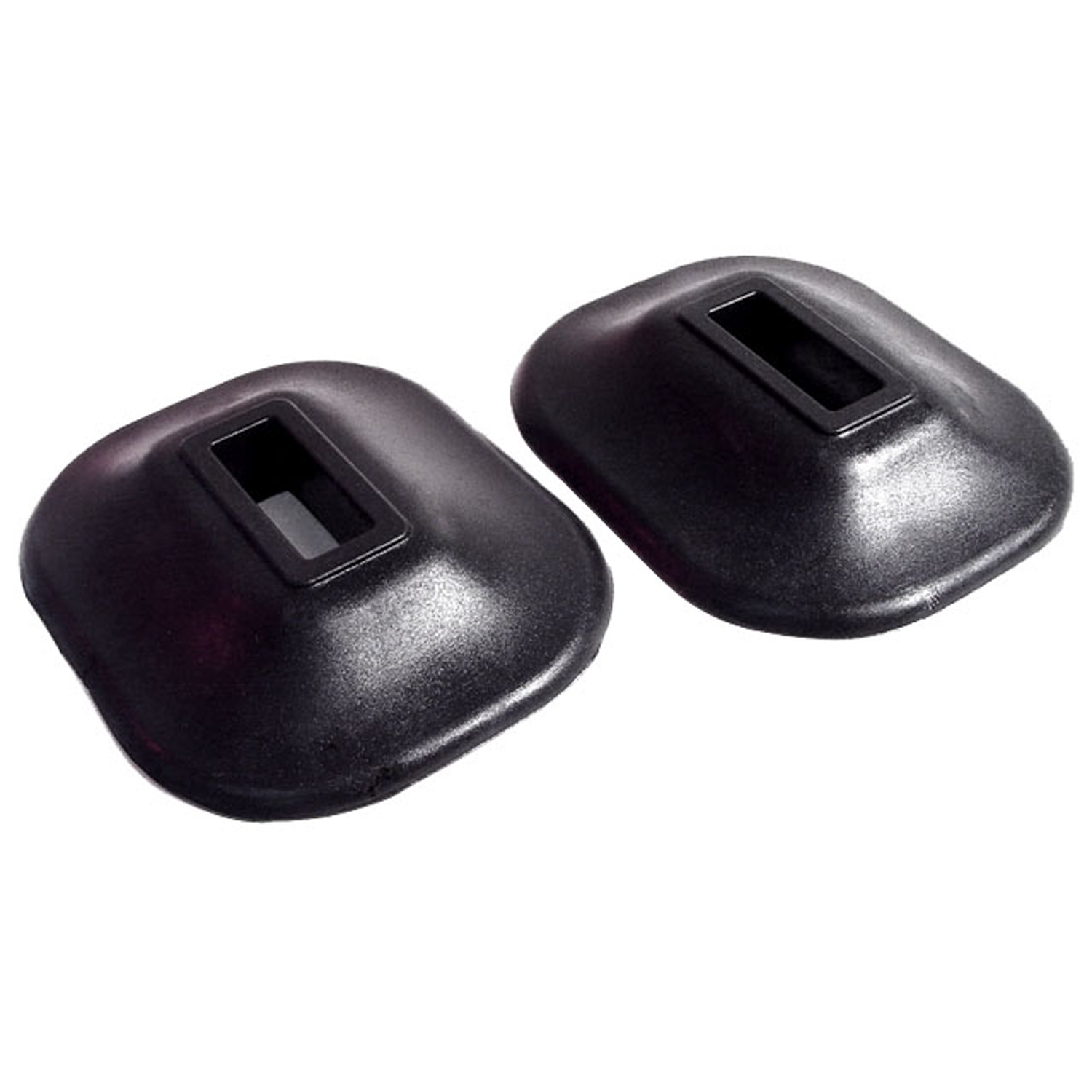 1953 Willys Aero Lark Front and Rear Bumper Arm Grommets-BG 62Front and Rear Bumper Arm Grommets. 3-1/8" wide X 3-7/8" long, with 1-3/8" long inner slot. Pair
 1953 Willys Aero Lark Shock Absorber Grommet. 1" bottom O.D-BN 11Shock Absorber Grommet. 1" bottom O.D., 3/4" high, with 5/8" I.D. Each
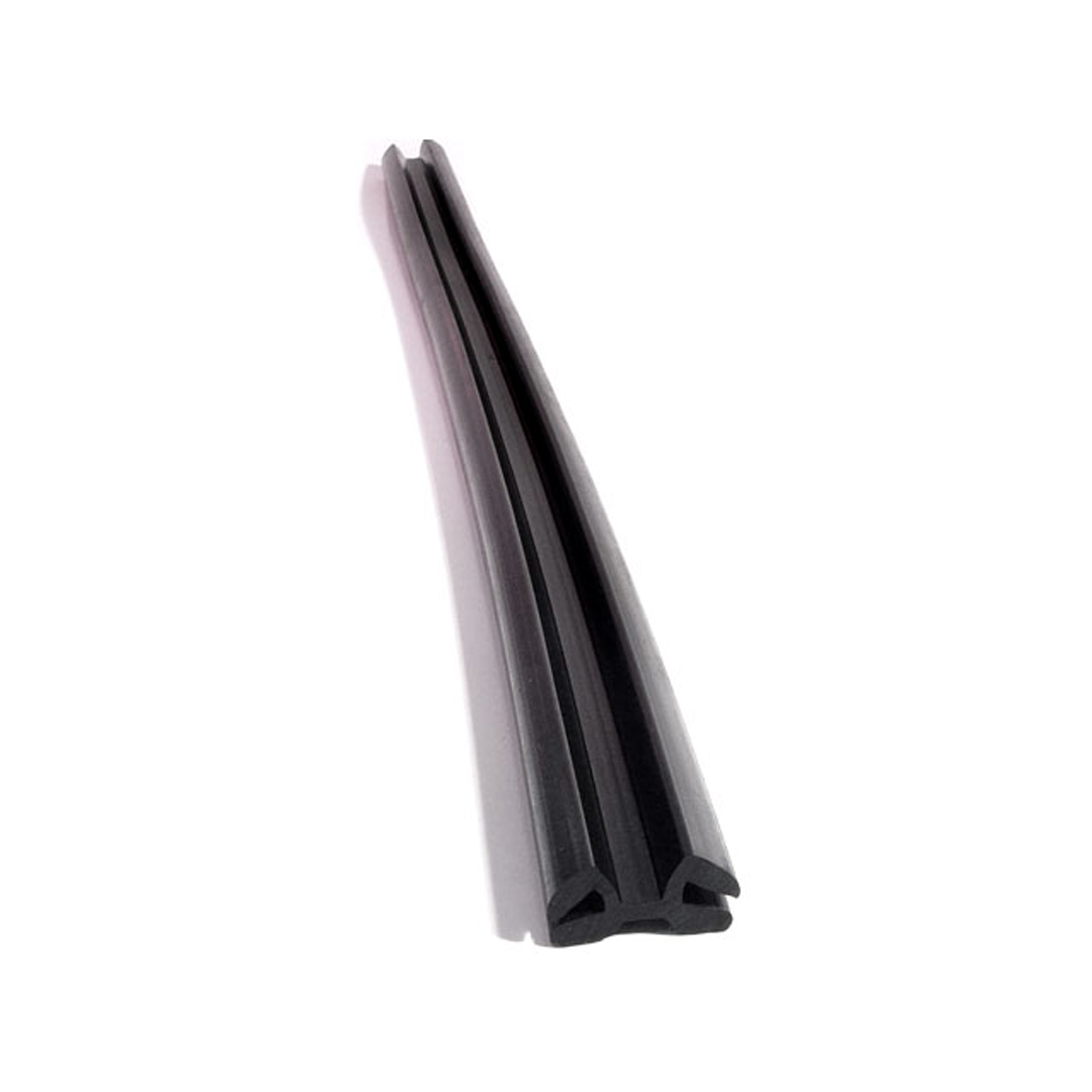 1953 Willys Aero Lark Center Division Bar Seal. 20" piece, to be cut to length-DP 40Center Division Bar Seal. 20" piece, to be cut to length. Each
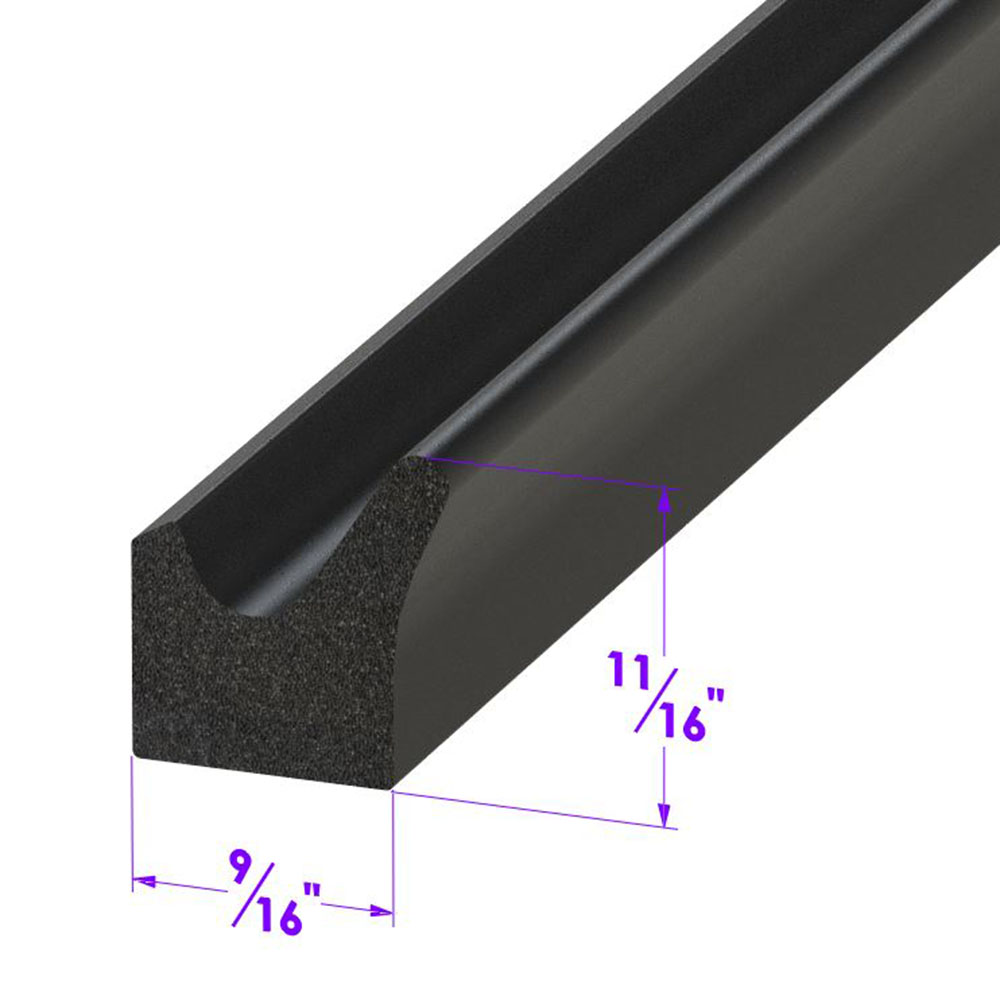 1953 Willys Aero Lark Door side seal. Same as LP 40-A, but for a heavier seal-LP 40Door side seal. Same as LP 40-A, but for a heavier seal. Fits many domestic passenger cars and trucks. Used in Cobra kit cars as trunk weatherstrip. Per foot.
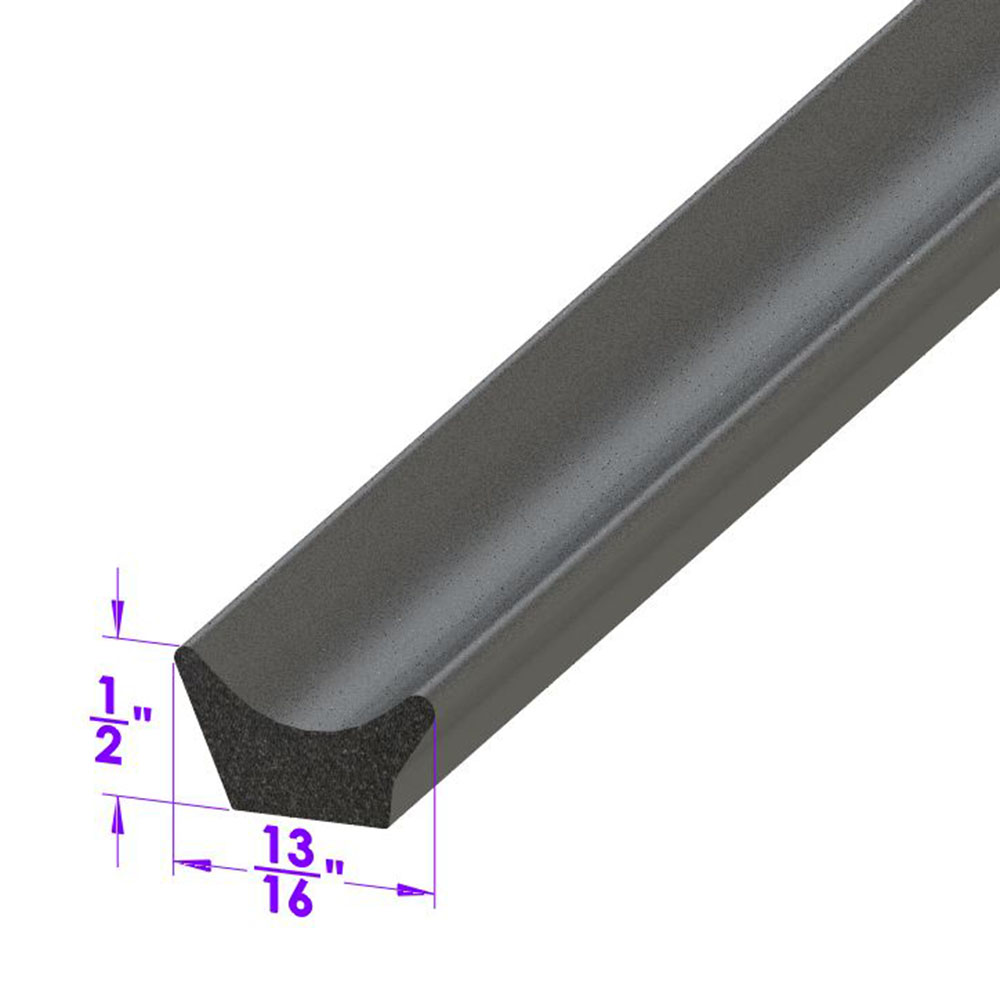 1953 Willys Aero Lark Door side seal. Same as LP 40, but for a lighter seal-LP 40-ADoor side seal. Same as LP 40, but for a lighter seal. Fits many domestic passenger cars and trucks. Universal seal for street rods and customs. Used in Cobra kit cars as door weatherstrip. Per foot.
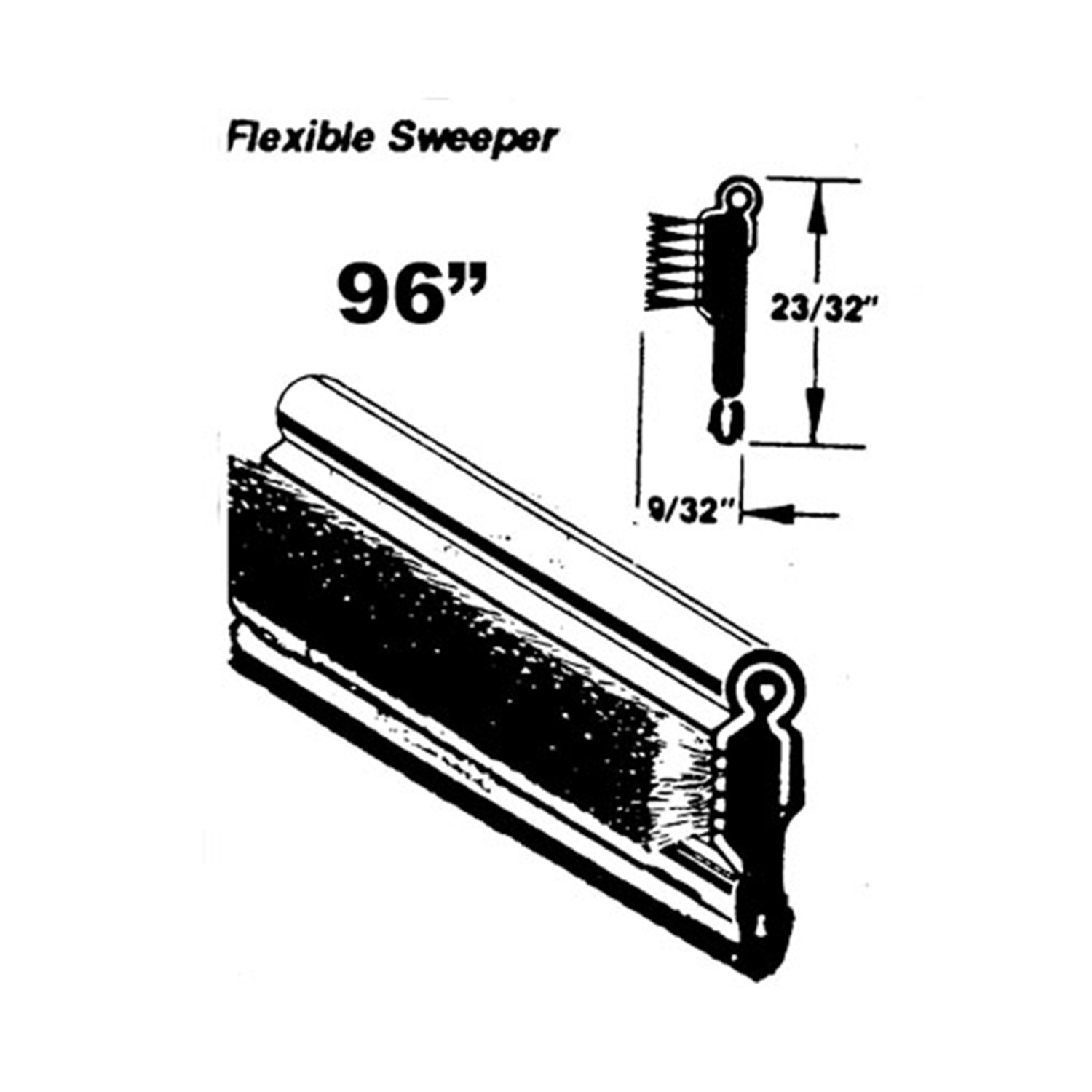 1953 Willys Aero Lark Flexible window sweeper. Made with stainless steel bead-WC 4-96Flexible window sweeper. Made with stainless steel bead. 96 in. long. Each. NOTE: $20 special shipping charge applies for domestic orders. Call or email for overseas shipping costs. Part can be sectioned in two or three equal lengths to reduce overseas shipping costs.
Why Choose Metro?
For over 100 years, Metro Moulded Parts has been the pinnacle of quality in classic car restoration parts. Our commitment to precision and authenticity in every component ensures a perfect fit and an OEM-level appearance.
- Expert Craftsmanship & Quality: Each part is a testament to our dedication to reliability and perfection, crafted from original designs and thoroughly tested.
- Advanced Technology: We use cutting-edge techniques to create flawless, long-lasting parts that surpass others in performance.
- SuperSoft Sponge – The Ultimate Door Seal: Not only are our door seals 30% softer than competitors', but they're also guaranteed to never leak. They effectively reduce wind and road noise, enhancing your classic car's comfort and driving experience.
- Proudly American: Our parts are a product of American craftsmanship, made in the USA with a spirit of excellence and heritage.
- Unrivaled Warranty: We back our products with a 30-year industry-leading warranty, a testament to our confidence in their quality.
Join us in preserving the legacy of classic cars with parts that are crafted for perfection, not just made.