

Image of 1953 Willys Jeep Cj3a, Note: These illustrations use artistic license and may differ from actual historical models.
Performance Metrics
Fundamental Metrics
Emotional Appeal
MMP Rating
| Engine Specifications | |
|---|---|
| Engine: | L134 Go Devil I4 |
| Displacement: | 134.2 cu in (2.2 L) |
| Horsepower: | 60 hp |
| Torque: | 105 lb-ft |
| Compression Ratio: | 6.48:1 |
| Ignition System: | 6-volt electrical system |
| Cooling System: | Liquid-cooled |
| Performance Specifications | |
| 0-60 Time: | Not available due to the vehicle's age and purpose |
| 1/4 Mile Time: | Not available due to the vehicle's age and purpose |
| Top Speed: | 60 mph |
| Transmission and Drive | |
| Drive Type: | 4WD |
| Transmission Type: | 3-speed manual |
| Fuel and Efficiency | |
| Fuel System Type: | Carburetor |
| MPG: | 17 mpg |
| Dimensions and Brakes | |
| Brakes: | Drum brakes |
| Wheelbase: | 80 in (2,032 mm) |
| Weight: | 2,100 lbs |
Note: Specifications for classic cars are given to the best of our ability, considering the limited and variant data available.
1953 Willys Jeep CJ-3A: The Civilian Jeep Comes of Age
The 1953 Willys Jeep CJ-3A is a compact, open-sided 4x4 built for work first and almost everything else second. Its upright grille, flat fenders, simple cabin, and short wheelbase made it instantly recognizable, while its rugged mechanicals helped establish the civilian Jeep as a practical tool for farms, forestry, construction, and recreation.
Willys-Overland introduced the CJ-3A in 1949 as the successor to the CJ-2A. The “CJ” stood for Civilian Jeep, distinguishing the model from wartime military Jeeps and military derivatives. The 1953 model year was the CJ-3A’s final year. That same year, Kaiser acquired Willys-Overland, and the new CJ-3B arrived with a taller hood to accommodate a different engine. The CJ-3A therefore represents the end of an important chapter in Willys’ postwar Jeep story.
A useful point of distinction: the CJ-3A was a civilian model, not the U.S. military’s M38. The M38 shared much of its basic layout but had military-specific equipment and construction details. That close relationship is part of what makes the CJ-3A such an interesting bridge between wartime utility and postwar civilian motoring.
Flat-Fender Style and Practical Cabin
The CJ-3A’s design is wonderfully direct. A short, flat hood meets a vertical seven-slot grille, with rounded front fenders that leave the wheels exposed. Its upright windshield and nearly vertical body panels favor visibility and easy access over aerodynamic polish. At roughly 80 inches of wheelbase, it looks compact even beside many modern small SUVs.
One of the model’s identifying features is its one-piece windshield, an update from the split windshield used on the CJ-2A. The open body had no fixed doors as standard, and the basic cabin was built around simple, durable steel surfaces. Seats were plain and functional, typically trimmed in practical materials rather than plush upholstery. Depending on equipment and restoration choices, a CJ-3A might have a canvas top, side curtains, doors, or a hardtop, but none of those turned it into a quiet, weather-sealed car.
Factory paint choices varied by year and specification. Period examples could be found in shades such as green, red, yellow, and neutral tones. Today, restored CJ-3As are also commonly seen in military-inspired olive drab, though that look should not automatically be taken as a factory civilian color. The most iconic configuration remains the open, flat-fender Jeep with a canvas top and simple steel wheels.
The CJ-3A was fundamentally an open-body utility vehicle rather than a range of distinct passenger-car body styles. Willys and aftermarket suppliers offered useful equipment such as tops, heaters, power takeoffs, winches, and agricultural attachments. A rear PTO or a front-mounted winch could turn the Jeep into a small work platform, while a canvas top made it more usable in poor weather.
Simple Technology, Serious Utility
Under the hood sat Willys’ 134.2-cubic-inch “Go-Devil” inline-four, a flathead engine producing about 60 horsepower. Its reputation rested less on high output than on a sturdy, straightforward design that could be serviced without specialized equipment. A three-speed manual transmission worked with a two-speed transfer case, allowing the driver to select four-wheel drive and low range when conditions called for extra traction or crawling ability.
That mechanical simplicity was a meaningful advantage in the early 1950s. The CJ-3A did not rely on complicated electronics or elaborate comfort systems. Its controls, drivetrain, and body structure were easy to understand, and many routine repairs could be carried out with ordinary tools. Its four-wheel-drive layout and low gearing gave it abilities that ordinary rear-wheel-drive cars and light trucks could not match on rough ground.
Why the CJ-3A Mattered
The CJ-3A helped define the civilian 4x4 as a useful everyday machine, not just a military vehicle. It brought wartime Jeep ideas into postwar life, where compact size, low-speed control, and accessible mechanicals mattered more than passenger comfort or highway refinement. Farmers could use one around a property, utility crews could reach difficult locations, and outdoor enthusiasts could explore tracks that were impassable to conventional cars.
Its influence is visible in the generations of short-wheelbase Jeeps that followed. The basic recipe, an open body, upright seating, selectable four-wheel drive, and a low-range transfer case, became central to the Jeep identity. The CJ-3A also helped prove that a small 4x4 could serve both as a work vehicle and as a recreational companion, a combination that later became a defining feature of the sport-utility market.
Go-Devil Performance and Trail Manners
With around 60 horsepower and a boxy, open body, the CJ-3A was never built for fast highway travel. Period performance figures vary with gearing, tires, vehicle condition, and testing method, but a top speed in the neighborhood of 60 to 65 mph is often cited. A 0-to-60-mph run could take roughly 30 seconds or more, and many examples feel happiest at moderate speeds rather than being pushed to modern traffic pace.
On a rough trail, the Jeep’s short wheelbase, low gearing, and four-wheel drive come into their own. It can pick through uneven ground and climb slowly with a level of control that its modest engine output might not suggest. On washboard roads or large bumps, however, the basic suspension and short wheelbase make the ride lively. On windy roads, the tall, upright body and steering that feels less precise than a modern vehicle call for a relaxed pace and attentive driving.
From behind the wheel, the CJ-3A is an involving experience. The flathead four produces a steady, mechanical putter, with engine and tire noise always close by. The seating position is upright, the controls are uncomplicated, and the driver feels connected to the road, the weather, and the terrain. It is charming at sensible speeds, but it lacks modern conveniences such as power steering, effective sound insulation, and contemporary crash protection.
Living With a 1953 CJ-3A
Today, CJ-3As are most often used as weekend trail vehicles, farm runabouts, parade participants, and show cars. Some owners keep them close to their original working specification, while others add practical upgrades such as improved lighting, modern seat belts, or discreetly updated ignition components. Modifications can improve usability, but collectors generally value correct, well-preserved examples.
Maintenance is approachable for an owner comfortable with basic mechanical work. The engine and drivetrain are comparatively simple, and replacement parts and specialist support remain available. The main challenges are familiar to vintage utility vehicles: rust in the body and frame, worn steering and suspension components, tired brakes, electrical problems, and parts that have been altered or mixed during decades of repairs. A careful inspection matters more than a shiny paint job, especially around the frame, body mounts, floor, and drivetrain.
For regular road use, owners should also account for the Jeep’s age and limitations. Braking distances, lighting, handling, and occupant protection are far behind those of a modern vehicle. A well-maintained CJ-3A can be dependable for the kind of low-speed work and recreational driving it was designed to do, but it is best treated as a classic utility vehicle rather than a contemporary daily driver.
Notable CJ-3A Facts
Approximately 131,843 CJ-3As were produced across the model’s 1949-to-1953 production run. That figure refers to the entire run, not just the 1953 model year, and it does not indicate how many survive today. The CJ-3A also provided the basic civilian foundation for the military M38, though the military version received its own equipment and specifications.
There is no widely recognized production-car speed record associated with the CJ-3A. Its achievements were more practical than glamorous: reaching remote work sites, serving on farms, and tackling terrain where ordinary cars could not go. Its civilian usefulness, and its family resemblance to wartime Jeeps, also made the model a familiar sight in postwar American working life.
Common criticisms are part of its character. The cabin is noisy and exposed, the ride can be choppy, highway speed is limited, and the small engine needs patience on steep grades. Those drawbacks make more sense when the CJ-3A is judged as a compact off-road workhorse rather than as a comfort-focused passenger car.
Collector Values and Availability
As a broad U.S. market estimate, a CJ-3A project vehicle might sell for about $3,000 to $8,000, depending on completeness, rust, and whether the engine and drivetrain are present. A usable driver commonly falls around $8,000 to $18,000. A well-restored example may bring approximately $20,000 to $35,000, with exceptional, highly correct vehicles sometimes exceeding that range. These are guide figures rather than a live appraisal, and condition, provenance, originality, and regional demand can move a sale substantially.
The CJ-3A is not exceptionally rare by production numbers, but clean, original examples are much harder to find than incomplete or heavily modified Jeeps. Values have generally been supported by steady interest in early Jeeps and vintage 4x4s. The strongest examples may appreciate over time, while project vehicles and average drivers tend to follow condition and market demand more closely than any guaranteed upward trend.
A Lasting Little Jeep
The 1953 Willys CJ-3A combines a simple flathead engine, a capable four-wheel-drive system, and a practical open body in a package that helped shape the civilian Jeep. It is slow, noisy, and basic by modern standards, but those qualities are part of its appeal. As the final CJ-3A model year, 1953 marks the close of a key postwar Willys chapter and the continuation of an idea that still defines the Jeep: go anywhere useful, and keep the machinery understandable.
1953 Willys Jeep Cj3a Catalog of Parts
 1953 Willys JEEP CJ3A Shock Absorber Grommet. 1" bottom O.D-BN 11Shock Absorber Grommet. 1" bottom O.D., 3/4" high, with 5/8" I.D. Each
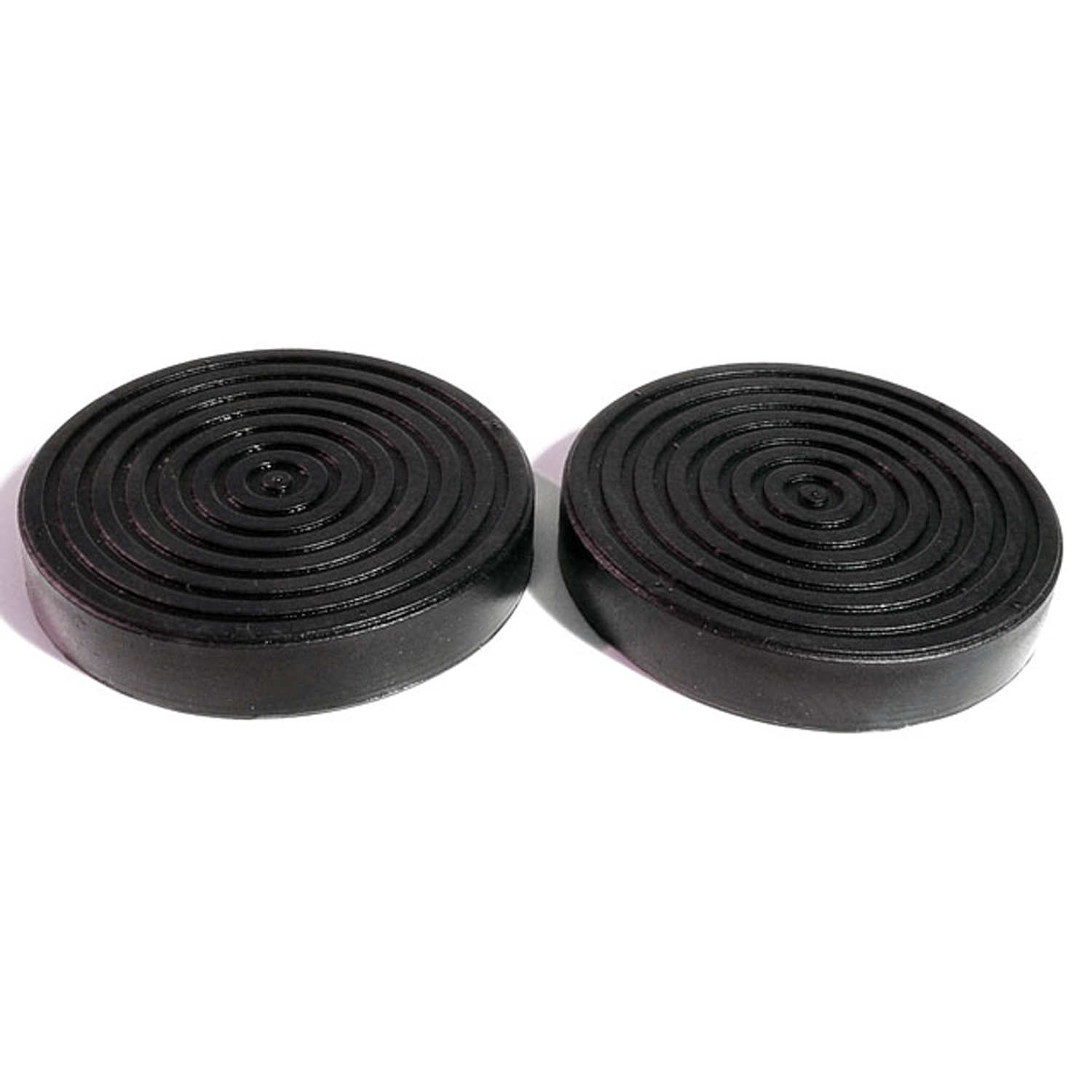 1953 Willys JEEP CJ3A Clutch and Brake Pedal Pads. 3" Diameter. Pair-CB 61Clutch and Brake Pedal Pads. 3" Diameter. Pair
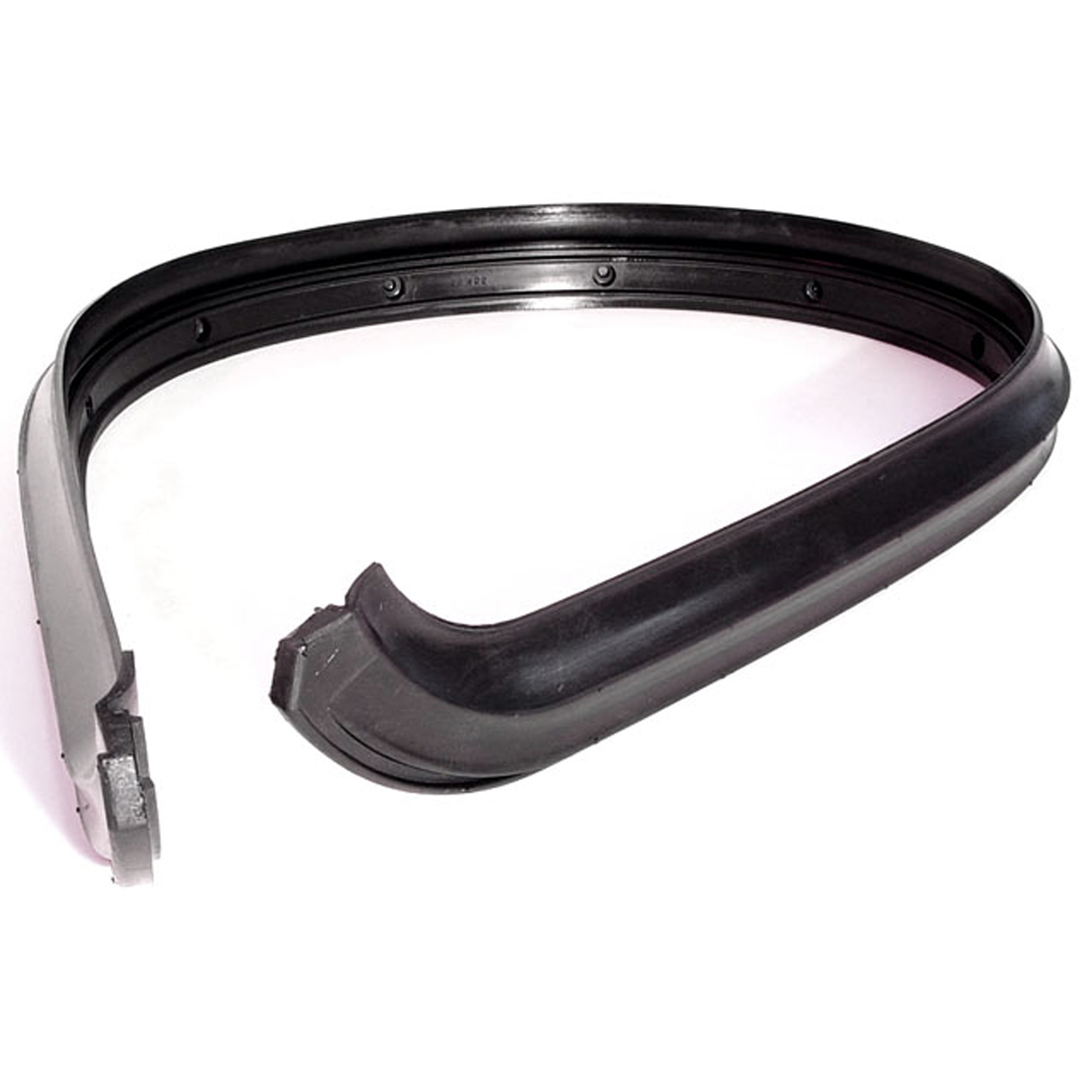 1953 Willys JEEP CJ3A Windshield to Cowl Seal. 55-1/2" long. Each-CS 102Windshield to Cowl Seal. 55-1/2" long. Each
 1953 Willys JEEP CJ3A Dust Boot. For vehicles with power take off. Each-RP 34-JDust Boot. For vehicles with power take off. Each
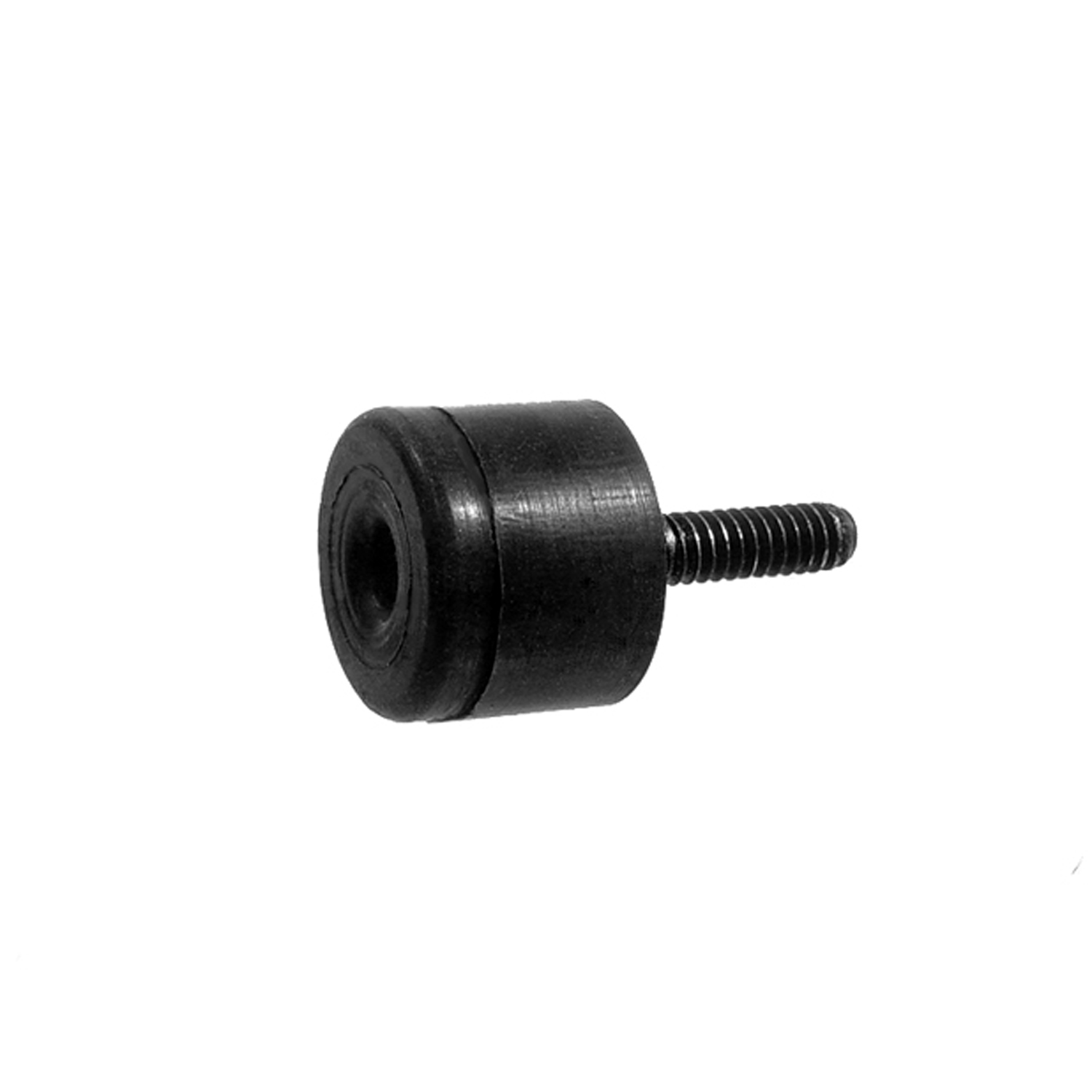 1953 Willys JEEP CJ3A Accelerator Pedal Pad Link connecting Socket. 3/4" O.D-RP 43-AAccelerator Pedal Pad Link connecting Socket. 3/4" O.D., 1/4" I.D., 3/4" long screw. Each
 1953 Willys JEEP CJ3A Horn Button Cap, 1-1/4" O.D. Each-RP 600-JHorn Button Cap, 1-1/4" O.D. Each
Why Choose Metro?
For over 100 years, Metro Moulded Parts has been the pinnacle of quality in classic car restoration parts. Our commitment to precision and authenticity in every component ensures a perfect fit and an OEM-level appearance.
- Expert Craftsmanship & Quality: Each part is a testament to our dedication to reliability and perfection, crafted from original designs and thoroughly tested.
- Advanced Technology: We use cutting-edge techniques to create flawless, long-lasting parts that surpass others in performance.
- SuperSoft Sponge – The Ultimate Door Seal: Not only are our door seals 30% softer than competitors', but they're also guaranteed to never leak. They effectively reduce wind and road noise, enhancing your classic car's comfort and driving experience.
- Proudly American: Our parts are a product of American craftsmanship, made in the USA with a spirit of excellence and heritage.
- Unrivaled Warranty: We back our products with a 30-year industry-leading warranty, a testament to our confidence in their quality.
Join us in preserving the legacy of classic cars with parts that are crafted for perfection, not just made.