

Image of 1953 Willys Station Wagon, Note: These illustrations use artistic license and may differ from actual historical models.
Performance Metrics
Fundamental Metrics
Emotional Appeal
MMP Rating
| Engine Specifications | |
|---|---|
| Engine Options: | L-134 "Go Devil" I4, F-134 "Hurricane" I4 |
| Displacement Range: | 134 cu in (2.2 L) for both engines |
| Horsepower Range: | 60-75 hp |
| Torque: | 105 lb-ft for L-134, 114 lb-ft for F-134 |
| Compression Ratio: | 6.48:1 for L-134, 7.5:1 for F-134 |
| Ignition System: | Battery Ignition |
| Cooling System: | Liquid-cooled |
| Performance Specifications | |
| 0-60 Time: | Estimated 20-30 seconds |
| 1/4 Mile Time: | Not available |
| Top Speed: | 65 mph |
| Transmission and Drive | |
| Drive Type: | Rear-wheel drive (4x4 optional) |
| Transmission Type: | 3-speed manual |
| Fuel and Efficiency | |
| Fuel System Type: | Carburetor |
| MPG: | Estimated 15-20 mpg |
| Dimensions and Brakes | |
| Brakes: | Drum brakes |
| Wheelbase: | 104.5 in (2,654 mm) |
| Weight: | 3,200 lbs |
Note: Specifications for classic cars are given to the best of our ability, considering the limited and variant data available.
1953 Willys Station Wagon: The Jeep That Went to Town
The 1953 Willys Station Wagon could haul a family, carry farm supplies, and tackle muddy back roads without pretending to be a luxury car. Built by Willys-Overland, it combined the practical bones of a Jeep with the enclosed body of a family wagon, creating one of the most influential utility vehicles of the postwar era.
The Wagon debuted in 1946, when American buyers were hungry for practical vehicles and manufacturers were shifting back to civilian production. Its design came from industrial designer Brooks Stevens, who gave it upright proportions and steel body panels that echoed the look of traditional wood-bodied wagons. The timing of the 1953 model was notable, too: that year, Kaiser-Frazer acquired Willys-Overland, beginning a new chapter for the company and its Jeep line.
One detail that still surprises people is that the Wagon’s wood-like appearance did not mean it was built from wood. Its body was steel, a durable and relatively low-maintenance alternative to the wood construction common on earlier station wagons.
Steel Body, Jeep Character
The 1953 Wagon has a tall, square profile, a flat windshield, short overhangs, and broad, simple body panels. Its upright grille and round headlamps give the front end an unmistakable Jeep-family look. The body’s pressed-steel detailing hints at the horizontal boards of an older wooden wagon, while its practical shape leaves generous room for passengers and cargo.
Inside, the emphasis is on utility. The cabin is straightforward, with painted metal surfaces, simple instruments, and durable upholstery, commonly vinyl or cloth depending on the trim and equipment. Wide windows provide good outward visibility, and the uncomplicated dashboard is easy to understand. Optional seating arrangements could increase passenger capacity, while the rear area could be configured to carry gear or supplies.
Equipment was modest by modern standards. Buyers got basic heat and ventilation, simple instrumentation, and a manual transmission rather than power accessories or elaborate trim. That simplicity was part of the appeal: fewer complex systems meant fewer things to fuss over in a remote farmyard or rural workshop.
Paint colors and trim varied by year, market, and production run. Period examples can be found in practical colors such as red, green, blue, gray, and cream, with two-tone combinations adding extra visual interest. Original paint codes and surviving trim details are worth checking carefully, since restorations often use attractive colors that may not match a particular 1953 build.
Wagon and Panel Delivery Choices
The best-known version was the two-door passenger wagon, offered in rear-wheel-drive and four-wheel-drive form. A panel-delivery version, with enclosed sides in place of rear passenger windows, served businesses and tradespeople. The passenger Wagon is the most recognizable today, especially in four-wheel-drive specification, which delivers the classic blend of family transport and Jeep usefulness.
Engine availability varied with configuration and production details. Common 1953 powerplants included a 134-cubic-inch four-cylinder and a 161-cubic-inch six-cylinder, both from Willys’ family of engines. Buyers could pair them with a three-speed manual transmission. Four-wheel-drive models added a transfer case, giving the driver access to low-range gearing for slow, difficult terrain.
Why the Willys Wagon Mattered
The Wagon helped make the all-steel station wagon a practical choice for ordinary families and working owners. Earlier wood-bodied wagons could be handsome, but wood demanded regular care and was vulnerable to weather and wear. Willys offered an enclosed, steel-bodied alternative with the rugged mechanical character associated with the Jeep brand.
It was not the first steel-bodied wagon in automotive history, but it became one of the most important early examples of the type. Its design showed that a station wagon could be durable, useful, and comparatively easy to maintain without relying on a timber body. That idea helped shape the direction of later utility wagons and, eventually, the broader sport-utility market.
The Wagon also stood apart from many family cars because four-wheel drive was part of its identity rather than an afterthought. Its combination of a passenger cabin, usable cargo space, and off-road traction made it especially appealing to rural families, utility companies, and businesses working beyond paved roads.
Performance and Road Manners
Performance is workmanlike rather than quick. Depending on engine, gearing, condition, and load, a 1953 Wagon’s top speed is roughly in the 60-to-70-mph range. A 0-to-60-mph run can take around 25 to 35 seconds, and may take longer in a heavily loaded four-wheel-drive example. These are practical estimates, not modern instrumented test figures, and the condition of an individual vehicle makes a substantial difference.
On the road, the Wagon feels tall, solid, and unmistakably old-school. Its body-on-frame construction, conventional suspension, and narrow tires give it a firm, sometimes busy ride over broken pavement. It can manage gravel, ruts, and muddy tracks with confidence, particularly in four-wheel drive, but it is not a modern crossover. The high center of gravity and period steering call for measured inputs on winding roads and in strong crosswinds.
Behind the wheel, the engine’s low, steady note and the manual gearbox set the pace. The steering is unassisted, the controls require more effort than those of a current vehicle, and the brakes demand anticipation. In return, the driver gets a direct, mechanical experience: you feel the road, hear the engine working, and make deliberate use of the gears. It is charming at a relaxed pace, not designed for fast commuting.
Living With a 1953 Willys
Owners use these Wagons as weekend drivers, vintage utility vehicles, show cars, and occasional adventure rigs. A well-sorted example can handle local trips and scenic drives, but many owners preserve them for fair-weather use rather than relying on them as a daily driver in modern traffic.
Mechanical upkeep is generally approachable for an owner with basic tools and a workshop manual. The engines and driveline are mechanically straightforward, and many routine jobs do not require specialized diagnostic equipment. Parts support remains available through Jeep and Willys specialists, though availability and fit can vary between model years and drivetrain configurations.
Before buying, inspect the frame, floor, rocker areas, body mounts, and lower door sections for rust or old repairs. Check the engine’s oil pressure and cooling system, listen for drivetrain noise, and confirm that four-wheel drive engages and disengages correctly. The body may look simple, but rust repair and sourcing correct trim can consume more time and money than routine mechanical work.
Willys Wagon Facts and Myths
The Wagon’s design was the work of Brooks Stevens, a prolific industrial designer whose projects ranged far beyond automobiles. Its steel body deliberately delivered the practical look of a wood wagon without requiring owners to maintain actual wooden body panels.
Four-wheel-drive models helped bring Jeep’s trail-ready hardware into a family-oriented vehicle well before SUVs became a mainstream category. The Wagon was not a racing or speed-record car, and its reputation rests on usefulness, durability, and versatility rather than headline performance.
Common criticisms are fair: the ride can be stiff, the cabin is noisy by modern standards, and performance is modest. Rust, worn suspension parts, and neglected four-wheel-drive components can also turn an inexpensive project into a major restoration. The rewards are equally clear: distinctive styling, accessible mechanicals, and a genuine connection to the early history of the utility wagon.
1953 Willys Wagon Values
Exact production figures for a single model year can be difficult to pin down across body styles and drivetrain versions. A reasonable estimate is that roughly 25,000 to 30,000 Willys Station Wagons were built for 1953, with total production across the Wagon’s long U.S. run reaching several hundred thousand. The 1953 model is not exceptionally rare, but surviving, unmodified four-wheel-drive examples are much less common than the broad production numbers suggest.
As a 2026 market estimate, a project vehicle may sell for around $5,000 to $15,000, depending on rust and completeness. A usable driver might bring roughly $15,000 to $30,000, while a well-restored example can fall in the $30,000 to $50,000 range. Exceptional restorations, especially desirable four-wheel-drive models with strong documentation, may exceed that range. These are broad estimates: condition, originality, body style, and regional demand matter greatly.
Values for sound, well-presented examples have generally strengthened as interest in early SUVs and utility vehicles has grown. That does not make every Wagon a guaranteed investment. Poor restorations and rusty projects remain expensive to put right, so buyers should prioritize body condition, mechanical health, and originality over a fresh coat of paint.
A Practical Classic With Lasting Influence
The 1953 Willys Station Wagon brought together a practical steel body, Jeep-inspired capability, and a useful family layout at a time when Americans were embracing postwar mobility. It was slow, simple, and rugged, but those qualities made it relevant far beyond the showroom.
More than seven decades later, the Wagon still feels like a vehicle built to go somewhere useful. It helped point the way toward the modern SUV, and its mix of honest utility and unmistakable Jeep character remains hard to mistake.
1953 Willys Station Wagon Catalog of Parts
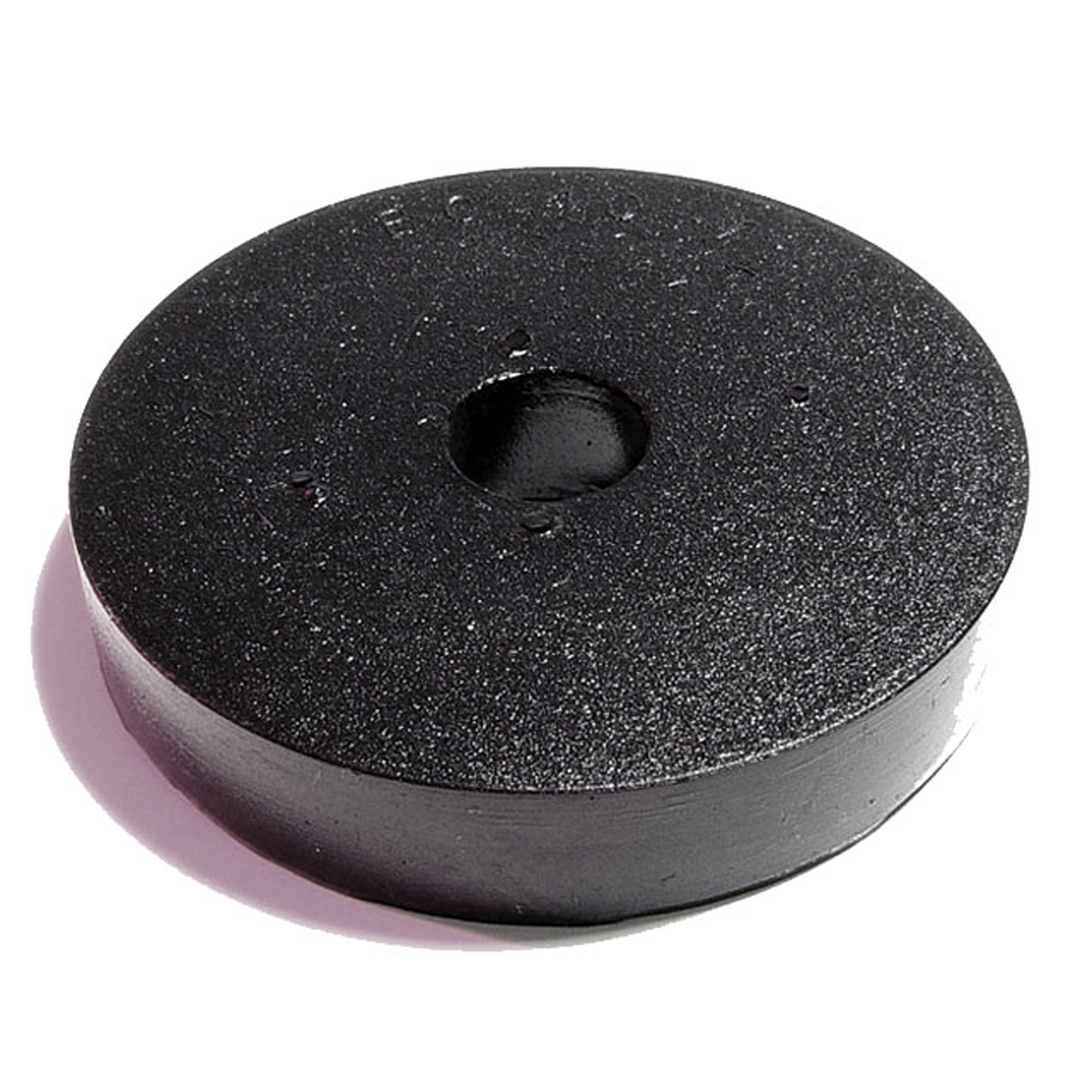 1953 Willys Station Wagon Body Mount Cushion. 1-15/16" O.D., 3/8" I.D., 3/8" Thick-BC 40-ABody Mount Cushion. 1-15/16" O.D., 3/8" I.D., 3/8" Thick. Each
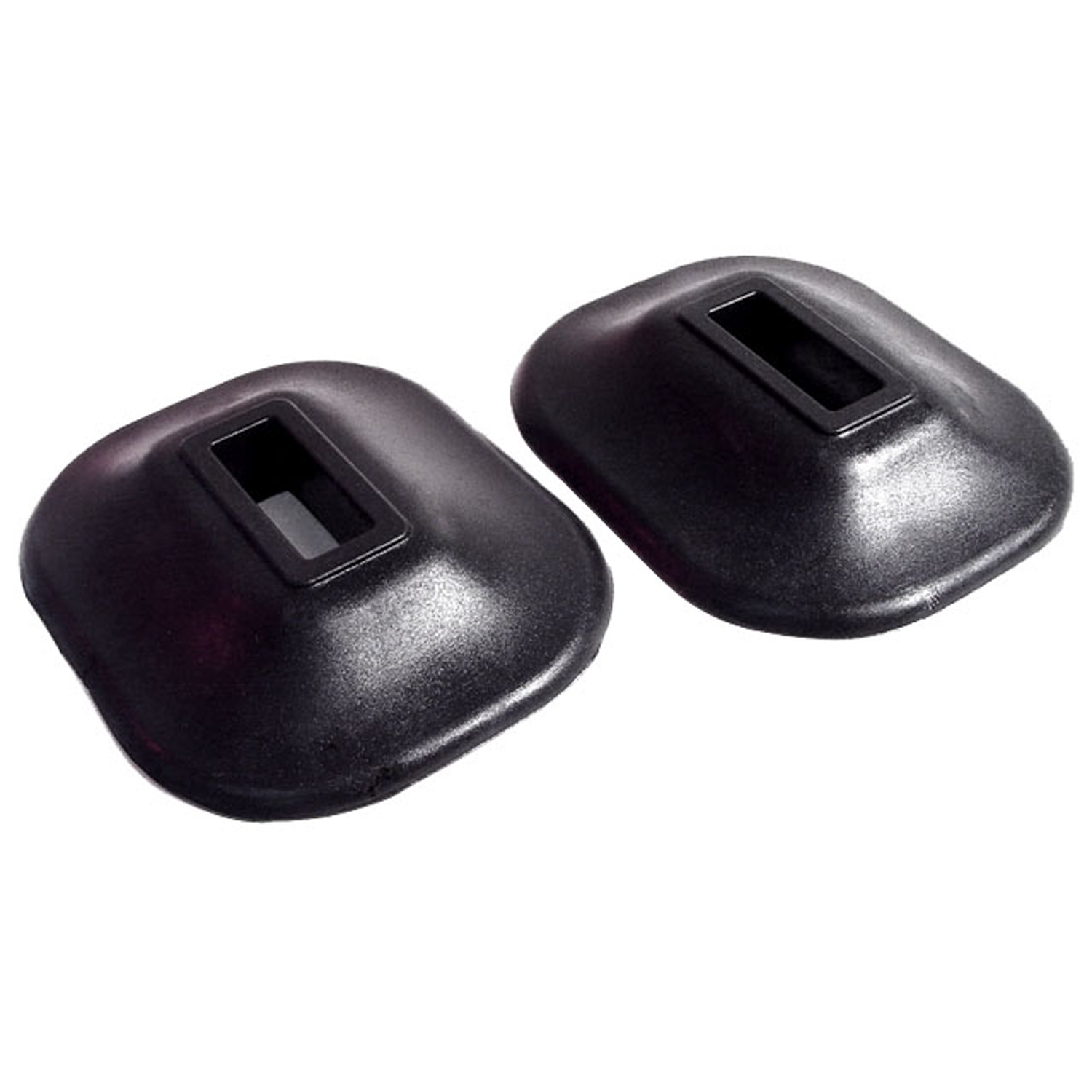 1953 Willys Station Wagon Front and Rear Bumper Arm Grommets-BG 62Front and Rear Bumper Arm Grommets. 3-1/8" wide X 3-7/8" long, with 1-3/8" long inner slot. Pair
 1953 Willys Station Wagon Shock Absorber Grommet. 1" bottom O.D-BN 11Shock Absorber Grommet. 1" bottom O.D., 3/4" high, with 5/8" I.D. Each
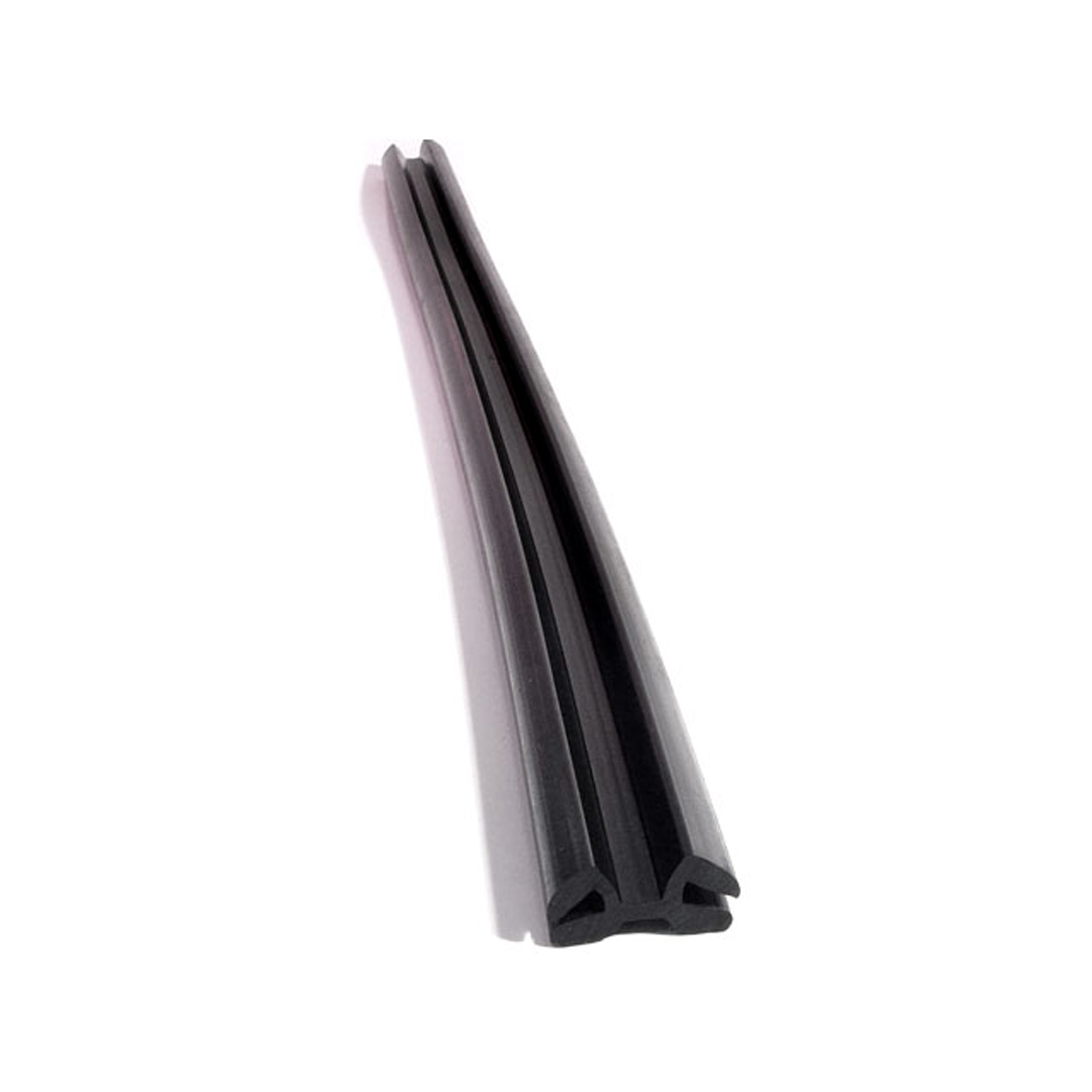 1953 Willys Station Wagon Center Division Bar Seal. 20" piece, to be cut to length-DP 40Center Division Bar Seal. 20" piece, to be cut to length. Each
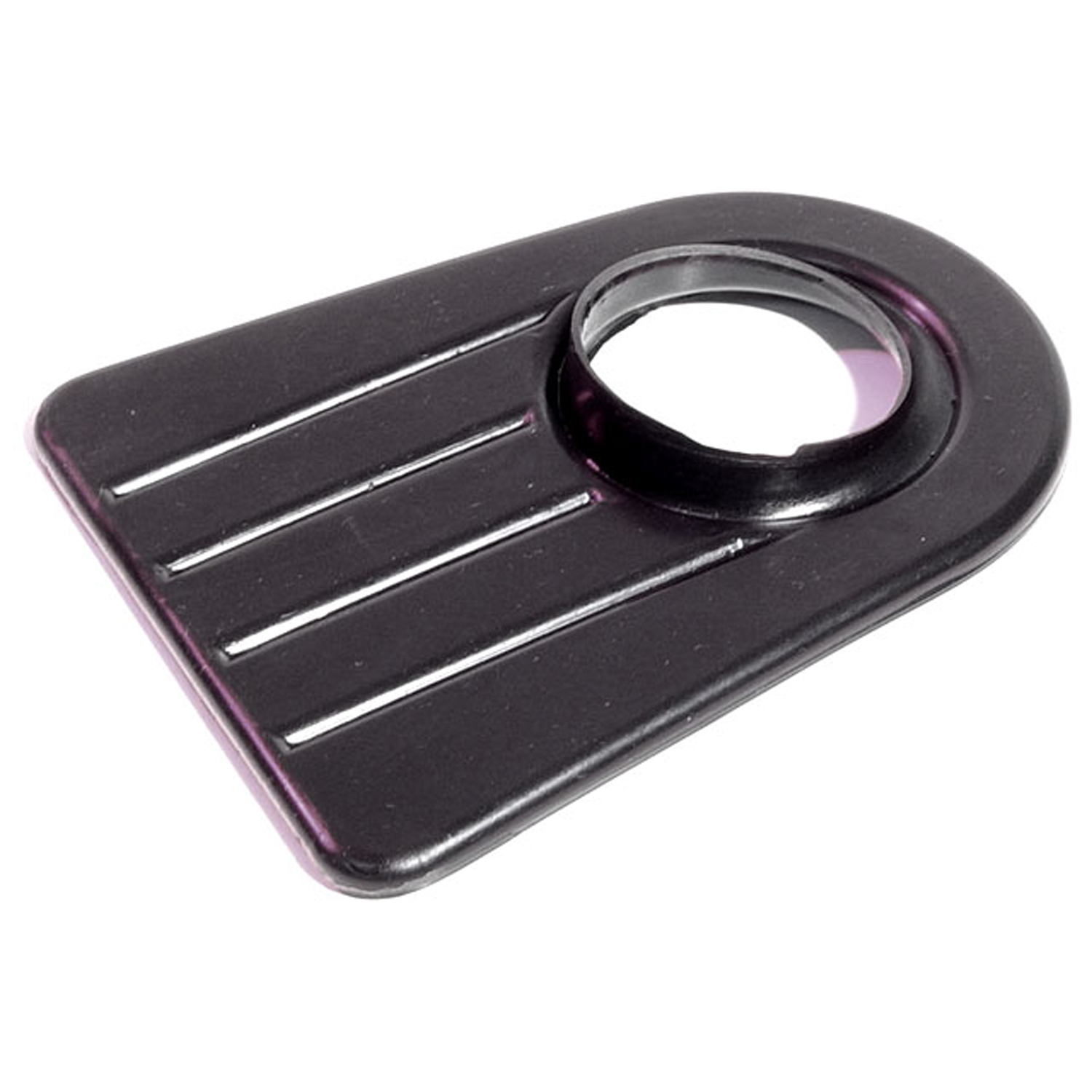 1953 Willys Station Wagon Gas Filler Grommet. 2-1/8" I.D., 6-3/8" length. Each-GF 29-AGas Filler Grommet. 2-1/8" I.D., 6-3/8" length. Each
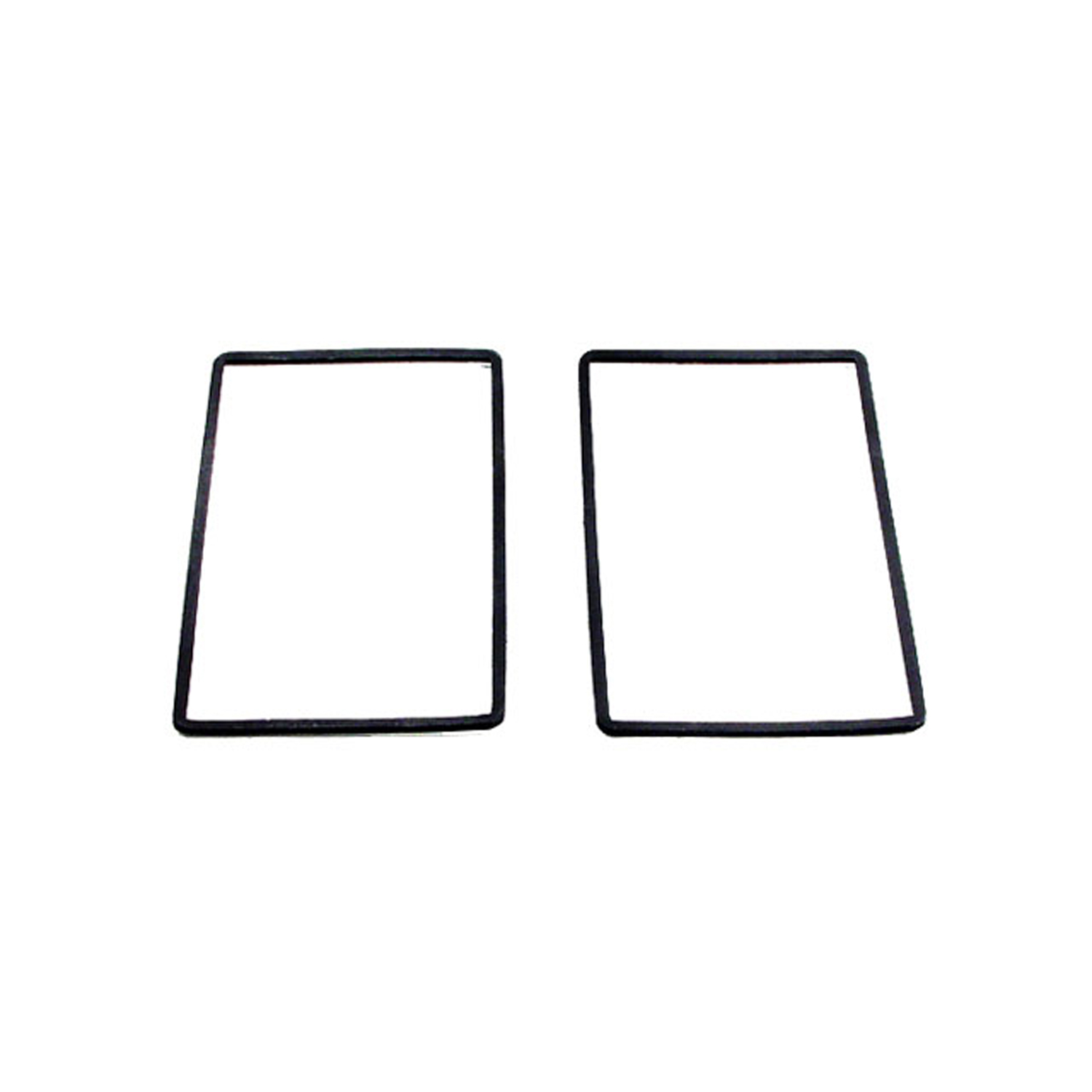 1953 Willys Station Wagon Tail-light Bezel Lens Gaskets. 2-3/4" X 2-5/16". Pair-LG 9600-120Tail-light Bezel Lens Gaskets. 2-3/4" X 2-5/16". Pair
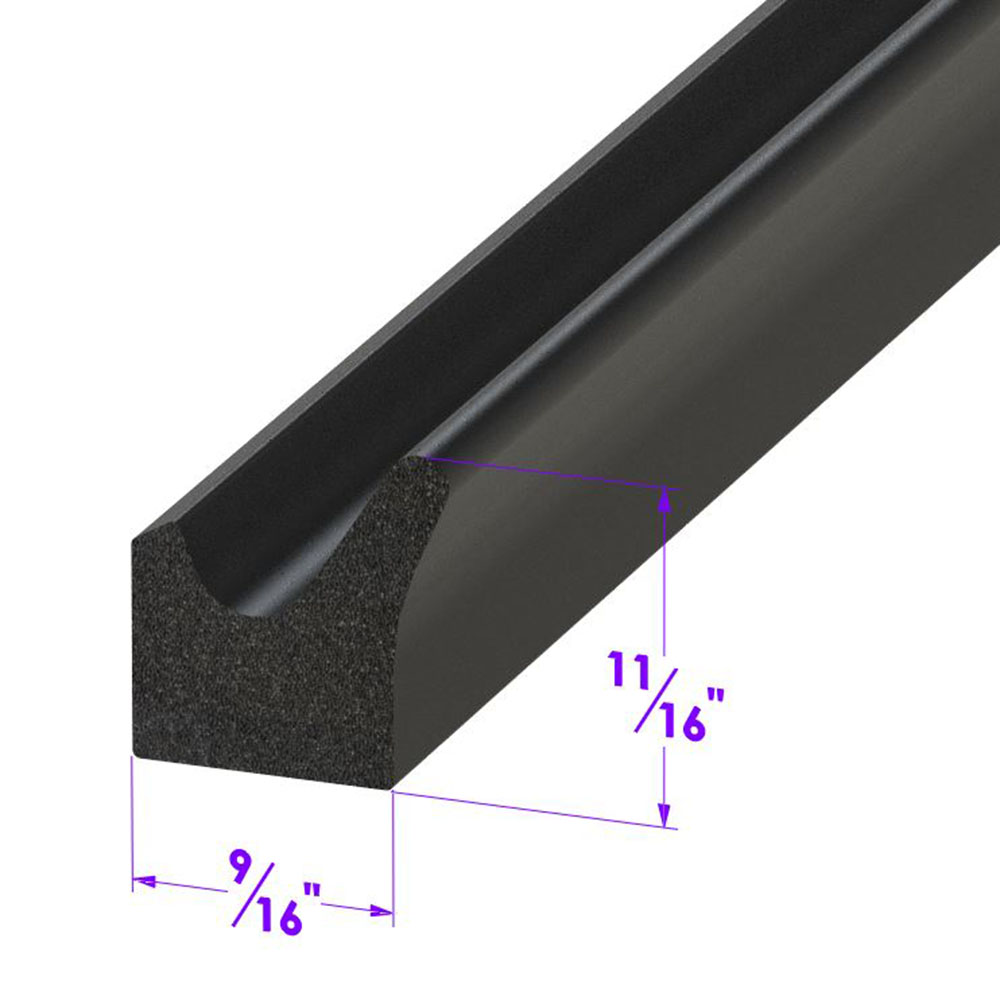 1953 Willys Station Wagon Door side seal. Same as LP 40-A, but for a heavier seal-LP 40Door side seal. Same as LP 40-A, but for a heavier seal. Fits many domestic passenger cars and trucks. Used in Cobra kit cars as trunk weatherstrip. Per foot.
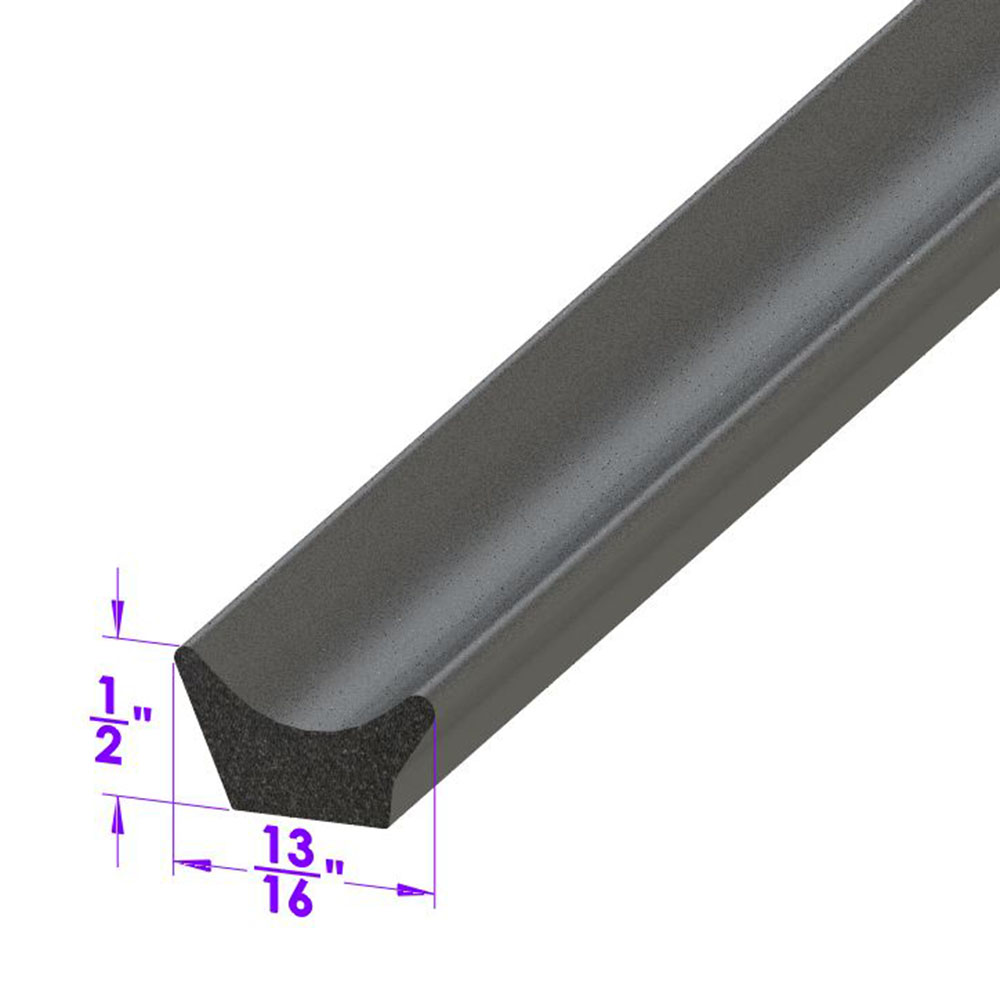 1953 Willys Station Wagon Door side seal. Same as LP 40, but for a lighter seal-LP 40-ADoor side seal. Same as LP 40, but for a lighter seal. Fits many domestic passenger cars and trucks. Universal seal for street rods and customs. Used in Cobra kit cars as door weatherstrip. Per foot.
 1953 Willys Station Wagon Tail-light Pads. 3-1/2" wide X 6-5/8" long. Pair-MP 1309-KTail-light Pads. 3-1/2" wide X 6-5/8" long. Pair
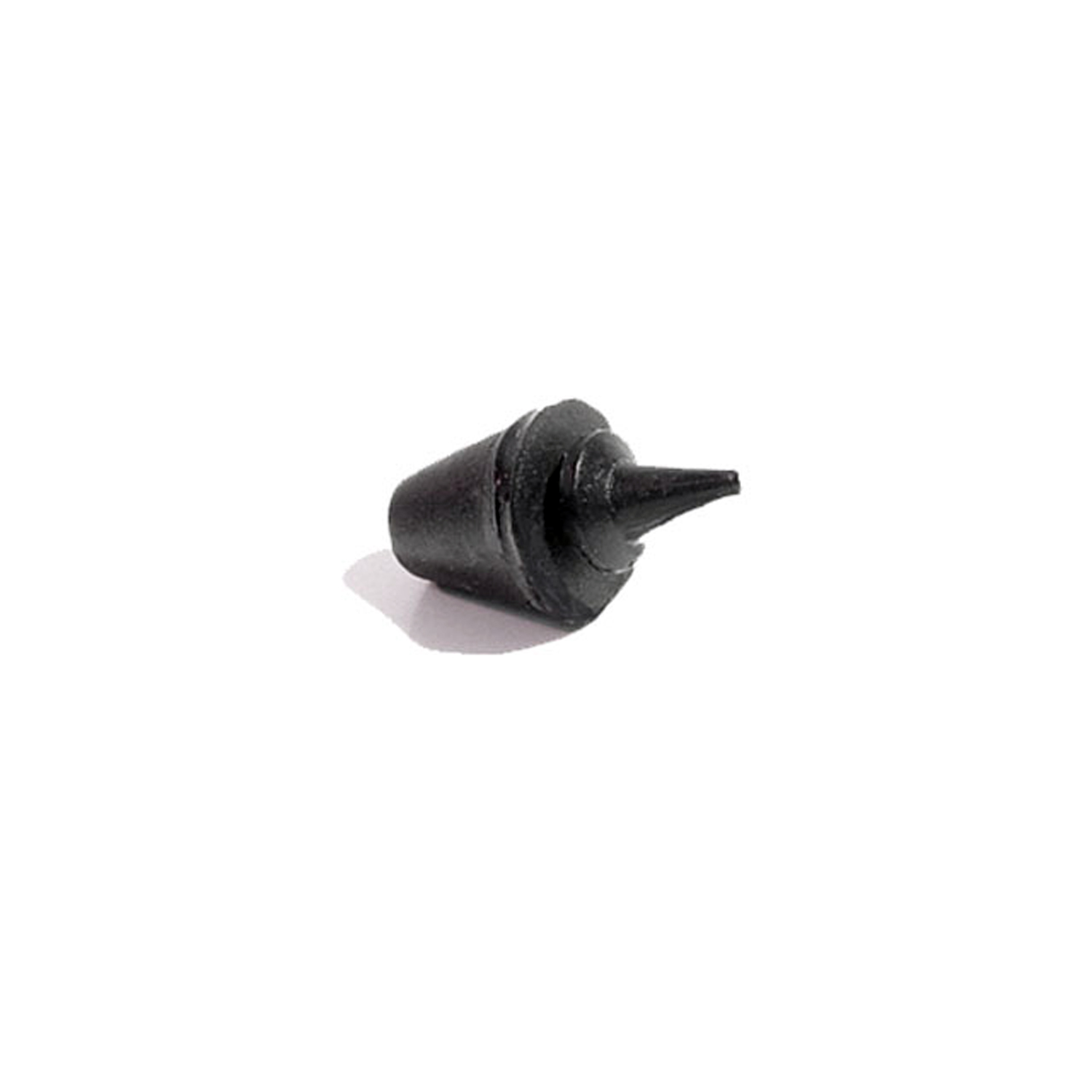 1953 Willys Station Wagon Glove Box Bumper. Each-SB 83Glove Box Bumper. Each
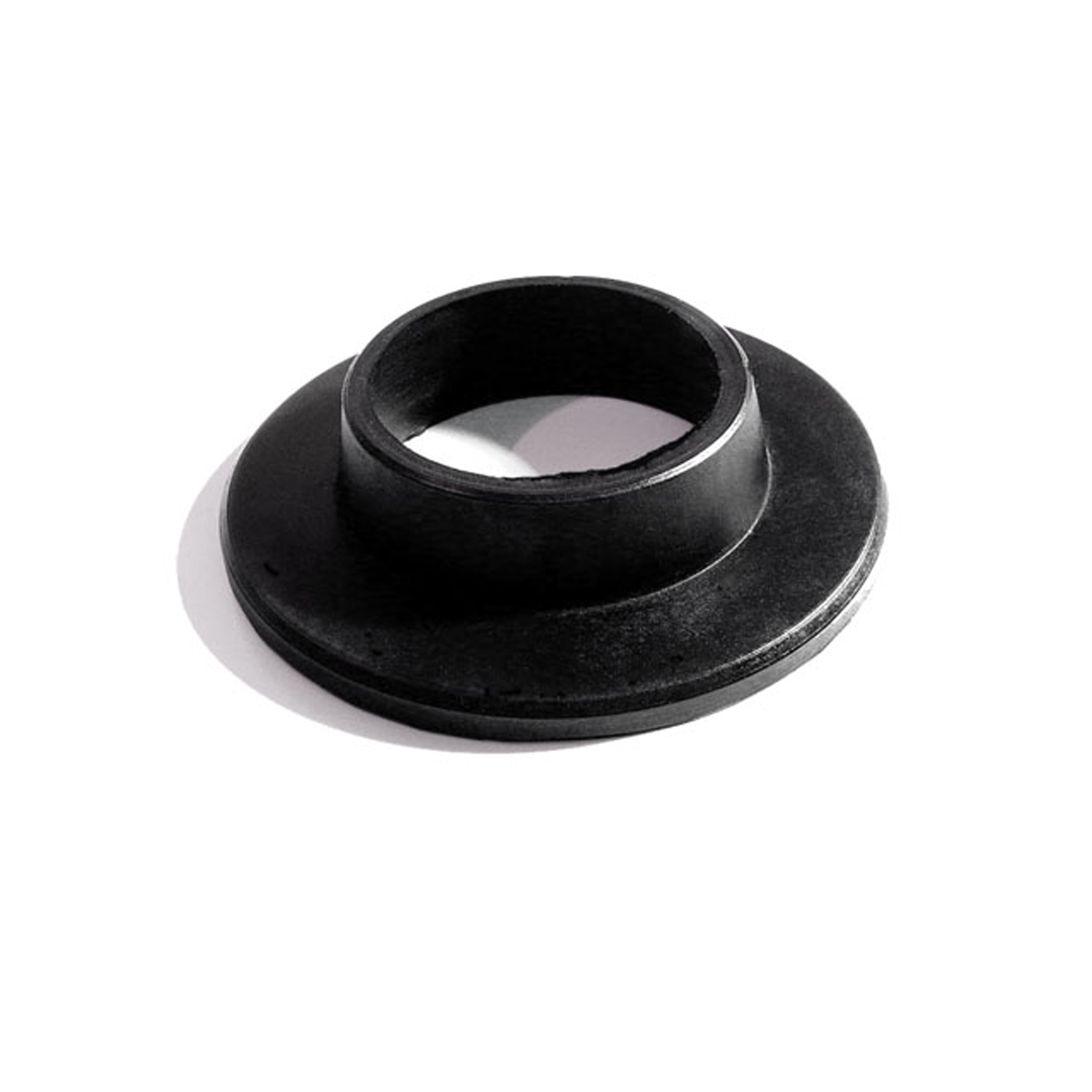 1953 Willys Station Wagon Steering Column Grommet-SC 13Steering Column Grommet. For 4-Wheel Drive Station Wagon Only. Each
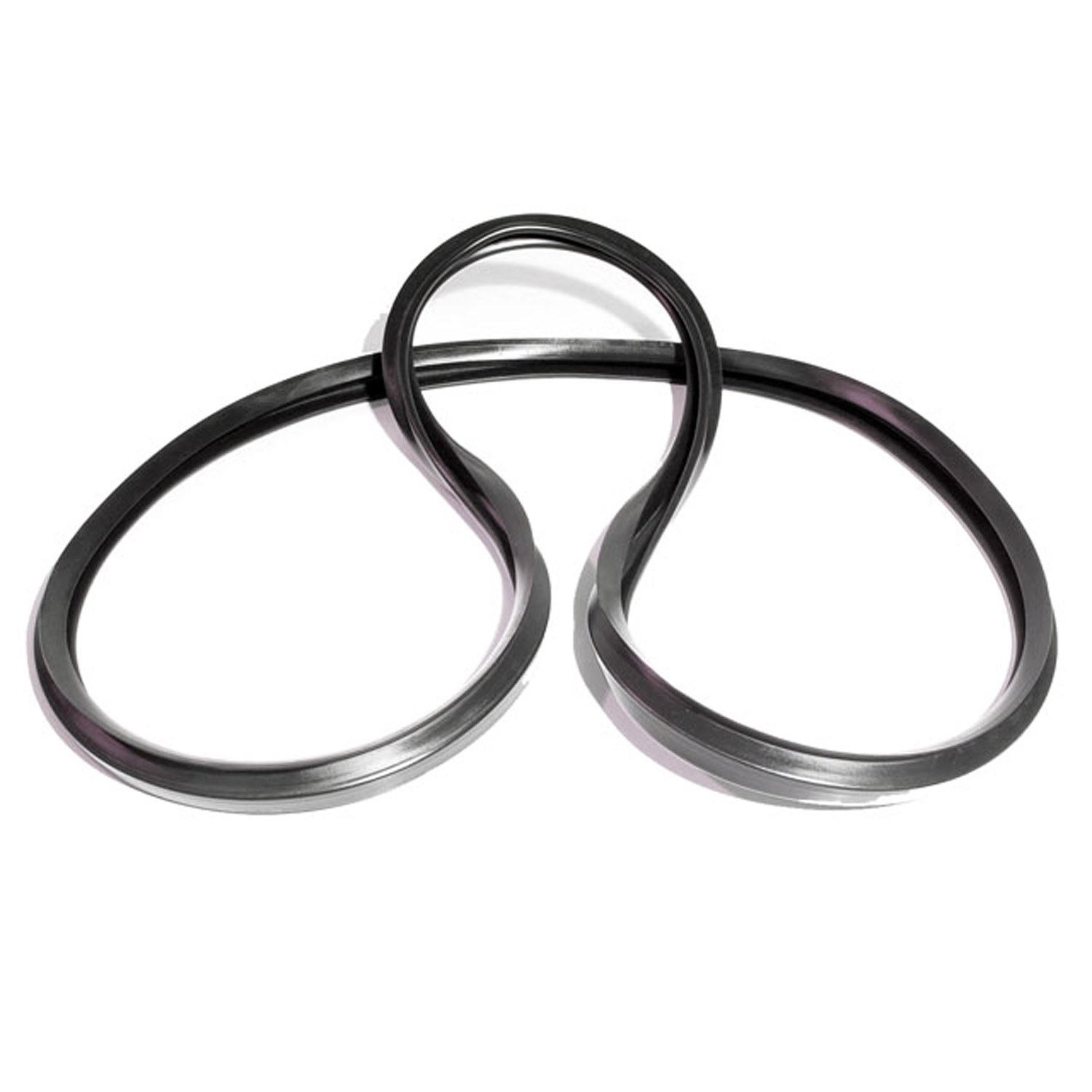 1953 Willys Station Wagon Vulcanized Side Front-Rear Sliding Window Seal-VQT 9600Vulcanized Side Front-Rear Sliding Window Seal. Made into one piece for easy installation. Order 2 to do both sides. Replaces OEM #671419. Each
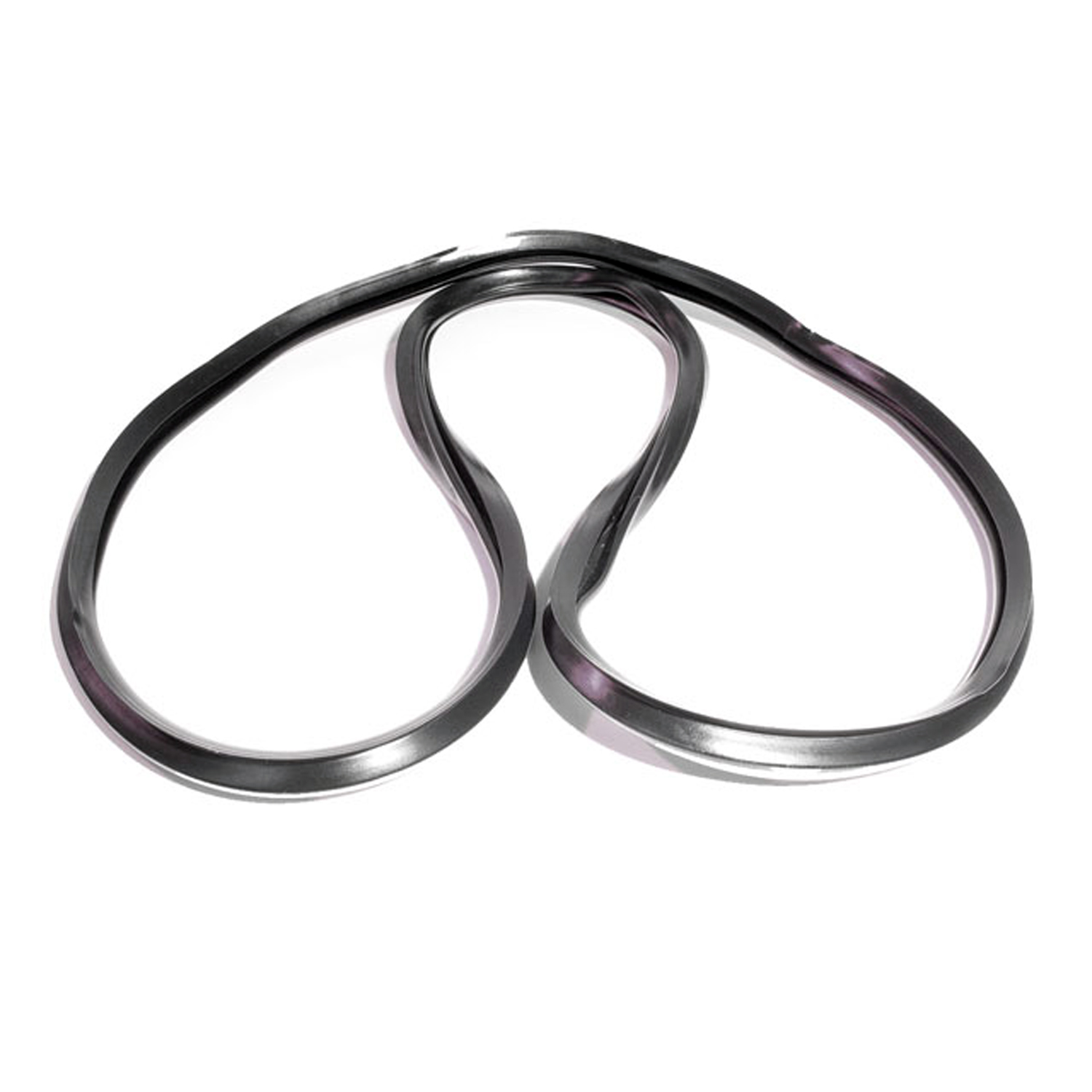 1953 Willys Station Wagon Vulcanized Side Rear-Rear Sliding Window Seal-VQT 9601Vulcanized Side Rear-Rear Sliding Window Seal. Made into one piece for easy installation. Order 2 to do both sides. Replaces OEM #664257. Each
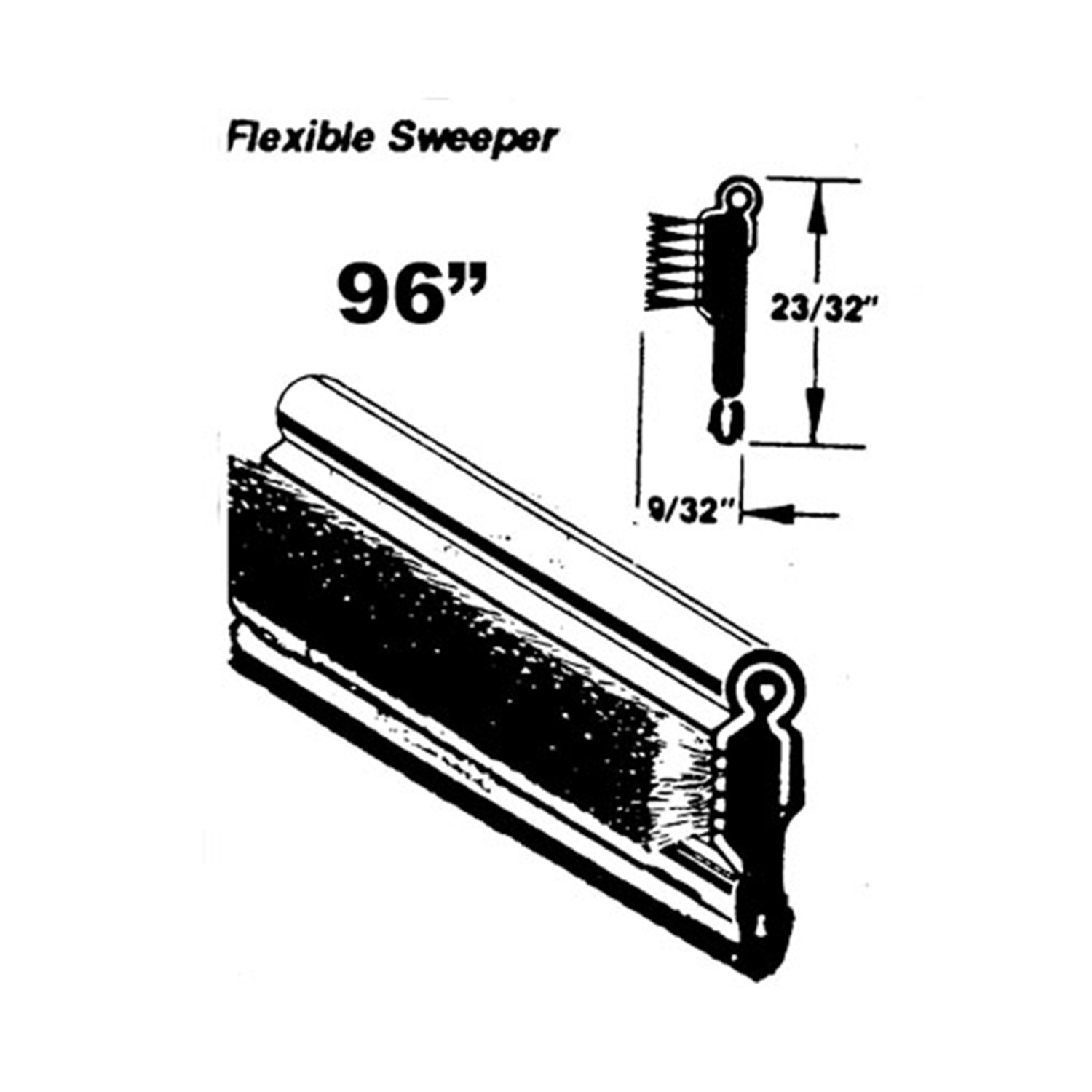 1953 Willys Station Wagon Flexible window sweeper. Made with stainless steel bead-WC 4-96Flexible window sweeper. Made with stainless steel bead. 96 in. long. Each. NOTE: $20 special shipping charge applies for domestic orders. Call or email for overseas shipping costs. Part can be sectioned in two or three equal lengths to reduce overseas shipping costs.
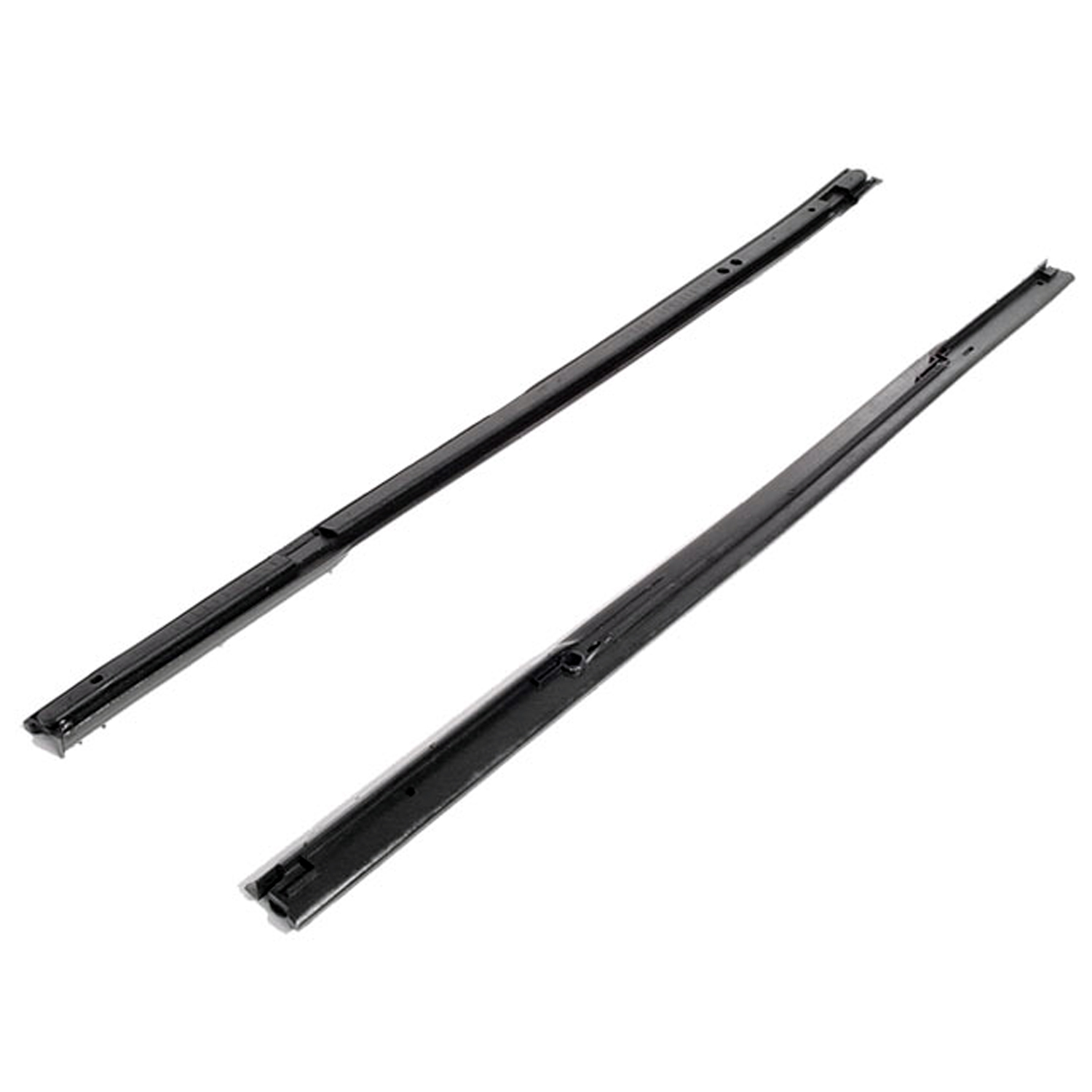 1953 Willys Station Wagon Front Vent Window Seals. For Trucks and Station Wagons-WR 9601Front Vent Window Seals. For Trucks and Station Wagons. Pair
Why Choose Metro?
For over 100 years, Metro Moulded Parts has been the pinnacle of quality in classic car restoration parts. Our commitment to precision and authenticity in every component ensures a perfect fit and an OEM-level appearance.
- Expert Craftsmanship & Quality: Each part is a testament to our dedication to reliability and perfection, crafted from original designs and thoroughly tested.
- Advanced Technology: We use cutting-edge techniques to create flawless, long-lasting parts that surpass others in performance.
- SuperSoft Sponge – The Ultimate Door Seal: Not only are our door seals 30% softer than competitors', but they're also guaranteed to never leak. They effectively reduce wind and road noise, enhancing your classic car's comfort and driving experience.
- Proudly American: Our parts are a product of American craftsmanship, made in the USA with a spirit of excellence and heritage.
- Unrivaled Warranty: We back our products with a 30-year industry-leading warranty, a testament to our confidence in their quality.
Join us in preserving the legacy of classic cars with parts that are crafted for perfection, not just made.