

Image of 1954 Willys Aero Ace, Note: These illustrations use artistic license and may differ from actual historical models.
Performance Metrics
Fundamental Metrics
Emotional Appeal
MMP Rating
| Engine Specifications | |
|---|---|
| Engine: | L-161 Lightning I6 |
| Displacement: | 161 cu in (2.6 L) |
| Horsepower: | 75 hp |
| Torque: | 114 lb-ft |
| Compression Ratio: | 7.3:1 |
| Ignition System: | Distributor and coil |
| Cooling System: | Liquid-cooled |
| Performance Specifications | |
| 0-60 Time: | Estimated 20 seconds |
| 1/4 Mile Time: | Not available |
| Top Speed: | 80 mph |
| Transmission and Drive | |
| Drive Type: | Rear-wheel drive |
| Transmission Type: | 3-speed manual |
| Fuel and Efficiency | |
| Fuel System Type: | Carburetor |
| MPG: | Estimated 20 mpg |
| Dimensions and Brakes | |
| Brakes: | Drum brakes |
| Wheelbase: | 108 in (2,743 mm) |
| Weight: | 2,890 lbs |
Note: Specifications for classic cars are given to the best of our ability, considering the limited and variant data available.
1954 Willys Aero Ace: A Compact American Original
The 1954 Willys Aero Ace was a family sedan with an unusually modern idea for its time: American comfort and six-cylinder power in a compact, easy-to-park package. Built by Willys-Overland, the company best known for its wartime Jeep, the Aero brought fresh styling and practical engineering to buyers who wanted something smaller than the full-size cars filling U.S. showrooms.
The Aero debuted for 1952, during a period when American manufacturers were experimenting with lighter, more economical cars. Willys had experience building vehicles for export markets, where narrow roads and high fuel costs made compact dimensions especially useful. The Aero was designed to serve those needs while still feeling like a proper American car, with a roomy cabin, bench seats and an available six-cylinder engine.
One of the Aero’s most intriguing afterlives came far from its American factory. The design was adopted in Brazil, where Aero Willys models continued to be built and developed long after U.S. production ended. That international story helped give the Aero a life beyond its short run at home.
Clean Styling and Practical Cabin
The Aero Ace had the tidy proportions of a car designed to use space efficiently. Its body sat low for the era, with a long hood, a compact rear deck and rounded fenders that flowed into the body rather than standing out as separate shapes. A bright horizontal grille, broad bumpers and restrained chrome trim gave the front end a confident look without the towering ornamentation of some larger contemporaries.
Inside, the Ace favored comfort and durability over luxury-car theater. A wide front bench and a matching rear seat made it a useful family sedan, while generous glass helped the cabin feel airy. Upholstery was typically cloth, often combined with vinyl or other durable trim, and the dashboard used painted metal and bright accents around the instruments. These materials were straightforward by premium-car standards, but they suited the Aero’s practical mission.
Equipment and trim varied, but the Ace offered the essentials expected of a mid-century American car, including a full instrument panel, heater and ventilation controls. The column-mounted manual gearshift left the front seating area open, a welcome touch for passengers sharing the broad bench seat.
Willys offered period paint choices in a range of solid and two-tone combinations. Reds, blues, greens, cream shades and darker colors appeared across Aero model-year palettes, although exact choices varied by trim and market. Two-tone paint was a popular way to emphasize the Aero’s clean body lines.
The Ace was best known as a four-door sedan. It sat within a broader Aero family that included other body styles and trim levels, such as two-door sedans and more upscale hardtop models in the range. The exact lineup changed over the Aero’s production run, so the Ace sedan remains the clearest expression of the 1954 model.
Why the Aero Mattered
The Aero stood apart from the typical American sedan by offering a genuinely compact footprint without giving up a six-cylinder engine or a full-size seating layout. Its relatively low body, integrated styling and efficient use of cabin space pointed toward the smaller American cars that became more important later in the decade.
That does not mean the Aero single-handedly created the compact-car movement. It arrived before the category became a major U.S. market force, and Willys lacked the production scale and dealer reach of the largest manufacturers. But it showed that a domestic car could be smaller, lighter and more maneuverable while still meeting familiar expectations for comfort. Its continued development in Brazil is a particularly strong example of how adaptable the basic design proved to be.
Hurricane Six Performance and Road Manners
Most 1954 Aero Aces used Willys’ 161-cubic-inch F-head six-cylinder engine, known as the Hurricane. It was rated at about 90 horsepower, with a three-speed manual transmission as the usual pairing. An optional overdrive was available on some cars, helping reduce engine speed on open roads.
Period test figures and modern measurements vary, but a reasonable estimate for a sound, standard 1954 Ace is a top speed in the neighborhood of 80 to 85 mph. Acceleration from 0 to 60 mph was likely around 17 to 20 seconds, depending on condition, gearing, load and test method. The Ace was built for economical everyday travel, not quick starts or high-speed competition.
On the road, the Aero’s compact size makes it feel more manageable than a large American sedan of the same period. Its suspension and relatively light weight help it deal with ordinary bumps, although the ride is still unmistakably 1950s: soft, with noticeable body movement over rough pavement. On winding roads, it is best driven smoothly. Narrow tires, period steering and modest power reward a relaxed pace rather than aggressive cornering.
The Hurricane six has a distinctive, steady mechanical voice. It is not a high-revving engine, and acceleration arrives gradually, but the car’s light, easygoing character suits country roads and town driving. The column shifter and broad bench seat create a distinctly period driving position, while the modest dimensions make parking less intimidating than in many larger classics.
Living with a Willys Aero Ace
Today, the Ace is most often used as a weekend driver, a local show car or a conversation-starting addition to a collection of unusual American sedans. A carefully maintained example can handle relaxed local trips, but its age and the availability of parts make it less straightforward as a daily driver than a more common Chevrolet or Ford.
The Hurricane engine is mechanically understandable to a capable home mechanic, and routine service is not especially mysterious. The bigger challenge is sourcing some model-specific parts, particularly body, trim and interior pieces. Owners should also inspect the car carefully for rust in the floors, lower body panels, rocker areas, trunk and structural joints. A car that looks tidy from the outside may still need substantial metalwork underneath.
Reliability depends heavily on condition and previous repairs. Brake components, wiring, cooling systems and fuel delivery should be checked before regular use. The Aero’s straightforward construction is a benefit, but its age means that a pre-purchase inspection by someone familiar with vintage cars is money well spent.
Little-Known Aero Facts
The Aero name became much bigger outside the United States than its short American production run might suggest. Brazilian production continued through a long series of updates, making the Aero Willys an important part of that country’s automotive history. It is a useful reminder that a car’s influence is not always measured by how many survive in its home market.
There is no widely documented celebrity ownership or single headline-grabbing record that defines the 1954 Ace. Its appeal is more unusual: it represents an ambitious compact-car effort from a manufacturer most people associate with Jeeps. The Aero was not a major racing name, nor did it set a famous speed record. Its significance lies in its engineering and its lasting international story.
Common criticisms are easy to understand. The car is not fast by modern standards, some parts can be difficult to find, and the small production numbers mean that specialist knowledge matters. For collectors, those same qualities are part of the attraction: the Ace is uncommon without being a high-profile, high-dollar classic.
1954 Aero Ace Collector Values
Willys did not publish an easy-to-find production breakdown for every 1954 Aero trim level. A reasonable estimate is that roughly 11,000 to 12,000 Aero cars of all types were built for the 1954 model year, with the Ace representing only part of that total. That figure should be treated as an estimate for the wider Aero line, not a confirmed Ace-only count.
The 1954 Ace is scarce in today’s market, and examples do not appear as regularly as mainstream American sedans. As a broad 2026 guide, a project car or rough driver might fall around $5,000 to $10,000. A usable, presentable example could bring roughly $10,000 to $20,000, while a high-quality restoration may reach $20,000 to $35,000 or more. Exceptional cars can exceed that range, but condition, originality, documentation and local demand make a substantial difference.
Values have generally been steady to gradually stronger for well-presented, unusual postwar cars, but the Aero remains a niche collectible rather than a fast-moving investment. Restoration costs can easily outrun resale value, so buyers should prioritize a solid body and complete trim over a bargain price. The best examples attract enthusiasts who appreciate rarity and character, not just badge recognition.
A Compact Classic with a Long Reach
The 1954 Willys Aero Ace combined a compact body, a practical four-door layout and a durable six-cylinder engine at a time when many American cars were growing larger and more ornate. It was not the quickest or most luxurious sedan of its day, but its thoughtful proportions and international legacy make it a distinctive piece of automotive history.
For collectors willing to look beyond the familiar names, the Aero Ace offers something rewarding: a genuinely uncommon American classic whose story continued well after its U.S. production ended.
1954 Willys Aero Ace Catalog of Parts
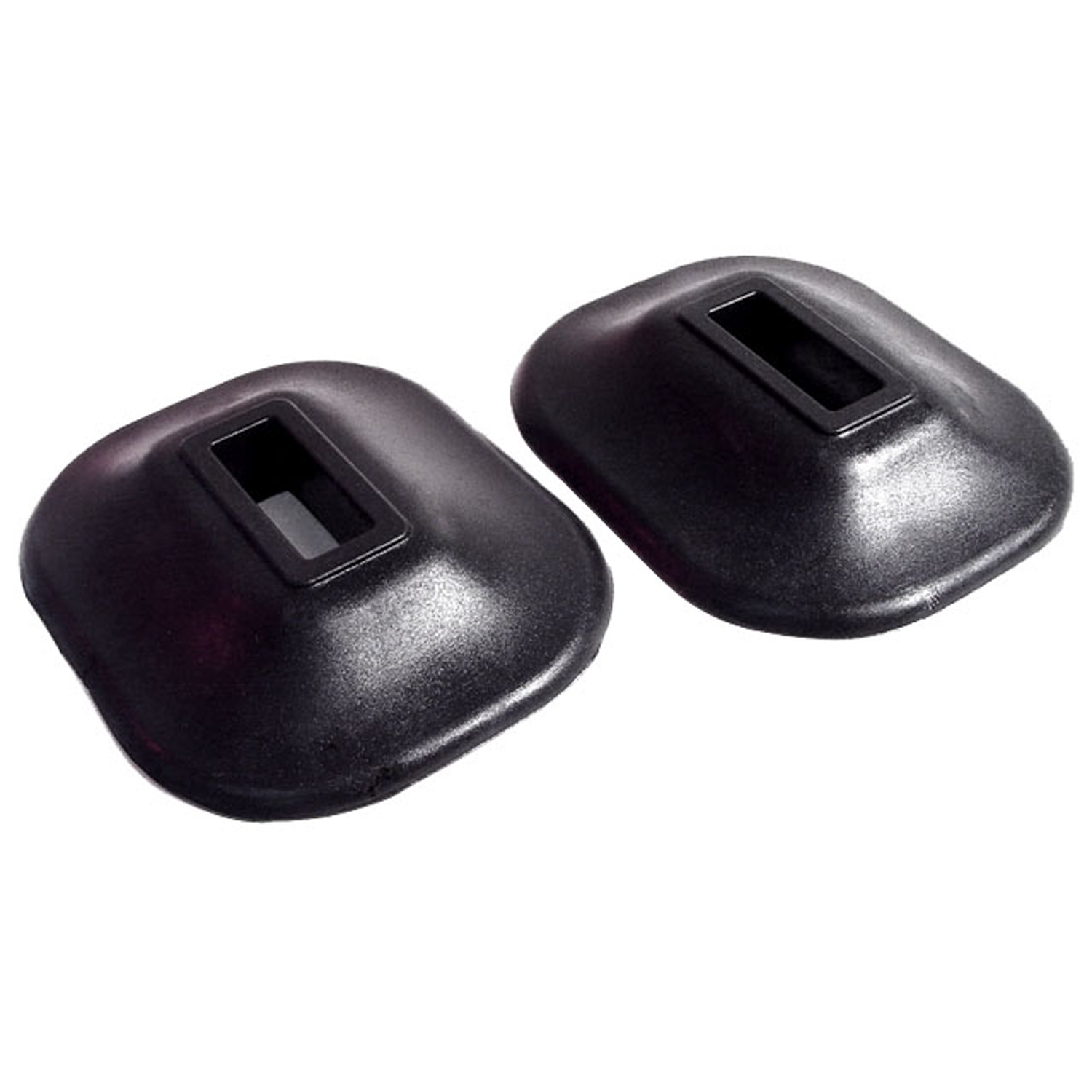 1954 Willys Aero Ace Front and Rear Bumper Arm Grommets-BG 62Front and Rear Bumper Arm Grommets. 3-1/8" wide X 3-7/8" long, with 1-3/8" long inner slot. Pair
 1954 Willys Aero Ace Shock Absorber Grommet. 1" bottom O.D-BN 11Shock Absorber Grommet. 1" bottom O.D., 3/4" high, with 5/8" I.D. Each
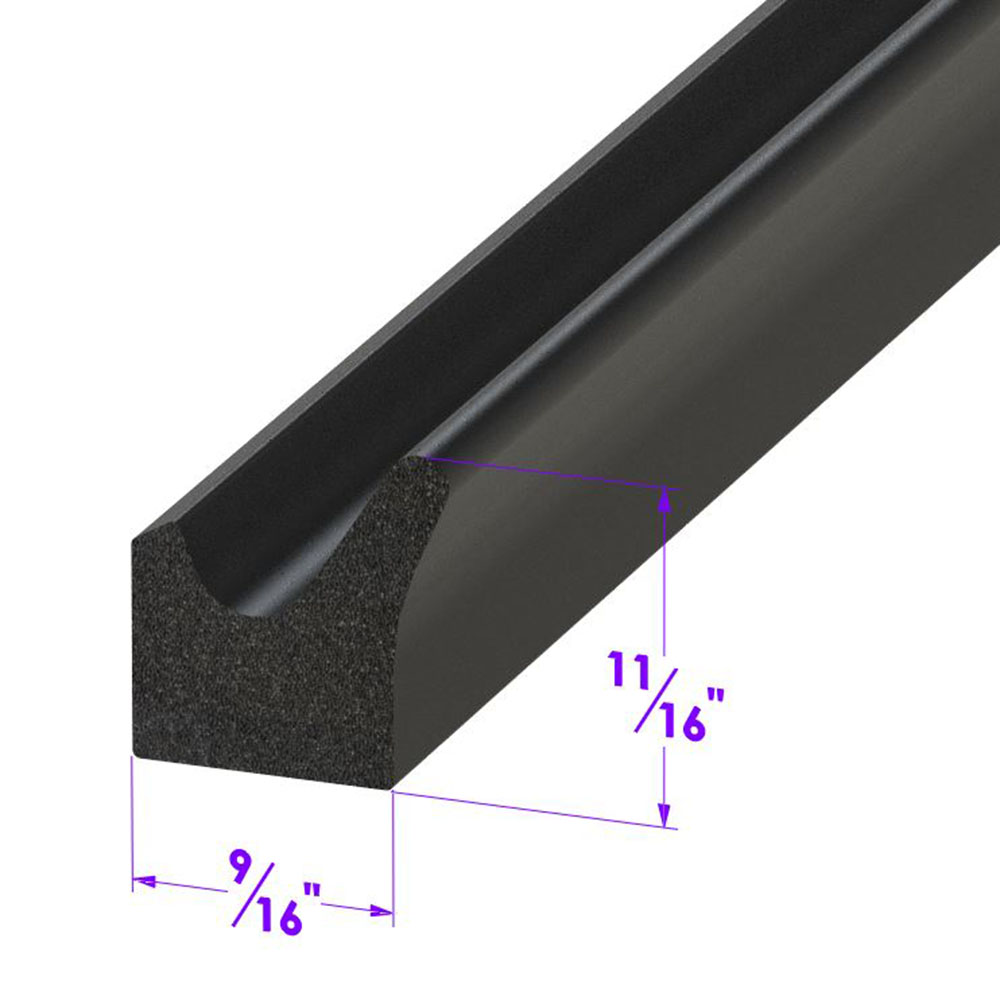 1954 Willys Aero Ace Door side seal. Same as LP 40-A, but for a heavier seal-LP 40Door side seal. Same as LP 40-A, but for a heavier seal. Fits many domestic passenger cars and trucks. Used in Cobra kit cars as trunk weatherstrip. Per foot.
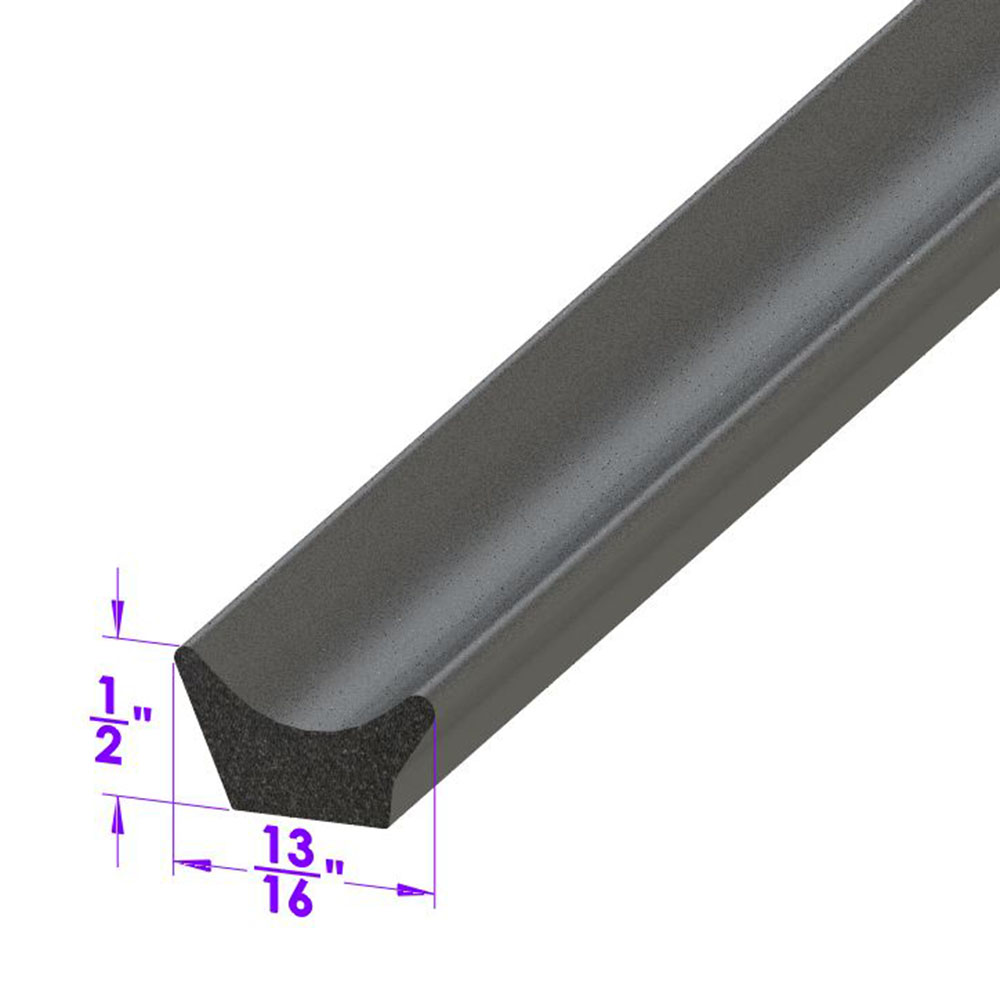 1954 Willys Aero Ace Door side seal. Same as LP 40, but for a lighter seal-LP 40-ADoor side seal. Same as LP 40, but for a lighter seal. Fits many domestic passenger cars and trucks. Universal seal for street rods and customs. Used in Cobra kit cars as door weatherstrip. Per foot.
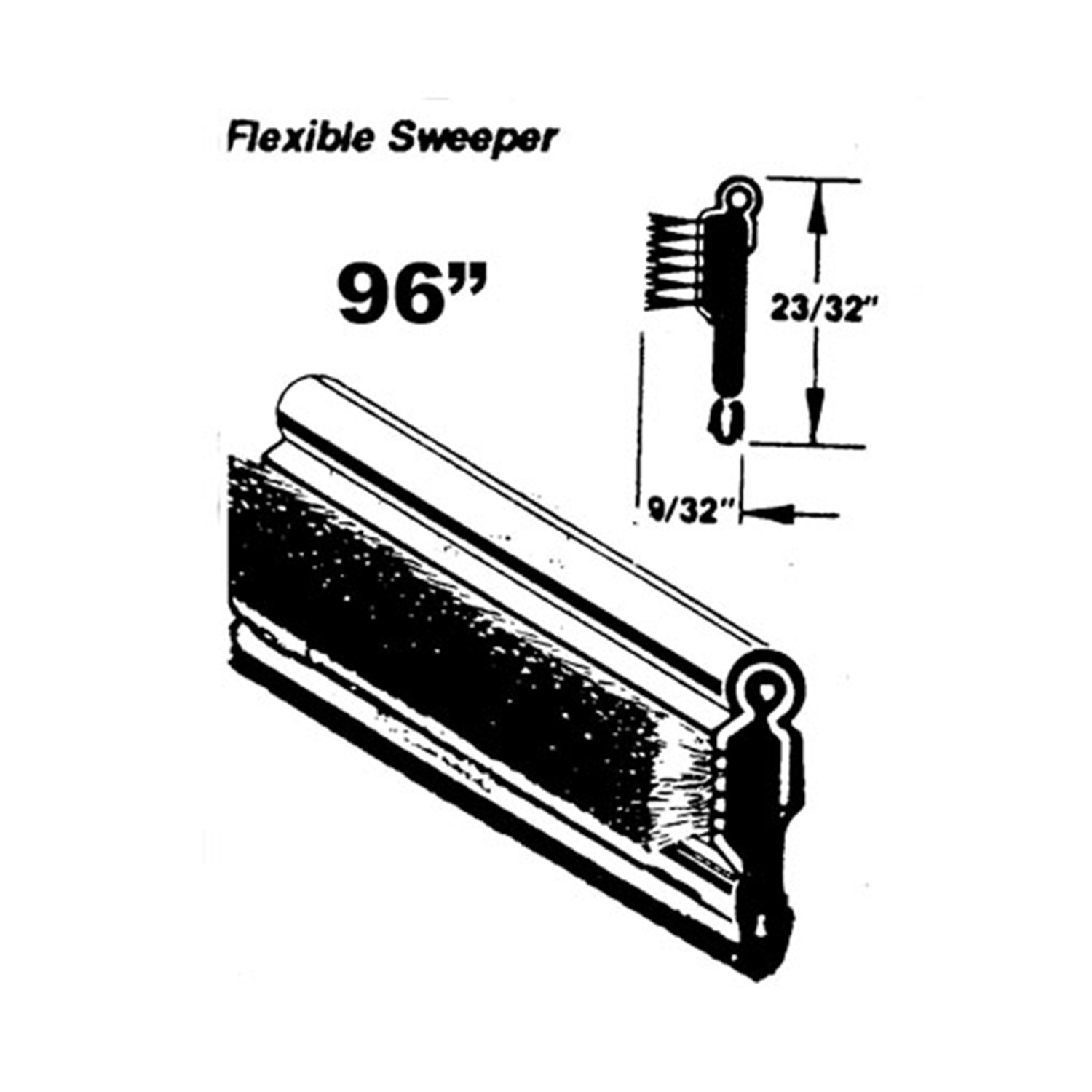 1954 Willys Aero Ace Flexible window sweeper. Made with stainless steel bead-WC 4-96Flexible window sweeper. Made with stainless steel bead. 96 in. long. Each. NOTE: $20 special shipping charge applies for domestic orders. Call or email for overseas shipping costs. Part can be sectioned in two or three equal lengths to reduce overseas shipping costs.
Why Choose Metro?
For over 100 years, Metro Moulded Parts has been the pinnacle of quality in classic car restoration parts. Our commitment to precision and authenticity in every component ensures a perfect fit and an OEM-level appearance.
- Expert Craftsmanship & Quality: Each part is a testament to our dedication to reliability and perfection, crafted from original designs and thoroughly tested.
- Advanced Technology: We use cutting-edge techniques to create flawless, long-lasting parts that surpass others in performance.
- SuperSoft Sponge – The Ultimate Door Seal: Not only are our door seals 30% softer than competitors', but they're also guaranteed to never leak. They effectively reduce wind and road noise, enhancing your classic car's comfort and driving experience.
- Proudly American: Our parts are a product of American craftsmanship, made in the USA with a spirit of excellence and heritage.
- Unrivaled Warranty: We back our products with a 30-year industry-leading warranty, a testament to our confidence in their quality.
Join us in preserving the legacy of classic cars with parts that are crafted for perfection, not just made.