

Image of 1954 Willys Aero Eagle, Note: These illustrations use artistic license and may differ from actual historical models.
Performance Metrics
Fundamental Metrics
Emotional Appeal
MMP Rating
| Engine Specifications | |
|---|---|
| Engine: | L-161 Lightning I6 |
| Displacement: | 161 cu in (2.6 L) |
| Horsepower: | 75 hp |
| Torque: | 114 lb-ft |
| Compression Ratio: | 7.3:1 |
| Ignition System: | Distributor and coil |
| Cooling System: | Liquid-cooled |
| Performance Specifications | |
| 0-60 Time: | Estimated 20 seconds |
| 1/4 Mile Time: | Not available |
| Top Speed: | 80 mph |
| Transmission and Drive | |
| Drive Type: | Rear-wheel drive |
| Transmission Type: | 3-speed manual |
| Fuel and Efficiency | |
| Fuel System Type: | Carburetor |
| MPG: | Estimated 20 mpg |
| Dimensions and Brakes | |
| Brakes: | Drum brakes |
| Wheelbase: | 108 in (2,743 mm) |
| Weight: | 2,890 lbs |
Note: Specifications for classic cars are given to the best of our ability, considering the limited and variant data available.
1954 Willys Aero Eagle: America’s Compact Hardtop with a Jet-Age Look
The 1954 Willys Aero Eagle looked ready for the future, but its greatest surprise was how neatly it packaged a full-size-car feel into a compact, lightweight body. Built by Willys-Overland in Toledo, Ohio, the Eagle was the upscale two-door hardtop in the Aero line, a family of American cars introduced for 1952. It arrived during a period when U.S. manufacturers were experimenting with smaller, more efficient cars, and it offered a distinctive alternative to the bigger, more familiar offerings from Detroit.
Willys was already famous for its wartime Jeeps, but the Aero showed a very different side of the company. One especially intriguing chapter came after the American Aero’s run: the design lived on in Brazil, where locally built Aero-Willys models continued, in heavily updated form, into the early 1970s. The little Toledo hardtop had a much longer international afterlife than its brief U.S. career might suggest.
Aero Eagle Styling and Interior
The Eagle’s proportions were low and tidy, with a long hood, a rounded roofline, and a short rear deck. Its smooth body sides and modest chrome trim gave it a clean, aerodynamic appearance rather than the increasingly flamboyant look of some larger American cars. The front end wore a broad grille and prominent headlamps, while the curved windshield and thin roof pillars helped the two-door hardtop feel open and airy. From the side, the roof flowed into the rear body without a fixed center pillar, creating the pillarless profile that made hardtops so appealing.
Inside, the Eagle was more polished than a basic economy car. Buyers could expect a full-width front bench seat, a broad dashboard, clear instrumentation, and trim that combined painted metal with upholstery in cloth, vinyl, or a mix of materials depending on equipment and finish. The cabin was designed for comfortable everyday motoring, not hand-built luxury, but its tidy layout and generous glass gave it a more upscale feel than its compact dimensions suggested.
Exterior colors and interior combinations varied by model year and trim. Period solid colors and two-tone paint schemes were both available, and contrasting roof or body colors suited the Eagle’s hardtop shape particularly well. There is no single color that defines every 1954 Eagle, but well-preserved two-tone examples often show off its clean roofline to best effect.
The 1954 Eagle itself was a two-door hardtop. The broader Aero range included other body styles, including two- and four-door sedans, with model names and equipment varying by year. The hardtop was the most visually distinctive choice, and the Eagle’s trim level made it the natural pick for buyers wanting the smartest-looking Aero.
Engineering in a Smaller Package
Under the hood, the Eagle used Willys’ 161-cubic-inch, or 2.6-liter, inline-six with an F-head valve arrangement. In an F-head engine, the intake valves sit in the cylinder head while the exhaust valves remain in the block. The layout helped the engine breathe better than a conventional flathead design, giving Willys useful power from a relatively compact six-cylinder.
Output is commonly listed at about 90 horsepower for the 1954 Aero Eagle. A three-speed manual transmission was standard, and overdrive was available on some cars, depending on equipment. The Aero also used unitized construction, meaning its body and chassis formed an integrated structure rather than relying on a separate full-length frame. That approach helped keep the car relatively light and contributed to its nimble character.
The Aero was not a technological revolution, but it was a thoughtful combination of compact dimensions, modern construction, and a more efficient six-cylinder engine. In an era when many American cars were growing wider and heavier, the Eagle offered a different interpretation of the modern family car.
Why the Willys Aero Mattered
The Aero Eagle arrived as American buyers were beginning to consider smaller cars, but it was ahead of the market in one important sense: its compact size did not make it look or feel like a stripped-down bargain model. Its low roof, integrated body, and carefully proportioned styling gave it a modern presence, while the six-cylinder engine made it more substantial than many economy-minded imports.
It competed in a busy field that included compact offerings such as the Nash Rambler and Hudson Jet, as well as smaller versions of the major manufacturers’ cars. The Willys stood apart through its combination of light weight, distinctive hardtop styling, and Jeep-maker engineering. It never became a sales giant, so its influence on later American design was limited. Its more lasting significance is as an example of a smaller independent automaker trying to anticipate changing tastes while larger manufacturers still focused on bigger cars.
1954 Willys Aero Eagle Performance and Road Manners
With roughly 90 horsepower and a relatively light body, the Eagle had adequate performance for its day, though it was not a muscle car or a sports coupe. Period figures vary with transmission, condition, and test method, but a reasonable estimate is a 0-to-60-mph time in the 16-to-18-second range and a top speed around 80 to 85 mph. Those figures should be treated as typical estimates rather than guaranteed results for every surviving car.
On a smooth road, the Aero feels compact and easy to place, with a lighter, less cumbersome character than a full-size sedan. Its suspension was tuned for ordinary American roads, so it can soften the impact of smaller bumps, though a modern driver should not expect contemporary ride control or cornering grip. On winding roads, the car is best enjoyed at a relaxed pace. Its modest power and period tires reward smooth steering and early braking rather than hurried cornering.
The six-cylinder engine produces a steady, workmanlike sound rather than a deep V8 rumble. The manual transmission gives the driver a direct connection to the car, and the relatively narrow body makes threading through traffic feel less demanding than in many larger 1950s sedans. A well-maintained example should feel composed and friendly, but worn suspension parts, old tires, and loose steering can quickly change that impression.
Living with an Aero Eagle
Today, the 1954 Eagle is best suited to weekend drives, vintage-car gatherings, and show duty. It can be driven regularly if it has been properly restored and maintained, but its age makes it a less practical daily driver than a modern car. Parts availability is more limited than it is for popular Chevrolet or Ford models, so a prospective owner should check the car’s condition and parts supply before buying.
The engine is mechanically straightforward, and many routine jobs are within reach of an experienced home mechanic. The bigger challenges are often finding correct trim, body parts, and model-specific components. Rust deserves careful attention, especially around the floors, lower body, and structural areas. As with any 70-year-old car, inspect the brakes, fuel system, electrical wiring, cooling system, and tires before putting it on the road.
Reliability depends heavily on maintenance and restoration quality. A sound Aero can be an enjoyable, uncomplicated classic, but a neglected example may require specialized parts or patient searching. Owners who value originality should also document repairs and preserve hard-to-find trim rather than replacing it casually.
Willys Aero Eagle Facts and Common Criticisms
The Aero’s story reaches well beyond the United States. Willys’ Brazilian operation continued the Aero name and basic concept after American production ended, eventually creating locally developed versions with substantially revised styling. The Brazilian cars were not simply unchanged 1954 Eagles, but they kept the name alive for a new generation of buyers.
There is no widely recognized speed, sales, or endurance record associated with the 1954 Eagle. Its appeal is more about its uncommon design and independent-manufacturer heritage. Nor is the model best known for celebrity ownership or a defining appearance in a major historical event. Its unusual place in automotive history is quieter: a compact American hardtop from a company better known for military utility vehicles.
Common criticisms include modest acceleration, limited parts availability, and a smaller enthusiast support network than better-known 1950s makes enjoy. Some buyers may also find its proportions less imposing than the full-size cars of the period. For others, that is precisely the attraction: the Eagle is distinctive without being oversized or overly ornate.
Collector Value and Rarity
Exact production figures for individual Aero models are not consistently reported, so any Eagle-specific total should be treated as an estimate. A reasonable working estimate is that roughly 2,000 to 3,000 1954 Aero Eagles were built. That would make the model uncommon today, although not every example has survived, and cars can surface through regional clubs, online listings, or estate sales.
In the current U.S. collector market, a project car might sell for roughly $3,000 to $8,000, depending on completeness and rust. A usable driver could fall around $8,000 to $16,000, while a well-restored example might bring approximately $18,000 to $30,000. An exceptional, highly original car or a top-quality restoration could exceed that range, but condition, documentation, and buyer interest matter greatly. These are broad estimates, not a formal appraisal.
Values have generally been steady to gradually stronger for clean, unusual postwar cars, but the Aero Eagle remains a niche collectible rather than a high-volume investment favorite. Its rarity helps it stand out, while limited name recognition can restrain prices. The best examples are likely to hold their appeal better than rough projects, especially when they retain original components and present well.
Why the 1954 Aero Eagle Still Turns Heads
The 1954 Willys Aero Eagle combined a distinctive pillarless hardtop body, compact proportions, unitized construction, and a practical six-cylinder engine in a package that felt different from the typical American car of its time. It was not the fastest or most influential car of the decade, but it offered a genuinely fresh alternative from a manufacturer known around the world for Jeeps.
For today’s collector, the Eagle’s charm lies in that contrast: familiar 1950s character, unexpectedly modern proportions, and a story that crossed an ocean after U.S. production ended. It is a reminder that automotive history is shaped not only by the bestsellers, but also by the bold, uncommon cars that dared to take a different road.
1954 Willys Aero Eagle Catalog of Parts
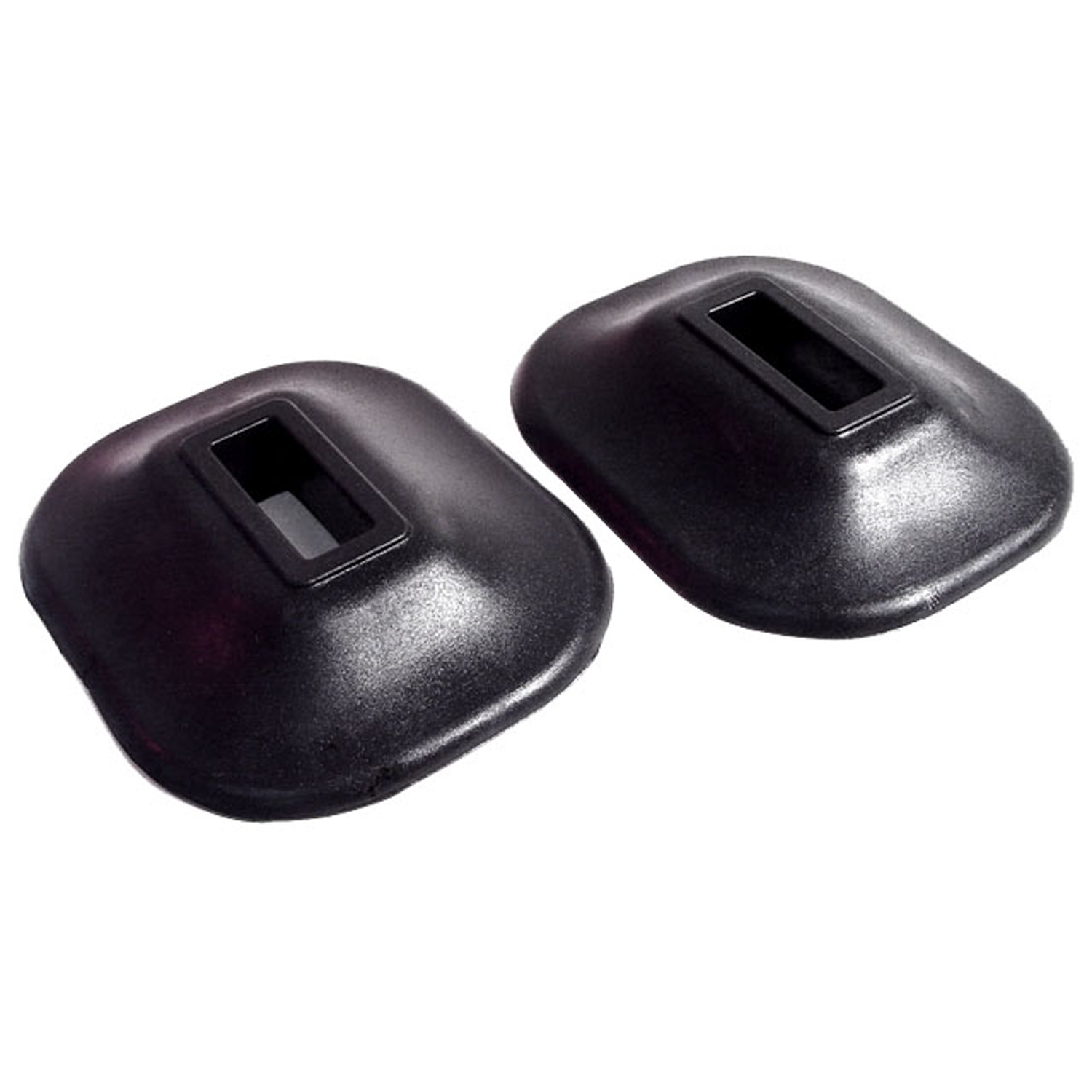 1954 Willys Aero Eagle Front and Rear Bumper Arm Grommets-BG 62Front and Rear Bumper Arm Grommets. 3-1/8" wide X 3-7/8" long, with 1-3/8" long inner slot. Pair
 1954 Willys Aero Eagle Shock Absorber Grommet. 1" bottom O.D-BN 11Shock Absorber Grommet. 1" bottom O.D., 3/4" high, with 5/8" I.D. Each
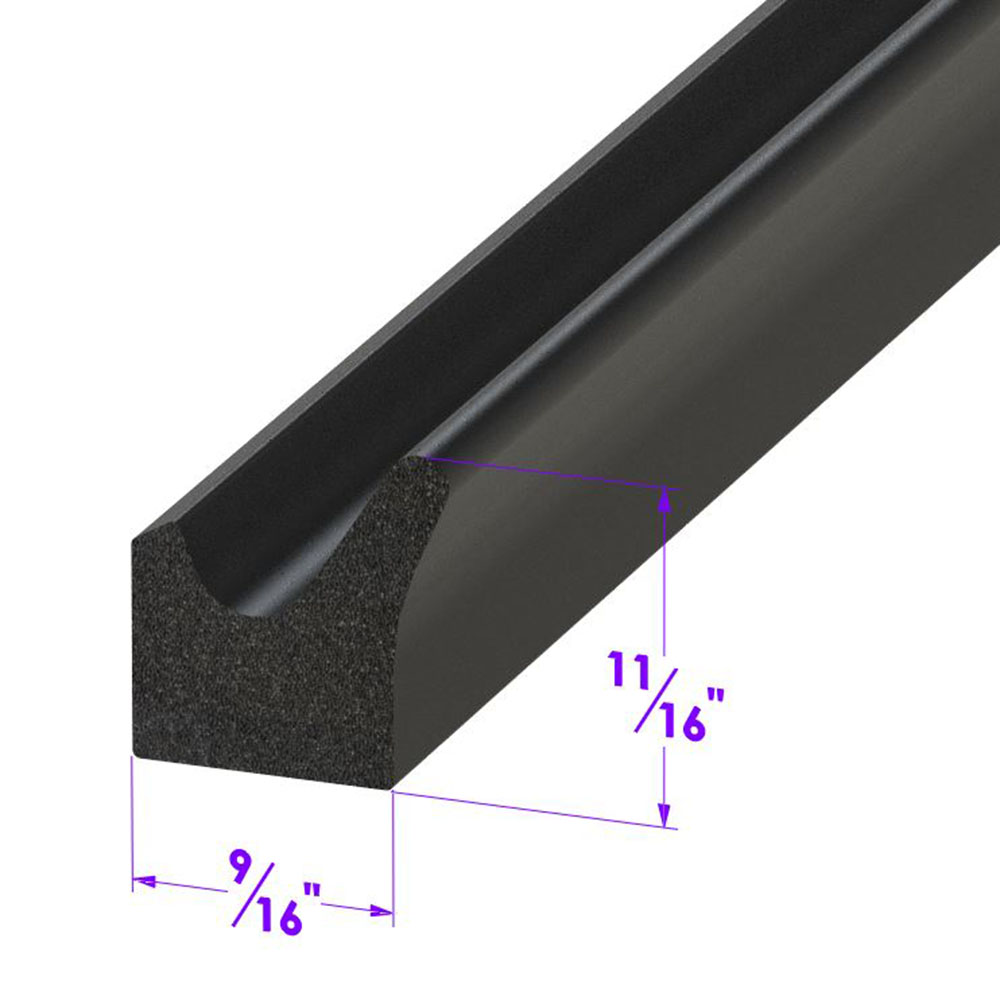 1954 Willys Aero Eagle Door side seal. Same as LP 40-A, but for a heavier seal-LP 40Door side seal. Same as LP 40-A, but for a heavier seal. Fits many domestic passenger cars and trucks. Used in Cobra kit cars as trunk weatherstrip. Per foot.
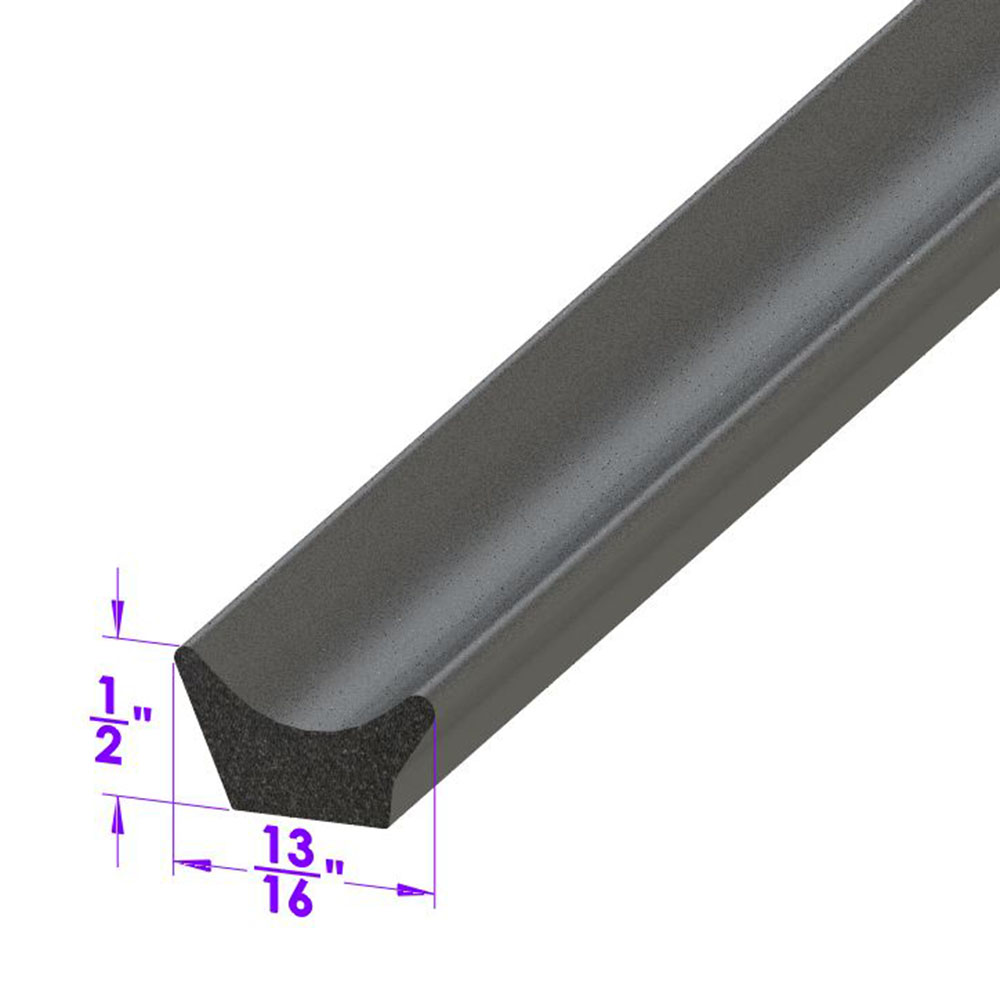 1954 Willys Aero Eagle Door side seal. Same as LP 40, but for a lighter seal-LP 40-ADoor side seal. Same as LP 40, but for a lighter seal. Fits many domestic passenger cars and trucks. Universal seal for street rods and customs. Used in Cobra kit cars as door weatherstrip. Per foot.
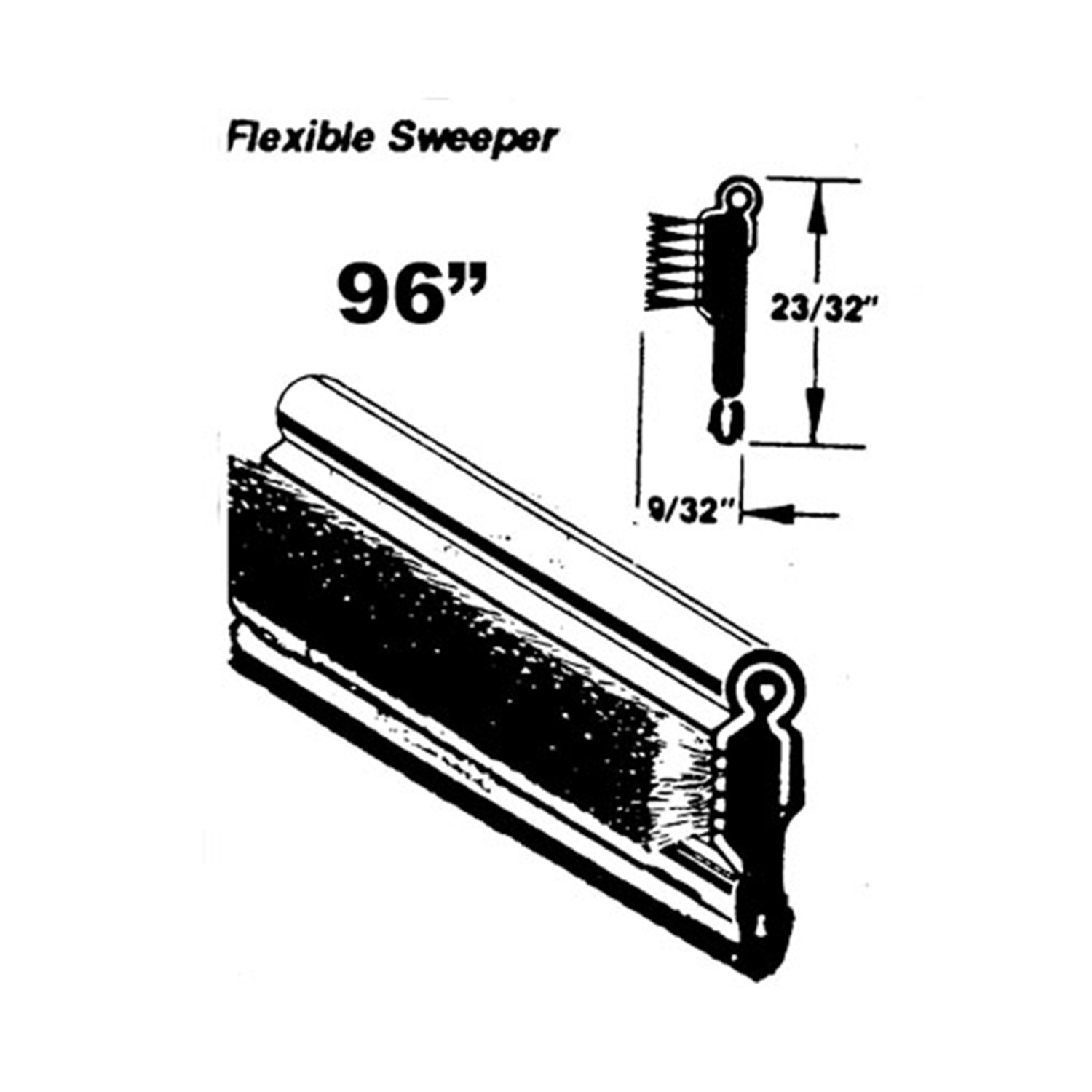 1954 Willys Aero Eagle Flexible window sweeper. Made with stainless steel bead-WC 4-96Flexible window sweeper. Made with stainless steel bead. 96 in. long. Each. NOTE: $20 special shipping charge applies for domestic orders. Call or email for overseas shipping costs. Part can be sectioned in two or three equal lengths to reduce overseas shipping costs.
Why Choose Metro?
For over 100 years, Metro Moulded Parts has been the pinnacle of quality in classic car restoration parts. Our commitment to precision and authenticity in every component ensures a perfect fit and an OEM-level appearance.
- Expert Craftsmanship & Quality: Each part is a testament to our dedication to reliability and perfection, crafted from original designs and thoroughly tested.
- Advanced Technology: We use cutting-edge techniques to create flawless, long-lasting parts that surpass others in performance.
- SuperSoft Sponge – The Ultimate Door Seal: Not only are our door seals 30% softer than competitors', but they're also guaranteed to never leak. They effectively reduce wind and road noise, enhancing your classic car's comfort and driving experience.
- Proudly American: Our parts are a product of American craftsmanship, made in the USA with a spirit of excellence and heritage.
- Unrivaled Warranty: We back our products with a 30-year industry-leading warranty, a testament to our confidence in their quality.
Join us in preserving the legacy of classic cars with parts that are crafted for perfection, not just made.