

Image of 1955 Willys Custom, Note: These illustrations use artistic license and may differ from actual historical models.
Performance Metrics
Fundamental Metrics
Emotional Appeal
MMP Rating
| Engine Specifications | |
|---|---|
| Engine: | Inline-6 |
| Displacement: | 134 to 226 cu in |
| Horsepower: | 72 to 105 hp |
| Torque: | 114 to 190 lb-ft |
| Compression Ratio: | 7.0:1 |
| Ignition System: | Distributor and coil |
| Cooling System: | Liquid-cooled |
| Performance Specifications | |
| 0-60 Time: | Estimated 20-30 seconds |
| 1/4 Mile Time: | Not available |
| Top Speed: | 60-70 mph |
| Transmission and Drive | |
| Drive Type: | 4WD |
| Transmission Type: | 3-speed manual |
| Fuel and Efficiency | |
| Fuel System Type: | Carburetor |
| MPG: | Estimated 15-20 mpg |
| Dimensions and Brakes | |
| Brakes: | Drum brakes |
| Wheelbase: | 104.5 in |
| Weight: | 2,900 lbs |
Note: Specifications for classic cars are given to the best of our ability, considering the limited and variant data available.
1955 Willys Custom: A Compact with Jeep-Bred Character
The 1955 Willys Custom brings together two very different automotive stories: Willys-Overland’s practical, engineering-minded heritage and the personal creativity of the custom-car world. One important distinction comes first: “Willys Custom” is not a consistently documented factory model name for 1955. It usually describes a modified Willys, often based on a Willys Aero passenger car or a Willys utility vehicle. Because individual customs can have different engines, bodywork, and interiors, this guide focuses on the 1955 Willys Aero as a period-correct passenger-car foundation, while noting where custom modifications change the picture.
Willys-Overland was based in Toledo, Ohio, and became famous for wartime and civilian Jeeps. The Aero was the company’s attempt to bring that engineering know-how to the American family-car market. It was a compact, comparatively light car at a time when many domestic rivals were growing larger and heavier. A notable milestone for the Aero is that 1955 marked the end of its regular production in the United States. The name and design lived on, however, when the Aero returned to production in Brazil in 1960.
Aero Styling and Custom-Car Appeal
The stock Aero has a distinctive early-1950s shape: a low roof, rounded fenders, a broad curved windshield, and a body that looks neatly tailored rather than oversized. Its proportions make it stand apart from the longer, fin-heavy American sedans that were becoming fashionable. A custom example might keep the original profile while adding a lowered stance, revised grille, brighter trim, custom paint, or period-style wheels. More extensive builds may have altered suspension, modern powertrains, or substantial bodywork, so no two “Willys Customs” are necessarily alike.
Inside, a standard Aero was practical rather than luxurious. Expect a straightforward dashboard, simple instrumentation, bench seating, and durable cloth or vinyl, depending on trim and condition. A well-kept original can feel charmingly unfussy, while a custom car may have upgraded upholstery, a reshaped dash, or modern conveniences. When inspecting one, look beyond fresh trim: the quality of the metalwork, wiring, and installation matters more than a shiny finish.
Factory paint choices varied by model and year, and surviving cars may have been repainted more than once. Period-appropriate solid colors and two-tone combinations suit the Aero’s compact shape particularly well. Custom owners often choose vivid candy colors, metallic finishes, or classic hot-rod shades, but those choices are personal rather than evidence of a special factory edition.
The Aero range included compact passenger-car body styles and trim variations, with two- and four-door sedans among the familiar forms. The Aero-Eagle hardtop is especially appealing to enthusiasts for its sportier, pillarless look, though the exact 1955 model and body-style availability should be confirmed against the car’s serial number and factory literature. Custom builds based on Willys utility vehicles are a separate branch of the hobby and should not be confused with an Aero sedan or hardtop.
Why the 1955 Willys Matters
The Aero represented an alternative to the idea that every new American car had to be bigger. Its compact dimensions and relatively light construction made it easier to maneuver and park than many full-size contemporaries. Willys also brought experience in building rugged, efficient vehicles to a passenger car, giving the Aero an engineering character that felt different from a typical Detroit cruiser.
Its influence was less about launching a mass-market design revolution and more about showing what a smaller American car could be before compact cars became a major industry category. The Aero did not outsell the established giants, but its tidy proportions and practical approach have helped it earn a following among collectors who like unusual, overlooked postwar cars. Today, a customized example adds another layer to that story: owners can make a rare platform reflect their own taste without starting with a conventional hot-rod body.
Engine, Speed, and Road Manners
For a stock 1955 Aero, the expected powerplant is a Willys six-cylinder engine. Engine specifications and output depend on the exact model and configuration, so buyers should verify what is actually fitted rather than assume every car left the factory identically equipped. Three-speed manual transmissions were typical, and some cars were offered with convenience options such as overdrive. A custom car may instead have a later engine and transmission, making its performance a reflection of the build rather than the original model.
Period performance figures are not as consistently recorded as those for high-volume models. A sound, stock Aero is best thought of as a modestly powered 1950s family car, not a sports car. Depending on engine, gearing, condition, and test method, a rough expectation is a top speed in the neighborhood of 80 mph and a 0-to-60 mph time somewhere in the mid-to-high teens. These are estimates, not guaranteed factory figures. A modified car could be much quicker, or less dependable if its upgrades were poorly matched.
On the road, the Aero’s compact size is an advantage. It feels easier to place on narrow streets and winding two-lane roads than a full-size American sedan of the same era. Its period suspension is not designed to erase every pothole, so expect body movement and a firm reminder of rough pavement. Crosswinds, worn steering parts, old tires, and loose suspension bushings can make any vintage car feel unsettled. A carefully sorted example should be predictable, but it will not deliver modern-car grip or braking.
The driving experience is pleasantly mechanical. The six-cylinder engine produces a steady, workmanlike sound rather than a high-performance roar. With a manual gearbox, the driver is involved in every shift, and the car rewards smooth inputs. In a custom build, the engine note, ride height, steering feel, and braking can vary dramatically. Ask for a detailed account of the modifications and, ideally, drive the car before buying it.
Living with a Willys Custom
A stock or gently modified Aero can serve as a weekend cruiser, local show car, or occasional-use classic. A heavily customized example may be built for hot-rod events, display, or spirited driving, but its suitability depends on the quality of the work. Neither version is automatically a dependable daily driver by modern standards. Safety equipment, traffic speed, weather protection, and parts availability all deserve consideration before putting one into regular use.
Many mechanical jobs are approachable for an experienced home mechanic, especially when the car retains familiar period components. The harder part can be finding the correct Willys-specific pieces, trim, glass, and body panels. Custom cars add another challenge: nonstandard wiring, mixed-brand components, and one-off fabrication can make repairs more complicated. Keep receipts, wiring diagrams, and a full list of modifications with the car. Inspect the frame or unibody structure, floor pans, rocker areas, suspension mounts, brakes, and fuel system carefully.
Willys Facts and Common Criticisms
The Aero’s final American production year gives a genuine 1955 example a natural place in Willys history. The model’s later Brazilian life is another unusual chapter: the Aero name returned there in 1960, long after the American version had left the market. That international afterlife helps explain why Willys passenger cars are remembered in more than one country.
There is no reliable universal production figure for “1955 Willys Customs,” because customs were individually modified and were not a factory series. As a broad estimate, production of the U.S.-market Aero in 1955 was likely in the range of several thousand cars, often cited at roughly 5,000 to 6,000 across the applicable models. That is a model-year estimate, not a count of surviving cars or customized examples.
Common criticisms include modest stock performance, limited parts availability compared with Chevrolet or Ford classics, and the difficulty of identifying a car after major modifications. Some enthusiasts also find the Aero’s styling less dramatic than the large, finned cars of the same era. Its supporters see the same restraint as a virtue: it is compact, distinctive, and not another familiar full-size cruiser. There is no widely recognized national speed or sales record associated with the 1955 Aero, and celebrity ownership claims should be treated cautiously unless supported by documentation.
Collector Value and Availability
Willys Aero values depend heavily on completeness, rust, originality, body style, and the quality of any custom work. As a general U.S. market estimate, a project car might sell for about $4,000 to $10,000. A usable driver could fall around $10,000 to $25,000, while a very well-restored or carefully built example might reach roughly $25,000 to $45,000 or more. An exceptional custom with professional workmanship and desirable components could exceed that range, but expensive modifications do not always translate into equal resale value.
These cars are uncommon beside mainstream American classics, but they are not impossible to find. Clean, complete examples are much scarcer than project cars, and trim or body parts can take time to locate. Values for distinctive, well-presented examples have generally benefited from growing interest in lesser-known postwar cars, though the market remains specialized. Condition and documentation are more reliable predictors of value than the word “custom” in a listing.
The Lasting Appeal of the 1955 Willys
A 1955 Willys Custom is best understood as an individual interpretation of Willys history, often rooted in the compact Aero and its final American model year. The original car offered practical proportions and a distinctive alternative to the era’s larger sedans, while custom owners have given the platform a second life through personal design and mechanical creativity. For collectors, the appeal is not simply rarity. It is the chance to own a car that reflects a less familiar side of a company best known for Jeeps. A good Willys turns heads precisely because it tells a different story.
1955 Willys Custom Catalog of Parts
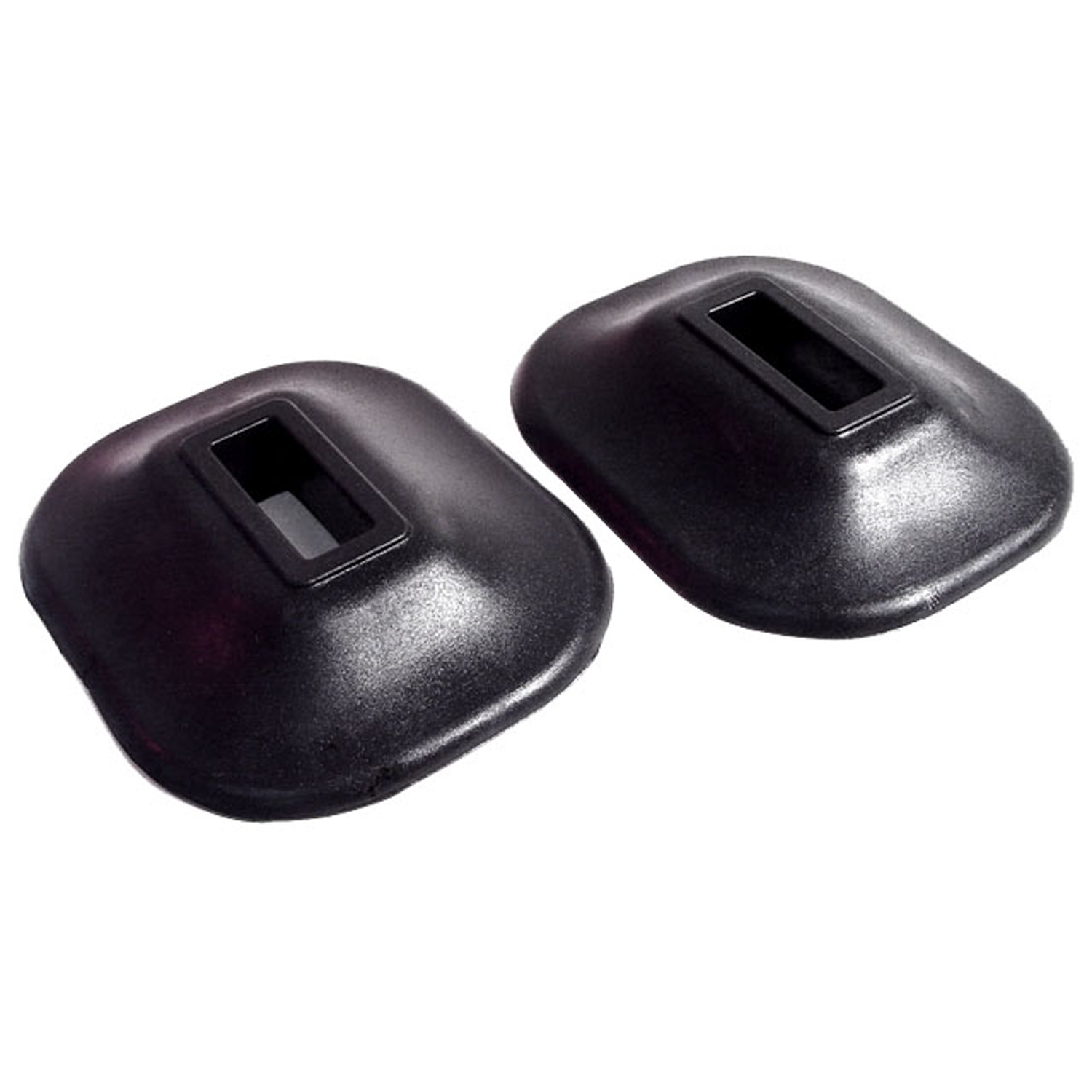 1955 Willys Custom Front and Rear Bumper Arm Grommets-BG 62Front and Rear Bumper Arm Grommets. 3-1/8" wide X 3-7/8" long, with 1-3/8" long inner slot. Pair
 1955 Willys Custom Shock Absorber Grommet. 1" bottom O.D-BN 11Shock Absorber Grommet. 1" bottom O.D., 3/4" high, with 5/8" I.D. Each
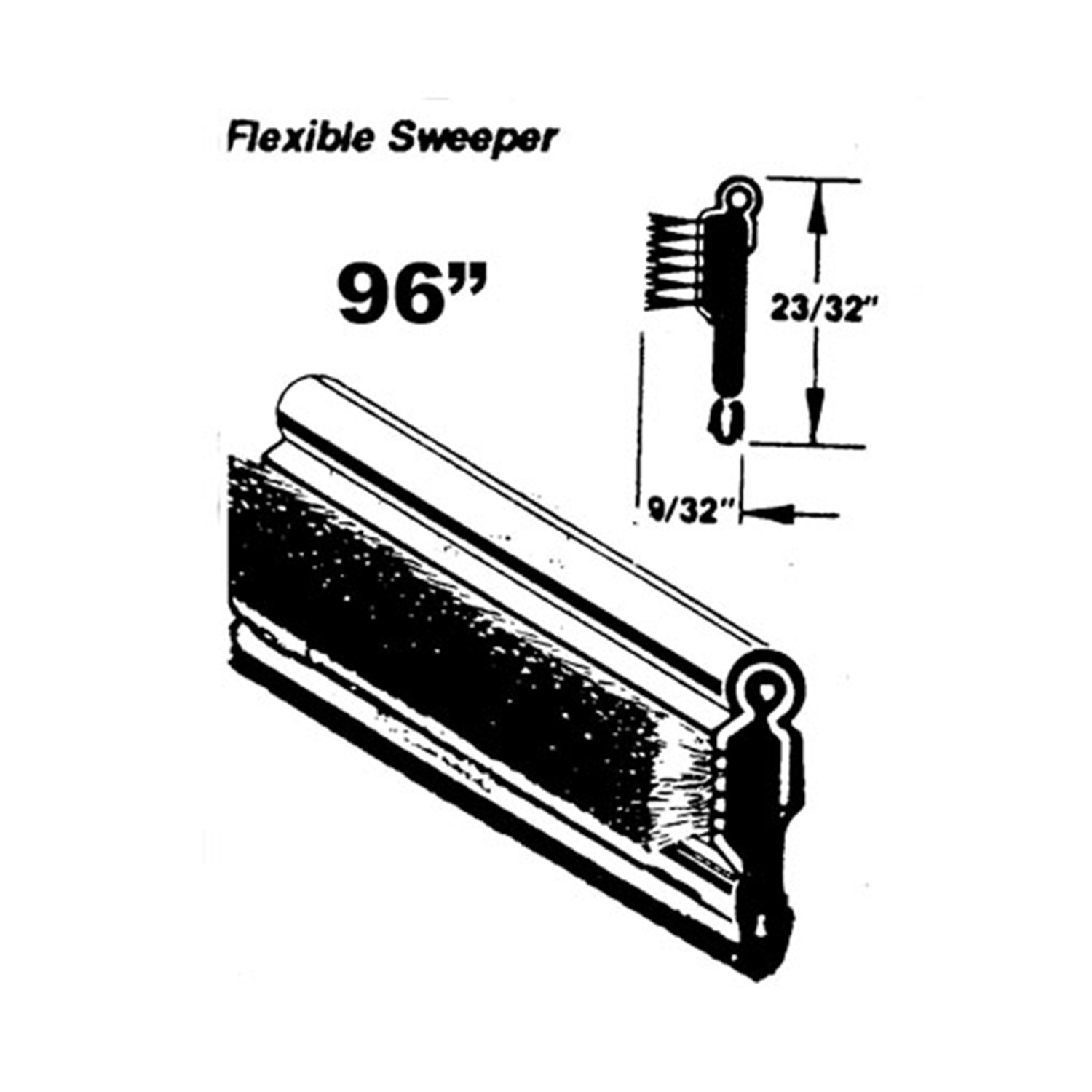 1955 Willys Custom Flexible window sweeper. Made with stainless steel bead-WC 4-96Flexible window sweeper. Made with stainless steel bead. 96 in. long. Each. NOTE: $20 special shipping charge applies for domestic orders. Call or email for overseas shipping costs. Part can be sectioned in two or three equal lengths to reduce overseas shipping costs.
Why Choose Metro?
For over 100 years, Metro Moulded Parts has been the pinnacle of quality in classic car restoration parts. Our commitment to precision and authenticity in every component ensures a perfect fit and an OEM-level appearance.
- Expert Craftsmanship & Quality: Each part is a testament to our dedication to reliability and perfection, crafted from original designs and thoroughly tested.
- Advanced Technology: We use cutting-edge techniques to create flawless, long-lasting parts that surpass others in performance.
- SuperSoft Sponge – The Ultimate Door Seal: Not only are our door seals 30% softer than competitors', but they're also guaranteed to never leak. They effectively reduce wind and road noise, enhancing your classic car's comfort and driving experience.
- Proudly American: Our parts are a product of American craftsmanship, made in the USA with a spirit of excellence and heritage.
- Unrivaled Warranty: We back our products with a 30-year industry-leading warranty, a testament to our confidence in their quality.
Join us in preserving the legacy of classic cars with parts that are crafted for perfection, not just made.