

Image of 1955 Willys Station Wagon, Note: These illustrations use artistic license and may differ from actual historical models.
Performance Metrics
Fundamental Metrics
Emotional Appeal
MMP Rating
| Engine Specifications | |
|---|---|
| Engine: | L-226 Super Hurricane Inline 6 |
| Displacement: | 226 cu in (3.7 L) |
| Horsepower: | 105 hp |
| Torque: | 190 lb-ft |
| Compression Ratio: | 7.5:1 |
| Ignition System: | Distributor and coil |
| Cooling System: | Liquid-cooled |
| Performance Specifications | |
| 0-60 Time: | Estimated 20 seconds |
| 1/4 Mile Time: | Not available |
| Top Speed: | 75 mph |
| Transmission and Drive | |
| Drive Type: | 4WD |
| Transmission Type: | 3-speed manual |
| Fuel and Efficiency | |
| Fuel System Type: | Carburetor |
| MPG: | Estimated 15-20 mpg |
| Dimensions and Brakes | |
| Brakes: | Drum brakes |
| Wheelbase: | 104.5 in |
| Weight: | 3,200 lbs |
Note: Specifications for classic cars are given to the best of our ability, considering the limited and variant data available.
1955 Willys Station Wagon: The Boxy Pioneer That Helped Create the SUV
The 1955 Willys Station Wagon looks like a country workhorse, but its square, all-steel body helped point the way toward the modern sport utility vehicle. Built by Willys-Overland, the company behind the wartime Jeep, it combined passenger-car seating with rugged, practical engineering. Its most intriguing claim to fame is that the Wagon was among the first mass-produced American station wagons with an all-steel body, replacing the high-maintenance timber framing common on earlier wagons.
By 1955, Willys was part of Kaiser Industries, and the company was building on the reputation it had earned with military Jeeps. The Station Wagon was not simply a civilian Jeep with extra seats. It was a family and utility vehicle designed to carry people, supplies, and, in four-wheel-drive form, tackle roads that could stop an ordinary car. That combination made it an important ancestor of today’s SUVs.
Steel Sides, Flat Glass, and Practical Style
The Wagon’s styling is honest and unmistakable. Its upright nose, flat hood, slab-sided body, squared-off roof, and broad windows put function ahead of ornament. A simple grille and exposed, rounded front fenders give it a distinctly Jeep-like face, while the long roof and rear cargo area make its purpose clear. Large areas of flat glass offered useful visibility and were less costly to replace than complex curved panes.
At the back, a two-piece tailgate made loading easier: the lower section could fold down while the upper section lifted out of the way. The result was a low, practical opening for groceries, farm supplies, luggage, or work equipment. The two-door layout kept the body simple and sturdy, though it meant rear passengers had to climb past the front seats.
Inside, the Wagon was durable rather than luxurious. A metal dashboard, straightforward instruments, and bench seating reflected its working-vehicle roots. Upholstery was typically practical cloth or vinyl, depending on equipment and trim. This was not a car designed around plush carpeting or elaborate trim. Its appeal came from space, visibility, and surfaces that could take regular use.
Factory paint and trim combinations varied by model and market. Solid colors and two-tone schemes were available, with light-colored roofs often paired with darker lower bodies. Blue, red, green, gray, and white combinations are commonly associated with period Willys wagons. Original paint codes and trim details are worth checking against the vehicle’s data plate and factory documentation, since colors and availability could change.
Engines, Drivetrains, and 1955 Options
The 1955 Wagon was offered with two distinctive Willys powerplants. The four-cylinder 134-cubic-inch F-head Hurricane was rated at roughly 72 horsepower. Its unusual F-head layout used overhead intake valves and side exhaust valves, a design intended to improve breathing while retaining a compact, rugged engine. Buyers seeking more power could choose the 226-cubic-inch six-cylinder, commonly known as the Super Hurricane, rated at about 115 horsepower.
A three-speed manual transmission was typical. Two-wheel-drive versions suited ordinary roads and lighter-duty use, while four-wheel-drive models added a transfer case and the traction needed for muddy tracks, snow, and rough rural routes. Exact equipment varied, so a prospective buyer should verify the drivetrain rather than rely on badges alone. The 4WD system is a major part of the Wagon’s appeal, but it also adds components that need inspection and maintenance.
Willys offered the Wagon primarily as a two-door utility body, with seating and equipment options that could make it a family carrier or a more stripped-down work vehicle. The four-wheel-drive wagon is the most iconic configuration today, but the two-wheel-drive version has its own appeal as a lighter, simpler classic. Depending on configuration, some wagons could be fitted with additional seating, including a rear-facing third-row arrangement.
Why the Willys Wagon Mattered
Before the SUV became a mainstream category, buyers often had to choose between a passenger car and a dedicated truck. The Willys Wagon offered a persuasive middle ground: car-like enclosed seating, generous cargo room, and available four-wheel drive. Its steel body was a particularly significant innovation. Traditional wood-bodied wagons had a charming appearance, but their timber structures needed regular care and could deteriorate with age and weather. Willys’ all-steel construction was more practical for everyday work.
The Wagon also carried Jeep capability into family and commercial transport. It served rural households, businesses, delivery operators, and public agencies, helping establish the idea that a four-wheel-drive vehicle could be useful beyond military or industrial work. Its utilitarian formula influenced later Jeep wagons and the broader development of the four-wheel-drive SUV.
Compared with many contemporary station wagons, the Willys was compact, upright, and distinctly truck-like. It did not offer the smooth ride or polished road manners of a full-size American car. Instead, it delivered a useful mix of toughness, visibility, and traction. That tradeoff is precisely what makes it compelling to enthusiasts today.
Performance: Sturdy Rather Than Speedy
Performance figures depend on engine, axle gearing, body condition, and whether the vehicle is two- or four-wheel drive. As a general guide, a four-cylinder 134-powered Wagon may reach approximately 60 to 65 mph, with a 0-to-60-mph time in the neighborhood of 25 seconds or more. A six-cylinder model can generally manage around 70 to 75 mph in favorable conditions, with 0-to-60 times often estimated at roughly 17 to 20 seconds. These are practical estimates, not guaranteed factory figures, and old examples can vary substantially.
The 134 is best enjoyed at an unhurried pace. It pulls steadily at low speeds, which is useful on work roads, but passing and highway merging require planning. The six-cylinder feels more relaxed when carrying passengers or climbing hills, though neither engine turns the Wagon into a fast vehicle. Low gearing helps the 4WD version work at slow speeds on challenging surfaces, but it can make high-speed cruising noisy and busy.
On rough roads, the Wagon’s truck-based character is clear. It can feel firm and bouncy over sharp bumps, especially when lightly loaded. On winding pavement, its tall body and relatively basic suspension call for smooth, deliberate inputs rather than fast cornering. Four-wheel drive improves traction, not cornering grip, and it is not a substitute for careful driving.
Behind the wheel, the experience is wonderfully direct. The engine has a mechanical, unfiltered sound, the manual transmission asks for deliberate shifts, and the upright seating gives the driver a commanding view of the road. Steering and braking feel more physical than in a modern vehicle, particularly at low speeds. A healthy Wagon can be satisfying to drive, but it rewards patience and a firm understanding of its limits.
Living With a 1955 Willys
Owners use these wagons as weekend classics, farm and property vehicles, show cars, and occasional drivers. A sound four-wheel-drive example can still be useful on private land or unpaved roads, while a restored two-wheel-drive Wagon makes an eye-catching parade or local-event car. Neither version is an ideal modern commuter: traffic speeds, braking distances, fuel consumption, and cabin noise are all reminders of its age.
Mechanical repairs are often approachable for an experienced home mechanic. The engines and drivetrain are relatively simple, and many service tasks do not require specialized electronic equipment. Parts support remains available through Jeep and Willys specialists, though some trim, body, and year-specific components can take more searching. Before buying, inspect the frame, floor, body mounts, lower doors, wheel arches, and tailgate area for corrosion. Rust repair can quickly cost more than routine mechanical work.
Regular attention to cooling, ignition, brakes, steering, and the 4WD system is essential. A vehicle that has spent decades sitting may need more than fresh fluids and a battery. Brake lines, fuel hoses, seals, wiring, and tires deserve close examination before the Wagon is driven regularly. Good maintenance makes these vehicles rewarding; neglect can turn a simple project into a long restoration.
Willys Wagon Facts and Common Criticisms
The Wagon’s story reaches beyond the 1955 model year. Willys introduced the basic all-steel Station Wagon in 1946, and four-wheel drive joined the lineup later, in 1949. That made the Wagon one of the early vehicles to combine enclosed station-wagon practicality with four-wheel-drive capability, a formula now familiar across the SUV market.
There is no well-known 1955 celebrity edition or major speed record associated with the Wagon. Its legacy is less about glamorous ownership or competition and more about everyday work. Willys wagons served in rural communities, commercial fleets, and government roles, where their simple construction and available traction mattered more than headline-grabbing performance.
Common criticisms are easy to understand: modest acceleration, heavy steering, basic brakes, a firm ride, and limited protection by modern standards. The cabin can also be noisy, and the two-door body is less convenient for rear-seat access. Those shortcomings are part of the vehicle’s character, but they should not be confused with a fault-free restoration. A charming old Jeep still needs sound brakes, tires, steering, and structural metal.
Collector Values and Availability
Exact 1955 production totals are not consistently reported in easily comparable sources, so any single-year figure should be treated as an estimate. The broader Willys Station Wagon run, from 1946 into the mid-1960s, reached roughly 300,000 vehicles across model years and configurations. For 1955 alone, a reasonable ballpark estimate is around 10,000 to 15,000 units, though the total depends on which body and drivetrain versions are counted.
Wagons do appear on the collector market, but condition and specification make a major difference. As a broad current-market guide, a project or rough driver might sell for about $5,000 to $12,000. A usable, presentable example commonly falls around $15,000 to $30,000, while a well-restored Wagon can bring approximately $30,000 to $50,000 or more. Exceptional restorations, rare configurations, and especially desirable 4WD examples can exceed that range. These are general estimates, not formal appraisals, and regional markets vary.
Values have generally been supported by the Wagon’s growing recognition as an early SUV and by its distinctive design. The market tends to reward solid, correctly restored vehicles more than ambitious projects, because body and rust repairs are expensive. Over the long term, the model appears to be appreciating modestly as interest in early 4WDs grows, but condition, originality, and restoration quality matter more than any simple year-to-year trend.
A Practical Pioneer With Lasting Character
The 1955 Willys Station Wagon brought all-steel practicality, useful cargo space, and available four-wheel drive together in a package that was ahead of its time. It is slow by modern standards and never pretended to be luxurious, but its sturdy engineering and unmistakable shape helped establish the path from work vehicle to family SUV.
For collectors, it offers more than vintage Jeep charm. It is a tangible link to the moment when the station wagon began to leave the paved road behind. Few classics make that history as easy to see, hear, and feel as a Willys Wagon rolling down the road.
1955 Willys Station Wagon Catalog of Parts
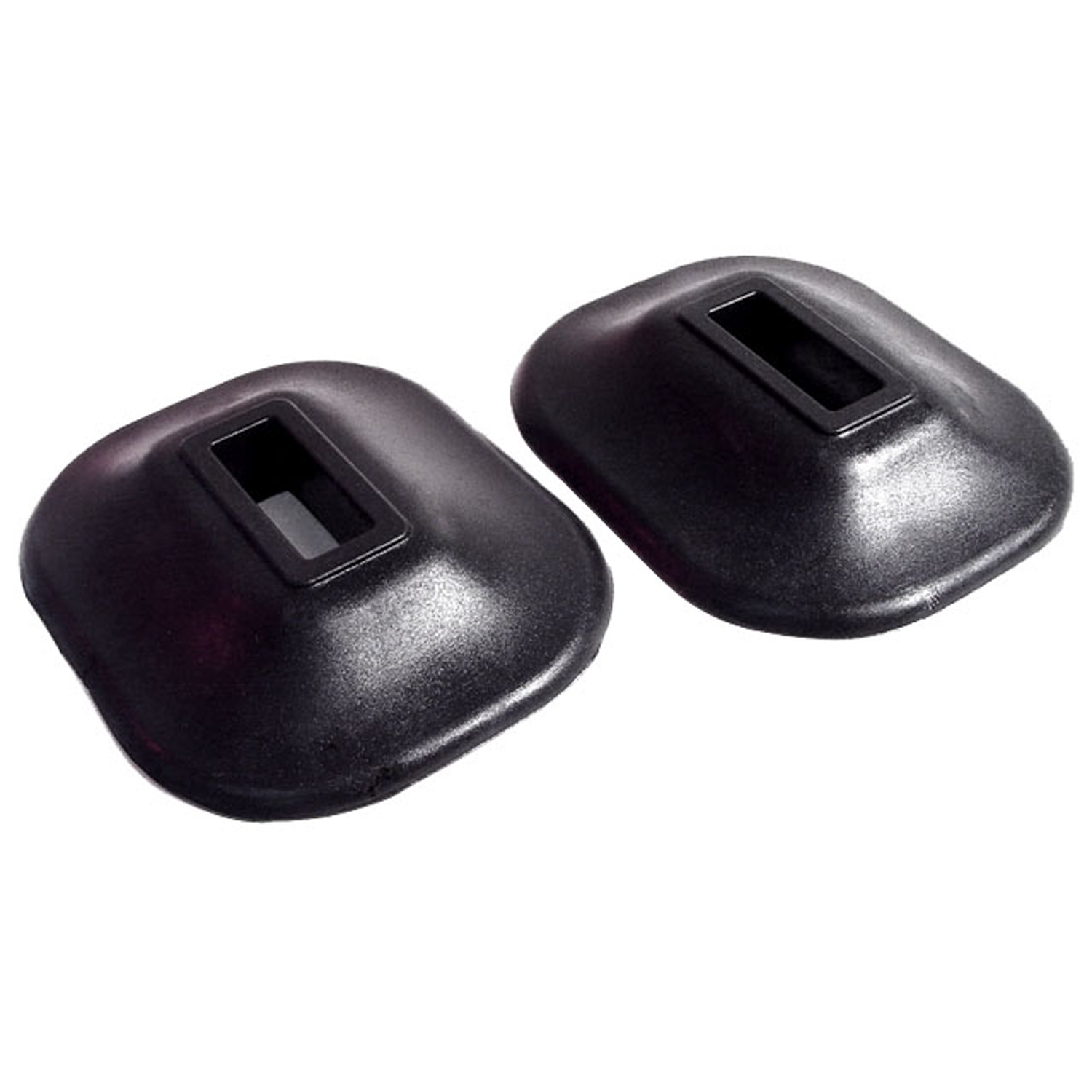 1955 Willys Station Wagon Front and Rear Bumper Arm Grommets-BG 62Front and Rear Bumper Arm Grommets. 3-1/8" wide X 3-7/8" long, with 1-3/8" long inner slot. Pair
 1955 Willys Station Wagon Shock Absorber Grommet. 1" bottom O.D-BN 11Shock Absorber Grommet. 1" bottom O.D., 3/4" high, with 5/8" I.D. Each
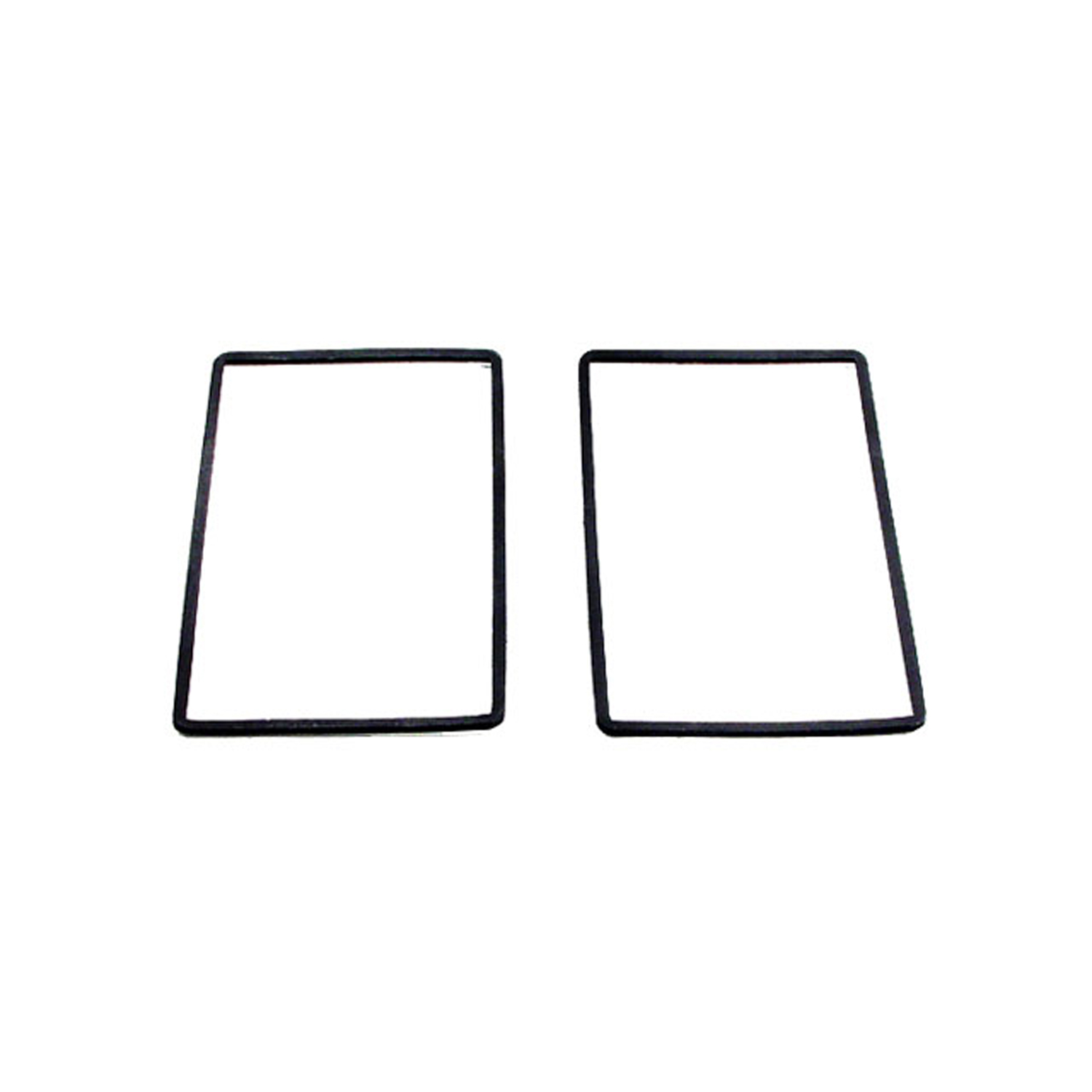 1955 Willys Station Wagon Tail-light Bezel Lens Gaskets. 2-3/4" X 2-5/16". Pair-LG 9600-120Tail-light Bezel Lens Gaskets. 2-3/4" X 2-5/16". Pair
 1955 Willys Station Wagon Tail-light Pads. 3-1/2" wide X 6-5/8" long. Pair-MP 1309-KTail-light Pads. 3-1/2" wide X 6-5/8" long. Pair
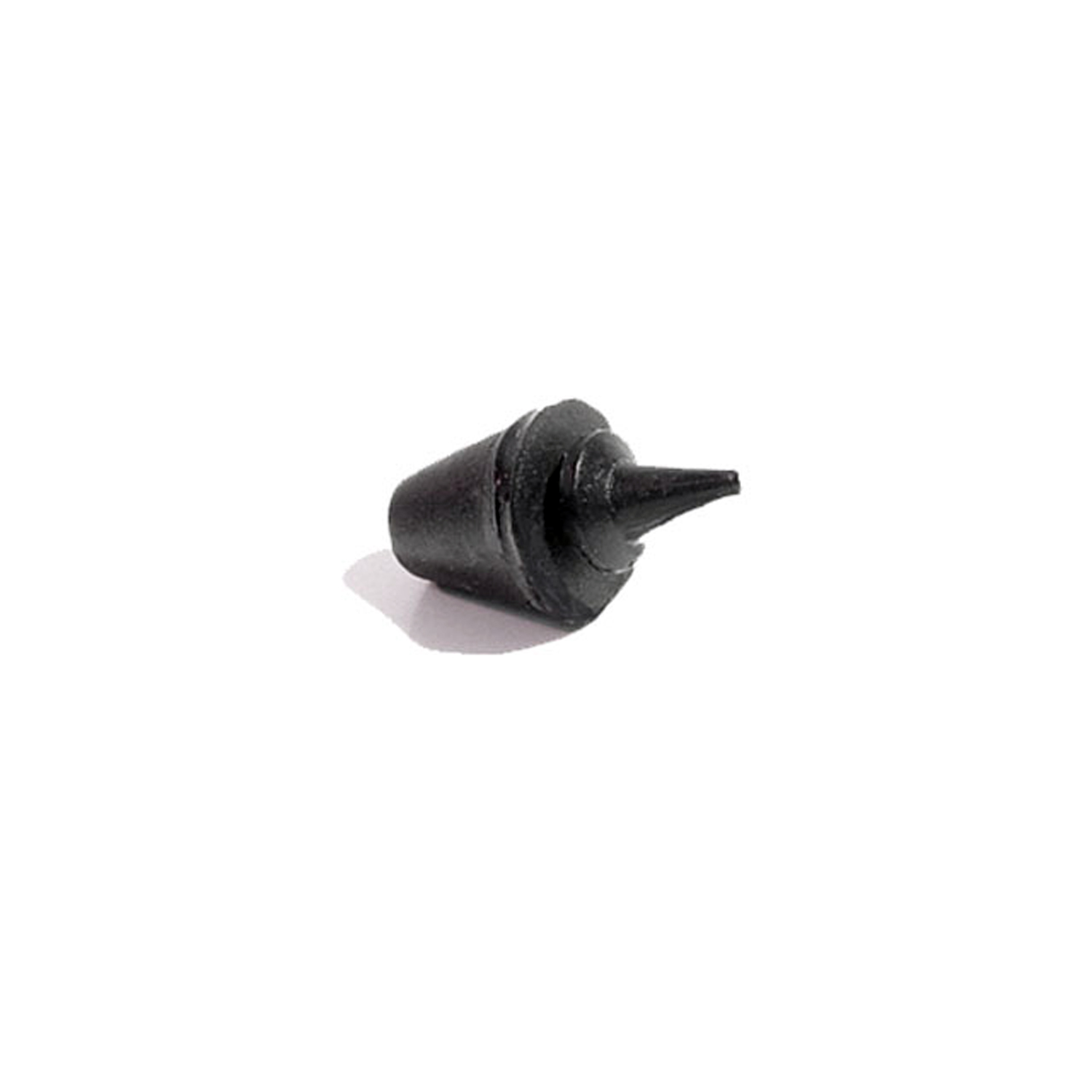 1955 Willys Station Wagon Glove Box Bumper. Each-SB 83Glove Box Bumper. Each
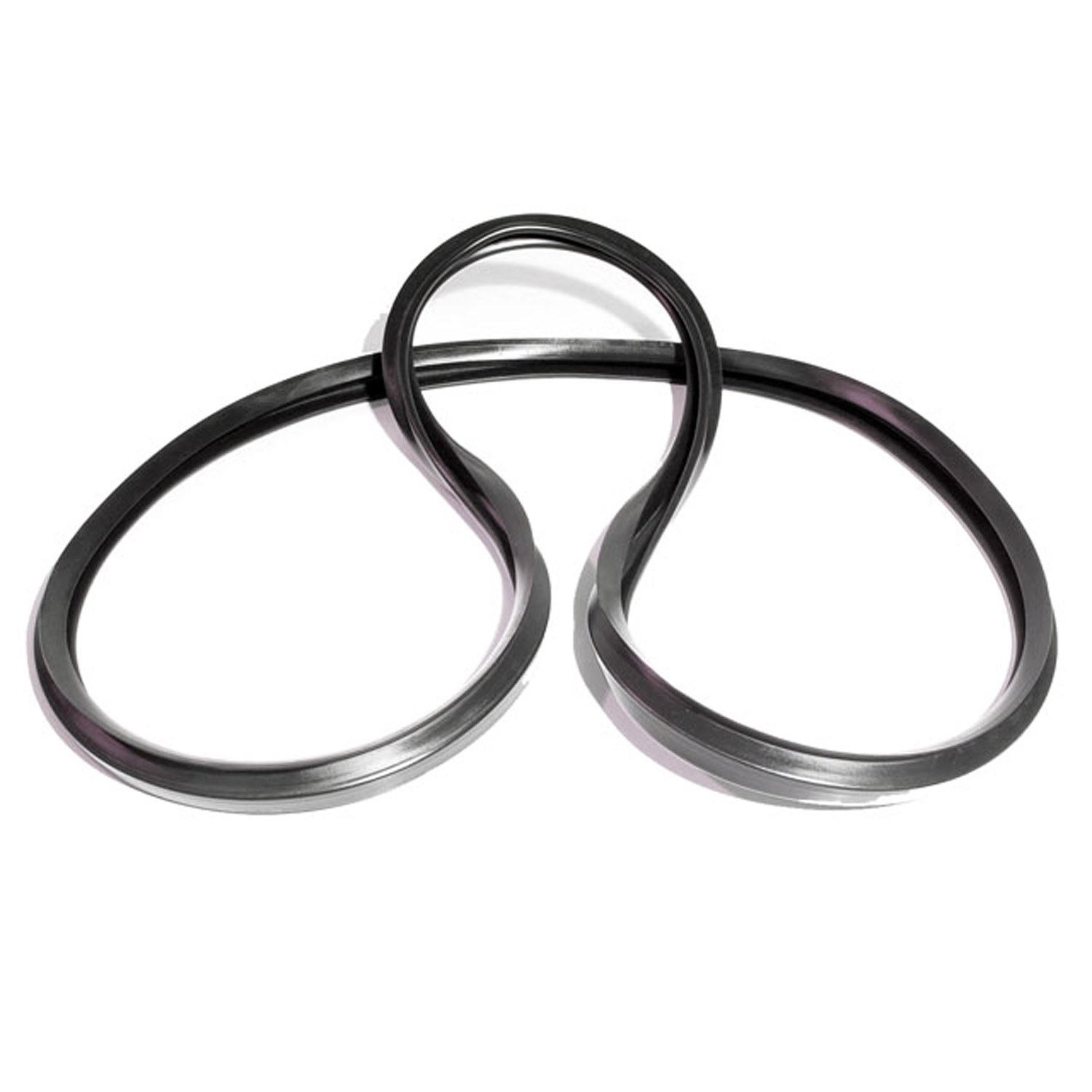 1955 Willys Station Wagon Vulcanized Side Front-Rear Sliding Window Seal-VQT 9600Vulcanized Side Front-Rear Sliding Window Seal. Made into one piece for easy installation. Order 2 to do both sides. Replaces OEM #671419. Each
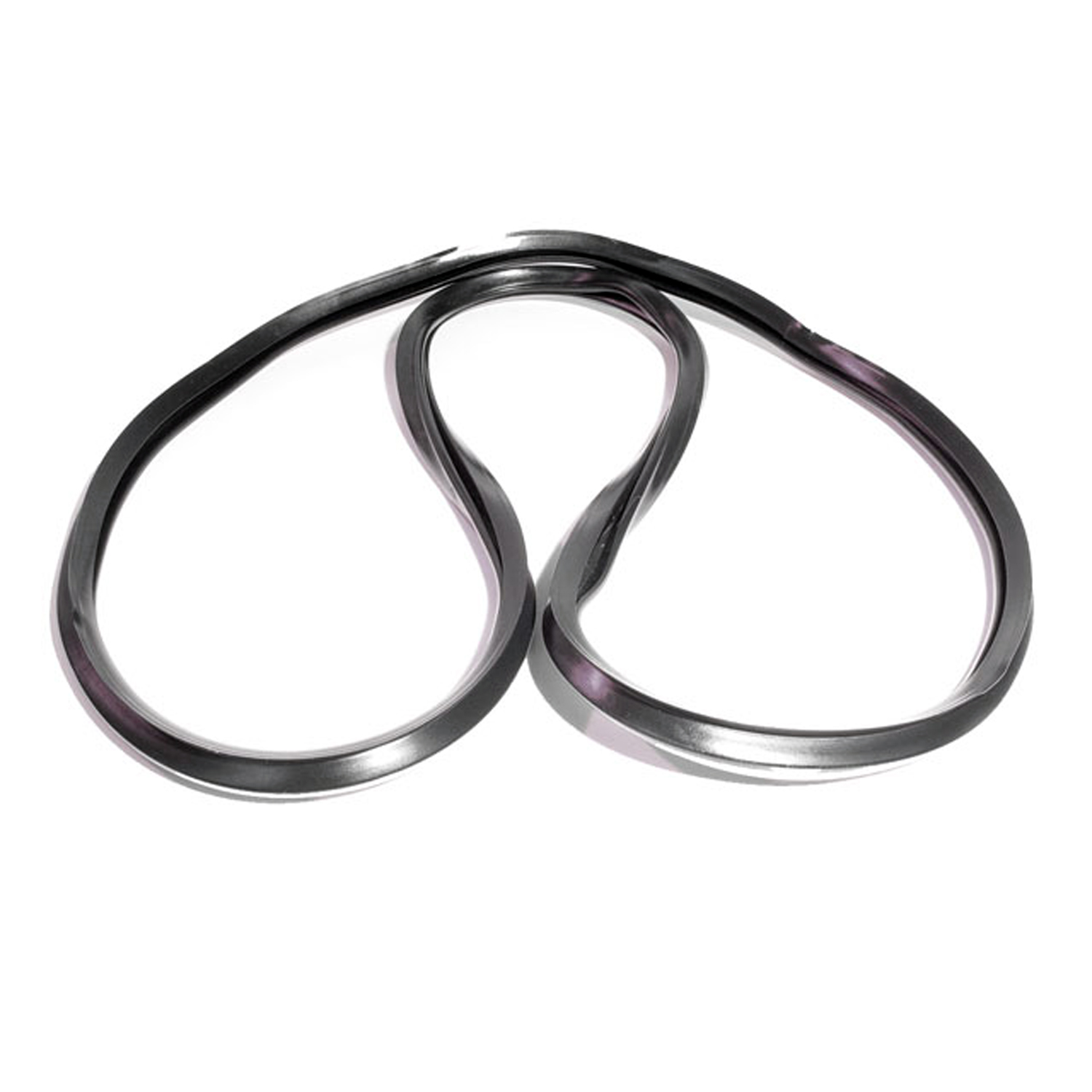 1955 Willys Station Wagon Vulcanized Side Rear-Rear Sliding Window Seal-VQT 9601Vulcanized Side Rear-Rear Sliding Window Seal. Made into one piece for easy installation. Order 2 to do both sides. Replaces OEM #664257. Each
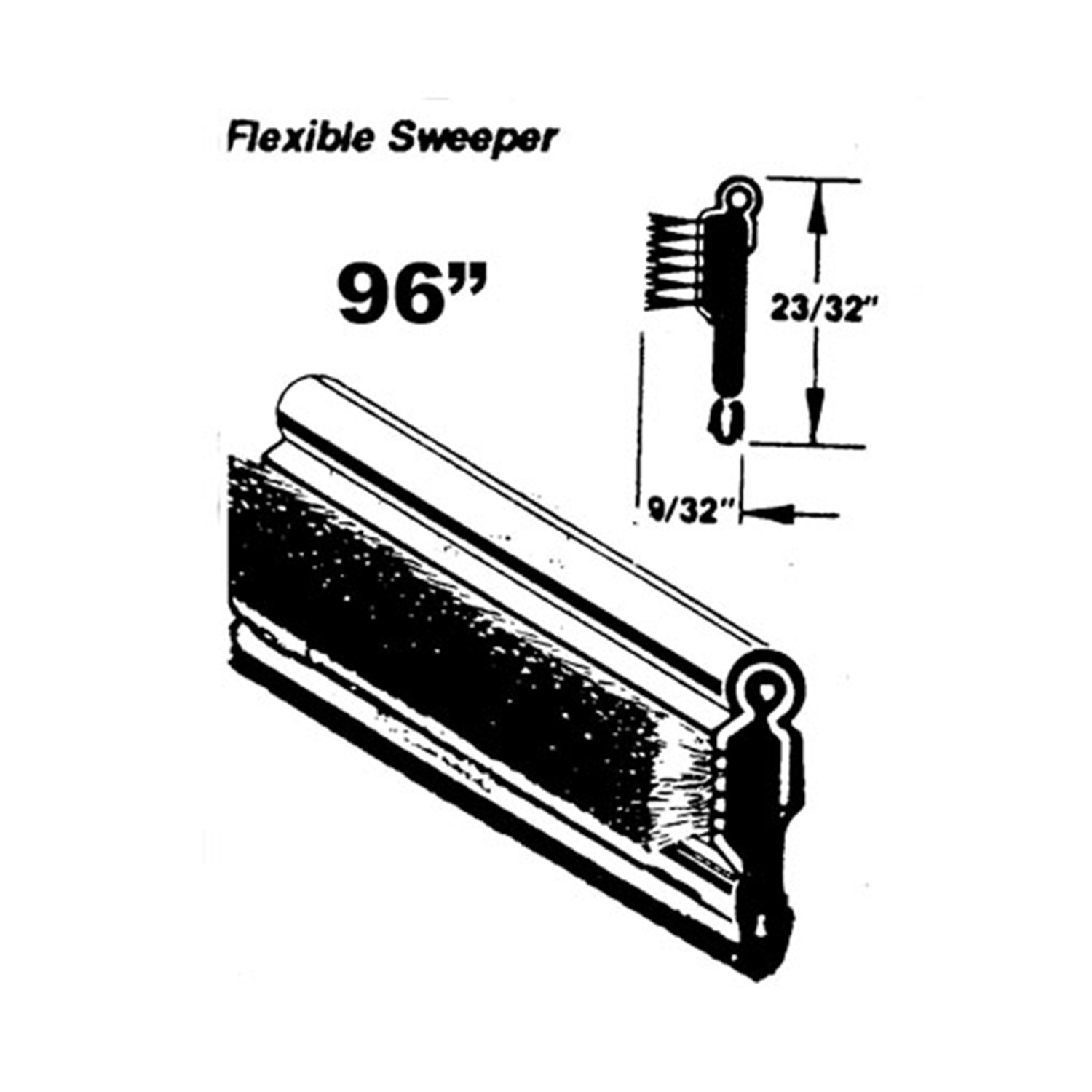 1955 Willys Station Wagon Flexible window sweeper. Made with stainless steel bead-WC 4-96Flexible window sweeper. Made with stainless steel bead. 96 in. long. Each. NOTE: $20 special shipping charge applies for domestic orders. Call or email for overseas shipping costs. Part can be sectioned in two or three equal lengths to reduce overseas shipping costs.
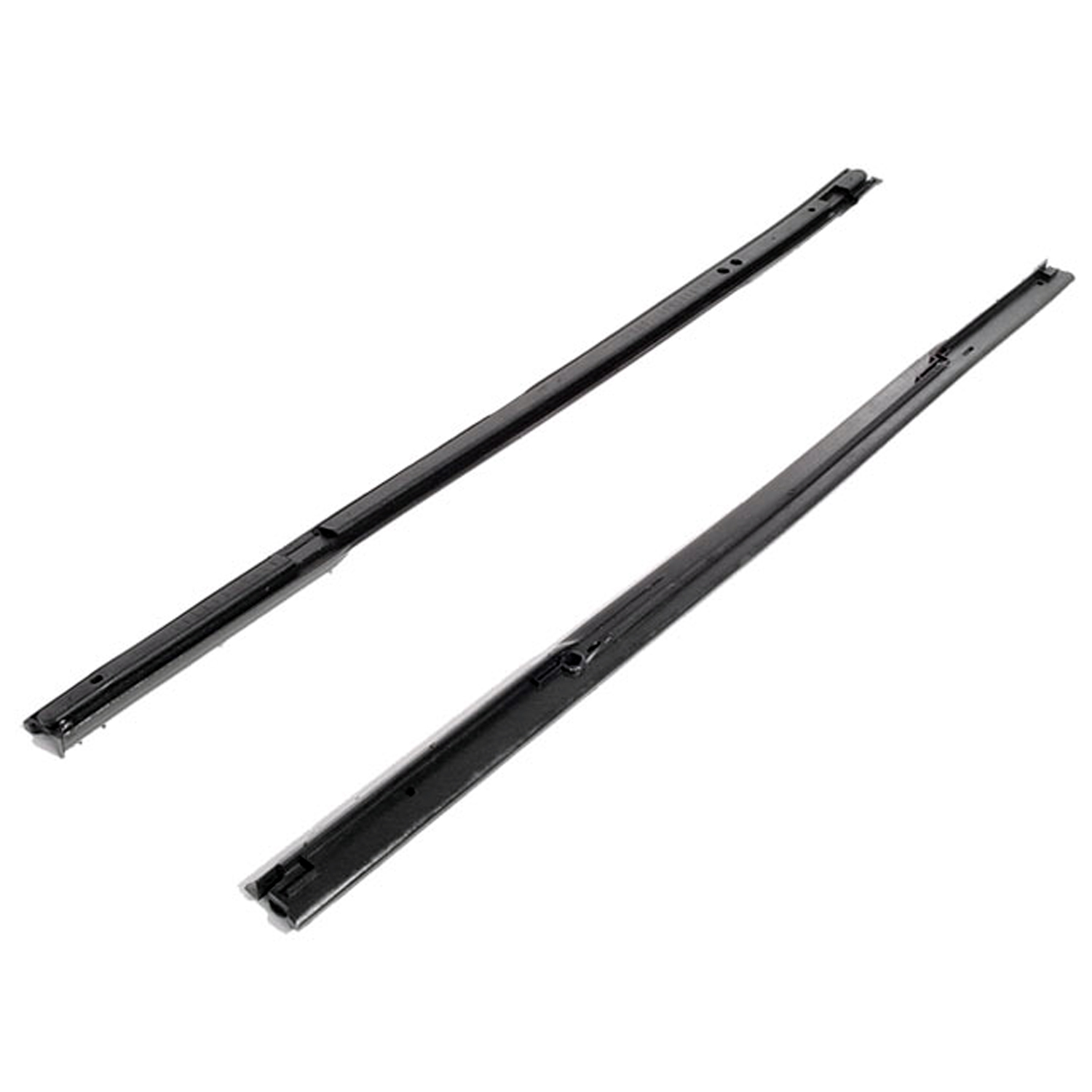 1955 Willys Station Wagon Front Vent Window Seals. For Trucks and Station Wagons-WR 9601Front Vent Window Seals. For Trucks and Station Wagons. Pair
Why Choose Metro?
For over 100 years, Metro Moulded Parts has been the pinnacle of quality in classic car restoration parts. Our commitment to precision and authenticity in every component ensures a perfect fit and an OEM-level appearance.
- Expert Craftsmanship & Quality: Each part is a testament to our dedication to reliability and perfection, crafted from original designs and thoroughly tested.
- Advanced Technology: We use cutting-edge techniques to create flawless, long-lasting parts that surpass others in performance.
- SuperSoft Sponge – The Ultimate Door Seal: Not only are our door seals 30% softer than competitors', but they're also guaranteed to never leak. They effectively reduce wind and road noise, enhancing your classic car's comfort and driving experience.
- Proudly American: Our parts are a product of American craftsmanship, made in the USA with a spirit of excellence and heritage.
- Unrivaled Warranty: We back our products with a 30-year industry-leading warranty, a testament to our confidence in their quality.
Join us in preserving the legacy of classic cars with parts that are crafted for perfection, not just made.